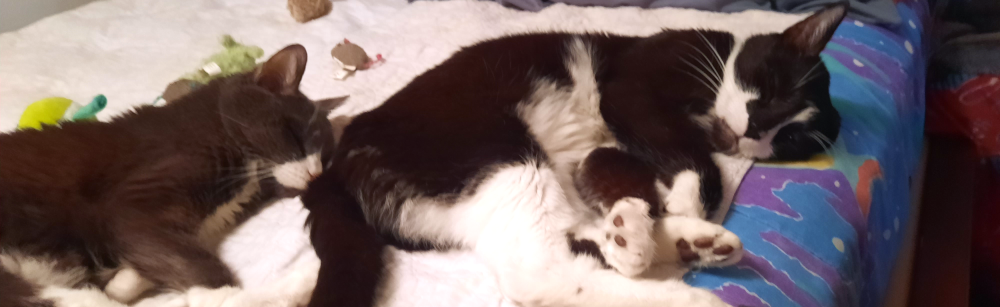

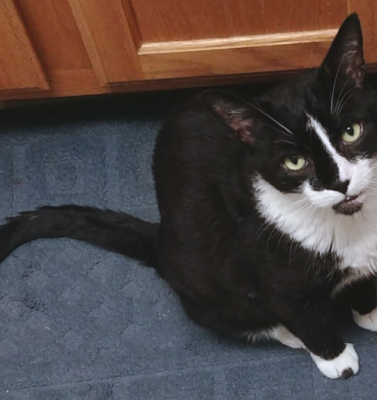
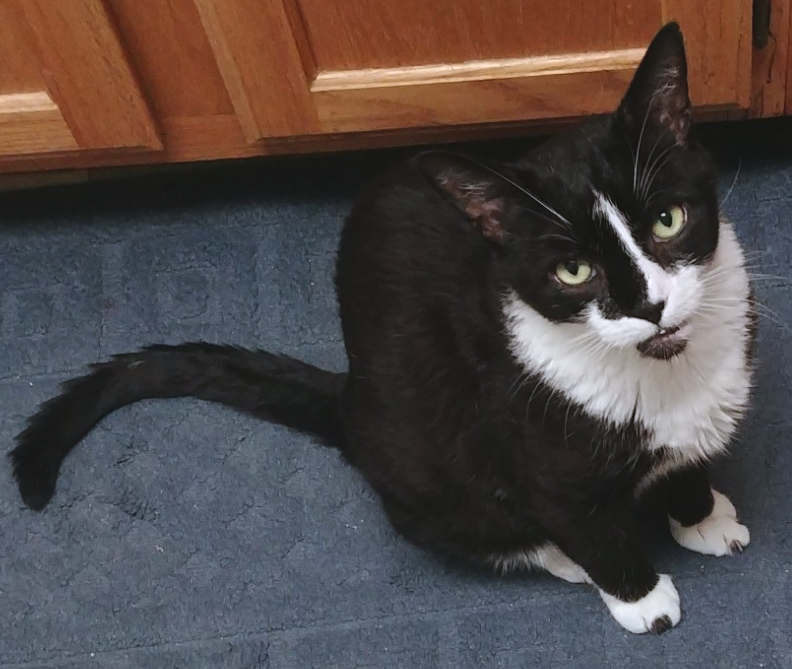
Living with more than one pet is a joy that fills a home with personality, routines, and a little chaos in the best possible way. When one of those pets is diagnosed with diabetes, the household dynamic changes. This is especially true when other cats or dogs share the same space, food schedules, and attention. Managing diabetes in a multi-pet household can feel overwhelming at first, but with patience, planning, and compassion, it can become just another part of daily life rather than a constant source of stress.
At BellenPaws, our perspective comes from years of lived experience, not from a veterinary textbook. We have shared our home with senior cats and dogs, some healthy well into old age and others facing chronic illnesses like diabetes, kidney disease, thyroid issues, and cancer. Diabetes, in particular, taught us lessons about structure, observation, and empathy that apply to every pet in the house, not just the one receiving insulin.
Understanding Diabetes Without the Jargon
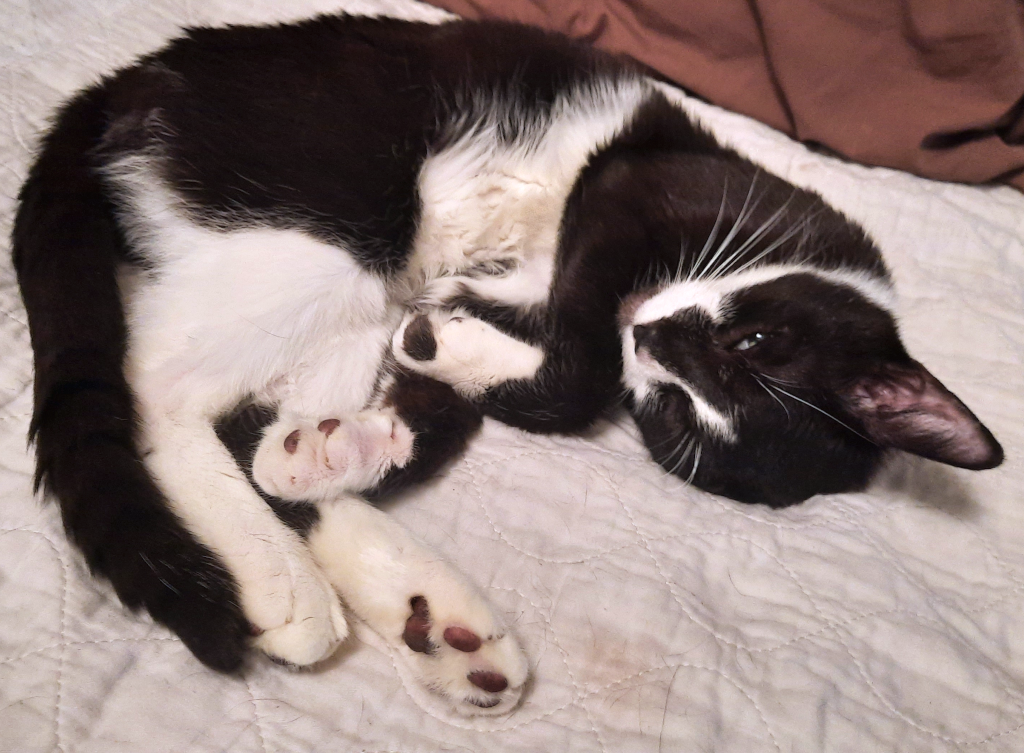 Diabetes in pets, especially cats and dogs, means the body is not properly regulating blood sugar. Either the body does not produce enough insulin or it cannot use insulin effectively. Insulin is the hormone that helps sugar move from the bloodstream into cells, where it is used for energy. When this process breaks down, sugar builds up in the blood and spills into the urine, leading to symptoms many owners notice first.
Common signs include increased thirst, frequent urination, weight loss despite a good appetite, and changes in energy levels. In senior pets, these signs can be subtle or mistaken for normal aging. That is one reason diabetes can go unnoticed until it becomes more serious.
In a multi-pet household, these symptoms may be harder to spot. One cat drinking more water might blend into the background when several pets share bowls. A dog having accidents could be blamed on age rather than blood sugar issues. Awareness is the first step toward good management, especially when multiple animals are involved.
The Emotional Side of Managing Diabetes Around Other Pets
One of the hardest parts of managing diabetes is not the testing or injections. It is the emotional weight of making sure one pet gets what they need without neglecting the others. Guilt can creep in, especially when routines change or when one pet receives more attention.
Other pets may feel confused by new schedules or jealous of the extra care. Some may try to sneak food meant for the diabetic pet, while others may resent being restricted because of household changes. Recognizing these emotions, both yours and theirs, helps you respond with patience rather than frustration.
It is important to remember that structure benefits all pets. Predictable routines, consistent feeding times, and calm handling create a sense of security for everyone in the home.
Feeding Strategies That Work for Everyone
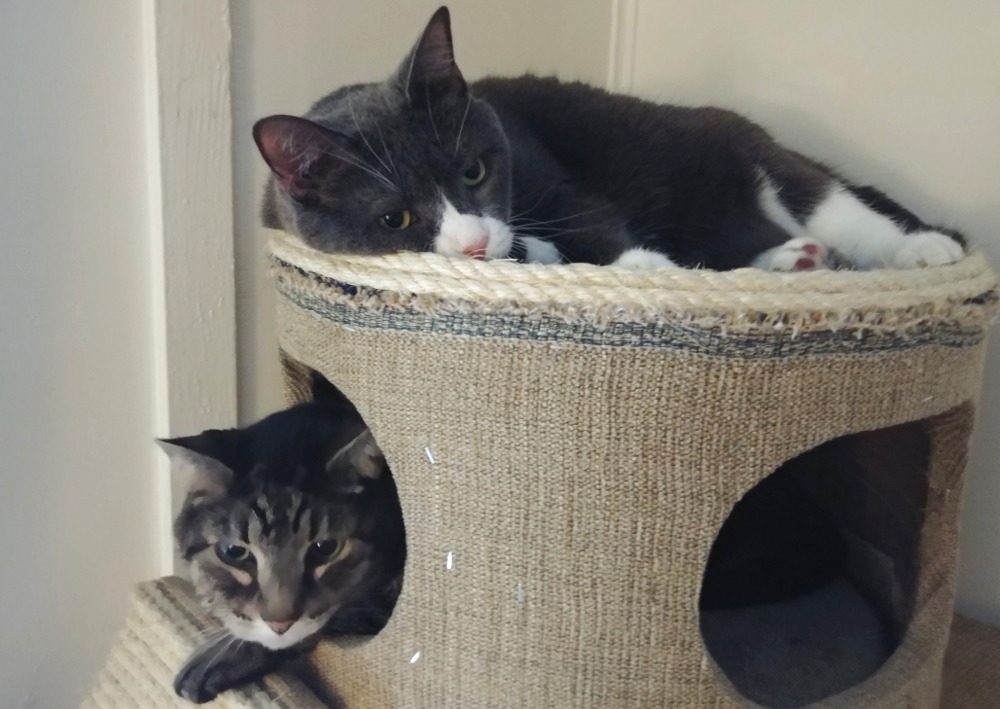 Food management is often the biggest challenge in a multi-pet household with a diabetic pet. Diabetic cats and dogs usually need carefully timed meals and specific diets to keep blood sugar stable. Free feeding, where food is left out all day, becomes risky when insulin is involved.
One practical solution is scheduled feeding for all pets. This may feel inconvenient at first, but it quickly becomes routine. Pets are remarkably adaptable, even seniors who have eaten the same way for years. Feeding everyone at the same times reduces confusion and prevents the diabetic pet from sneaking extra food.
Separate feeding areas can also help. Feeding pets in different rooms or using baby gates allows you to monitor who eats what. For cats, microchip feeders can be a lifesaver. These feeders open only for the cat assigned to them, preventing food theft without constant supervision.
If different pets require different diets, label bowls clearly and pick them up as soon as meals are finished. This reduces the risk of one pet sampling another’s food and disrupting blood sugar control.
Treats, Training, and Fairness
Treats are often overlooked when managing diabetes, but they matter, especially in homes with multiple pets. If one pet receives treats freely while another cannot, tension can build quickly.
The key is fairness, not sameness. Choose treats that are appropriate for the diabetic pet and offer them to everyone. This keeps routines consistent and avoids singling out one pet as “different.” Low-carbohydrate treats or small portions of approved foods can often be shared safely.
When treats are not possible, substitute affection. Extra brushing, playtime, or quiet one-on-one moments can be just as rewarding, especially for senior pets who value comfort over excitement.
Monitoring Blood Sugar Without Household Chaos
 Testing blood sugar at home is one of the most empowering tools for managing diabetes. It allows you to see how food, insulin, and daily life affect your pet. In a multi-pet household, however, testing can feel like a production.
Choose a calm, consistent testing area. This could be a favorite chair, a countertop with a towel, or a quiet corner away from curious noses. Consistency helps the diabetic pet feel safe and reduces anxiety.
Other pets may want to investigate. Gently redirect them with toys or have another family member occupy them during testing times. Over time, most pets learn that testing is just another routine and lose interest.
Keeping records is equally important. Tools like glucose trackers, printable logs, and glucose curve forms allow you to see patterns over time. These records are especially helpful when multiple pets share similar symptoms or when you are trying to rule out other age-related issues.
Insulin Time and Household Routines
Insulin injections can feel intimidating at first, but they quickly become second nature. In a multi-pet household, timing is everything. Insulin is usually given around meals, so coordinating feeding schedules simplifies the process.
Choose consistent times each day and stick to them as closely as possible. Pets thrive on routine, and predictability reduces stress for everyone involved. Alarms or reminders can be helpful, especially in busy households.
Other pets may associate insulin time with food and gather around. This can be distracting but is manageable. Feeding other pets first or in separate areas can create space for calm injections.
Watching for Subtle Changes
 When caring for multiple senior pets, it is easy to miss small changes. Diabetes management relies heavily on observation. Changes in appetite, water intake, litter box habits, or energy levels can signal that something needs attention.
Make a habit of checking in with each pet individually. Notice who drinks more, who sleeps more, and who seems uncomfortable. In multi-pet homes, comparing behavior over time is often more useful than focusing on one moment.
Weight changes are especially important. Regular weigh-ins can catch issues early, whether it is a diabetic pet losing weight or another pet gaining weight due to reduced activity or dietary changes.
When Other Pets Are Also Seniors
Many multi-pet households include more than one senior pet. This adds another layer of complexity, as age-related issues can overlap with diabetic symptoms. Kidney disease, arthritis, and thyroid conditions can all affect appetite, weight, and energy.
Managing diabetes in this context requires flexibility. What works one month may need adjustment the next. Compassion for yourself is just as important as compassion for your pets. You are doing your best in a constantly changing situation.
Tools like age calculators can help you reframe expectations. Understanding where each pet is in their life stage can guide decisions about care, activity, and diet without unrealistic comparisons.
Quality of Life Comes First
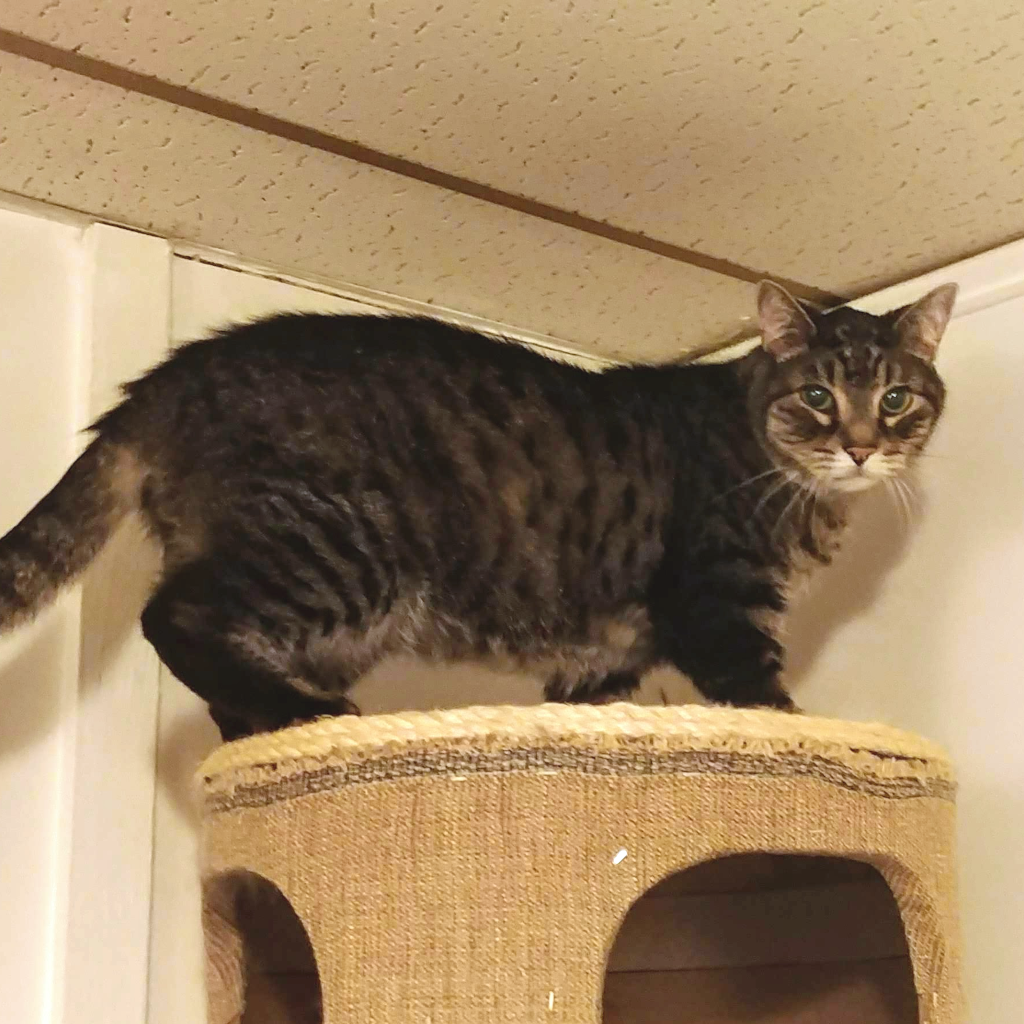 It is easy to get caught up in numbers, schedules, and routines. While these are important, they are not the whole picture. Quality of life should always guide decisions, especially with senior pets.
A diabetic pet who feels loved, comfortable, and secure is doing well, even if every number is not perfect. Managing diabetes is not about achieving perfection. It is about balance.
In multi-pet households, this balance includes preserving harmony. Small compromises, creative solutions, and a focus on comfort can make a big difference.
Building Confidence Over Time
The early days after a diabetes diagnosis are often the hardest. There is fear of making mistakes, worry about other pets, and grief for the loss of a simpler routine. With time, confidence grows.
What once felt overwhelming becomes familiar. Testing takes minutes instead of hours. Feeding schedules become second nature. Other pets adjust and settle into the new normal.
Experience teaches you to trust your instincts. You learn when something feels off and when a bad day is just a bad day. This confidence is built through patience and practice, not perfection.
A Household Built on Care
Managing diabetes in a multi-pet household is not just about one condition. It is about caring for a family of animals, each with their own needs, personalities, and histories. It is about adapting without losing sight of joy.
At its heart, this journey is about love. Love that shows up in routines, in late-night checks, in rearranged furniture, and in quiet moments shared with aging companions. Diabetes becomes part of the story, not the whole story.
For anyone walking this path, know that you are not alone. With compassion, structure, and the willingness to learn, managing diabetes alongside other pets is not only possible, it can deepen the bond you share with every animal in your home.