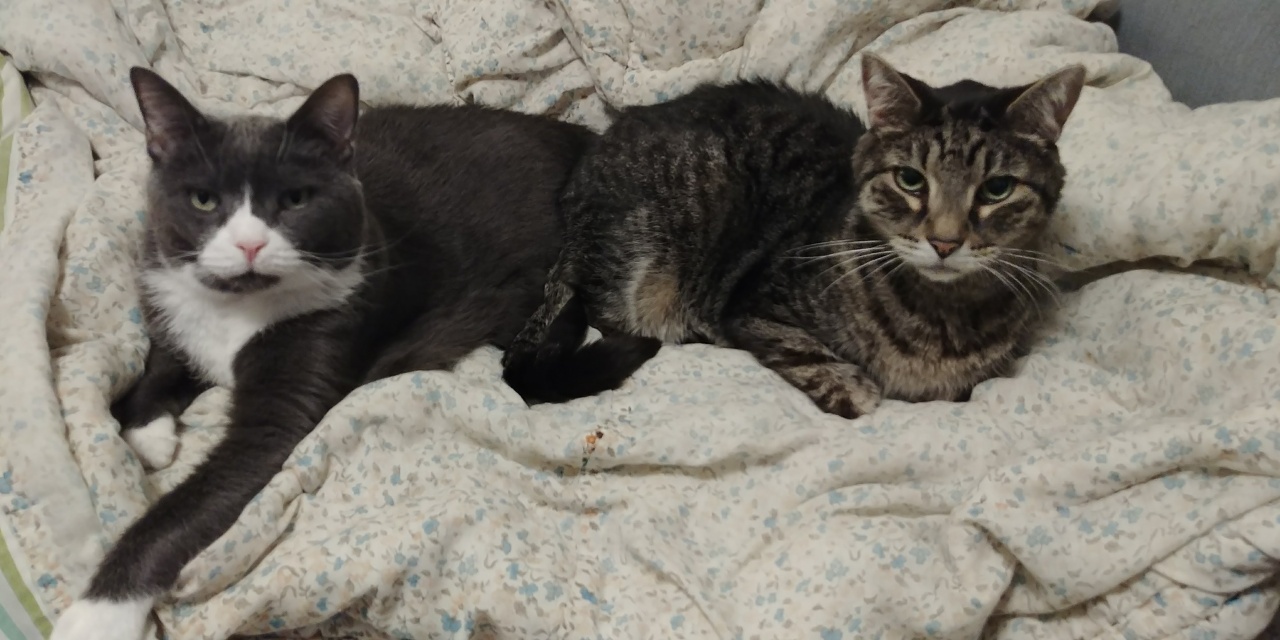

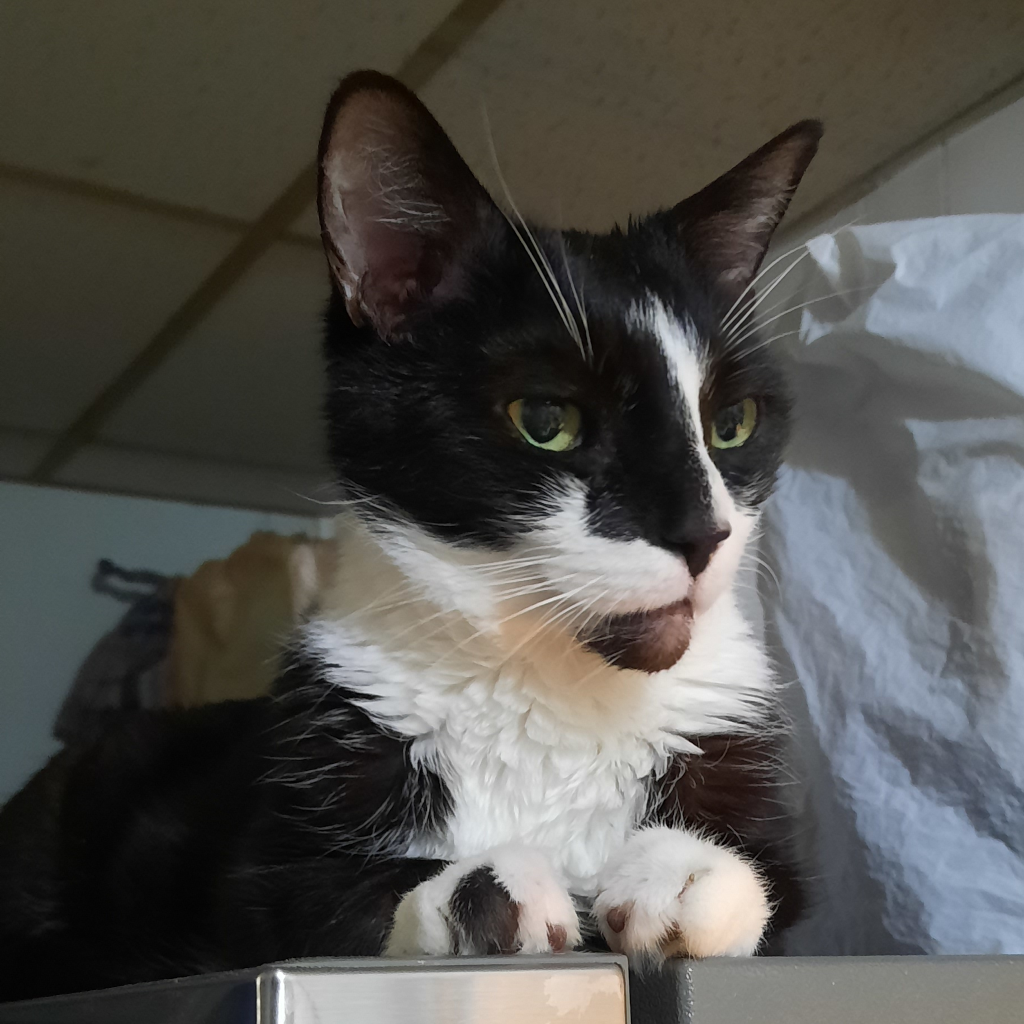
Feline diabetes mellitus is a condition that often arrives quietly. Many cats continue eating, drinking, and moving through their routines long before the problem becomes obvious. By the time a diagnosis is made, owners are often thrust into a new world of blood glucose numbers, insulin schedules, dietary rules, and monitoring routines that can feel overwhelming at first. Yet at the heart of diabetes management lies a single, central concept: maintaining safe and stable blood glucose levels.
Understanding what those numbers mean, how they fluctuate, and how to respond to changes is one of the most powerful tools a caregiver can develop. Blood glucose monitoring is not simply about preventing emergencies. It is about learning how your cat’s body responds to insulin, food, stress, and daily life, and using that knowledge to support long-term comfort and stability.
What Blood Glucose Really Represents
 Blood glucose refers to the amount of sugar circulating in the bloodstream, measured in milligrams per deciliter. In a healthy cat, insulin produced by the pancreas allows glucose to move from the blood into cells, where it is used for energy. In diabetic cats, this process is disrupted either because insulin is insufficient or because the body cannot respond to it effectively.
When glucose cannot enter cells properly, it accumulates in the bloodstream while the body’s tissues are left starved for energy. This imbalance explains many classic diabetic symptoms, including weight loss despite increased appetite, excessive thirst, and frequent urination. Monitoring blood glucose allows caregivers and veterinarians to see how well insulin therapy is restoring balance.
Understanding the Normal Range
For most diabetic cats under treatment, a general target range for blood glucose falls between approximately 80 and 200 mg/dL. When values stay within this window, it usually indicates that insulin dosage, feeding schedule, and overall management are working together effectively. However, this range is not identical for every cat.
Age, body condition, concurrent illnesses, stress sensitivity, and even personality can influence how tightly controlled a cat’s glucose levels should be. Some cats tolerate slightly higher values without symptoms, while others may feel unwell at levels that appear acceptable on paper. For this reason, glucose numbers should always be interpreted alongside your cat’s behavior, appetite, hydration, and overall demeanor.
The Risks of Low Blood Sugar
Hypoglycemia, or low blood glucose, is one of the most urgent and potentially dangerous complications of diabetes management. It typically occurs when insulin lowers glucose levels faster or further than intended, often due to dosing errors, reduced food intake, vomiting, or unexpected changes in activity.
When blood glucose drops below roughly 60 mg/dL, the brain and nervous system are deprived of the energy they depend on. Early signs can be subtle, such as weakness, lethargy, or slight disorientation. As levels continue to fall, symptoms may escalate to tremors, poor coordination, seizures, or loss of consciousness.
Because hypoglycemia can progress rapidly, recognizing early warning signs is critical. Many caregivers keep a fast-acting glucose source, such as corn syrup or honey, readily available. Applied to the gums in an emergency, it can temporarily raise blood sugar until veterinary care is obtained. Prompt action often makes the difference between a brief scare and a life-threatening crisis.
When Blood Sugar Runs Too High
Hyperglycemia, or high blood glucose, occurs when insulin is insufficient or ineffective. Levels above approximately 400 mg/dL suggest poor glucose control and may persist when insulin doses are too low, injections are missed, or the cat is experiencing stress or illness.
Unlike hypoglycemia, high blood sugar usually develops more gradually, but it carries its own serious risks. Chronic hyperglycemia strains the kidneys, contributes to dehydration, weakens the immune system, and accelerates muscle loss. Cats with persistently high glucose often drink and urinate excessively, feel fatigued, and lose weight despite eating well.
In severe cases, prolonged hyperglycemia can lead to diabetic ketoacidosis, a life-threatening condition caused by the buildup of acidic ketones in the blood. This medical emergency requires immediate veterinary treatment and underscores why long-term glucose control is just as important as preventing sudden drops.
The Role of Home Blood Glucose Monitoring
 Home blood glucose testing has become a cornerstone of modern feline diabetes care. While it may seem intimidating at first, many caregivers find that testing becomes routine with practice. Home monitoring provides real-time insight into how your cat responds to insulin, meals, and daily fluctuations.
Veterinarians often recommend more frequent testing during the initial adjustment phase or when insulin doses are being changed. Over time, testing schedules may become less intensive, focusing instead on periodic glucose curves and spot checks when symptoms arise. Home testing also reduces the stress-related glucose spikes that can occur during clinic visits, providing more accurate data.
Urine Glucose as a Supplemental Tool
Urine glucose monitoring is sometimes used as a supplemental method, particularly for caregivers who are still becoming comfortable with blood testing. Glucose appears in urine only when blood levels exceed a certain threshold, so urine tests cannot detect low blood sugar and should never replace blood monitoring entirely.
However, when tracked consistently, urine glucose patterns can help identify trends over time. Testing first-morning urine often yields the most useful information, and recording results alongside blood glucose readings creates a more complete picture of diabetic control.
Watching the Cat, Not Just the Numbers
Numbers alone never tell the full story. Behavioral monitoring remains one of the most valuable yet underappreciated aspects of diabetes management. Changes in thirst, appetite, energy, grooming habits, and litter box usage often provide early clues that glucose control is drifting out of balance.
A cat whose numbers appear stable but seems lethargic or withdrawn may still require adjustments. Conversely, a cat with slightly elevated readings who is energetic, hydrated, and maintaining weight may be coping well. Learning what “normal” looks like for your individual cat allows you to interpret glucose data with greater confidence and nuance.
Insulin as a Daily Commitment
Insulin therapy forms the foundation of feline diabetes treatment. Consistency is critical. Administering insulin at the same times each day helps maintain predictable glucose patterns and reduces the risk of dangerous swings. Proper storage, correct dosing, and careful injection technique all contribute to effectiveness.
Keeping detailed records of insulin doses, glucose readings, meals, and observations transforms diabetes care from guesswork into informed decision-making. Over time, these records reveal patterns that guide adjustments and help prevent complications.
Diet and Glucose Stability
Diet plays a powerful role in blood glucose control. Feeding measured portions at consistent times helps insulin work as intended. Many diabetic cats benefit from diets higher in protein and lower in carbohydrates, though individual needs vary.
Sudden changes in food type, portion size, or feeding schedule can disrupt glucose stability. When dietary changes are necessary, gradual transitions and close monitoring reduce the risk of unexpected fluctuations. Fresh water should always be available, as hydration supports kidney function and overall metabolic health.
Planning for Emergencies
Despite careful management, emergencies can still occur. Preparing in advance reduces panic and improves outcomes. Knowing how to recognize hypoglycemia, keeping emergency glucose sources accessible, and having contact information for emergency veterinary services readily available are all essential steps.
Transportation plans and knowledge of nearby 24-hour clinics ensure that help can be reached quickly if needed. Preparedness brings peace of mind and confidence, both for caregivers and the cats who depend on them.
Long-Term Success with Feline Diabetes
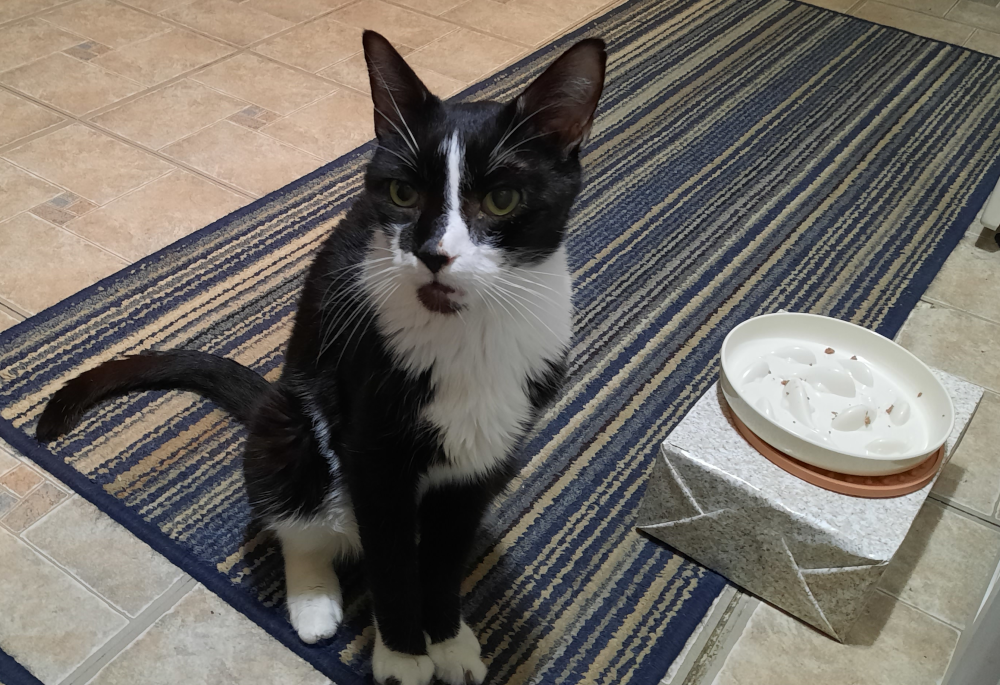 Managing feline diabetes is not a static process. Cats change over time, and insulin needs may shift as weight, activity, or other health conditions evolve. Regular veterinary check-ups, ongoing monitoring, and open communication allow treatment plans to adapt as needed.
With attentive care, many diabetic cats achieve excellent quality of life. Some even experience remission, where insulin requirements decrease or disappear entirely. While remission cannot be guaranteed, stable glucose control significantly improves comfort, longevity, and overall well-being.
A Journey Built on Understanding
Blood glucose monitoring may begin as a technical task, but it quickly becomes a language through which caregivers learn to understand their cat’s needs more deeply. Each reading adds context, each observation builds insight, and each adjustment strengthens the partnership between human and animal.
Managing feline diabetes requires commitment, patience, and compassion. By understanding blood glucose levels and responding thoughtfully to changes, caregivers can transform a challenging diagnosis into a manageable part of daily life. With vigilance and care, diabetic cats can continue to live full, comfortable lives, supported by informed and attentive hands.