When people first hear the word diabetes in relation to their pet, the reaction is almost universal: fear. Fear of needles. Fear of doing something wrong. Fear that life is about to shrink into schedules, alarms, and constant worry. For many owners of senior pets, that fear comes layered on top of existing concerns about aging, mobility, appetite changes, or other chronic conditions already in play. But diabetes does not have to be the moment where joy quietly drains out of life.
In fact, when managed thoughtfully and consistently, diabetes care often does the opposite. It restores comfort. It brings predictability back into daily routines. It gives pets more good days, more energy, and more interest in the world around them. For many families, diabetes management becomes less of a limitation and more of a framework that supports quality of life. That perspective rarely comes on day one. It grows with experience, patience, and the realization that routine can be a source of freedom rather than restriction.
The Emotional Weight of a Diagnosis
Most pets diagnosed with diabetes are not young. They are often already seniors, or at least entering that stage of life. Owners may already be managing kidney disease, thyroid issues, arthritis, or vision changes. Adding another diagnosis can feel overwhelming, especially when it comes with new skills to learn.
There is also guilt. Many people wonder if they missed something earlier or if they somehow caused the condition. It is important to say this clearly: diabetes in pets is not a personal failure. Age, genetics, hormones, and individual biology all play roles. What matters is not how you arrived at the diagnosis, but what you do with the information once you have it.
The early days often feel rigid. Feeding schedules tighten. Insulin times become anchors in the day. Blood glucose testing may feel intimidating. It can seem like life is being reorganized around the condition rather than the pet. But something interesting happens once the routine settles in.
Routine as a Source of Stability
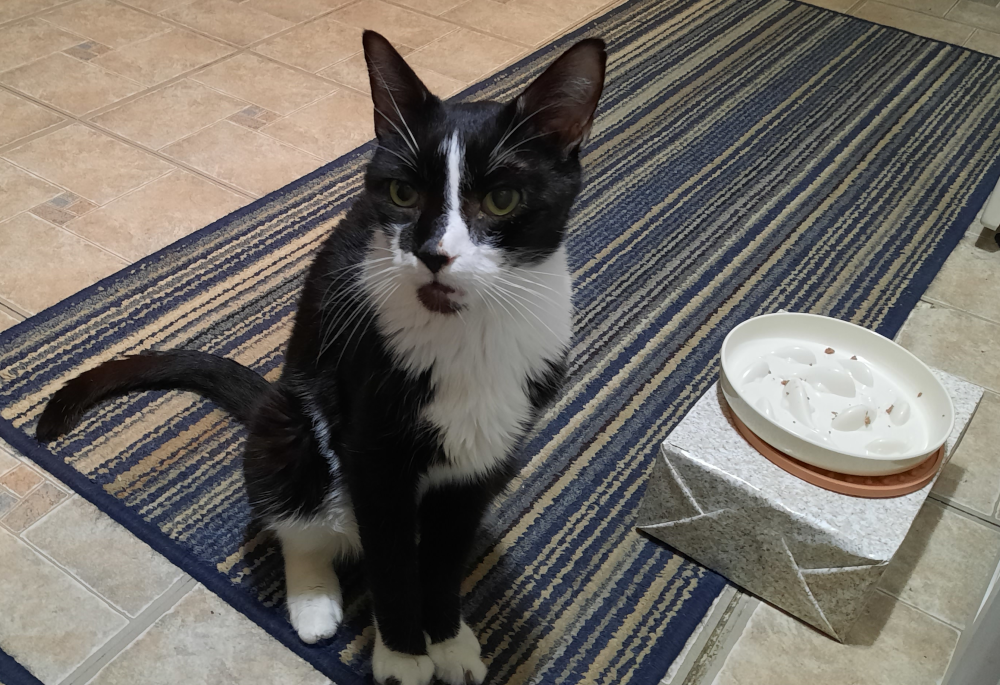 Senior pets thrive on predictability. They like knowing when meals happen, when quiet time happens, and when their people are nearby. Diabetes management naturally creates a rhythm that aligns surprisingly well with what aging animals already need.
Regular meals help regulate digestion and energy. Consistent insulin timing supports stable blood sugar levels. Monitoring habits encourage owners to pay closer attention to subtle changes that might otherwise be dismissed as “just old age.”
Instead of feeling trapped by the routine, many owners eventually realize that the routine reduces uncertainty. There is less guessing about why a pet seems off. There is more clarity about what is normal for this animal. That clarity often leads to better decision-making, less panic, and more confidence.
Comfort Improves When Blood Sugar Stabilizes
Unmanaged or poorly controlled diabetes can quietly steal comfort from a pet. Excessive thirst and urination, muscle loss, weakness, and lethargy can creep in gradually. Pets may seem withdrawn or less interested in activities they once enjoyed.
When blood glucose levels stabilize, many of these changes slow or even partially reverse. Pets may regain strength. Appetite becomes more consistent. Energy levels improve enough that owners are often surprised.
This does not mean pets suddenly act young again. Aging is still aging. But the difference between “old and uncomfortable” and “old and content” is significant. Quality of life is not about perfection. It is about reducing unnecessary stress on the body so that aging can unfold more gently.
Monitoring as Care, Not Obsession
One of the biggest mental hurdles for owners is the idea of monitoring. Numbers can feel intimidating. Charts can feel clinical. There is a fear of becoming obsessed or of turning care into constant measurement.
In practice, monitoring becomes a form of communication rather than surveillance. Tracking glucose readings over time helps owners see patterns instead of isolated moments. It shows how food, insulin, stress, and illness interact in a real body. It turns vague concerns into actionable information.
Many owners find that once they understand their pet’s typical range, anxiety actually decreases. A single odd reading no longer triggers panic because it is placed in context. Trends matter more than moments. Tools that allow readings to be logged, charted, and printed help shift monitoring from a stressful task into an organized habit. It becomes part of caring, not a reminder of illness.
Flexibility Within Structure
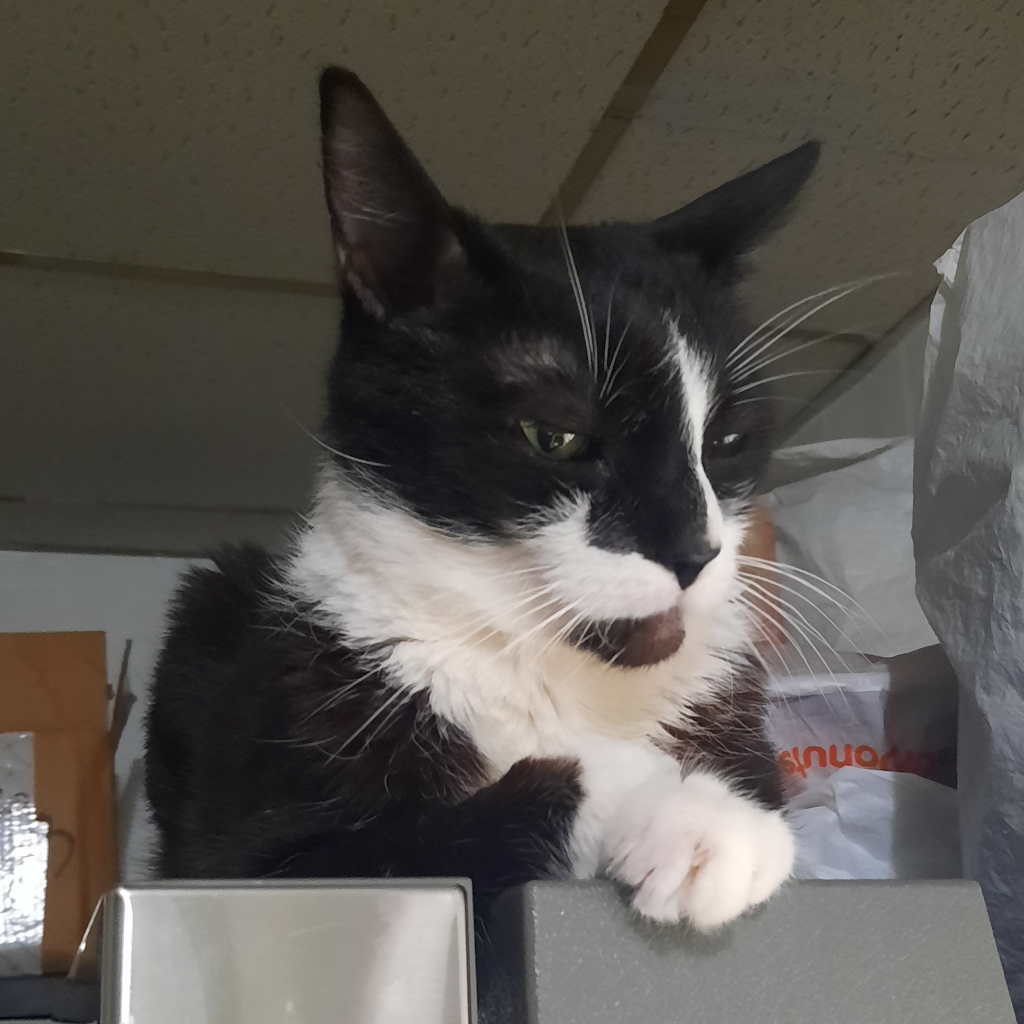 A common misconception is that diabetes management eliminates flexibility. While consistency is important, real life does not require robotic precision. Pets are not machines. Neither are people.
Over time, most owners learn how much flexibility their pet tolerates. A slightly later meal, a quieter day, or a small change in appetite does not automatically spell disaster. Experience teaches when to watch, when to adjust, and when to seek help.
This confidence grows from familiarity. It comes from living alongside the condition rather than fighting it. And that confidence translates into calmer pets. Animals pick up on stress. When care is delivered calmly and matter-of-factly, it becomes just another part of daily life rather than a source of tension.
Diabetes Does Not Cancel Joy
One of the most heartbreaking fears owners carry is the idea that diabetes means fewer happy moments. That walks will be shorter. That playtime will disappear. That affection will be replaced by medical tasks.
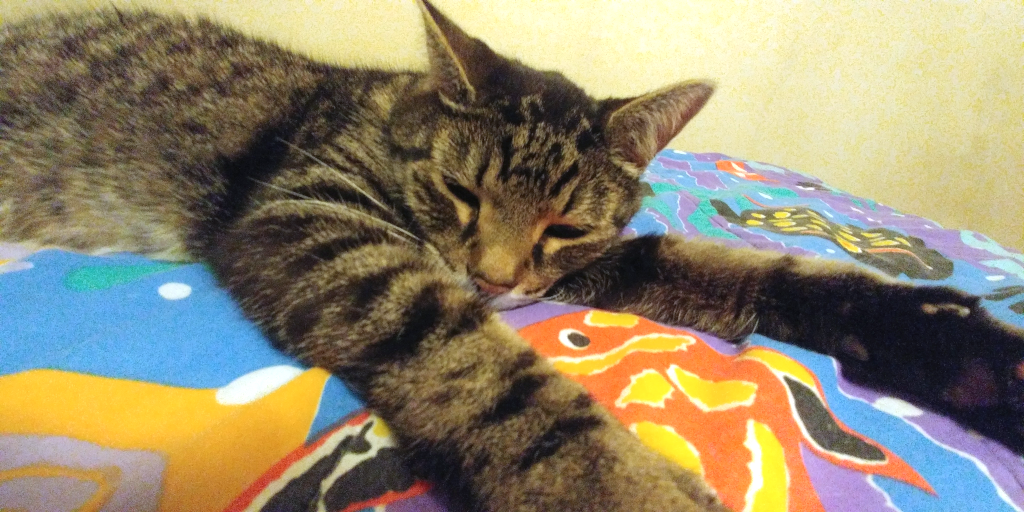
In reality, many pets with well-managed diabetes enjoy a full range of simple pleasures. They nap in sunbeams. They greet their people at mealtime. They seek comfort and companionship. They engage in gentle play appropriate for their age.
Diabetes management does not erase personality. It does not erase bonds. It does not replace love with medicine. What it often does is extend the time those things can exist comfortably.
Aging, Not Failing
It is important to separate the idea of aging from the idea of decline. Senior pets change, but change is not the same as failure. Diabetes is one of many conditions that can appear later in life, and it does not define the entirety of a pet’s experience.
When owners reframe care as support rather than control, everything shifts. Feeding becomes nourishment, not obligation. Injections become protection, not punishment. Monitoring becomes understanding, not fear. This mindset matters. Pets sense when they are being cared for with patience and compassion.
The Role of the Caregiver
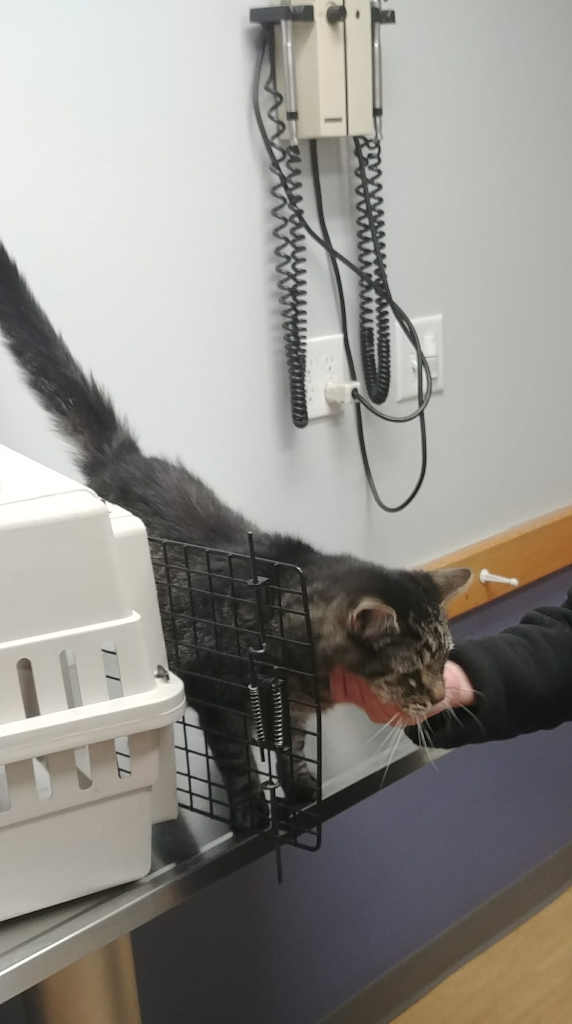 Caring for a diabetic senior pet does require commitment. It requires learning, adapting, and occasionally making hard choices. But it also deepens the relationship in unexpected ways.
You learn your pet’s rhythms more closely. You notice small victories. You become an advocate, an observer, and a steady presence. Many owners look back and realize that diabetes did not take something away. It taught them how resilient both they and their pets could be.
Quality of Life Is the Goal
Diabetes management should never be about chasing perfect numbers at the expense of comfort. The true goal is quality of life. That includes physical comfort, emotional security, and the ability to enjoy ordinary moments.
Every pet is different. Every household is different. What matters most is finding a sustainable approach that supports both the animal and the human caring for them. When that balance is achieved, diabetes becomes one thread in a larger story, not the whole narrative.
A Life Still Worth Living Fully
Senior pets have already given years of companionship, loyalty, and quiet presence. Managing diabetes is one way of giving something back. It is a commitment, yes, but also an act of love. With patience, education, and compassion, diabetes management often becomes less about limitation and more about preservation. Preservation of comfort. Preservation of dignity. Preservation of shared time.
And in many cases, that shared time remains rich, meaningful, and full of warmth. Because life with a senior pet is not measured by diagnoses. It is measured by moments.