

There are some conversations pet parents hope they never have to start. We can handle pill schedules, special diets, glucose checks, litter box monitoring, mobility changes, and those long nights when we sleep with one ear open because something feels different. But asking a veterinarian, “Is my pet still having a good life?” can feel like speaking the fear out loud.
The truth is, the quality of life conversation is not a sign that you are giving up. It is a sign that you are paying attention. It means you love your pet enough to look beyond your own fear and ask what their days actually feel like from their side of the blanket.
As pet parents, we often carry a quiet promise in our hearts. We want to keep them with us as long as we can, but we do not want to keep them here only for us. That balance is painful, tender, and deeply personal. Your vet cannot make your heart hurt less, but they can help you understand what your pet may be experiencing physically, what options remain, and how to make decisions with love instead of panic.
Starting the Conversation Before It Becomes an Emergency
 One of the kindest things you can do is bring up quality of life before you are standing in the middle of a crisis. That does not mean you are preparing to lose your pet tomorrow. It means you are building a map for a difficult road before the road becomes dark and confusing.
A simple way to begin is by saying, “I know we are not necessarily there yet, but I want to understand how we will know when my pet’s quality of life is changing.” This gives your vet permission to talk openly while still respecting that you are not ready to jump to final decisions. It also gives you space to ask questions while your mind is clearer.
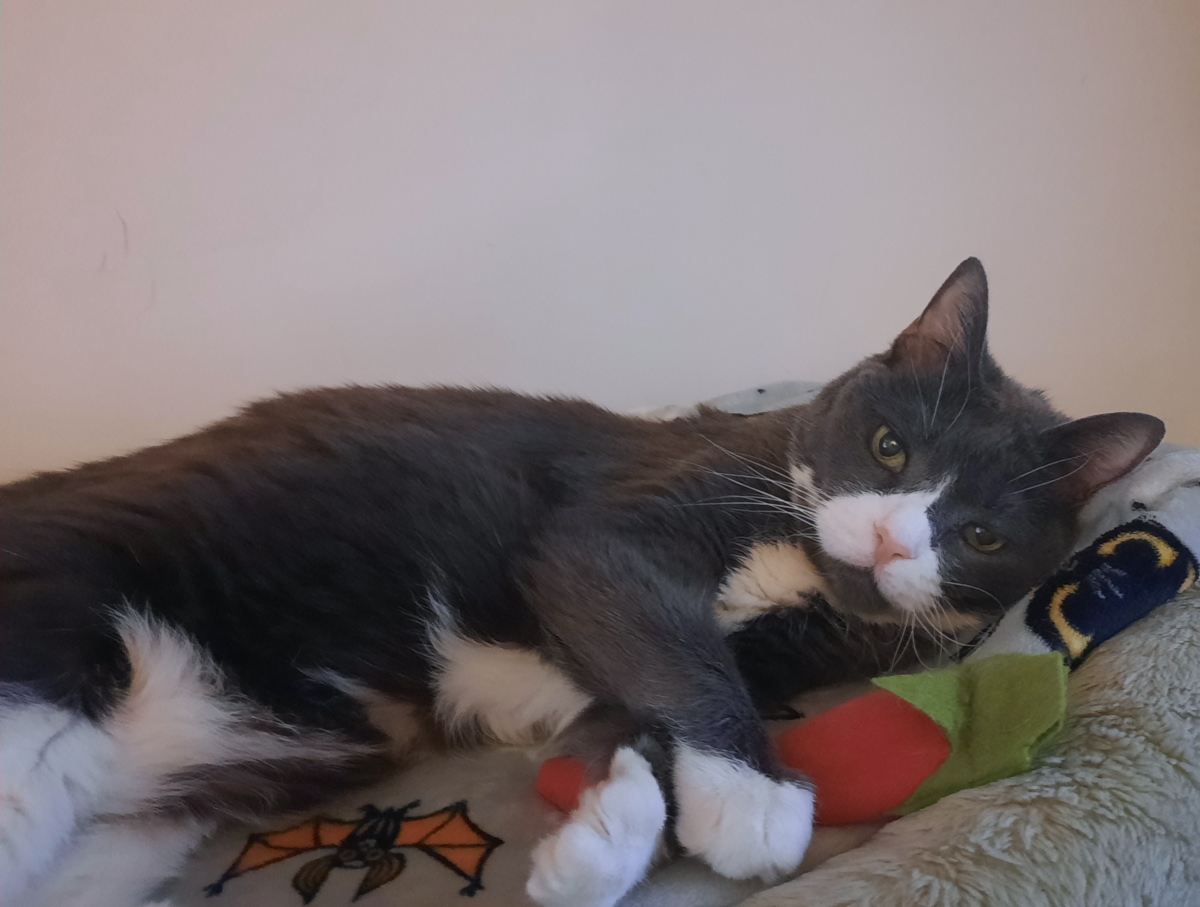
When Belle, one of the senior cats who helped inspire BellenPaws, was dealing with multiple age-related issues, the hardest part was not always one single diagnosis. It was watching the little changes stack up. A smaller appetite here, more tiredness there, extra vet visits, medications, hydration concerns, and that constant question in the back of the mind: “Is she comfortable?” Having honest conversations with the vet did not remove the sadness, but it helped turn fear into something more useful. It helped us focus on comfort, dignity, and what Belle herself seemed to be telling us.
Your vet may ask about appetite, hydration, pain, mobility, breathing, bathroom habits, sleep, grooming, confusion, interest in family, and whether your pet still enjoys favorite routines. These questions are not meant to make you feel judged. They help create a fuller picture because quality of life is rarely about one symptom alone. It is usually about the pattern of the days.
What “Quality of Life” Really Means
Quality of life can sound like a cold phrase, but at its heart, it is about comfort, joy, dignity, and peace. It asks whether your pet is still able to experience enough good moments to outweigh the hard ones. It also asks whether suffering can be managed in a way that is fair to them.
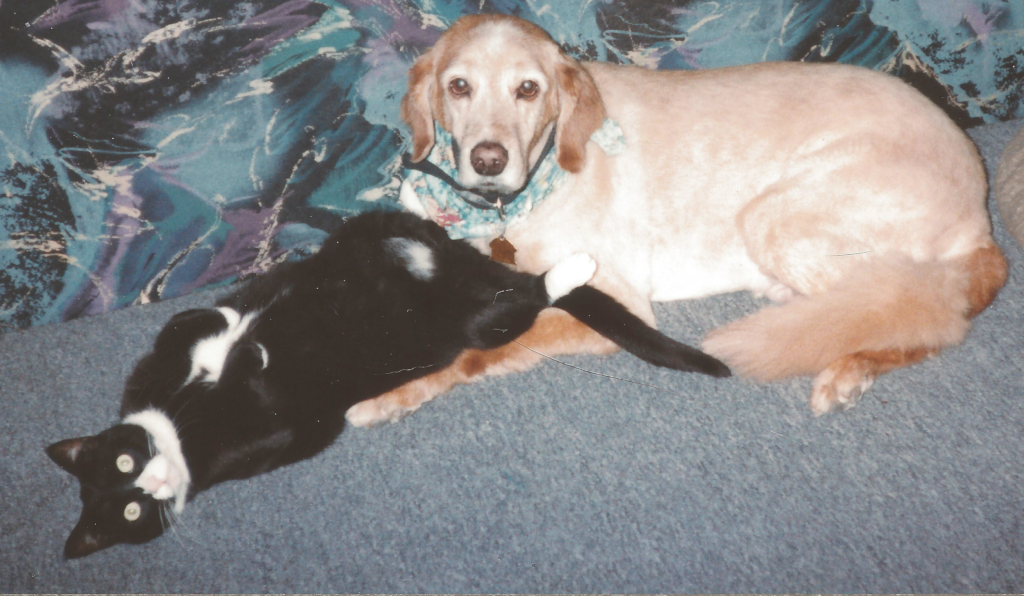 For a senior dog, quality of life might involve whether they can still get up to go outside, rest without pain, eat with interest, and enjoy being near their people. For a senior cat, it might involve whether they can reach the litter box, groom comfortably, sleep peacefully, interact on their own terms, and avoid constant nausea or distress. For a diabetic pet, the conversation may include whether glucose management is still helping them feel stable, whether testing and insulin are manageable, and whether other conditions are complicating their comfort.
This is where tracking can be a huge help. In the middle of worry, our memories can blur. We might remember the one good afternoon and cling to it, or we might remember the one terrible night and panic. Written notes help balance the emotional storm. Recording appetite, water intake, bathroom habits, glucose readings, medications, vomiting, mobility, mood, and sleep can give your vet real information instead of guesswork.
That is one reason we believe so strongly in practical tools for pet parents. A pet diabetes tracker, printable glucose curve forms, and daily tracking sheets can help you walk into the vet’s office with clear details. Even if your pet is not diabetic, the habit of writing things down can help you see patterns that are easy to miss day by day.
Quality of life is not measured only by whether your pet is alive, eating a little, or still purring once in a while. Those things matter, but they are pieces of a larger picture. A pet can have good moments and still be struggling. A pet can also have a serious diagnosis and still be enjoying meaningful, comfortable time. That is why the conversation with your vet matters so much.
Questions That Help You and Your Vet See the Full Picture
When emotions are high, it can be hard to know what to ask. Many of us leave the clinic and suddenly think of ten questions in the car. Writing them down before the appointment can make the conversation easier.
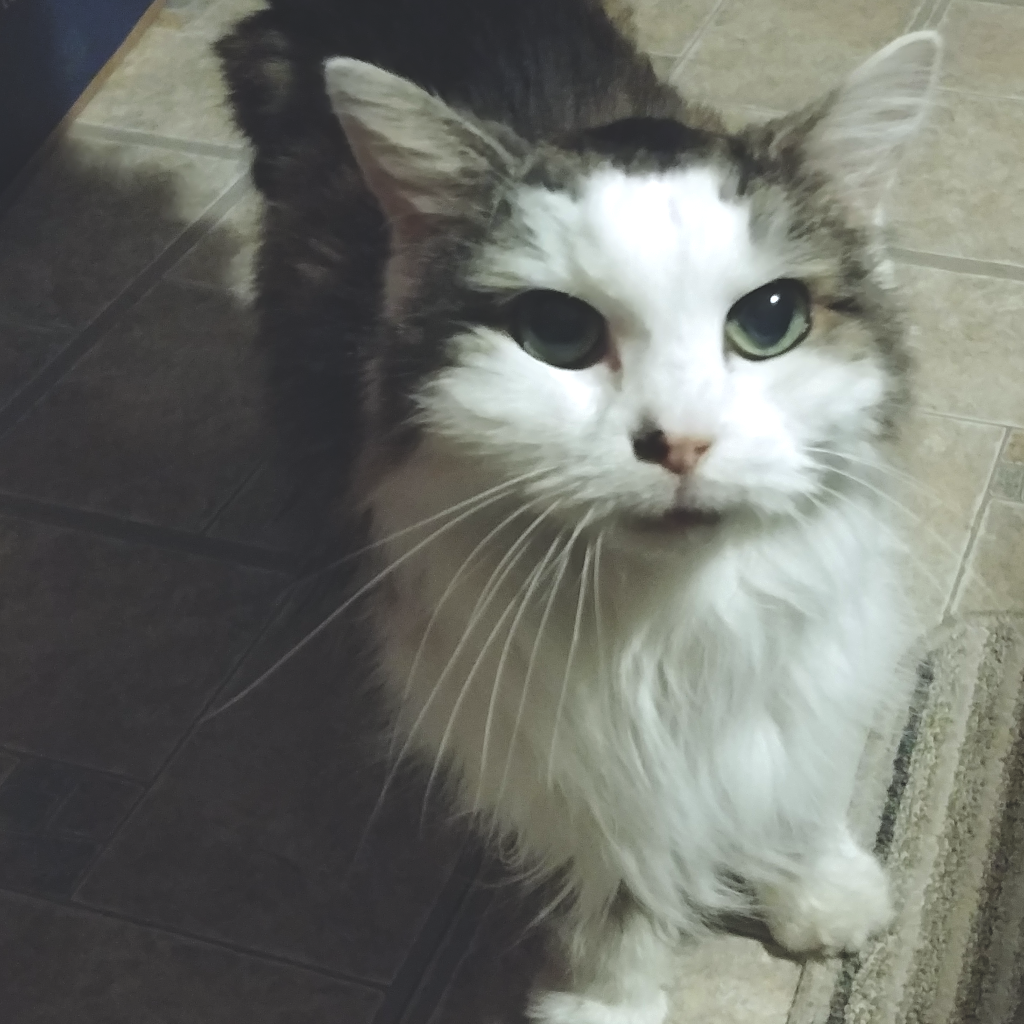 You might ask your vet, “Do you believe my pet is in pain?” and “How well can that pain be controlled?” Pain is not always obvious. Cats especially can hide discomfort, and dogs may keep trying to please us even when they are struggling. Your vet can help you spot signs that may look like normal aging but are actually discomfort, weakness, nausea, or confusion.
It is also fair to ask, “What are we treating, and what are we hoping treatment will do?” Sometimes treatment can improve comfort and give a pet more good time. Other times, treatment may only add stress without giving much relief. That does not mean there is one right answer for every family. It means you deserve to understand the purpose of each option.
Another helpful question is, “What would a good day look like for my pet now?” This shifts the conversation away from the past. We all remember when they ran, jumped, chased toys, barked at squirrels, climbed cat trees, or demanded dinner like tiny royalty. But senior pets often live in a changed normal. The goal is not to compare them to their younger selves. The goal is to understand whether their current life still contains comfort, connection, and pleasure.
You can also ask, “What signs would tell us that things are getting worse?” This can be painful, but it is also grounding. Your vet may mention repeated refusal to eat, labored breathing, uncontrolled pain, frequent vomiting, inability to stand, repeated accidents due to weakness, severe confusion, hiding, distress, or no longer responding to the people and routines they once loved. Knowing what to watch for can help you avoid making decisions from shock.
Balancing Hope with Honesty
Hope is not wrong. We should never feel ashamed for wanting more time. Many pets surprise us, especially when symptoms are managed well and their care plan is adjusted thoughtfully. We have seen diabetic pets improve when their blood sugar becomes better regulated. We have seen seniors perk up after fluids, medication changes, pain support, dental care, diet adjustments, or treatment for thyroid, kidney, or blood pressure issues.
 But hope works best when it walks beside honesty. If we only chase more time without asking what that time feels like, we can accidentally make choices that serve our grief more than our pet’s comfort. That is a hard sentence to read, and it is even harder to live. But it comes from love, not guilt.
With Bentley, who lives with diabetes and receives insulin twice a day, daily observation matters. Numbers are important, but so is the cat behind the numbers. Is he eating? Is he acting like himself? Is he comfortable with the routine? Is he still enjoying affection, rest, and his familiar spaces? For diabetic pets, quality of life is not simply about perfect readings. It is about whether the care plan supports a life that still feels good to them.
This is why your vet should be your partner, not just the person who gives test results. Tell them what life looks like at home. Tell them what your pet loves, what has changed, what feels manageable, and what feels overwhelming. Vets see the medical side, but you see the quiet daily truth. Together, those two views matter.
When the Conversation Turns Toward End-of-Life Decisions
Sometimes the quality of life conversation leads to changes in medication, pain control, diet, mobility support, or home care. Sometimes it leads to palliative care, where the focus becomes comfort rather than cure. And sometimes, gently and heartbreakingly, it leads to a discussion about euthanasia.
If that moment comes, it does not mean you failed. It does not mean you did not fight hard enough. It means you are facing one of the most loving and painful responsibilities of pet parenthood: helping your companion avoid suffering when their body can no longer give them peace.
Ask your vet what the process looks like. Ask whether it can happen at home or in the clinic. Ask who can be present, what your pet will experience, and what aftercare options exist. These questions are awful to ask, but they can reduce fear. The unknown can make an already devastating decision feel even heavier.
Some pet parents worry they are deciding too soon. Others worry they waited too long. Most of us will wrestle with both thoughts because grief is not logical. A helpful guiding question is, “Am I preserving their comfort, or am I prolonging their struggle?” That question will not make the answer easy, but it can help center your pet instead of your fear.
It can also help to decide ahead of time what your pet’s personal “line” might be. For one pet, it may be no longer eating despite help. For another, it may be uncontrolled pain, constant distress, or losing the ability to rest comfortably. These lines are not cold rules. They are compassionate guideposts created while you still have enough emotional room to think.
You Are Allowed to Need Support Too
 Quality of life conversations are not only medical conversations. They are emotional ones. They touch guilt, love, exhaustion, hope, denial, and grief all at once. If you cry at the vet’s office, you are not being dramatic. You are being human.
Bring someone with you if you can. Take notes. Ask your vet to repeat things. Request a follow-up call if you need time to process. You do not have to absorb everything perfectly in one appointment. When we love an animal deeply, our brains can go foggy the moment difficult words are spoken.
You are also allowed to admit when caregiving is wearing you down. That does not make you selfish. Caring for a senior or medically fragile pet can be physically and emotionally intense. There may be medications, special feeding, accidents, sleepless nights, glucose checks, vet bills, and constant worry. Your well-being matters because you are part of your pet’s care team.
At BellenPaws, we believe pet parents deserve compassion too. The goal is never to judge someone for hard choices. The goal is to help families feel less alone while they advocate for comfort, dignity, and the best possible days for the pets they love.
The quality of life conversation is not one single talk. It is often a series of talks, observations, adjustments, and quiet moments of listening to your pet. It is one of the hardest responsibilities we carry, but it is also one of the deepest expressions of love.
Because in the end, our pets do not need us to be perfect. They need us to be present. They need us to notice. They need us to ask brave questions when their comfort depends on it. And when the time comes, they need us to love them enough to choose peace, even when our own hearts are breaking.