
When people picture rescue work, they often imagine dramatic moments. A frightened animal being lifted to safety. A door opening to a better life. A tail wagging for the first time. Those moments are real, and they are powerful, but they are not what carries most rescues from beginning to end.
The real work happens in the quiet spaces between those moments. It is built on patience. Patience is not flashy. It does not show up in photos or headlines. But if you have ever tried to help a scared, sick, or neglected animal learn to trust again, you already know that patience is not just helpful. It is everything.
Over the years, caring for seniors, managing chronic illness, and helping animals adjust to new realities has taught me one thing above all else. You cannot rush healing. Not physical healing, not emotional healing, and definitely not trust.
When Trust Has Been Broken
Rescue animals often come to us carrying stories we will never fully know. Some have been abandoned. Some have been neglected. Others have simply lived hard lives on their own. Whatever their past, many arrive with a deep sense of uncertainty about the world around them.
That uncertainty shows up in different ways. Some animals hide. Some lash out. Some seem completely shut down. It can be tempting to try to fix things quickly, to show them right away that they are safe, loved, and cared for.
But from their perspective, everything is unfamiliar. New smells, new sounds, new routines, new people. Even kindness can feel overwhelming at first.
Patience means allowing them to process that change at their own pace. It means sitting quietly in the same room without forcing interaction. It means letting them come to you when they are ready, even if that takes days, weeks, or longer.
I remember seeing this in small ways with Belle. While she was not a rescue in the traditional sense, her later years brought their own kind of vulnerability. With her health challenges, there were days when even gentle handling made her anxious. She needed space, predictability, and calm reassurance. Not urgency. Not pressure.
That experience reinforced something I have seen time and again. Trust is not given because we want it. It is built because we wait for it.
Progress Does Not Always Look Like Progress
 One of the hardest parts of rescue work is learning to recognize progress in forms that are easy to overlook. It is easy to celebrate the big milestones. The first time a cat purrs. The first time a dog wags its tail. The moment an animal finally relaxes enough to sleep deeply. Those moments matter, and they stay with you.
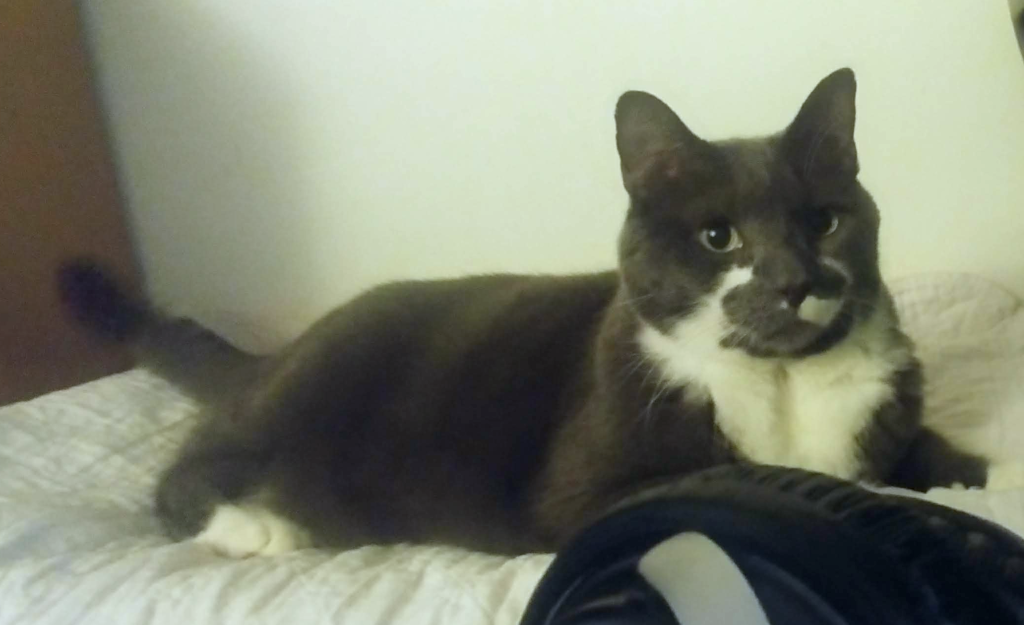
But real progress often happens in much smaller steps. A cat who used to hide under the bed might start sitting just outside the doorway. A dog who once refused food might begin eating when you leave the room. An animal that once reacted with fear might pause for just a second longer before retreating.
These moments can feel so small that they are easy to dismiss. But they are not small to the animal. They are signs that something inside them is shifting. Patience allows you to see those changes for what they are. Without patience, it is easy to feel discouraged or to think that nothing is improving. With patience, you begin to understand that healing is not a straight line.
There are steps forward, steps back, and long stretches that feel like standing still. All of it is part of the process.
The Role of Routine and Consistency
Patience is closely tied to consistency. Animals find comfort in knowing what to expect, especially when everything else in their world has changed. Simple routines can make a huge difference. Feeding at the same times each day. Keeping the environment calm and predictable. Speaking in a steady, gentle voice. Moving slowly and intentionally around them.
These habits might seem ordinary, but they create a sense of safety. Over time, that safety becomes the foundation for trust. In homes where medical care is part of daily life, this becomes even more important. When managing conditions like diabetes, routines are not just helpful, they are essential.
With Bentley, who is currently on insulin twice a day, consistency is everything. Meals, injections, and monitoring all follow a rhythm. That rhythm helps him feel secure, even when the routine involves something as uncomfortable as a shot.
For rescue animals, especially those dealing with illness or recovery, that same kind of structure can be incredibly grounding. It shows them that their world is not chaotic anymore. It is stable. Predictable. Safe.
Learning to Wait Without Giving Up
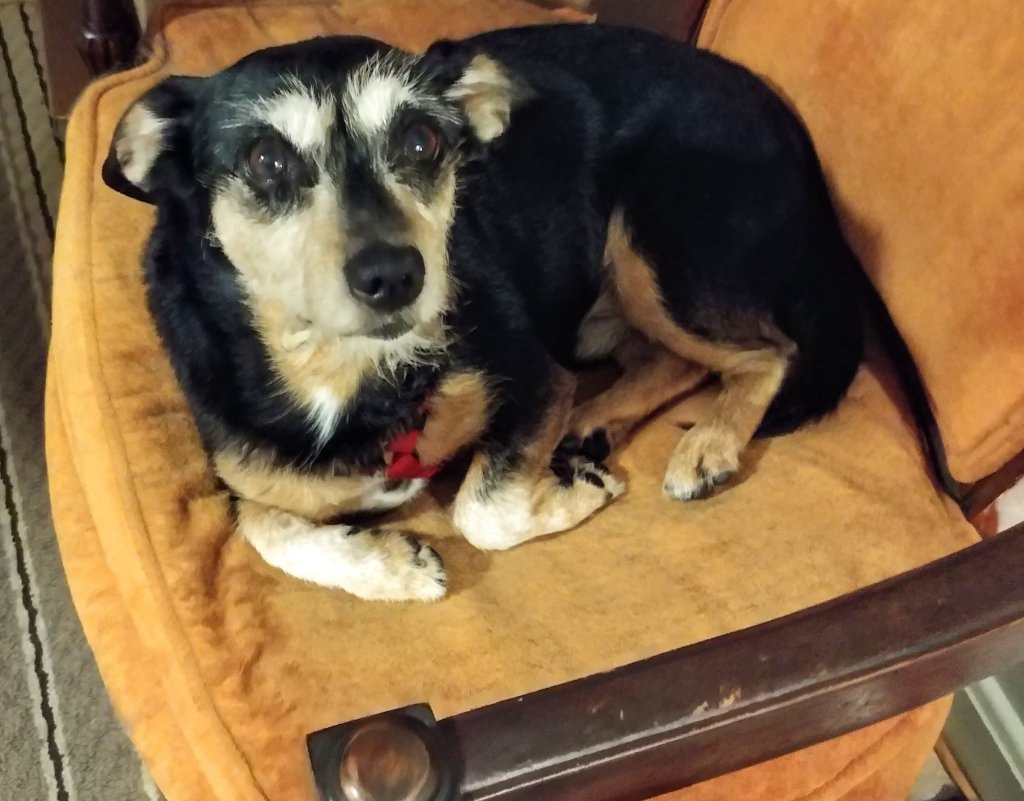 Patience is often misunderstood as passive. People think it means doing nothing, simply waiting for things to change on their own. But true patience is active. It means showing up every day, even when progress feels slow. It means continuing to offer care, comfort, and support without expecting immediate results. It means adjusting your approach when something is not working, rather than forcing the situation.
There are times in rescue work when it can feel like you are not making a difference. When an animal remains fearful. When progress stalls. When setbacks happen. Those moments test your patience more than anything else.
But giving up is not an option if you are committed to helping that animal. Sometimes the breakthrough comes after weeks or months of what feels like very little change. And when it does, it often feels like it happened all at once. In reality, it was building the entire time.
The Emotional Side of Patience
Patience is not just something we offer to animals. It is something we have to extend to ourselves as well. Rescue work can be emotionally demanding. You want to help. You want to see improvement. You want the animal to feel safe and loved as quickly as possible.
When that does not happen right away, it can be frustrating or even discouraging. You might question whether you are doing enough, or doing the right things. This is where self-compassion becomes just as important as patience with the animal.
You are working with a living being that has its own history, its own fears, and its own timeline. You cannot control all of that. What you can control is the environment you provide, the care you give, and the consistency you maintain. Sometimes that is more than enough.
Small Tools That Support Big Changes
 While patience is the foundation, there are practical tools that can support the process. Tracking behavior, eating habits, and health patterns can help you see progress that might otherwise go unnoticed. For those managing conditions like diabetes, keeping consistent records can also make a huge difference in understanding what is working and what is not.
That is one of the reasons we created tools like our online pet diabetes tracker and printable glucose curve forms. They are not just about numbers. They are about giving you clarity and confidence during a process that can feel overwhelming. When you can look back and see patterns, even small ones, it becomes easier to stay patient. You begin to see that progress is happening, even if it is slow.
The Moment It Clicks
There is a moment in many rescue journeys that is hard to describe but impossible to forget. It might be the first time an animal chooses to sit near you. The first time they make eye contact without fear. The first time they fall asleep in a space where they feel safe. These moments often come quietly. There is no announcement. No dramatic shift. Just a subtle change that tells you something has clicked.
All the waiting, all the gentle reassurance, all the consistency has started to pay off. And in that moment, you realize something important. The patience you gave was not just a tool. It was the bridge that allowed that animal to cross from fear into trust.
Why Patience Is the Most Important Tool
There are many skills that help in rescue work. Knowledge about animal behavior. Understanding of medical care. The ability to create safe environments. All of those things matter. But without patience, none of them can fully take hold.
Patience is what allows trust to form. It is what gives healing the time it needs. It is what keeps you going when progress feels slow or uncertain. It is also what transforms rescue work from a series of tasks into a meaningful relationship.
Animals do not need us to fix everything overnight. They need us to be steady. To be present. To be willing to meet them where they are, not where we wish they were. That is not always easy. But it is always worth it.
Carrying Patience Forward
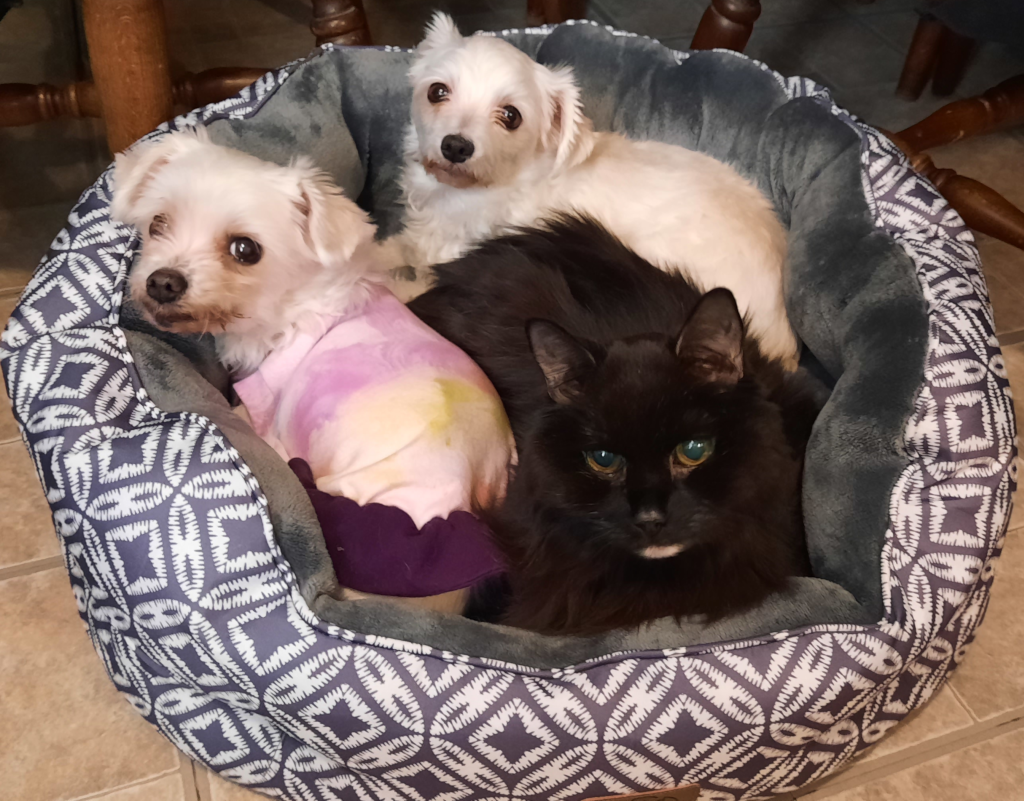 If you are currently working with a rescue animal, or considering opening your home to one, remind yourself of this often. Progress will come, but it may not come quickly. And that is okay. Celebrate the small steps. Stay consistent in your care. Give yourself grace when things feel challenging.
Most importantly, trust that your patience is making a difference, even when you cannot see it right away. Because for an animal learning to feel safe again, patience is not just helpful. It is the thing that makes everything else possible.