
If you have ever loved a cat, you have probably had at least one moment where you looked at a shredded couch arm, a clawed-up door frame, or a mysterious line of tiny punctures in your favorite chair and thought, “Why this? Why here? Why now?” The answer, in the simplest terms, is that scratching is not bad behavior. It is cat behavior.
That can be hard to remember when the furniture is involved. We live in homes full of soft surfaces, fabric corners, wood trim, rugs, and furniture that seems almost designed to tempt feline claws. To us, a couch is a couch. To a cat, that same couch might be a stretching station, a scent marker, a stress outlet, a nail-care tool, and a declaration that says, “I live here too.”
At BellenPaws, we tend to look at these little battles through the lens of living with cats over many years, including senior cats who have taught us that behavior usually has a reason behind it. Belle, one of the cats behind our name, had her own habits and preferences like every cat does. As she aged and dealt with health issues, we learned again and again that the answer was rarely to fight nature. The better path was to understand it, work with it, and make the home easier for everyone.
Scratching is one of those places where understanding changes everything. Once we stop seeing it as destruction and start seeing it as communication, maintenance, comfort, and instinct, we can guide it in a way that protects our homes without punishing our cats for being cats.
Scratching Is Not a Flaw, It Is a Need
Cats scratch for several reasons, and none of them are spite. That is worth saying plainly because many pet parents have been told, or have assumed, that a cat scratching furniture is “getting back” at them. In reality, cats do not scratch the couch because you came home late or because you bought the wrong treats. They scratch because their bodies and instincts tell them to.
One of the biggest reasons is claw health. A cat’s claws grow in layers, and scratching helps loosen and remove the older outer layers. If you have ever found what looks like a tiny claw-shaped shell near a scratching area, that is usually not an entire claw that fell out. It is more like the outer casing being shed. Scratching helps keep the claws sharper, healthier, and more comfortable.
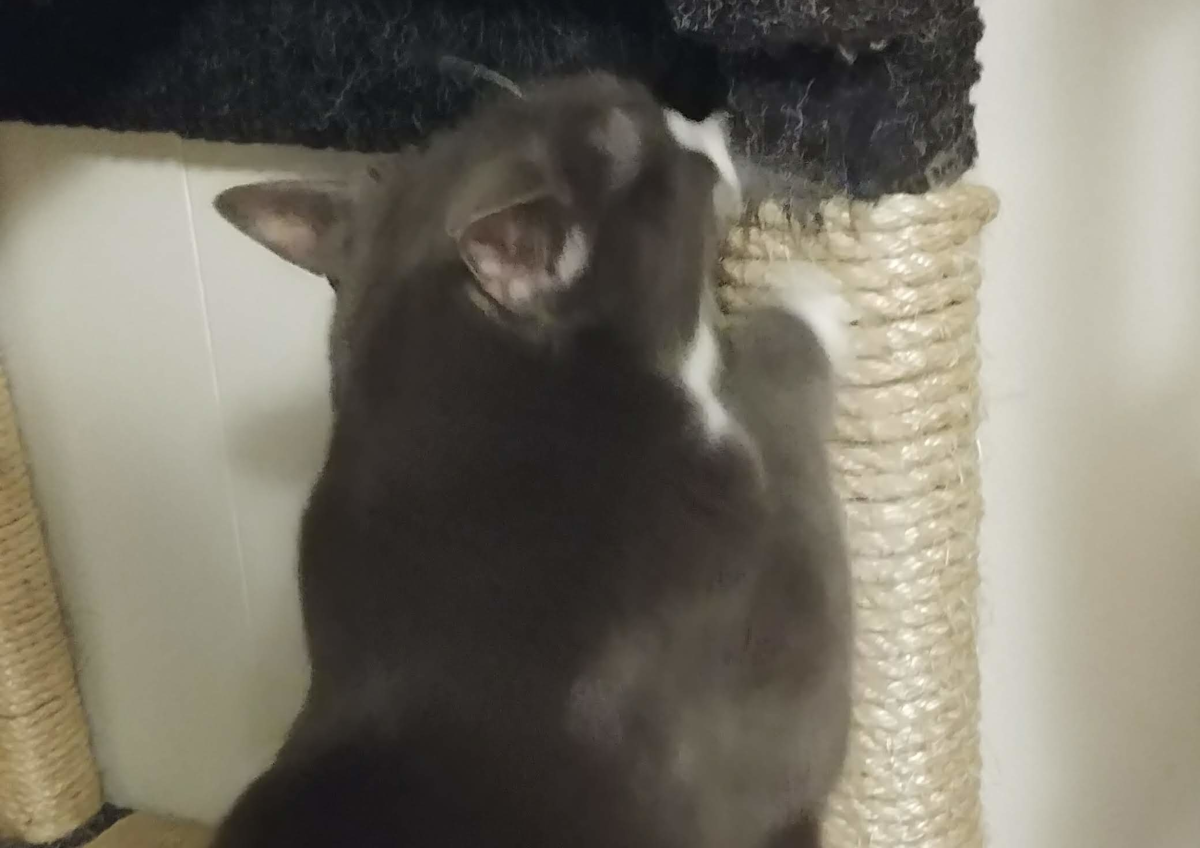
Scratching is also a full-body stretch. Watch a cat scratch a tall post or the side of a couch and you will see the shoulders extend, the back lengthen, and the hips shift. It is almost like feline yoga. This is especially important for cats who spend much of their day sleeping, watching birds from a window, or curling into the same favorite spot. After a nap, many cats naturally want to stretch and scratch in one fluid motion.
There is also a scent-marking piece to it. Cats have scent glands in their paws, and scratching leaves behind both a visible mark and a scent message. To humans, it looks like damage. To cats, it is a little signpost that says, “This is familiar. This is mine. I belong here.” That sense of belonging matters deeply to cats, especially in multi-pet homes, after a move, during changes in routine, or when a new animal or person joins the household.
Then there is emotion. Scratching can help cats release excitement, stress, frustration, or extra energy. Some cats scratch after eating. Some scratch when you come home. Some scratch when they see another cat outside the window. Some scratch during play because their bodies are fired up and ready to move. It is not always a problem to solve. Sometimes it is just a cat processing the moment in the most cat-like way possible.
The Secret Is Giving Them the Right “Yes”
When a cat scratches furniture, the most helpful question is not “How do I stop scratching?” It is “Where can I make scratching more appealing?”
Cats need a “yes.” If every scratching option is treated like a “no,” they will usually find their own answer, and that answer may be the couch. The goal is not to remove scratching from their life. The goal is to redirect it toward places that make sense for both of you.
A good scratching setup starts with location. Many people buy a scratching post, tuck it into a far corner, and then wonder why the cat keeps using the couch. But if the couch is where the family gathers, where the cat naps, or where the cat already feels ownership, that is where the urge may be strongest. A scratching post hidden away in a low-traffic corner may not satisfy the same need.
Instead, place scratchers near the spots your cat already chooses. If the cat scratches the couch arm, put a sturdy vertical post right beside that arm. If they scratch a rug after waking up, try a horizontal scratcher near their favorite sleeping area. If they stretch against a doorway, offer a tall post or wall-mounted scratcher close by. At first, it may feel like you are rewarding the behavior by placing the scratcher near the damage, but you are really giving the cat a better target.
Texture matters too. Some cats love sisal rope. Some prefer cardboard. Some like carpeted scratchers, while others ignore them completely. A cat who is scratching wood trim may enjoy a firmer surface. A cat who tears into fabric may prefer something with a little resistance. It can take some trial and error, and that is normal. Cats are individuals, not machines.
Stability is one of the most overlooked details. If a scratching post wobbles, tips, or feels flimsy, many cats will reject it. When cats stretch and dig in, they want confidence. A tall post should be sturdy enough that the cat can lean their body weight into it without the whole thing rocking. For larger cats, this is especially important. The scratcher needs to feel like a tree, not like a pool noodle with carpet.
Height also makes a difference. Many vertical scratchers are too short. A cat should be able to stretch upward with a long body line, not hunch over halfway. For senior cats, kittens, or cats with mobility concerns, a mix of heights can help. Older cats may still want to scratch, but they may appreciate lower, angled, or horizontal surfaces that do not require as much reach.
Making the Furniture Less Tempting While Habits Change
Redirecting scratching takes patience because cats build habits around familiar objects. If the couch has been the scratching station for months or years, one new post may not magically erase that routine overnight. The key is to make the new option more appealing while making the old option less satisfying.
You can cover the targeted furniture area temporarily with a texture your cat does not enjoy. Many cats dislike sticky surfaces, so double-sided furniture-safe tape or protective scratch guards can help during the transition. Some pet parents use washable throws or furniture covers to block access while they train the new habit. The idea is not to scare the cat. It is simply to interrupt the old reward pattern.
At the same time, make the approved scratcher exciting. Sprinkle a little catnip on it if your cat responds to catnip. Use silvervine if that works better for them. Play near the scratcher with a wand toy so their paws naturally land on it. Praise them when they use it. Some cats respond to gentle encouragement, while others prefer to discover it on their own. Either way, the goal is to make the scratcher feel like part of their territory.
Never punish a cat for scratching. Yelling, spraying with water, or startling them may stop the behavior in that exact moment, but it can also create fear and confusion. Worse, the cat may simply learn to scratch when you are not around. Punishment does not explain what you want them to do instead. Redirection does.
If you catch your cat scratching the wrong place, calmly guide their attention to the right place. You might move a toy near the scratcher, tap the surface lightly with your fingers, or gently redirect them without grabbing or scolding. When they use the scratcher, even for a second, that is a win. Habits are built in small moments.
It also helps to keep claws trimmed when appropriate. Regular nail trims can reduce damage and make scratching less intense on furniture. For cats who dislike nail trims, go slowly. Touch paws during calm moments, trim one or two claws at a time if needed, and pair the experience with something pleasant. If your cat is elderly, anxious, painful, or difficult to handle, a groomer or veterinary team can often help. The important thing is safety and trust.
Senior Cats, Health Changes, and Scratching Behavior
As cats age, scratching habits can change. A senior cat who once loved a tall post may shift toward a lower scratcher. A cat with stiff joints may avoid stretching upward. A cat with vision changes may scratch familiar furniture because it is easy to find. A cat who suddenly scratches more intensely or in unusual places may be reacting to stress, discomfort, or a change in the home.
This is where we always encourage pet parents to observe with compassion. We are not veterinarians, but years of living with aging pets teaches you to pay attention when behavior changes. If a cat suddenly starts scratching obsessively, seems painful, has overgrown claws, limps, avoids jumping, or becomes unusually irritable, it is worth checking in with a veterinarian. Sometimes what looks like behavior is really discomfort trying to find a voice.
Diabetic cats, senior cats, and cats with other chronic conditions may also need a home that is easier to navigate. Bentley, one of our current cats living with diabetes, reminds us daily that routines and comfort matter. A cat managing health challenges still needs normal cat outlets, including scratching, but those outlets may need to be more accessible. A sturdy scratcher near resting areas can be more useful than a beautiful cat tree across the room.
Senior claws can also become thicker or more prone to overgrowth, especially if a cat scratches less than they used to. That makes gentle claw care more important. Scratching helps, but it may not be enough for every older cat. Regular checks can prevent claws from curling into paw pads, which can be painful and easy to miss until the problem has progressed.
Accessibility does not mean giving up on enrichment. It means adjusting the environment so your cat can still participate in cat life. A low cardboard scratcher, an angled ramp-style scratcher, a stable horizontal board, or a short post near a bed can all help an older cat keep the habit without strain.
Embracing Scratching as Part of a Cat-Friendly Home
There is a mindset shift that happens when you stop trying to create a home where cats never scratch and start creating a home where cats scratch in the right places. It feels less like a battle and more like a partnership.
A cat-friendly home does not have to look chaotic. You can choose scratchers that match your space, place them strategically, and rotate them when they wear out. Some cardboard scratchers are simple and inexpensive. Some sisal posts look like furniture. Some wall-mounted options save floor space. For crafty pet parents, DIY scratching posts can be a rewarding project, especially if you are building cat trees or replacing rope on an old post. BellenPaws even offers a rope length calculator for DIY scratching posts, which can help take some guesswork out of planning.
The best setup is usually not one scratcher, but a few options in the places your cat actually lives. Near a window. Near a favorite bed. Near the couch. Near a play area. Cats often scratch after waking, during play, and when they are marking meaningful parts of their territory, so location should follow behavior.
It is also okay to protect your furniture while honoring your cat. Those two things can exist together. Furniture covers, scratch guards, regular nail trims, and well-placed scratchers are not signs that you failed. They are signs that you are sharing your home with a small predator in a velvet suit who has opinions about interior design.
And honestly, that is part of the charm. Cats bring wildness into our homes in tiny, manageable, hilarious ways. They nap in sunbeams, supervise our routines, claim cardboard boxes as thrones, and yes, sometimes choose the most expensive-looking chair in the room as the perfect scratching surface. Our job is not to erase who they are. It is to guide their instincts into places where they can be healthy, happy, and safe.
Scratching is one of the most natural things a cat can do. It keeps their claws healthy, stretches their body, marks their world, and helps them release emotion. When we understand that, we can respond with patience instead of frustration.
The couch may still need protection. The scratcher may need to be moved three times before your cat approves it. The perfect texture may not be the one you expected. But when your cat finally digs into the right post, stretches with complete satisfaction, and walks away like they have just completed an important piece of feline business, you will know you did more than save the furniture.