
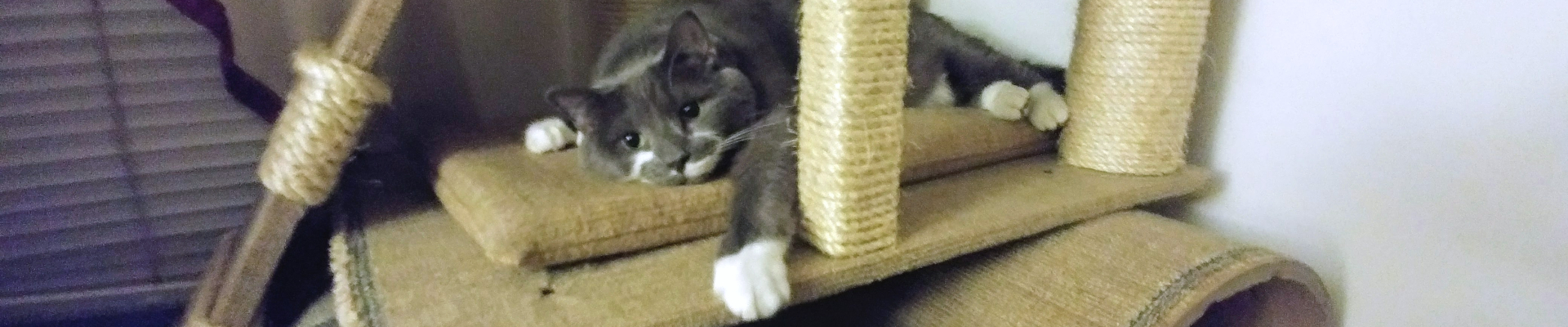
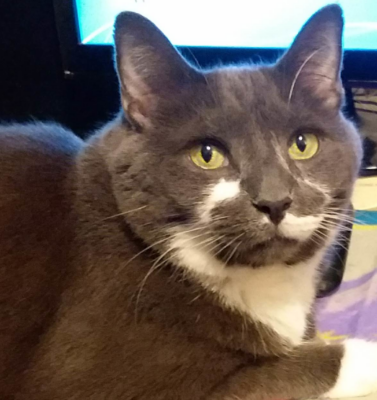
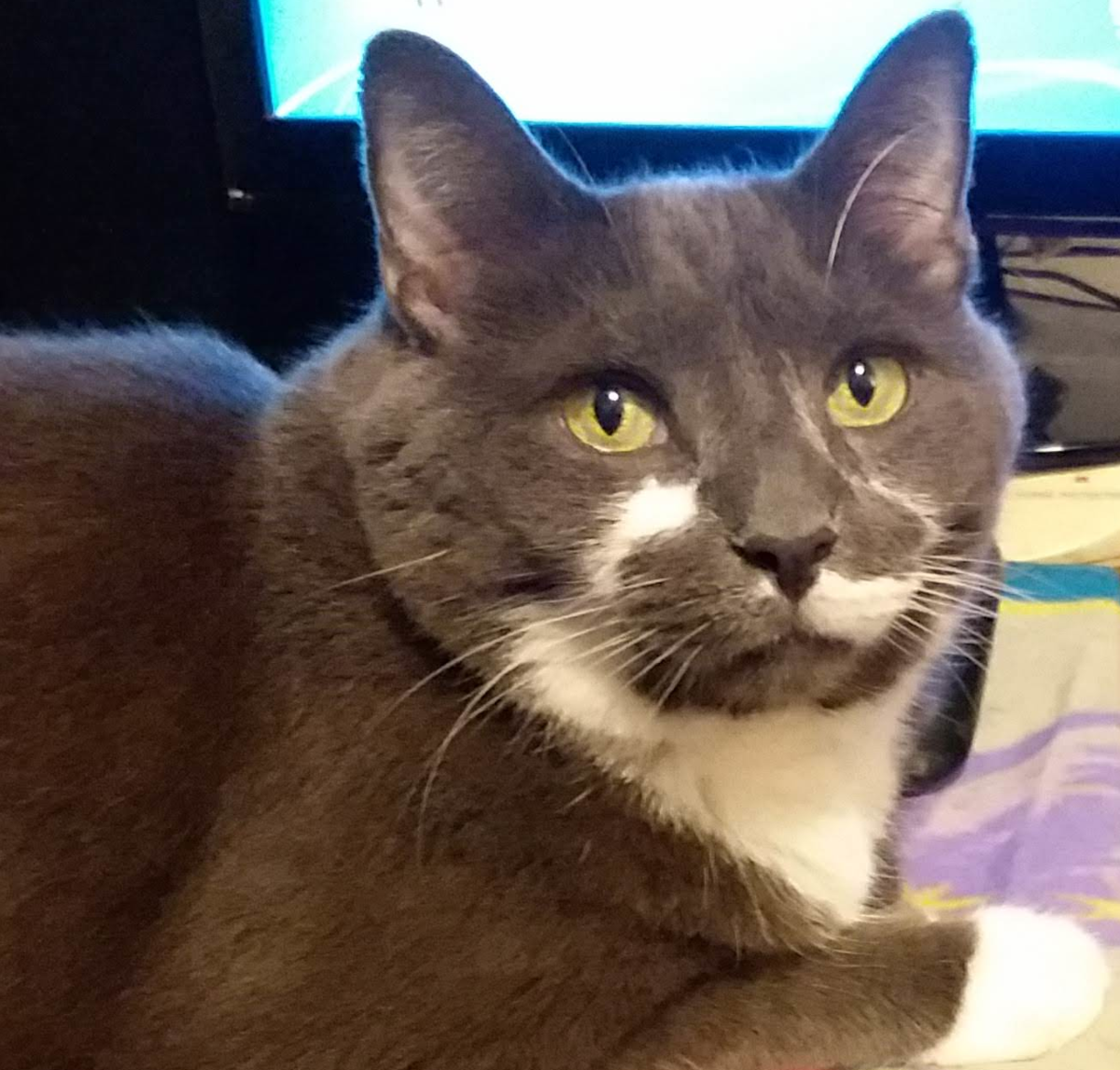
There is something deeply special about an older pet. A senior dog with a gray muzzle may not bounce across the room like a puppy, but the way they lean into your leg can feel like they have been waiting years for a safe place to rest. An older cat may not climb the curtains or race through the house at full speed, but when they curl beside you and choose your lap, it can feel like a quiet little honor. Senior pets often come with history in their eyes. Some have known love before. Some have lost it. Some have been passed over again and again simply because they are no longer young.
Adopting an older pet is one of the kindest choices a family can make, but it is also a choice that deserves honest thought. This is not because senior pets are “too much work.” Many are calmer, gentler, and easier to live with than younger animals. But they may come with health needs, emotional baggage, mobility changes, dental issues, or simply a shorter road ahead. That does not make them less worthy. It just means we owe them preparation, patience, and a home that understands what love looks like when time feels precious.
Before bringing an older dog or cat into your family, the most important question is not simply, “Do we want a pet?” It is, “Are we ready to love this pet for who they are now?”
Are We Prepared to Meet Them Where They Are?
 One of the first questions every pet parent should ask is whether they are ready to accept an older pet’s current stage of life instead of expecting them to become something else. Senior pets may be playful, silly, affectionate, and full of personality, but they are usually not blank slates. They may already have routines, fears, preferences, and habits that developed over years.
An older cat may need time before trusting a new room, a new couch, or a new pair of hands reaching toward them. An older dog may not understand why the people they once knew are gone, or why the smells and sounds around them have changed. That adjustment period can be tender. It can also test your patience if you expect instant gratitude.
A good question to ask before adoption is, “Can we give this pet time without taking their fear personally?” Some senior pets walk into a new home like they have always belonged there. Others hide under the bed, pace the hallway, refuse food for a day, or keep looking toward the door. None of that means the adoption is failing. It often means they are processing.
When we cared for our senior cats Belle and Paws, we learned again and again that older pets communicate in quieter ways. A change in appetite, a new sleeping spot, or a little more clinginess could mean something. With seniors, you become a student of small signals. That is part of the bond. You are not just feeding them and cleaning up after them. You are learning their language.
Can We Handle the Health Side With Love and Realism?
Before adopting an older pet, families should ask what they are prepared to handle medically, emotionally, and financially. Senior pets do not always have serious health problems, but the odds of needing veterinary care are higher as pets age. Dental disease, arthritis, kidney disease, thyroid problems, vision loss, hearing loss, heart conditions, diabetes, and digestive sensitivities are all things older pets may face.
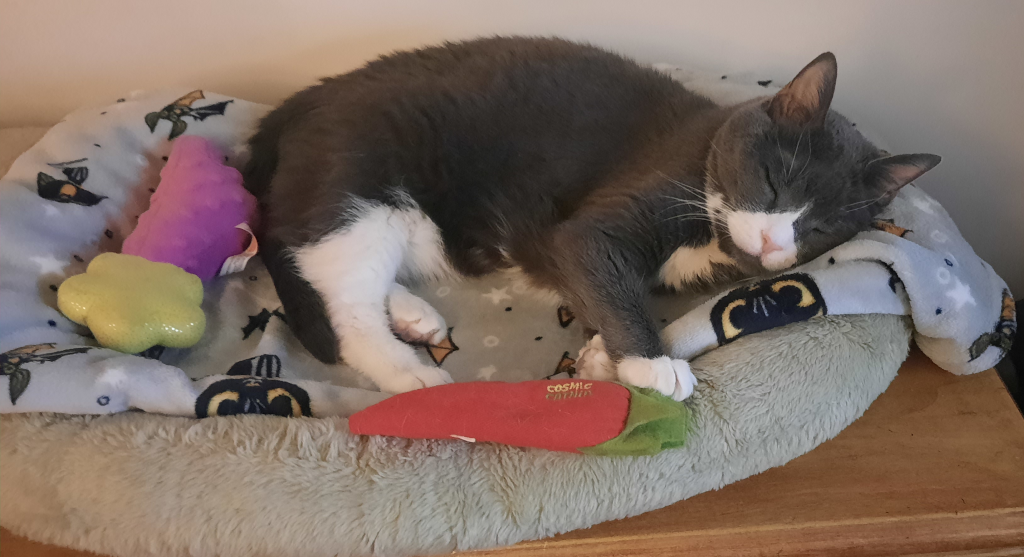 This does not mean you should be afraid to adopt them. It means you should walk in with your eyes open. Ask the shelter, rescue, or previous caretaker what veterinary records are available. Ask whether the pet is on medication, whether they have had recent bloodwork, whether they need special food, and whether any symptoms have been noticed. If records are limited, plan for a full vet exam soon after adoption.
One of the most important questions is, “Can we afford routine care, and do we have a plan if something unexpected comes up?” That does not mean every family needs unlimited money. Most of us do not have that. But it does mean being honest about your budget. Senior pets may need more frequent checkups, prescription refills, dental work, mobility support, or diagnostic testing.
If you adopt a diabetic pet, the commitment becomes more structured. Diabetes can often be managed, but it requires routine, monitoring, and communication with your veterinarian. At BellenPaws, this is personal for us because we have managed feline diabetes with Zippy, who achieved remission through tight regulation, and Bentley, who still receives insulin twice a day. That kind of care can sound intimidating at first, but with consistency, records, and support, it becomes part of daily life.
This is one reason we offer tools like our online pet diabetes tracker, printable glucose curve forms, and printable tracking sheets. When you are dealing with senior care or diabetic care, good notes matter. They help you see patterns, they help your vet make better decisions, and they help you feel less lost in the day-to-day details.
Is Our Home Safe and Comfortable for an Aging Body?
Another question worth asking is whether your home is ready for an older body. Senior pets may not move the way they used to. A dog that once jumped into the car may now need a ramp. A cat that once leapt easily onto the bed may need pet stairs, a lower resting place, or a litter box with easier entry. These small changes are not luxuries. They can be the difference between confidence and frustration.
Look around your home from the perspective of a stiff-legged dog or a cat with cloudy vision. Are the floors slippery? Are food and water easy to reach? Are there quiet places to rest away from noise? Is the litter box accessible? Can the dog get outside quickly enough for potty breaks? Is there a safe way to block stairs if needed?
Comfort matters, especially for seniors. Soft bedding, predictable routines, gentle lighting, and stable feeding areas can help an older pet settle in. If your home has children or other pets, the question becomes even more important. “Can everyone in the household respect this pet’s boundaries?” Senior pets may not want rough play. They may need breaks. They may feel overwhelmed by loud energy, even if they are sweet by nature.
This is not about making your house perfect. It is about making it thoughtful. Sometimes the most loving things are simple: a warm bed in a sunny spot, a raised bowl for a stiff-necked dog, a nightlight for a pet with vision changes, or a quiet room where a newly adopted cat can decompress.
Are We Ready for the Emotional Side of Senior Adoption?
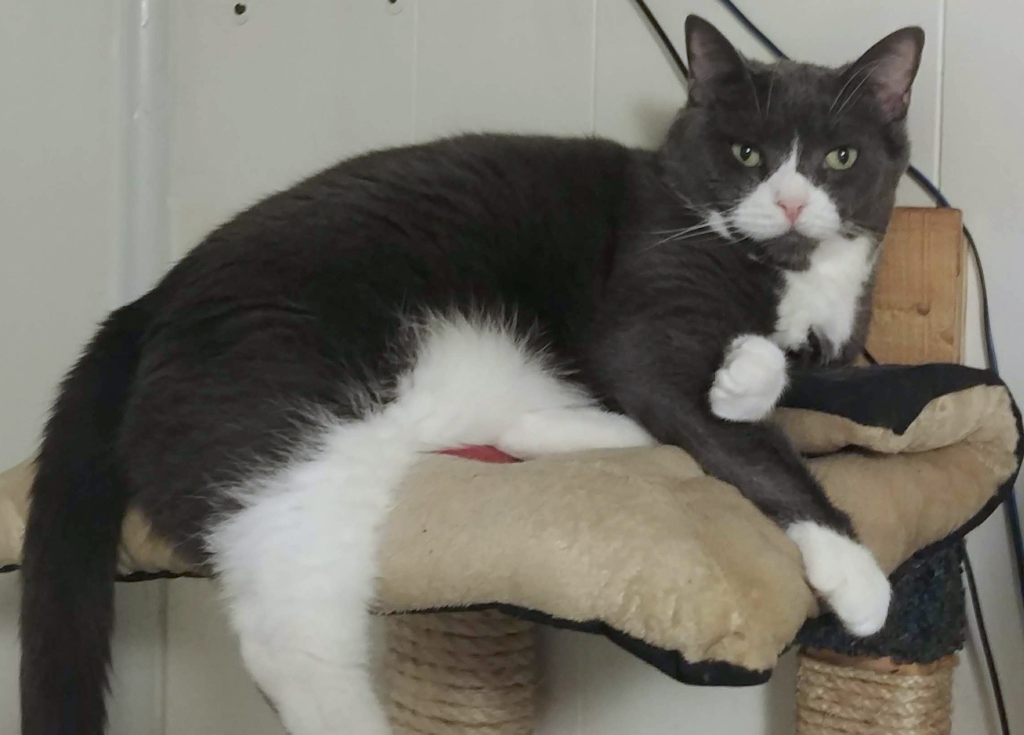 This is the question many people avoid, but it may be the most important one: “Can we love deeply, even if we may not get as many years as we want?”
Adopting an older pet means accepting that the timeline may be shorter. That can be painful to think about. Some people hesitate because they are afraid of heartbreak. I understand that completely. Anyone who has loved animals for decades knows that goodbye is the part we never feel ready for.
But senior adoption is not measured only in years. It is measured in comfort, dignity, trust, and the simple miracle of giving an animal a soft place to land. A pet does not know whether they were adopted at eight months old or twelve years old in the way we count time. They know whether they are safe today. They know whether someone fills the bowl, speaks gently, remembers their medicine, and makes room for them on the couch.
You should also ask whether your family is emotionally ready for possible decline. Senior pets may change over time. They may need help standing, reminders to eat, more vet visits, or difficult end-of-life decisions someday. Loving an older pet means being willing to choose their comfort when the time comes, not just your own wish to keep them longer.
That sounds heavy, but there is also a beautiful side to it. Senior pets often teach us to slow down. They remind us that love is not always loud or dramatic. Sometimes it is sitting beside a dog who sleeps more than they plays. Sometimes it is brushing an older cat gently because grooming has become harder for them. Sometimes it is celebrating one good appetite day, one comfortable walk, or one peaceful nap in the sun.
What Do We Need to Ask Before Saying Yes?
 Before adopting, take time to ask practical questions from the shelter or rescue. You do not need to interrogate anyone, but you do need enough information to make a responsible decision. Ask about the pet’s known medical history, current medications, diet, mobility, behavior with other animals, behavior with children, house-training or litter box habits, and what kind of environment seems to help them feel safest.
It is also fair to ask why the pet is available for adoption. Sometimes the reason is heartbreaking and has nothing to do with the pet’s behavior. A person may have passed away, moved into care, lost housing, or become unable to afford treatment. Other times, the pet may have challenges that require an experienced home. Either way, knowing the story helps you prepare with compassion instead of surprise.
If you already have pets at home, ask yourself whether the adoption is fair to everyone involved. A senior resident pet may not appreciate a new animal entering their space. A newly adopted older pet may not want to share resources right away. Slow introductions matter. Separate spaces, controlled meetings, scent swapping, and patience can prevent stress from turning into conflict.
You should also think about daily life. Who will feed the pet? Who will give medications if needed? Who will handle vet appointments? Who will notice if the pet stops eating, drinks more water, limps, hides, or seems confused? Senior pets benefit from consistency, so it helps when the whole household understands the plan.
Adoption should never be based only on a sweet photo or a sad story. Those things may open your heart, but preparation keeps that heart from turning into panic later.
The Question Beneath All the Other Questions
 At the center of senior pet adoption is one simple question: “Can we offer this animal a safe, patient, loving home for the rest of their life?”
If the answer is yes, then adopting an older pet can be one of the most meaningful experiences you will ever have. You may not get the wild puppy stage or the tiny kitten stage, but you may get something just as precious: a grateful sigh at your feet, a gentle head bump, a slow walk with a dog who finally feels secure, or a quiet evening with a cat who has decided you are their person.
Older pets do not need perfect people. They need committed people. They need someone willing to learn their habits, respect their limits, manage their care, and love them without trying to rewind the clock.
Before you adopt, ask the hard questions. Ask about health, money, time, comfort, household fit, and emotional readiness. Then ask the softer question too: “Do we have room in our life for a pet who may need us a little more, but may also teach us more than we expected?”
For many of us, the answer is yes. And for a senior pet waiting in a shelter, that yes can mean everything.