
There is a certain kind of quiet that settles over a home when a senior pet is resting nearby. Maybe your old dog is stretched out beside the couch after a slow walk, or your cat is curled into that one blanket they have claimed as their personal kingdom. As our pets age, we start noticing the little changes. They rise more carefully. They stretch longer before moving. They may still have the same spirit, but their bodies ask for more patience.
Massage, when done gently and safely, can become one of those small acts of care that says, “I see you. I know you are trying.” It is not a cure, and it should never replace veterinary care, pain medicine, physical therapy, or a proper diagnosis. But gentle touch can help many pets relax, feel comforted, and enjoy a calm moment with the person they trust most.
Senior care guidelines recognize pain management as a broad, layered approach that can include veterinary care, environmental changes, physical rehabilitation, and sometimes massage or other physical modalities. The most important part is remembering that massage is not something we “do to” our pets. It is something we offer. They get a vote every single time.
Start With Permission, Not Pressure
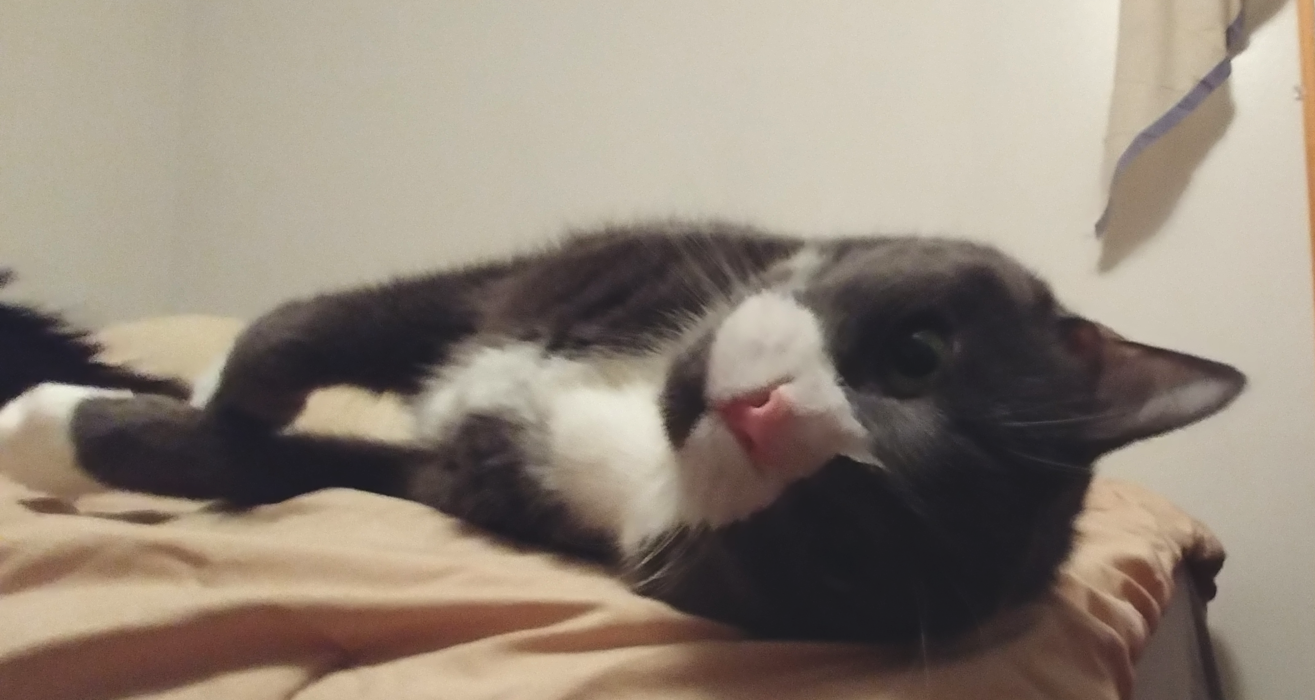 Before you think about technique, think about mood. A good pet massage begins long before your hand moves across their fur. It starts with watching. Is your pet already relaxed? Are they lying comfortably? Are they leaning toward your touch, or are they turning away? The safest massage is the one your pet willingly accepts.
For cats especially, this matters. A cat may enjoy two minutes of soft contact and then decide the appointment is over. That is not failure. That is communication. Dogs can be a little more obvious, but they still deserve the same respect. If they lick their lips, stiffen, shift away, pin their ears, tuck their tail, growl, flinch, or look worried, stop and give them space.
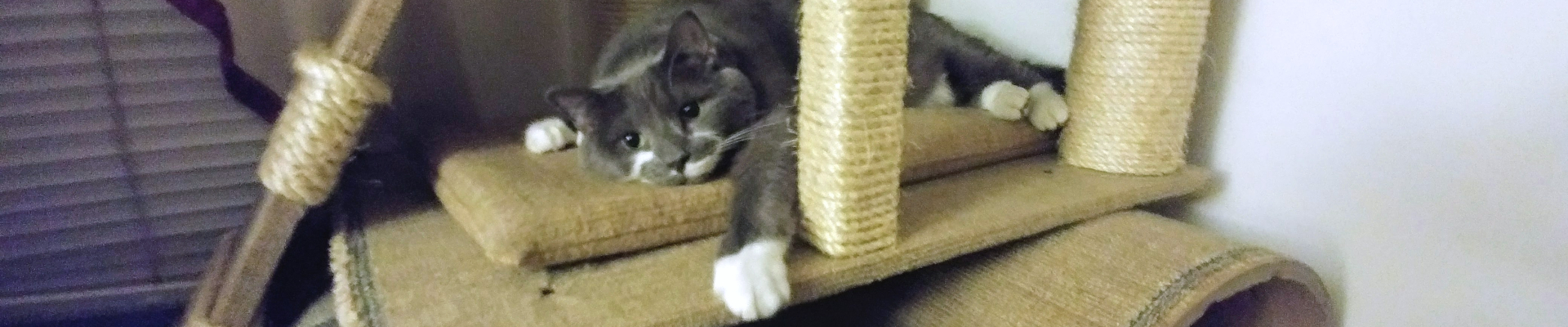
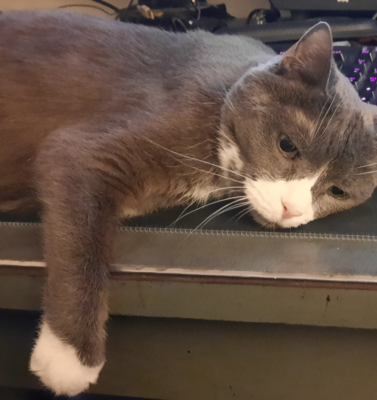
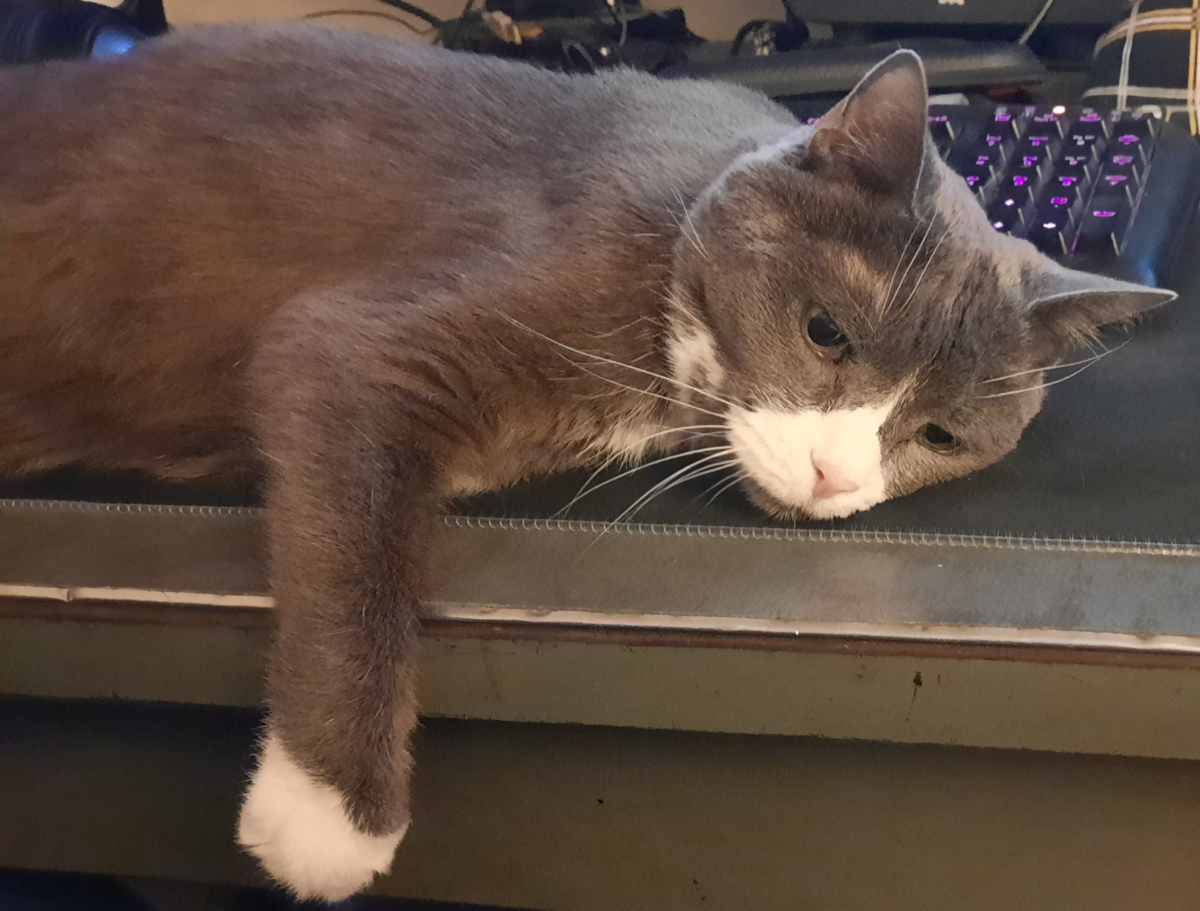
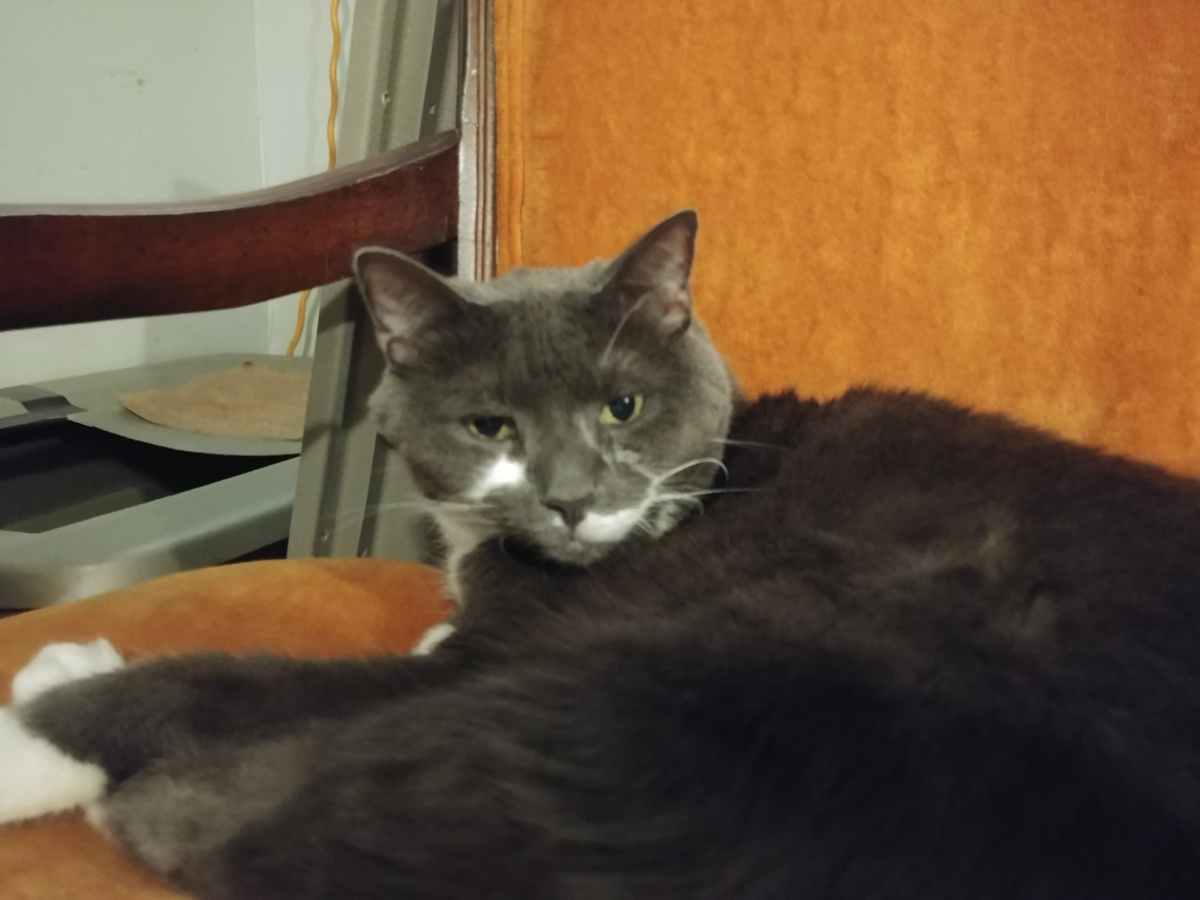
When Bentley, our diabetic cat, is having a calm stretch of the day, he may accept a gentle shoulder rub or slow strokes along his back. But there are other times when he wants nothing but his routine, his space, and his food schedule respected. With diabetic pets, comfort care has to fit around the bigger picture: meals, insulin timing, glucose checks, rest, and stress reduction. A massage should never become another thing they have to tolerate.
Choose a quiet, warm place where your pet already feels safe. A favorite bed, a soft rug, or the couch beside you can work well. Keep the session short at first, maybe just one or two minutes. You are not trying to “work out knots” like a human deep tissue massage. You are building trust, encouraging relaxation, and learning what your pet’s body language is telling you.
The Gentle Stroke: The Foundation of Safe Pet Massage
The safest place to begin is with a slow, gentle stroke using your whole hand. Think of petting, but slower and more intentional. Let your palm glide over the body in the direction the fur naturally lays. Use very light pressure, especially at first. For many pets, this alone is enough.
Start around areas most pets already accept, like the shoulders, chest, upper back, or sides. Avoid starting at the paws, belly, tail, hips, or painful joints unless you already know your pet enjoys being touched there. Senior pets often have tender places they protect quietly. Cats with arthritis may not limp dramatically, and dogs may hide discomfort until it becomes more serious. Pain signs can include withdrawal, reluctance to jump or climb, limping, behavior changes, vocalizing, or becoming unusually still.
Use your hand like you are smoothing a blanket, not pressing dough. Move slowly from the neck area toward the shoulders, then along the back, stopping before the hips if your pet is sensitive there. Watch their face and breathing. A relaxed pet may soften their eyes, sigh, stretch, lean into you, or settle their head down. A worried pet may turn their head quickly, twitch their skin, move away, or suddenly groom themselves as a displacement behavior.
For senior pets, short and consistent is usually better than long and ambitious. A few gentle strokes every day may be more comforting than a long session once a week. If your pet gets up and leaves, let them. That freedom is part of why they may trust you more next time.
Soft Circles and Light Muscle Comfort
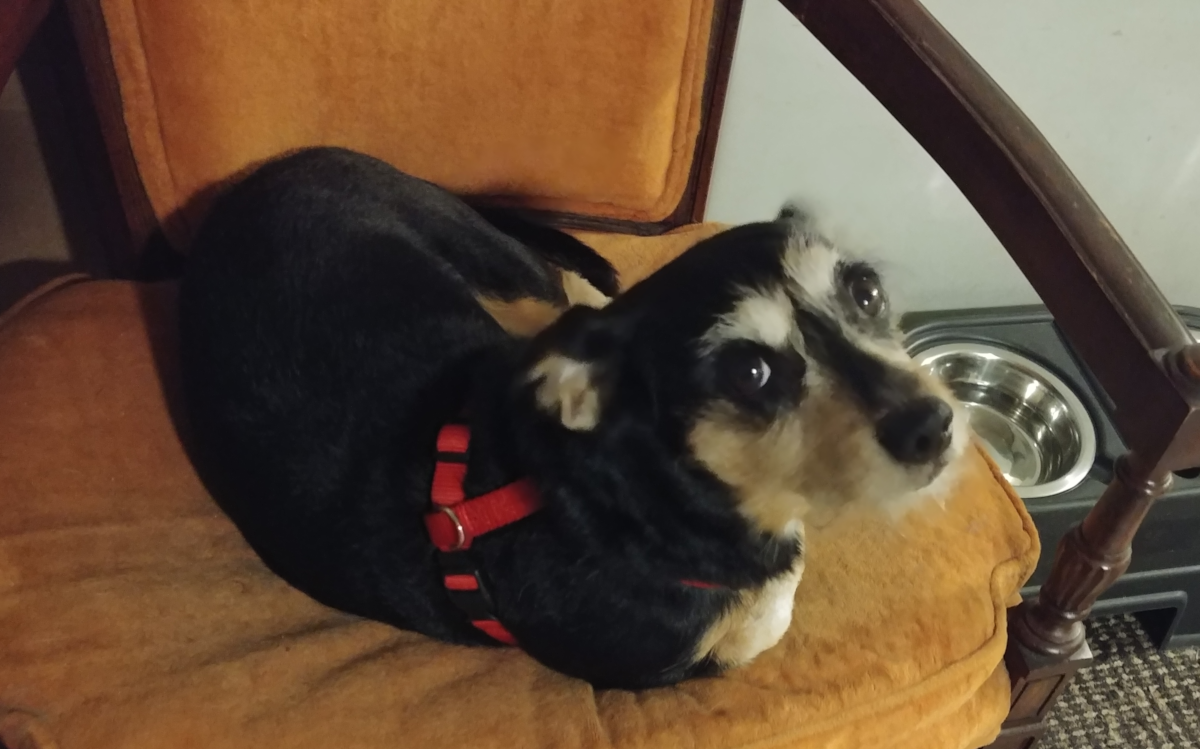 Once your pet is comfortable with slow strokes, you can try small, soft circles over larger muscle areas. Use the pads of your fingers, not your fingertips or nails. Keep the pressure light. Imagine touching a ripe peach without bruising it. That is about the level of care we are talking about.
The shoulder area is often a good place to try this because many pets carry tension there. For dogs, the muscles beside the neck and over the shoulders can respond well to gentle circles. For cats, keep the circles even smaller and lighter. Work for a few seconds, then return to long, calming strokes. That pattern helps the massage feel soothing rather than pokey or confusing.
Avoid pressing directly on the spine, joints, bones, or any lump, swelling, wound, hot spot, surgical area, or irritated skin. Do not massage an area that seems painful, inflamed, newly injured, or unexplained. If your pet has arthritis, hip problems, disc disease, cancer, heart disease, kidney disease, diabetes complications, or any significant medical condition, ask your veterinarian what areas are safe to touch and what areas to avoid. Arthritic joints and surrounding muscles can be sore, and massage done too firmly can make things worse. Some humane and veterinary guidance specifically recommends asking a veterinarian or trained professional how to massage an arthritic pet safely.
A helpful rule is this: massage the comfortable muscles around the problem, not the painful problem itself. If a dog has sore hips, you do not dig into the hips. You might use soft strokes along the shoulders and upper back to help them relax overall. If a cat has tender rear legs, you do not insist on touching them. You respect the boundary.
What About Paws, Ears, and Faces?
Some pets love having their paws touched. Others act like you have committed a personal crime. Both reactions are normal. Paw massage can be calming for pets who already enjoy paw handling, but it should never be forced. Senior pets may have sore nails, sensitive pads, arthritis in the toes, or old injuries that make paw handling uncomfortable.
If your pet accepts it, hold the paw lightly and use a gentle thumb stroke over the top of the paw or around the pad area. Do not squeeze hard. Do not spread the toes forcefully. If they pull away, let go immediately. This kind of touch can also help you notice changes like overgrown nails, cracked pads, swelling, or tenderness, but it should be observation, not a wrestling match.
The face and ears are even more personal. Many cats enjoy slow strokes along the cheeks or under the chin. Some dogs melt when you gently rub the base of the ears. Keep this feather-light and brief. Never press near the eyes, jaw pain, dental disease, ear infections, or areas where your pet has shown sensitivity. If your pet has a history of ear problems, dental pain, or head sensitivity, skip this area unless your vet says it is okay.
This is where knowing your own pet matters more than any technique. Belle, one of the senior cats who helped inspire BellenPaws, had her own opinions about comfort, as many senior cats do. With older pets, we learn that love is often less about what we want to give and more about what they are willing to receive.
When Massage Is Not the Right Choice
 Massage should feel peaceful, not clinical, forced, or painful. There are times when you should skip it completely and call your veterinarian instead. If your pet suddenly cries out, limps, refuses to move, hides, pants heavily at rest, seems confused, has swelling, has a wound, has a fever, or reacts sharply to touch, that is not a massage moment. That is a medical-check moment.
You should also avoid massage over tumors, infected skin, bruises, recent surgery sites, fractures, unknown lumps, the abdomen of a pet who seems bloated or painful, or any area your pet guards. For diabetic pets, be extra mindful if they seem weak, shaky, unusually sleepy, restless, or “off.” Those signs can sometimes be related to blood sugar concerns, and comfort touch should never distract from checking what needs to be checked.
At BellenPaws, we often talk about tracking patterns because patterns help us advocate better. For diabetic pets, our free pet diabetes tracker and printable glucose curve forms can help organize numbers for vet visits. For senior pets in general, even a simple note about mobility, appetite, mood, and comfort can help you see whether your pet is improving, declining, or having more bad days than good ones.
Massage is just one small piece of senior care. A soft bed, trimmed nails, ramps or steps, good hydration, appropriate pain control, regular vet visits, and a calm routine may all matter just as much or more.
Let Touch Become a Conversation
The best home massage for a senior pet is not fancy. It is slow, kind, and humble. It asks instead of demands. It listens instead of assumes. Some days your pet may want five minutes of soft shoulder strokes. Other days they may only want you nearby, breathing the same quiet air. That is still care.
Start with your hand resting gently on their shoulder or side. Feel their breathing. Offer one slow stroke. Pause. Let them decide whether the next one is welcome. Over time, this can become a comforting ritual, not just for them, but for you too. Senior pet care can be emotionally heavy, especially when you are watching changes that you cannot fully stop.
These small moments remind us that love is still active. We may not be able to make them young again, but we can make this minute softer. And sometimes, for an aging pet, a softer minute is a beautiful gift.