
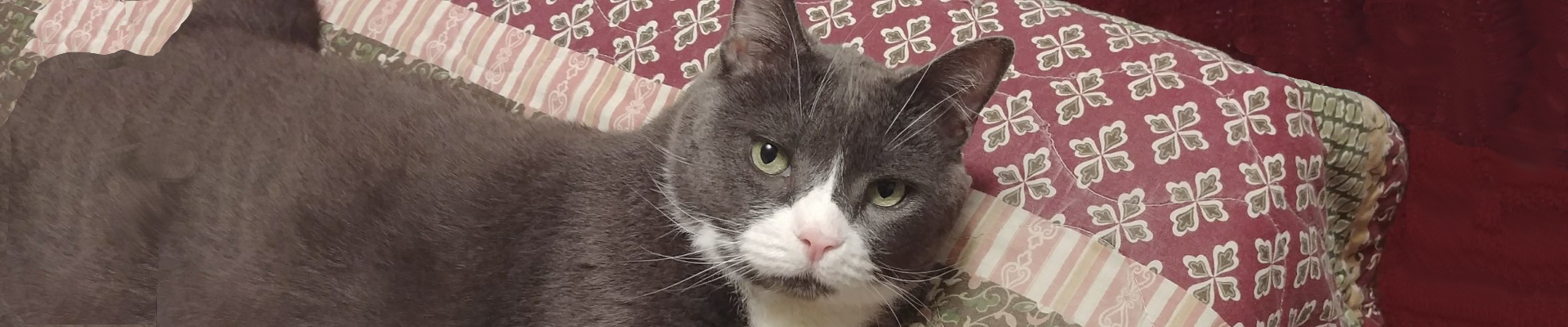
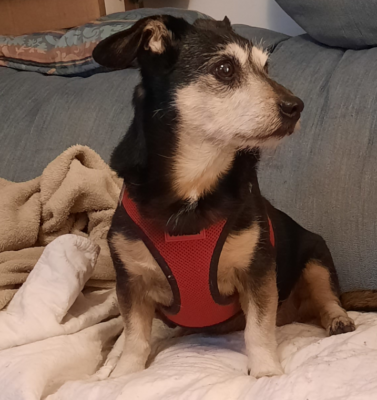
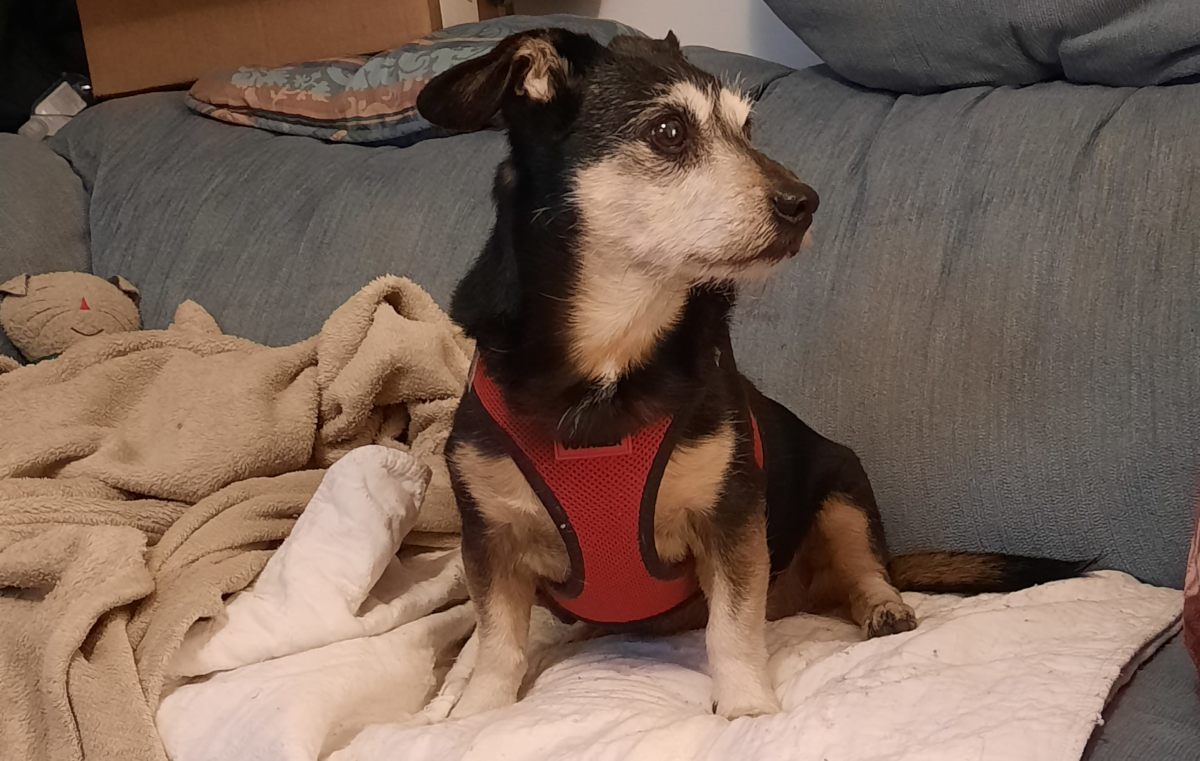
A senior dog or cat can look different from the animal we remember from five or ten years ago. The face may be grayer, the pace may be slower, and the body may become a little less rounded. Some of those changes can accompany normal aging, but visible loss of muscle should not be dismissed as simply “getting old.”
That distinction matters because body weight tells only part of the story. An older pet can lose muscle while staying at nearly the same weight, especially if body fat is maintained or increasing. Veterinary nutrition guidelines now place much more emphasis on looking at both body condition and muscle condition, because a pet can appear well covered over the ribs while quietly losing muscle along the spine, shoulders, hips, or head.
Weight Loss and Muscle Loss Are Not the Same Thing
Body weight is the total number on the scale. It includes muscle, fat, bone, water, organs, and everything else that contributes to the animal’s mass. A drop in weight tells us something has changed, but it does not tell us what tissue was lost or why.
Muscle condition is more specific. Sarcopenia describes age-related loss of skeletal muscle mass and function, while cachexia refers to excessive loss of lean tissue associated with disease. A senior pet can have sarcopenia without dramatic weight loss, and a pet with chronic kidney disease, cancer, heart disease, gastrointestinal disease, hyperthyroidism, or another illness may develop disease-related muscle loss as part of a more complicated picture.
This is one reason I have learned not to rely on the scale alone with older animals. A half-pound change can be meaningful in a small cat, but an unchanged number can also give false reassurance if fat is replacing muscle. What matters is the trend in weight, how the body feels under your hands, how the pet is moving, how well the pet is eating, and whether other changes are happening at the same time.
What Normal Aging Can Look Like
 Older pets often become less active. Dogs may choose shorter walks or take longer to get up after sleeping, while cats may stop making the highest jumps or spend more time resting. Some reduction in athletic ability is expected as animals age, especially when arthritis, vision changes, dental discomfort, or other common senior problems are added to the picture.
Age-related changes in body composition also occur. Senior dogs commonly lose some lean body mass while gaining or maintaining fat, and older cats can lose substantial lean tissue as they age. Current AAHA senior-care guidance notes that cats may lose up to roughly one-third of lean body mass from about 10 to 15 years of age, although the amount varies greatly among individuals.
That does not mean obvious muscle wasting should be considered harmless. Veterinary guidance treats unexplained weight change and any degree of muscle loss as findings that deserve further nutritional and medical assessment. The useful distinction is not “aging versus disease” in a simple either-or sense, because sarcopenia itself is an age-related process. The better question is whether the change is mild and stable, or whether muscle is disappearing faster than expected and possibly being accelerated by pain, poor food intake, disease, or inactivity.
Where Muscle Loss Shows Up First
Muscle loss is often easier to feel than to see, especially under a thick coat. Veterinary muscle condition scoring examines several areas where thinning becomes noticeable: the bones of the skull near the temples, the shoulder blades, the muscles along the spine, and the pelvic bones. WSAVA recommends muscle condition scoring separately from body condition scoring because the two measurements describe different tissues.
At home, get used to how your senior pet normally feels. Run your hands gently over the shoulders and along both sides of the spine, then feel the hips and upper hindquarters. In a muscular animal, those areas have a padded, solid feel from muscle; with wasting, the bones can begin to feel sharper and the surrounding tissue flatter or hollowed.
The head can also change, particularly in cats. The temples may appear more sunken as the muscles over the skull become thinner. In dogs, loss over the hips and thighs can make the rear end look narrower even if the belly and chest still carry plenty of fat.
An overweight senior pet can therefore be losing muscle without looking thin. This combination is sometimes called sarcopenic obesity, and it is one of the reasons a body condition score alone can miss an important change.
Function Often Changes Along With the Body
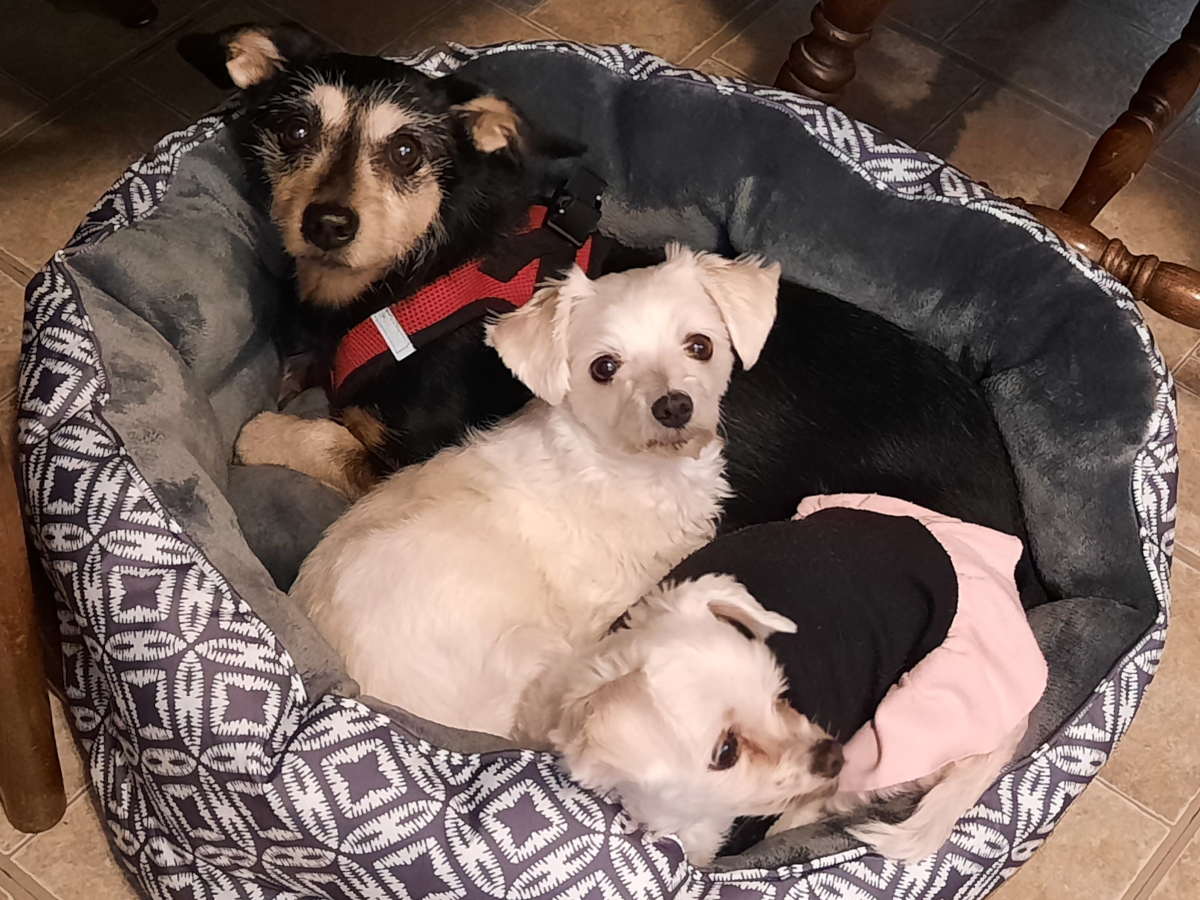 Muscle is not just something we see on the outside. It affects strength, balance, mobility, temperature regulation, recovery from illness, and the body’s reserve of amino acids. An older animal who is losing muscle may begin showing changes in function before the scale moves very much.
A dog may struggle more with stairs, slip on smooth floors, shorten the stride, or need more effort to rise. A cat may choose lower furniture, hesitate before jumping, stop climbing favorite perches, or groom the back and hindquarters less thoroughly. These observations do not diagnose sarcopenia because pain, arthritis, neurologic disease, weakness, and many other problems can produce similar changes, but they give the veterinarian useful context.
Videos are especially helpful. A thirty-second clip of your dog rising from bed, walking down a hallway, or using stairs can show changes that may not appear during a short examination. The same is true for a cat jumping onto a chair or walking across a room.
Why Protein Becomes Such an Important Part of the Conversation
Older animals do not necessarily need less protein simply because they are older. In fact, aging can reduce the body’s efficiency at maintaining and rebuilding lean tissue, and some senior pets may need more high-quality dietary protein to help slow muscle loss. AAHA notes that senior pets, particularly cats, may need substantially more protein than younger adults in some circumstances, and healthy senior diets may appropriately contain more protein or more digestible protein.
Cats deserve special attention because they already have relatively high protein needs as a species. Some older cats also become less efficient at digesting protein and fat, which can contribute to weight and muscle loss even when they seem to be eating a familiar amount of food. A recent veterinary review of feline sarcopenia likewise describes adequate protein and sufficient activity as the best-supported current approach while acknowledging that research on specific supplements and drug treatments is still limited.
Dogs can also lose lean mass with age, particularly when calorie intake drops too far or protein is unnecessarily restricted. Older dogs often need fewer calories than younger dogs, which creates a nutritional balancing problem: the diet may need to deliver enough protein and other nutrients without supplying more calories than the dog requires. Current veterinary literature supports avoiding routine protein restriction in healthy older dogs solely because of age.
More Protein Is Not a Universal Prescription
 The phrase “increase protein” sounds simple, but senior nutrition rarely is. The right amount depends on species, current diet, calorie intake, muscle condition, body condition, kidney function, gastrointestinal health, dental health, activity, and any diagnosed disease. The percentage printed on the front or guaranteed analysis of a pet-food label also does not tell the whole story because foods vary widely in moisture and calorie density.
This is where veterinary input matters. Ask your veterinarian to review the actual food, the amount being fed, total daily calories, treats, supplements, and any prescription diets. For a pet with meaningful muscle loss, a veterinary nutritionist may be helpful when several medical conditions create competing dietary goals.
Kidney disease is the most common reason owners become nervous about protein, and the issue needs more care than the old rule that “senior pets need low protein.” Healthy older pets should not automatically have protein restricted to protect the kidneys. In diagnosed chronic kidney disease, however, therapeutic renal diets can be beneficial, and protein quantity, protein quality, phosphorus, calories, and the stage of kidney disease all need to be considered together. AAHA guidance notes that protein restriction is not generally required for healthy pets or very early renal cases, while controlled protein becomes part of dietary management in more advanced disease.
That balance can become especially difficult in a thin senior cat or dog who has kidney disease and is also losing muscle. Feeding too little protein can make preservation of lean tissue harder, while feeding without regard to the kidney disease may work against the goals of a therapeutic renal plan. This is exactly the kind of situation where the diet should be adjusted for the individual animal rather than by following a generic senior-food rule.
Look for the Reason Before Blaming Age
Progressive weight or muscle loss deserves a medical workup because many treatable conditions can hide behind the phrase “just getting older.” Senior cats, for example, commonly develop hyperthyroidism, chronic kidney disease, dental disease, intestinal disorders, diabetes, and other conditions that can affect weight. Dogs may lose muscle because of chronic pain and reduced activity, endocrine disease, cancer, kidney disease, gastrointestinal disease, neurologic problems, or difficulty eating.
AAHA recommends regular senior screening that commonly includes a physical examination, body and muscle condition assessment, bloodwork, urinalysis, and other testing based on the individual animal. For many senior dogs and cats, comprehensive blood testing and urinalysis are recommended every six to twelve months, with additional tests guided by history and examination findings.
Make an appointment sooner rather than waiting for the next routine visit if weight is falling steadily, the spine or hips are becoming noticeably more prominent, appetite has changed, or strength is declining. More immediate veterinary attention is appropriate when weight loss is accompanied by refusal to eat, repeated vomiting or diarrhea, marked weakness, collapse, breathing difficulty, dehydration, or another sudden change in condition.
A Simple Home Monitoring Routine
 The most useful home record is usually the one simple enough to keep. For a senior pet whose weight or muscle condition concerns me, I would rather have six weeks of basic, consistent observations than a complicated chart that gets abandoned after three days.
Record weight on the same scale whenever possible and under reasonably similar conditions. Add a brief note about appetite, food amount, activity, mobility, vomiting or diarrhea, drinking and urination changes, and anything else that seems different. For a cat who is hard to weigh, weighing yourself while holding the cat and subtracting your own weight can provide a rough trend, although a pet or baby scale is much better for small changes.
Monthly photos can also reveal changes that daily familiarity hides. Take one from above and one from the side with the pet standing naturally, and occasionally photograph the rear view to compare the width and shape of the hindquarters. Photos are not a substitute for hands-on examination, but they can make gradual changes easier to recognize.
Ask the veterinary team to record both a body condition score and a muscle condition score at senior visits. Those two numbers, paired with actual body weight, provide a much clearer picture than weight alone. If the clinic has older records, comparing today’s measurements with the pet’s own baseline can be more meaningful than comparing the animal with a generalized breed ideal.
Food, Movement, and Comfort Work Together
Diet alone cannot preserve muscle if an older pet is barely moving because every step hurts. Arthritis, spinal pain, dental pain, weakness, and environmental obstacles can all reduce activity and food intake. Appropriate pain control, rehabilitation, safe exercise, non-slip flooring, ramps, lower-entry litter boxes, easier access to food and water, and other practical changes may help an older animal keep using the muscle that remains.
Exercise should match the pet’s medical condition and abilities. For many senior dogs, several shorter walks may be more manageable than one long outing. For cats, gentle play, food puzzles, low climbing options, and easy movement between resting areas can encourage activity without demanding athletic jumps.
Nutrition works the same way. A theoretically perfect protein level does little good if the pet will not eat enough of the food to meet calorie and nutrient needs. Palatability, digestibility, meal size, dental comfort, nausea, medication effects, feeding environment, and the presence of other animals can all influence how much a senior pet actually consumes.
After years of caring for older dogs and cats, I have found that the earliest useful clue is often not a dramatic number on a laboratory report. It is the gradual change under your hand when the muscles beside the spine do not feel quite as full, the hips become a little sharper, or a familiar jump suddenly takes more effort. Bringing those observations to the veterinarian early gives everyone more information to work with, while there may still be time to address nutrition, pain, disease, activity, and other factors contributing to the loss.