
There is a quiet kind of love that comes with caring for an aging pet. It is not always loud, playful, or full of the wild energy we remember from their younger years. Sometimes it looks like waiting patiently while a senior dog sniffs the same patch of grass for three full minutes. Sometimes it looks like helping an older cat settle into the softest blanket in the house, only to watch them nap there for most of the afternoon.
For many of us, the hardest part of loving a senior pet is not the extra care itself. It is adjusting our own expectations. We remember the dog who once pulled us down the sidewalk with excitement, or the cat who launched onto the top of the furniture like gravity was optional. Then one day, almost without warning, we realize the pace has changed. The walk is shorter. The jump is lower. The nap is longer. The spark is still there, but it shows itself differently.
That change can be emotional. It can feel like loss even while our pet is still right in front of us. We may catch ourselves wishing they could do what they used to do, then feeling guilty for wishing it. But aging does not erase who they are. It simply asks us to meet them where they are now.
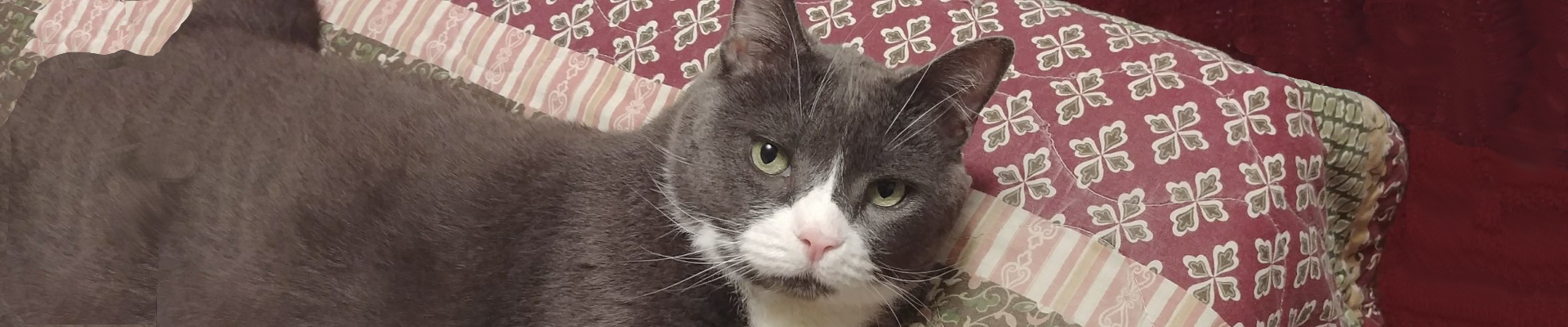
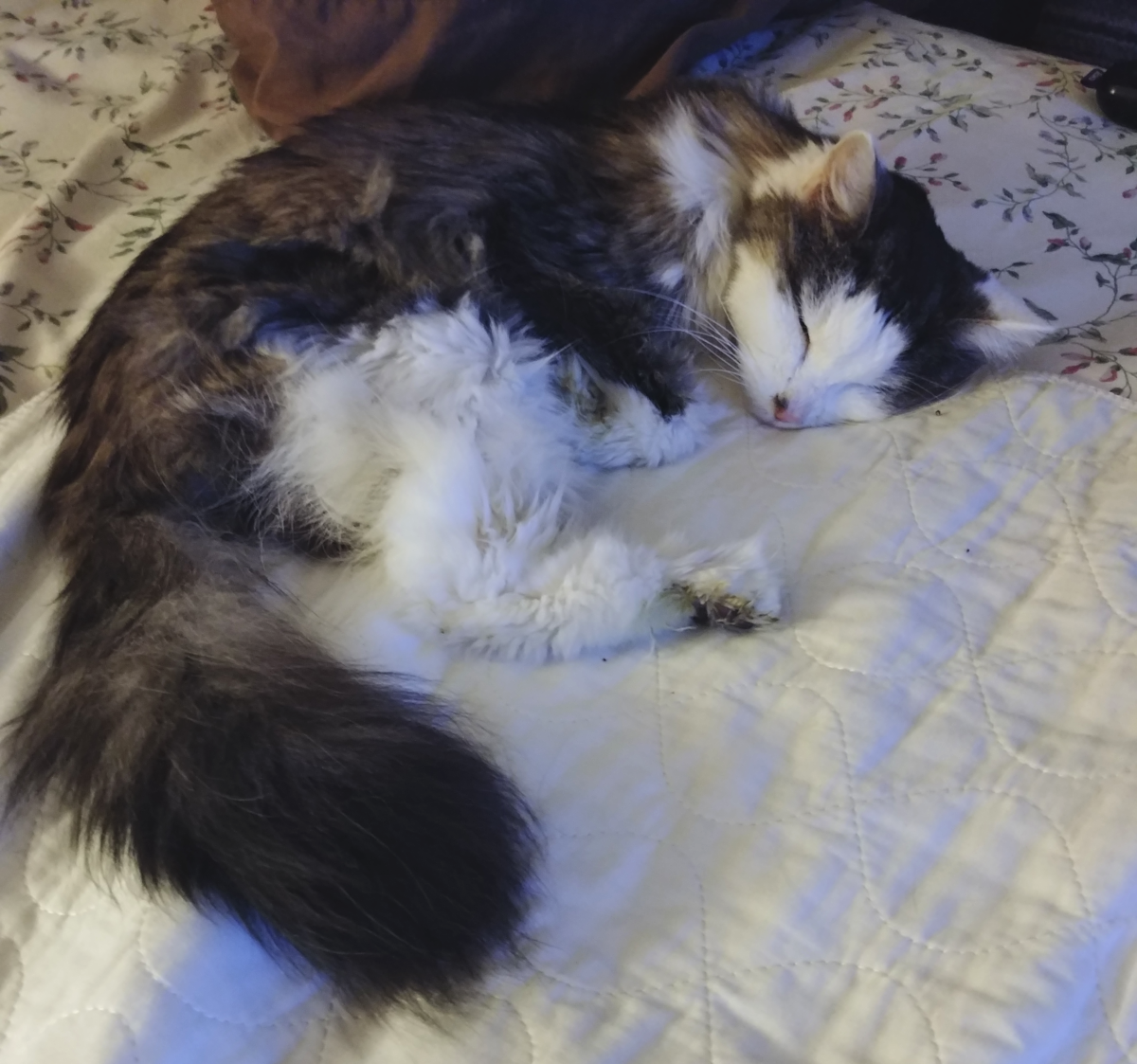
At BellenPaws, we often talk about senior pet care from the heart of everyday experience, not from a veterinarian’s chair. We are pet parents who have loved many animals through their later chapters, including Belle and Paws, the senior cats who inspired the name of our site. Those later years taught us that slowing down is not always something to fear. Sometimes it is an invitation to notice more.
When the Pace Begins to Change
The first signs of slowing down can be subtle. A dog may still want to go for a walk, but turns home sooner. A cat may still enjoy climbing, but chooses the chair instead of the windowsill. A pet may sleep more deeply, move more carefully, or take longer to settle after activity. These changes can be normal parts of aging, but they are still worth paying attention to.
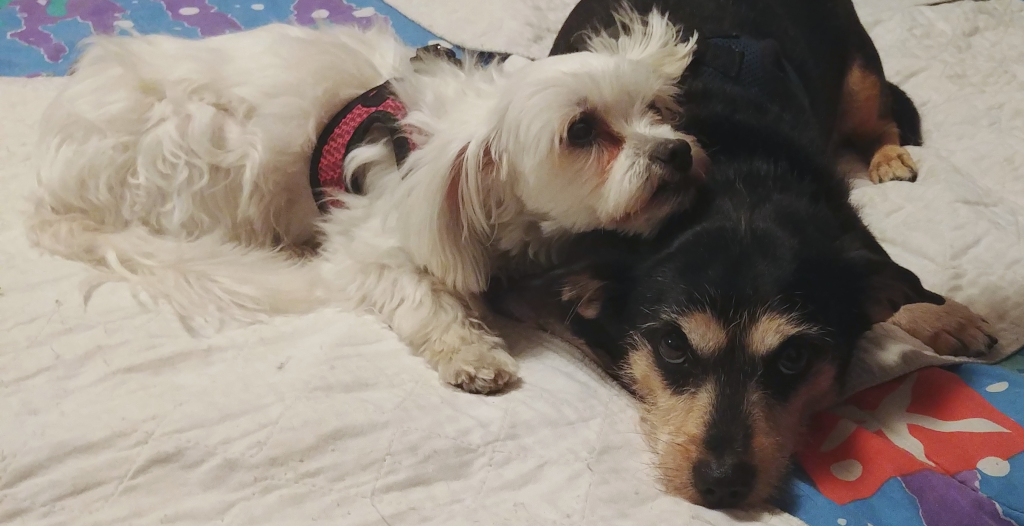 One of the most loving things we can do is observe without panic. A slower pet is not automatically a suffering pet. At the same time, a sudden change in energy, appetite, mobility, breathing, bathroom habits, or behavior should be discussed with a veterinarian. Senior pets can hide discomfort, and small changes sometimes give us important clues.
The emotional adjustment for us is just as real. We often measure our pets by the memories we carry. We remember the long hikes, the hallway zoomies, the impossible jumps, and the endless games. But our pets are not disappointed that they are aging in the same way we are. Most of the time, they are simply living in the moment they have.
That is where we can learn from them. A senior dog may not care that today’s walk only reached the mailbox. To them, it may have included fresh air, sunlight, neighborhood smells, and time beside their person. A senior cat may not care that they slept through half the day. To them, a warm nap in a familiar home may be a perfect afternoon.
Adjusting expectations does not mean expecting less love, less connection, or less joy. It means changing what we look for. Instead of measuring the day by distance walked or hours played, we begin measuring it by comfort, trust, appetite, curiosity, and peace.
The Gift Hidden Inside Slow Walks
Slow walks can be surprisingly beautiful once we stop treating them like failed fast walks. A senior dog may no longer need a long march around the neighborhood. What they may need is a gentle outing that lets them smell the world, stretch their legs, and feel included in the rhythm of the household.
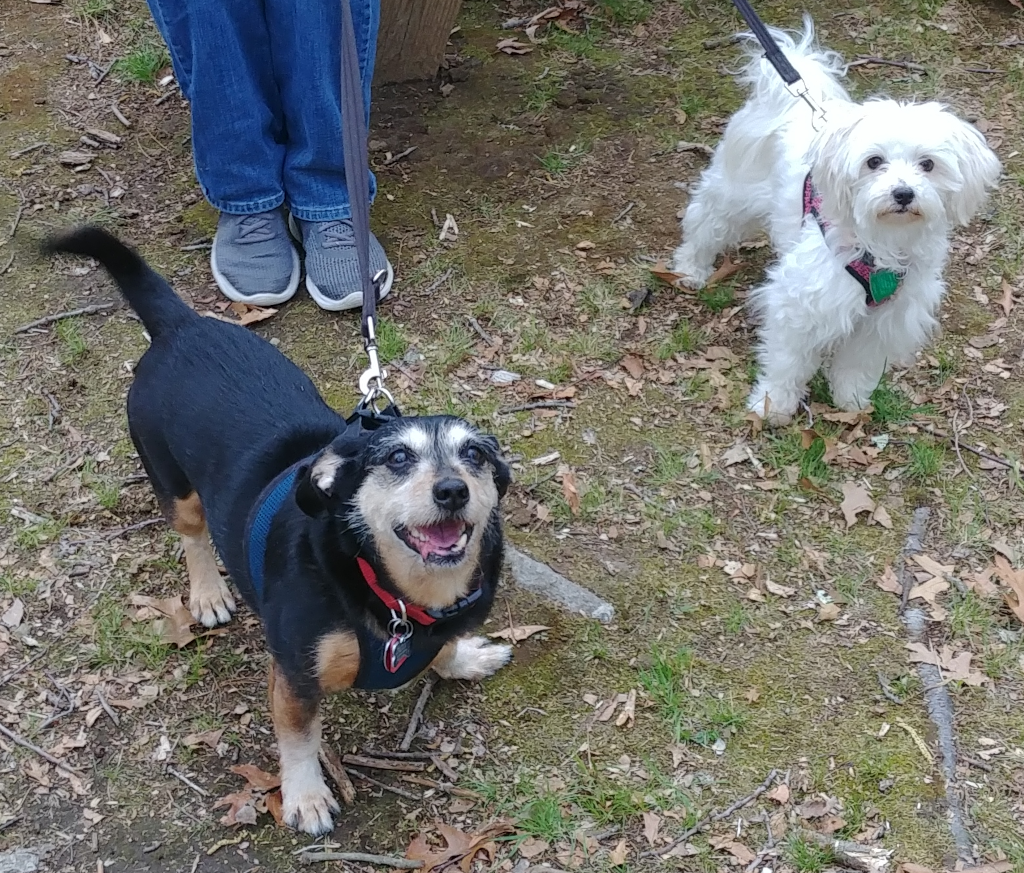 For an older dog, sniffing is not wasted time. It is information, entertainment, and mental enrichment. That patch of grass we barely notice may be a whole newspaper to them. When we rush them past every interesting smell, we may be taking away one of the most enjoyable parts of the walk.
This is where expectation adjustment becomes an act of kindness. Instead of asking, “How far did we go?” we can ask, “Did they enjoy it?” Instead of aiming for a route, we can aim for an experience. A five-minute sniff walk may be more satisfying to a senior dog than a twenty-minute walk where they are hurried along.
The same idea applies to senior cats, even though their “walks” may happen indoors. An older cat may still enjoy slow exploration, a sunny window, a safe porch enclosure, or a few minutes of gentle play. They may not chase a toy across the room anymore, but they may still enjoy batting at it from a cozy position. That still counts. Joy does not need to look athletic to be real.
For pets with conditions like diabetes, arthritis, kidney disease, heart issues, or thyroid problems, routines may need even more flexibility. With our diabetic cats, including Bentley, who still receives insulin twice a day, we have learned how much daily observation matters. Energy, appetite, timing, and comfort all become part of the rhythm. Tools like a pet diabetes tracker or printable glucose curve forms can help organize patterns for vet visits, but the heart of the work is still paying attention with love.
Slow walks and gentle activity can support quality of life, but they should fit the pet in front of us. Some days will be better than others. That is not failure. That is senior care.
Long Naps Are Not Empty Time
There is something tender about watching a senior pet sleep. Their breathing settles, their body softens, and for a little while, they are completely safe. Long naps can worry us at first because they remind us that our pets are aging. But rest is also one of the ways older bodies recover, conserve energy, and stay comfortable.
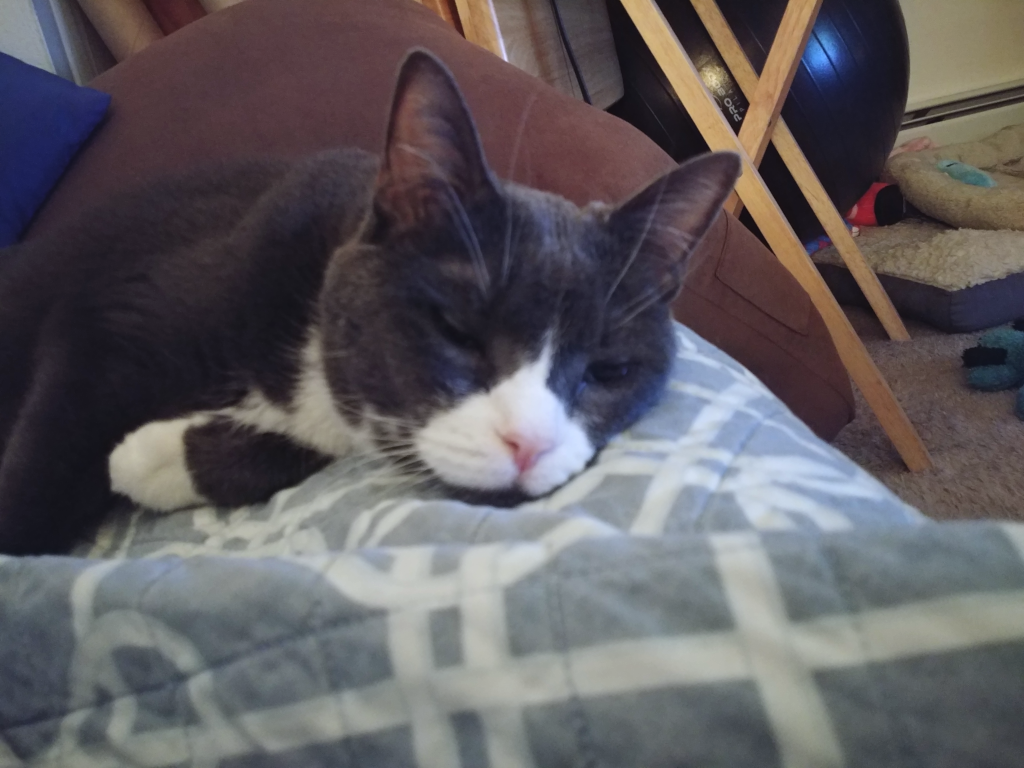 Many senior pets sleep more than they did when they were younger. They may prefer warmer spots, softer beds, quieter rooms, and predictable routines. A dog who once wanted to be in the middle of every household event may now choose a bed nearby instead. A cat who once prowled the house at night may spend more hours tucked into a favorite blanket.
The key is noticing the difference between peaceful rest and concerning withdrawal. A senior pet who naps often but still eats, responds, seeks affection, uses the bathroom normally, and has moments of interest may simply be enjoying a slower life. A pet who suddenly hides, refuses food, seems confused, cries out, struggles to rise, or no longer engages in familiar ways may need veterinary attention.
Comfort becomes a major part of senior care. Little changes can make a big difference. A lower bed, a ramp, a non-slip rug, a warmer sleeping space, or food and water placed within easier reach can help an aging pet move through the day with less strain. For cats, lower-sided litter boxes may be helpful if stepping over high sides becomes difficult. For dogs, shorter but more frequent potty breaks may be kinder than expecting them to hold the same schedule they had years ago.
This is also where we have to be gentle with ourselves. Sometimes we feel like we should be doing more because our pet is doing less. But senior care is not always about adding more activity. Sometimes it is about making rest feel safe, supported, and dignified.
A long nap beside you is not nothing. It is companionship. It is trust. It is your pet choosing your presence as part of their comfort.
Redefining a Good Day
When pets are young, a good day may be easy to recognize. They run, play, eat, explore, and bounce through the house with obvious excitement. With senior pets, a good day may be quieter. It may look like finishing breakfast, enjoying a slow walk, asking for a chin scratch, napping in the sun, and settling peacefully at night.
That quieter version of happiness is still happiness.
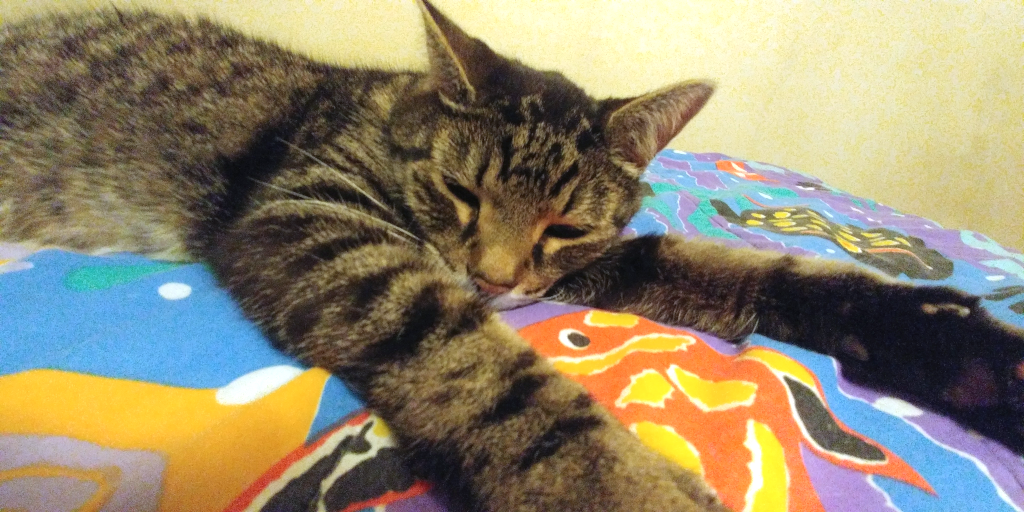 One of the most helpful shifts we can make is to stop comparing today’s pet to yesterday’s pet. Of course, we remember who they were. Those memories are part of the bond. But if we only look backward, we may miss the sweet little signs of joy they are still offering now.
A senior dog standing still with their nose in the breeze may be having a wonderful moment. A senior cat blinking slowly from a warm blanket may be telling us they feel safe. A pet who leans into our hand, follows us with their eyes, or settles near us while we work is still participating in the relationship.
Redefining a good day also helps us make better care decisions. We begin to notice what truly matters for that pet’s quality of life. Are they comfortable? Are they eating enough? Are they able to rest? Do they still seek connection? Are they having more peaceful days than distressed ones? These are the kinds of observations that can help guide conversations with a veterinarian.
For diabetic pets, this kind of daily awareness can be especially important. Tracking glucose readings, meals, insulin timing, and behavior can reveal patterns that memory alone may miss. That is one reason we believe so strongly in practical tools like printable charts and daily tracking forms. They do not replace veterinary guidance, but they can help pet parents walk into appointments with clearer information.
Still, no chart can measure everything. Some of the most important signs are felt in the room. The way your pet relaxes when you sit beside them. The way they still recognize the sound of the treat bag. The way they lift their head when you come home. These moments matter.
Letting Love Change Shape
Adjusting expectations does not mean giving up. It means loving wisely. It means understanding that our pets may need us differently now than they did before. The puppy who needed exercise may become the senior dog who needs patience. The kitten who needed play may become the elder cat who needs warmth, routine, and gentle attention.
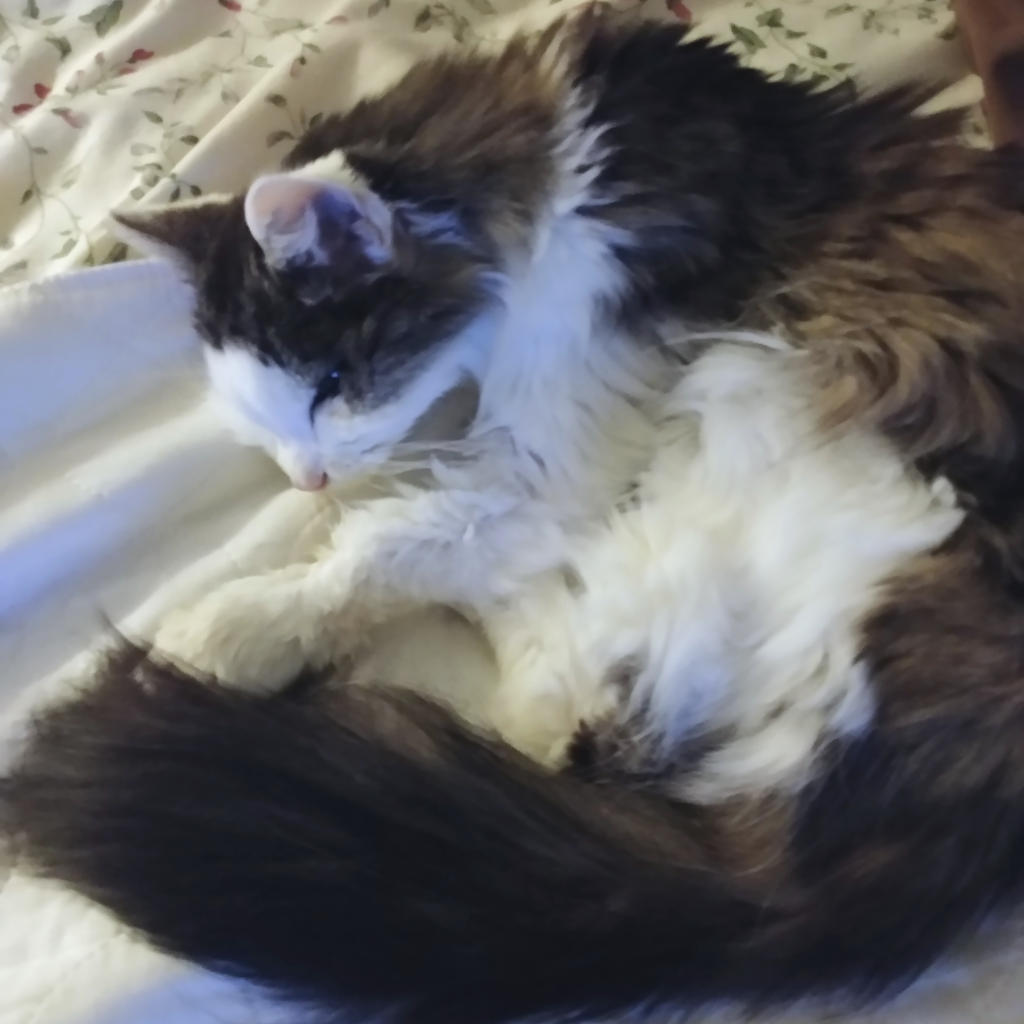 This stage can be bittersweet, but it can also be deeply meaningful. There is a softness to it. A closeness. A sense that after all the years of chaos, mischief, accidents, noise, and laughter, we have arrived at a quieter chapter where presence matters most.
We do not have to force senior pets to prove they are still happy by acting young. We can let them be old and loved at the same time. We can celebrate the slow walk. We can honor the long nap. We can smile at the small burst of energy, then help them rest afterward.
Our job is not to drag them back into who they used to be. Our job is to make who they are now feel safe, valued, and understood.
So take the slow walk. Let them sniff. Let them pause. Let the route be shorter than planned. When they nap, let the house become a little quieter around them. Notice the peaceful moments instead of only mourning the active ones.
Senior pets have a way of teaching us that love does not always move fast. Sometimes it limps a little, stretches slowly, circles the bed three times, sighs deeply, and falls asleep beside us.
And somehow, that love is still whole.