
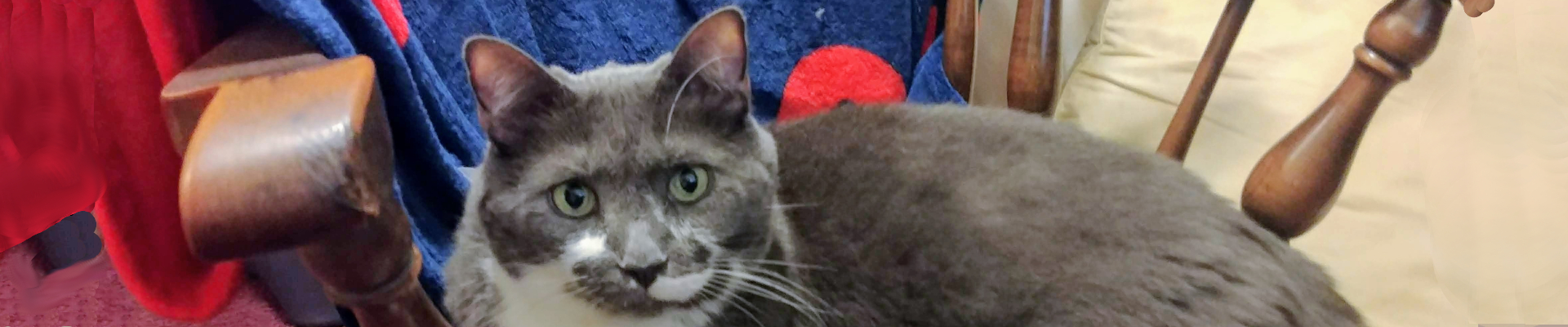
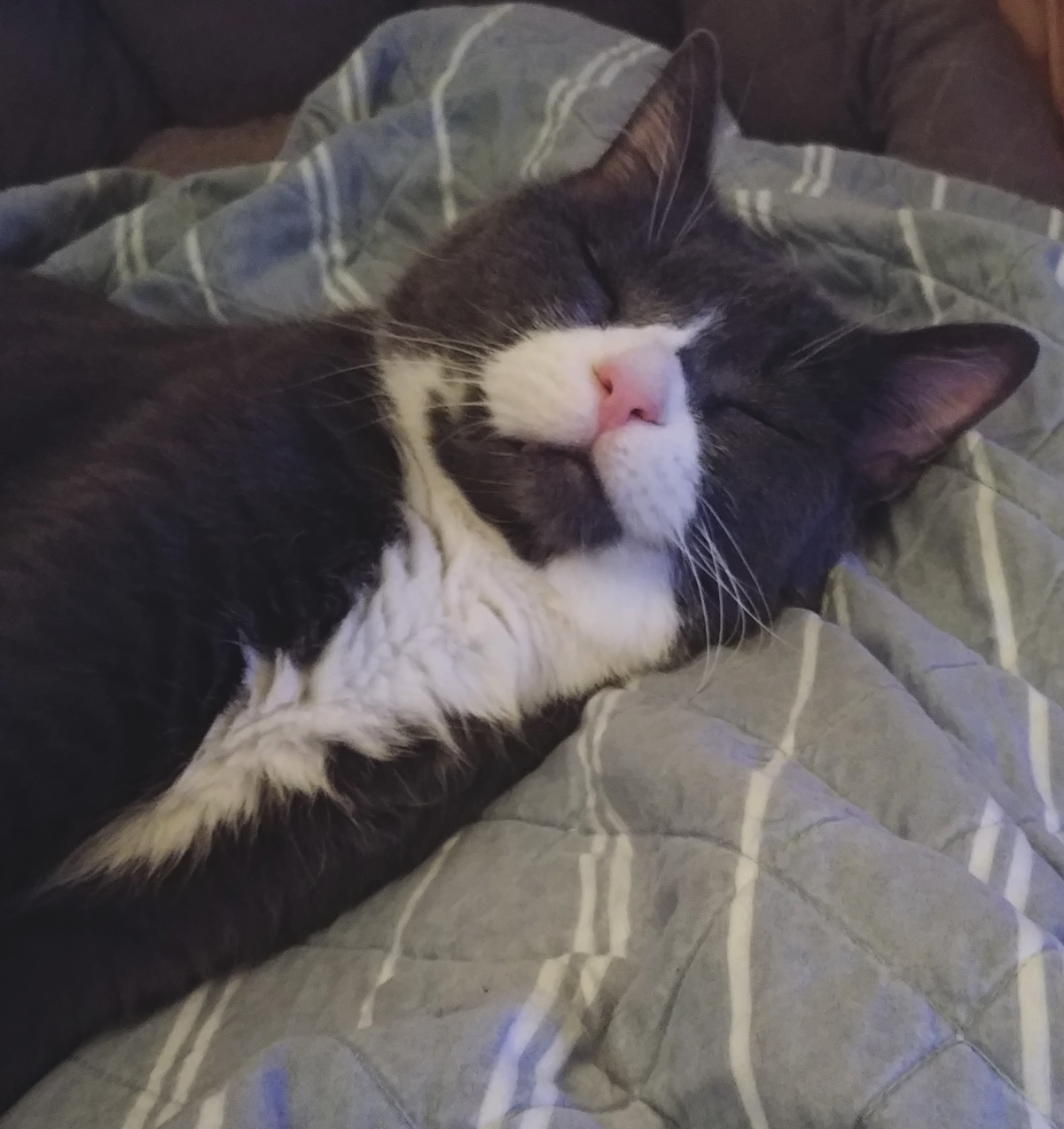
When we share our home with senior pets, diabetic pets, or animals with sensitive skin, lungs, stomachs, or immune systems, we start to notice things we may have ignored for years. A strong cleaner smell that used to mean “fresh” suddenly feels too sharp. A scented plug-in that once seemed cozy starts to feel questionable when a cat sleeps beneath it all day. A freshly mopped floor becomes less about shine and more about what might end up on paws, fur, tongues, and bedding.
As pet parents, we cannot control everything our animals are exposed to. We cannot bubble-wrap the world, and honestly, most of us are just trying to keep the house clean while managing real life, aging pets, vet visits, medications, litter boxes, muddy paws, and the occasional mystery spot on the carpet. But we can make thoughtful choices inside the home. We can lower the chemical load, reduce strong fragrances, and create a gentler environment for the animals who trust us most.
This is especially important for sensitive pets. Senior cats and dogs may not process stressors the same way they did when they were young. Diabetic pets may already have a daily routine built around food, insulin, glucose checks, and careful observation. Pets with kidney disease, breathing issues, allergies, skin irritation, or digestive trouble may react to things that never bothered another animal in the house. A “chemical-free” home does not have to mean perfect, expensive, or extreme. It simply means becoming more intentional about what we spray, wipe, burn, diffuse, wash, and leave within reach.
Why Sensitive Pets React So Easily
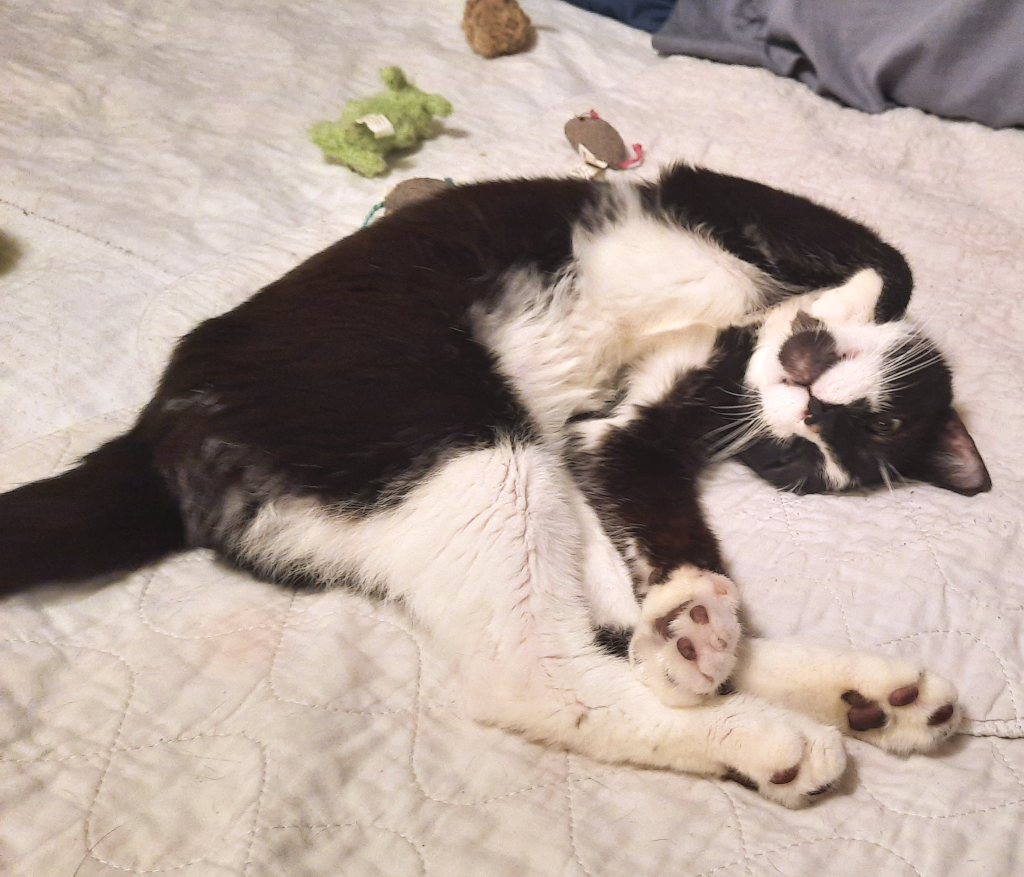 Pets experience the home differently than we do. They walk directly on the floor. They lick their paws. Cats groom their coats constantly, which means anything that settles on fur can eventually be swallowed. Dogs sniff close to the ground, sleep on rugs, and sometimes lick surfaces we wish they would ignore. Their noses are also far more sensitive than ours, so a scent that seems light to us may feel overwhelming to them.
This is one reason strong fragrances can be a bigger issue than many people realize. Air fresheners, heavily scented candles, wax melts, laundry boosters, carpet powders, and certain essential oils may make a room smell pleasant to humans, but they can be irritating for pets. Some products can be especially risky for cats because cats have unique metabolic limitations and may struggle with certain compounds that dogs and people handle differently. Even when something is marketed as “natural,” that does not automatically mean it is safe for every pet.
I learned to think more carefully about this over years of caring for senior cats. Belle, one of the founding hearts behind BellenPaws, had several health challenges as she aged, including kidney disease and high blood pressure. When you are caring for a fragile senior, your eyes change. You start asking, “Could this make her uncomfortable?” before asking, “Does this make the room smell nice?” That shift does not happen because we become fearful. It happens because love makes us more observant.
For diabetic pets, routine and stability matter too. With Zippy, who achieved remission through tight regulation, we learned how much small daily details can matter when you are watching patterns closely. Food, stress, appetite, activity, and environment all become part of the bigger picture. A home that feels calm, predictable, and gentle is not a replacement for veterinary care, but it can support the kind of steady daily rhythm many sensitive pets need.
Rethinking Clean Without Giving Up Cleanliness
One of the biggest fears people have when they hear “chemical-free” is that it means their home will not be clean. That is not the goal. Pets still have accidents. Litter boxes still need attention. Food bowls get slimy. Senior dogs may track in dirt. Diabetic pets may need extra sanitation around testing supplies or feeding areas. Cleanliness still matters, especially when pets have health issues.
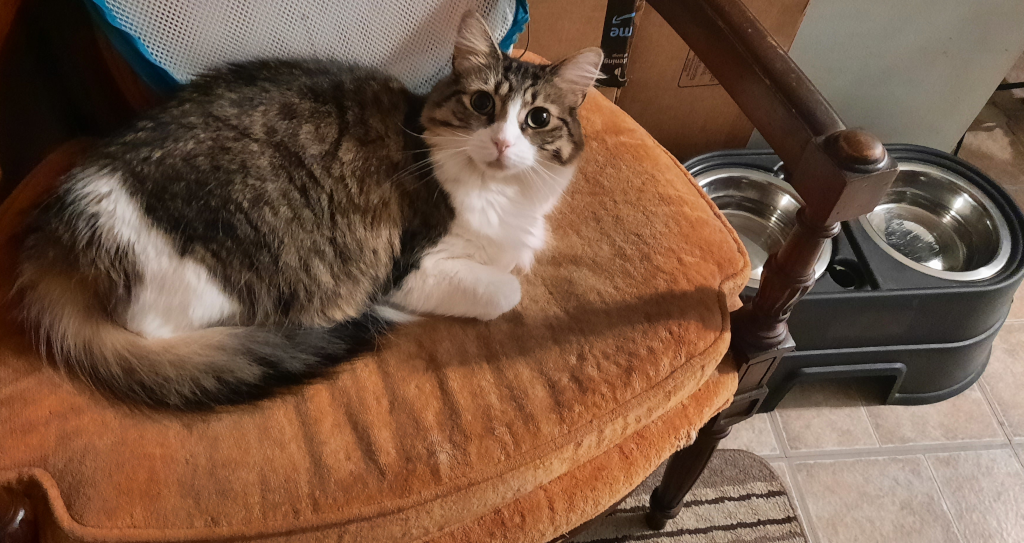 The difference is choosing safer cleaning habits whenever possible. For many everyday messes, simple options like warm water, mild unscented dish soap, baking soda, and diluted white vinegar can handle a surprising amount of household cleaning. Vinegar should not be used on every surface, especially natural stone, and it should not be mixed with bleach. But for many basic cleaning jobs, simple ingredients can reduce the need for harsh sprays and lingering fumes.
The biggest rule in a pet home is to keep animals away while cleaning and let surfaces dry before they return. Even a product that is reasonably safe when used correctly can be irritating when wet, concentrated, or freshly sprayed. Floors are especially important because paws touch them first. If you mop with any cleaner, rinse if needed, ventilate the room, and wait until the floor is fully dry before letting pets walk through.
Disinfectants deserve extra care. Sometimes they are necessary, especially after illness, accidents, raw food spills, or contamination concerns. But disinfecting should be targeted rather than constant. More is not always better. Follow labels carefully, dilute only as directed, never mix products, and keep pets away until everything is dry and the room has aired out. Bleach, ammonia, phenols, and strong solvents can be dangerous when misused, and many “heavy-duty” cleaners are not meant for curious paws and noses.
A helpful mindset is to divide cleaning into two categories: daily gentle cleaning and occasional serious sanitation. Most of life fits into the first category. Food bowls, counters, washable mats, litter box areas, and bedding can often be handled with mild, unscented products and hot water. Save stronger products for situations that truly require them, and use them with space, ventilation, and caution.
The Hidden Chemical Load in Everyday Comforts
Cleaning products are only part of the story. Many of the strongest exposures in a home come from things we use to make the space feel cozy. Scented candles, incense, plug-ins, aerosol sprays, carpet deodorizers, laundry perfumes, and essential oil diffusers can all add a constant layer of fragrance to the air. For a sensitive pet, especially one who sleeps in the same room all day, that “background scent” may not feel so gentle.
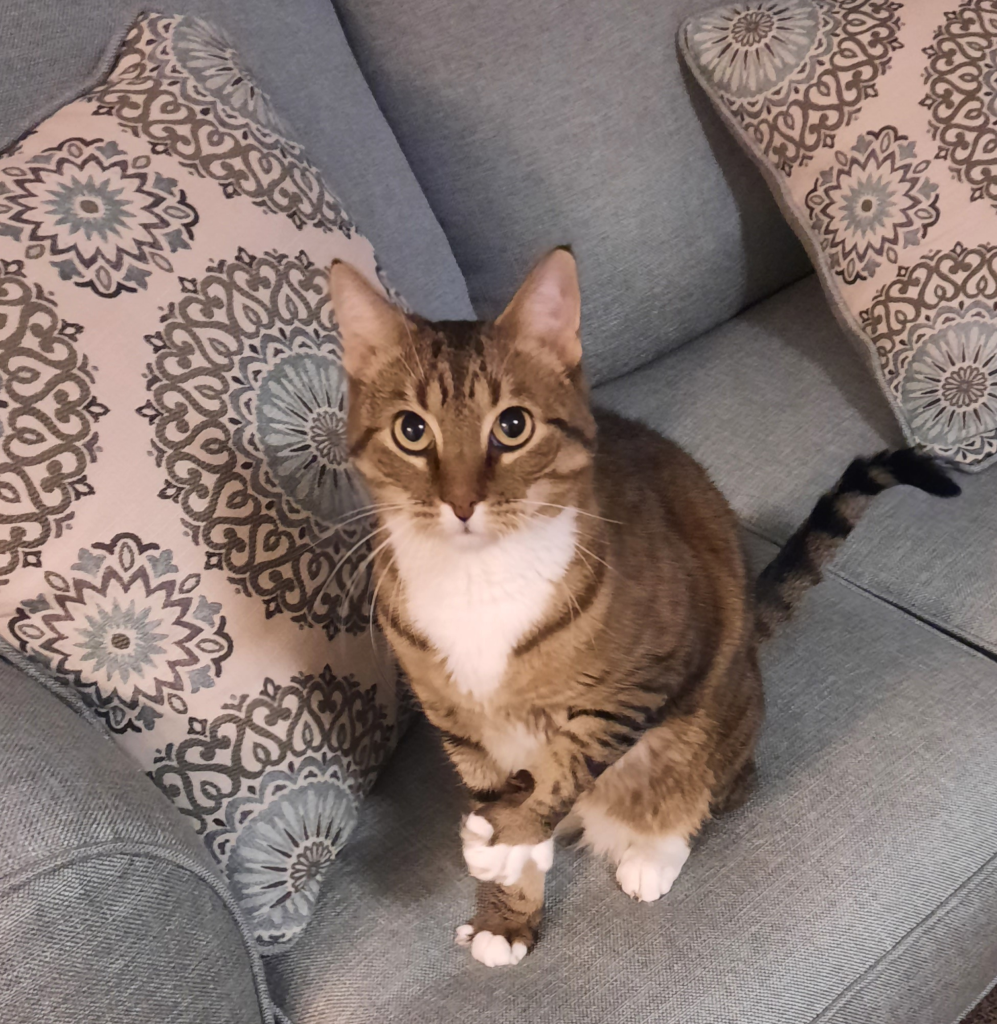 Essential oils deserve special mention because they are often seen as clean or natural. Some can be irritating or toxic to pets, especially cats, depending on the oil, concentration, method of use, and exposure. Diffusing oils into the air can affect breathing, settle onto fur, and create an exposure pets cannot easily choose to avoid. If a pet has asthma, breathing trouble, liver disease, neurological issues, or general frailty, it is wise to be even more cautious.
Laundry is another sneaky area. Pets live in our fabrics. They sleep on blankets, rub against couch covers, curl up in beds, and sometimes bury their faces into freshly washed towels. Switching to fragrance-free detergent can make a big difference for pets with itchy skin or sensitive noses. Fabric softeners and scent beads may smell nice, but they can leave residues. For pet bedding, simple and unscented is often the better path.
Pest control products should also be handled carefully. Flea treatments, ant sprays, rodent bait, lawn chemicals, and indoor bug treatments can create serious risks if used casually. Use pet-safe approaches whenever possible, and when stronger treatments are needed, follow veterinary and product guidance closely. Never assume a product safe for dogs is safe for cats. That mistake can be dangerous.
Even home projects can affect pets. Fresh paint, new flooring, adhesives, sealants, stain, and furniture treatments can release fumes. If you are renovating, give pets a safe room away from the work area, increase ventilation, and allow extra curing or airing time before letting them settle back in. Senior pets may be more vulnerable to stress from both the smell and the disruption.
Building a Gentler Home One Habit at a Time
Creating a chemical-free home does not need to happen in one dramatic weekend. In fact, gradual change is often easier and more sustainable. Start with the products your pet contacts most often: floor cleaner, laundry detergent, dish soap for bowls, litter box cleaners, bedding sprays, and anything used near sleeping areas. Replace the strongest scents first. If you can smell a product from across the room hours later, your pet probably noticed it long before you did.
 A simple pet-safe cleaning shelf can help. Keep a mild unscented soap, baking soda, washable cloths, a pet-safe enzymatic cleaner for accidents, and a clearly labeled vinegar solution if your surfaces allow it. Enzymatic cleaners are especially useful for urine, vomit, and other organic messes because they break down odor sources instead of just covering them with perfume. That matters for both cleanliness and pet behavior, since lingering scent can encourage repeat accidents.
Air quality matters too. Fresh air, when weather allows, is one of the simplest tools we have. Opening windows briefly, using exhaust fans, changing HVAC filters, vacuuming with a good filter, and washing pet bedding regularly can reduce dust, dander, and odors without masking them. For homes with senior pets or pets with breathing sensitivities, an air purifier may also help, especially in rooms where they sleep most.
Food and water areas deserve special attention. Wash bowls daily with mild soap and hot water, rinse well, and avoid heavily scented cleaners around feeding spaces. Diabetic pets often depend on predictable meals and careful monitoring, so keeping that area calm and clean can support the daily rhythm. On BellenPaws, we offer free tools like our online pet diabetes tracker and printable glucose curve forms because we know how much observation matters. A cleaner, gentler home works the same way: it gives you fewer variables to wonder about when your pet seems “off.”
Storage is part of safety too. Keep all cleaners, detergents, medications, pest products, automotive fluids, and plant fertilizers behind closed doors or in locked areas. Cats can open cabinets. Dogs can chew bottles. Senior pets may surprise you, especially if cognitive changes make them less predictable. Do not leave buckets, mop water, wipes, or treated cloths where pets can investigate them.
The goal is not to become afraid of every product in the house. The goal is to build habits that reduce risk while keeping life livable. Choose unscented when you can. Ventilate when you clean. Let floors dry. Read labels. Avoid mixing products. Keep pets away from strong smells. Watch how your animals respond. Those small choices add up.
Watching Your Pet, Not Just the Label
No label can know your individual pet the way you do. One animal may tolerate a mild product with no issue, while another starts sneezing, itching, hiding, drooling, coughing, or acting unsettled. Sensitive pets often communicate through small changes before big ones appear. A cat who leaves the room every time a candle is lit is telling you something. A dog who licks his paws after floor cleaning may be reacting to residue. A senior pet who seems more restless after laundry day may be bothered by fragrance.
 When you make changes, observe gently. You do not need to obsess, but it helps to notice patterns. Did the itching improve after switching detergents? Did coughing decrease after removing plug-ins? Did your pet seem calmer when strong scents were reduced? These little clues are part of experienced pet parenting. They do not replace veterinary advice, but they help you have better conversations with your vet when something changes.
If your pet shows serious symptoms like trouble breathing, collapse, repeated vomiting, tremors, drooling, seizures, severe weakness, or sudden behavior changes after possible exposure to a product, contact a veterinarian or pet poison control resource right away. Quick action matters. Keep product packaging available so professionals can see the exact ingredients.
For everyday prevention, compassion is the best guide. A chemical-free home is really a quieter home for the senses. It is a place where senior pets can nap without being surrounded by artificial fragrance, where diabetic pets can live within a stable routine, and where sensitive animals are not constantly challenged by things they cannot escape or explain.
At BellenPaws, we believe pet care is built from these loving details. It is the soft blanket washed without perfume. The floor that is clean but dry before paws return. The litter area cleaned without harsh fumes. The window opened after mopping. The candle left unlit because the cat is sleeping nearby. These choices may seem small, but to the animals living close to the ground, breathing the air we create, and trusting us with their comfort, they are not small at all.
A gentler home is not about perfection. It is about paying attention. And for sensitive pets, especially the seniors and diabetic companions who already ask so much of our hearts, that attention can become one more way we say, “You are safe here.”