
Aging has a quiet way of changing the conversations we have with our cats. When they are young, their body language can feel bold and easy to read. A high tail means confidence. A sudden sideways hop means play. A dramatic flop in the middle of the floor means they have decided that this exact walkway now belongs to them. But as cats grow older, those signals often become softer, slower, and more complicated.
Senior cats may still be telling us everything they feel, but they may no longer say it in the same way. A cat who once jumped onto the counter to demand attention may now sit below it and stare. A cat who once greeted us at the door may stay on the couch and blink from across the room. A cat who used to love being picked up may begin to stiffen or pull away. These changes can tug at our hearts because they remind us that time is moving, but they can also be practical clues. Body language is often the first place an aging cat shows discomfort, stress, confusion, pain, or a changing need.
At BellenPaws, we always approach this from the perspective of experienced pet parents, not veterinarians. We have loved senior cats through many stages of aging, and one lesson has stayed with us: when a senior cat changes how they move, rest, look at us, or respond to touch, they are not being difficult. They are communicating in the only language they have.
When Familiar Signals Start to Shift
One of the hardest parts of caring for an aging cat is learning that “normal” is not frozen in time. The cat you knew five years ago may not express comfort, affection, irritation, or fear in the same way today. That does not mean their personality is gone. It means their body may be changing the way they can express it.
 A younger cat might arch, leap, roll, sprint, and stretch with full confidence. An older cat may still feel playful or affectionate, but arthritis, muscle loss, weaker vision, reduced hearing, dental discomfort, high blood pressure, kidney disease, thyroid issues, diabetes, or general fatigue can all affect how they carry themselves. Sometimes the body language is not saying, “I do not love this anymore.” It may be saying, “I still love this, but I need it done differently.”
This is where observation becomes an act of love. Watch your cat in ordinary moments, not just when something seems wrong. Notice how they get up from sleep, how they use stairs, how they approach food, how they settle into a bed, and how they react when you touch their hips, shoulders, paws, or face. The small details matter. A tail twitch that appears only when you touch the lower back may mean soreness. A sudden pause before jumping may mean they are calculating whether the leap is worth the effort. A cat who crouches near the water bowl instead of relaxing while drinking may be tired, painful, or guarding themselves.
With our senior girl Belle, we learned that subtle changes could speak loudly. She was not always dramatic when something was bothering her. Sometimes the clue was simply how she positioned herself, how much she wanted to be touched, or whether she seemed fully comfortable in her usual resting places. Those quiet shifts taught us to stop waiting for obvious signs and start respecting the tiny ones.
The Tail, Ears, Eyes, and Whiskers Still Tell a Story
A cat’s tail remains one of the clearest body language tools, but in senior cats, it may become less animated. A high, gently curved tail can still mean friendliness or confidence. A low tail may suggest caution, discomfort, weakness, or uncertainty. A tail tucked close to the body can be a sign of fear, pain, or a desire to be left alone. The important part is not one signal by itself, but how that signal compares to your cat’s usual pattern.
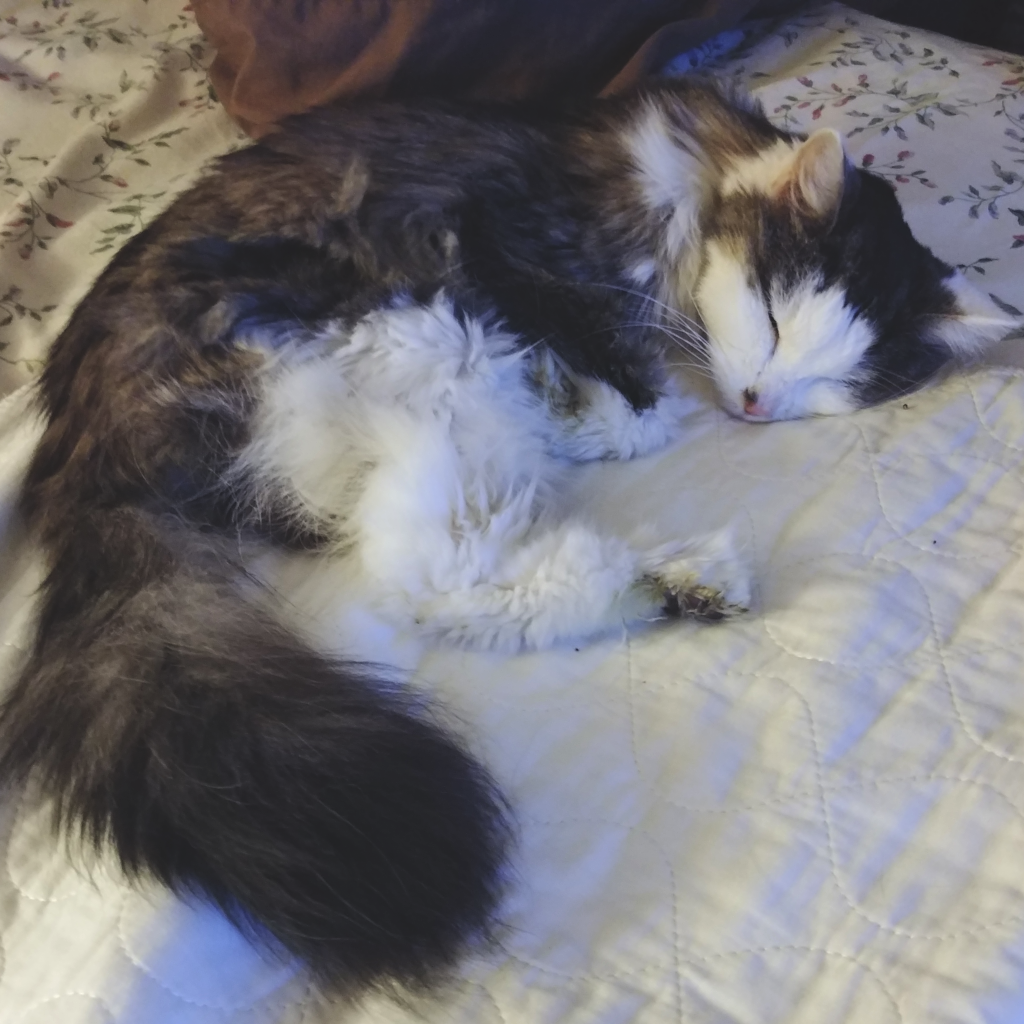 A senior cat who always carried their tail high but now walks with it lowered may be stiff, sore, or less confident moving through the home. A cat who flicks the tip of the tail while being petted may be saying, “That is enough.” In younger cats, that warning might come with a sharper swat or a quick exit. Older cats may not move away as quickly, so the tail flick becomes even more important to notice before irritation turns into stress.
Ears can be just as expressive. Forward ears usually suggest interest or comfort. Ears turned slightly sideways can show uncertainty. Flattened ears may mean fear, pain, irritation, or overstimulation. In older cats, ear signals may become more frequent during handling. A cat with sore joints, tender skin, dental pain, or headaches from blood pressure changes may become less tolerant of touch, even from someone they trust completely.
The eyes can be deeply emotional to read in a senior cat. Slow blinking is still one of the sweetest signs of trust. A relaxed, half-closed gaze often means your cat feels safe. Wide eyes with large pupils may mean fear, stress, pain, or confusion, especially if the room is not dark. Squinting may suggest contentment in some moments, but it can also point to eye irritation or discomfort when paired with pawing, tearing, redness, or hiding.
Whiskers also join the conversation. Relaxed whiskers usually sit naturally to the sides. Whiskers pushed forward may show curiosity, focus, or hunting interest. Whiskers pulled back tightly can suggest stress, nausea, pain, or fear. In a senior cat who is not eating well, hovering near food with pulled-back whiskers or a tense mouth may be a clue that something about eating feels unpleasant.
Movement Changes Are Often Messages
Aging cats often change the way they move before they change the way they vocalize. This is especially true with discomfort. Cats are masters at hiding pain, and many will keep doing their daily routine long after it has become harder for them. Instead of crying out, they may hesitate, take a longer route, avoid favorite furniture, sleep in lower spots, or stop using vertical spaces they once loved.
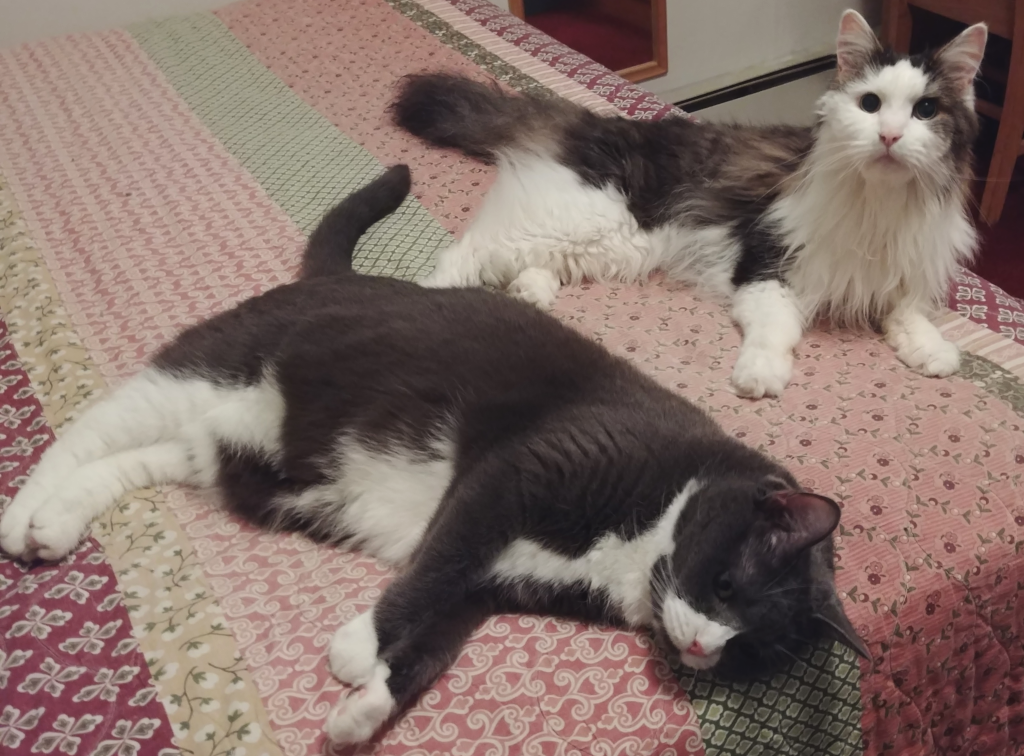 A cat who no longer jumps onto the bed may not have lost interest in sleeping with you. They may simply need stairs, a ramp, or a lower resting option. A cat who walks stiffly after waking may loosen up after a few minutes, which can be easy to dismiss, but that stiffness is still worth noting. A cat who stops grooming the back half of the body may be dealing with arthritis, obesity, weakness, or pain that makes twisting difficult.
Posture can reveal a lot. A relaxed cat usually rests with soft muscles, loose paws, and a comfortable spine. A cat in discomfort may sit hunched, keep the head low, tuck the paws tightly, or avoid stretching out. Some cats rest in a “meatloaf” position because they are comfortable, but a tense loaf with a lowered head, narrowed eyes, and little response to affection can be very different from a cozy loaf. Context matters.
Litter box behavior is another form of body language, even though we do not always think of it that way. If your senior cat begins standing differently in the box, avoids stepping over high sides, eliminates just outside the box, or seems to hurry away, their body may be telling you the setup is no longer senior-friendly. A lower-entry box, softer litter, more boxes in easier locations, and better lighting can make a huge difference, but sudden litter box changes should also be discussed with a veterinarian.
For diabetic cats, movement changes can be especially important to watch. Weakness in the back legs, wobbliness, unusual hunger, increased thirst, or changes in energy can all be signals that deserve attention. With Bentley, who receives insulin twice a day, we pay close attention not only to numbers, but also to behavior. Our free pet diabetes tracker at BellenPaws was built with that kind of daily observation in mind, helping caregivers record readings, patterns, and printable information that can be shared with a vet.
Affection May Look Different, Not Absent
One of the most tender misunderstandings with senior cats is thinking they have become less loving because they are less physically demonstrative. Some older cats do become clingier, but others become more selective. They may still want closeness, but not pressure. They may want to sit beside you rather than on you. They may want a hand nearby rather than full petting. They may want quiet company instead of being lifted, hugged, or carried.
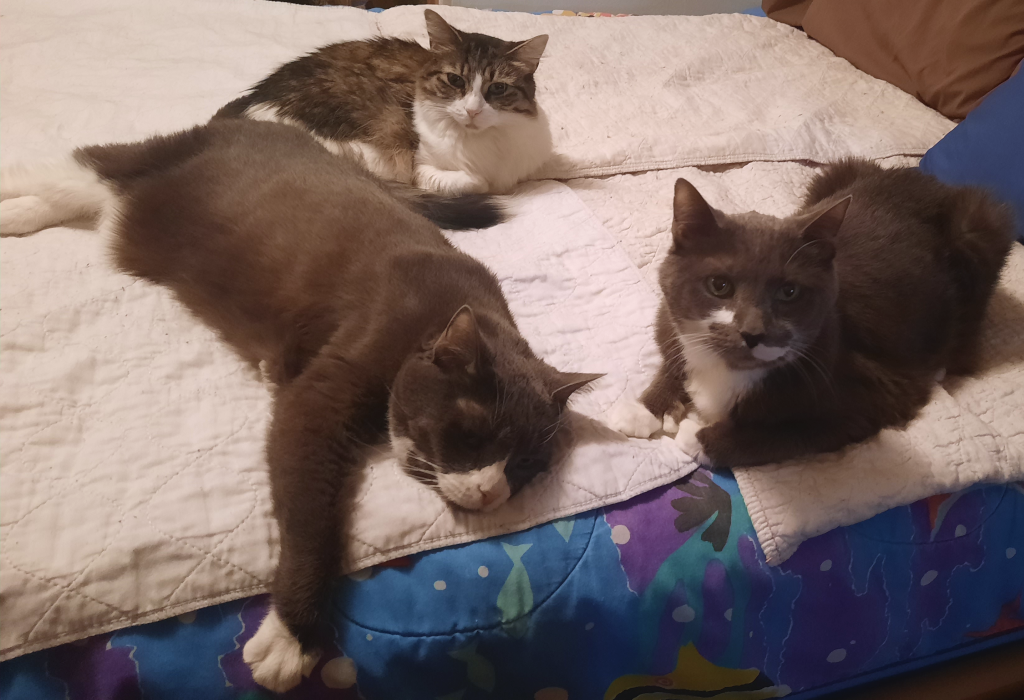 This can be emotionally difficult for pet parents. We remember the younger version of the cat who climbed onto our chest, followed us everywhere, or demanded attention with full confidence. When that changes, it can feel personal. But many senior cats are simply protecting sore bodies or adjusting to sensory changes. If hearing or vision is declining, sudden touch may startle them. If their hips or spine ache, being picked up may feel scary. If their skin is more sensitive, petting that once felt good may now feel overwhelming.
The best gift we can give is consent-based affection. Let your cat choose more often. Offer a hand and see if they lean in. Pet for a few seconds, then pause. If they nudge you, continue. If they look away, twitch their tail, shift their weight, flatten their ears, or lick their lips, give them space. This does not reduce the bond. It strengthens it because your cat learns that you are listening.
You may also notice new comfort rituals. Some senior cats enjoy heated beds, soft blankets, quiet rooms, or predictable routines more than they used to. A cat who once slept anywhere may now seek warmth because older bodies often appreciate gentle support. A cat who becomes anxious in busy areas may need a calm retreat. These preferences are not stubbornness. They are adaptations.
Knowing When a Change Needs Help
Not every body language change is an emergency, but sudden changes should always be taken seriously. A senior cat who hides unexpectedly, stops eating, breathes differently, cries out, seems disoriented, collapses, cannot jump at all, walks strangely, or reacts strongly to touch should be checked by a veterinarian. Cats often hide illness until they cannot hide it anymore, so visible behavior changes can be the tip of the iceberg.
Gradual changes deserve attention too. If your cat is slowly becoming less mobile, less social, less interested in food, more restless at night, more vocal, or less tolerant of handling, it is worth documenting what you see. Write down when it started, what makes it better or worse, and whether appetite, thirst, litter box habits, grooming, or sleep patterns have changed. This kind of record can help your vet see the whole picture.
For diabetic cats, tracking is especially valuable because behavior and glucose patterns often tell a fuller story together. Printable glucose curve forms and daily tracking pages can help you bring organized information to appointments instead of relying on memory during a stressful visit. Even for non-diabetic senior cats, a simple notebook can reveal patterns you might miss day to day.
It is also important to adjust the home as your cat changes. Add pet stairs to favorite spots. Use low-entry litter boxes. Keep food, water, and beds easy to reach. Add night lights for cats with vision changes. Use soft bedding for bony joints. Keep routines predictable. These changes may seem small, but to an aging cat, they can mean the difference between independence and frustration.
Listening With Patience and Love
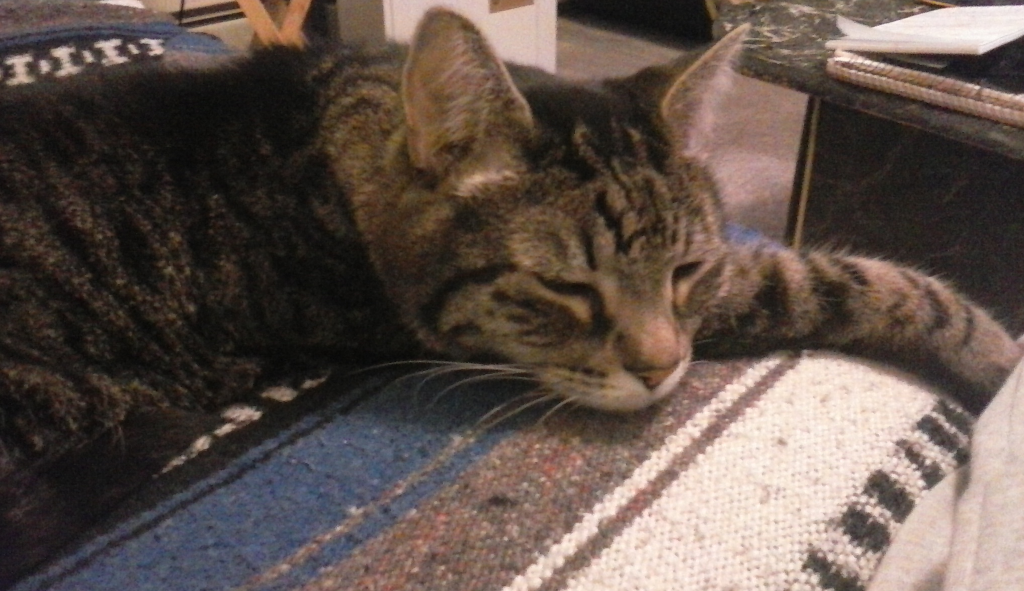 Decoding your aging cat’s body language is not about becoming perfect at reading every tail flick or ear turn. It is about becoming more attentive to the cat in front of you today. Senior cats are living histories. They carry years of habits, trust, routines, and shared comfort. When their bodies begin to change, they need us to change with them.
The beautiful part is that the conversation is still there. It may be quieter. It may happen through slower steps, softer eyes, new sleeping places, shorter petting sessions, or a different kind of closeness. But when we listen carefully, we often find that our cats are still reaching for us in their own way.
Aging asks us to love more thoughtfully. It asks us to notice the pause before the jump, the tension in the tail, the tired look after grooming, the new preference for warmth, and the little blink from across the room. These are not small things. They are the language of trust between a senior cat and the person who knows them best.
And when we honor that language, we give our cats something every aging pet deserves: comfort, dignity, safety, and the reassurance that they do not have to shout to be heard.