
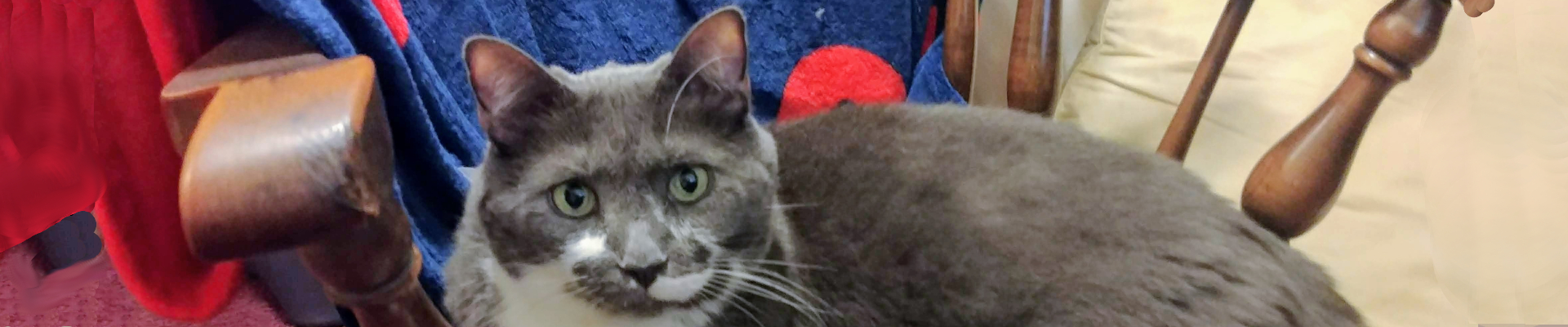
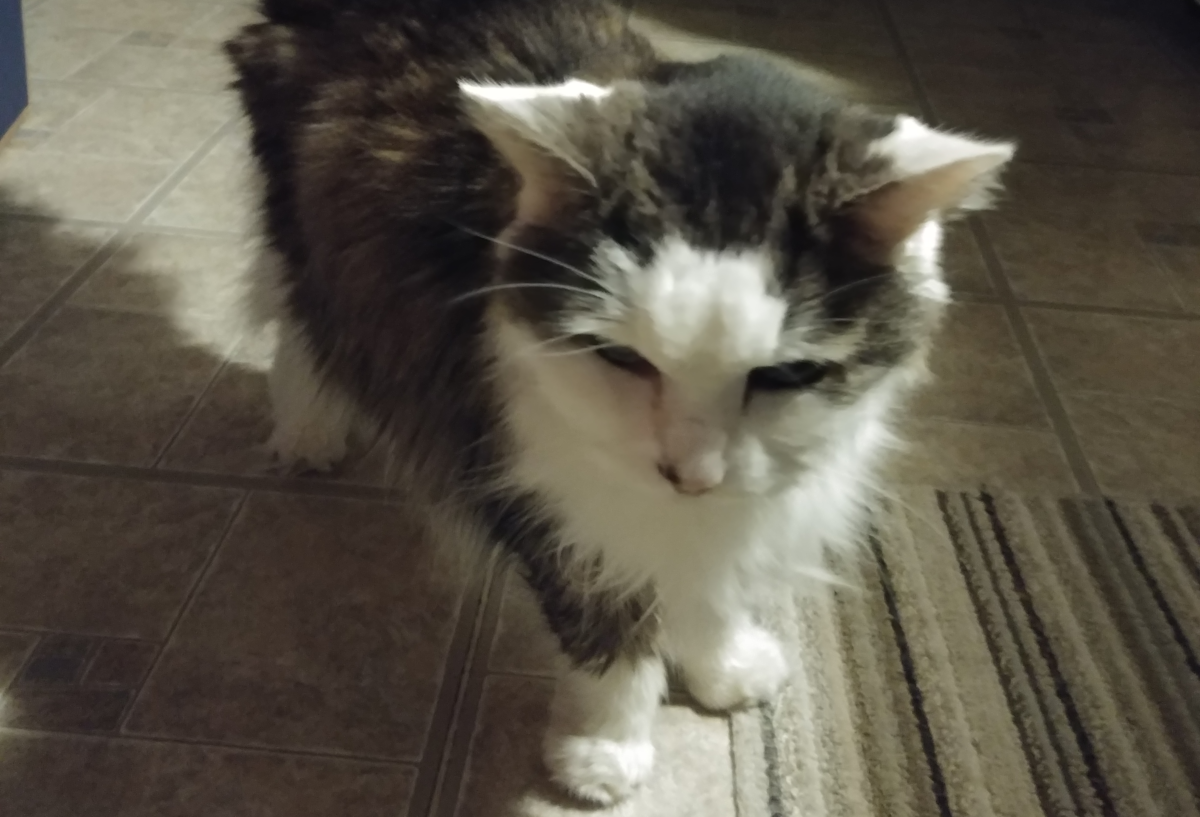
Bringing an outdoor cat indoors can feel like asking a tiny wild spirit to accept a whole new world. Even when we know it is safer, even when we understand the risks of traffic, predators, harsh weather, parasites, toxins, and fights with other animals, it can still tug at the heart. Many outdoor cats love their routines. They know the sunny spots, the hiding places, the smells, the sounds, and the freedom of choosing where to wander. So when we decide that indoor life is the next safest chapter, the goal is not to “trap” them inside. The goal is to help them feel that home is not a punishment, but a protected territory filled with comfort, stimulation, and trust.
This transition often becomes necessary as cats age. A young, strong cat may seem street-smart for years, but senior cats can lose speed, vision, hearing, muscle strength, and confidence. A cat with thyroid issues, kidney disease, diabetes, high blood pressure, arthritis, or heart concerns may no longer be able to handle the outside world the way they once did. And sometimes, the decision is not tied to illness at all. Maybe the neighborhood changed. Maybe a nearby road became busier. Maybe wildlife activity increased. Maybe your own heart just knows it is time.
At BellenPaws, we look at these choices through the lens of loving senior pets for the long haul. We are not veterinarians, but we are pet parents who have lived through the worry, the medication schedules, the late-night checks, and the hard decisions that come with aging animals. We learned with cats like Belle, who faced health challenges including kidney disease, high blood pressure, and hyperthyroidism, that safety and routine can become a form of love. Sometimes the kindest thing we can do is make a pet’s world smaller, calmer, and more manageable.
Start With Compassion, Not Control
The first thing to understand is that an outdoor cat does not automatically understand why life has changed. From our point of view, we may be protecting them. From their point of view, the door that once opened suddenly does not. That can create confusion, frustration, pacing, crying, scratching, or attempts to bolt outside. Those behaviors are not “bad.” They are communication. The cat is saying, “My world changed, and I do not know what to do with that yet.”
 This is why the transition works best when we replace what they are losing, instead of only removing access. Outdoor cats are used to choice. They choose where to rest, what to smell, what to watch, when to hide, and when to explore. Indoor life should offer choices too. A single room with a food bowl and a litter box may be physically safe, but it may not feel emotionally satisfying unless we build that environment with the cat’s instincts in mind.
A good starting point is to create a calm indoor “base camp.” This can be a bedroom, office, spare room, or quiet corner of the home where the cat has everything they need. Food, water, a clean litter box, a soft bed, a scratching surface, hiding spots, and a window view can make the space feel less overwhelming. For senior cats, make sure the litter box has low sides and the resting areas are easy to reach. If the cat has arthritis or weakness, do not expect them to leap onto a tall perch right away. A small step stool, low cat tree, or cushioned chair near a window can provide comfort without strain.
If the cat is newly indoors, resist the urge to give them the whole house immediately. Too much space too quickly can increase stress. Let them learn one safe zone first. Once they begin eating normally, using the litter box, grooming, resting, and seeking attention, you can gradually expand their territory. Cats build confidence through familiarity, and familiarity takes time.
Make the Indoors Feel Alive
Outdoor cats are not only attached to space. They are attached to stimulation. The outdoors moves. Leaves shift, birds call, insects crawl, squirrels chatter, breezes carry scent, and light changes throughout the day. Indoor life can feel flat by comparison unless we intentionally add interest.
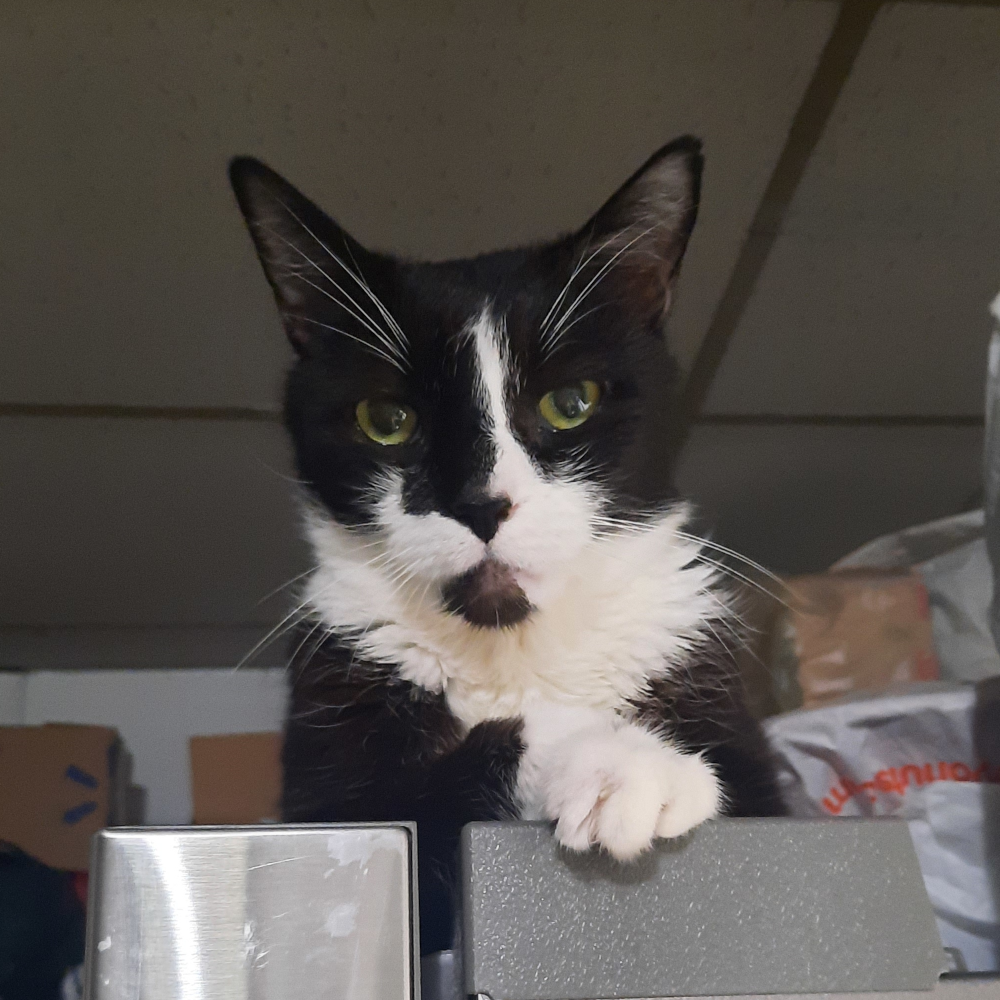 Windows are one of the best gifts you can offer. A secure window perch or soft bed near a sunny window can become a favorite lookout spot. If possible, place a bird feeder outside the window, far enough away that it does not create danger for wildlife, but close enough to give your cat something to watch. This turns the window into “cat television,” and for many former outdoor cats, it helps satisfy that desire to observe the world.
Scent matters too. Cats experience their environment through smell in a way we sometimes forget. Bringing in safe outdoor smells can help, such as a small pot of cat grass, a cardboard box that has sat in a sunny enclosed porch, or a blanket placed near a screened window. Avoid bringing in unknown plants or anything treated with pesticides. The idea is not to recreate the outdoors perfectly, but to give little sensory reminders that indoor life still has texture.
Play is also important, but it should match the cat’s age and health. A young outdoor cat may enjoy wand toys, tunnels, and chase games. A senior cat may prefer slower, shorter sessions. Even a few minutes of batting at a feather toy from a comfortable lying position can be meaningful. The key is consistency. A cat who once hunted bugs or stalked leaves may feel calmer when play becomes part of the daily rhythm.
For diabetic cats, routine becomes even more important. Feeding times, insulin schedules, glucose checks, and stress levels can all connect. A major lifestyle change like moving indoors may temporarily affect appetite, activity, and behavior. For cats like Bentley, who receives insulin twice daily, we know how valuable tracking can be. That is one reason BellenPaws offers a free online pet diabetes tracker with printable charts and tables for vet visits, along with blank glucose curve forms. When life changes, good records help you notice patterns instead of guessing.
Handle Door-Dashing and Crying With Patience
One of the hardest parts of transitioning an outdoor cat indoors is the door. Some cats become little escape artists. They wait near the entrance, listen for footsteps, and try to slip through the second it opens. This is stressful for everyone, especially if the cat is older, ill, or not as quick as they used to be.
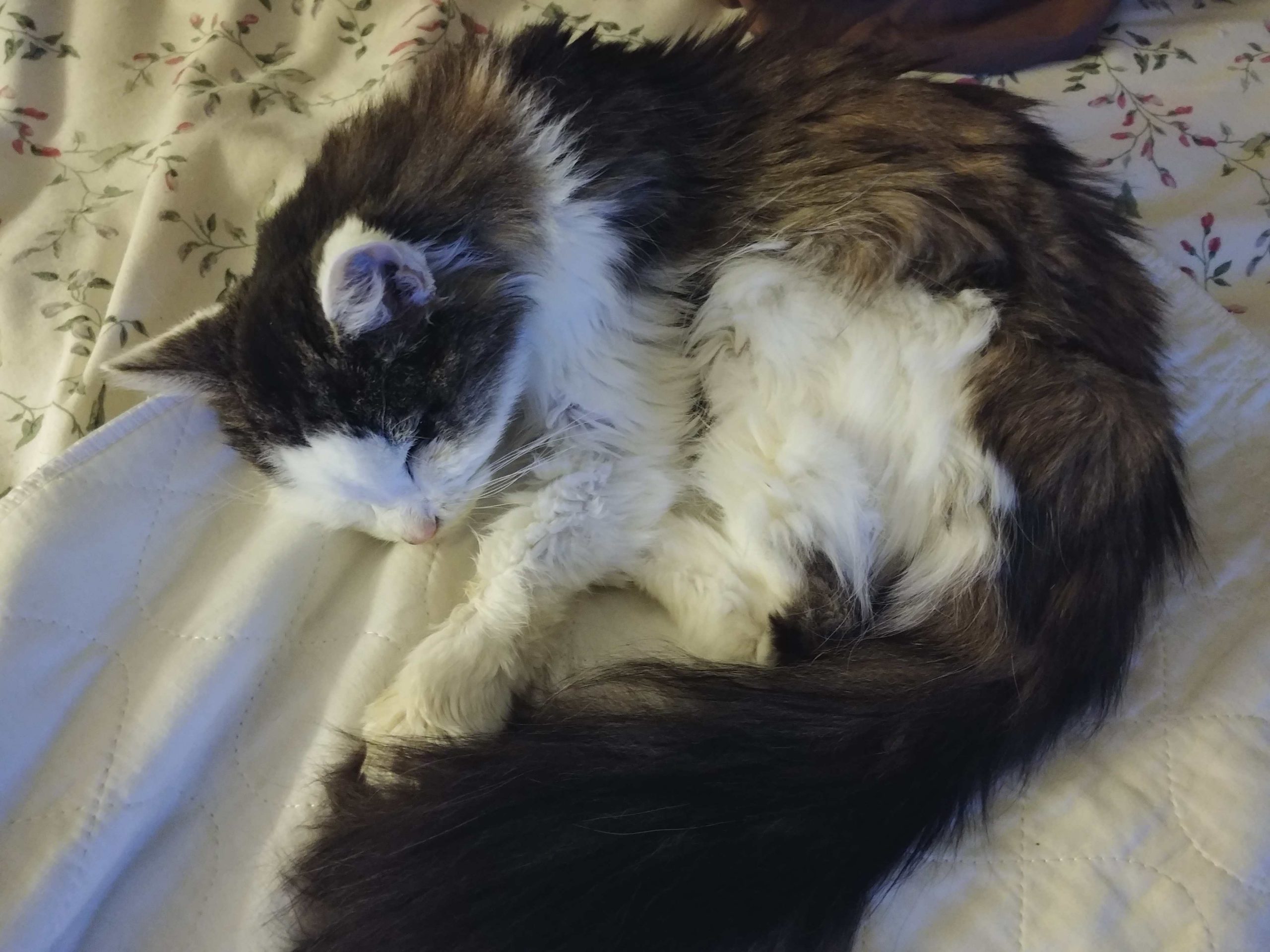 The safest approach is to create a buffer. If possible, avoid opening the main door while the cat is nearby. Use baby gates, closed interior doors, or a routine where the cat is gently moved to another room before groceries, guests, or deliveries come in. Some families set up a small “airlock” system using a hallway or mudroom. Even a simple habit, like tossing a treat or toy away from the door before leaving, can redirect attention.
Crying at the door is emotionally tough. It can make us feel guilty, especially when we know the cat remembers outdoor life. But giving in sometimes and refusing other times can make the behavior stronger. Cats are smart. If crying works once in a while, they may keep trying. That does not mean we should ignore distress completely. It means we should respond with indoor comfort instead of outdoor access. Offer attention, play, food puzzles, brushing, or a window perch. Teach the cat that asking for stimulation gets a safe indoor reward.
If the crying is intense or sudden, consider whether something else is going on. Pain, hyperthyroidism, high blood pressure, cognitive changes, or anxiety can all contribute to vocalizing, especially in senior cats. Paws, one of our founding cats, dealt with hyperthyroidism and high blood pressure, and those kinds of conditions can change a cat’s behavior in ways that are easy to mistake for stubbornness. A vet check is wise if the behavior feels extreme, new, or paired with weight loss, restlessness, increased thirst, appetite changes, or confusion.
Consider Safe Outdoor Alternatives
For some cats, a complete indoor-only life is the safest and most realistic answer. For others, carefully controlled outdoor access can help bridge the emotional gap. The key word is controlled. Letting a cat roam freely is different from giving them a protected way to experience fresh air.
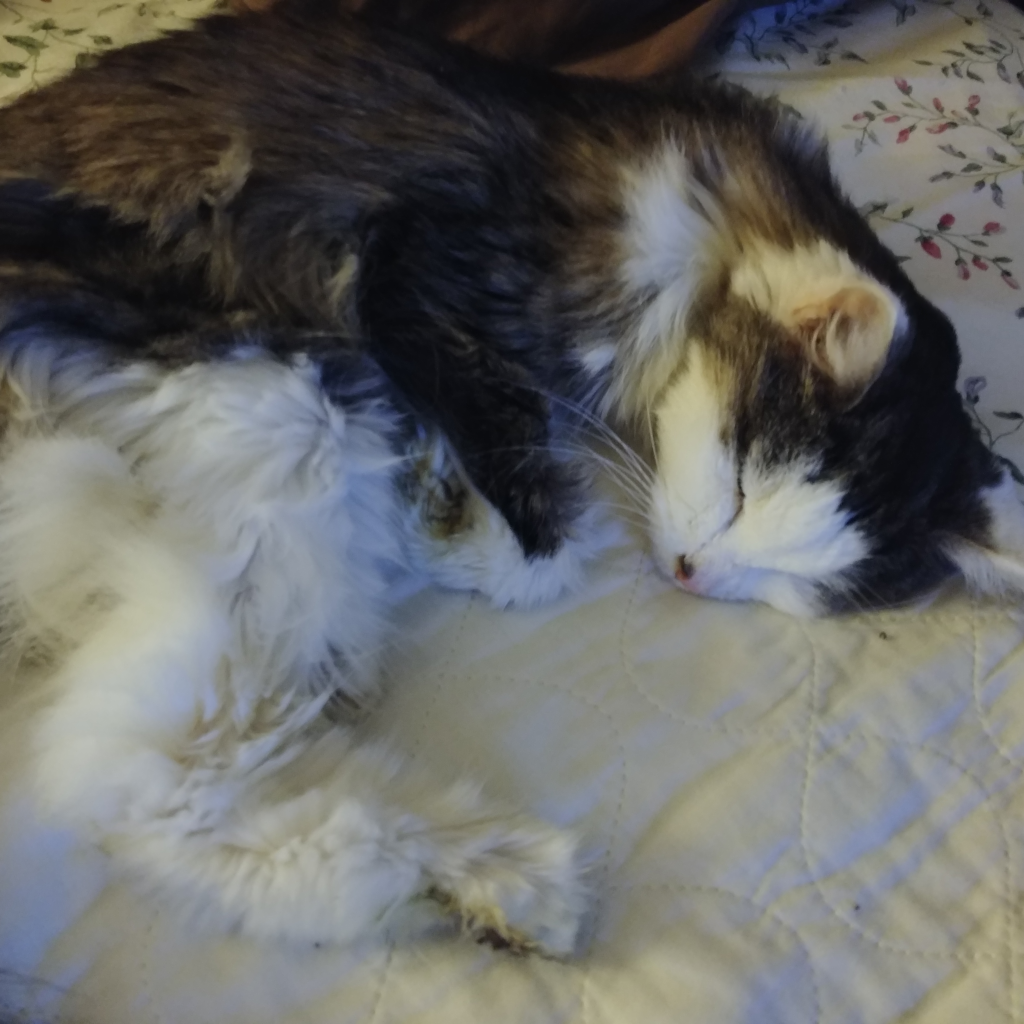 A screened porch, enclosed patio, or catio can be wonderful if you have the space and budget. It allows the cat to smell the air, hear the birds, and enjoy sunshine without the dangers of traffic or predators. The enclosure must be secure, with no gaps, loose screens, weak latches, or climbable escape points. Outdoor cats are often excellent problem-solvers, so assume they will test the edges.
Harness training is another option, but it is not right for every cat. Some cats adapt well. Others freeze, panic, or twist out of the harness. If you try it, begin indoors and go slowly. Let the cat sniff the harness, then wear it briefly without pressure, then attach the leash indoors before ever stepping outside. Never drag a cat on a leash or assume they will walk like a dog. The goal is calm exploration, not distance.
For senior cats, outdoor alternatives should be especially gentle. A cat with arthritis may enjoy sitting in a secure stroller or enclosed porch more than walking. A cat with vision problems may feel safer in a small familiar space than in a yard full of unpredictable sounds. Watch the cat’s body language. Relaxed ears, slow blinking, grooming, and calm sitting are good signs. Flattened ears, crouching, panting, frantic scanning, or trying to hide may mean the experience is too much.
Give the Transition Time to Become Normal
There is no perfect timeline for this process. Some cats adjust in a few days. Others need weeks or months. A cat who spent years outdoors may grieve that freedom at first, and that is not a failure. Your job is to stay steady, kind, and consistent while slowly proving that indoor life has its own rewards.
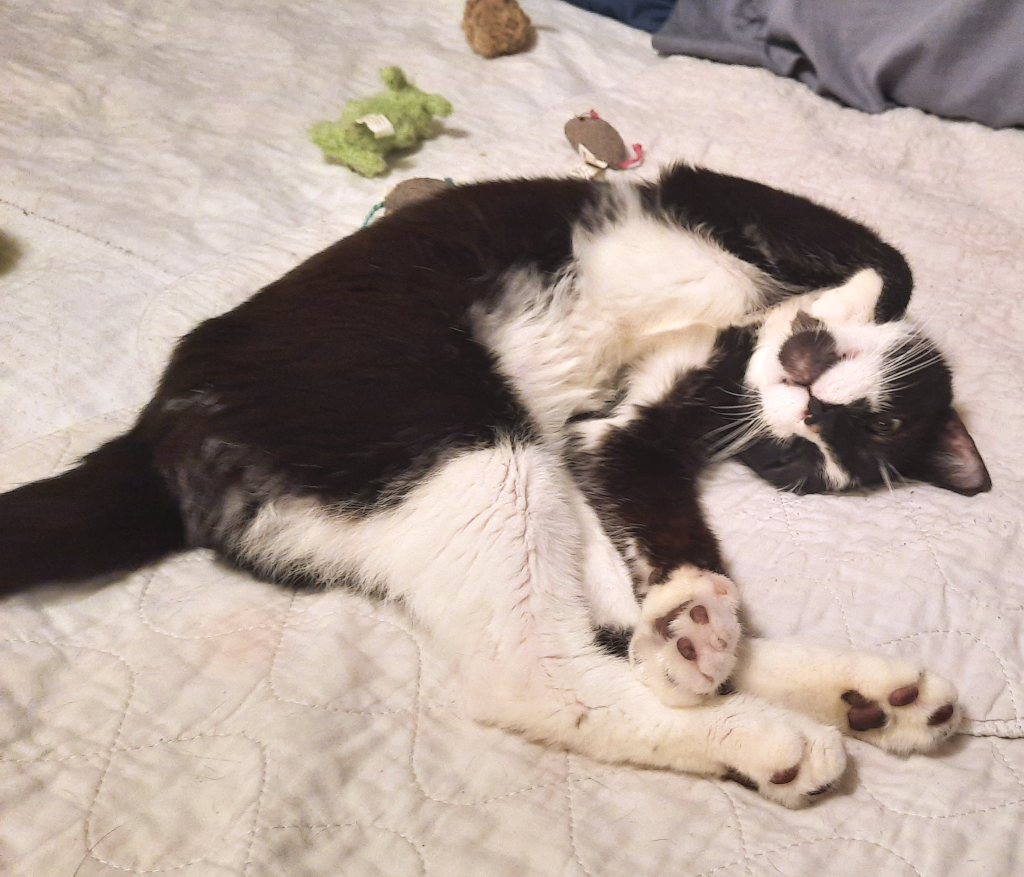 Routine helps more than we sometimes realize. Feed at predictable times. Scoop the litter box daily. Offer play or attention at the times when the cat used to want to go outside. Keep cozy resting spots available. Use vertical space when appropriate, but keep senior-friendly options low and accessible. Add scratching posts and pads in different textures, because scratching is both exercise and emotional release.
Pay attention to small victories. The first nap in a new bed matters. The first calm afternoon away from the door matters. The first time your cat chooses the window perch instead of pacing matters. These are signs that the indoor world is becoming familiar.
If your cat is diabetic, elderly, or dealing with a chronic condition, keep your veterinarian involved. Indoor transitions can change activity level, weight, appetite, stress, and glucose patterns. BellenPaws offers tools like our pet diabetes tracker and printable forms because those details can be hard to remember when you are living them day by day. A simple record can help you and your vet see whether the transition is going smoothly or whether adjustments are needed.
Most of all, do not let guilt convince you that safety is cruelty. An indoor lifestyle can be rich, warm, playful, and deeply bonded. It can give an aging cat more peaceful years, fewer emergencies, and a predictable home base where their needs are noticed quickly. The outside world may have been part of their story, but it does not have to be the place where the story ends.
Transitioning an outdoor cat indoors is not just about closing a door. It is about opening a safer chapter. With patience, enrichment, routine, and compassion, your cat can learn that home is not the loss of freedom. It is the place where they are protected, understood, and loved through every season of life.