
There are certain parts of pet care that feel obvious from the beginning. We know dogs need food, water, love, movement, safe shelter, and regular vet care. But dental health has a sneaky way of sliding into the background until something smells bad, looks painful, or suddenly becomes expensive. For many of us, brushing a dog’s teeth was not something we grew up seeing people do. It sounded almost fancy, like something only show dogs or perfectly trained pups would tolerate.
But the longer you share life with dogs, especially senior dogs, the more you realize that the mouth is not separate from the rest of the body. A dog’s teeth, gums, breath, comfort, appetite, and overall health are all connected. When dental care is ignored for too long, the problems can creep in quietly, then show up all at once as pain, infection, tooth loss, or trouble eating.
That is why brushing matters now more than ever. Our dogs are living longer, which is a wonderful gift, but longer lives also mean more years for plaque, tartar, gum disease, and oral discomfort to build up. A young dog may be able to hide dental problems for a while. A senior dog may not have that same wiggle room. Their immune system, kidneys, heart, joints, and appetite may already be working harder than they used to.
And as pet parents, we are not trying to be perfect. We are trying to be present. Dental brushing is one of those small acts of care that can feel awkward at first, but over time it becomes another way of saying, “I want you comfortable. I want you eating well. I want you with me as long as life kindly allows.”
Dental Trouble Does Not Always Look Dramatic at First
 One of the hardest parts about canine dental health is that dogs are experts at hiding discomfort. Many dogs will continue eating even with sore gums, loose teeth, or infection. That does not mean they are fine. It often means they are doing what animals naturally do, which is carry on until the pain becomes too much to hide.
Bad breath is usually one of the first signs pet parents notice, but it is easy to dismiss. We joke about “dog breath” as if it is normal, but truly foul breath is often a warning sign. It can mean bacteria are building up along the gumline, or that food, plaque, and infection are creating an unhealthy environment inside the mouth.
Other signs may be more subtle. A dog may chew on one side, drop food from the mouth, prefer softer meals, paw at the face, drool more than usual, or become a little grumpy when touched near the muzzle. Some dogs stop enjoying chew toys. Others still want food, but seem hesitant when they begin eating. In senior dogs, these changes may be blamed on age, when the real problem is oral pain.
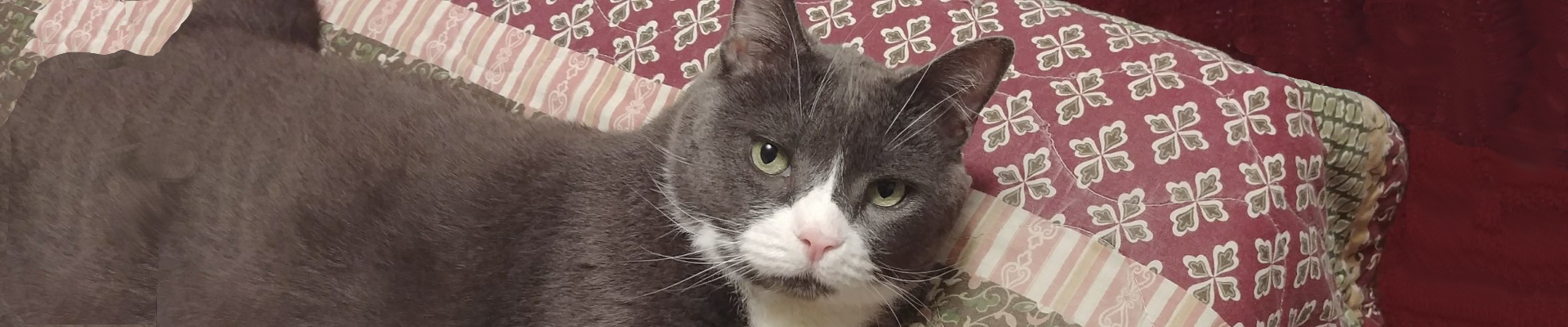
I think about how often our older pets have needed us to become detectives. With our senior cats, like Belle and Paws, small changes often told the bigger story before anything looked obvious. Dogs are no different in that way. They may not sit us down and explain what hurts, but they give us clues. Dental care is one of those areas where noticing the clues early can save them from a lot of discomfort later.
Brushing helps because it interrupts the problem before it becomes bigger. Plaque is soft at first, and that is when we have the best chance of removing it at home. Once it hardens into tartar, brushing alone will not remove it. That is when professional dental cleaning may be needed. The goal of brushing is not to replace your veterinarian. The goal is to reduce the daily buildup that leads to bigger trouble.
Why Brushing Matters More for Senior Dogs
 Senior dogs deserve special tenderness when we talk about dental care. By the time a dog reaches their older years, they may already have some tartar, gum recession, missing teeth, or a history of dental cleanings. They may also have health conditions that make anesthesia or infection more complicated. That does not mean we panic. It means we pay attention and do what we can safely do at home.
Dental disease can affect more than the mouth. Bacteria from infected gums can enter the bloodstream and add stress to the body. For a healthy young dog, that may still be a concern. For a senior dog with existing heart, kidney, or immune challenges, it becomes even more important to reduce unnecessary strain whenever possible.
This is where brushing becomes less about having a sparkling smile and more about comfort and prevention. A clean mouth helps a dog eat better. Eating better helps maintain weight, strength, medication routines, and quality of life. For many senior dogs, appetite is precious. Anything that makes eating painful can start a chain reaction that affects the whole household.
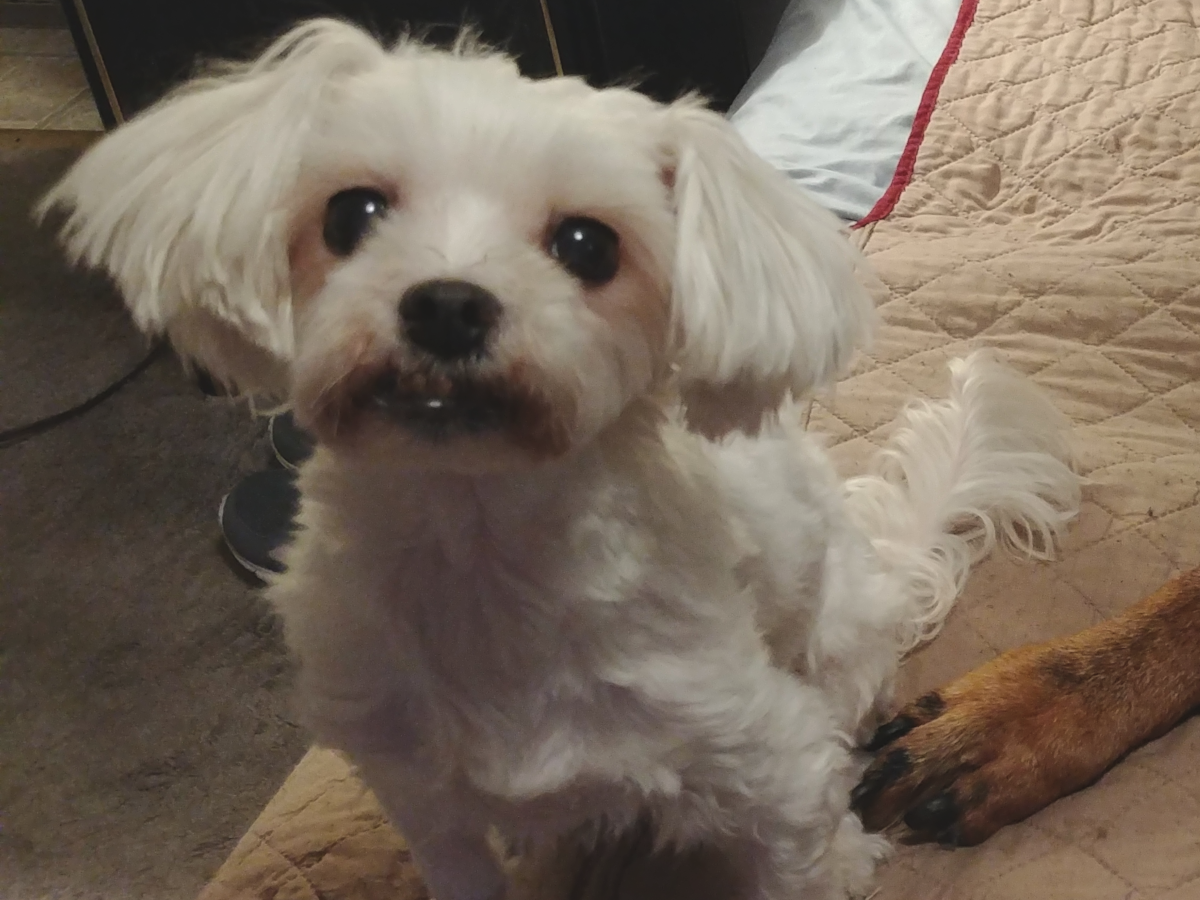
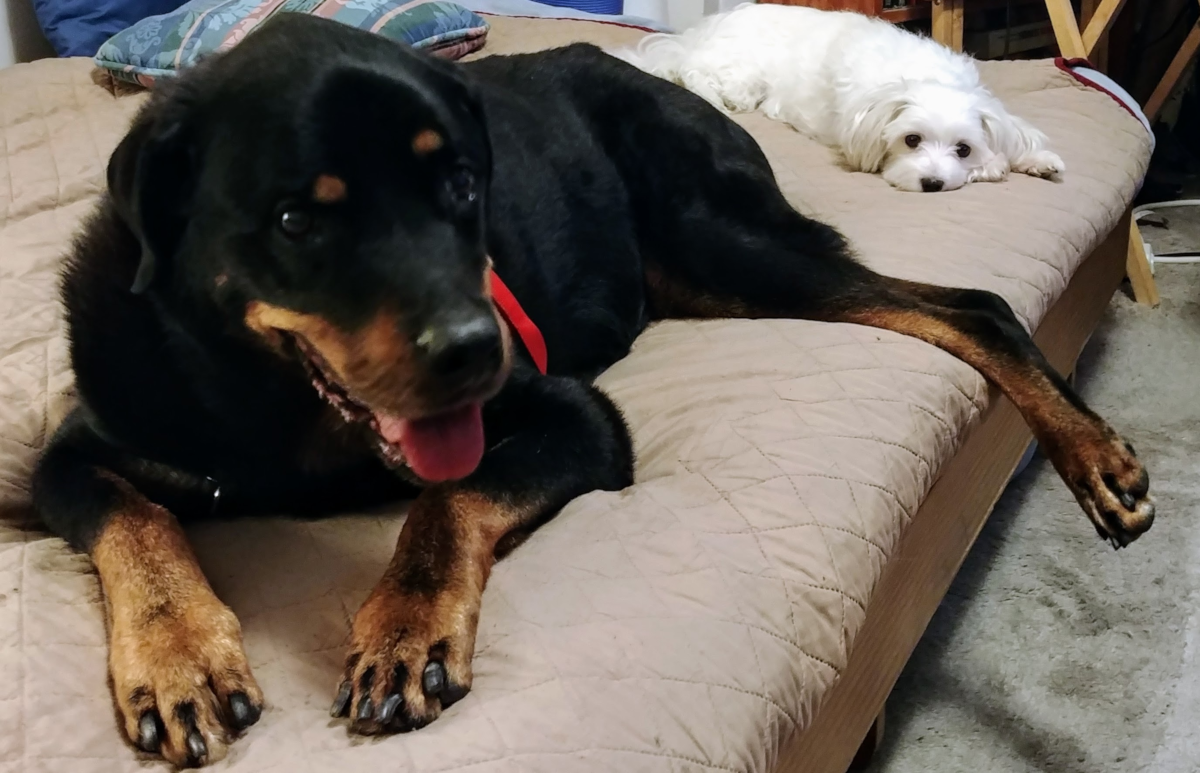
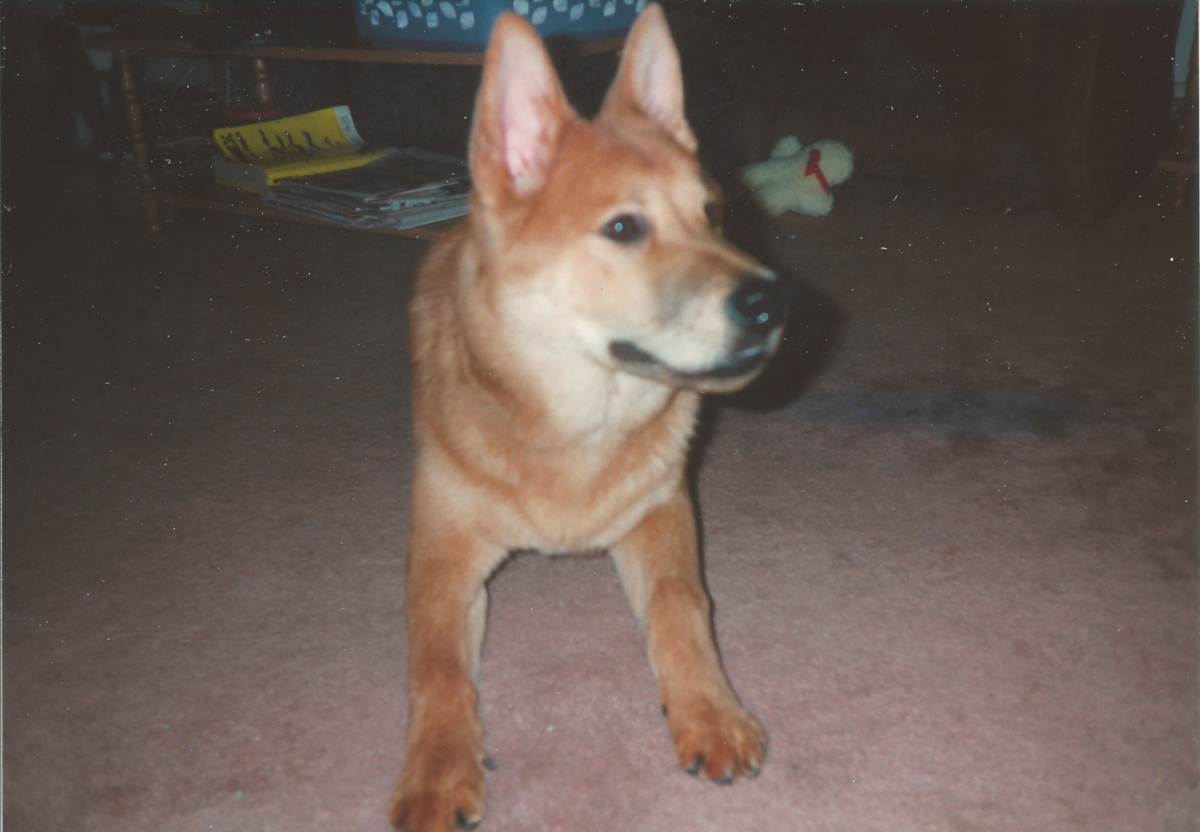
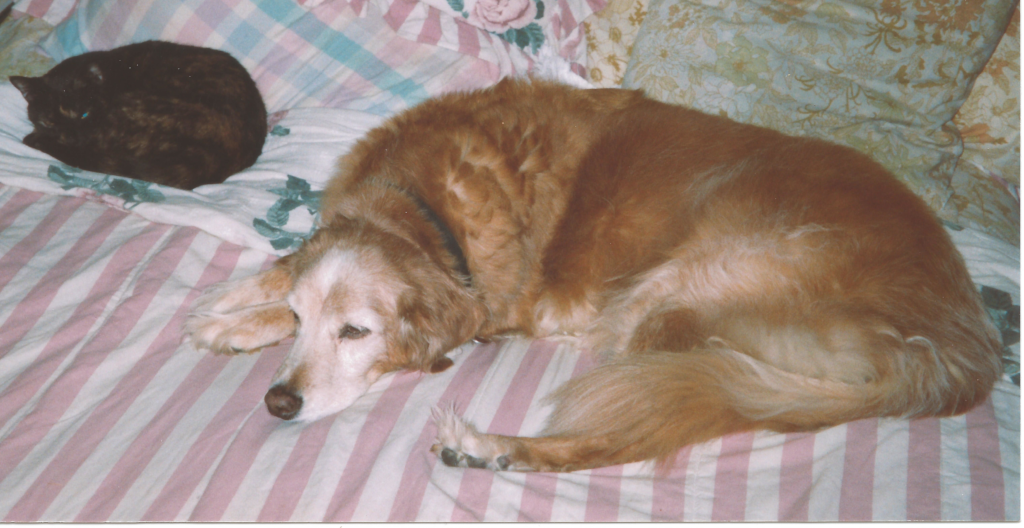
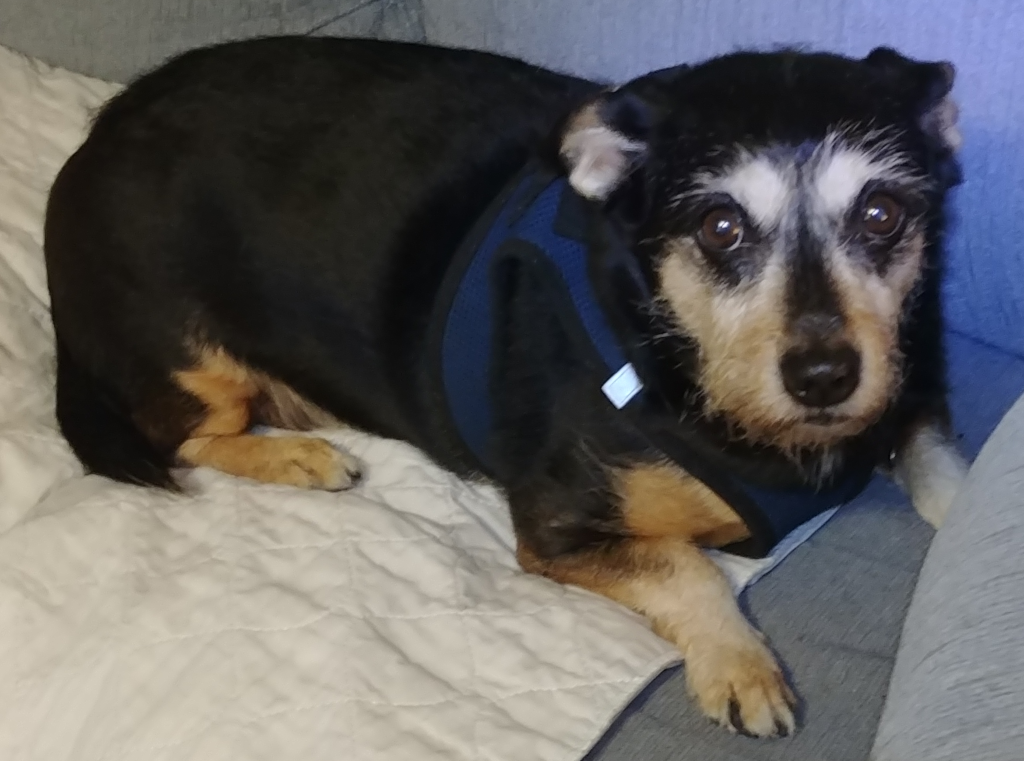
Our dogs Goldie, Buddy, Diesel, Sophie, Bella, and Jack have all reminded us in different ways that dogs live through routine, trust, and small daily rituals. Dental brushing can become one of those rituals, but only if we introduce it with patience. For an older dog, especially one who has never had teeth brushed before, the goal is not to march in with a toothbrush and expect cooperation on day one. The goal is to build trust around the mouth.
Start by touching the muzzle gently, then reward calm behavior. Another day, lift the lip for just a second. Then maybe touch a finger to the outside of the teeth. Later, you can introduce dog-safe toothpaste. Eventually, you may use a soft dog toothbrush, finger brush, or gauze wrapped around your finger. The pace depends on the dog. A nervous senior dog may need weeks of slow practice, and that is perfectly okay.
What matters is consistency and kindness. A short, calm brushing session that your dog tolerates is better than a long wrestling match that makes both of you dread tomorrow. Dental care should not become a battle. It should become a gentle habit.
Toothpaste, Tools, and the Human Toothpaste Mistake
 One of the most important safety rules is simple: never use human toothpaste for dogs. Human toothpaste may contain ingredients that are unsafe for pets, and dogs cannot rinse and spit the way we do. Always use toothpaste made specifically for dogs. Many come in flavors like poultry, beef, or peanut butter, which can make the experience feel more like a treat than a chore.
The tool you choose matters less than your dog’s comfort. Some dogs do well with a standard dog toothbrush. Others prefer a finger brush because it feels less strange. Some senior dogs with tender mouths may do better with soft gauze or a very gentle silicone brush. The best tool is the one you can use safely and regularly without frightening your dog.
It also helps to focus on the outside surfaces of the teeth, especially along the gumline. That is where plaque often gathers, and it is usually easier to reach than the inside surfaces. You do not have to pry your dog’s mouth wide open like a cartoon dentist. Many dogs tolerate brushing better when the mouth stays mostly closed and you gently lift the lips to access the teeth.
If your dog shows signs of pain, bleeding, swelling, loose teeth, or strong resistance that feels unusual, stop and call your veterinarian. Brushing an already painful or infected mouth can hurt, and it may make your dog fear dental care even more. Sometimes the kindest first step is a veterinary exam, then a home routine after your vet gives guidance.
Dental chews, water additives, special diets, and chew toys can sometimes support oral care, but they do not fully replace brushing. Some products are helpful. Some are mostly marketing. Some chews may be too hard for senior teeth and can even risk fractures. As a general rule, if a chew is so hard that you would not want it knocked against your own knee, it may be too hard for your dog’s teeth. When in doubt, ask your vet what is appropriate for your dog’s age, size, chewing style, and health history.
Making Dental Care Part of Real Life
 The best dental routine is the one you can actually keep doing. For some families, that means brushing every day. For others, it may start as a few times a week and gradually improve. Perfection is not the starting point. Momentum is.
Choose a time when your dog is calm. After an evening walk, before bedtime, or during a quiet part of the day often works better than trying to brush when everyone is rushed. Keep the toothpaste and brush in a predictable place. Use the same gentle tone each time. Reward afterward with praise, a cuddle, or a safe treat your dog enjoys.
If your dog is diabetic, has kidney disease, heart disease, or another chronic condition, dental health deserves even more attention. Pain and infection can affect appetite, stress, and daily routines. For diabetic pets especially, anything that disrupts eating patterns can make management harder. At BellenPaws, we talk often about tracking, patterns, and noticing the small things because those small things can become big clues. Our free pet diabetes tracker and printable charts were built with that same belief: when we pay attention, we can advocate better.
Dental care fits right into that mindset. You do not need to become a veterinary dental expert. You just need to notice breath, chewing, appetite, gum changes, and behavior. You need to keep up with vet exams and ask questions when something seems off. You need to treat brushing as one more loving routine, not as a test you either pass or fail.
There is also no shame if your dog already has dental disease. Many wonderful pet parents discover mouth problems late because dogs hide them so well. Guilt does not help your dog. Action does. A vet visit, a realistic plan, and gentle home care can still make a meaningful difference.
A Small Habit That Protects Comfort
 Canine dental brushing is not glamorous. It does not usually come with dramatic before-and-after moments at first. It is a quiet kind of care. It is the slow prevention of pain. It is protecting the joy of meals, the comfort of chewing, the sweetness of close cuddles, and the dignity of aging with less avoidable discomfort.
When we care for senior pets, we learn that love often lives in the unglamorous routines. Measuring food. Giving medication. Keeping records. Washing blankets. Helping them up. Watching how they walk, eat, sleep, and breathe. Brushing teeth belongs in that same family of care.
So if you have not started yet, start gently. Let your dog sniff the toothpaste. Touch the muzzle. Praise them for the smallest cooperation. Build the habit one tiny step at a time. Your dog does not need you to be perfect. Your dog needs you to be patient, observant, and willing to keep trying.
Because brushing is not really about teeth alone. It is about comfort. It is about prevention. It is about helping our dogs enjoy their senior years with less pain and more peace. And for those of us who have loved animals through every stage of life, that is more than worth the effort.