
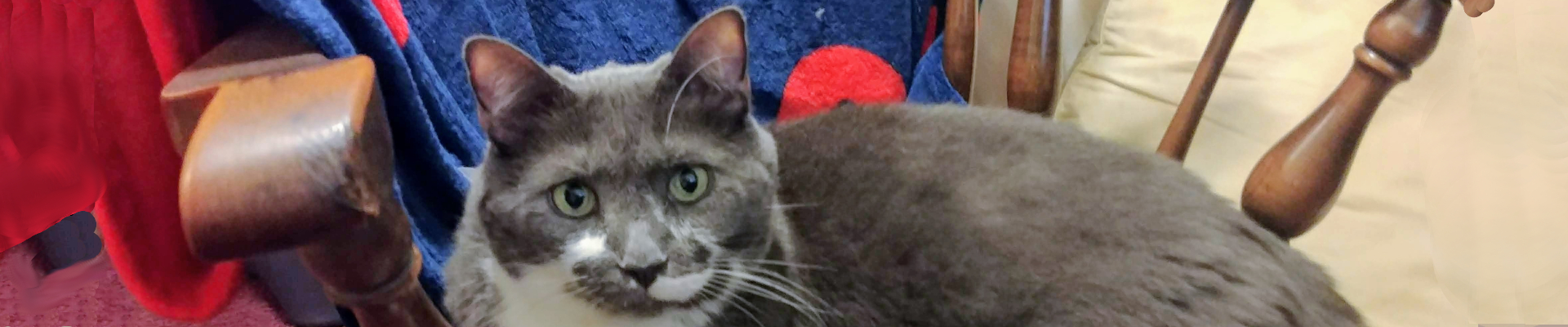
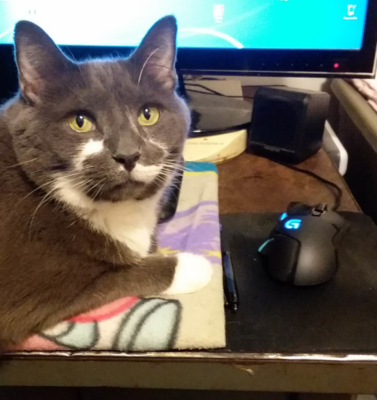
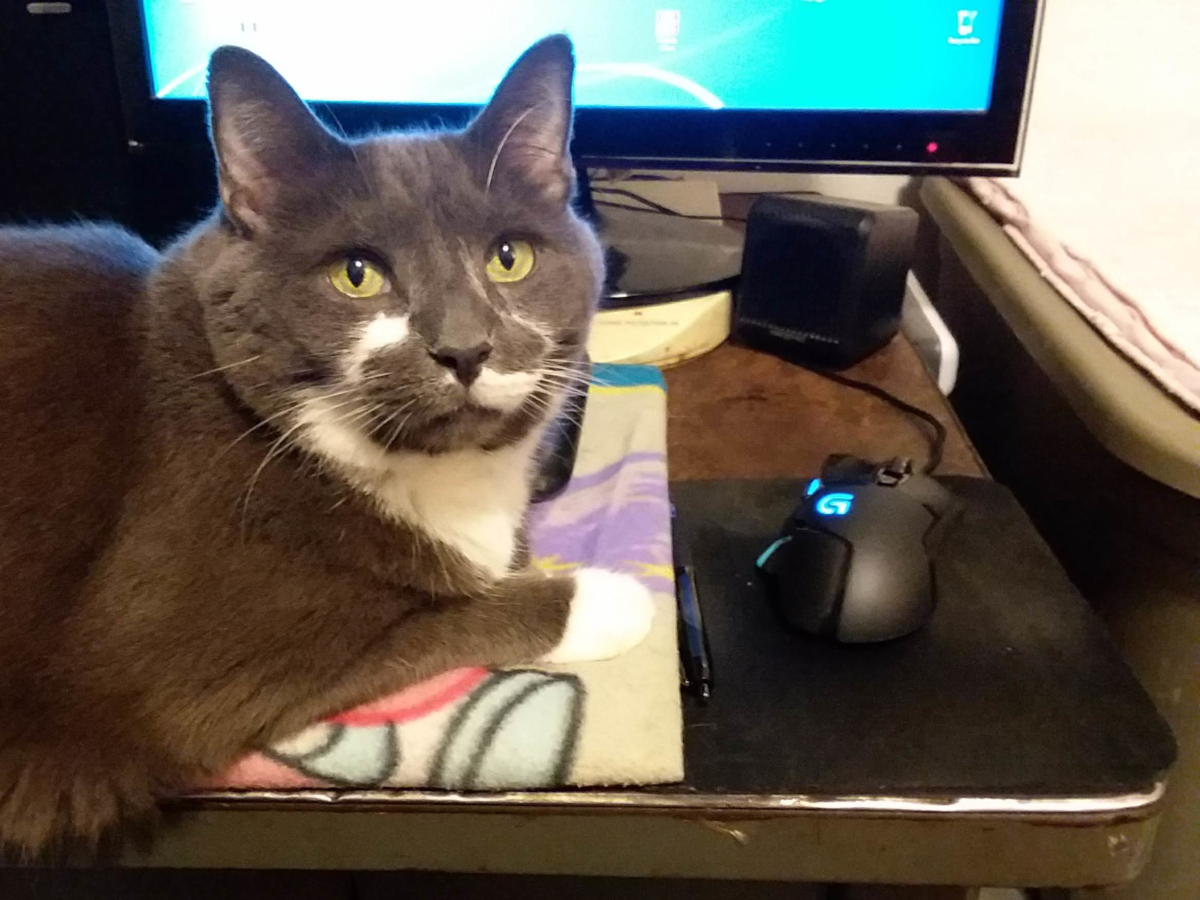
There is a special kind of love in being followed from room to room by a pet who acts like you might vanish forever if you step into the bathroom alone. Pet parents know the routine. You get up from the couch and suddenly hear little paws behind you. You walk into the kitchen and there they are, standing in the doorway like tiny security staff. You turn around in the hallway and almost trip because your dog or cat has quietly appeared at your heels. You sit down, and they settle nearby. You stand up, and they stand up too.
Some people call it clingy. I call it being loved by an animal who has made you the center of their life. That does not mean every bit of clingy behavior should be ignored. Sudden changes can be a sign that something is wrong, especially in senior pets or diabetic pets. But in many cases, a pet following you around is not just neediness. It is attachment, routine, trust, and a deep belief that life is better when you are close.
You Are Their Safe Place
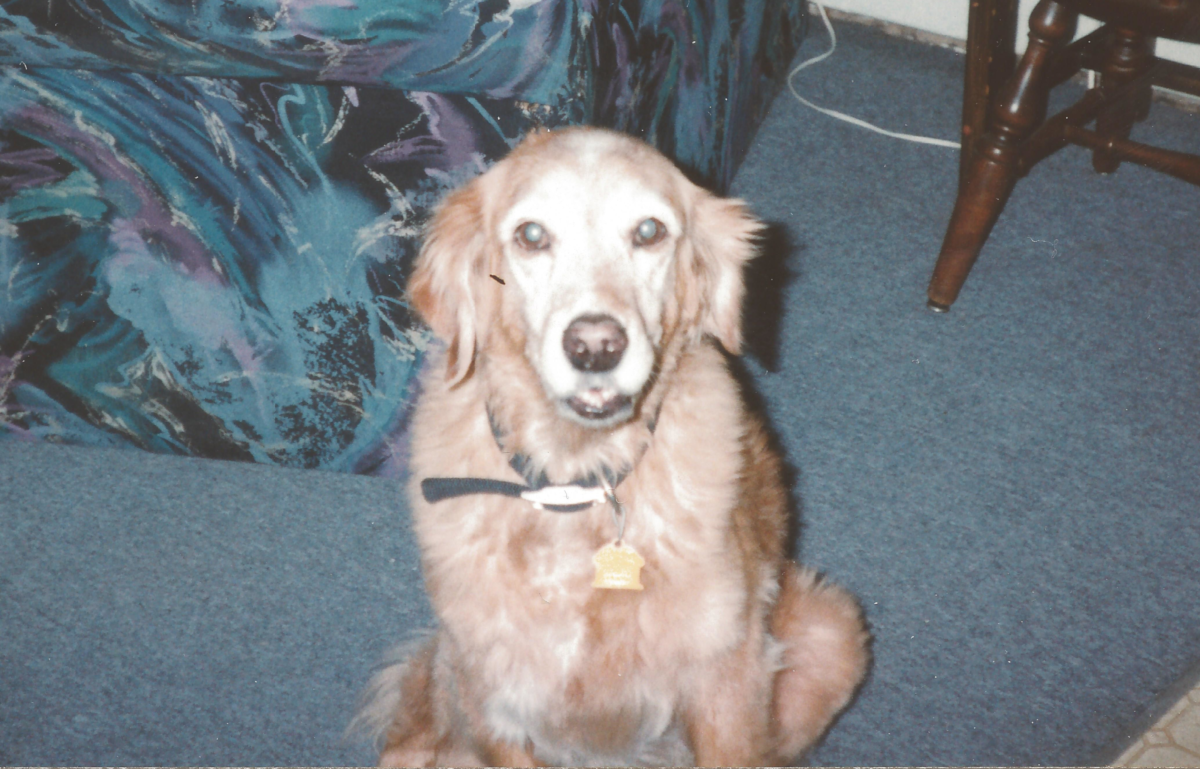 Dogs and cats do not see the household the way we do. We see rooms, chores, schedules, bills, phones, appointments, and all the human noise that fills a day. Our pets see patterns. They know who feeds them, who speaks gently to them, who notices when they do not feel right, who makes room on the bed, and who comes looking when they cry from another room. That person becomes home.
For many pets, especially seniors, being near their favorite human is calming. Your voice, scent, footsteps, and daily routine become part of their sense of safety. A pet who follows you may simply be saying, in their own quiet way, “I feel better when I know where you are.”
I have seen this over and over through years of loving older pets. A senior cat may not want to be picked up every time, but they still want to be near the person they trust. A dog may not need anything urgent, but they still want to lie where they can see you. That closeness matters to them.
With our cats Belle and Paws, the house never felt like just a house. It felt like a shared little world. As they aged and dealt with their own health issues, their need for routine and closeness became more noticeable. They had their spots, their habits, their favorite people, and their ways of checking in. That kind of companionship becomes part of your daily rhythm.
Clingy Does Not Always Mean Spoiled
People can be too quick to label pets as spoiled, dramatic, or needy. I think that is unfair. Pets are social creatures. Even cats, who get painted as independent little landlords, often bond very deeply with their people. They may show it differently than dogs, but the attachment can be just as strong.
A dog who follows you around may be responding to pack instinct, habit, affection, or plain old curiosity. Dogs often want to be included. If you are moving, they assume something interesting might be happening. If you are eating, they absolutely believe something interesting is happening.
Cats can be more subtle, but plenty of cats are little shadows too. They may follow you to supervise chores, sit nearby while you work, or wait outside a closed door with great personal offense. Some cats do not want constant handling. They just want access. They want to know they can reach you. That is not bad behavior by default. It is connection. The real question is not, “Why is my pet so clingy?” The better question is, “Is this normal for my pet, or has something changed?”
Senior Pets Often Need More Reassurance
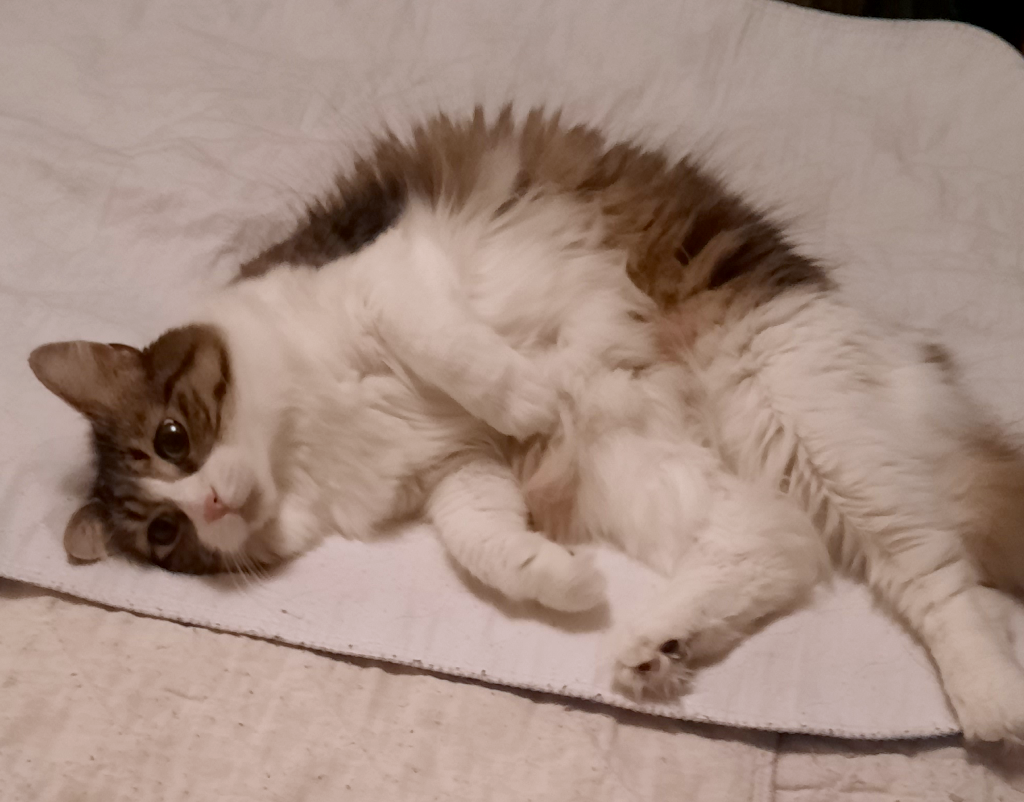 Senior pets can become more attached as they age. Their world may feel less predictable than it used to. Their hearing may fade. Their vision may change. Arthritis may make movement harder. Health problems may leave them feeling more vulnerable. Even mild confusion can make a pet seek out the person they trust most.
A senior dog who once slept across the room may start wanting to sleep closer. A senior cat who used to nap alone may begin choosing the chair beside you. This does not mean they are being difficult. It may mean they are looking for comfort.
Older pets also learn our routines extremely well. They know when meals happen. They know when medication happens. They know when the house gets quiet. They know which human notices the small stuff. After enough years together, they read us better than we think.
That is one of the sacred parts of living with senior pets. The bond gets layered. It is not just excitement anymore. It is history. They have been through moves, illnesses, losses, new animals, changed schedules, and long ordinary days with us. Following us around can become part of that old familiar dance.
Diabetic Pets May Stick Close Because Routine Rules Their Day
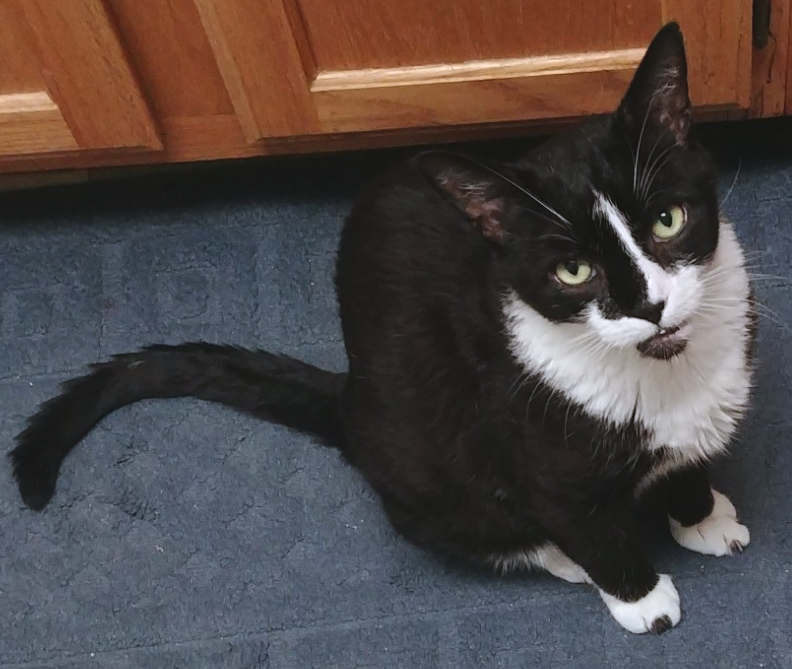 For diabetic pets, routine is everything. Meals, insulin, testing, snacks, and observation all become part of daily life. A diabetic cat or dog may start linking you with the structure that helps them feel steady. With Zippy, who achieved remission through tight regulation, and Bentley, who still gets insulin twice a day, I learned that diabetic care builds a very specific kind of bond. You are not just the food person. You are the watcher, the tester, the shot giver, the comforter, and the one who learns their tiny signals.
A diabetic pet may follow you because they know you are tied to meals or care. They may also come closer when they feel “off.” That is why I always believe in paying attention to clinginess in diabetic pets. Sometimes it is affection. Sometimes it is a pattern. Sometimes it is the first small clue that their blood sugar may not feel right.
This is one reason tracking matters so much. A pet parent can miss patterns when everything is stored only in memory. On BellenPaws, we offer a free online pet diabetes tracker with printable charts and tables for vet visits, along with blank glucose curve forms. Tools like that can help you connect behavior with numbers, food, insulin timing, and daily notes.
A clingy diabetic pet is not automatically in trouble, but the behavior is worth noticing. If your pet is suddenly more attached than normal, especially along with appetite changes, weakness, wobbliness, unusual thirst, vomiting, hiding, or strange vocalizing, it is time to check in with your vet.
The Bathroom Escort Committee Is Real
Many pet parents joke about losing all privacy after bringing animals into the home. The bathroom escort committee is very real. Dogs push doors open. Cats stick paws under the door. Some pets sit outside like tiny bodyguards waiting for you to return from a dangerous three-minute mission. It is funny because it is familiar. It is also sweet when you think about it from their side.
You leaving the room matters to them. A closed door creates separation. Some pets do not understand why they are suddenly excluded. Others just hate being on the wrong side of a barrier. For a pet who likes to keep tabs on you, a closed bathroom door can feel deeply unacceptable.
This does not mean you can never set boundaries. You are allowed to shower without an audience. You are allowed to cook safely without a dog underfoot. You are allowed to sleep. But it does help to see the behavior for what it often is, attachment rather than defiance. They are not trying to annoy you. They are trying to stay close to their person.
Cats Can Be Clingy in Their Own Weird Little Ways
 Cats get called aloof, but many cat people know the truth. Some cats are intensely attached. They just have their own rules. A clingy cat may follow you from room to room but pretend they had business there anyway. They may sit with their back to you while still keeping you in sight. They may meow when you leave, then act unimpressed when you return. They may sleep on your clothes, your keyboard, your paperwork, or the exact item you were about to pick up.
That is cat love. Odd, inconvenient, and deeply sincere. Senior cats may become especially people-focused. Health issues like hyperthyroidism, kidney disease, high blood pressure, pain, or cognitive changes can affect behavior. A cat who becomes unusually clingy, restless, loud, hungry, thirsty, or unsettled should be watched closely.
I think of Belle often with this kind of thing. She dealt with several health issues, yet she still had her own strong personality and her own ways of staying connected. Cats can be dealing with a lot and still want dignity. They may not always ask clearly. Sometimes they just stay near us and hope we understand.
Dogs Often Treat Following as Their Job
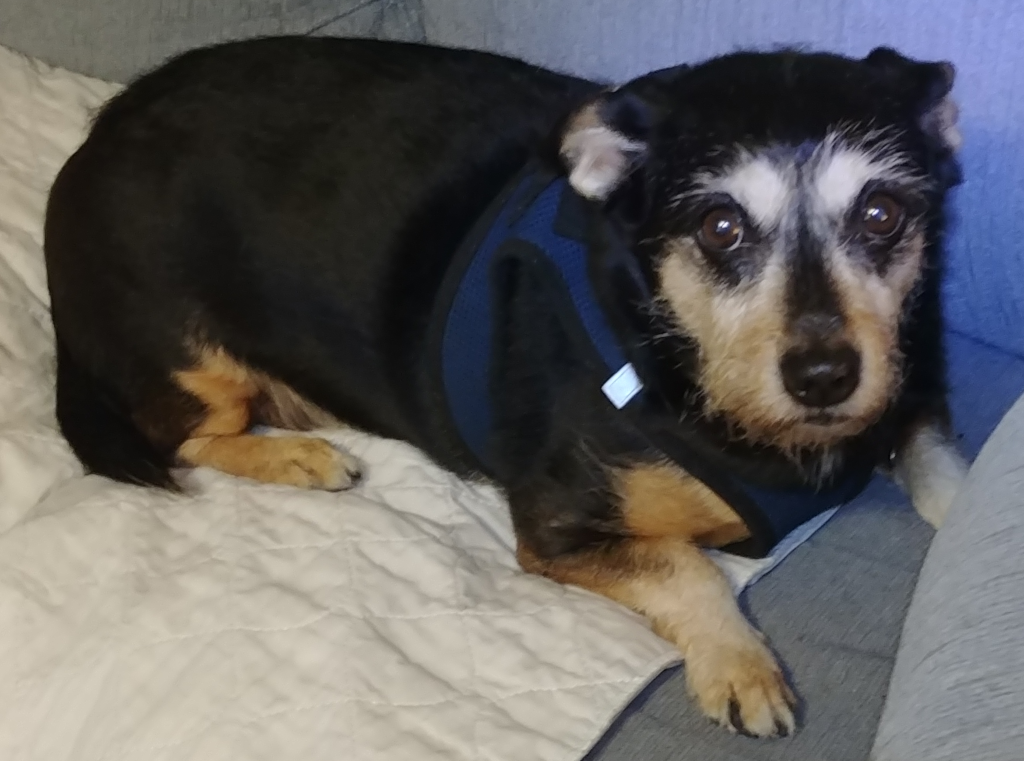 Dogs can turn following into a full-time position. Some will trail you with happy curiosity. Some will guard. Some will herd. Some will stare at you like you personally control the universe, because in their mind, you kind of do. You open doors. You provide meals. You start walks. You decide bedtime. You know where the treats are. That is a powerful role.
For dogs, following can be social bonding, learned routine, breed tendency, anxiety, or simple habit. Some dogs are naturally more people-centered. Others become clingier after illness, loss, rehoming, schedule changes, or aging. A dog who has lost confidence may stick closer because your presence gives them courage.
Senior dogs may also follow because they need help. They may want assistance getting outside, getting comfortable, finding food, or settling down. Dogs with vision or hearing loss may rely more heavily on human movement and scent. Being close helps them track what is happening.
That kind of trust deserves patience. It also deserves practical safety. A dog underfoot can be a fall risk for both of you, especially if they are large, elderly, or unsteady. Loving them well sometimes means teaching a safe “place” cue, using baby gates, adding rugs for traction, or making cozy resting spots where they can see you without being directly under your feet.
Sudden Clinginess Deserves Attention
A pet who has always followed you is one thing. A pet who suddenly starts following you, crying, pacing, or acting unable to settle is another. Sudden clinginess can be linked to pain, illness, anxiety, sensory decline, cognitive changes, or changes in the household. In diabetic pets, it can also sometimes line up with blood sugar changes. In senior pets, it can be one of those early signs that something is shifting.
Pet parents should watch for behavior changes that come with other symptoms. Appetite changes matter. Drinking more or less matters. Litter box changes matter. Accidents in the house matter. Hiding, panting, shaking, weakness, confusion, aggression, or unusual vocalizing all deserve attention.
I am not a veterinarian, and I never want pet parents guessing when something feels wrong. You know your animal. If your gut says, “This is not normal,” call the vet. I would rather be the person who called too early than the person who waited too long. Clinginess alone may be love. Clinginess plus other changes may be information.
Separation Anxiety Is Different From Loving Attachment
There is a difference between a pet who likes being near you and a pet who panics when you leave. A loving shadow can still nap, eat, play, and relax. A pet with separation anxiety may bark, howl, destroy things, drool, pace, scratch doors, refuse food, or injure themselves trying to get to you. Cats can struggle with separation too. They may cry, over-groom, stop eating well, urinate outside the box, or become withdrawn. It is not always dramatic, but it is real.
A pet with separation anxiety needs support, not punishment. Getting angry at a scared animal only adds fear to fear. The better path is usually gradual confidence building, predictable routines, safe spaces, enrichment, and help from a vet or qualified behavior professional when needed. Some pets also need medical help for anxiety, especially if the panic is severe. That is not failure. It is care.
Being Their Favorite Person Is a Responsibility
 There is an honor in being chosen by an animal. It feels good to be loved that much. It also means we owe them attention. A clingy pet is often telling us that we matter deeply in their daily life. That should soften us a little. The animal following us around does not understand deadlines, bills, inboxes, or why we are tired. They know our presence. They know our patterns. They know the sound of the cabinet, the chair, the leash, the food bowl, the testing kit, and the bed.
They build their days around us. That can feel heavy sometimes, especially for pet parents caring for senior or diabetic animals. The responsibility is real. The schedule can be demanding. Shots, tests, medication, vet visits, special food, and nighttime worries can wear a person down. Love does not erase exhaustion.
Still, there is something deeply beautiful about being the focus of a pet’s world. Not because we are perfect, but because they trust us anyway. They follow us through ordinary rooms as if ordinary rooms are better when shared.
Small Ways to Comfort a Clingy Pet Without Losing Your Mind
A clingy pet does not always need constant attention. Often, they need closeness, predictability, and a sense that they are included. One simple option is to create resting spots near the places where you spend the most time. A soft bed near your desk, a blanket by the couch, or a safe kitchen corner can let your pet be close without being directly underfoot. For senior pets, make those spots easy to access. Low sides, soft padding, and good traction can make a big difference.
Routine also helps. Pets relax more when they know what to expect. Regular meals, medication times, potty breaks, play, grooming, and bedtime habits can give anxious or older pets a steadier day. For diabetic pets, routine is even more helpful. Keeping care organized can reduce stress for both the pet and the person. Notes, charts, and glucose records are not just paperwork. They are a way of seeing the bigger picture. That is why printable charts and trackers can be so useful during vet conversations.
Gentle enrichment helps too. Food puzzles, sniffing games, window perches, soft brushing, short walks, and quiet play can give pets something to do besides stare at us like we are late for an appointment we did not know we had.
Closed Doors Can Be Taught Gently
Some pets need practice learning that a closed door is not the end of the world. This is especially true for pets who cry, scratch, or panic when separated for even a moment. The goal is not to make them feel rejected. The goal is to teach them that short separations are safe.
Start small. Step away for brief moments while your pet has something pleasant nearby, like a favorite bed, safe chew, puzzle feeder, or treat. Keep returns calm. Slowly build the time. For dogs, a “place” cue can help them learn where to settle. For cats, a cozy perch or favorite blanket can make separation feel less insulting.
Senior pets may need a softer approach. A confused older animal may not learn new routines as quickly, and that is okay. The point is not perfection. The point is reducing stress while keeping the household functional.
Clinginess Can Be a Gift During the Hard Seasons
 The hardest seasons of pet parenting often make the bond even more intense. Illness has a way of shrinking the world down to small moments. A meal eaten. A shot given. A good glucose reading. A comfortable nap. A tail wag. A purr. A pet who chooses to sit beside you after a long day. Those moments stay with you.
After loving many senior pets, I do not dismiss clinginess as annoying. I may joke about it, because sometimes you really do need to walk across the room without a furry parade, but I do not dismiss it. There will come a time when every pet parent misses the sound of those paws behind them.
That does not mean we should live in sadness while they are here. It means we should notice the sweetness while it is happening.
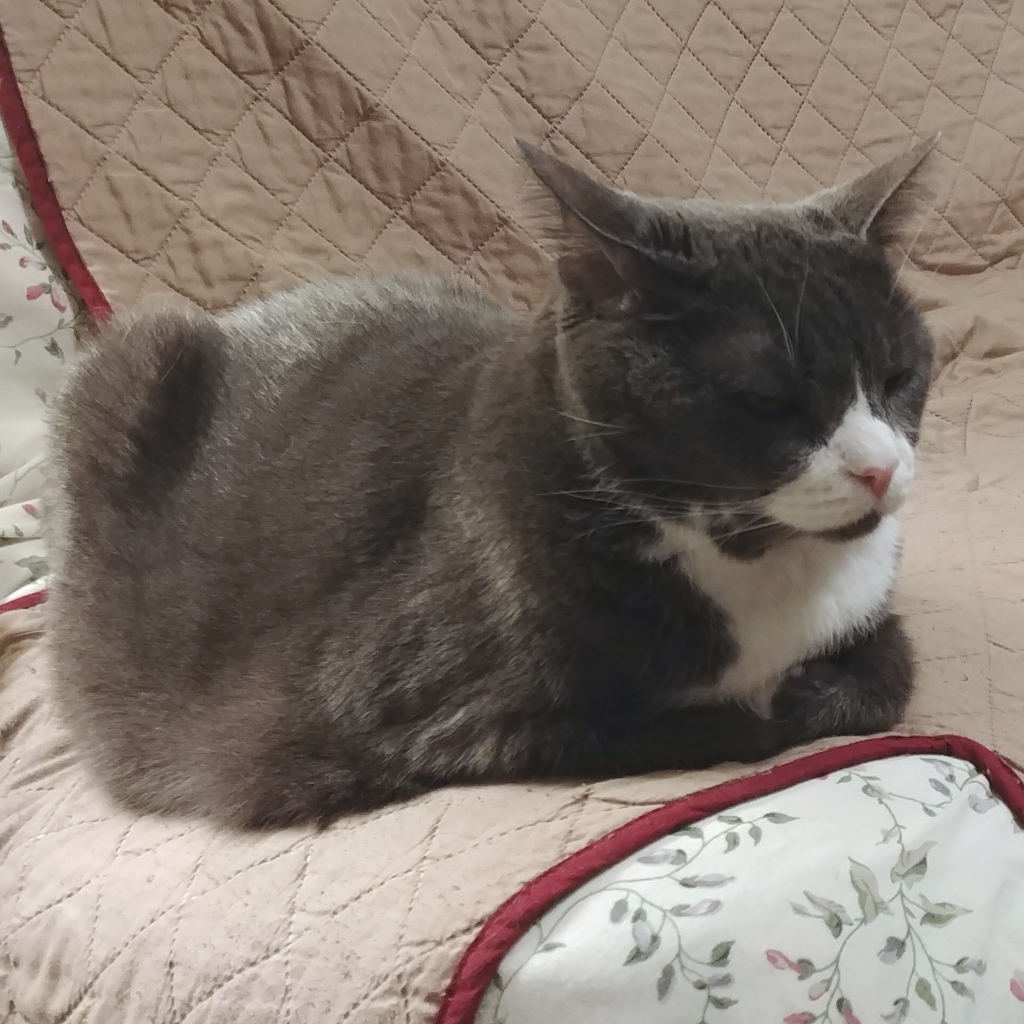
The cat waiting outside the bathroom. The dog resting their chin on your foot. The senior pet who opens one sleepy eye just to make sure you are still nearby. The diabetic pet who has learned the rhythm of care so well that your life and theirs feel woven together by meals, medicine, trust, and habit. They follow because you matter.
Let Them Love You, But Keep Watching Closely
A pet who follows you around may be showing the purest form of everyday devotion. They are not thinking in grand speeches. They are not trying to be poetic. They just want to be where you are. Let that love land.
At the same time, keep your pet-parent eyes open. If the clinginess is new, intense, or paired with other changes, pay attention. Senior pets and diabetic pets often speak through behavior before anything else. A change in closeness can be emotional, physical, or both.
Being the focus of a pet’s life is not a small thing. It is a daily relationship built through food bowls, soft voices, medicine, warm beds, routines, shared rooms, and trust that grows slowly over time. If your pet follows you everywhere, they may be saying the one thing animals say best without words. You are their person.