

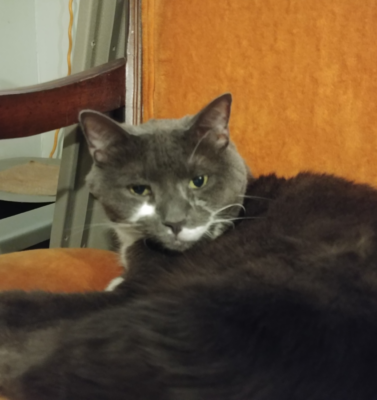
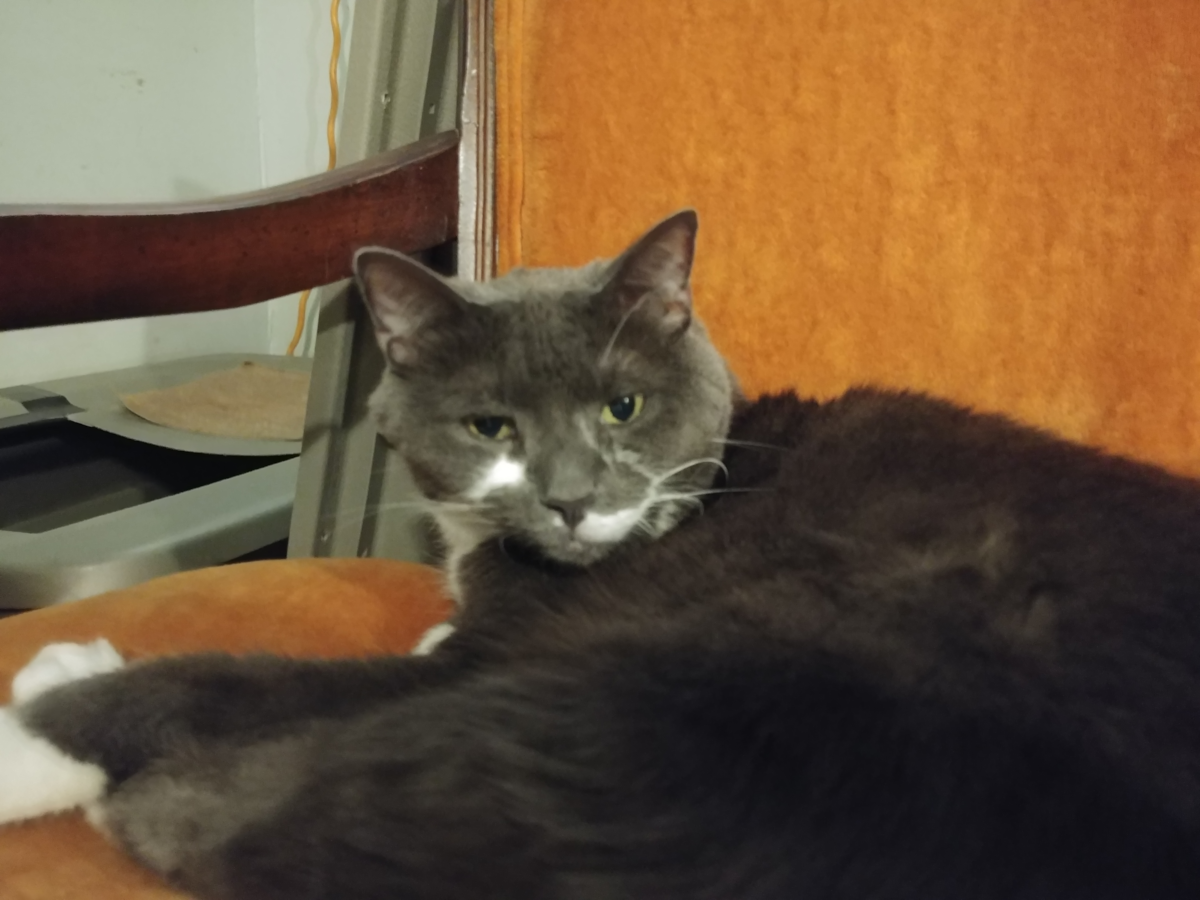
Senior pets have a way of making us question everything we thought we knew about feeding. The dog who used to burn off dinner by racing around the yard now spends more time napping in sunbeams. The cat who once treated the hallway like a racetrack may still demand breakfast with full dramatic flair, but the scale tells a different story.
Calories matter more as pets age, not because we need to obsess over every bite, but because small changes can sneak up on us. A few extra treats, a slightly heavier scoop, less movement, sore joints, thyroid disease, kidney disease, diabetes, dental pain, and muscle loss can all change what a senior pet actually needs.
I learned this the hard way with our own crew. Belle, Paws, Bubbles, Pebbles, Bam Bam, Clyde, Blackie, Rascal, Tabitha, Sheamus, Bentley, and others all taught me that senior feeding is not one neat rule. Some older pets gain weight on what looks like a tiny amount of food. Others seem to melt away even when they are eating well. That is why calorie needs should be treated as a living number, not a label on a bag.
Calories Are Not Just About Weight
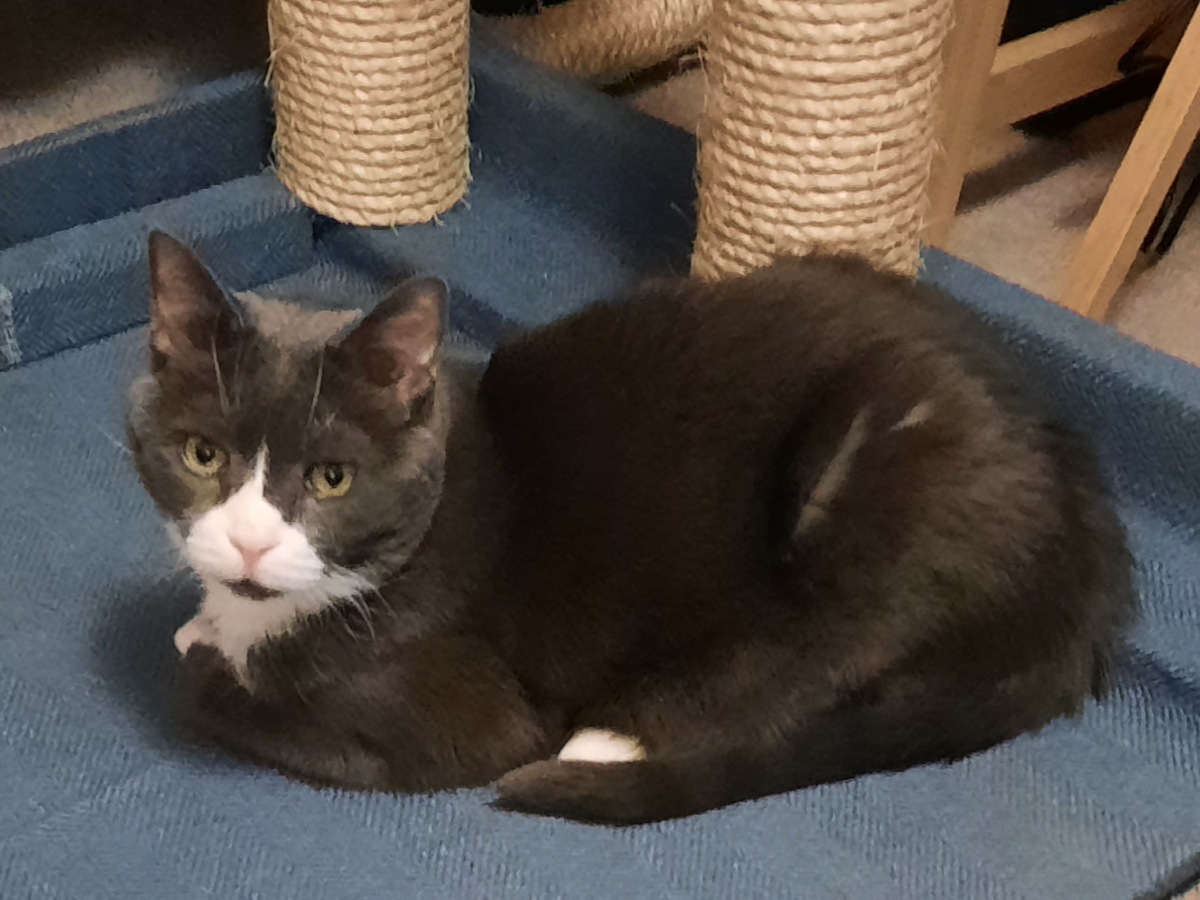 A calorie is simply a unit of energy. That sounds dry, but in real life it means food that powers breathing, walking, healing, digesting, thinking, purring, barking, grooming, and keeping warm. A senior pet still needs energy every single day, even if they spend most of that day sleeping beside you.
The tricky part is that calorie needs are not the same as appetite. Some senior pets eat like little vacuum cleaners and still need fewer calories than they want. Others lose interest in food even though their body desperately needs fuel. Appetite can be shaped by pain, nausea, dental disease, medications, stress, kidney disease, thyroid problems, cancer, diabetes, and even routine changes in the home.
This is why I do not like guessing based only on age. “Senior” is not a calorie number. A 12-year-old dog who still walks twice a day may need more food than a 9-year-old dog with arthritis who barely leaves the couch. A thin hyperthyroid cat may need careful calorie support, while an overweight diabetic cat may need slow, steady weight control under veterinary guidance.
The Starting Formula Most Pet Parents Should Know
Veterinary calorie estimates often begin with something called Resting Energy Requirement, usually shortened to RER. This is the amount of energy the body needs for basic functions at rest. It is not the final feeding amount, but it gives a starting point.
The common formula is:
RER = 70 x body weight in kilograms to the 0.75 power
For everyday pet parents, that formula may feel annoying, so here is the easier version. First, divide your pet’s weight in pounds by 2.2 to get kilograms. Then use a pet calorie calculator, your vet’s software, or a trusted chart to estimate RER.
A 10-pound cat weighs about 4.5 kg. A 20-pound dog weighs about 9 kg. A 60-pound dog weighs about 27 kg. From there, the RER gets multiplied based on whether the pet is neutered, active, inactive, overweight, underweight, growing, ill, or recovering.
For many senior pets, the final number may be lower than what they ate in their younger years. That can feel unfair because they still love food just as much. Their body may simply burn less now.
Senior Dogs Often Need Fewer Calories, But Not Always
 Many older dogs become less active. Their walks get shorter. Their play becomes gentler. Stairs get harder. Naps get longer. If the food bowl stays the same while movement drops, weight gain can happen slowly enough that we barely see it.
That slow gain matters. Extra weight makes arthritis harder. It can worsen breathing issues, reduce stamina, and make daily movement more painful. A senior dog carrying extra weight may not look “fat” to us because we love them and see them every day, but their joints feel every extra pound.
Still, I do not believe in crash dieting senior dogs. Rapid weight loss can backfire, especially in pets with medical issues. The better path is a measured calorie plan, regular weigh-ins, and honest tracking of everything that goes into the mouth. That includes biscuits, dental chews, peanut butter, table scraps, pill pockets, training rewards, and the crust someone slips under the table.
Some senior dogs need more calories, not less. Dogs with certain illnesses, muscle wasting, poor absorption, cancer, uncontrolled diabetes, or high activity despite age may need extra nutritional support. A dog who is losing weight without trying deserves a vet visit, not just a bigger scoop.
Senior Cats Are Their Own Little Math Problem
Cats age in a way that can fool us. Some older cats gain weight as they slow down, especially indoor cats who have easy access to calorie-dense food. Others begin losing weight as they reach later senior years, even while eating normally or eating more than usual.
Hyperthyroidism is a big one in older cats. We saw it many times in our own family, including Belle, Paws, Bubbles, Bam Bam, Clyde, Blackie, Rascal, Tabitha, Sheamus, and Skittles. A cat with an overactive thyroid may seem hungry all the time and still lose weight. That is not a willpower issue. That is a medical issue.
Kidney disease can also change appetite and body condition. Pebbles, Belle, Clyde, and Blackie all remind me how careful senior cat feeding can become. Sometimes the goal shifts from “perfect calories” to “keep them eating safely and comfortably.” That does not mean calories stop mattering. It means the plan has to fit the pet in front of you.
For cats, I pay close attention to the spine, hips, shoulders, and muscle over the back legs. A fluffy cat can hide weight loss. A bony cat can look “fine” from across the room. Hands tell the truth better than eyes.
Body Condition Beats the Food Bag
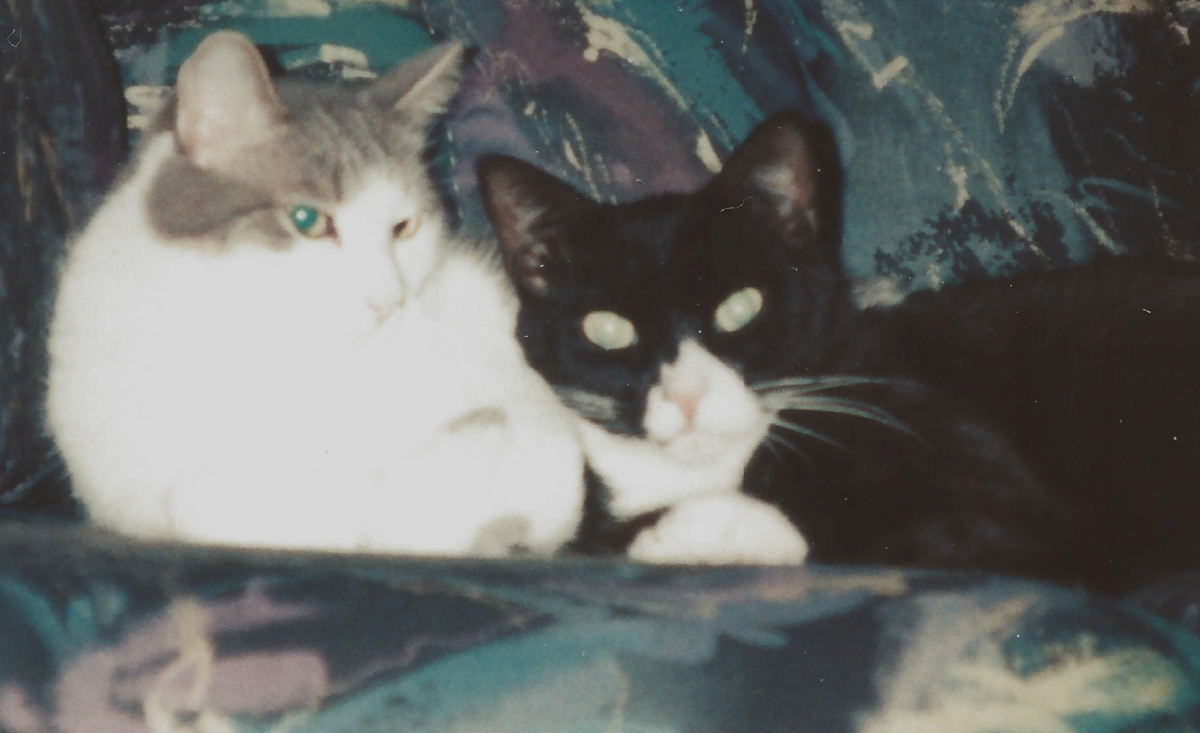 Pet food labels give feeding ranges, but those ranges are broad. They cannot know your pet’s age, metabolism, medical history, activity level, treat habits, or whether your cat steals food from another bowl.
Body condition scoring is more useful. You should be able to feel the ribs without digging through a thick layer of fat, but they should not feel sharp and bare. From above, many pets should have a visible waist. From the side, there is often a gentle tuck behind the ribs, though body shape varies by breed and species.
Senior pets also need muscle checks. A pet can be overweight and losing muscle at the same time. That combination is common and easy to miss. The belly may look round while the hips and spine become more prominent. This is one reason weigh-ins alone are not enough. A good senior calorie plan watches three things together: weight, body condition, and muscle condition. One number on the scale does not tell the whole story.
Treats Count, Even the Tiny Ones
Treats are where many calorie plans quietly fall apart. A senior dog may eat a reasonable breakfast and dinner, then get a dental chew, a few training treats, a bite of toast, a spoon of canned food for pills, and a bedtime biscuit. None of those feel like much alone. Together, they can become a third meal.
Cats are no different. A few crunchy treats, a lickable tube, a little cheese, and extra food to “make sure they ate” can add up fast, especially for a small cat.
I am not anti-treat. Senior pets deserve joy. Food can be bonding, comfort, routine, and love. I just believe treats need to be counted honestly. For many pets, treats should stay around a small slice of the daily calories, with most nutrition coming from complete and balanced food.
Lower-calorie rewards can help. A small piece of their regular food, a tiny bit of plain cooked meat if appropriate, or a portion of their meal set aside for rewards may work better than adding extra calories on top.
Diabetic Senior Pets Need Extra Care With Calorie Changes
 Diabetic pets live in a tighter balance. Food, insulin, timing, weight, appetite, and blood glucose all talk to each other. Changing calories suddenly can change glucose patterns. Changing food type can do the same. Skipping meals can become risky if insulin is still given.
With Zippy, who reached remission, and Bentley, who still gets insulin twice daily, we learned that consistency is not boring. Consistency is safety. Meal timing, portion size, carb level, and testing routines all matter.
For diabetic pets, calorie changes should be slow and tracked. If weight loss is needed, it should be planned with your vet because insulin needs may shift as the body changes. If a diabetic pet refuses food, vomits, acts weak, seems disoriented, or has unusual glucose readings, that is not a “wait and see” moment.
This is where recordkeeping helps. On BellenPaws, we offer a free online pet diabetes tracker with printable charts and tables you can share with your vet, along with printable blank glucose curve forms. Those tools are meant to make the daily work less scattered, especially when you are trying to connect food amounts, insulin, glucose readings, appetite, and behavior.
The Senior Pet Calorie Checkup At Home
A simple home routine can catch problems early. Weigh your pet on a steady schedule. For small pets, even a few ounces matter. For larger dogs, a pound or two may not sound like much, but trends matter more than single weigh-ins.
Write down the actual food amount. Not “one bowl.” Not “a scoop.” Measure the scoop. Level it. Check the calories per cup or can. Pet foods can vary wildly in calorie density, even when the portions look similar.
Track treats for a few days without changing anything. This part can be humbling. Most of us underestimate extras. I have done it too. The point is not guilt. The point is getting a real picture.
Watch the body. Look for a growing waistline, a disappearing waistline, bony hips, weaker back legs, a dull coat, less grooming, new begging, food stealing, picky eating, or sudden hunger. Senior pets often whisper before they shout.
Medical Issues Can Change the Number Fast
 A senior pet who suddenly gains or loses weight needs more than a calorie adjustment. Thyroid disease, kidney disease, diabetes, heart disease, cancer, dental pain, arthritis, digestive disease, and medication side effects can all change weight and appetite.
Hyperthyroid cats may need more calories while the disease is being diagnosed and treated, but the real fix is managing the thyroid problem. Kidney pets may need special diets, appetite support, nausea control, or fluid support. Diabetic pets may need food consistency and insulin review. Pets with arthritis may need pain control so they can move comfortably again.
This is why I am careful with online calorie calculators. They are useful starting points, not final answers. A calculator cannot see your pet walking across the kitchen. It cannot feel muscle loss. It cannot know that your cat is drinking more water or that your dog has started leaving food behind.
Adjusting Calories Without Making Everyone Miserable
Senior pets are creatures of habit. Big food changes can create stress, begging, stomach upset, or refusal. Small changes usually work better.
For a pet who needs fewer calories, reduce slowly. A small decrease in daily food, paired with treat control, may be enough. Some pets do better with a veterinary weight management food because they can eat a satisfying volume with fewer calories. Others need more protein support to protect muscle, depending on their health status.
For a pet who needs more calories, do not just dump extra food into the bowl and hope. Older pets may need smaller, more frequent meals. They may need softer food, warmed food, appetite support, dental care, or a diet that is easier for them to chew and digest. A cat with nausea will not be fixed by a bigger serving. A dog with mouth pain will not eat well just because the calories are there. Food texture matters. Smell matters. Routine matters. Comfort matters. Senior feeding is practical work, not a math contest.
A Realistic Daily Calorie Mindset
 The best calorie number is the one that keeps your pet at a healthy body condition, supports muscle, works with their medical needs, and fits their real life. That number may change over time. A senior dog recovering from a procedure may need a different plan for a while. A cat starting thyroid treatment may gain weight and need a new feeding target. A diabetic pet losing weight under supervision may need insulin adjustments. A pet with kidney disease may have days where eating enough becomes the main goal.
I like to think of calories as a conversation with the body. The food bowl says one thing. The scale says another. The ribs, hips, coat, energy, stool, thirst, glucose readings, and appetite all add their own pieces. For senior pets, that conversation deserves patience. They have earned that from us.