
Giving a pill to a difficult cat can turn an ordinary morning into a full-body event. The coffee gets cold. The pill disappears under the stove. The cat suddenly develops the strength of a small mountain lion. You stand there holding a tiny tablet, wondering how something so small can create so much drama.
I say this as a pet parent who has lived through many medication routines with senior cats. Hyperthyroidism, kidney disease, blood pressure problems, diabetes, heart concerns, pain management, antibiotics, appetite support, bladder issues, and everything in between. Some cats accept medicine like civilized little angels. Others act like you have betrayed the entire species.
A difficult cat is not a bad cat. A difficult cat is usually scared, suspicious, uncomfortable, smart, or all four. Once we understand that, the daily routine becomes less about “winning” and more about building a system that protects the relationship while still getting the medicine in.
The Routine Starts Before the Pill Comes Out
 The biggest mistake many of us make is waiting until pill time to start thinking about pill time. Cats notice patterns. They see the medicine bottle. They hear the cabinet open. They notice the change in your breathing before you even turn around.
If every medication routine starts with tension, chasing, grabbing, and panic, the cat learns fast. Senior cats especially do not need that kind of daily stress. A cat with high blood pressure, kidney disease, diabetes, or hyperthyroidism may already be dealing with enough inside their body. The goal is to make the routine predictable, calm, and boring.
Before touching the pill, get everything ready. Place the pill, treat, towel, pill popper, water syringe, or food portion within reach. Wash your hands if the medication has a bitter coating or if you handled anything with a strong smell. Cats have powerful noses, and some will reject a pill just because it smells like medicine, soap, or another pet.
Choose a quiet spot. Not the middle of the kitchen while the dog is pacing. Not beside a loud television. Not near another cat who likes to supervise with judgment. A small bathroom, laundry room, bedroom, or favorite resting area can work well, depending on the cat. The room matters. The mood matters. Your hands matter.
Do Not Chase Unless You Want a War
A chased cat becomes a defensive cat. Once the cat is under the bed, behind the couch, or wedged into a location that requires furniture removal, the routine has already gone sideways. That does not mean you failed. It means the plan needs adjusting.
For some cats, the best approach is to medicate them when they are already relaxed. A sleepy cat on a favorite blanket may be easier to handle than a fully alert cat who just watched you prepare the pill. For others, a closed room with no hiding spots is better. I prefer setting the scene before the cat realizes anything is happening.
If the cat needs daily medicine, avoid making the entire house part of the event. Pick one place and keep it consistent. Cats do better with habits, even when they dislike the habit. A short, predictable routine is better than a long, dramatic one.
Some cats can be gently carried to the medication spot. Some need a towel. Some need the pill hidden. Some need a compounded option from the vet. The right method is the one that works safely and repeatedly without turning every dose into a battle.
The Treat-First Method
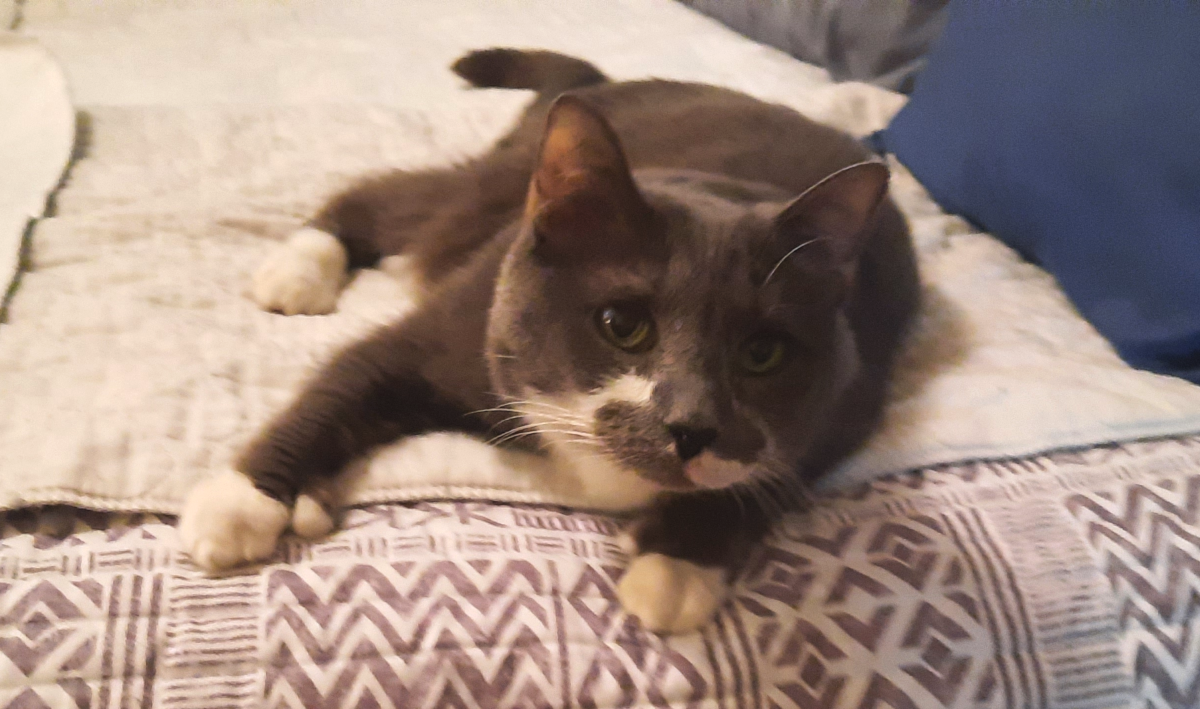 Many cats are less suspicious if pill time is surrounded by normal rewards. This does not mean the pill is optional. It means the cat learns that the routine has a beginning, middle, and end. A treat-first routine may look like this. Give a tiny treat or small bite of favorite food. Then give the pill using the chosen method. Then follow with another small treat, lickable food, or a bit of water if approved by your vet. The first treat lowers suspicion. The second reward helps end the routine on a better note.
For diabetic cats, treats need extra thought. A sugary treat or carb-heavy snack may not be a good fit. With Zippy and Bentley, tight regulation has taught us to pay attention to anything that goes into the mouth, even the “tiny” things. A small bite of low-carb wet food, plain cooked meat, or a vet-approved diabetic-friendly treat can work better than standard soft treats.
This is where BellenPaws’ free pet diabetes tracker can help. If a diabetic cat gets medication with food, treats, or a schedule change, tracking those details beside glucose numbers can make patterns easier to discuss with the vet. The printable charts are handy too, especially when a cat’s medicine, food, and glucose readings all need to be reviewed together.
Hiding the Pill in Food
Food hiding is the dream method. No drama. No towel. No claw marks. Just a cat happily eating the medication like nothing happened. Some cats accept pill pockets. Some prefer a tiny ball of wet food. Some do better with a small smear of Churu-style lickable treat, cream cheese if allowed, butter if approved, or another soft food that clings to the pill. The trick is to make the pill portion small enough that the cat swallows it whole instead of chewing.
Chewing is where things often fail. Many pills taste bitter. Once a cat bites into one, that cat may never trust that food again. I have seen cats reject an entire flavor after one bad pill experience. Cats hold grudges like tiny furry attorneys.
A good food-hiding routine uses three bites. First, a clean bite with no pill. Second, the hidden pill bite. Third, another clean bite right away. The clean first bite builds momentum. The pill bite sneaks in during that momentum. The final bite encourages swallowing and helps clear the taste.
This does not work for every medicine. Some pills cannot be crushed. Some should not be split. Some must be given with food, while others should be given without certain foods. Always ask the vet or pharmacist before crushing, mixing, splitting, or hiding medication in a way that could change how it works.
The Towel Wrap Can Save Everyone’s Nerves
The towel wrap gets mocked sometimes, but it can be a lifesaver for difficult cats. Done gently, it protects the cat and the human. It prevents flailing paws, twisting bodies, and the awful feeling of trying to hold a frightened senior cat while also getting medicine into their mouth.
Use a medium towel, not a giant blanket. Place the cat on the towel with the head facing away from your body or slightly to the side, depending on your comfort. Wrap one side snugly around the body, then the other, keeping the front legs tucked. The wrap should feel secure, not tight. The cat should be able to breathe normally. The head stays out. The body stays supported. The goal is control without squeezing.
Some cats hate the towel at first but settle once they realize they cannot backpedal or claw their way out. Others panic in a wrap and need a different method. Watch the cat’s breathing, eyes, and body tension. A method that causes full panic every day is not a good long-term routine unless there is no safer option and the vet agrees.
Senior cats with arthritis, kidney disease, heart issues, or breathing problems need extra gentleness. Their bodies may not bend or tolerate pressure like they used to. A difficult cat may be difficult because something hurts.
Using a Pill Popper Without Making It Scary
 A pill popper, also called a pill gun, can help with cats who spit pills out with Olympic-level skill. It keeps your fingers away from the teeth and helps place the pill farther back on the tongue. Used poorly, it can scare the cat or jab the mouth. Used calmly, it can make the process faster.
Load the pill first. Hold the cat securely. Gently tilt the head upward, but not too far. Open the mouth by placing fingers near the corners or using gentle pressure behind the canine teeth. Place the pill popper over the tongue toward the back of the mouth, press the plunger, then close the mouth gently. The motion should be quick but not rough. Do not shove. Do not scrape. Do not fight the jaw like you are opening a stuck jar.
After the pill goes in, many cats need help swallowing. A small amount of water from a syringe, a lickable treat, or a bite of wet food can help move the pill down. This matters because dry pilling can irritate a cat’s throat or esophagus. Many vets recommend following pills with water or food for that reason.
If your cat coughs, gags repeatedly, drools heavily, paws at the mouth, or seems distressed after medication, call the vet. Some drooling can happen with bitter medications, but heavy or repeated reactions deserve attention.
The Mouth Technique That Works for Some Cats
Some pet parents can pill a cat by hand. I respect those people. I also know many of us have cats who turn into liquid and teeth the second we try. For hand pilling, the basic idea is simple. Hold the top of the cat’s head gently but firmly, with the thumb and fingers behind the upper canine teeth. Tilt the nose upward slightly. The lower jaw often opens a bit. Use the other hand to place the pill on the back of the tongue, then close the mouth and encourage swallowing.
Confidence helps. Hesitation gives the cat time to escape. Still, confidence should not mean roughness. The cat’s mouth is small. The jaw is delicate. The tongue is quick. The teeth are sharp. Respect all of that. A calm voice helps some cats. Silence helps others. I have had cats who did better when I spoke softly, and others who did better when I stopped narrating my own anxiety. Cats read us better than we think.
The Spit-Out Inspection
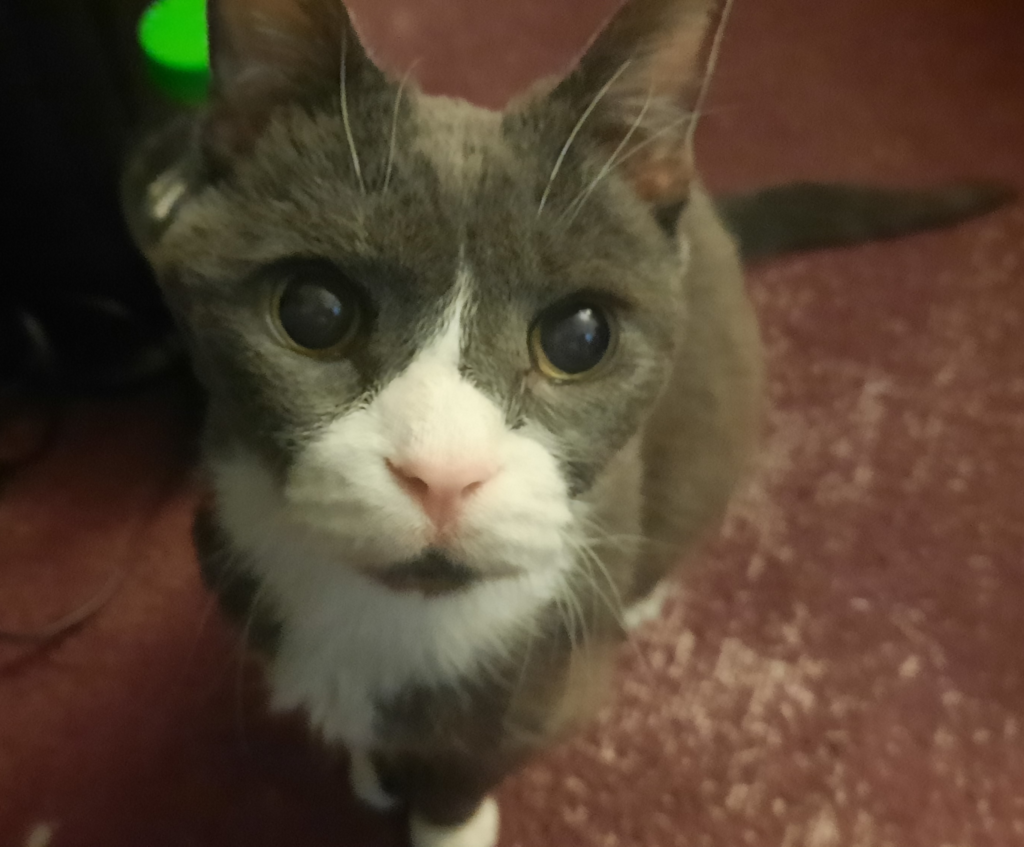 Never assume the pill went down just because the cat ran away. Difficult cats are artists. They can hold a pill in the cheek, walk away with dignity, then deposit it behind a chair like evidence. After each dose, check the floor, towel, blanket, fur, food bowl, and nearby corners. Look under the cat’s chin. Check the lips. Watch for licking and swallowing. Some cats foam or drool if they taste a bitter pill, and that may mean the pill broke down in the mouth instead of going down cleanly.
If the pill is found whole, call it what it is. The dose did not happen. Depending on the medication, you may need to try again, wait, or call the vet for advice. Do not automatically give another pill if you are unsure whether part of the dose was swallowed. Double dosing some medications can be dangerous.
This is especially true with heart medicine, thyroid medicine, blood pressure medicine, insulin-related care, pain medication, and anything affecting appetite, kidneys, or blood sugar. Guessing is where trouble starts.
Timing Matters More Than People Think
Daily medication works best when the timing is steady. Cats who need thyroid medicine, blood pressure support, antibiotics, seizure medicine, pain medicine, or diabetes-related care often do better when the schedule is predictable. That does not mean life will be perfect. Life with pets never is. Someone hides. Someone vomits. Someone refuses breakfast. Someone decides the new pill pocket is poison. Still, a written routine helps.
Keep a medication log. Write down the time, dose, method, food given, and any reaction. For diabetic pets, track glucose readings, insulin timing, food, and symptoms in one place. BellenPaws offers a free online pet diabetes tracker and printable blank glucose curve forms for exactly this kind of record keeping. Vets appreciate clean notes. So do tired pet parents at midnight.
A log also helps catch patterns. Maybe the cat pills better before breakfast. Maybe the evening dose is harder because the household is louder. Maybe the cat accepts the pill in one food for three days, then rejects it. Written details stop everything from becoming a blur.
Ask About Other Medication Forms
A difficult cat may need a different medication form. That is not failure. That is smart care. Some medications can be compounded into flavored liquids. Some can be made into tiny capsules that hide the bitter taste. Some may be available as chewables, though many cats laugh at the idea of a “tasty” medication. Some medications can be compounded into transdermal gels applied to the ear, but this depends on the drug and the condition. Not every medicine works well through the skin.
The vet may also suggest changing pill size, splitting a dose, changing timing, or pairing the medicine with food. A compounding pharmacy can sometimes make life easier, but it should always be done through the vet’s direction. Dose accuracy matters, especially for senior cats and cats with kidney, heart, thyroid, or blood pressure problems.
Ask direct questions. Can this pill be crushed? Can it be given with food? Is there a liquid version? Can it be compounded? Is there a smaller tablet? What should I do if my cat spits out half? What side effects should make me call? Those questions are not annoying. They are part of caring for a pet who depends on you.
Protecting the Bond
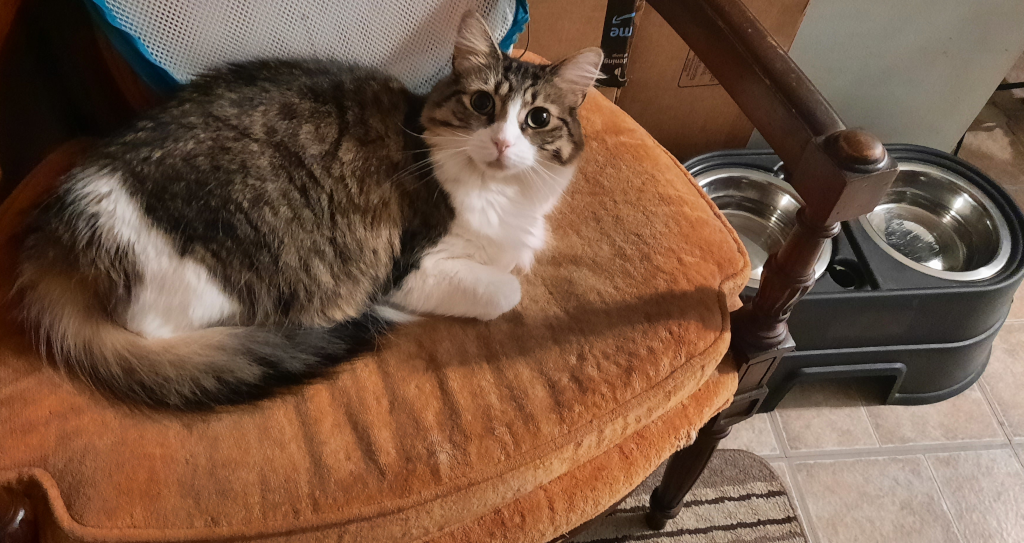 The emotional side of pilling a difficult cat is real. Nobody talks about it enough. You can love a cat deeply and still dread medication time. You can know the pill helps and still feel awful when your cat hides from you afterward.
That guilt can wear a person down, especially with senior pets. Belle, Paws, Bubbles, Pebbles, Bam Bam, Clyde, Blackie, and others taught us that long-term care is not made of perfect moments. It is made of repeated effort. Some days are graceful. Some days are ridiculous. Some days you apologize to a cat who is glaring at you from under a chair.
Do not let medication become the only interaction your cat gets from you. Add gentle contact outside pill time. Sit nearby without touching. Offer brushing if they enjoy it. Give a warm blanket. Talk to them during quiet moments. Let your hands mean comfort too, not just medicine.
For cats who hide after pilling, give them space. Do not chase them for affection to make yourself feel better. Let them cool off. Later, offer something normal. A soft voice. A favorite bed. A familiar routine. Trust can bend without breaking.
Handling the Cat Who Fights Every Step
Some cats fight so hard that daily pilling becomes unsafe. Biting, deep scratches, panic, breathing distress, hiding for hours, refusing food afterward, or repeated failed doses all mean the plan needs help. This is where the vet needs the full truth. Do not say “it’s going fine” if it is not. Many of us downplay the struggle because we feel embarrassed. The vet cannot help solve a problem they do not know exists.
Tell them exactly what happens. The cat clamps the mouth. The cat vomits after liquid medicine. The cat spits out pills. The cat hides for six hours. The cat bites. The cat refuses food after tasting medication. The cat gets too stressed for you to continue.
A good vet would rather adjust the plan than have missed doses, injuries, or a cat who becomes impossible to treat. There may be another form, another drug, another schedule, or a safer handling plan. In some cases, a vet tech can demonstrate technique in person. That hands-on lesson can change everything.
Small Details That Make the Routine Easier
Trimmed claws help. A calm room helps. A non-slip surface helps. A towel warmed from the dryer can relax some cats, though not all. A second person can help if that person stays calm and knows their job. Too many hands can make things worse.
Prepare the dose away from the cat if the sound of the bottle causes panic. Use a pill organizer only if it is safe for the household and clearly labeled. Keep pet medications away from children and other animals. Store everything as directed, especially compounded liquids or refrigerated medicine.
Keep the routine short. A long negotiation usually gives the cat more time to resist. I like a steady rhythm. Gather supplies. Bring cat. Give pill. Follow with food or water. Release. Check for spit-out pill. Log the dose. Done. No speeches required. The cat does not need a TED Talk. The cat needs the medicine given safely and the event finished quickly.
A Difficult Cat Still Deserves Patience
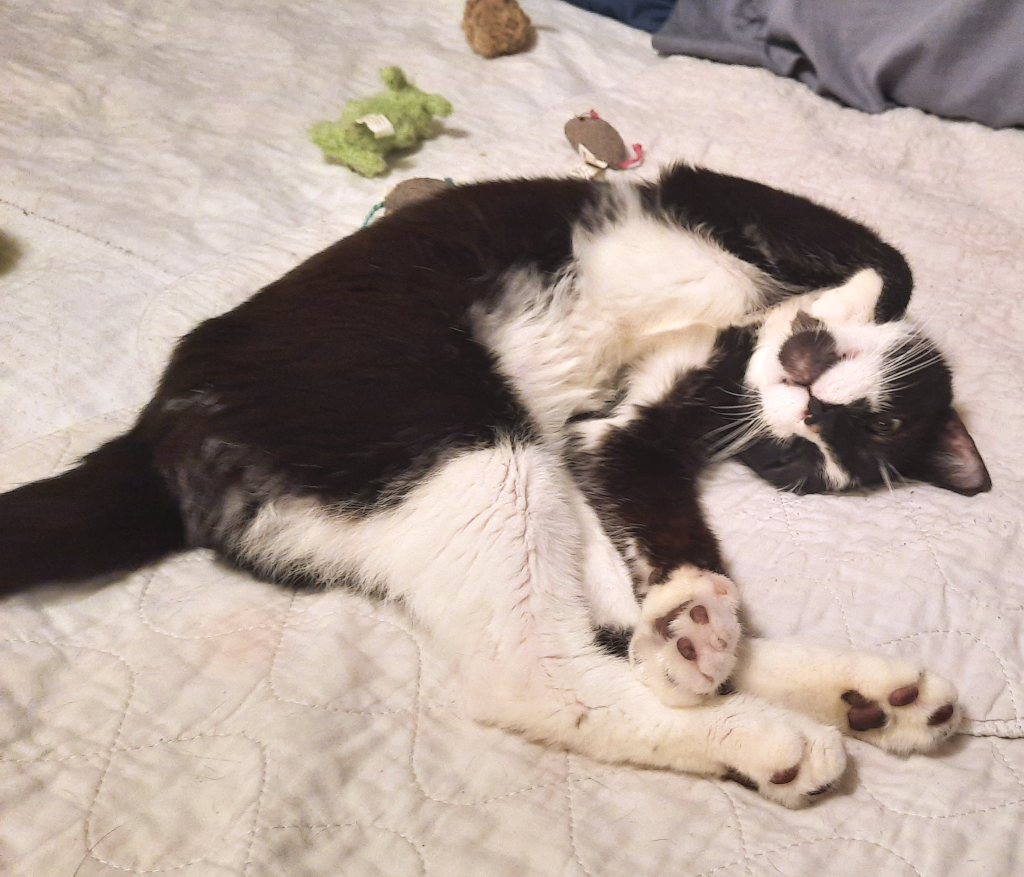 A difficult cat may be the one who needs care the most. Senior cats often carry pain, stiffness, nausea, vision changes, hearing loss, anxiety, or memory changes. A cat who once accepted pills may suddenly refuse because the body changed. A cat who used to be easy may become defensive because being handled now hurts.
That shift can be frustrating, but it is also information. Resistance is communication, even when it comes wrapped in claws.
Daily pilling is not just a medical task. It is a relationship task. The best routine respects both sides. The medicine must get in, but the cat should not feel hunted every day. The pet parent needs a method that works, but the method has to be safe enough to repeat.
Some cats will always be hard to pill. That is the truth. The win is not turning them into easy cats. The win is finding the least stressful routine that gets the needed care into their body while keeping home life peaceful enough for everyone to keep going.