

Sharing food is one of the oldest ways people show affection. Our pets understand that ritual quickly. The moment a cutting board comes out or a refrigerator door opens, somebody appears at our feet with hopeful eyes and perfect timing.
A small bite of the right food can be a pleasant way to include a dog or cat in family life. It can also help with medication, provide a high-value reward, or tempt a senior pet whose appetite has become less reliable. Still, “safe for pets” does not mean safe in every amount, for every animal, or with every medical condition.
The safest approach is simple. Start with plain, fresh food, serve a very small portion, and consider your pet’s age, weight, digestion, medications, and current diet before offering it.
Sharing a Bite Is Different From Sharing a Meal
 Most dogs and cats receive their daily nutrition from food that has been formulated to provide the right balance of protein, fat, vitamins, minerals, and other nutrients. Human foods should usually remain small extras rather than replacing a meaningful part of that diet.
That distinction matters. A bite of plain chicken is one thing. A bowl filled with chicken, rice, cheese, and vegetables every day is a homemade diet, and homemade diets can become nutritionally incomplete unless they are properly formulated.
Portion size is where many loving pet parents get into trouble. A “small bite” from a human plate may represent a much larger share of a little dog’s or cat’s daily calories than we realize. Several family members slipping food under the table can quietly add up to an extra meal.
For senior pets, overweight pets, and animals with diabetes, kidney disease, pancreatitis, digestive trouble, food allergies, or heart disease, those extras deserve even more thought. Sometimes the safest serving is only a taste.
Plain Cooked Chicken and Turkey
Plain, fully cooked chicken or turkey is one of the easiest foods to share with many dogs and cats. Remove the skin, visible fat, seasoning, gravy, and every piece of bone before serving it. Cooked poultry bones can splinter and may cause choking, intestinal blockage, or injury to the digestive tract. Seasoned poultry may also contain onion, garlic, excess salt, butter, or rich sauces that should not be shared.
I prefer to pull aside a small piece of meat before seasoning the family meal. That way, I know exactly what is in the pet’s portion. It is easier than rinsing sauce off later and wondering whether some onion powder remains.
Chicken can be useful for hiding a pill or rewarding a pet after medication. It should not be assumed to suit every animal, though. Chicken is a fairly common food allergen, and pets with known sensitivities may need another protein.
Lean Beef and Other Plain Meats
A small amount of plain, thoroughly cooked lean beef can also be shared. Drain excess grease and avoid fatty trimmings. Rich meat, bacon, sausage, deli meat, and heavily seasoned leftovers are poor choices because they may contain too much fat, salt, onion, garlic, or preservatives.
Cats are often much more interested in meat than fruit or vegetables, which makes sense for their normal dietary needs. A little plain cooked meat can be a useful treat, but it should not replace a complete cat food.
Raw meat brings extra concerns involving bacteria, parasites, cross-contamination, and bones. A pet may have eaten raw prey outdoors without an obvious problem, but that does not make raw grocery-store meat a harmless household treat. Plain cooked meat is the more sensible choice for casual sharing.
Fully Cooked, Boneless Fish
 Many pets enjoy fish. A small amount of fully cooked, unseasoned fish can be offered after every bone has been removed. Added butter, oil, breading, sauces, garlic, and heavy seasoning turn an otherwise simple food into something that may cause trouble.
Fish bones can be thin and difficult to spot. Check carefully. For dogs, veterinary-reviewed guidance also recommends avoiding fish varieties more likely to contain higher mercury levels when fish is served regularly.
Canned fish requires label reading. Products packed in oil, heavily salted water, sauces, or flavoring are not the same as plain fish. Tuna may tempt a reluctant cat to eat, but frequent tuna treats can disrupt a balanced diet. A few flakes are plenty for most cats.
Eggs
Plain cooked egg can be a good occasional treat for many dogs and cats. Scrambled egg should be cooked without butter, milk, salt, cheese, onion, or seasoning. Hard-boiled egg is another easy option. Egg is rich, so portions should stay small. A large dog may handle a spoonful comfortably, while a cat or toy-sized dog may only need a few tiny pieces.
Pets with a history of pancreatitis, obesity, or digestive upset may not tolerate richer foods well. Egg can also be an allergen for some animals. The first serving should be small enough that you can see how your pet responds before offering it again.
Carrots, Green Beans, and Cucumber
Dogs often enjoy the crunch of vegetables. Plain carrots, green beans, and cucumber can make light treats, especially for dogs who enjoy eating but need lower-calorie options. Raw carrot should be cut into pieces appropriate for the dog’s size and chewing ability. Senior dogs with worn teeth, missing teeth, or swallowing trouble may do better with a softened cooked carrot. Green beans should be plain, not part of a casserole. Cucumber should be washed and cut into manageable pieces.
Pet Poison Helpline lists carrots, green beans, cucumber, broccoli, cauliflower, snap peas, and romaine lettuce among foods that may be offered to dogs as treats. Cats may sniff a vegetable and walk away in disgust. That is normal. There is no reason to convince a cat to appreciate cucumber.
Pumpkin and Sweet Potato
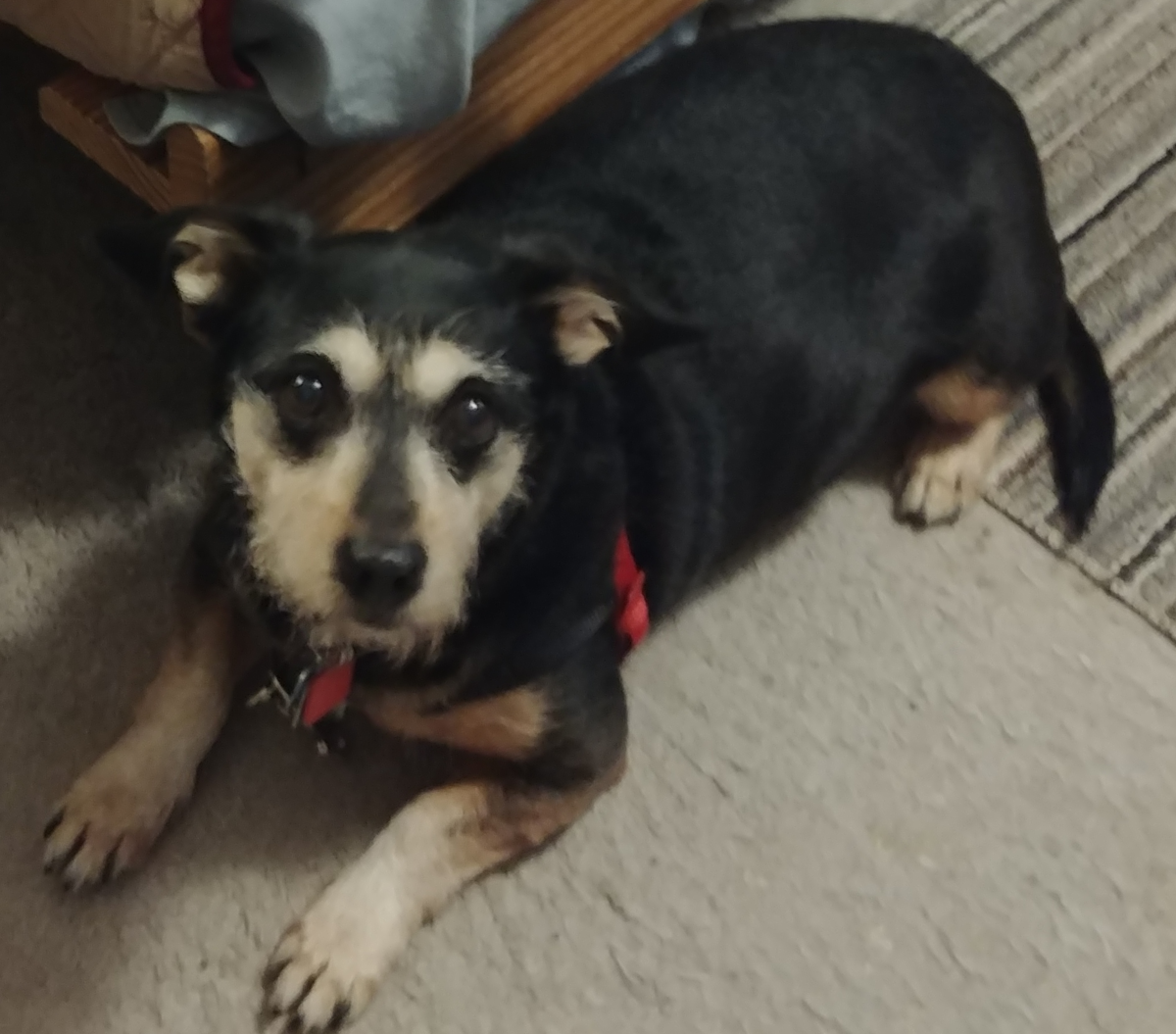 Plain cooked pumpkin can be shared in small amounts. The key word is plain. Pumpkin pie filling contains sugar and spices and should not be confused with plain canned pumpkin. A spoonful can add flavor and moisture, but more is not always better. Too much may loosen the stool or add unwanted carbohydrates. Pets with diabetes should not receive pumpkin or sweet potato casually without considering the amount and how it fits into their feeding and insulin routine.
Plain cooked sweet potato is not poisonous to dogs, but it is starchy and may not suit every dog’s diet. Remove the skin if it is tough, serve it fully cooked, and skip sugar, marshmallows, butter, syrup, salt, and spices.
For Bentley, whose diabetes is managed with twice-daily insulin and a consistent routine, I would never treat a starchy human food as an invisible extra. Food, glucose readings, insulin, appetite, and timing are connected. Our free online pet diabetes tracker and printable glucose charts can help pet parents keep those details organized for discussions with their veterinarian.
Apples, Blueberries, Strawberries, and Melon
Several fruits can be shared in tiny portions. Apples, blueberries, strawberries, cantaloupe, pineapple, kiwi, and banana are listed by the ASPCA as foods that can be offered to pets in moderation. Harder fruit should be cut into bite-sized pieces, with seeds, cores, stems, pits, and tough peels removed. Apple slices must be separated from the core and seeds. Melon should be served without rind. Fruit pits are not pet treats, even when a pet seems determined to steal one.
Fruit contains natural sugar. That does not make it poisonous, but it does mean portions should remain modest, especially for diabetic, overweight, or very small pets. One blueberry may be a perfectly respectable cat-sized snack. A few berries may be enough for a small dog. Dogs usually show more enthusiasm for fruit than cats. Cats do not need fruit added to their diets, and many have no interest in it.
Peanut Butter Requires a Label Check
 Peanut butter is often used for pills, enrichment toys, and nail-trimming bribes. A tiny amount of plain peanut butter may be acceptable for many dogs, but the ingredient label must be checked every time.
Some peanut butter and other sugar-free products contain xylitol. Xylitol can cause a dangerous drop in blood sugar in dogs and may lead to seizures, liver damage, or death. It can appear in gum, candy, baked goods, toothpaste, vitamins, sauces, protein products, and other items.
Choose a product without xylitol, chocolate, added flavorings, or excessive salt. Peanut butter is also calorie-dense and fatty, so a thin smear is enough. It may be inappropriate for dogs with pancreatitis, weight problems, or peanut allergies.
Cheese and Dairy Need Restraint
Cheese can be an effective pill wrapper because it is soft, smelly, and easy to shape. A tiny piece may be tolerated by some pets. Others develop gas, loose stool, or vomiting because dairy does not agree with them.
Cheese also contains fat, salt, and calories. Processed cheese products may include flavorings and other additives. Milk and ice cream are not good routine treats, and sugar-free dairy desserts may contain unsafe sweeteners.
A crumb-sized bit of plain cheese used for medication is very different from handing over a full slice. With a senior pet, I would watch for digestive changes even after a food that caused no trouble in younger years. Aging bodies sometimes rewrite the rules.
Foods That Should Never Be Shared
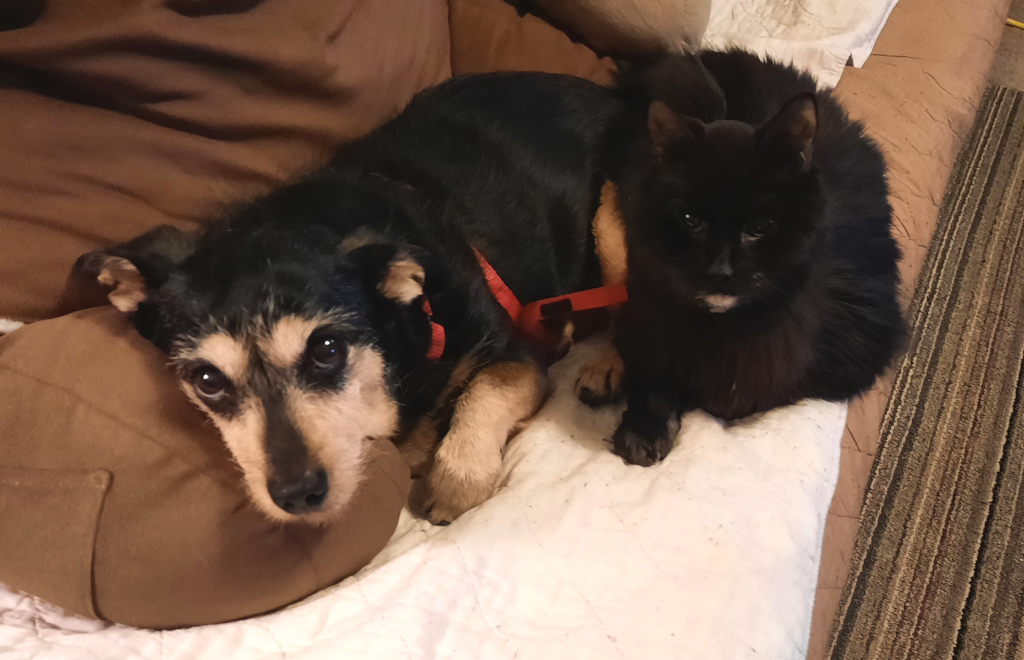 Chocolate, coffee, caffeine, alcohol, grapes, raisins, currants, onions, garlic, chives, leeks, macadamia nuts, xylitol, and unbaked yeast dough should be kept away from pets. Many seasoned dishes contain several unsafe ingredients at once. Onion and garlic powders count too.
Grapes and raisins are especially frightening because the amount that causes severe kidney injury in a dog can be unpredictable. They should never be used as treats.
Chocolate toxicity varies with the type of chocolate, the amount eaten, and the pet’s size. Dark chocolate and baking chocolate are generally more dangerous than milk chocolate, but no chocolate should be treated as pet-safe.
Fatty scraps, poultry skin, gravy, fried foods, and rich casseroles may not be classified as poisons, yet they can still trigger vomiting, diarrhea, abdominal pain, or pancreatitis. Salty foods are also poor choices. Trash, compost, skewers, foil, string, corn cobs, and food wrappers create separate hazards after the meal is over.
Senior and Diabetic Pets Need Their Own Rules
A food can be generally safe and still be wrong for one particular pet. That is the part broad food lists cannot decide for us. A dog with kidney disease may have dietary limits involving protein, phosphorus, sodium, or other nutrients. A pet with heart disease may need tighter sodium control. A diabetic cat benefits from consistency in food amount, type, and timing. A pet with pancreatitis may become ill after fatty food that another animal tolerates.
Senior pets may also chew less effectively, swallow differently, drink less, or develop a more sensitive stomach. Their treats should match their present condition, not the appetite and digestion they had five years ago. Introduce only one new food at a time. Keep the first portion very small. Watch for vomiting, diarrhea, itching, facial swelling, unusual tiredness, appetite loss, abdominal discomfort, coughing, gagging, or trouble passing stool. Stop offering the food if anything seems wrong.
Make Sharing Intentional
The safest shared bite usually comes from an ingredient rather than a finished dish. Set aside a small piece of chicken before adding seasoning. Save a plain green bean before making the casserole. Cut one blueberry in half for a tiny dog instead of handing over part of a muffin.
It also helps to create a household rule. One person handles treats, or every shared bite goes into a small bowl first. That prevents a pet from receiving chicken from one person, cheese from another, and several pieces of fruit from the children before dinner has even ended.
Treats should be placed in the pet’s bowl or offered calmly rather than tossed from the table. Feeding from the table can teach some pets to beg, paw, bark, climb, or steal. Sharing should feel peaceful, not like defending a plate from a furry bandit.
Act Quickly After a Mistake
Accidents happen. A dog opens a bag, a cat licks a sauce, or a guest shares something without asking. Do not wait for symptoms if the food may be poisonous.
Remove the remaining food, save the package or ingredient list, and estimate how much was eaten and when. Contact your veterinarian, an emergency veterinary hospital, ASPCA Animal Poison Control at 888-426-4435, or Pet Poison Helpline at 855-764-7661. Fees may apply. Do not induce vomiting or give a home remedy unless a veterinary professional specifically directs you to do so.