

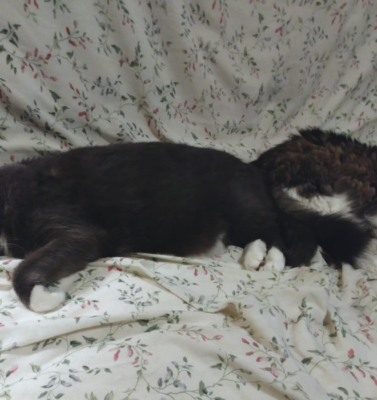
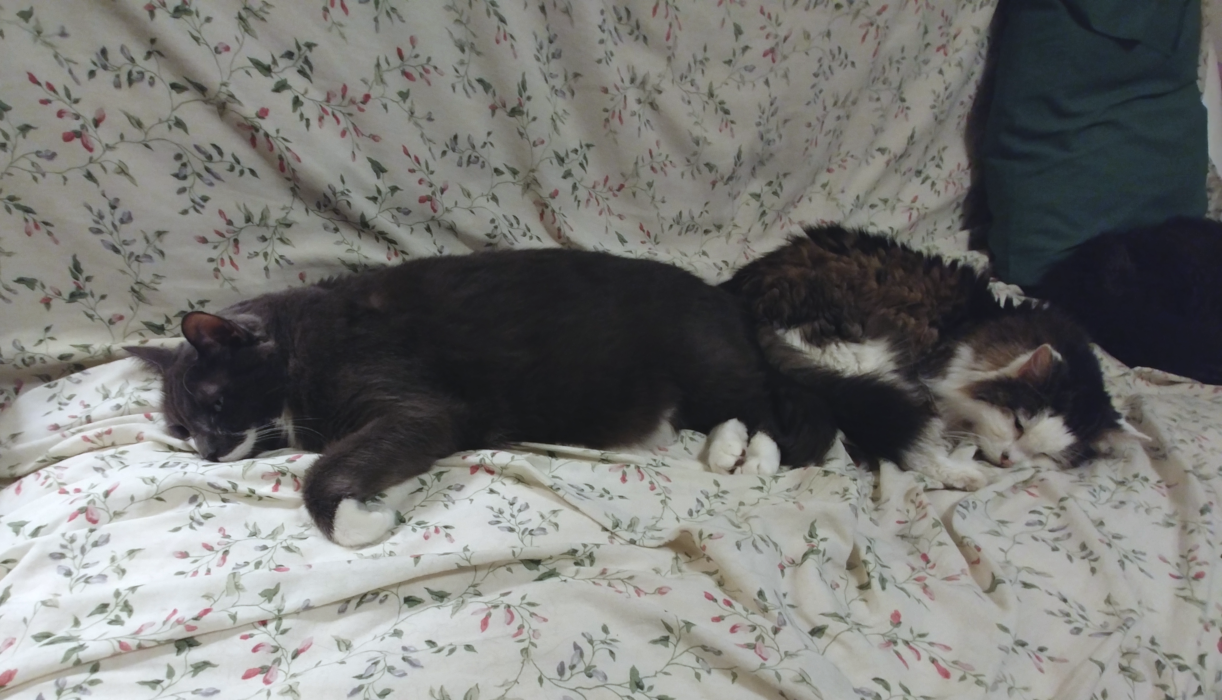
A small home can be a wonderful place for an aging pet. Everything they need is nearby, familiar smells surround them, and their favorite person is rarely far away. Senior-friendly living is not about having a large house filled with expensive equipment. It is about arranging the space you already have so your dog or cat can move, rest, eat, drink, and use the bathroom with less effort.
Older pets often become very good at hiding discomfort. They may still reach the couch, but hesitate before jumping. They may still cross the kitchen, but walk stiffly across the slick floor. A cat may continue using the litter box while quietly struggling to climb over its high side. These small changes deserve attention.
We learned through years of caring for senior cats that comfort often comes from ordinary adjustments. A rug placed in the right spot can matter more than a fancy pet bed. Moving a water bowl six feet closer can help a cat drink more often. Clearing one dependable walking path can give an older dog confidence in a crowded room. Small changes count.
See the Home From Their Height
 People tend to judge a room from an upright position. Our pets experience that same room from several inches above the floor. Chair legs become obstacles. Electrical cords cross walking routes. Slippery flooring stretches from one safe surface to another. Food bowls may sit beside noisy appliances, while litter boxes may be tucked into corners that require tight turns.
Spend a few minutes watching your pet without directing them. Notice how they rise from bed, where they pause, and which paths they choose. Look for hesitation before stepping onto tile, turning around, entering a litter box, or approaching a feeding station.
A senior pet may avoid part of the home because the route has become difficult. That behavior is sometimes mistaken for laziness, stubbornness, or confusion. Pain, weakness, poor vision, and reduced balance can all change how a pet moves through familiar surroundings. Sudden changes in movement, bathroom habits, appetite, thirst, sleep, or behavior should be discussed with a veterinarian rather than blamed on normal aging.
In a small home, there may not be room to create separate pet areas. That is fine. The goal is to make essential resources easy to reach without forcing your pet through a miniature obstacle course.
Build One Safe Main Route
A senior pet does not need open access to every square foot of the home. They need a dependable route between the places that matter most. That route usually connects their bed, food, water, bathroom area, and favorite family resting spot. For a dog, it may continue to the door used for potty breaks. For a cat, it may include a sunny window, scratching surface, or low perch.
Clear clutter from this path. Move shoes, bags, small stools, baskets, and unstable objects away from the walking area. Tape down loose cords or run them behind furniture. Avoid changing the layout frequently, especially if your pet has poor vision or seems easily confused.
Furniture does not have to be pushed against every wall. Sometimes shifting a coffee table a few inches creates enough turning space for a stiff dog. Moving a storage basket may let a cat approach the litter box without squeezing through a narrow gap. Once the route works, keep it consistent. Familiarity helps older pets feel secure.
Add Traction Without Covering the Entire Floor
 Hardwood, laminate, vinyl, and tile are easy for people to clean, but they can be difficult for older animals. A pet with arthritis or weak back legs may tense their body while walking across a slick surface. That tension can make movement more tiring and may increase their fear of falling.
Full carpeting is rarely practical, especially in a rental or small apartment. Runners, washable mats, yoga mats, and non-slip area rugs can create safe islands and walking lanes. Veterinary guidance commonly recommends secure rugs or mats for senior pets with mobility problems. Raised corners and sliding rugs should be avoided because they create additional tripping hazards.
Place traction where your pet needs to push, turn, land, or stand still. Good locations include:
- Beside the bed
- In front of food and water bowls
- Around the litter box
- Near the couch or chair
- Along the path to the door
- At the bottom of pet steps or a ramp
The mat does not need to match the room. It needs to stay put. Rugs with rubber backing often work well, but check them regularly. Backing can weaken after repeated washing. Rug tape or an appropriate non-slip pad may help, provided it does not damage your flooring.
Keep nails trimmed and paw fur tidy when appropriate for your pet. Long nails and excess fur between paw pads may reduce grip. Ask a groomer or veterinary professional for help if trimming has become stressful or difficult.
Choose Beds for Access, Not Appearance
A thick, soft bed may look comfortable while being difficult for an arthritic pet to enter. Deep sides can become walls. Loose stuffing can shift under weak legs. A tall bed may require more effort than an older animal can manage safely.
Look for a bed with a low entrance, stable base, and enough support to keep your pet from sinking deeply. It should be large enough for them to change positions without rolling off. Washable covers are especially helpful for pets experiencing incontinence, drooling, vomiting, or other age-related accidents.
Placement matters as much as design. Senior pets often want warmth and companionship, but they also need uninterrupted rest. A bed tucked beside your chair may be better than one placed in an isolated room. Avoid cold drafts, direct blasts from heating vents, and busy walkways where people might step over the pet.
Small homes benefit from beds that serve more than one purpose. A supportive mat can slide under a table when not in use. A washable blanket can create a resting spot on a low couch. A flat bed can fit beneath a desk, allowing your pet to stay near you without lying where your chair rolls.
Dogs and cats may need more than one resting option, but that does not always mean buying several beds. Folded blankets and padded mats can provide affordable secondary spots.
Make Food and Water Easy to Reach
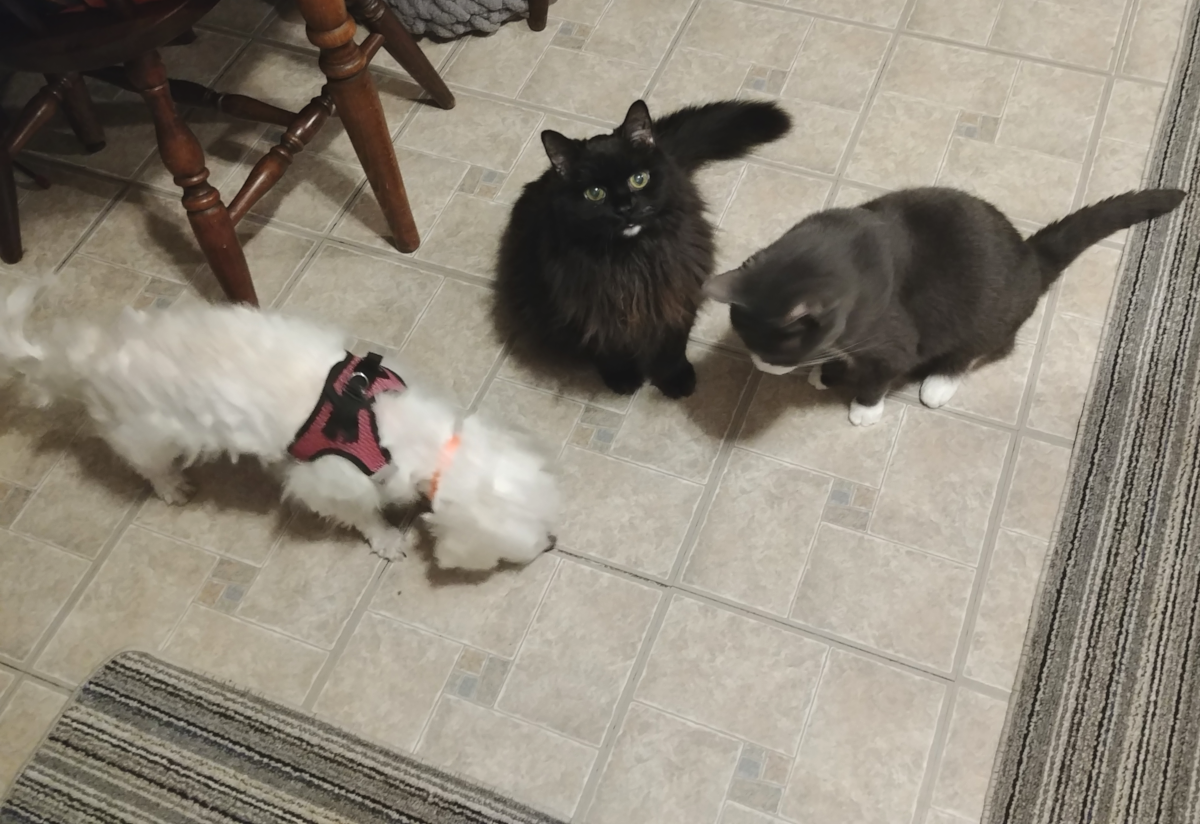 Older pets may eat or drink less when reaching the bowls becomes uncomfortable. A cat with sore joints may not want to cross the home repeatedly. A dog with neck or back discomfort may struggle with a bowl that slides across the floor.
Place bowls on a secure mat so they stay in position. Use wide, stable dishes that are difficult to tip. Some pets are more comfortable with bowls raised slightly, while others do better eating from floor level. The right height depends on the individual pet and any medical or mobility concerns, so discuss major feeding changes with your veterinarian.
In a studio apartment or tight kitchen, separate feeding stations may seem impossible. Distance is less important than calm access. Keep bowls away from swinging doors, busy foot traffic, and appliances that suddenly make noise.
Cats often benefit from more than one water location. A second bowl near a favorite sleeping area takes little room and may spare an older cat several unnecessary trips. Water should remain fresh, and the dish should be cleaned regularly.
Diabetic pets need an especially consistent routine. Meals, insulin, glucose readings, appetite, water intake, and unusual behavior can become difficult to remember during a busy day. BellenPaws offers a free online pet diabetes tracker that can produce printable charts and tables for veterinary visits. We also provide printable blank glucose curve forms for pet parents who prefer recording readings by hand.
Improve Litter Box Access
A senior cat may stop using the litter box correctly because entering it hurts. High sides, cramped covered boxes, stairs, distant placement, and slippery flooring can all create problems.
Cornell’s feline health guidance recommends lower-sided boxes for elderly cats and cats with mobility difficulties. Many cats also prefer simple, uncovered boxes with unscented litter.
A low entrance can make a dramatic difference. Commercial senior litter boxes are available, but some pet parents carefully modify a sturdy plastic container by cutting a lower doorway and smoothing every edge. The box must remain stable and large enough for the cat to turn around comfortably.
Place a non-slip mat outside the entrance. Avoid pushing the box into a tight corner where the cat has only one way in or out. A nervous or visually impaired cat may feel trapped if another pet can block the doorway.
Small homes make the usual recommendation of one box per cat plus one extra difficult. Space does matter. Still, do as much as you reasonably can. Two compact, accessible boxes in separate locations may work better than one large box hidden in an inconvenient closet.
An accident outside the box should never be treated as spite. Clean the area, observe what happened, and look for physical or environmental causes. A sudden change in litter habits can be connected to pain or illness and deserves veterinary attention.
Reduce Jumping Without Taking Away Favorite Places
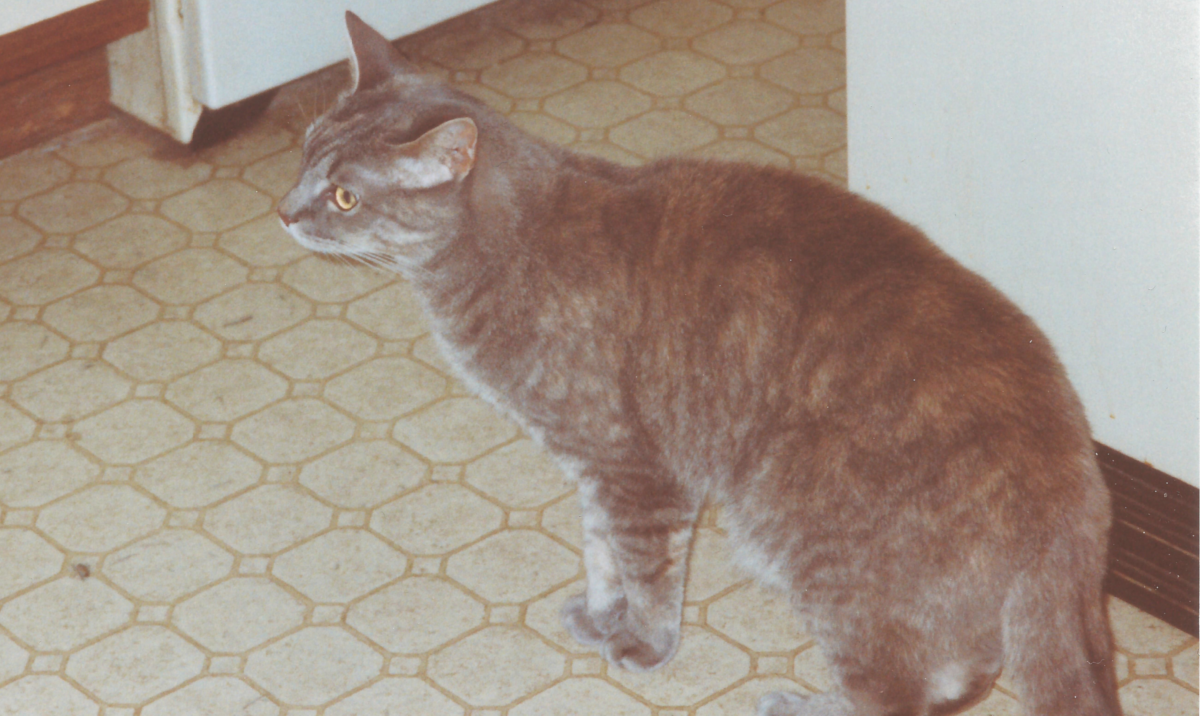 Senior pets still want access to the couch, bed, window, and familiar places they have enjoyed for years. Blocking those places without offering another option can leave them frustrated and isolated.
Pet stairs can fit into a small footprint, but they are not right for every animal. Narrow, steep, or unstable steps may be harder than the jump itself. Ramps usually require more floor space, yet a gradual, secure incline may be easier for pets with significant joint or back problems. AAHA senior-care guidance includes ramps, accessible bedding, traction surfaces, and thoughtful placement of home accessories among the modifications that may support mobility and quality of life.
Measure the available area before buying anything. Check the product’s weight limit, width, incline, surface grip, and stability. A folding ramp that shifts under a pet is not safe simply because it saves space.
Cats may accept a series of low, stable platforms more readily than a long ramp. A sturdy ottoman, secured footstool, or low bench can create an easier path to a favorite chair. Every surface must stay steady under the cat’s weight.
Introduce ramps and steps slowly. Place them flat at first if possible, allow sniffing, and reward calm investigation. Never drag or force a frightened pet across unfamiliar equipment.
Protect Pets With Reduced Vision or Hearing
A blind or partially sighted pet can live happily in a small home, especially when the layout stays predictable. Cybil taught us how much confidence a pet can gain from memory and consistency. Sudden furniture changes, open cabinet doors, and objects left in walking routes can turn a familiar room into a confusing one.
Use texture to mark locations. A certain mat can signal the water area. Another surface can identify the litter box or door. Keep bowls and beds in the same places. Block access to open stairways, balconies, and other fall hazards.
Nightlights may help pets with limited vision move through darker rooms. Avoid harsh glare where possible. A lamp placed near the main walking route can provide enough contrast without flooding the entire home with light.
Pets with hearing loss may startle when touched unexpectedly. Approach where they can see you. Create gentle floor vibrations by stepping nearby before reaching down. Household members should avoid waking a deaf pet with sudden contact near the face.
Create Quiet Without Creating Isolation
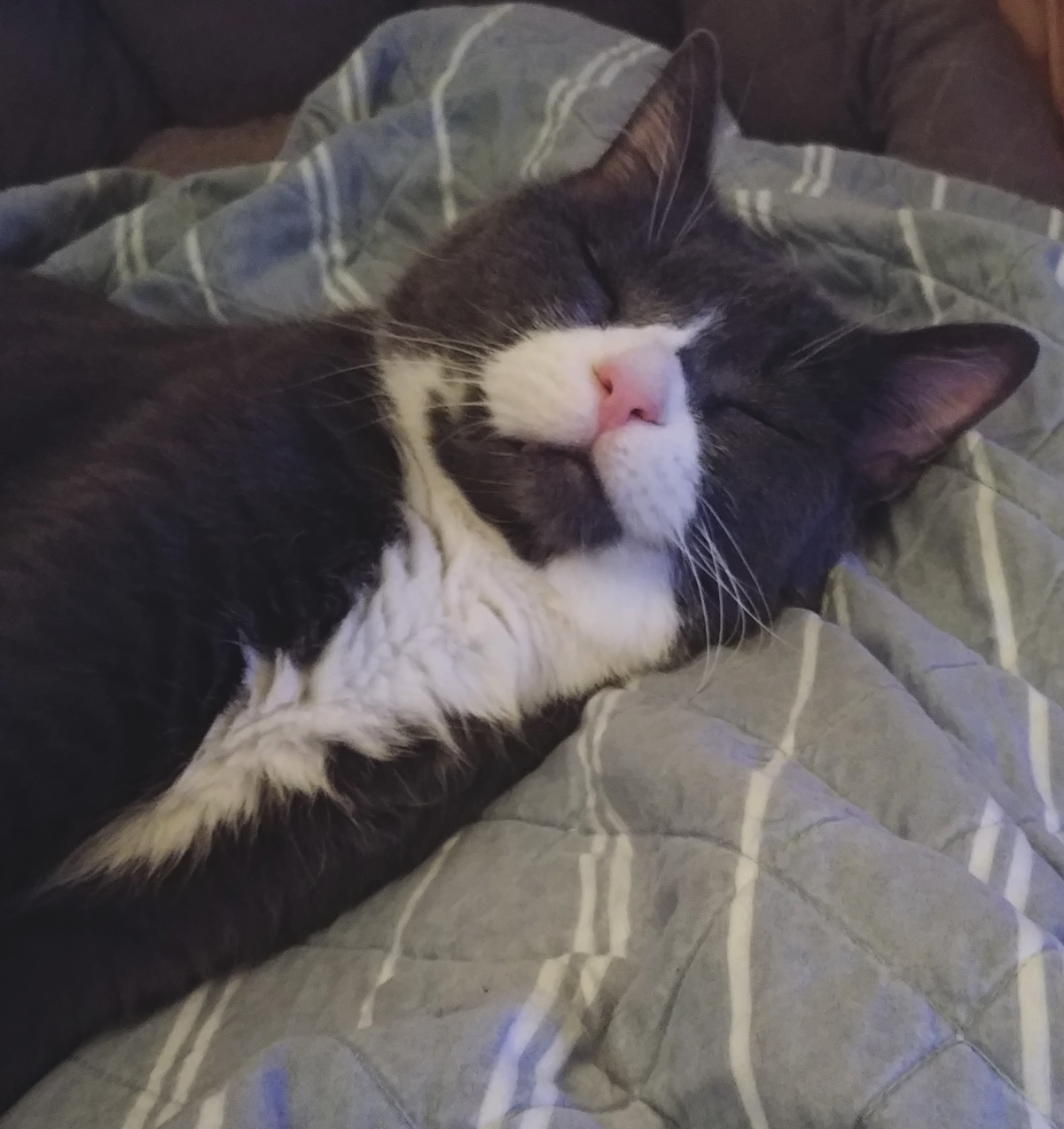 Small homes do not offer many private rooms, but senior pets still need a place to retreat. A covered crate with the door secured open, a bed beneath a side table, or a quiet corner behind a chair can provide shelter from noise and activity.
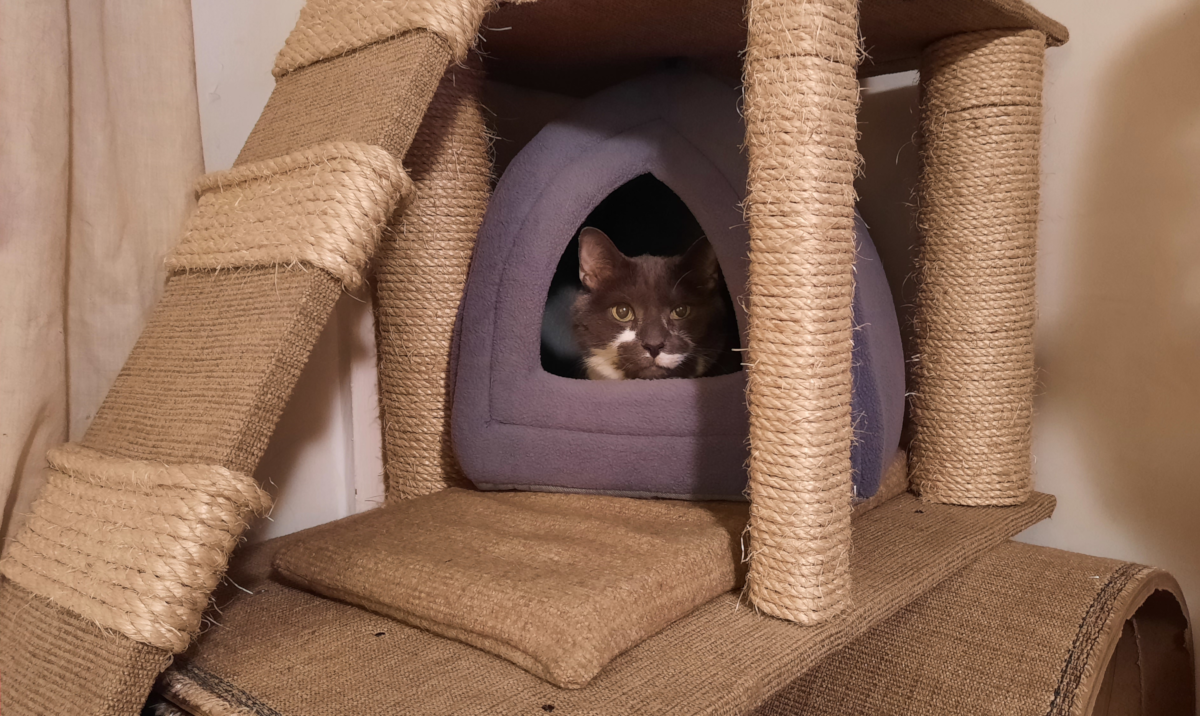
Cats often seek height, but senior cats may no longer be able to reach traditional cat trees safely. Low window platforms and short, broad climbing levels can preserve that sense of security. A scratching surface can be mounted horizontally or placed at a gentle angle for cats that struggle to stretch upright.
For pet parents building a compact scratching post, BellenPaws has a free rope length calculator that helps estimate how much rope is needed for the project. A short, stable post may suit a senior cat better than a tall tower that takes up half the room.
Keep retreat areas away from speakers, slamming doors, and appliances that cycle on suddenly. Family members and visitors should leave the pet alone when they choose that space.
Keep Daily Care Supplies Together
A small home becomes cluttered quickly when medications, syringes, testing supplies, grooming tools, cleaning products, and veterinary paperwork are scattered across several surfaces. Choose one secure storage location that pets and children cannot access. A labeled drawer, lidded container, or narrow rolling cart can hold daily supplies without consuming much floor space. Keep insulin stored according to veterinary and manufacturer instructions, and separate medications clearly to reduce the chance of a dosing mistake.
For diabetic pets like Bentley, who receives insulin twice each day, routine matters. Testing supplies, treats, records, and disposal containers are easier to manage when each item has a permanent place. The setup does not need to look clinical. It needs to work reliably at feeding and injection time.
Store emergency contact numbers with the supplies. Include the regular veterinary clinic, nearest emergency hospital, medication names, doses, feeding instructions, and any special handling information. This is useful when someone else must care for your pet unexpectedly.
Review the Space as Your Pet Changes
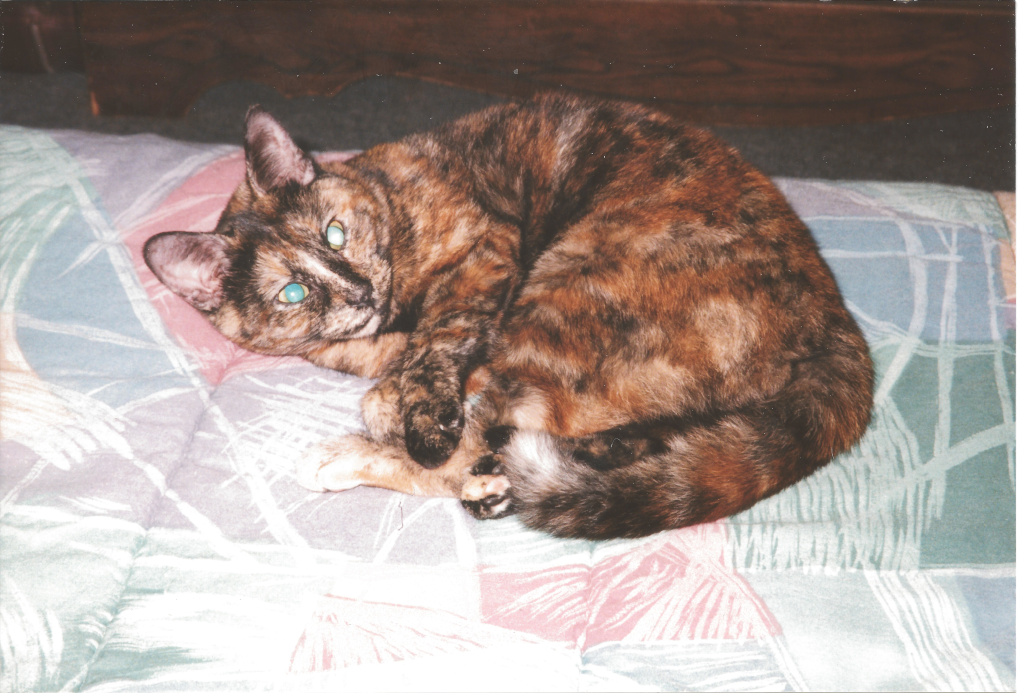 A senior-friendly setup is not permanent. A pet who manages a small step today may need a ramp later. A cat who reaches the water bowl easily this month may benefit from a closer bowl after an illness. A dog who sleeps on the couch may eventually prefer a supportive bed on the floor.
Watch for slower rising, trembling legs, missed jumps, pacing, nighttime restlessness, accidents, hesitation near bowls, or withdrawal from family activity. These signs may point to pain, illness, sensory loss, or cognitive changes rather than a simple preference.
Our cat and dog human-age calculators can help pet parents place their companion’s age into a more familiar perspective, but the calendar only tells part of the story. Two pets of the same age may have very different abilities. Their environment should be shaped around the animal standing in front of you, not around what a pet of that age is expected to do.
A clear walking lane, a stable mat, a lower litter box, and a bed placed close to the family may occupy very little room. For an aging pet, those few carefully chosen feet of space can become the safest part of their world.