

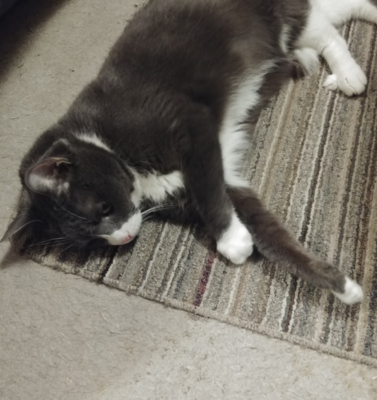
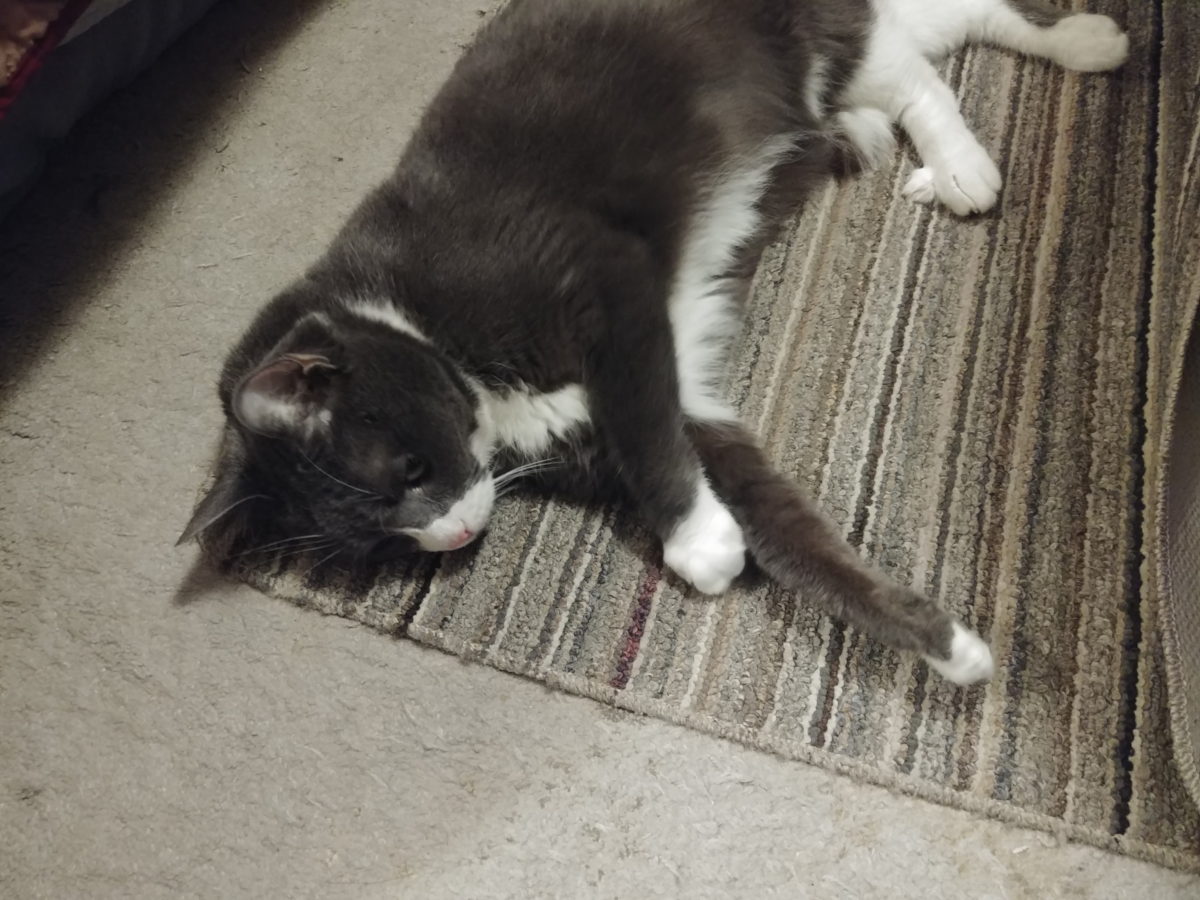
Senior care usually does not begin with a dramatic diagnosis. More often, it begins with smaller things: a dog who pauses before climbing the stairs, a cat who sleeps in a different spot because the old favorite is harder to reach, a little more thirst, a little less grooming, or a gradual change in weight that is easy to miss when you see your pet every day.
After more than 35 years of caring for dogs and cats through ordinary aging and complicated medical problems, one lesson has stayed consistent for us: preparation makes the senior years easier to manage. A good senior-pet checklist is not about assuming illness is coming. It is about creating a baseline, noticing meaningful changes earlier, making the home easier to live in, and having enough information to make veterinary conversations more productive.
Start by Knowing What “Senior” Means for Your Pet
There is no single birthday when every dog or cat suddenly becomes senior. Current American Animal Hospital Association guidance defines senior dogs by the final 25 percent of their estimated lifespan, while cats older than 10 years are generally considered senior. Breed, body size, genetics, health history, and individual aging all affect how quickly those changes appear.
That matters because a giant-breed dog may begin showing age-related needs much earlier than a small dog, while two cats of the same age can function very differently. The BellenPaws dog and cat human-age calculators can be useful for putting age into perspective, but the number is only a starting point. What matters more at home is how your pet is moving, eating, drinking, sleeping, grooming, eliminating, interacting, and maintaining weight from month to month.
Put Senior Veterinary Visits on the Calendar Before Problems Appear
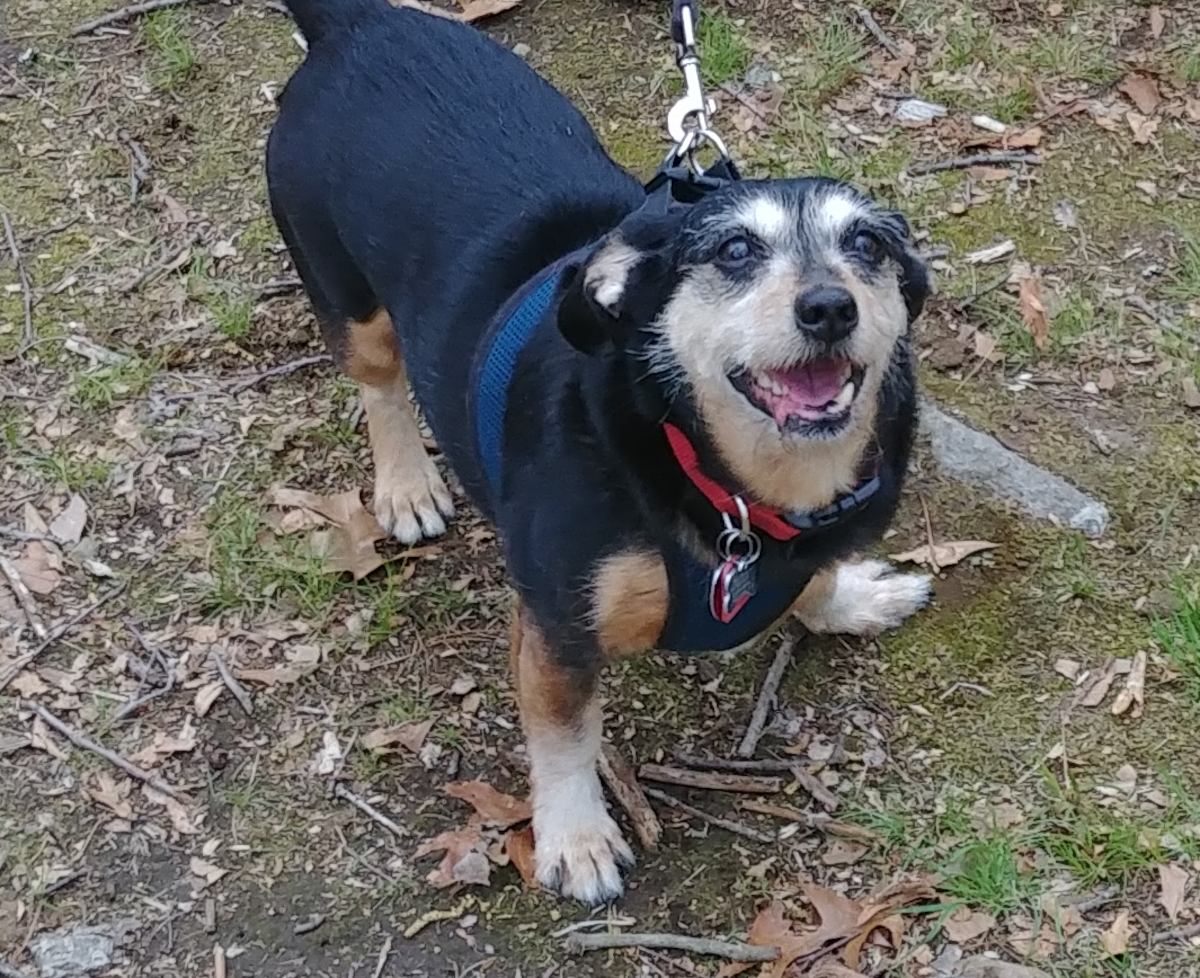 A senior appointment should be more than a quick vaccine visit. AAHA’s senior-care recommendations emphasize a detailed history and physical examination that considers eating and drinking, exercise, movement, play, elimination, attitude, grooming, vision, hearing, medications, supplements, and changes in the home.
For apparently healthy senior dogs and cats, AAHA recommends a complete blood count, blood chemistry panel, and urinalysis every 6 to 12 months. Its senior-care table also recommends annual thyroid testing and blood-pressure screening, with blood pressure strongly recommended annually for cats and every 6 to 12 months in healthy geriatric cats. These are general screening recommendations, not a substitute for an individual plan, so your veterinarian may suggest a different schedule based on species, breed, previous results, medications, or existing disease.
One of the most useful things we have learned is to stop thinking of lab work as something ordered only after a pet looks sick. Baseline results give the veterinarian something to compare against later. A value that is technically inside a laboratory reference range may still be meaningful if it has shifted steadily from that animal’s previous pattern, which is one reason keeping copies of test results can be so helpful.
Track the Small Changes You See at Home
Veterinary staff see a senior pet for a short part of the year. We see the rest: the water bowl, litter box, stairs, food dish, sleeping habits, play routines, and all the little behaviors that can change long before an appointment.
AAHA specifically encourages gathering a detailed history because changes in eating, drinking, movement, elimination, grooming, attitude, vision, and hearing may provide useful medical context. You do not need a complicated spreadsheet for a generally healthy pet, but a dated notebook or simple digital log can make patterns much easier to recognize.
Useful things to record include weight, appetite, water consumption changes, vomiting, stool changes, urinary habits, coughing, breathing changes, mobility, falls, sleep disruption, new vocalization, grooming changes, hiding, confusion, and changes in social behavior. For a pet with a diagnosed condition, the record can become more detailed. In a diabetic cat, for example, food intake, insulin timing, blood-glucose readings, and glucose curves may all matter, and our BellenPaws diabetes tracker and printable glucose forms were built around the kind of record keeping we have found useful in real life.
Watch Weight and Muscle, Not Just the Number on the Scale
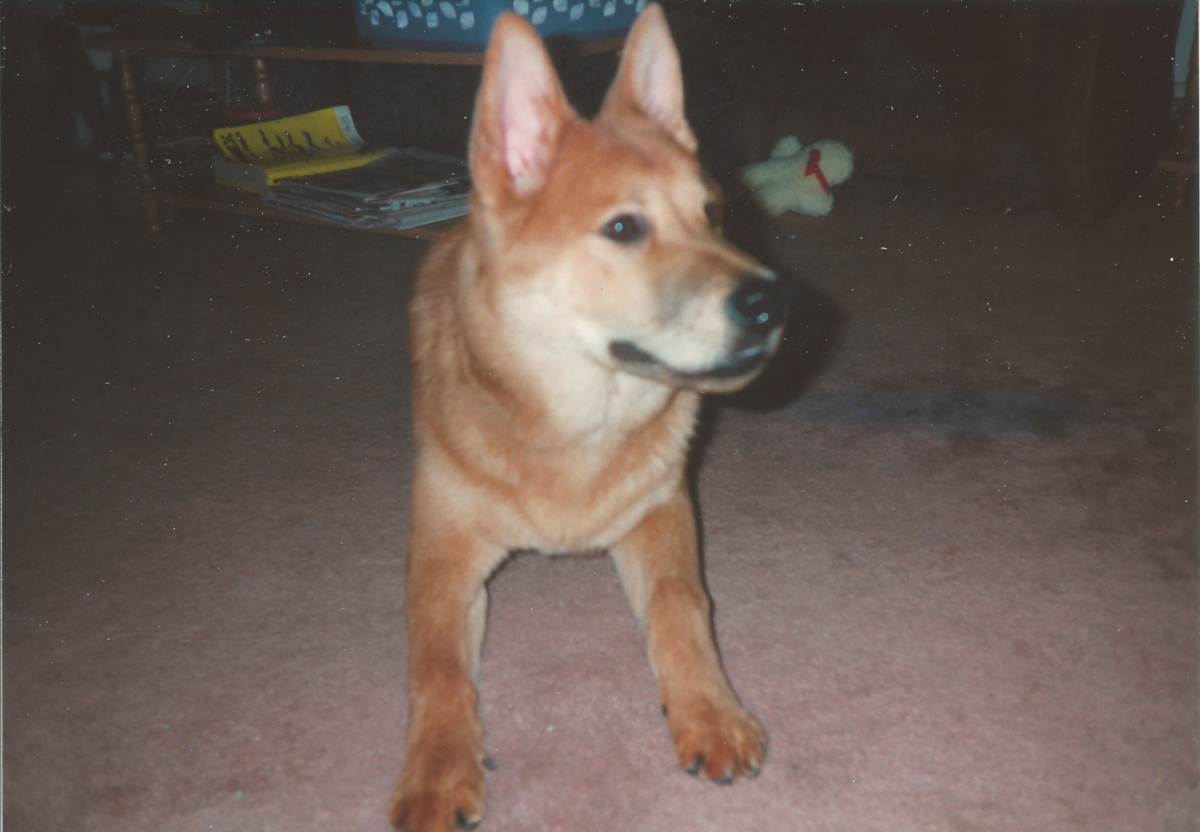 Weight can tell only part of the story in an older animal. A senior pet can stay close to the same weight while losing muscle and gaining fat, especially when activity changes. AAHA recommends assessing both body condition and muscle condition because older dogs and cats can experience age-related loss of lean body mass, and unexplained weight or muscle loss can also accompany disease.
Get into the habit of looking at your pet from above and from the side, and gently feeling along the spine, shoulders, hips, and ribs. If the backbone or hip bones seem more prominent, the thighs look thinner, or a previously stable pet is steadily gaining or losing weight, bring that change to your veterinarian rather than assuming it is simply age.
Diet should also be individualized instead of changed merely because a bag says “senior.” Older pets can have very different calorie and nutrient needs, and those needs may change again with kidney disease, diabetes, obesity, gastrointestinal disease, dental pain, or other medical conditions. AAHA notes that senior nutrition requirements vary and that healthy older cats, in particular, may need help maintaining adequate muscle and body weight.
Make Mobility Easier Before Your Pet Starts Struggling
Some of the best senior-care changes are surprisingly simple. Nonslip rugs over slick floors, a stable ramp to a favorite couch, a lower-entry litter box, an extra water station, a supportive bed, or moving daily necessities onto one floor can remove a lot of unnecessary physical effort.
Changes in mobility should not automatically be written off as normal aging. Stiffness, hesitation before jumping, difficulty rising, decreased grooming, altered posture, irritability, and reluctance to use stairs can be associated with arthritis or other pain. AAHA advises owners to watch for these subtle behavior and movement changes, and its senior-care guidance notes that home videos can help veterinarians evaluate movement over time.
Take occasional short videos of your dog walking, getting up from bed, and using stairs, or of your cat jumping onto a familiar surface. These clips are often more representative than what happens in an exam room, where excitement, fear, adrenaline, or unfamiliar flooring can change how an animal moves.
Keep Dental Care on the Senior Checklist
Older pets still need their mouths examined. Bad breath, red or swollen gums, visible tartar, broken teeth, bleeding, dropping food, chewing on one side, or reluctance to eat harder food deserve veterinary attention because dental disease can be painful and can interfere with eating.
Age alone does not tell you whether a dental procedure or anesthesia is appropriate. Senior animals need an individualized risk assessment that considers their physical exam, medical history, laboratory findings, heart and lung status, medications, and the procedure being considered. If dental work is recommended, ask what pre-anesthetic testing is planned, how your pet will be monitored, how pain will be controlled, and what recovery should look like at home.
Pay Attention to Hearing, Vision, Sleep, and Behavior
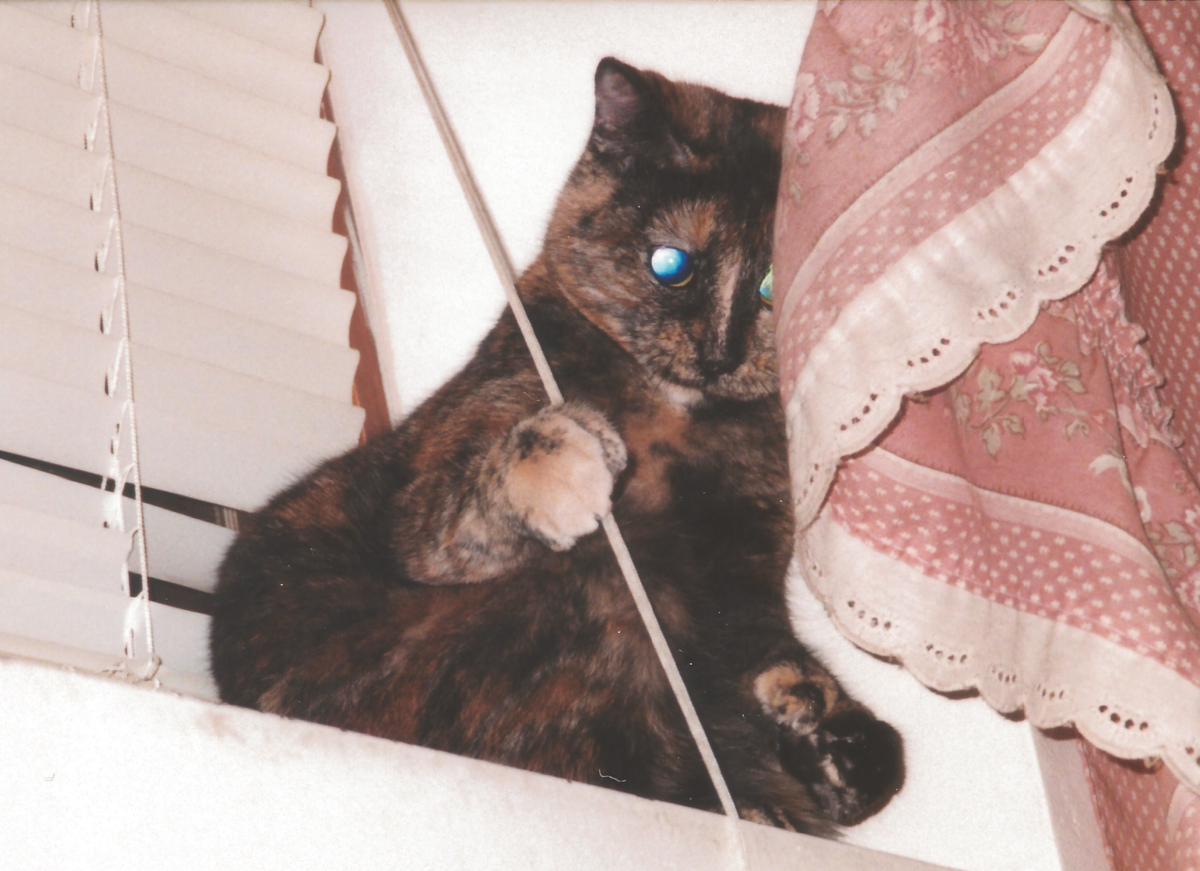 Aging can change how a pet experiences the house. A dog with reduced vision may hesitate in dim hallways, while a cat with hearing loss may startle when touched unexpectedly. Keeping furniture arrangements predictable, adding night lights, blocking unsafe stairs or pools, and approaching a hearing-impaired pet where they can see you can make daily life less stressful. AAHA includes reduced hearing and vision among the reasons to identify household hazards for senior animals.
Behavior changes also deserve the same attention as physical ones. Night waking, disorientation, altered social interaction, house soiling, anxiety, staring, changed sleep patterns, or getting stuck in familiar spaces can occur with cognitive dysfunction, but similar behaviors can also occur with pain, sensory loss, urinary disease, endocrine disorders, neurologic problems, or other medical conditions. A veterinarian needs to sort through those possibilities rather than having an owner assume that a pet is “just getting senile.”
Build a Medication and Medical-Records System
Senior pets often accumulate medications, supplements, special diets, prescription foods, and instructions from more than one veterinary professional. Keep an up-to-date list with the product name, strength, amount given, schedule, prescribing veterinarian, and reason it was prescribed. Bring that list to appointments, along with any supplements, over-the-counter products, creams, oils, or other products your pet receives, because veterinary guidance specifically calls for reviewing them when assessing senior patients.
We also recommend keeping copies of laboratory results, imaging reports, medication changes, diagnoses, vaccine history, and discharge instructions in one place. For households with more than one person providing care, a written medication chart can prevent missed doses or accidental double dosing. Never change a prescription drug or insulin dose based only on something read online; medication changes belong in a discussion with the veterinarian who knows the animal and the current treatment plan.
Prepare the House for a Less Mobile Pet
 Senior-proofing the home works best when it happens gradually. Waiting until a pet can no longer reach the litter box, slips repeatedly on the kitchen floor, or cannot climb onto a favorite sleeping spot turns a manageable adjustment into a stressful problem.
Walk through the house from your pet’s point of view. Check traction, stairs, access to food and water, litter-box height, sleeping areas, nighttime lighting, temperature, outdoor steps, and places where a weak or visually impaired animal could fall. AAHA’s senior-care guidance specifically mentions ramps, suitable litter boxes, rugs or yoga mats for traction, supportive harnesses, appropriate bedding, and protection from hazards such as stairs and pools.
For cats, do not assume that abandoning a high perch means they no longer like it. A small step, intermediate platform, or lower version of the same resting area may restore access. For dogs, shorter and more frequent outings may become easier than one long walk, but any exercise change should reflect the dog’s medical condition and veterinary guidance.
Have an Emergency Plan Before You Need One
A senior checklist should include practical information for the bad night you hope never comes. Save the phone numbers and addresses for your regular veterinarian and nearest emergency clinic, know how you would transport a large or weak pet, and keep a current medication list where another family member can find it.
Sudden collapse, marked difficulty breathing, ongoing seizures, severe uncontrolled bleeding, or an inability to urinate are examples of signs that should prompt immediate veterinary assessment rather than waiting for a routine appointment. Other changes, such as a gradual appetite decline, increased thirst, new accidents, stiffness, or slow weight loss, may not require an emergency visit but still deserve timely discussion. The point is not to treat every change as a crisis; it is to know in advance which situations should not wait.
Keep Quality of Life in the Conversation While Life Is Still Good
Quality-of-life discussions are not only for a pet’s final days. They can help identify fixable problems much earlier, including pain, poor mobility, trouble eating, dehydration, hygiene difficulties, sleep disruption, or loss of access to favorite activities. AAHA describes quality-of-life assessment as a way to look at comfort, appetite, hydration, hygiene, mobility, engagement, elimination, and the balance of good days and difficult ones.
A simple monthly note can be enough: what your pet still enjoys, what has become harder, and what seems to be improving or worsening. That record gives you and your veterinarian something concrete to discuss if chronic illness progresses, and it reduces the pressure of trying to remember several months of changes during an emotional appointment.
The Senior Pet Checklist to Keep Handy
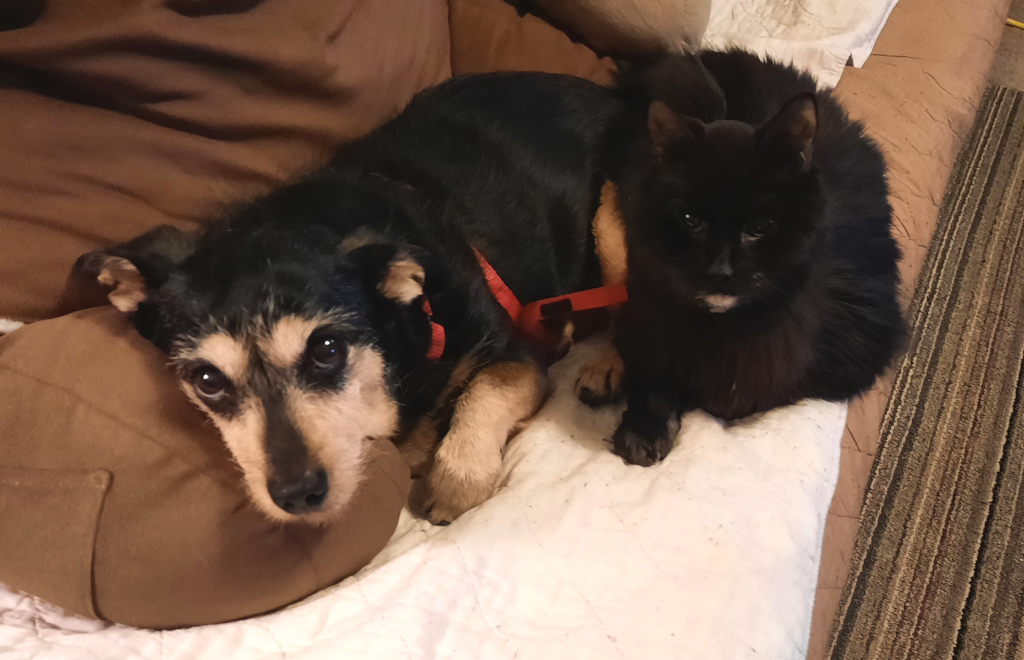 A practical senior-care routine can be reduced to a few repeatable habits once the larger plan is in place. Keeping the list short enough to review regularly makes it more useful than a complicated system that gets ignored.
- Schedule senior veterinary examinations and ask your veterinarian what screening interval fits your pet.
- Keep copies of bloodwork, urinalysis results, blood-pressure readings, imaging reports, and medication changes.
- Record changes in appetite, thirst, weight, elimination, mobility, sleep, grooming, and behavior.
- Check body condition and muscle condition regularly, not just the number on the scale.
- Make slippery floors, stairs, litter boxes, beds, food, and water easier to access.
- Keep dental examinations and oral pain on the care plan.
- Review every prescription, supplement, and over-the-counter product with your veterinary team.
- Save emergency-clinic information and have a transportation plan for a weak or injured pet.
- Revisit diet and exercise as health, weight, mobility, and medical needs change.
- Make quality of life part of routine care, rather than waiting until a major medical decision forces the conversation.
The golden years can involve more appointments, more observation, and more adjustments around the house, but they can also contain long stretches of perfectly ordinary life. A senior dog may still light up for a slow walk around the block, and an older cat may still insist on the same sunny window, only with a step stool added underneath. Good preparation helps preserve those ordinary routines for as long as they remain comfortable, and that is often where senior care does its best work.