

A diabetes diagnosis changes many parts of daily life with a pet. Meals become scheduled. Insulin has to be measured carefully. Blood glucose readings start appearing on calendars, notebooks, spreadsheets, and refrigerator doors. Even the smallest changes in appetite can suddenly feel significant.
Then there are treats. Many pet parents assume treats must disappear completely once a dog or cat is diagnosed with diabetes. That reaction makes sense. We know food affects blood sugar, and we do not want to undo all the hard work that goes into keeping our pets stable.
Still, a diabetic pet does not have to live without every little food reward they enjoy. Treats can remain part of life, but they need to be chosen thoughtfully, given in small portions, and worked into the pet’s normal feeding routine. The goal is not deprivation. The goal is consistency.
Treats Are More Than Extra Food
 Treats play several roles in a pet’s life. They help with training, reward cooperation, encourage exercise, and create positive associations with care routines. They are also part of the emotional bond we share with our pets.
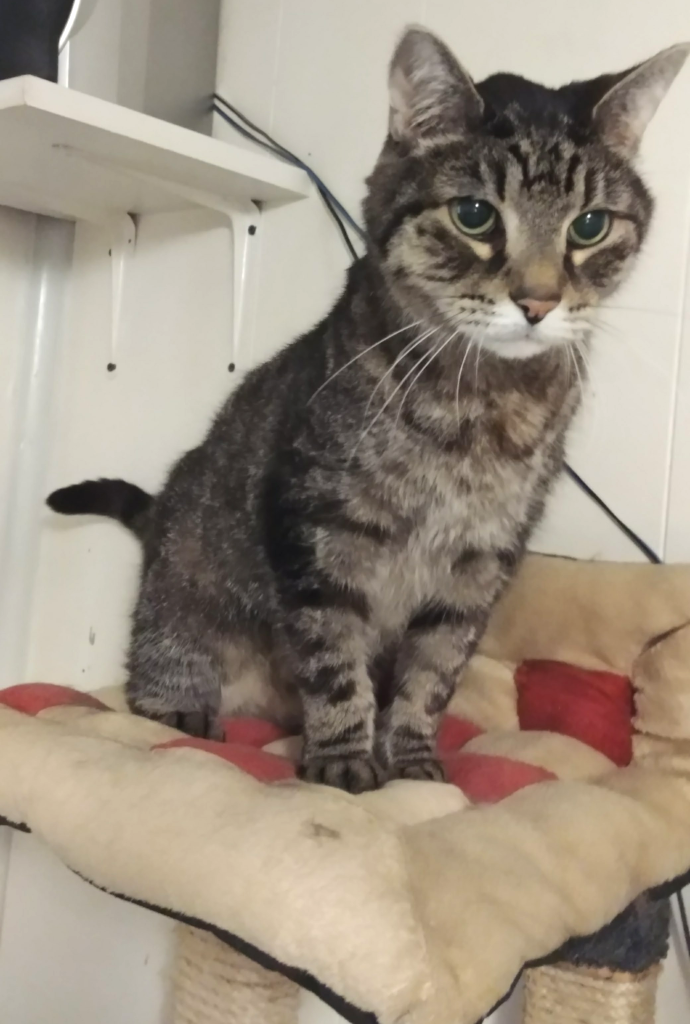
A diabetic cat may receive a small bite after a blood glucose test. A diabetic dog may earn a reward for sitting calmly during an insulin injection. Some pets simply expect their familiar bedtime treat and will remind the entire household if it is late. These moments matter.
Living with diabetes already introduces needles, testing equipment, meal schedules, and more veterinary visits. A carefully selected treat can help make those experiences feel less frightening. It gives the pet something pleasant to expect after cooperating with a task they may not particularly enjoy.
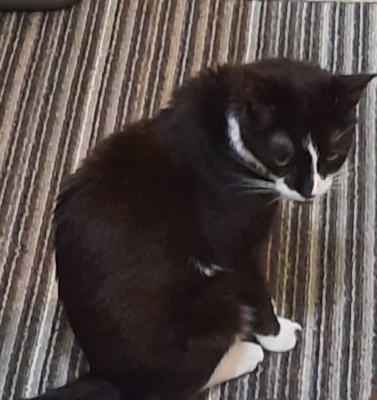
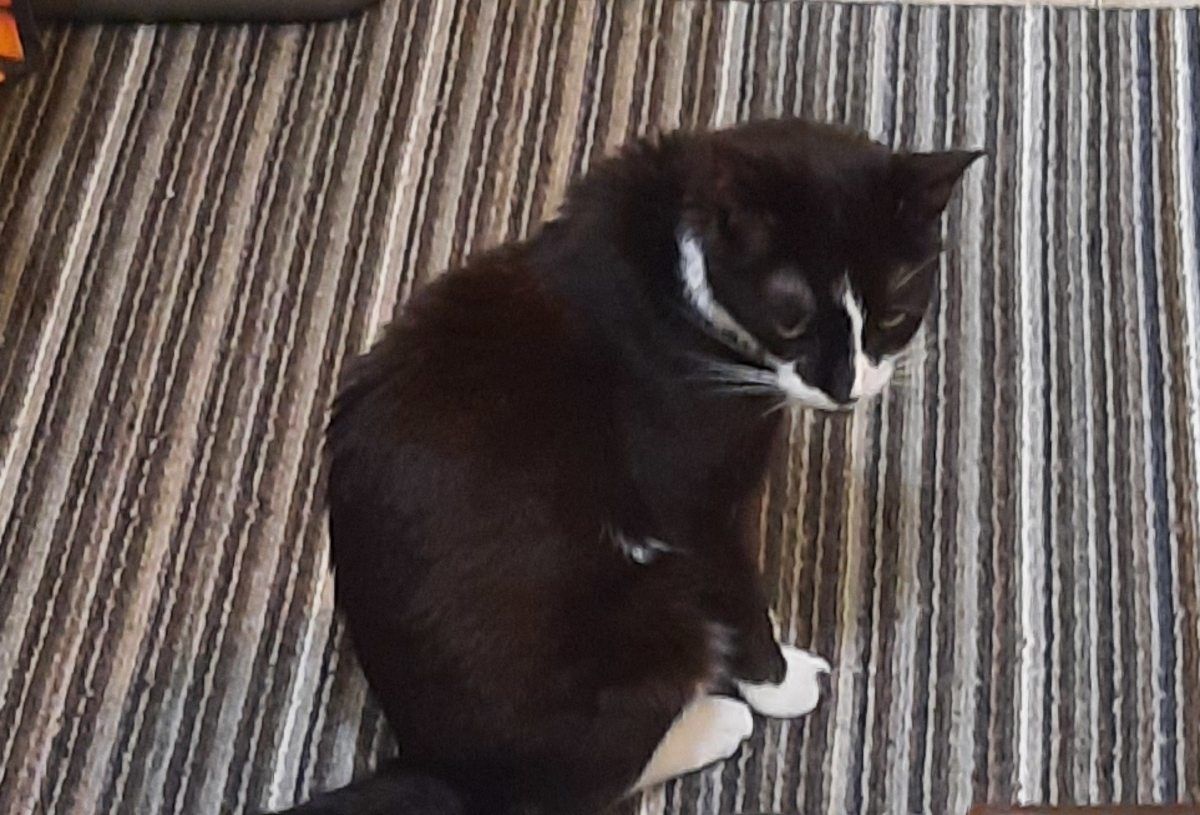
We have seen this with Bentley, who receives insulin twice each day. The routine becomes easier when it remains calm, predictable, and followed by something positive. The reward does not need to be large. Pets care far more about getting something than they do about receiving a full handful.
Consistency Matters More Than Perfection
Diabetes management depends heavily on regularity. Meals are generally served at similar times, insulin is given according to the veterinarian’s instructions, and glucose patterns are monitored for changes. Random treats can interfere with that rhythm.
A bite here and another handful there may not seem like much, but those little extras can add up. Some treats contain sugar, starch, flour, molasses, corn syrup, glycerin, or other ingredients that can affect blood glucose. Even a low-carbohydrate treat can cause problems if too many calories are added to the day.
Veterinary guidance for diabetic dogs commonly emphasizes regular meals and careful control of snacks because excessive treats, especially high-carbohydrate options, can interfere with insulin regulation. Diabetic cats often benefit from diets that are higher in protein and lower in carbohydrates, although the right feeding plan still depends on the individual cat and any other health conditions.
A treat that works well for one pet may not be a good choice for another. A dog with pancreatitis may need strict fat limits. A cat with kidney disease may have protein or phosphorus restrictions. A pet with food allergies may need a single-protein or prescription diet. Diabetes never exists in isolation from the rest of the pet.
The Easiest Treat May Already Be in the Food Bowl
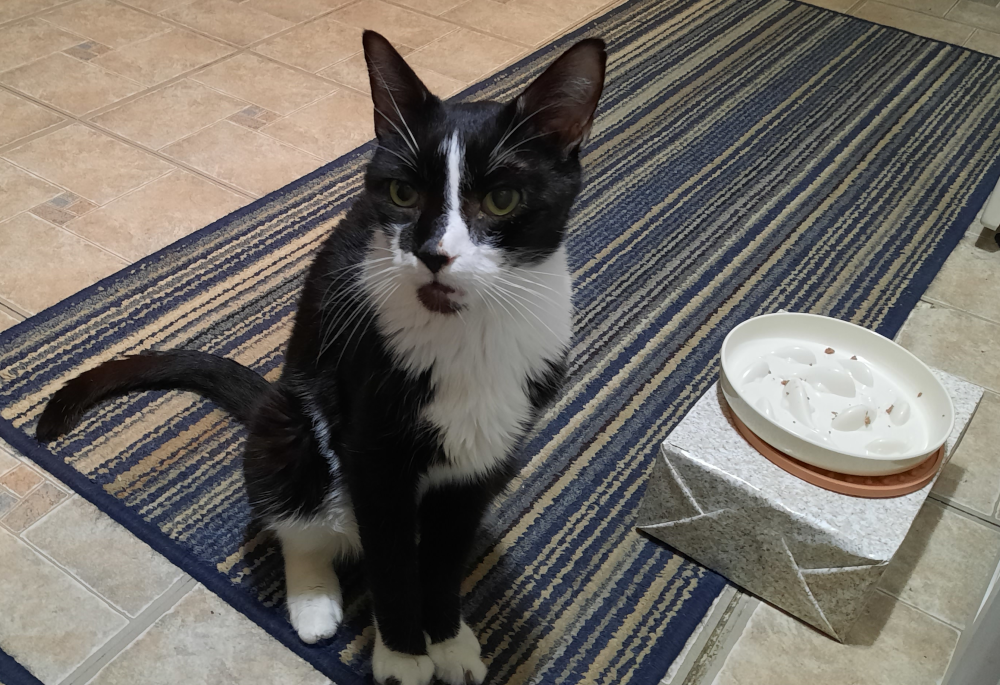 One of the safest ways to reward a diabetic pet is to use a small portion of the food they already eat. A few pieces of the pet’s regular kibble can be set aside from the daily meal allowance and offered as rewards. For a cat eating canned food, a teaspoon-sized portion may be saved and given after testing or medication.
This approach has several advantages. The ingredients are already familiar. The calories can be counted as part of the normal daily amount. There is less chance of introducing something that upsets digestion or causes an unexpected glucose response.
The pet may not view ordinary food as a treat at first, especially if richer snacks were common before the diagnosis. Presentation can make a difference. Offering one piece by hand, placing it in a puzzle toy, or pairing it with praise can give the same food a more special meaning. Bentley does not need an elaborate dessert after every injection. A tiny reward, offered consistently and with affection, is enough to mark the end of the routine.
Treat Ideas for Diabetic Cats
Cats are meat eaters by nature, so plain animal protein is often the most practical starting point for a diabetic cat’s treat. The portion still needs to be small, and any choice should fit the cat’s complete medical picture. Possible options may include tiny pieces of plain cooked chicken, turkey, lean beef, or fish. The meat should be unseasoned and prepared without sauces, breading, onion, garlic, sugar, or heavy oils.
Freeze-dried meat treats can also work for some cats. Look for products with a short ingredient list, ideally containing only the named meat or fish. The pieces can often be broken into smaller crumbs, which stretches the bag and keeps portions modest.
Some cats are happy to receive a spoonful of their usual canned food as a reward. Others enjoy a little warm water mixed into their regular food, which creates a soft gravy-like texture without adding a new ingredient.
Commercial cat treats deserve a close look. The front of the package may advertise natural ingredients or high protein, but the ingredient panel tells the real story. Starches, flours, syrups, and fillers may still appear in products marketed as meat treats. Low carbohydrate does not automatically mean unlimited. Many low-carbohydrate cat foods and treats are calorie dense, and excess weight can make diabetic regulation harder.
Treat Ideas for Diabetic Dogs
 Dogs have a wider range of possible treat ingredients, but their diabetes management often depends on maintaining steady meals and avoiding large changes in carbohydrate intake. A few pieces of the dog’s regular food remain the simplest option. Plain cooked lean meat may also be suitable, depending on the dog’s fat restrictions and other conditions.
Some dogs enjoy small pieces of lower-starch vegetables such as green beans, cucumber, zucchini, or broccoli. These should be served plain and in bite-sized portions. Not every dog tolerates vegetables well, so new foods should be introduced slowly.
Small amounts of plain pumpkin may work for certain dogs, but portion size matters because pumpkin still contains carbohydrates. The same caution applies to carrots. They may be reasonable for some dogs in tiny amounts, but they are not automatically harmless just because they are vegetables.
Many commercial dog biscuits are made with flour, starch, sweeteners, or fruit. Soft and semi-moist treats can be especially troublesome because some contain sugars or ingredients that allow them to remain chewy. Veterinary references commonly advise avoiding foods high in simple sugars for diabetic dogs.
Fat content also deserves attention. Rich meat treats, cheese, sausage, bacon, pig ears, and greasy table scraps may be risky for dogs with pancreatitis, high blood fats, obesity, or sensitive digestion. Diabetes and pancreatitis sometimes occur together, which may lead a veterinarian to recommend a much lower-fat diet.
Portion Size Changes Everything
A food does not need to be completely forbidden to become a poor choice in the wrong amount. Treats should be tiny. For a cat, that may mean a crumb of freeze-dried chicken rather than a whole chunk. For a small dog, one commercial treat may need to be divided into four or five pieces.
The pet still experiences several rewards, but the total amount of food stays small. This is especially useful during training. A dog does not need a full biscuit for every successful response. Pea-sized pieces are usually enough. Cats may respond to even smaller portions when the treat is something they value.
Pet parents can also measure the entire day’s treat allowance in the morning. Once that container is empty, treats are finished for the day. This prevents several family members from unknowingly giving extras. In homes with multiple people, a simple treat log can help. A mark on a small dry-erase board may prevent the familiar problem of a pet convincing three different humans that nobody has fed them.
They are very good at that.
Read the Entire Ingredient Label
 Treat packaging is designed to attract shoppers. Words such as wholesome, premium, natural, grain-free, or healthy do not tell you how the product will affect a diabetic pet. Turn the package over. Check for ingredients such as sugar, corn syrup, molasses, honey, malt syrup, tapioca, potato starch, wheat flour, rice flour, cornmeal, and glycerin. One ingredient alone does not always disqualify a treat, but several high-carbohydrate ingredients near the top of the list deserve caution.
The guaranteed analysis can provide information about protein, fat, fiber, and moisture, but pet food labels do not always list carbohydrate content directly. Your veterinarian may help evaluate a product, and the manufacturer may be able to provide more complete nutritional information. Treats labeled for diabetic pets should still be examined. A diabetes-related label does not guarantee that the product fits every diabetic dog or cat.
Keep Treat Timing Predictable
Treats are easier to account for when they are connected to an established routine. A small reward may be given with a meal, after an insulin injection, or after a scheduled glucose test. Predictable timing helps reduce random eating throughout the day and makes glucose records easier to interpret.
Frequent snacks between meals may be discouraged for some diabetic dogs because they can contribute to blood sugar changes. The exact schedule depends on the type of insulin, feeding plan, glucose pattern, and veterinary instructions.
Some cats eat several small meals rather than two large ones. In that situation, treats may be folded into the planned daily portions instead of being added on top. Do not change meal timing, insulin timing, or insulin dosage to make room for treats unless the veterinarian specifically directs you to do so.
Use Non-Food Rewards Too
Food is not the only way to reward a pet. Many cats value brushing, chin scratches, playtime, a favorite window seat, or a few minutes with a wand toy. Dogs may enjoy praise, a short walk, a game of tug, a favorite ball, or time spent sniffing around the yard. These rewards are especially helpful for pets that need tight calorie control.
A diabetic dog working on weight loss can still receive frequent praise during training without consuming dozens of snacks. A cat can learn that glucose testing is followed by a favorite activity rather than food every time. Non-food rewards also help prevent treats from becoming the only pleasant part of the care routine.
Track Treats Alongside Glucose Readings
 Unexpected glucose patterns often lead pet parents to examine insulin doses, meal amounts, stress, activity, and illness. Treats belong in that record too. Write down what was given, how much was offered, and when the pet ate it. This makes it easier to notice patterns. A treat that seemed harmless may repeatedly line up with higher readings, digestive upset, reduced appetite at mealtime, or gradual weight gain.
BellenPaws offers a free online pet diabetes tracker that can help organize glucose readings and produce printable charts or tables to share with a veterinarian. We also provide printable blank glucose curve forms for pet parents who prefer writing everything by hand. Treat notes do not need to be complicated. A short entry such as “two small chicken pieces after evening injection” may be enough.
Home monitoring can give a veterinarian better information about how a pet responds to food, insulin, activity, and daily routine. Blood glucose curves are commonly used to evaluate diabetic control, and tracking appetite, weight, water intake, and behavior can add helpful context.
Watch for Changes After Introducing a Treat
New treats should be introduced one at a time. Watch the pet’s glucose readings, appetite, thirst, urination, digestion, weight, and general behavior. A treat should not cause vomiting, diarrhea, itching, reduced interest in regular food, or a noticeable change in glucose control.
Stop using the treat and contact the veterinarian if the pet becomes ill or glucose readings change sharply. Sudden weakness, trembling, confusion, seizures, collapse, or unusual sleepiness may be signs of dangerously low blood sugar and require immediate action according to the pet’s emergency plan.
Cornell advises applying a fast source of glucose, such as honey or glucose gel, to the gums of a cat showing signs of hypoglycemia and contacting a veterinarian immediately. That emergency sugar is treatment for a dangerous low, not an ordinary snack. Every household caring for a diabetic pet should have clear instructions from the veterinarian for handling suspected hypoglycemia.
Special Occasions Still Need Boundaries
Birthdays, holidays, adoption anniversaries, and family gatherings often include special food. Diabetic pets can still take part without receiving cake, ice cream, gravy, or a plate of leftovers. A small portion of an approved food can be presented differently. Regular canned food can be shaped into a little mound. Plain cooked meat can be arranged as a special dinner topping. A favorite toy or longer play session can become part of the celebration.
Pets do not understand that another animal received a decorated bakery treat from social media. They understand attention, comfort, familiar smells, and being included with their family. That is the part worth preserving.
Treat Choices Should Be Personal
 There is no single treat list that fits every diabetic pet. A young diabetic dog with no other health problems may have different options than a senior dog with pancreatitis. A diabetic cat with healthy kidneys may tolerate foods that are not suitable for a cat living with kidney disease. A pet trying to lose weight needs different portions than one struggling to maintain weight.
Ask the veterinarian to help define the boundaries. Find out which ingredients fit the pet’s diet, how many treat calories are reasonable, whether treats should be given only at certain times, and whether the pet’s regular food should be reduced to account for them.
Bring the actual package or a clear photo of the ingredient label. Specific information is more helpful than asking whether generic “diabetic treats” are acceptable. Once a suitable treat is chosen, keep the brand, recipe, amount, and timing steady. That little bit of planning allows a diabetic pet to enjoy rewards without turning every treat into a guessing game.