

Living with a diabetic pet changes the way you notice things. A missed meal matters more. An unusual nap gets a second look. A slight wobble that might once have seemed harmless can set off an alarm in your mind. That awareness is not paranoia. It is part of safely caring for a cat or dog receiving insulin.
Hypoglycemia means the blood glucose level has fallen too low. In a diabetic pet, this can happen when insulin lowers the glucose faster or farther than the body can handle. The brain depends heavily on glucose for energy, so a severe drop can quickly affect coordination, awareness, and consciousness. A hypoglycemic episode can become life-threatening. It deserves immediate action, even when you are not completely sure that low glucose is the cause.
Why Blood Glucose Can Drop Too Low
Insulin does not work in isolation. Its effect is tied to food intake, activity, health, dose timing, and the pet’s changing insulin needs. A pet may become hypoglycemic after receiving too much insulin, but that is not the only possible reason. Low glucose can also follow a normal insulin dose if the pet ate less than usual, vomited after eating, experienced diarrhea, exercised more than expected, or developed another illness.
Insulin needs can also change over time. A cat may begin producing more of its own insulin as diabetic control improves. Some cats even enter diabetic remission, as our Zippy did after tight regulation. A dose that was appropriate last week may eventually become too strong. We currently manage Bentley’s diabetes with injections twice a day. That experience has taught us that routines are valuable, but observation is just as valuable. Numbers matter. Behavior matters too.
An accidental double dose is another possible cause. This can happen when two caregivers each believe the other person has not given the injection. It may also happen when someone is uncertain whether the first injection went into the pet and decides to repeat it. Never repeat an insulin injection because you suspect the first one missed. A partial dose is usually safer than the risk of giving two full doses. Contact your veterinarian for instructions instead.
Early Signs Can Be Easy to Miss
 Hypoglycemia does not always begin with a dramatic collapse. The first signs may be quiet and easy to mistake for normal tiredness, aging, stress, or stubborn behavior. A pet may seem unusually hungry, restless, anxious, sleepy, or withdrawn. Some pets begin trembling. Others appear weak in the rear legs or walk as though the floor is moving beneath them.
You may notice:
- Sudden hunger
- Unusual sleepiness or lethargy
- Weakness
- Trembling or muscle twitching
- Restlessness or agitation
- Confusion
- Staring into space
- Poor balance
- Walking in circles
- Stumbling or falling
- Vomiting
- Strange vocalization
- Failure to respond normally
Cornell University’s feline diabetes guidance lists lethargy, weakness, tremors, seizures, and vomiting among the possible signs of hypoglycemia in cats. Cornell’s canine diabetes guidance also warns about severe lethargy, tremors, difficulty walking, collapse, and coma.
Every pet presents differently. One cat may become ravenously hungry. Another may hide. A dog may look dazed, resist standing, or suddenly lose coordination. The change from that pet’s normal behavior is often the first clue.
Severe Signs Mean the Emergency Is Already Underway
As glucose continues to fall, the nervous system may stop functioning normally. The pet may become disoriented, unable to walk, unresponsive, or unconscious.
Severe signs include:
- Pronounced wobbling or loss of coordination
- Collapse
- Seizures
- Unresponsiveness
- Loss of consciousness
- Coma
The Merck Veterinary Manual describes weakness, poor coordination, seizures, and collapse as signs of dangerously low glucose following insulin administration. Significantly low blood glucose is considered a medical emergency. Do not wait for a seizure before acting. Earlier treatment is safer and far less frightening for everyone involved.
Check the Glucose Level When You Can Do So Safely
 Pet parents who monitor at home may be able to confirm low glucose with a meter. Testing can provide valuable information for both immediate decisions and later veterinary care. Do not allow the test to delay treatment when the pet is showing obvious neurological signs. A pet who is collapsing, seizing, or becoming unresponsive needs help immediately.
Meters also have limits. Human glucose meters and veterinary meters can produce different readings, especially at very low levels. Poor circulation, a tiny sample, contaminated fur, damaged test strips, or incorrect testing technique may also affect the result. Treat the pet, not merely the meter.
Your veterinarian should give you a specific action threshold based on your pet, the insulin being used, and your monitoring method. Keep those instructions near the testing supplies rather than relying on memory during a frightening moment.
What to Do If Your Pet Is Awake and Able to Swallow
Stay calm enough to move carefully. Speak gently and keep the pet in a safe area where falling is less likely. Offer the pet’s regular food first if the symptoms are mild and the pet can eat normally. Food provides a source of glucose that may last longer than a small amount of syrup.
If the pet refuses food, seems confused, or needs a faster source of sugar, offer a small amount of plain honey, glucose gel, or corn syrup. Cornell advises applying honey, glucose solution, or dextrose gel to the gums of a cat showing signs of hypoglycemia and contacting a veterinarian immediately.
Once the pet is alert enough to eat safely, offer a small meal. The fast sugar may raise glucose briefly, while food can help provide a steadier supply. Call your veterinarian or an emergency veterinary clinic even if the pet improves. The insulin may continue working after the visible symptoms disappear, allowing the glucose to fall again.
What to Do If Your Pet Cannot Swallow Normally
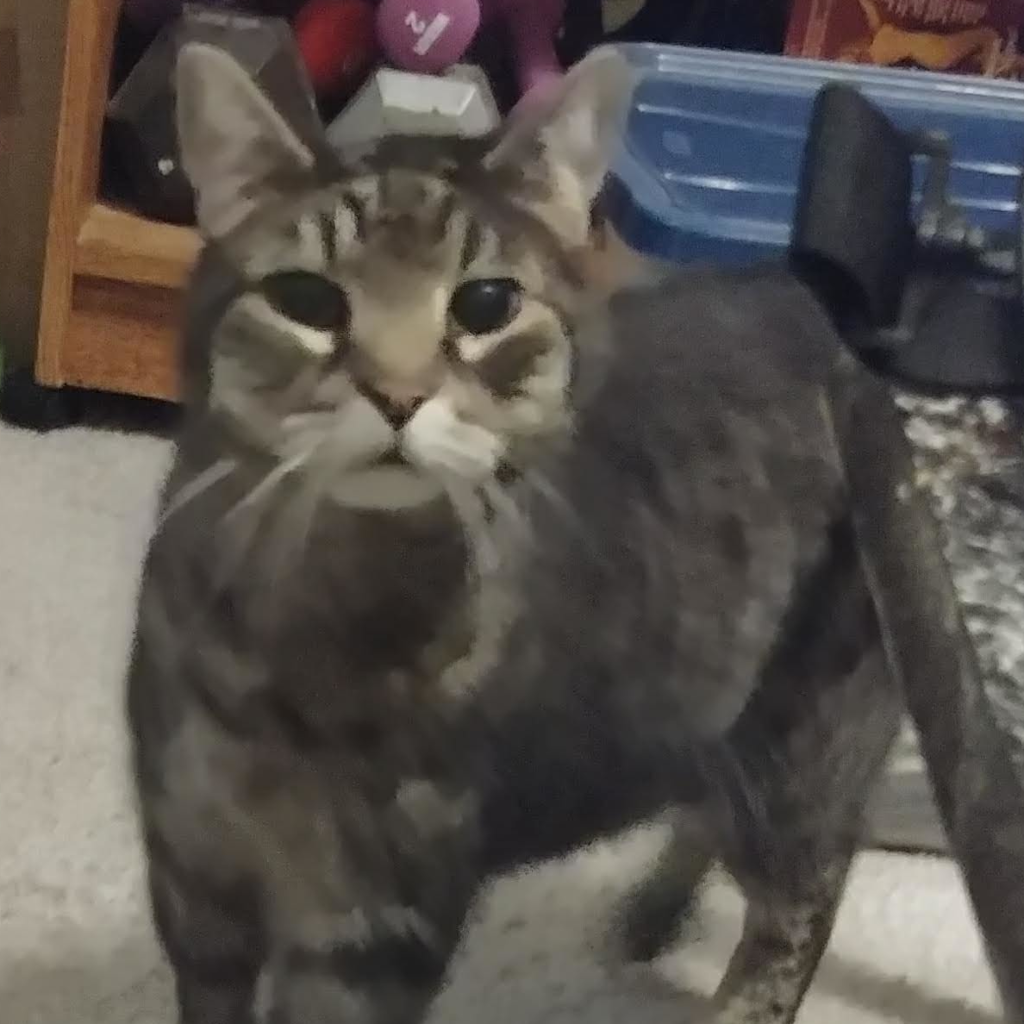 A weak, unconscious, disoriented, or seizing pet should never have food, water, or syrup poured into the mouth. Liquids can be inhaled into the lungs. Place a small amount of plain honey, glucose gel, or corn syrup on the gums or inside the cheek. The sugar can be absorbed through the tissues of the mouth. Do not force your fingers far into the mouth, especially during a seizure.
VCA advises rubbing a small amount of glucose solution, honey, or corn syrup onto the gums or under the tongue when a cat or dog cannot swallow properly. It also warns against pouring liquids into the mouth because of the risk of inhalation and serious breathing complications.
Use a thin coating. More is not automatically better, especially if the excess could run toward the throat. Then leave for the emergency veterinary hospital. Do not wait at home to see whether the pet fully recovers. A brief improvement after sugar does not prove that the danger has passed.
What to Do During a Seizure
A seizure is terrifying, but trying to restrain the pet can cause injury to both of you. Move nearby furniture, cords, or hard objects out of the way. Block access to stairs. Dim the lights and reduce noise if possible. Keep your hands away from the mouth. Pets do not swallow their tongues, and a seizing animal can bite without intending to. Do not try to pour syrup into the mouth. When it can be done without placing your fingers near the teeth, rub a small amount on the outer gums or inside the cheek.
Note the time the seizure begins. A seizure that lasts several minutes, repeats, or is followed by poor recovery requires immediate emergency treatment. Hypoglycemia itself already makes the situation an emergency, so transportation should begin as soon as the pet can be moved safely. Wrap a small pet loosely in a towel or blanket after the seizure if needed for warmth and safe handling. Keep the face uncovered and make sure breathing is not restricted.
Never Use Sugar-Free Syrup
Only use a product that contains real sugar. Some sugar-free foods, syrups, gums, and medications contain xylitol. Xylitol is extremely toxic to dogs and can itself cause profound hypoglycemia, seizures, liver failure, and death. Even small amounts can be dangerous.
Read the ingredient label before an emergency occurs. Do not assume that a syrup is safe because it tastes sweet. Plain honey, regular corn syrup, or a veterinary glucose product is the safer choice for an emergency kit. Replace expired products and keep them where every caregiver can find them.
Do Not Give More Insulin
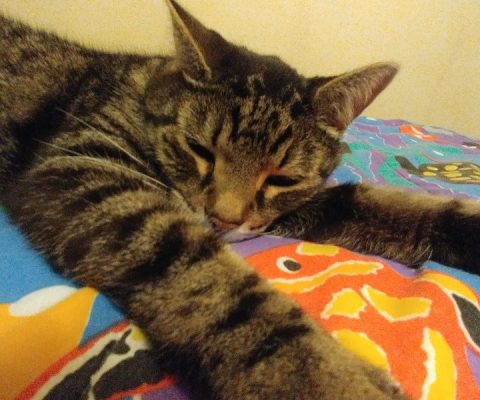 Do not give another insulin injection while treating suspected hypoglycemia unless a veterinarian has directly instructed you to do so. The next scheduled dose may also need to be delayed, reduced, or skipped, but that decision should be made with veterinary guidance. The safest response depends on the glucose reading, the insulin type, the time of the previous injection, the amount eaten, and the pet’s response to treatment.
A pet who will not eat should not automatically receive the normal insulin dose. Cornell warns that giving insulin to a diabetic dog who skips a meal may trigger hypoglycemia and advises contacting the veterinarian. Your veterinarian should provide written sick-day and missed-meal instructions. Ask for exact directions rather than a vague rule, because different insulin plans may require different responses.
Improvement Does Not Mean the Risk Is Over
Sugar placed on the gums may produce a noticeable improvement within minutes. The pet may lift the head, become more responsive, or begin looking for food. That is encouraging. It is not permission to forget the episode.
Honey or syrup can wear off while the insulin remains active. Glucose may fall again, sometimes more than once. A veterinary clinic can monitor repeated readings, give intravenous dextrose when needed, control seizures, and watch for another drop.
The veterinarian also needs to determine why the episode happened. Possible explanations include a dosing mistake, reduced food intake, vomiting, weight loss, increased exercise, a change in insulin sensitivity, another illness, or diabetic remission in a cat.
Bring the insulin bottle or pen, syringes, glucose meter, recent readings, medication list, and feeding information with you. Tell the veterinary team when insulin was given, how much was given, when the pet last ate, what symptoms appeared, and what sugar treatment you provided.
Prevention Begins With a Repeatable Routine
Many hypoglycemic events can be reduced through careful daily habits. Keep insulin, syringes, feeding supplies, and the glucose meter together. Use a written injection log so everyone can see whether a dose has already been given. Never rely on memory alone in a busy household.
Confirm the correct insulin and syringe type. U-40 and U-100 insulins require matching equipment. Using the wrong syringe can cause a serious dosing error. Measure every dose in good light. Keep the pet still enough to see what you are doing. If an injection leaks onto the fur or you are unsure whether it went in, record it as a possible missed dose and contact your veterinarian. Do not give a replacement shot.
Monitor appetite, body weight, water intake, urination, energy, insulin doses, and glucose readings. Patterns often reveal changes before a full emergency develops. Our free BellenPaws online pet diabetes tracker can organize readings and produce printable charts and tables for veterinary visits. We also provide printable blank glucose curve forms for families who prefer recording everything by hand.
Build a Hypoglycemia Emergency Kit
 A small emergency kit should remain beside the insulin supplies, with a second kit available for travel. Include plain honey or corn syrup, a glucose meter, test strips, lancets, cotton pads, the veterinarian’s phone number, the nearest emergency clinic’s address, and written instructions for every caregiver.
Add the pet’s current insulin name and dose, feeding schedule, medical conditions, medications, and recent glucose ranges. Include the date the information was last updated. A pet sitter should know where the kit is, how to recognize low glucose, how to apply sugar to the gums, and how to reach emergency care. Written instructions are far more dependable than explanations given while everyone is rushing out the door.
Keep a carrier ready for a cat. For a large dog, keep a sturdy blanket nearby that can serve as an emergency stretcher if the dog cannot stand. Store the clinic address in your phone before you need it. That preparation will not remove every risk, but it can turn several frightened minutes into a practiced response focused on getting sugar into the pet safely and reaching veterinary care.