
A scratching post can look perfect to us and still be completely uninteresting to a cat. We have learned over many years of living with cats that the problem is often not stubbornness or “bad behavior.” The post may be too short, too wobbly, covered in the wrong material, or sitting in a place that means nothing to the cat.
Scratching is a normal feline behavior, not a habit that needs to be eliminated. Cats scratch to help maintain their claws, stretch their bodies, and leave both visible and scent marks in places that matter to them. Veterinary behavior guidance therefore focuses on giving cats acceptable places to scratch and rewarding those choices rather than punishing the behavior itself.
Good scratching-post training starts by paying attention to the cat in front of you. Once the setup matches that cat’s preferred surface, direction, location, and reward, training often becomes much easier.
Step 1: Watch What Your Cat Is Already Telling You
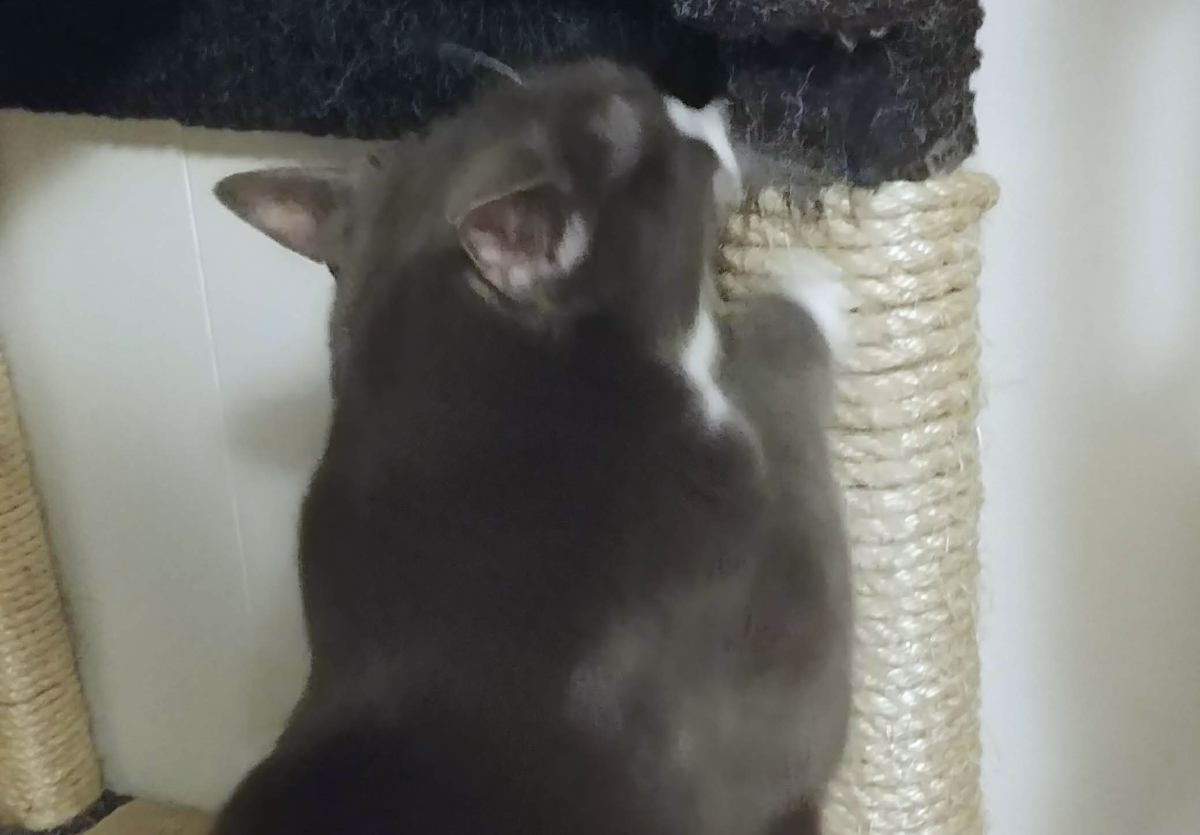 Before buying or building another scratching post, spend a few days observing where and how your cat scratches. A cat working the corner of a sofa is showing a preference for an upright surface, while a cat tearing at a rug may prefer scratching horizontally. Some cats like sisal rope, some like cardboard, some go after carpet, and others seem happiest with wood or rough fabric.
That information is more useful than choosing a post because it matches the furniture. Cornell’s Feline Health Center and the Feline Veterinary Medical Association both recommend matching the scratcher to a cat’s preferred orientation and material whenever possible. Cats may also use more than one style, so a household can benefit from offering vertical, horizontal, and angled choices rather than assuming one post will satisfy every scratching preference.
Location matters just as much. Cats often scratch in visible areas, around routes they regularly travel, near entrances, and close to places where they rest. Scratching after waking is common because it combines stretching with marking, which helps explain why a beautiful post hidden in an unused corner may be ignored while the sofa beside the living-room doorway gets daily attention.
Step 2: Choose a Post That Can Handle a Full Stretch
A vertical scratching post should be tall enough for the cat to extend upward and scratch without running out of surface. It also needs a broad, stable base so it does not rock, slide, or tip when the cat pulls against it. Cornell recommends a post tall enough for the cat to stretch fully while standing on the hind legs, and veterinary guidance consistently emphasizes stability as part of making a scratcher attractive.
A wobbly post can lose a cat’s trust surprisingly fast. From the cat’s perspective, the sofa is heavy, solid, and available every time, while a lightweight post that shifts under the paws gives very different feedback. If the cat tries the post once and it nearly falls over, placing it back upright does not necessarily erase that experience.
Horizontal scratchers need enough length for the same reason. A flat cardboard pad or low scratching board should let the cat reach forward, pull back, and work the claws without crowding the body. For cats that like a sloped position, an angled scratcher can sometimes bridge the gap between floor scratching and a fully vertical post.
For people building a post at home, the same principles apply. The structure should be sturdy, the scratching surface should be securely attached, and the usable area should fit the cat rather than simply fit the available floor space. If you are wrapping a homemade post with rope, the BellenPaws Rope Length Calculator can help estimate how much rope you will need before you start the project.
Step 3: Put the Scratcher Where the Scratching Is Happening
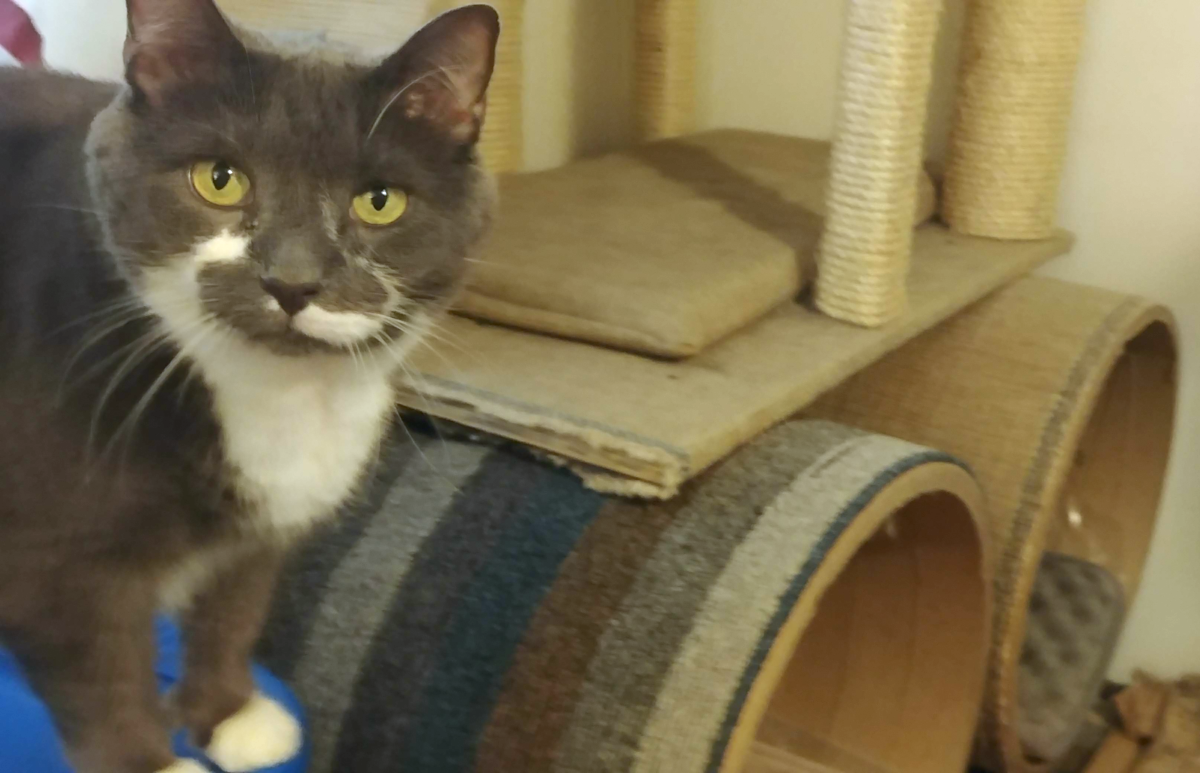 One of the most common training mistakes is placing the new post where we want it instead of where the cat already wants to scratch. If the cat has been working on the left arm of the sofa for weeks, put the scratching post directly beside that spot. If the target is a bedroom rug, place a horizontal scratcher over or immediately next to the preferred area.
Cornell specifically recommends placing a new scratcher near an existing scratching location and moving it gradually later if another permanent location is preferred. This works with the cat’s established routine rather than asking the cat to abandon both the old surface and the old location at the same time.
A second scratcher near a favorite sleeping area can also be useful. Cats often stretch and scratch after resting, so putting an appropriate surface within a few steps of the bed, perch, or cat tree gives them an easy alternative. In homes with several cats, multiple scratching areas can reduce competition and give each cat more choice about where to leave scent and visual marks.
Step 4: Make the Right Choice Easy and Rewarding
Training works better when the desired behavior pays off immediately. The Feline Veterinary Medical Association recommends positive reinforcement, meaning the cat receives something desirable after performing the behavior you want to see again. That reward might be a small treat, play, petting, or another form of attention the individual cat values.
Start by making the scratcher interesting without physically forcing the cat to use it. A wand toy moved near the post can encourage the cat to reach and place the front paws against the surface. Catnip can help with cats that respond to it, and a small treat placed nearby may bring a food-motivated cat close enough to investigate.
The moment the cat scratches the approved surface, reward that behavior. Timing matters because the cat needs a clear connection between the scratching and the pleasant result. The FelineVMA advises giving reinforcement very quickly, and its training materials stress short, repeated sessions rather than long training periods that outlast the cat’s interest.
There is no need to turn this into a formal daily lesson if the cat is already experimenting with the post. Many cats learn fastest when we simply catch them doing the right thing during normal household life. A few scratches on the post, followed by a favorite reward, can be more useful than repeatedly carrying the cat back to the scratcher.
Step 5: Protect the Old Target Without Making the Cat Afraid
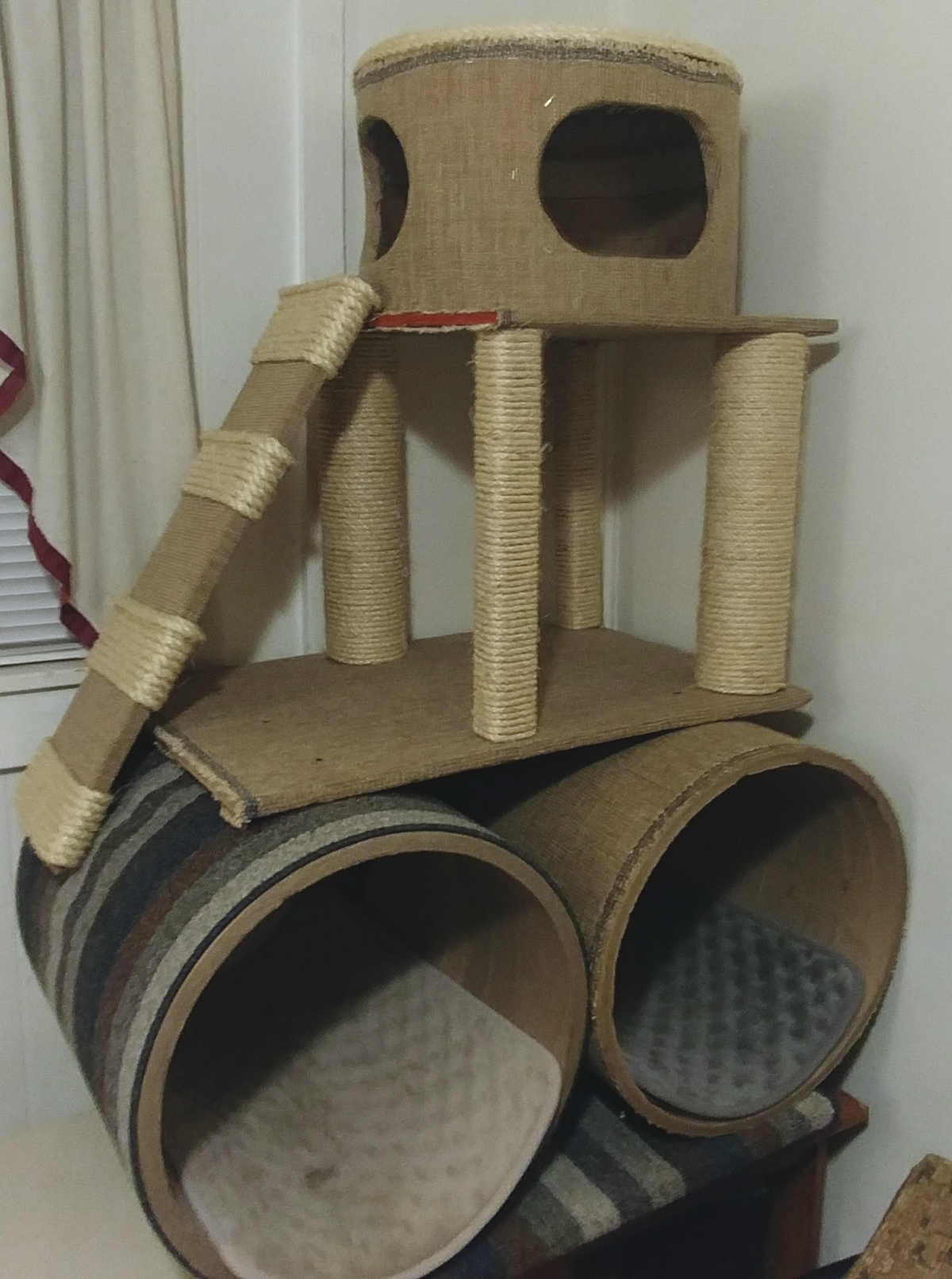 While the new habit is developing, make the old scratching surface less satisfying or temporarily unavailable. A furniture cover, protective panel, or cat-safe double-sided tape can interrupt access to the familiar texture while the approved scratcher sits nearby. Cornell and feline veterinary behavior resources describe temporary surface protection as one part of redirecting scratching to a better target.
Avoid yelling, squirting the cat with water, grabbing the paws, or trying to frighten the cat away from furniture. Current FelineVMA training guidance warns that punishment can increase fear and stress, interfere with learning, and damage the relationship between the cat and caregiver. It also does very little to teach the cat what surface should be scratched instead.
This is one of those areas where human patience matters more than intensity. Scratching is normal, so the goal is redirection, not suppression. The most successful setup makes the approved scratcher easier, more satisfying, and more rewarding than the sofa or carpet the cat had chosen before.
Step 6: Keep a Scratcher That Looks “Used Up”
A scratching post that looks rough, fuzzy, pulled apart, or heavily marked may be doing its job very well. People sometimes replace a worn post because it looks unattractive, only to discover that the cat ignores the clean replacement. Cornell specifically advises against throwing away a well-used scratcher simply because it looks ragged.
The old post carries familiar scent and visible marks, and the shredded texture may be especially satisfying under the claws. If the structure is still safe and stable, there is no reason to expect a cat to prefer a pristine replacement. When replacement is necessary because the post has become unstable, introducing the new one beside the old one for a while can make the change less abrupt.
This is also a good reason not to hide every scratching surface out of sight. A cat may value a post partly because it sits in an active, meaningful part of the home. We may see a shredded rope column as worn décor, while the cat may see a well-established communication point.
Step 7: Give Multi-Cat Homes More Than One Good Option
 A single scratching post may be enough for one cat in a small home, but it can be limiting in a household with several cats. Scratching has a marking component, and cats may prefer resources in different rooms or along different travel routes. Ohio State’s Indoor Pet Initiative recommends multiple vertical and horizontal scratchers in multi-cat homes, especially in areas where the cats spend time and move between resources.
Spacing matters too. Three scratchers placed side by side do not provide the same choices as scratchers distributed through different parts of the house. One cat may prefer a post near a window, another may use a cardboard pad beside a sleeping spot, and a third may repeatedly visit the tall post in the living room.
Watching which cat uses which surface can tell you whether the household needs another option. This is especially useful when one cat seems to stop using a favored scratcher after another cat begins spending more time around it. The answer may be as simple as adding another suitable surface in a quieter location.
Step 8: Adjust the Setup for Senior Cats and Physical Changes
Scratching habits can change as cats age. The Feline Veterinary Medical Association notes that preferences for vertical, horizontal, or angled scratching surfaces may shift with life stage, including when degenerative joint disease or other chronic physical problems make a previous posture uncomfortable. A senior cat that once stretched high on a vertical post may begin choosing a lower or horizontal surface instead.
That kind of change deserves attention rather than correction. A lower scratcher, angled board, or flat cardboard surface may be easier for an older cat to use while still allowing normal scratching behavior. Stable footing around the scratcher can also matter for cats that are less confident on slippery floors.
A sudden change in scratching, jumping, climbing, grooming, or general activity can also be worth discussing with a veterinarian, particularly in an older cat. Pain and illness can affect learning and behavior, and current feline training guidance recommends considering physical health when a cat unexpectedly stops doing something it previously did comfortably.
When the Scratching Pattern Still Does Not Make Sense
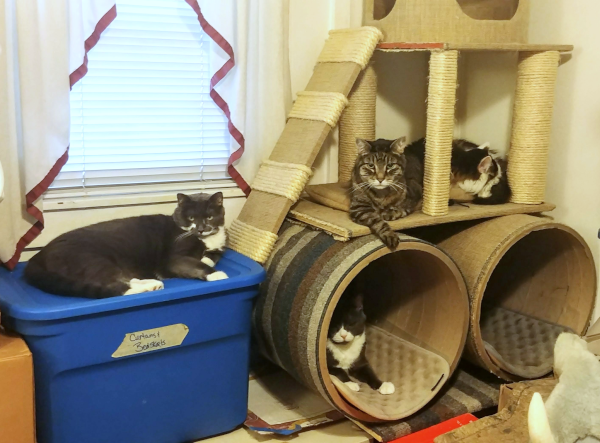 Some cats need more experimentation than others. If a cat ignores several scratchers, compare each one with the actual target the cat keeps choosing: its height, angle, texture, stability, and location. Moving the approved scratcher closer to the preferred target or changing just one feature at a time can make it easier to see what the cat is responding to.
A noticeable increase in scratching can sometimes accompany stress, and an abrupt change in normal behavior can also have a physical component. The Feline Veterinary Medical Association recommends looking at both emotional state and physical health when behavior changes unexpectedly, especially if the cat also becomes less active, stops jumping, avoids handling, or seems uncomfortable. A veterinarian can help rule out pain or illness and, when needed, recommend a qualified veterinary behavior professional for a more complicated behavior problem.
For many cats, though, the most successful scratching post eventually becomes the least attractive one in the room to human eyes. It is scratched, frayed, scented, and positioned exactly where the cat wants it. As long as it remains stable and safe, that worn surface is not a decorating failure. It is a resource the cat has chosen to use.