
Chronic kidney disease can turn ordinary parts of pet care into things you suddenly watch closely. How much water disappeared from the bowl, whether breakfast was finished, how large the urine clumps are, whether body weight changed, and whether a favorite food is still appealing can all become useful pieces of information. For many people, the first weeks after a CKD diagnosis feel like a crash course in laboratory values, prescription diets, phosphorus, hydration, blood pressure, medications, and sometimes bags of fluid hanging from a coat hook in the living room.
We have cared for several cats with kidney disease over the years, including Belle, Pebbles, Clyde, and Blackie. One lesson that stays with us is that CKD management rarely comes down to a single treatment. The better approach is usually a collection of smaller measures, adjusted over time according to laboratory results, appetite, hydration, weight, other medical conditions, and how the individual animal is feeling.
Current International Renal Interest Society guidance reflects that same approach. CKD treatment is individualized according to disease stage and related problems, rather than handled with one standard protocol for every dog or cat.
CKD Management Is About Supporting the Kidneys That Still Work
 Chronic kidney disease means kidney function has been persistently lost over time. Unlike an acute kidney injury that may sometimes improve substantially after the cause is treated, CKD usually involves permanent changes that cannot simply be reversed. Treatment therefore concentrates on slowing further damage where possible, correcting complications, maintaining nutrition and hydration, and helping the animal feel well.
The kidneys do far more than remove waste from the bloodstream. They help regulate water balance, electrolytes, blood pressure, acid-base balance, red blood cell production, and mineral metabolism. As kidney function declines, problems can therefore appear in several different areas at once. A CKD patient may need attention to phosphorus, potassium, blood pressure, urine protein, anemia, nausea, appetite, hydration, weight, or several of these together.
That is one reason a creatinine value by itself never tells the entire story. Veterinarians commonly consider bloodwork, urinalysis, urine concentration, urine protein, blood pressure, body weight, muscle condition, hydration, and other findings when evaluating a CKD patient. IRIS staging and substaging systems are designed around this broader view of kidney disease.
Hydration Helps, but More Water Is Not the Whole Treatment
Dogs and cats with CKD often lose some of their ability to concentrate urine. They may produce larger amounts of dilute urine and compensate by drinking more. If their water intake cannot keep pace with those losses, dehydration can develop more easily.
Fresh water should always remain available. Water restriction should never be used to reduce the amount a CKD pet urinates, because the increased urination is part of the disease rather than a bad habit that can be corrected by limiting access to water. IRIS specifically advises that dogs and cats with CKD need unrestricted access to fresh water.
There are several simple ways to make voluntary water intake easier. Multiple bowls can be placed in convenient locations, especially for an older animal that may not want to walk across the house every time it is thirsty. Some cats prefer wide bowls that do not crowd their whiskers, while others drink more readily from a fountain. Water can also be placed near favored resting areas, provided it is not positioned where another pet can block access.
Wet food is another useful source of water. Cornell notes that canned cat food may contain up to about 80 percent water, so a cat eating primarily wet food may obtain a significant portion of its daily fluid intake from meals. Adding a little water to food can increase moisture further if the animal accepts the altered texture.
These strategies are supportive measures, not guarantees against dehydration. An animal that is vomiting, refusing food, unusually weak, or unable to drink normally may need veterinary assessment rather than increasingly creative attempts to get water into the food bowl.
Wet Food Can Help Hydration, but Kidney Diets Are About More Than Moisture
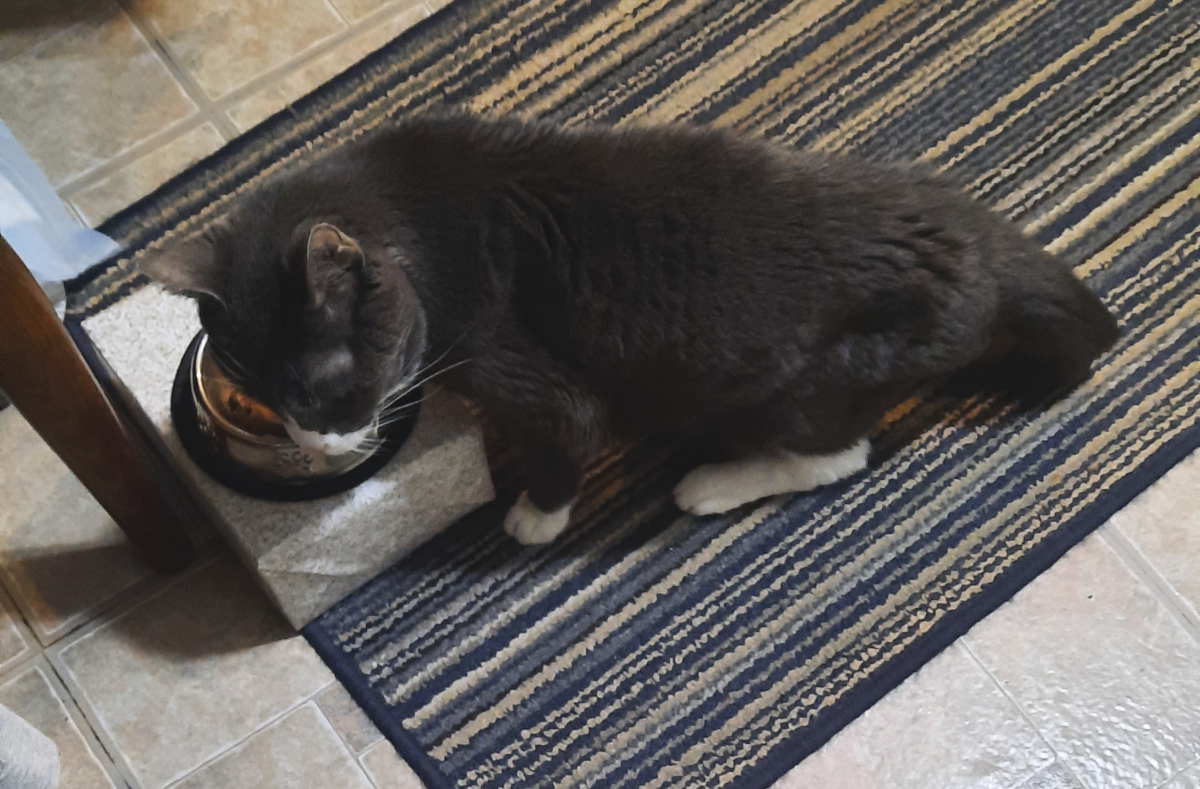 The phrase “feed wet food” sometimes gets treated as though it is the central nutritional rule for kidney disease. Moisture matters, particularly in cats, but therapeutic kidney diets are formulated around much more than water content.
Renal diets generally restrict phosphorus and modify protein, sodium, and other nutrients while providing appropriate calories and nutritional support. Studies in dogs and cats have found improved outcomes when appropriate CKD patients are fed therapeutic renal diets, which is why current veterinary guidance recommends them for many animals with established CKD.
Wet versions have the added benefit of contributing water, but dry renal diets also exist. A cat that happily eats a dry therapeutic kidney diet may be better served by eating enough of that food than by refusing a wet formulation that looks nutritionally perfect on paper.
Food refusal is especially significant in cats. Cornell advises gradual dietary transitions because some cats with CKD resist therapeutic diets, and prolonged poor food intake can create additional health problems. Texture, temperature, flavor, and familiarity may all affect acceptance.
A practical transition may involve slowly increasing the proportion of the new food while watching the amount actually consumed. Warming wet food slightly can increase aroma for some animals, while others strongly prefer food at room temperature. Some cats prefer pâté, others shredded foods, and some would apparently rather negotiate a treaty than accept a different texture.
The nutritional goal still has to include adequate calorie intake. Persistent appetite loss, nausea, vomiting, weight loss, or loss of muscle deserves veterinary attention because these problems may require treatment beyond changing brands of food.
Phosphorus Is One of the Major Targets in CKD Care
Phosphorus management deserves more attention than it sometimes receives. As kidney function declines, the body may have increasing difficulty maintaining normal phosphorus balance. Excess phosphorus contributes to the mineral and hormonal disturbances associated with CKD and is one reason therapeutic renal diets are intentionally phosphorus restricted.
Current IRIS guidance supports renal diets as the first dietary approach to phosphorus control in appropriate CKD patients. Blood phosphorus is then rechecked to see whether dietary restriction is achieving the veterinarian’s target for that patient’s stage of disease.
This is where laboratory monitoring becomes much more useful than guessing from the ingredient list. Two pets eating similar foods may not maintain the same blood phosphorus level because kidney function, food intake, disease stage, and individual physiology differ.
For pet owners, one of the most useful questions at follow-up appointments is simple: “Where is the phosphorus now, and where do we want it?” That turns an unfamiliar laboratory number into something that can be followed over time.
Phosphorus Binders Are Not a Substitute for Veterinary Monitoring
 If dietary phosphorus restriction does not bring blood phosphorus into the desired range, a veterinarian may prescribe an intestinal phosphorus binder. These products bind some of the phosphorus present in food inside the digestive tract, reducing the amount absorbed into the body.
Common veterinary options can contain compounds such as aluminum hydroxide, calcium carbonate, calcium acetate, or lanthanum carbonate. The appropriate product and amount depend on the animal’s diet, laboratory results, kidney disease stage, calcium status, and other medical factors.
Binders generally work best when they are given with food because the medication needs to encounter dietary phosphorus in the digestive tract. That timing is part of the treatment rather than a minor detail.
More binder is not automatically better. Calcium-containing products can contribute additional calcium, and excessive or inappropriate phosphorus binding can cause problems of its own. IRIS recommends laboratory monitoring when binders are being used, with treatment adjusted according to response.
This is one area where do-it-yourself dosing is a poor idea, even when a particular binder is available without a prescription. The veterinarian needs to know the animal’s phosphorus level, calcium status, diet, and overall CKD picture before deciding whether a binder belongs in the plan.
Home Subcutaneous Fluids Are Helpful for Some Pets, Not Every Pet
Home subcutaneous fluids are strongly associated with feline kidney disease, and many people assume that a CKD diagnosis automatically means fluids should begin. That is not the case.
Merck’s veterinary guidance notes that not every dog or cat with CKD requires subcutaneous fluids. Many animals can maintain hydration through food and voluntary drinking, while others eventually need additional support because they cannot consistently replace what they lose.
Subcutaneous fluids are placed under the skin, where they are gradually absorbed. They are commonly used in stable CKD patients, especially cats, when a veterinarian determines that extra hydration is appropriate. Cornell notes that some cats with more advanced CKD can be managed with home fluid administration after their owners are trained by the veterinary team.
The amount and frequency should come from the veterinarian. There is no universal CKD fluid schedule, and the American Animal Hospital Association notes that the ideal frequency has not been established through strong clinical evidence. Treatment is therefore adjusted according to the individual patient’s needs and response.
What Giving Subcutaneous Fluids at Home Usually Looks Like
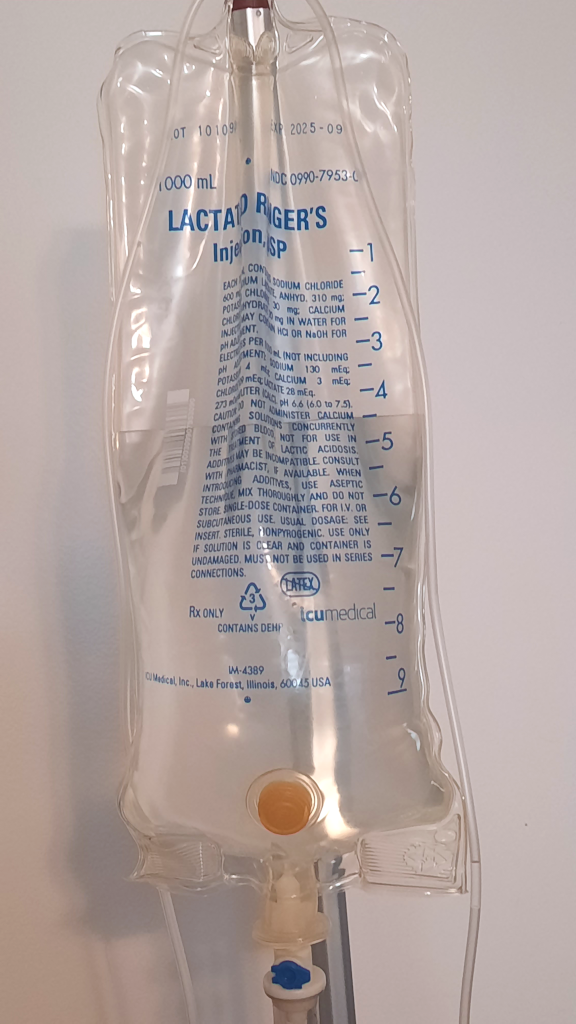 Veterinary teams commonly teach owners using either a fluid bag and administration line or, in some cases, a syringe connected to a butterfly catheter. The exact equipment varies, but the basic concept is similar.
With the common bag method, the prescribed fluid bag connects to tubing and a sterile needle. Loose skin is gently lifted to create a small “tent,” the needle is placed beneath the skin as demonstrated by the veterinary team, and the prescribed amount of fluid is allowed to flow. Once finished, the line is closed and the needle is removed. A fresh sterile needle is normally used for each treatment.
A soft lump forming beneath the skin during treatment is expected. That is the fluid sitting temporarily in the subcutaneous space, and it normally absorbs over the following hours. The pocket may shift downward under the skin because of gravity, which can look strange the first time it happens but is not automatically a problem.
The first few sessions can feel awkward for both person and pet. Setting up the supplies before bringing the animal into position, choosing a comfortable location, and pairing the routine with a favorite treat or calm attention can make the process less disruptive. Practicing the positioning routine without a needle can also help some cats become familiar with what is going to happen.
Owners should ask their veterinary team to demonstrate the entire process and then watch them perform it before sending supplies home. Written instructions showing the prescribed amount and schedule are helpful because it is surprisingly easy to second-guess yourself once you are standing in the kitchen holding a fluid bag for the first time.
Fluids Have Risks Too
Fluids are treatment, not simply extra water. AAHA’s fluid therapy guidelines specifically warn that excessive fluid administration can cause fluid overload, and patients with kidney or heart disease may have reduced tolerance for additional fluid volume.
That matters especially in older cats, where kidney disease and heart disease can exist together. A pet with known or suspected cardiac disease may need a different plan, smaller volumes, additional monitoring, or another method of hydration support. Subcutaneous administration does not automatically make excessive fluid harmless.
Changes in breathing should be taken seriously during any fluid therapy program. Faster or more difficult breathing, coughing, unusual weakness, swelling, or a sudden decline after fluids warrants prompt veterinary contact. AAHA lists increased respiratory rate or effort and tissue edema among findings that can occur with fluid overload.
The fluid itself should also be inspected. A bag that has become cloudy or discolored should not be used because contamination is possible.
Watch Trends, Not Just Individual Numbers
 CKD management becomes much easier to understand when information is viewed over time. A single afternoon of poor appetite has a different meaning from steadily declining food intake over two weeks, just as one unusual weight measurement is different from a consistent downward trend.
Keeping a simple record can help. Useful information may include body weight, appetite, vomiting, water intake changes, urine output changes, stool quality, medications, fluid treatments, activity, and anything noticeably different from the animal’s normal routine. Laboratory results can be recorded alongside those observations so changes in behavior and changes in bloodwork are easier to discuss together.
Regular veterinary monitoring may also include phosphorus, creatinine, SDMA, potassium and other electrolytes, red blood cell measurements, blood pressure, urinalysis, and urine protein assessment depending on the individual case. CKD can change gradually, and treatments that were appropriate six months ago may need adjustment as the disease, diet, body weight, or other health conditions change.
There may be periods when management feels surprisingly ordinary. Food gets served, water bowls get washed, medication gets given, and appointments are scheduled. Those ordinary routines are where much of chronic kidney care actually happens.
There may also be days when appetite suddenly disappears, vomiting begins, dehydration becomes obvious, or an animal is markedly weak or unresponsive. Those changes should not simply be written off as “the kidney disease.” A CKD patient can still develop an acute illness, infection, obstruction, heart problem, gastrointestinal disease, or another condition requiring prompt veterinary assessment.
Managing CKD well is therefore less about finding a single kidney “hack” and more about paying attention to several connected problems without losing sight of the animal living with them. Hydration matters, phosphorus matters, nutrition matters, laboratory monitoring matters, and home fluids can be extremely useful for selected patients. The best plan is the one that keeps being adjusted to the pet in front of you, with veterinary guidance and enough observation at home to notice when that plan needs to change.