

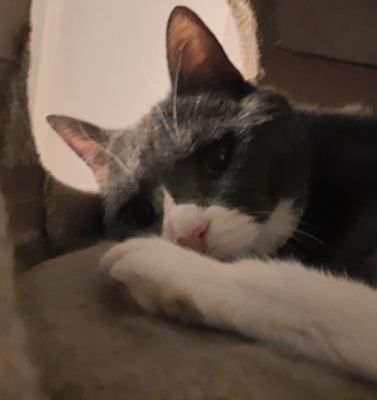
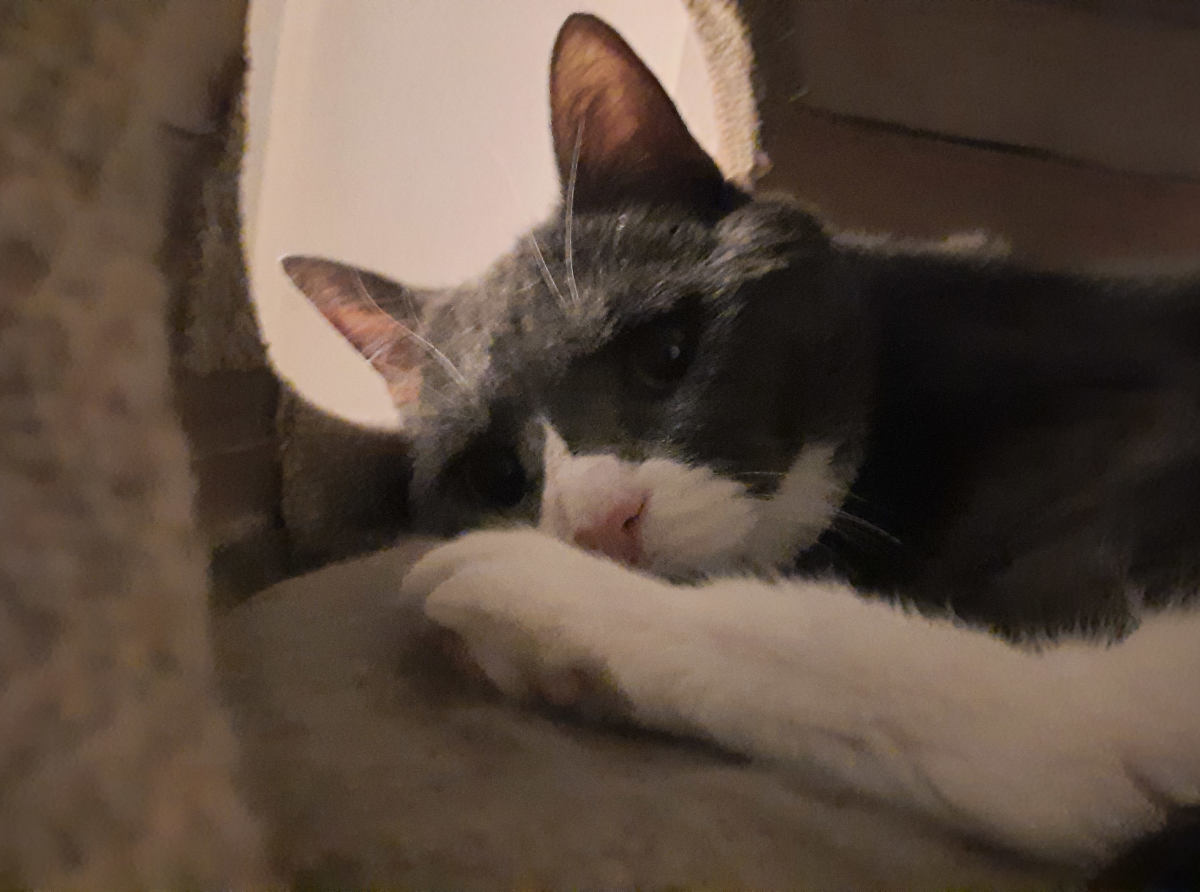
A cat that once jumped onto a favorite chair may start waiting beside it. A dog with chronic kidney disease may struggle to rise after resting, even though yesterday’s walk seemed manageable. Pain, loss of muscle mass, and complications of kidney disease can all affect movement, but there is another possibility worth investigating: an abnormally low blood potassium level.
This condition, called hypokalemia, is a recognized complication of chronic kidney disease (CKD), especially in cats. Potassium helps muscles respond to nerve signals, so a significant deficiency can interfere with walking, standing, and holding the head upright. Identifying it matters because weakness related to low potassium may improve with appropriate treatment, even though CKD itself requires ongoing care.
Why Muscles Depend on Potassium
Potassium is an electrolyte, a mineral that carries an electrical charge in body fluids. Most of the body’s potassium is stored inside cells, particularly muscle cells, while only a small amount circulates in the blood. The difference between potassium concentrations inside and outside a cell helps determine whether its membrane can respond normally to electrical signals.
When potassium in the bloodstream becomes too low, muscle cells can become less responsive to stimulation. The resulting weakness may be subtle or severe depending on the degree of the disturbance and how long it has been present. The Merck Veterinary Manual’s overview of potassium disorders also describes potentially serious disturbances in heart rhythm when potassium abnormalities are pronounced.
Potassium is involved in more than movement. It contributes to normal activity of the digestive tract, and deficiency may add to constipation in cats with kidney disease. Constipation in a cat with CKD can also result from dehydration, reduced food intake, or other factors, so it should not be taken as evidence of low potassium by itself.
How Kidney Disease Can Lead to a Deficiency
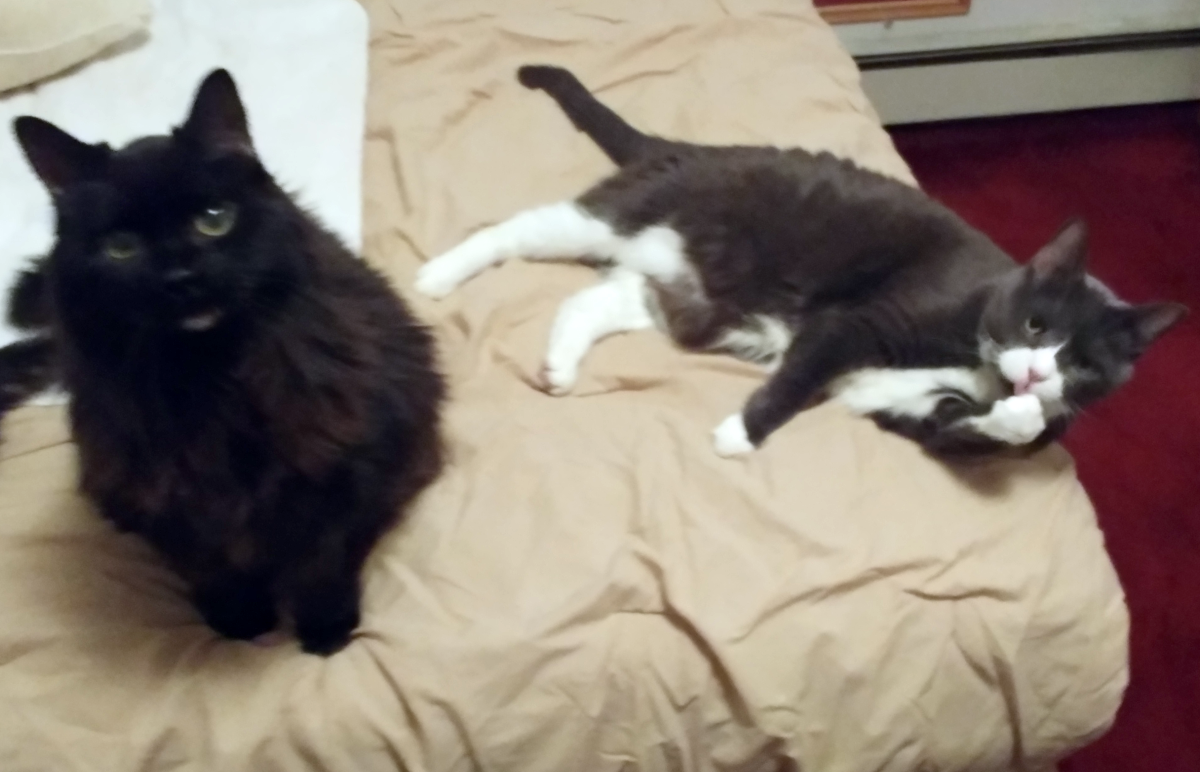 Healthy kidneys regulate potassium by adjusting how much is eliminated in urine. With CKD, this regulation may become less reliable, but the result is not always potassium deficiency. Depending on kidney function, hydration, medication, and concurrent illness, a dog or cat with CKD may have low, normal, or elevated blood potassium.
In cats, excessive urinary potassium loss is a well-recognized concern. Poor appetite can reduce intake at the same time, while vomiting or certain medications may contribute further losses. The 2026 International Cat Care consensus guidelines for feline CKD describe hypokalemia as common in cats with more advanced disease and identify urinary loss, inadequate intake, and hormonal influences as possible contributors.
Dogs can develop hypokalemia too, including from gastrointestinal losses, poor intake combined with other losses, and conditions that increase urinary potassium excretion. Nevertheless, much of the specific evidence linking CKD with a recognizable potassium-related muscle disorder comes from cats. A dog’s new weakness deserves the same careful evaluation, without assuming it has the same cause or presentation as a cat’s.
What Potassium-Related Weakness Can Look Like
In its early stages, weakness may be noticed as a change in ordinary routines rather than a dramatic symptom. A cat may stop jumping to a favored sleeping place, or a dog may take longer to stand and seem less steady. Those observations are useful, but they cannot distinguish hypokalemia from arthritis, neurological disease, anemia, or other complications of CKD.
More substantial potassium depletion can produce widespread muscle weakness and an unusually stiff gait. In cats, a distinctive sign is cervical ventroflexion, in which weakened neck muscles allow the head to droop downward. Some affected cats have difficulty lifting their head into its normal position or adopt a flattened, low stance while moving.
The Merck Veterinary Manual’s review of feline hypokalemic polymyopathy describes this syndrome as a muscle disorder that often develops relatively suddenly. Recognized signs include generalized weakness, a stiff or stilted gait, neck ventroflexion, poor appetite, and sometimes muscle pain. CKD is a common underlying association, but hyperthyroidism, excess aldosterone production, certain medications, and other causes of potassium loss can also be involved.
Not every cat with low potassium develops neck ventroflexion, and a drooping head does not establish the diagnosis. A sudden inability to support the head needs prompt veterinary assessment because other muscular or neurological conditions can appear similar. Collapse, inability to stand, severe weakness, or breathing difficulty calls for emergency care; severe electrolyte disturbances can interfere with heart and respiratory muscle function.
Low Potassium and Loss of Muscle Mass Are Different Problems
 A pet can become weak without losing a large amount of muscle tissue. Hypokalemia disrupts muscle function, while chronic muscle wasting involves an actual reduction in muscle mass. Both may occur in CKD, and their effects can overlap.
Poor appetite, inadequate calorie intake, chronic illness, and metabolic changes can contribute to the gradual loss of muscle that veterinarians often assess during kidney disease appointments. Cats may develop a more prominent spine or hips, while dogs can lose muscle along the back or around the hindquarters. When strength declines abruptly without an equally abrupt change in body condition, an electrolyte disturbance becomes one of several possible explanations worth checking.
Correcting low potassium can improve weakness attributable to the deficiency, but it does not necessarily rebuild muscle already lost through illness. Persistent difficulty moving may reflect a combination of muscle wasting, arthritis, dehydration, anemia, or another condition that needs separate attention. Assessing body weight and muscle condition alongside laboratory results helps keep those problems from being mistaken for one another.
How Veterinarians Evaluate Potassium Levels
Potassium is measured in a blood chemistry panel, generally alongside other information used to assess CKD. A veterinarian interprets the result in the context of the animal’s examination, current symptoms, kidney values, diet, and medication history. Other tests may be needed when dehydration, acid-base disturbances, or another disease could be contributing to weakness.
A blood result offers essential information, but it does not measure the entire body’s potassium reserves. Most potassium is inside cells, so a value near the lower end of the laboratory’s reference range does not always rule out depleted tissue stores. Cornell University’s eClinpath explanation of potassium testing describes this limitation and the various ways potassium can shift between cells and blood.
The 2026 feline CKD guidelines note that some clinicians consider supplementation in selected cats with low-normal potassium readings, particularly when symptoms and other findings raise concern. That is a clinical judgment, not evidence that every cat near the bottom of the reference range needs a supplement. Looking at previous laboratory results, appetite changes, and the timing of weakness can help determine whether a declining potassium trend warrants closer attention.
Treatment Requires the Right Balance
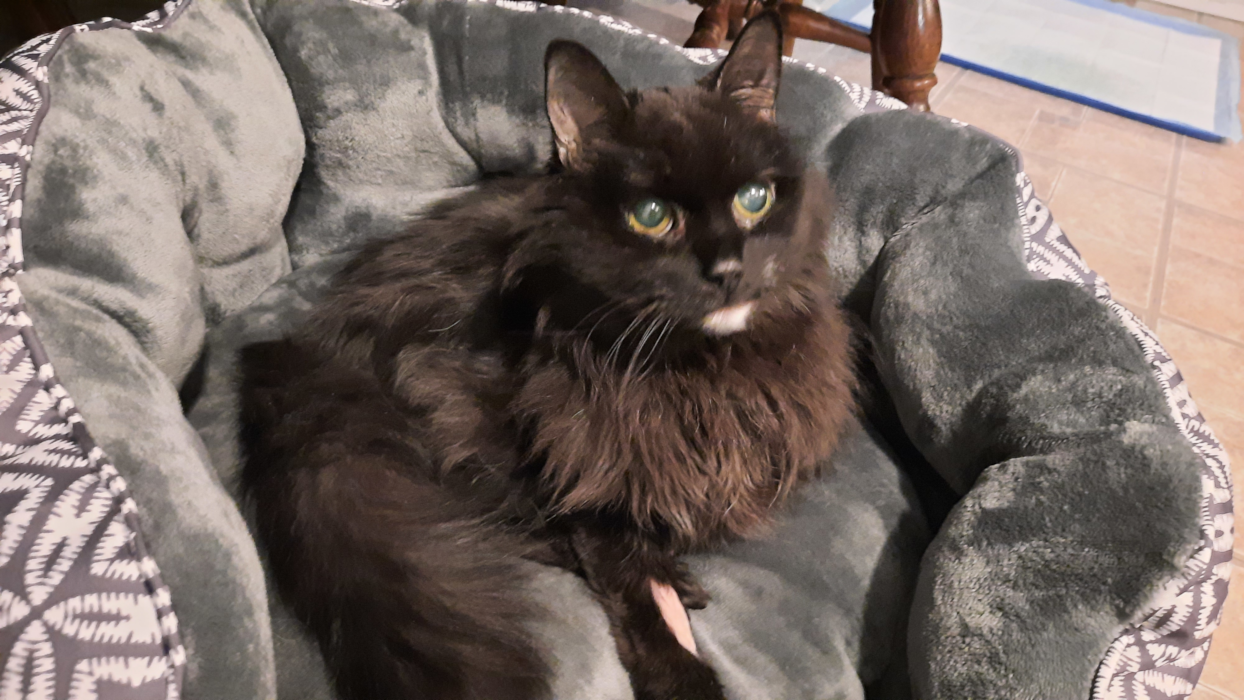 When testing confirms clinically significant hypokalemia, treatment aims to correct the imbalance and address whatever is causing it. For a stable cat, a veterinarian may prescribe oral potassium gluconate or potassium citrate. The citrate preparation also has an alkalinizing effect and may be preferred in selected patients with metabolic acidosis, an acid-base disturbance that can accompany kidney disease.
A severely affected cat that cannot maintain normal function may require hospitalization and controlled intravenous potassium replacement. This is not simply a faster version of home supplementation: substantial deficiencies require close assessment and repeat blood testing as they are corrected. The appropriate treatment for a dog is likewise based on its clinical condition and the reason potassium has fallen, rather than copying a feline treatment plan.
Clinical signs caused by hypokalemia can improve after potassium is restored, sometimes within days, although recovery is not identical for every animal. Duration of the deficiency, associated muscle injury, and other illnesses influence what happens next. Treatment of an underlying problem, such as ongoing vomiting or a medication-associated loss, may also be necessary to prevent recurrence.
Excess potassium presents a different danger. Hyperkalemia, or an abnormally high blood potassium concentration, can cause serious cardiac conduction disturbances, particularly when impaired kidney function limits potassium excretion. Some drugs used to manage blood pressure or protein loss in urine can increase potassium, so prescribed medications must be considered before supplementation. Human potassium pills, salt substitutes, and changes to prescribed fluids or medicines are not safe substitutes for an individualized veterinary plan.
What a Kidney Diet Can and Cannot Do
Therapeutic kidney diets account for several nutritional needs at once. They typically restrict phosphorus and are designed to support appropriate energy intake and other aspects of renal care; potassium content also receives attention during formulation. As the 2026 feline CKD guidelines explain, these diets vary in how much potassium they contain.
A renal diet may supply adequate potassium for one cat but not another that continues losing substantial amounts in urine. If a stable cat has a mild deficiency, a veterinarian may consider whether a different renal diet with more potassium would be suitable. More marked deficiencies usually require a more direct treatment approach, and the decision must still account for phosphorus control and other nutritional priorities.
Food intake itself can be a limiting factor. An animal eating only a small fraction of its intended ration may fail to meet several nutritional needs, regardless of how carefully the diet is formulated. Persistent nausea, constipation, dental pain, or poor appetite deserves attention rather than assuming that changing the potassium content of the food will resolve the problem.
Observations That Help Between Appointments
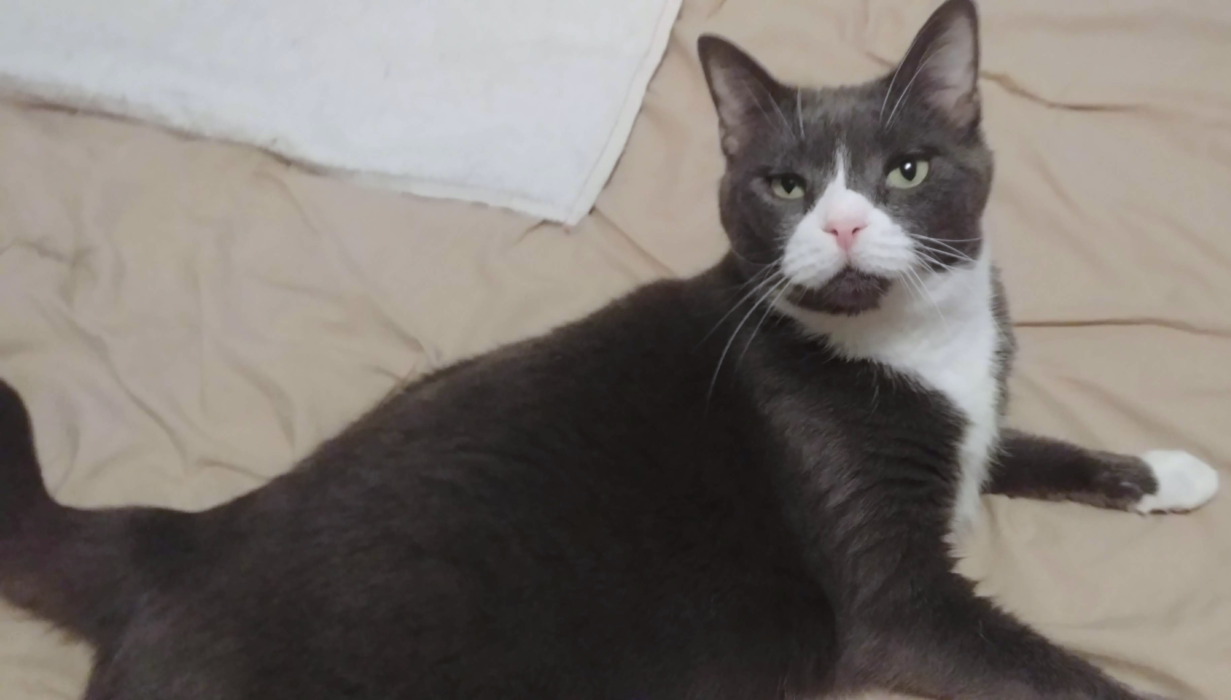 Mobility changes are often easier to judge in a familiar room than during a brief clinic visit. Owners can record whether their pet is still able to reach the litter box, step over a low threshold, rise after sleeping, or walk to food and water without difficulty. A brief description of what changed and when it began is more useful than a general note that the pet seems older or slower.
Short videos can capture an unusual gait or head position that does not appear during an examination. They should show normal, voluntary movement on a stable surface, without making the animal repeat something painful or difficult. Notes about appetite, vomiting, bowel movements, drinking, and urination provide additional context because these signs may point toward dehydration, poor intake, or another complication alongside weakness.
Patterns matter, but detailed record keeping should remain manageable. A simple dated log of a few relevant observations, together with copies of laboratory reports, is often enough to identify changes worth raising at the next appointment. Sudden severe weakness is an exception to routine monitoring and should be assessed promptly rather than left for a scheduled review.
Reducing Physical Strain at Home
While the underlying cause is investigated, small changes to the environment can make necessary activities less demanding. Keeping food and water accessible, using a low-entry litter box, and providing nonslip paths to favored resting places can reduce the effort required for daily movement. A pet that no longer jumps confidently should have a comfortable alternative at floor level rather than being encouraged to attempt the same height repeatedly.
Weakness may coexist with arthritis or other painful conditions, especially in older animals with CKD. That combination can make it difficult to tell whether a pet is avoiding movement because of discomfort, reduced muscle power, or both. The veterinary assessment may need to address pain as well as potassium and kidney function, while any exercise or rehabilitation plan should match the animal’s actual abilities.
Following Potassium Over Time
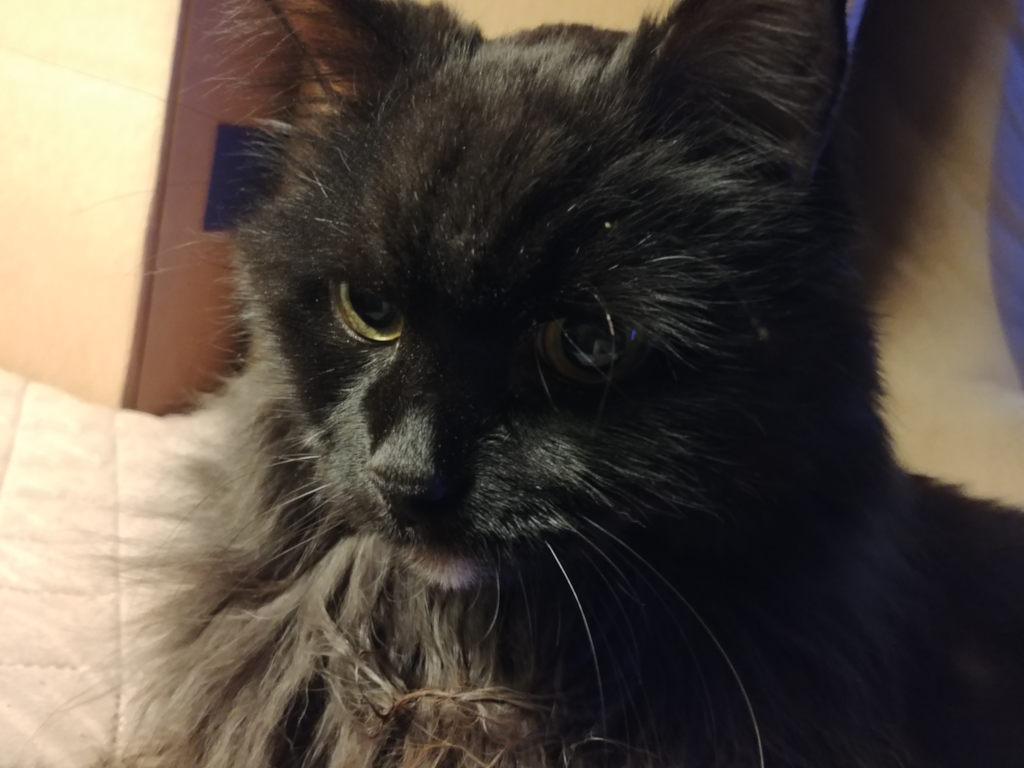 CKD does not remain exactly the same from one appointment to the next. Appetite, fluid balance, kidney function, and medication needs can change, altering potassium levels even in an animal whose previous tests were consistently normal. Likewise, supplementation that was appropriate at one stage may need reassessment later to avoid excessive potassium.
The International Renal Interest Society’s 2026 CKD staging and treatment recommendations emphasize individualized treatment and serial monitoring in both dogs and cats. Follow-up testing after a potassium abnormality or a relevant treatment change helps establish whether the imbalance has been corrected safely. The timing depends on the severity of the problem and how stable the animal is, rather than a single schedule applied to every pet.
It is also worth separating relief of a complication from treatment of CKD itself. The 2026 feline consensus guidelines do not identify low potassium as a proven driver of CKD progression in cats, and correction of hypokalemia should not be presented as a way to reverse kidney disease. Its purpose is to address a clinically important disturbance that can interfere with comfort and normal function.
Once potassium has returned to an appropriate level, changes in posture, appetite, and movement can help show whether the suspected source of weakness was addressed. If an animal remains unable to jump, rise comfortably, or walk normally despite corrected laboratory values, further investigation may reveal persistent muscle loss, painful joints, or a separate medical problem. That distinction helps the veterinary team decide what deserves attention next instead of treating every decline in strength as another inevitable effect of kidney disease.