

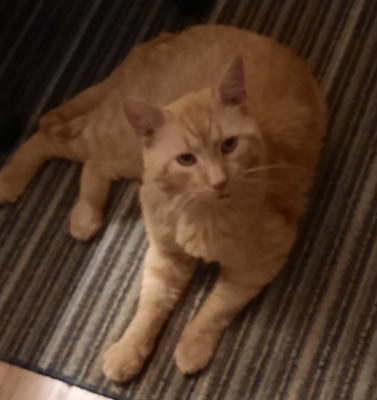
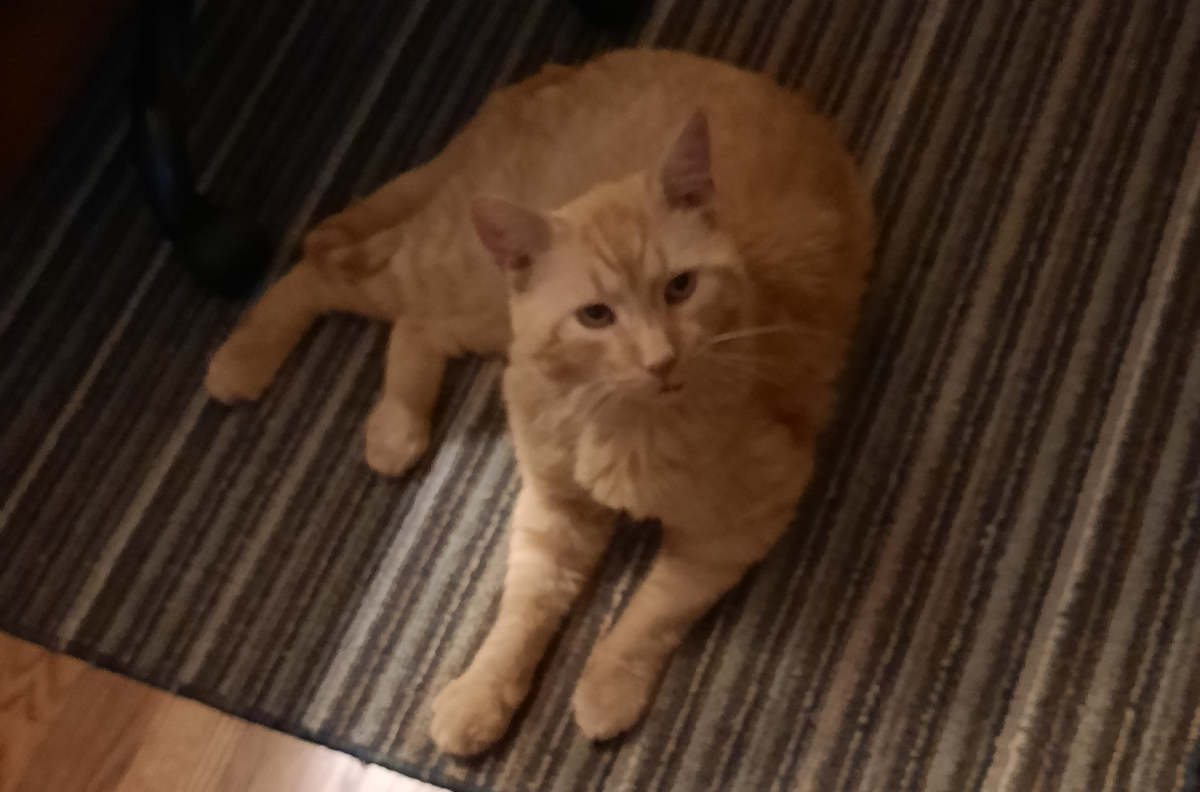
Giving medication to a cat can be difficult under ordinary circumstances. When that cat has spent much of his life living outdoors, avoiding human contact, and depending on his instincts for survival, administering a simple pill may become a considerable challenge. For a senior cat with ongoing medical needs, those difficulties can affect the consistency of treatment and the relationship he has developed with his caregivers.
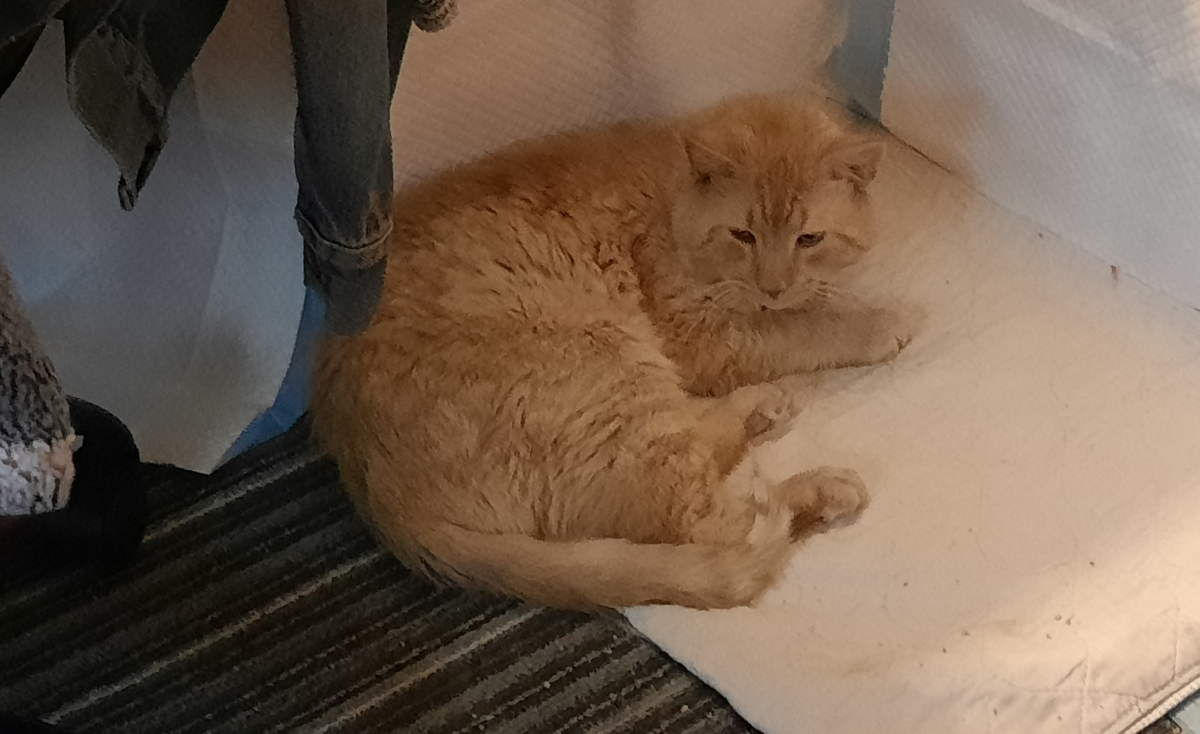
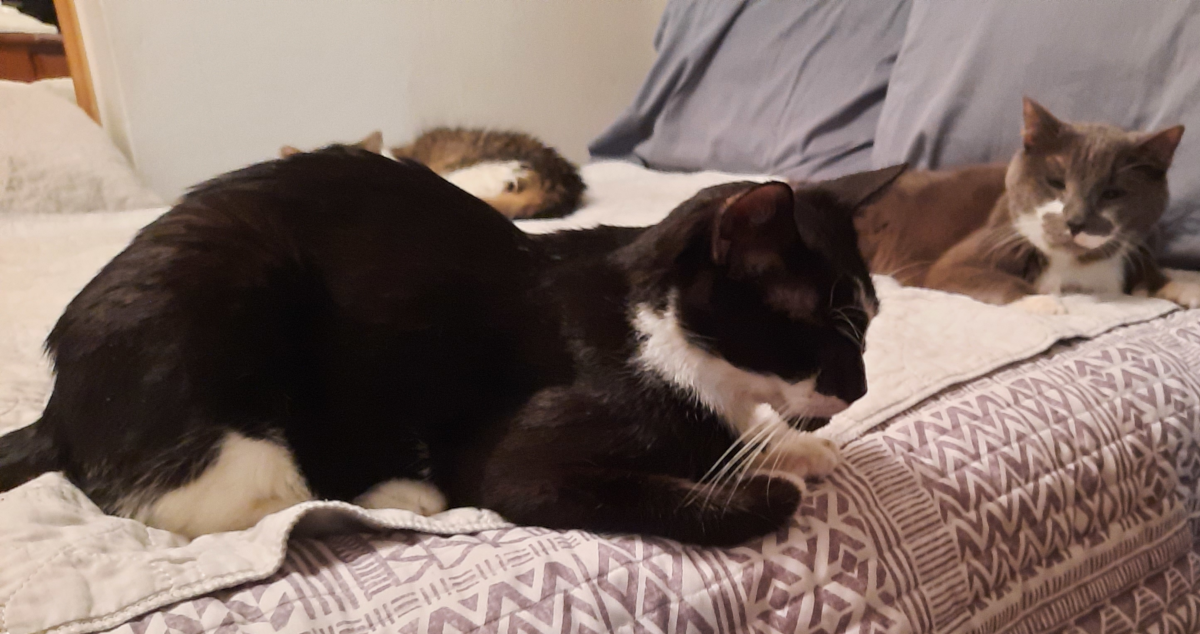
Our cat Stanley gives us a personal connection to this subject. Stanley was a feral stray who appeared at a friend’s door looking for help. He urgently needed dental treatment for a massive oral infection, and his medical history also includes an enlarged heart with a murmur and pneumonia. He now lives with us, receiving the medical attention and daily care he needs.
We have been particularly fortunate because Stanley loves pill pockets. His willingness to accept medication concealed in a treat makes an otherwise challenging responsibility considerably easier. Not every formerly feral cat responds so willingly, however, and some caregivers find themselves trying to deliver necessary medication without frightening an animal that has only recently begun accepting close human contact.
Understanding Why a Formerly Feral Cat May Resist Medication
 A cat’s experiences with humans, particularly during early development, can influence how comfortably he accepts physical handling throughout his life. Cats that received little positive human contact during their early socialization period may remain cautious about restraint, unfamiliar procedures, and having someone manipulate their mouths. Living successfully in a household does not necessarily eliminate those sensitivities.
The 2022 AAFP/ISFM Cat Friendly Veterinary Interaction Guidelines explain how previous experiences, emotional state, and the ability to retain some control during handling influence feline behavior. Although these guidelines primarily address veterinary interactions, their emphasis on recognizing fear and minimizing unnecessary restraint is relevant to administering medication at home.
A formerly feral cat may willingly approach a familiar person, accept affection, and sleep comfortably nearby while still resisting attempts to open his mouth. Being touched voluntarily is different from having someone hold his head or prevent him from moving away. The distinction becomes especially apparent when an animal has learned to associate certain types of handling with unpleasant experiences.
Resistance can take several forms, including retreating, flattening the ears, crouching, attempting to escape, or becoming defensive when approached. Some frightened cats become unusually still, a response that can be mistaken for cooperation. Recognizing these behaviors allows caregivers to assess whether a medication routine is tolerable or whether repeated attempts are making the situation worse.
Pain complicates the picture further. A cat with arthritis, dental disease, or another uncomfortable condition may tolerate less handling than he previously accepted. When resistance develops suddenly, it deserves attention as a possible behavioral or medical change rather than being dismissed as an unavoidable characteristic of a formerly feral animal.
Stanley and the Advantage of Pill Pockets
Stanley’s fondness for pill pockets has given us an advantage in managing his medication needs. These soft, moldable treats are designed to conceal tablets or capsules, allowing medication to be offered as part of an ordinary eating activity. When the prescribed drug can safely be given with food, this approach may eliminate the need to physically open the cat’s mouth.
For an animal that is uncomfortable with restraint, reducing the amount of handling involved can make a meaningful practical difference. A cat that voluntarily eats a medicated treat does not need to be held in position while someone attempts to place a tablet on his tongue. It also gives the caregiver a way to administer medication without repeatedly turning a familiar interaction into a struggle.
VCA Animal Hospitals recommends concealing suitable medications in a small amount of food or a soft treat as one possible administration method. The guidance also emphasizes confirming that the medication has actually been swallowed. That detail matters because cats can separate tablets from treats, swallow the appealing portion, and leave the medication behind.
Some cats accept a medicated treat more readily when it is offered between two ordinary treats. Others recognize the unfamiliar taste or texture immediately, regardless of how carefully the medication is concealed. These approaches are practical options rather than established guarantees, and caregivers still need to observe whether the complete prescribed dose was consumed.
Stanley’s willingness to eat pill pockets is a fortunate part of his individual behavior, not evidence that the method will work for every formerly feral cat. Medication compatibility also matters. Certain drugs have specific requirements concerning food, swallowing, or the condition of the tablet, so a pill pocket should only be used when it is appropriate for the prescription.
Why Senior Cats Can Be More Difficult to Medicate
 Older cats may have physical conditions that make administering medication more complicated. Dental disease, chronic pain, reduced appetite, and mobility problems can affect how comfortably an animal accepts treatment. A cat receiving several medications may also face repeated handling throughout the day, depending on the prescribed schedule.
Dental health is particularly relevant to Stanley because of the serious oral infection that brought him into our care. Painful teeth or inflamed gums can make chewing uncomfortable, and a cat experiencing mouth pain may reject a treat that previously worked well. Attempting to force medication into an already painful mouth can create further distress.
The Cornell Feline Health Center’s guidance on feline dental disease describes signs that include difficulty eating, excessive drooling, changes in food preferences, and unusual head movements while chewing. Dental disease can cause considerable discomfort, and some affected cats stop eating. A sudden change in how a cat accepts food or medication may therefore warrant an examination of the mouth.
Other chronic conditions introduce additional considerations. A cat with kidney disease, diabetes, heart disease, or another ongoing illness may have dietary restrictions or medication requirements that limit the use of certain treats. Even small additions to a prescribed diet may need consideration when an animal’s health depends on careful nutritional management.
Medication instructions can also become more complicated with age as the number of prescriptions increases. Some drugs should be administered with food, while others require separation from meals or other medications. Tablets and capsules should not be crushed, divided, or opened without confirmation that altering the formulation is safe, since doing so can affect how a drug is delivered or absorbed.
Preserving Trust While Administering Medication
Establishing a predictable relationship with a formerly feral cat can require considerable time. Consistent feeding routines, familiar surroundings, and allowing the animal to approach people voluntarily may help him become more comfortable in a household. Medication routines should account for those established patterns rather than unnecessarily disrupting them.
Repeatedly chasing a cat through the house to administer medication can create an association between the caregiver’s approach and an unpleasant procedure. A cat that begins hiding whenever someone enters the room may be responding to those previous interactions. Increasing the amount of restraint is unlikely to resolve the underlying difficulty and may make subsequent attempts harder.
Preparing medication before approaching the cat can reduce unnecessary handling time. Choosing a quiet, familiar location also limits distractions and provides an opportunity to observe the animal’s response. When possible, offering medication during an established routine may be less disruptive than introducing an entirely separate event.
Some cats can gradually become more comfortable with handling through brief, reward-based practice sessions. An owner might begin by rewarding the cat for approaching voluntarily or accepting a moment of familiar touch, without immediately attempting a difficult procedure. Any progression toward more involved handling should remain gradual and responsive to the animal’s behavior.
Directly placing a tablet in the mouth is sometimes necessary, and veterinary staff can demonstrate appropriate techniques for cats that tolerate them. Gentle towel restraint or specialized pill dispensers may be useful in selected circumstances, but neither is suitable for every animal. Forceful restraint, scruffing, or repeated attempts to overpower a frightened cat can increase distress and create a risk of injury.
When a cat cannot be medicated safely, the prescribing veterinary team needs to know promptly, particularly if missing treatment could have serious consequences. A different formulation or administration approach may be more appropriate than continuing unsuccessful attempts. The immediate medical requirements and the animal’s tolerance for handling both need consideration.
When Food Concealment Stops Working
 A cat that initially accepts medication hidden in food may eventually begin rejecting it. Some tablets have unpleasant tastes or odors, while others release bitterness if they break apart during chewing. A cat may then associate a familiar treat with that experience and become suspicious of it.
Using a small quantity of suitable food makes it easier to determine whether the entire dose has been consumed. Mixing medication into a full meal creates uncertainty when the cat eats only part of the portion. It may also cause the animal to reject a food that normally forms an important part of his diet.
That possibility deserves particular attention in older cats with reduced appetites or conditions requiring consistent food intake. A senior cat that begins refusing meals may be experiencing an adverse medication effect, nausea, oral discomfort, or an unrelated illness. Continuing to disguise medication in increasingly large portions of food does little to resolve those underlying possibilities.
If a previously successful method stops working, the medication itself may need to be reconsidered with the prescribing veterinarian. A different tablet size, an approved liquid formulation, or another suitable treatment may be available. Choosing an alternative depends on the specific drug and medical condition, rather than simply identifying something the cat might find more appealing.
Exploring Liquid, Compounded, and Transdermal Medications
Liquid medication sometimes provides an alternative for cats that refuse tablets. Certain formulations can be mixed with a small amount of food when the prescribing instructions permit it, while others must be delivered directly into the mouth. A flavored liquid may be easier for one cat to accept but just as objectionable as a tablet to another.
When a liquid must be administered orally, careful technique matters. Cornell University’s guidance advises giving small amounts into the side of the mouth while allowing the cat time to swallow, rather than tilting the head upward. Directing liquid toward the back of the throat or delivering it too quickly can increase the risk of accidental inhalation.
Compounded medications are another possibility when an appropriate approved product cannot meet an animal’s needs. A compounding pharmacy may be able to prepare a different strength, flavor, or dosage form under veterinary direction. These preparations can be useful, although their availability does not establish that they are equivalent to commercially approved formulations.
The FDA explains that compounded animal drugs are not FDA-approved and have not undergone the same premarket review for safety, effectiveness, and quality. Absorption and effectiveness may differ from an approved product, depending on the drug and preparation. Compounding is therefore a treatment decision requiring professional oversight, particularly when consistent drug exposure is medically significant.
Transdermal medications provide another option for certain conditions. These preparations are applied to the skin, commonly the inner surface of the ear when an appropriate feline formulation is prescribed. Some drugs, including certain treatments for feline hyperthyroidism, can be administered this way, but skin absorption varies among medications and formulations.
Not every drug can be delivered effectively through the skin, and a transdermal product should never be substituted for an oral prescription without veterinary authorization. The application itself also requires safe handling, attention to the prescribed instructions, and precautions against accidental exposure to people or other animals. A cat that objects strongly to having his ears handled may not find this route particularly comfortable.
Confirming That Medication Has Been Swallowed
 One of the practical difficulties of administering medication is knowing whether the prescribed dose actually reached the cat. An empty pill pocket does not always mean the tablet was swallowed, and a cat may spit out medication when the caregiver is no longer watching. This uncertainty can become significant when a treatment requires consistent dosing.
Tablets and capsules also present a specific concern because they can sometimes remain in a cat’s esophagus rather than passing promptly into the stomach. The esophagus is the muscular tube connecting the mouth to the stomach. Medication that remains there may cause irritation, and certain drugs are associated with more serious esophageal injury.
Cornell University’s instructions for giving oral medications to cats recommend following tablets or capsules with an appropriate amount of compatible liquid to help them reach the stomach. Depending on the medication and the cat’s circumstances, food may also be useful as part of the administration process. Caregivers should establish the appropriate swallowing instructions for each prescription rather than assuming every medication can be handled identically.
Giving water by oral syringe is not suitable for every cat or every situation. An animal that is struggling, having difficulty swallowing, or experiencing respiratory problems should not have liquid forced into his mouth. When a medication requires a follow-up liquid or food and the cat will not cooperate safely, the veterinary team should help identify a workable administration method.
Occasionally, a caregiver may find an intact tablet on the floor or discover that the cat consumed only part of a medicated treat. Vomiting shortly after treatment creates a different uncertainty because some portion of the drug may already have been absorbed. Administering another full dose without instructions can result in excessive medication exposure, so uncertain doses should be handled according to guidance specific to the prescription.
Persistent swallowing difficulties, repeated regurgitation, or apparent pain after medication warrant timely veterinary evaluation. Coughing during liquid administration may indicate a problem requiring assessment, while labored breathing, open-mouth breathing, or other signs of serious respiratory distress require emergency attention. These situations should not be attributed automatically to ordinary resistance.
Managing Several Medications in One Household
Medication schedules can become complicated when a senior cat requires treatment for more than one condition. Different prescriptions may have separate administration times, storage requirements, or instructions concerning meals. The difficulty increases when the cat cooperates with some medications but resists others.
A written medication record can reduce the chance of accidentally repeating or overlooking a dose. Recording the medication name, scheduled time, whether administration was confirmed, and any unusual reaction gives everyone involved in care access to the same information. It also creates a useful history when a veterinarian needs to evaluate treatment consistency or possible adverse effects.
Households with several animals face an additional concern because medicated treats should never be left where another pet might consume them. Giving medication under direct supervision and keeping animals separated during administration can prevent accidental exposure. This is particularly relevant when one cat receives prescriptions that could be harmful to another animal.
Practical limitations also deserve attention when choosing a medication plan. Compounded products may cost more, certain preparations require refrigeration, and some medications are difficult to obtain without advance ordering. A treatment schedule that depends on repeated stressful handling or supplies that are difficult to maintain may need additional planning to remain dependable.
Recognizing When Resistance Reflects a Change in Health
 A formerly feral cat may consistently object to certain types of handling, but a sudden change in behavior deserves a closer look. A cat that previously accepted medication and begins refusing it may be reacting to the formulation, experiencing discomfort, or developing an unrelated medical problem. The surrounding observations help determine which possibilities deserve attention.
Appetite is particularly useful information. Refusing one medicated treat while continuing to eat normally differs from rejecting all food, showing difficulty chewing, or losing interest in meals. Persistent food refusal, repeated vomiting, marked lethargy, or other significant changes warrant timely assessment, especially in a senior cat with existing medical conditions.
Medication side effects are another consideration. Some drugs can cause nausea, salivation, appetite changes, or other reactions, although the same signs can arise from illness or oral discomfort. Recording when a behavior began, its relationship to medication administration, and whether it occurs at other times can help the veterinarian evaluate possible causes.
Stanley’s history of serious dental disease illustrates why these distinctions matter. A cat with previous oral problems should not automatically be assumed to be resisting medication because of his feral background. Changes in chewing, food acceptance, or tolerance for mouth handling may provide valuable information about his current condition.
Developing a Medication Plan That Can Change With the Cat
A medication technique that works well today may become unsuitable as a cat’s medical needs change. Dental discomfort, new prescriptions, altered appetite, or declining tolerance for handling can affect a routine that was previously dependable. For an animal requiring long-term treatment, having an alternative approach available can prevent unnecessary interruptions.
It helps to discuss administration difficulties when a new medication is prescribed rather than discovering the limitations after returning home. The veterinarian or pharmacist can clarify whether the drug may be given with food, whether the tablet can be altered, what alternatives are available, and how an uncertain or missed dose should be handled. These details become particularly useful when the caregiver already knows that direct oral handling is poorly tolerated.
Stanley’s enthusiasm for pill pockets has made this part of his care easier than it might otherwise have been. That does not mean every future prescription will be compatible with them or that his preferences will remain unchanged. We still need to consider the medication instructions, confirm that doses are consumed, and recognize any changes in his ability or willingness to accept treatment.
For caregivers dealing with a cat that cannot be medicated reliably, a practical veterinary appointment may include reviewing the actual tablets, treats, or administration equipment being used at home. Seeing the medication’s size and formulation, along with hearing exactly how the cat responds, can help the veterinary team recommend a more workable method. In some cases, a supervised demonstration or a change in formulation may resolve a problem that repeated attempts at home have not.
Formerly feral cats may retain strong boundaries around physical handling even after becoming comfortable with household life. Those boundaries can be considered when developing treatment plans without assuming that necessary medical care must be abandoned. The aim is a prescribed medication routine that the caregiver can carry out consistently, that meets the cat’s medical requirements, and that does not depend on repeated confrontations to succeed.