

A senior dog or cat can be wonderful company, but many adoption listings accidentally make older pets sound like a collection of limitations before a potential adopter ever gets the chance to meet them. The first few lines may lead with age, arthritis, medication, a special diet, or the fact that the animal would prefer a quiet home. All of those details may be accurate, but accuracy alone does not make an effective adoption bio.
A good rescue bio has another job. It needs to help someone picture the individual animal behind the facts. For a senior pet especially, that means describing what living with that dog or cat actually feels like, while still being honest about health, behavior, and the type of home that would suit the animal.
After decades around rescue animals, one thing becomes obvious very quickly: age tells surprisingly little about personality. Two twelve-year-old cats can behave as differently as two people of the same age. The adoption bio needs to introduce that individual, not simply introduce a senior.
Lead With the Pet, Not the Problem
 Consider the difference between these two openings:
- “Buddy is a 12-year-old senior dog with arthritis who takes medication and needs a quiet home.”
- “Buddy has perfected the art of the afternoon nap, but the sound of his leash still brings him trotting to the door.”
Both descriptions could belong to exactly the same dog. The second one gives the reader somebody to meet.
Age and medical information still belong in the listing, but they rarely need to be the first impression. Start with the characteristic that makes the animal memorable. Maybe the cat follows people from room to room. Maybe the dog carries the same stuffed toy everywhere. Maybe breakfast is treated like the most important event of the day.
Petfinder currently recommends beginning adoption descriptions with something endearing or distinctive about the pet, followed by information about skills, compatibility, and home life. Its guidance also notes that adopters commonly search profiles using practical attributes such as age, size, breed, and house-training status, so those structured profile fields should be completed even when the written bio concentrates on personality. The listing does not need to hide the pet’s age. It simply does not need to define the animal by it.
Specific Details Make a Senior Pet Feel Real
Generic descriptions are easy to write and easy to forget. “Sweet,” “loving,” “friendly,” and “calm” appear in thousands of adoption listings because they can be true of thousands of animals. Specific behavior creates a picture. Instead of writing that a cat is affectionate, explain that she waits beside the couch until someone sits down, then climbs onto the nearest available lap. Instead of saying that a dog enjoys walks, describe how he spends ten minutes carefully investigating every mailbox on the block before returning home for a nap.
Those details do more than make the writing entertaining. They give potential adopters information about daily life. Maddie’s Fund recommends gathering small pieces of information from shelter staff, volunteers, and foster caregivers, including favorite toys, funny habits, friendships, personality quirks, typical routines, favorite activities, and anything else that helps describe the individual animal. Those observations give writers material for a real story rather than a list of statistics.
For senior pets, ordinary routines are often some of the best material available. A twelve-year-old dog may not perform impressive tricks, but perhaps he waits politely while his leash is attached. An older cat may not race around the house anymore, but she may chirp whenever someone enters the kitchen. Those are adoption details.
Help Someone Picture the Pet in Their Home
 The strongest senior-pet bios quietly answer a question potential adopters are already asking: “What would living with this animal be like?” A bio can provide that answer without making promises.
A mellow older dog might be described as enjoying a morning walk followed by several hours asleep near someone’s desk. A senior cat might prefer a sunny window, a heated bed, and evening television time beside her person. Another older dog might still enjoy car rides, short hikes, toys, and meeting visitors.
This is especially valuable because the word “senior” can create assumptions. Some people picture a frail animal requiring constant care. Others assume an older dog will have no interest in activity or an older cat will spend the entire day sleeping. Sometimes that description fits. Sometimes it absolutely does not.
Describe the animal in front of you. A useful bio might explain that a dog still enjoys two moderate walks each day but is content to relax afterward. Another might say that a cat enjoys interaction but prefers being beside someone rather than being carried. Those details help the right person recognize a possible match.
Do Not Turn the Bio Into a Pity Campaign
Senior animals naturally inspire emotion, particularly when they have spent a long time waiting for a home. That does not mean sadness should become the marketing strategy.
- “Nobody wants him.”
- “She has been waiting forever.”
- “He deserves to know love before it is too late.”
Statements like these may be well-intended, but they ask the adopter to respond primarily to guilt. They also tell the reader almost nothing about the animal.
A senior pet is not a charity project. The animal is a potential companion. There is nothing wrong with mentioning that a dog has been waiting longer than expected or that a cat came to rescue after losing a previous home. Those facts may be part of the story. The writing works better when the story then moves toward who the animal is now. Instead of asking someone to feel sorry for an older dog, give them reasons they may enjoy sharing their life with him.
Perhaps he already understands household routines. Maybe he walks beautifully on a leash. Maybe he settles easily while people work. Maybe he enjoys visitors without jumping all over them. Perhaps his favorite evening involves nothing more complicated than lying beside someone’s chair. For the right adopter, those are selling points.
Honesty Still Matters
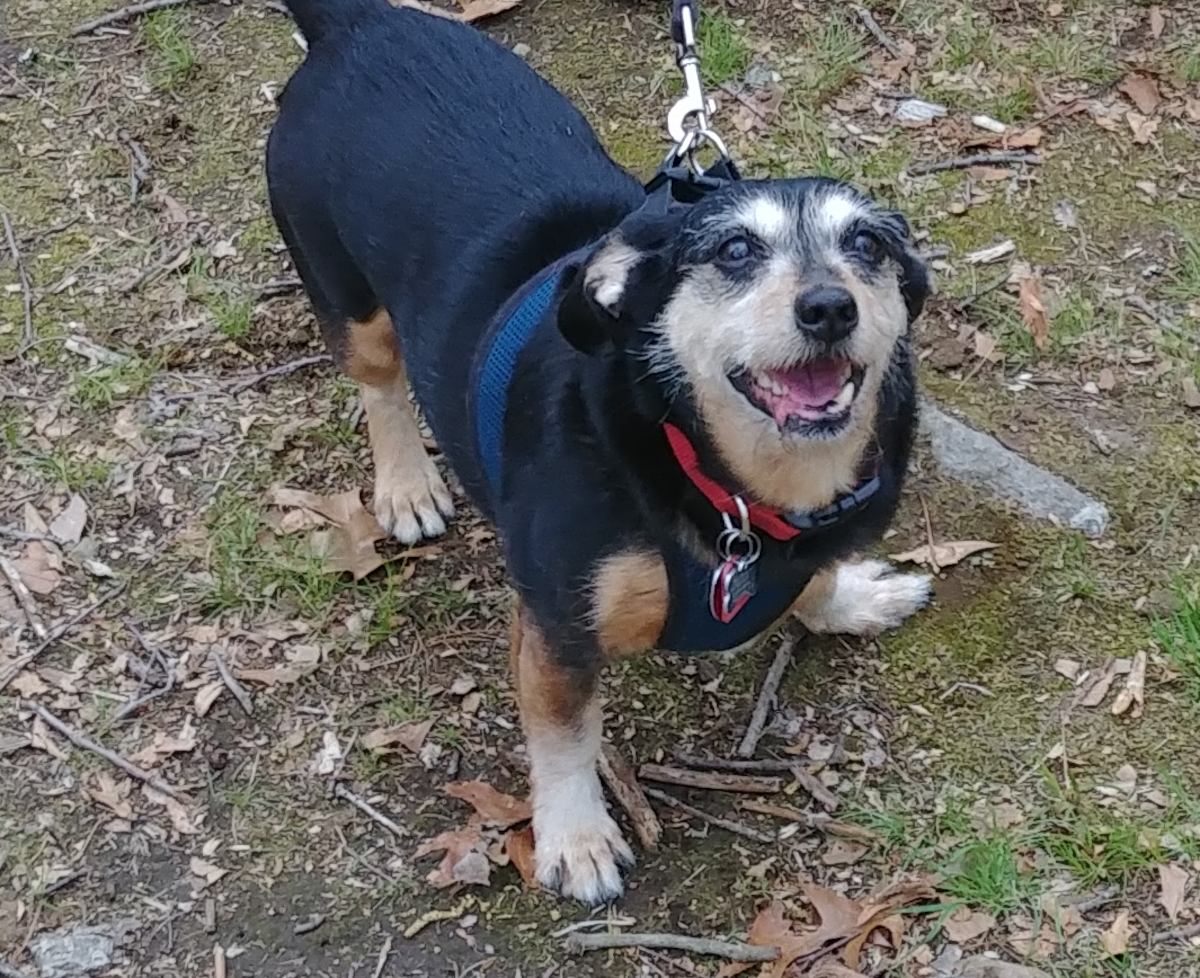 Positive writing should never become misleading writing. A senior dog who becomes distressed around other dogs should not be advertised as universally friendly simply because the rescue wants more inquiries. A cat who requires ongoing treatment for a diagnosed medical condition should not be presented as having no additional care needs.
Maddie’s Fund has addressed the distinction between adoption marketing and adoption counseling. Its guidance emphasizes that positive public marketing and full transparency are compatible. A public profile can introduce the animal in an inviting way, while more detailed conversations and records provide prospective adopters with the information they need before making a decision. That distinction is particularly useful with older pets.
The public bio does not need to read like a veterinary chart, but known medical needs should not disappear. If an older cat receives medication for a diagnosed condition, say so clearly and explain what the rescue currently knows about the routine. If a dog has mobility limitations, describe the practical effect rather than leaving the reader with an unexplained medical term.
“Max has arthritis” provides a diagnosis. “Max has arthritis and currently does best with shorter walks and a home where he does not have to climb a long flight of stairs several times each day” provides useful context.
Medical details should come from veterinary records or information confirmed by the rescue’s veterinary team. A volunteer or foster caregiver can describe what they observe, but should not guess at diagnoses, prognosis, treatment needs, or future medical costs.
Describe Compatibility With Evidence
Statements such as “good with dogs,” “good with cats,” and “good with children” can heavily influence an adoption decision, so they deserve more care than a simple checkbox. Whenever possible, explain what is actually known.
A senior dog who calmly walks beside another dog may behave differently when sharing a home with one. A cat that ignores a dog through a baby gate has provided useful information, but that is not the same as having a long history of living comfortably with dogs. Wording can reflect that difference. “Has lived successfully with another cat” is specific. “Has been relaxed around calm dogs during supervised introductions” is also specific. “Good with everything” may be impossible to support.
Structured compatibility information matters as well. Petfinder reports that senior animals with multiple completed “Good With” attributes tend to spend less time listed on its platform, which is another reason rescues should fill out those profile fields whenever they have reliable information. The goal is not to make the senior pet sound compatible with every household. It is to help the household that actually fits recognize that fit.
Explain Preferences Without Making Them Sound Like Defects
Senior pets often have preferences that have become quite clear over the years. A dog may prefer adults to energetic children. A cat may dislike being picked up. Another animal may need a predictable routine or a quiet place to retreat when guests arrive. Those facts can be written without making the pet sound difficult.
Instead of:
“Must go to a home without children.”
Try:
“Charlie enjoys a calm household and would be most comfortable in a home without young children.”
Instead of:
“Doesn’t like being handled.”
Try:
“Molly enjoys sitting beside people and receiving head scratches, but she prefers keeping all four paws on the ground rather than being carried.”
The information has not been hidden. It has been made more useful. Words such as “stubborn,” “aggressive,” “difficult,” “bad,” or “problem dog” often compress complicated behavior into a label. Describe what actually happens instead. Observable behavior gives adopters something concrete to discuss with the rescue, trainer, behavior professional, or veterinarian when appropriate.
Let the Senior Pet Have Some Dignity
 Older animals can become almost cartoon characters in rescue writing. Every gray muzzle becomes “Grandpa.” Every older female cat becomes “Granny.” Every senior pet supposedly wants nothing except naps and cuddles. Some do. Others clearly missed that memo.
There are twelve-year-old dogs that still throw toys across the room. There are senior cats who demand breakfast loudly enough to wake an entire household. Some older animals are independent, mischievous, opinionated, playful, reserved, adventurous, or remarkably good at manipulating humans into providing extra snacks. Let that personality remain intact.
Humor can work wonderfully when it grows from actual behavior. A cat who repeatedly steals someone’s chair may reasonably be described as having strong opinions about furniture ownership. A dog who checks every grocery bag may have appointed himself household food inspector. The distinction is authenticity. The joke should reveal something true about the animal rather than turning age itself into the joke.
Photos and Video Should Support the Story
The written bio works much harder when the photographs show the same animal the words describe. For senior pets, avoid making every picture a clinical-looking intake photograph. A kennel photo taken through fencing tells a different story than the same dog relaxing on a blanket, walking through a park, riding in a car, or leaning against a volunteer.
A cat photographed crouching nervously in the back of a cage may appear completely different stretched across a windowsill in a foster home. Petfinder recommends including clear head and full-body photographs, reducing distracting backgrounds, using natural light when possible, and showing pets interacting normally with people or other animals when those interactions are appropriate. Its current guidance also encourages video because movement can reveal personality that still photographs miss.
For an older pet, even a twenty-second video can answer questions that the bio cannot. The adopter can see the dog walking, watch the cat approach someone for attention, hear a purr, notice a wagging tail, or see the animal calmly settling onto a bed.
A Bio Should Change as the Rescue Learns More
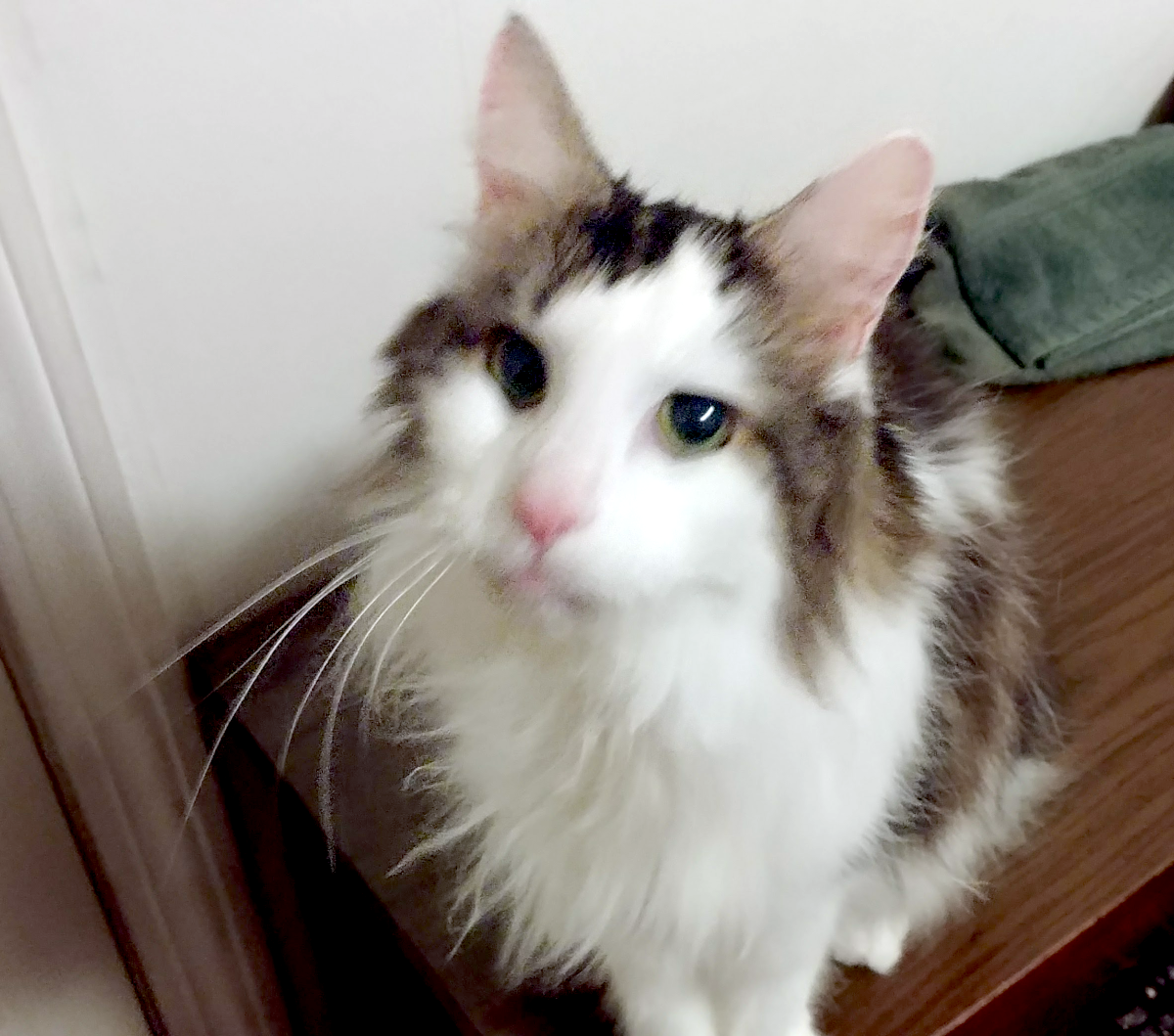 The first profile written at intake is often the least informed profile the animal will ever have. A frightened senior cat may spend the first day hiding. Two weeks later, the same cat may be sleeping beside a foster caregiver every night. A dog that appears withdrawn in the shelter may behave very differently after several quiet days in a home.
Adoption bios should grow with that information. Ask foster caregivers and regular volunteers for updates. Find out what the pet does in the morning, how they react to visitors, where they choose to sleep, what toys they prefer, what makes them excited, and what has become easier with time.
Even small discoveries deserve updates because those details can be exactly what connects with someone. “Likes treats” is forgettable. “Will wake from a dead sleep when someone opens the cheese drawer” sounds like a dog you already know.
That is the real purpose of a senior rescue bio. The writing should help someone stop seeing “a ten-year-old shelter dog” or “a thirteen-year-old rescue cat” long enough to meet Buddy, Molly, Charlie, Max, or whoever happens to be waiting on the other side of the screen.
Once the individual becomes visible, age becomes one fact among many rather than the entire story.