



There is a kind of companionship that becomes easier to appreciate with age. It is less about constant activity and more about presence, routine, familiarity, and having another living being nearby who is genuinely glad to share the day with you. For many older adults, a senior dog or cat can fit that rhythm beautifully. The match is not automatic, and age alone never determines whether a person and pet belong together, but older people and older pets often have needs and habits that line up in ways that younger animals may not.
Senior pets are sometimes passed over because people assume an older animal will bring only health problems or heartbreak. That view misses a great deal of what older dogs and cats still have to offer. Veterinary guidance from the American Animal Hospital Association emphasizes that old age itself is not a disease, and that senior animals can continue to have meaningful, comfortable lives with appropriate care, monitoring, and environmental support.
A Calmer Pace Can Be a Better Match
Puppies and kittens are wonderful, but they are demanding. They need training, supervision, frequent play, help learning household rules, and enough patience to get through accidents, chewing, climbing, scratching, and all the other behaviors that come with a young animal figuring out the world.
Many senior pets have already moved beyond that stage. Their personalities are usually well established, their adult size is known, and many have previous experience living in a home. The ASPCA notes that older pets often require less constant monitoring than puppies or kittens, and many are already house-trained or litter-box trained.
For an older adult who enjoys a quieter home, that can make a big difference. A senior cat that prefers a sunny window, a comfortable chair, and a few short play sessions may be a much easier fit than a kitten racing across furniture at two in the morning. A mature dog that is happy with steady walks and relaxed time at home may suit someone better than a young dog that needs long periods of vigorous exercise and training.
That does not mean every older pet is calm. Some senior dogs remain very active, and some older cats still have impressive bursts of energy. The advantage is that shelters and rescue groups often have a clearer picture of an older animal’s established behavior, which can make it easier to look for a pet whose activity level and personality match the adopter’s daily life.
Companionship Can Add Structure to the Day
 One of the most practical benefits of living with a pet is routine. Meals happen at regular times, water bowls need to be checked, litter boxes need to be cleaned, dogs need bathroom breaks, and medications or grooming may become part of the schedule. Those small responsibilities can create predictable points throughout the day.
For someone who is retired, lives alone, or has recently experienced a major life change, that structure may be especially meaningful. A pet does not replace friends, family, community, or medical support, but caring for an animal can give the day a steady rhythm and a reason to stay engaged with everyday tasks.
Public health guidance also recognizes that pets can increase opportunities for exercise, outdoor activity, and social contact. The CDC notes that pet ownership is associated with more opportunities to move, get outside, and interact with other people, and that companionship from pets may help with feelings of loneliness.
Research in older adults also suggests there may be cognitive benefits associated with pet ownership, although this does not prove that a pet prevents cognitive decline. A large cohort study using data from adults age 50 and older found that pet ownership was associated with slower decline in verbal memory and verbal fluency among people living alone. The study was observational, so it cannot establish cause and effect, but it adds to the evidence that regular interaction with a pet may be one part of an active, socially connected life.
Older Pets Often Ask for a Different Kind of Attention
A younger animal often demands attention through motion. An older animal may ask for it simply by being near you. Senior cats may spend more time sleeping beside their person, while older dogs may be content to follow someone from room to room and settle close by.
That quieter companionship can be especially comforting in a home where there is more time for shared routines. Reading in the afternoon, watching television in the evening, sitting on a porch, or taking a short walk can become activities done together without needing to turn every moment into exercise or training.
After decades of living with aging pets, we have learned that their companionship often becomes more focused rather than less meaningful. Older animals may move more slowly, sleep more, or need help getting comfortable, but those changes can make the relationship feel more attentive. You notice when they choose a favorite spot, when they wait for a familiar routine, and when they simply want to be close.
A Senior Pet’s Personality Is Usually Easier to Read
Adopting any animal involves some uncertainty, but older pets often give potential adopters more information up front. Their general temperament, size, grooming needs, activity level, and many established habits are already visible. That can help a senior citizen choose more carefully. Someone who wants a quiet lap cat can ask specifically for an older cat known to enjoy close contact. A person who wants a walking companion can look for a mature dog that walks politely on a leash and has an energy level that feels manageable.
This kind of matching matters more than age alone. A small but highly excitable dog that pulls hard on a leash may be a poor fit for someone with balance problems, while a larger but calm, well-trained dog may be easier to handle. The same applies to cats. A confident, easygoing cat may fit beautifully in one home, while a shy animal that needs a very quiet environment may be better suited to another.
Shelter staff, rescue volunteers, and foster caregivers can often provide useful observations about an individual pet’s habits. The goal should be to choose the animal in front of you, not to assume that every senior pet behaves the same way.
The Health Benefits Should Be Viewed Realistically
Pets can encourage movement, companionship, and social interaction, but they are not medical treatment. It is better to think of those benefits as part of daily life rather than a prescription. The CDC reports associations between pet ownership and opportunities for exercise, social contact, and some measures of physical and emotional health. Those associations are encouraging, but they do not mean that adopting a pet will lower blood pressure, prevent depression, or protect memory in every person.
For some older adults, a dog may encourage regular walking. For others, the walking requirement may be too demanding or unsafe. A cat may provide companionship with less physical strain, while a small dog with modest exercise needs may fit someone who still enjoys daily walks but does not want a highly athletic animal.
The right choice depends on the person’s health, mobility, living situation, finances, transportation, and available support. A pet should add companionship without creating responsibilities that are unrealistic for the household.
Safety Deserves Just as Much Attention as Companionship
 Falls are one of the most practical concerns when an older adult lives with a pet. Dogs can pull suddenly on leashes, cats can move underfoot, food bowls may become obstacles, and toys left in walkways can create tripping hazards.
Research has documented fall-related fractures in adults age 65 and older associated with walking leashed dogs. Earlier CDC data also found that pet-related fall injuries were most common among older adults, especially those over 75.
That does not mean older adults should avoid pets. It means the match and the home setup matter. A dog that walks calmly on a leash, non-slip flooring, good lighting, clear walkways, secure placement of food and water bowls, and help from family or a dog walker when needed can reduce unnecessary risk.
Hygiene matters as well. Adults age 65 and older can be more vulnerable to some infections carried by animals, particularly if they also have a weakened immune system. The CDC recommends regular handwashing after handling pets, pet waste, food, bowls, and other animal supplies, along with routine veterinary care and sensible precautions around bites, scratches, fleas, and ticks.
Senior Pets Need Medical Care Too
The companionship of an older pet comes with a responsibility to care for an aging body. Senior dogs and cats are more likely to develop chronic conditions, dental disease, mobility problems, vision or hearing changes, and other age-related concerns that may require monitoring or treatment.
AAHA’s senior-care guidance recommends individualized care because aging differs by species, breed, body size, health history, and expected lifespan. The organization also recommends regular veterinary evaluation for senior pets and notes that changes in weight, appetite, thirst, activity, behavior, or mobility can provide useful information when something is beginning to change.
That part of senior-pet adoption should be considered before bringing an animal home. Veterinary visits, dental care, medications, diagnostic testing, special diets, or mobility aids may eventually become part of the budget. A senior citizen living on a fixed income should have a realistic plan for those costs rather than assuming that an older animal will remain inexpensive to care for.
It is also worth thinking about transportation. If driving becomes difficult, who can help with veterinary appointments? If the pet becomes ill, is there a family member, neighbor, friend, mobile veterinarian, pet taxi, or local service that can help? Those plans are easier to make before they are urgently needed.
The Best Match Often Comes From Honest Questions
 A thoughtful adoption starts with an honest look at daily life. A person who walks several miles a day may want a very different companion than someone who uses a cane, walker, or wheelchair. Someone living in a small apartment may prefer a quiet cat, while someone with a fenced yard may be comfortable with a dog that needs more outdoor time.
Before adopting, it helps to ask the shelter or rescue about the pet’s activity level, house-training or litter-box habits, response to strangers, comfort with handling, medication needs, known medical conditions, grooming requirements, and behavior around other animals. It is also reasonable to ask whether the animal has lived with an older adult before and whether staff have noticed any behaviors that could create a fall risk.
A trial period, sleepover, or foster-to-adopt arrangement can be useful when an organization offers one. It gives both the person and the pet time to settle into a normal household rhythm before making a permanent commitment.
Planning for the Pet’s Future Is Part of Responsible Adoption
Older adults sometimes hesitate to adopt because they worry about what would happen to the pet if their own health changes. That concern deserves practical planning, not embarrassment. Every pet owner should have a backup caregiver, but the plan is especially valuable for someone who lives alone or has ongoing medical concerns. A trusted relative, friend, neighbor, or designated caregiver should know the pet’s routine, veterinarian, medications, feeding instructions, and where important records are kept.
It can also help to keep a written care sheet in an easy-to-find location and carry a wallet card stating that a pet is at home. Some people make arrangements in their estate planning for who will care for the animal and how expenses will be handled. The details vary by state, so legal questions about trusts or estate documents are best discussed with an attorney.
Two Seniors Can Offer Each Other Something Valuable
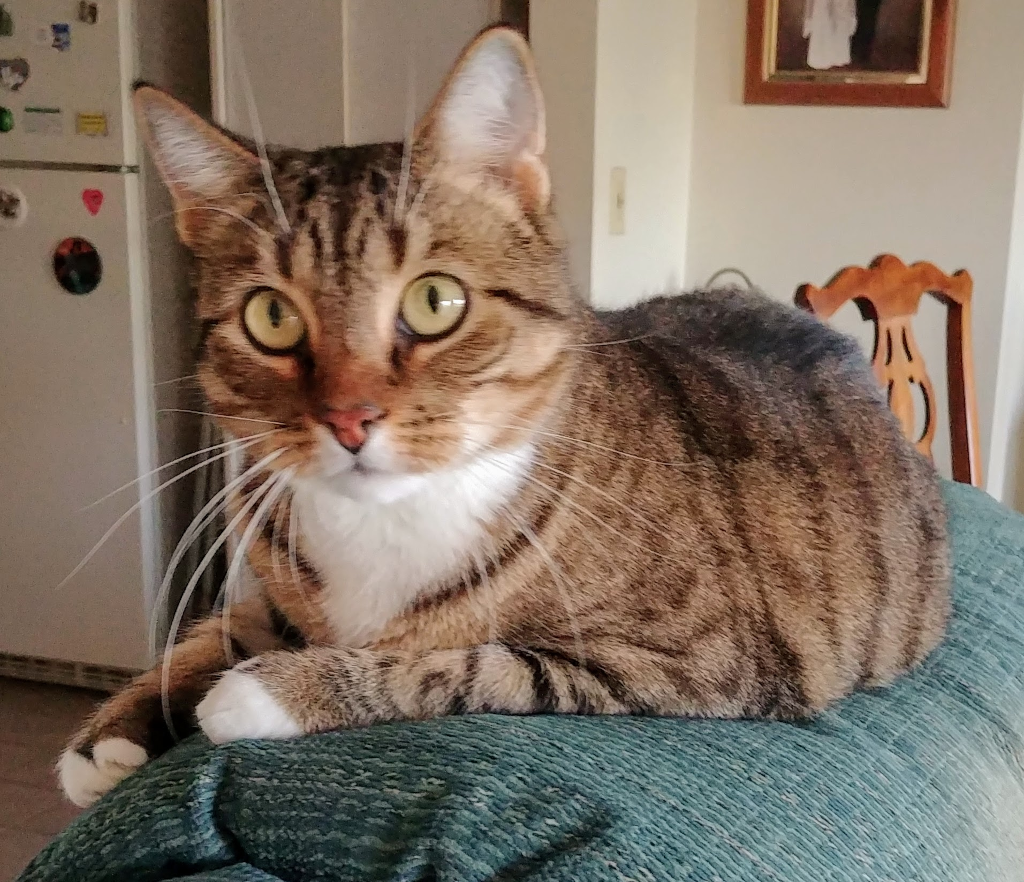 There is no perfect age combination for a person and a pet, but senior citizens and senior animals can make an unusually compatible pair. Both may appreciate predictability, comfortable surroundings, familiar routines, and companionship that does not depend on constant activity.
For an older dog or cat waiting in a shelter, that kind of home can be exactly what is needed. For an older person who wants an animal nearby without starting over with the demands of puppyhood or kittenhood, a senior pet may offer the steady presence they were hoping to find.
The best match is not the youngest animal, the healthiest animal, or the one that looks most impressive in a photograph. It is the pet whose personality, care needs, activity level, and daily rhythm fit comfortably into the life of the person bringing them home. When that match is made thoughtfully, age can become one of the reasons the relationship works so well rather than a reason to overlook it.