



Nighttime can change as a dog or cat gets older. A pet who once curled up after dinner and slept until morning may begin pacing the hallway, wandering from room to room, vocalizing, repeatedly asking to go outside, climbing on and off the bed, or waking the household several times during the night. Some animals appear unsettled as soon as the house becomes quiet, while others fall asleep normally and wake a few hours later seeming confused or anxious.
Living with this night after night can be exhausting for everyone involved. It is tempting to focus entirely on getting the pet back to sleep, but nighttime restlessness often deserves a wider look. A dependable bedtime routine can help many animals feel safer and more settled, yet a new change in nighttime behavior can also be an early clue that something physical or cognitive has changed.
At BellenPaws, our approach comes from decades of caring for aging and medically complicated dogs and cats while working alongside their veterinarians. The goal is not to label every nighttime behavior as a medical problem, but to pay attention to patterns, make the home easier for an aging animal to use, and bring meaningful observations to the veterinary team when something changes.
Nighttime Anxiety Is Not Always Just Anxiety
A pet pacing at 2 a.m. certainly may appear anxious, but anxiety describes what we are seeing rather than necessarily explaining why it is happening. Pain, needing to urinate more frequently, gastrointestinal discomfort, declining vision or hearing, endocrine disease, cognitive changes, medication effects, and other health problems can all alter sleep and nighttime behavior.
This distinction becomes especially significant with senior animals. The American Animal Hospital Association includes altered sleep-wake cycles and increased anxiety among the behavioral changes seen with cognitive dysfunction in older dogs and cats. Pain can contribute to anxiety as well, which means an animal that suddenly becomes restless at night may need more than a behavioral solution.
Dogs with canine cognitive dysfunction may sleep more during the day and then wander, pace, vocalize, or become confused at night. Cats can experience similar sleep-wake changes and may begin pacing or vocalizing overnight. These signs overlap with many other health problems, so cognitive dysfunction is not something that should be diagnosed from nighttime behavior alone. Veterinary evaluation is used to look for medical conditions that could be producing similar changes.
A bedtime routine works best when we think of it as supportive care rather than a substitute for finding the cause.
Start by Making Bedtime Predictable
 Animals become remarkably good at recognizing sequences. The lights dim, the television turns off, someone checks the doors, a dog goes outside, the water bowl gets topped off, and everyone moves toward the bedroom. Those ordinary household events can become signals that the active part of the day is ending.
Predictability can be particularly helpful for anxious animals because it reduces uncertainty. Veterinary behavior guidance commonly recommends consistent routines for meals, exercise, play, rest, and other daily activities. A predictable schedule gives a dog more information about what happens next instead of leaving the animal repeatedly trying to determine whether another walk, meal, play session, or interaction is coming.
A bedtime routine does not need to happen at exactly 9:47 every evening. Real households are not laboratories. What matters more is maintaining roughly the same sequence, especially for the last hour or two before sleep.
For one household, that sequence might be dinner, quiet family time, a short evening walk, fresh water, medications prescribed for that time, a final bathroom trip, dimmer lighting, and bed. For a cat, it may involve an evening meal, gentle interaction or play, litter box access, a little quiet grooming or affection, and then settling into a preferred sleeping area.
Repeating the sequence helps bedtime become familiar rather than abrupt.
Use Daytime Activity to Support Nighttime Sleep
An animal that sleeps most of the day may understandably have more energy after the household goes to bed. This becomes common with older animals because arthritis, weakness, cognitive changes, or reduced interest in activity can gradually shrink the amount of movement and stimulation they receive during daylight hours.
The answer is not to exhaust a senior pet shortly before bedtime. Excessive activity can leave an animal sore, overstimulated, or uncomfortable. Instead, appropriate activity spread throughout the day can help maintain a healthier rhythm between active periods and rest.
For dogs, this might include comfortable walks, short sniffing sessions outside, gentle play, food puzzles, or brief training exercises appropriate for the dog’s physical abilities. Cornell’s guidance for senior dogs with cognitive changes specifically discusses maintaining predictable walks and adding suitable enrichment while recognizing that older dogs may have physical limitations.
Cats can benefit from several short periods of activity rather than one long play session. Wand toys, rolling toys, food puzzles, brushing, window watching, or simply moving between favorite household areas can add stimulation without demanding intense exercise.
An older pet’s abilities should set the pace. A dog with arthritis may benefit more from a calm sniff walk than from vigorous exercise, while a senior cat may prefer batting at a toy from a comfortable rug rather than jumping after it.
Build a Calm Transition Before Sleep
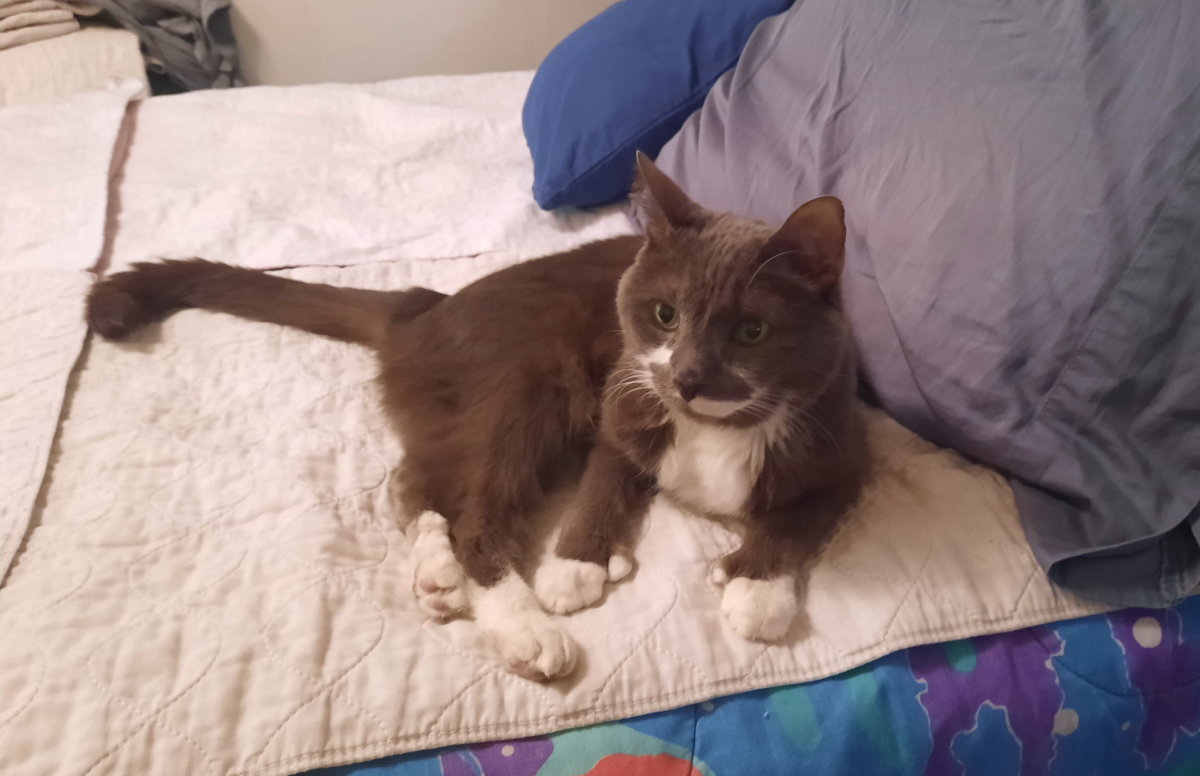 Households often go directly from activity to bedtime. The television is loud, people are moving around, dishes are being washed, doors are opening, and then suddenly everything becomes dark and quiet. Some pets adjust without difficulty. An anxious, sensory-impaired, or cognitively declining animal may have a harder time with such a sudden change.
Creating a transition period can help. During the last 30 to 60 minutes before bed, gradually reduce household activity where practical. Lower the television volume, avoid highly stimulating games, and allow the pet to settle near the family.
Dogs that enjoy gentle petting, brushing, or resting on a familiar bed may begin associating those activities with nighttime. Cats often create their own bedtime rituals, sometimes appearing in the same chair, bed, or room at nearly the same time every evening. Allowing those routines to remain consistent can be useful.
The objective is not to force relaxation. A pet that dislikes prolonged handling should not be restrained or repeatedly petted in an attempt to calm them. Familiarity is more valuable than imposing a specific ritual.
Take Care of Bathroom Needs Before Bed
Sometimes the mystery behind nighttime waking is surprisingly practical. An older dog may simply need more opportunities to urinate. Kidney disease, diabetes, certain medications, urinary problems, cognitive changes, and other conditions can increase bathroom needs or reduce an animal’s ability to wait until morning.
A final bathroom trip shortly before bed can help many dogs. Senior dogs may need a little more time outside than they once did, particularly if stiffness makes movement slower or cognitive changes cause them to become distracted before eliminating.
Cats should have easy nighttime access to clean litter boxes. For a cat with arthritis or weakness, a tall-sided box located across the house may technically be available but functionally difficult to reach. A lower-entry box placed closer to the sleeping area may make nighttime easier.
A sudden increase in nighttime urination, accidents, straining, repeated trips to the litter box, or major changes in drinking should be discussed with a veterinarian rather than treated solely as a sleep problem.
Make the Sleeping Area Easy to Use
 The environment that worked perfectly at age five may not work as well at age fifteen. A senior animal may be dealing with weaker vision, poorer hearing, joint pain, muscle loss, decreased balance, or cognitive changes that make previously simple tasks surprisingly difficult.
Start by looking at the route between the pet’s bed and the places they may need during the night. Slippery flooring can make an arthritic dog reluctant to move or nervous about getting up. Rugs or nonslip runners can provide more secure footing. A pet that struggles with stairs may benefit from sleeping on the same floor as water, a door to the yard, or a litter box.
Small nightlights can also help some older animals. Cornell specifically recommends nightlights for senior dogs that wander overnight so they can see their surroundings more easily and are less likely to become stuck or confused.
Furniture placement matters too. An animal experiencing cognitive or visual changes may become unsettled if beds, bowls, litter boxes, or major pieces of furniture are frequently moved. Keeping familiar pathways open and predictable can reduce unnecessary confusion.
Comfort deserves equal attention. Bedding should provide enough support for an older animal to lie down and get back up without struggling. Temperature can matter as well, particularly for pets with thin coats, reduced muscle mass, or painful joints.
Give the Pet a Familiar Place to Settle
Many animals benefit from having a consistent nighttime sleeping area. That could be a dog bed beside the owner’s bed, a familiar crate for a dog that already enjoys being crated, a quiet corner of the bedroom, or a favorite cat bed placed somewhere the cat already chooses to sleep.
The key word is familiar. A crate should not suddenly be introduced at bedtime to an elderly dog who has never been comfortable in one. Confining a distressed animal can intensify anxiety rather than reduce it.
Veterinary behavior guidance supports creating safe resting areas and teaching dogs to associate those locations with calm periods. If a dog becomes distressed when confined, however, professional guidance may be needed rather than continuing to push the exercise.
Cats often prefer more choice. One cat may want a covered bed, another may sleep on a heated pad designed specifically for pets, and another may insist on the foot of the human bed. Providing several comfortable options can work better than trying to assign a sleeping location.
Respond to Nighttime Waking Without Creating More Confusion
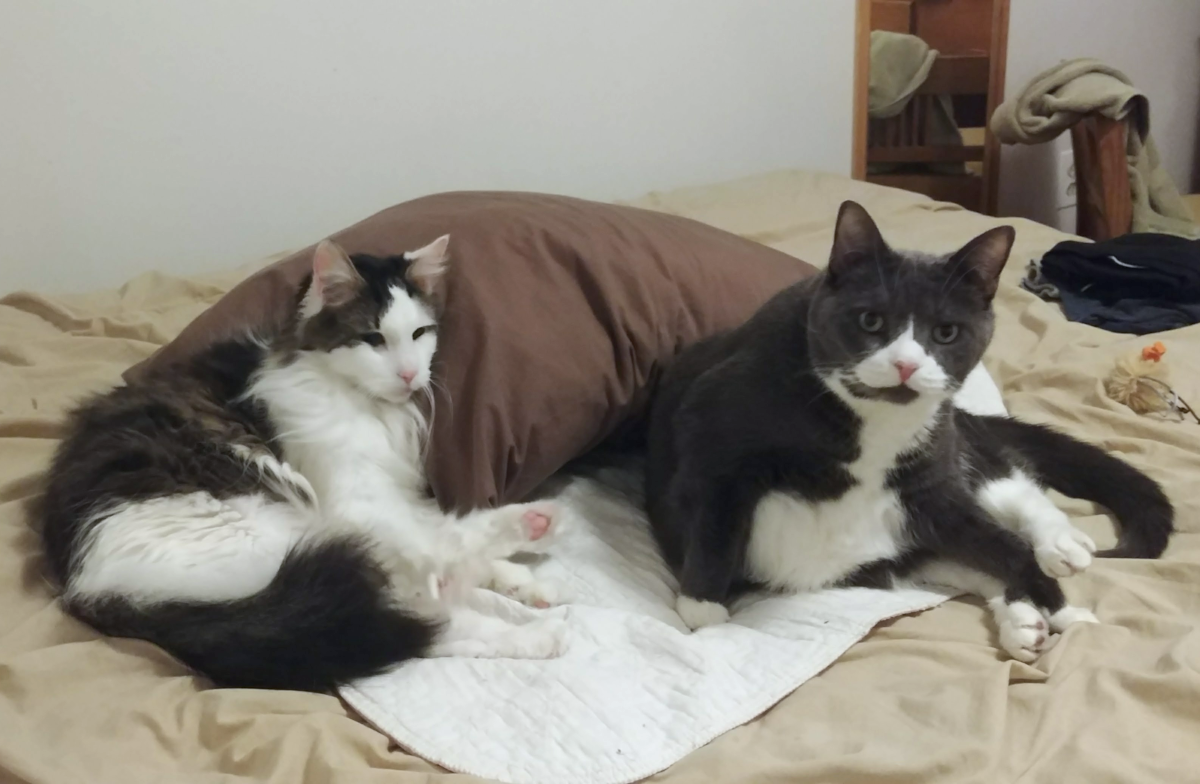 Repeated nighttime waking can put even patient pet owners on edge. After the third trip down the hallway at 3 a.m., frustration is understandable. Still, becoming loud or punitive is unlikely to help an animal that is frightened, uncomfortable, or confused.
Keep nighttime responses calm and simple. If a dog needs to go outside, make the trip quiet and uneventful. If an older animal appears confused, gently guide them back toward a familiar sleeping area rather than turning the episode into playtime or a long period of household activity.
At the same time, do not automatically ignore every episode in an effort to avoid “rewarding” the behavior. An animal that needs to urinate, is painful, has become trapped behind furniture, or is genuinely distressed needs help.
Patterns provide useful clues. An occasional restless night after a disrupted schedule is very different from a dog who begins pacing every night at 1 a.m. or a cat who suddenly starts crying in the hallway after midnight.
Keep a Simple Nighttime Record
Memory becomes unreliable when sleep is repeatedly interrupted. After several tired mornings, it can become difficult to remember whether the pacing started at midnight, 2 a.m., or shortly before breakfast.
A simple notebook or phone note can make patterns much easier to recognize. Record when the pet goes to sleep, when waking occurs, what the animal does, whether they urinate or defecate, how easily they settle afterward, and anything unusual about the day.
Also watch for related daytime changes such as increased sleeping, changes in appetite or drinking, accidents, stiffness, disorientation, new fears, altered interaction, or difficulty recognizing familiar routines. Veterinary guidelines for cognitive dysfunction specifically emphasize sleep changes alongside disorientation, activity changes, house soiling, altered social interaction, and anxiety.
Short video clips can also be valuable if the behavior is safe to record. Seeing how an animal walks, pants, circles, vocalizes, stares, or attempts to settle may provide the veterinarian with information that is difficult to describe from memory.
Know When a Bedtime Routine Is Not Enough
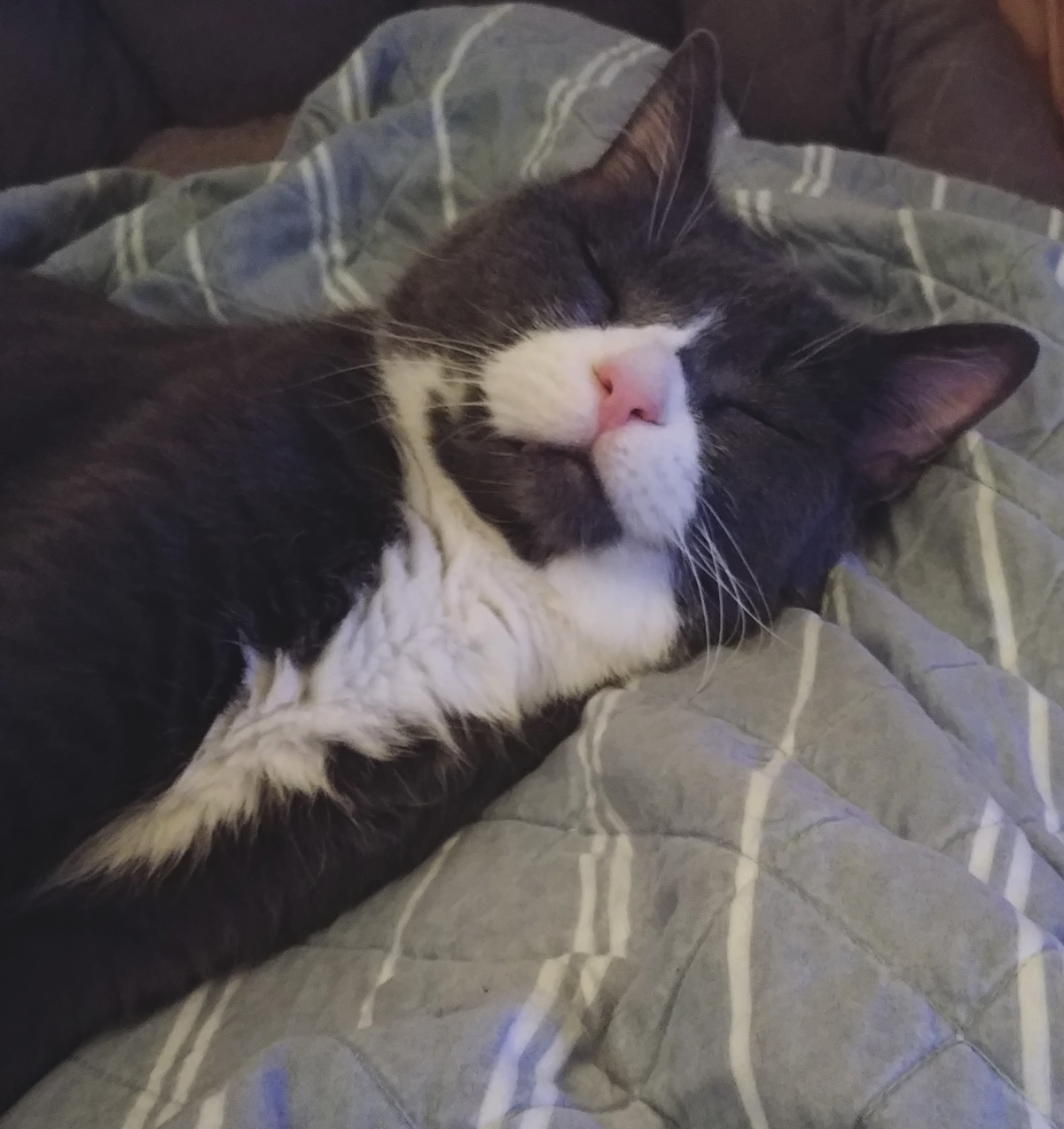 A bedtime routine can support an anxious pet, but it should not be expected to fix pain, urinary disease, hyperthyroidism, cognitive dysfunction, neurological disease, or other medical problems. New or worsening nighttime behavior deserves particular attention when it appears in a senior animal.
A veterinary appointment is reasonable when nighttime restlessness becomes persistent, progressively worsens, or appears alongside other changes. This includes repeated pacing, unusual vocalization, confusion, getting stuck in familiar areas, significant changes in thirst or urination, house soiling, reduced appetite, weakness, difficulty lying down or standing, or obvious discomfort. Veterinary sources emphasize that behavioral changes in older pets should be assessed for physical causes before they are assumed to be purely behavioral.
Medication may sometimes become part of a veterinary treatment plan for anxiety, pain, cognitive dysfunction, or another underlying condition. Those decisions belong with the veterinarian because the appropriate medication depends on the pet’s diagnosis, other health problems, and any drugs or supplements already being given.
For many pets, the most useful bedtime routine is surprisingly ordinary. Familiar evening activity, a final chance to eliminate, comfortable bedding, safe footing, gentle lighting, accessible water, predictable surroundings, and a calm household can remove several small sources of nighttime stress at once.
That routine also gives the owner something valuable: a baseline. Once the evenings become consistent, changes stand out more clearly. A pet who suddenly cannot settle despite everything being the same is telling us that something has changed, and that observation may be exactly what helps start a productive conversation with the veterinarian.