

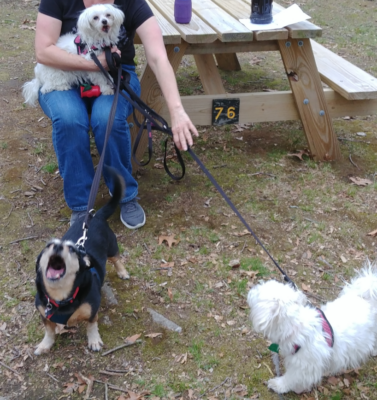
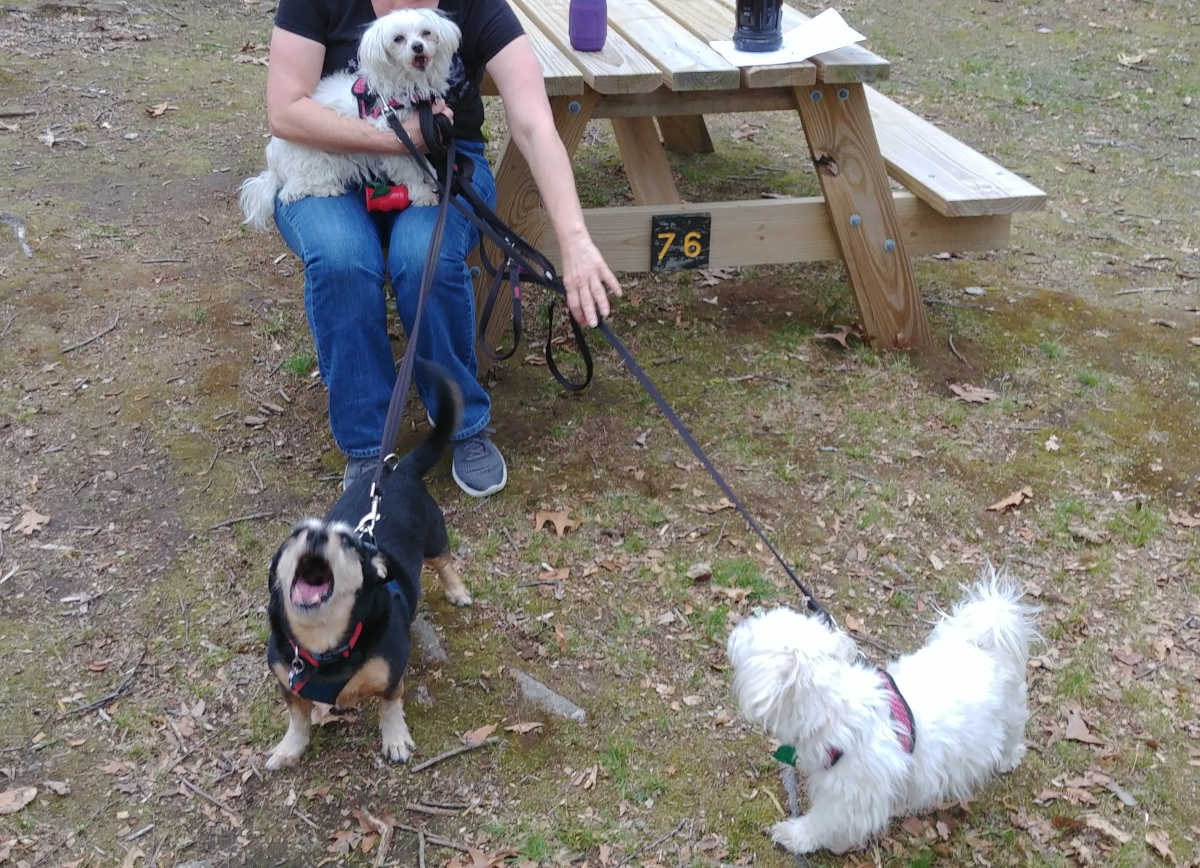
A child may look at an older dog sleeping on the rug or a gray-faced cat curled on the sofa and see the same familiar companion they have always known. The animal, however, may be experiencing the world differently than a few years ago. Hearing can fade, vision can change, joints may ache, sleep may become deeper, and tolerance for fast or unpredictable handling can become smaller. Current senior-care guidance from the American Animal Hospital Association notes that older pets may experience pain, mobility changes, sensory loss, and behavioral changes that deserve attention rather than being dismissed as normal aging.
Teaching children how to interact with senior pets is therefore about more than preventing a bite or scratch. It is about helping a child notice another living creature’s comfort, boundaries, and changing abilities. That is especially useful in a household where a child has grown up with the same pet, because familiarity can make everyone assume that yesterday’s rules still apply today.
Older Pets May Need Different Social Rules
A senior pet can still enjoy affection, play, companionship, and time with children. Age does not automatically make a dog or cat fragile, irritable, or unsafe. What often changes is the amount of control the animal needs over an interaction and how easily discomfort can be triggered by rough contact, sudden movement, or being startled from sleep.
Pain is one reason those changes matter. AAHA notes that chronic pain in older pets can be subtle and may first appear as changes in behavior, movement, interaction, or tolerance of handling. A dog that once enjoyed being climbed on may now have sore hips, and a cat that once tolerated being scooped up may have arthritis that makes lifting uncomfortable.
Children do not need a medical lecture to understand this. A simple explanation such as, “His body is older now, so we give him more time and gentler hands,” gives the child a reason for the rule without making the pet sound sick or scary. The goal is to connect kindness with observation, not fear.
Teach Permission Before Touching
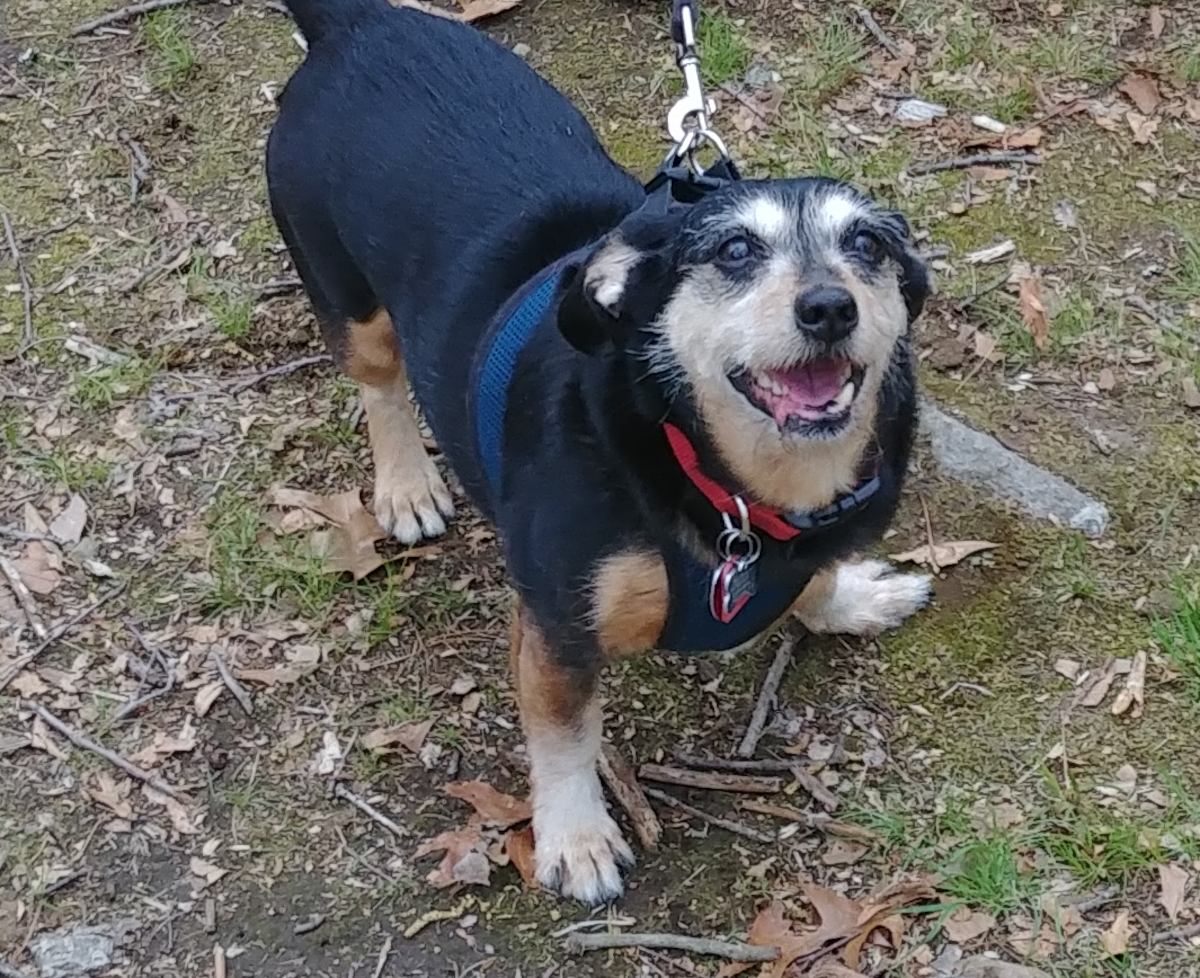 One of the best habits a child can learn is that seeing a pet is not the same as having permission to touch the pet. This applies to unfamiliar animals, but it also helps with the dog or cat living in the same house. A child can learn to stop a few feet away, watch the animal, and allow the pet to decide whether to come closer.
For dogs, this matches current bite-prevention guidance. The CDC advises allowing a dog to approach first and avoiding interaction with a dog that is hiding, resting, eating, frightened, sick, or trying to be alone. The AVMA also emphasizes close supervision of children around dogs and teaching children to treat pets respectfully.
With cats, the same basic idea works even though the signals may look different. A cat that walks over, rubs against a leg, sits nearby, or remains relaxed may be open to contact. A cat that retreats under furniture, flicks the tail sharply, flattens the ears, stiffens, or repeatedly turns away is communicating that space is needed.
Let the Pet Choose the Distance
Children often show affection by moving closer, hugging, leaning over an animal, or putting their face near the pet’s face. Those gestures can feel very different from the animal’s side, especially for an older pet with pain, weaker balance, reduced hearing, or reduced vision. A senior pet may be startled simply because the child entered its space before the animal realized someone was there.
Teaching a child to approach from where the pet can see them can prevent many uncomfortable moments. A child can speak softly before reaching toward a sleeping or visually impaired animal, move at a normal pace, and wait for the pet to orient toward them. Older pets with hearing or vision changes may benefit from predictable routines and fewer surprises in their environment.
It also helps to teach that moving away is an answer. If the dog stands up and leaves, the child should not follow and keep petting. If the cat jumps off the couch after a few strokes, the interaction is finished for that moment.
Gentle Hands Need Specific Instructions
“Be gentle” makes sense to adults, but it can be too vague for a young child. Children do better when adults show them exactly what gentle handling looks like. That can mean an open hand moving slowly along the shoulder or back, avoiding pulling ears or tails, avoiding pressure on hips or joints, and keeping fingers away from the eyes, mouth, and paws unless the pet is comfortable with that kind of handling.
Hugging deserves special attention because children commonly use hugs to show love. Some pets tolerate or enjoy close body contact, while others feel trapped by it, and an older animal may become less tolerant if movement is painful. A safer lesson is that affection does not have to mean restraint. Sitting beside the pet, stroking a comfortable area, talking softly, brushing with supervision, or offering an approved treat can all be affectionate without pinning the animal in place.
Lifting should usually be an adult decision, especially with senior cats and small dogs. Arthritis, spinal pain, weakness, recent surgery, or other health problems may make certain lifting positions uncomfortable or unsafe. If a child is old enough to help, an adult can first ask the veterinarian whether there are mobility or handling restrictions and then teach the child the same support technique used by the adults in the home.
Sleep, Food, and Resting Areas Should Be Protected
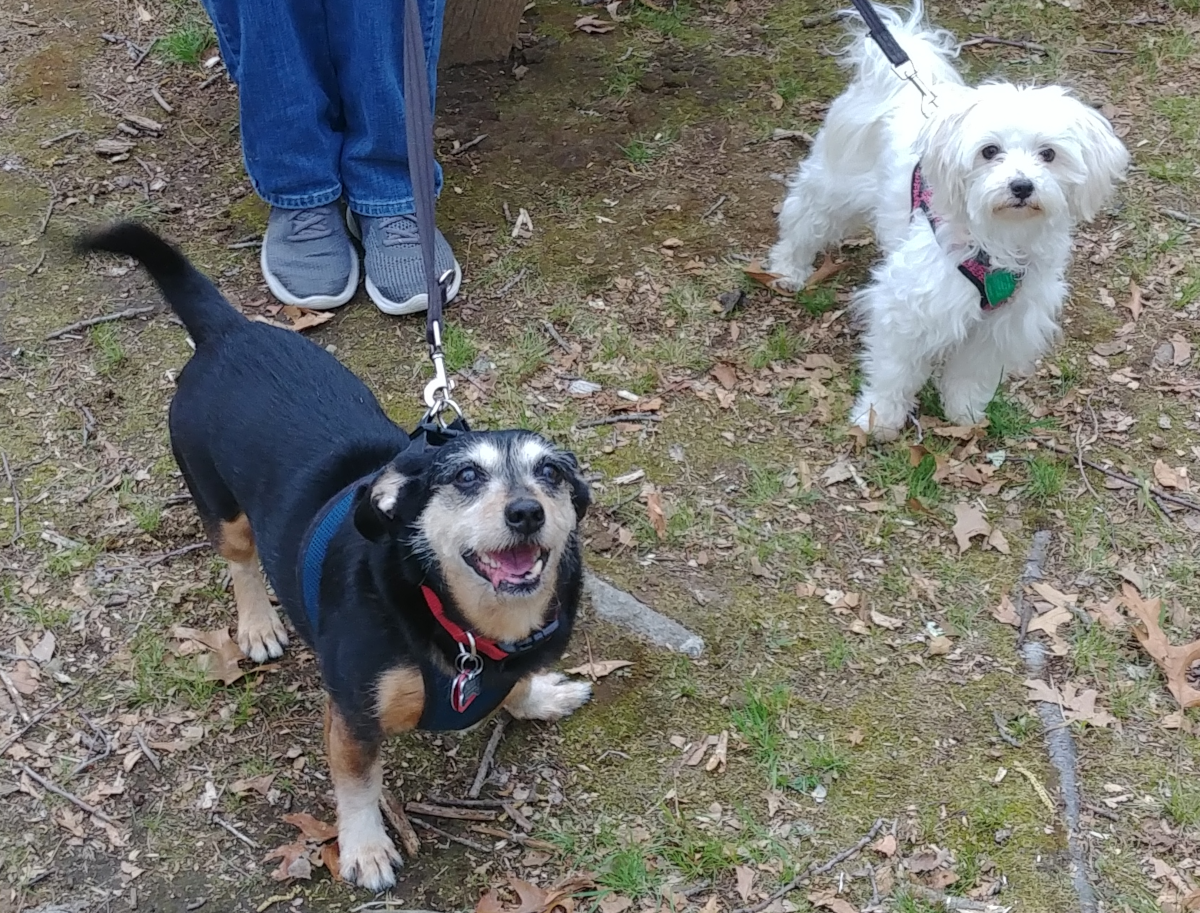 A senior pet’s bed, crate, favorite chair, or quiet corner should function as a place where the animal can rest without being pursued. Children can understand a simple household rule: when the pet goes to that spot, everyone gives the animal space. This gives the pet a reliable way to end social contact before frustration or fear builds.
Sleeping animals deserve the same protection. The CDC specifically advises against disturbing a dog while it is sleeping, and the broader principle is sensible for any senior pet that may startle easily. A child who wants to interact with a sleeping pet can be taught to ask an adult first rather than touching, shaking, hugging, or climbing onto the animal.
Food should also be treated as private time. Children should not reach into bowls, take toys or chews from a dog’s mouth, tease a pet with food, or crowd an animal while it is eating. Even a pet that has never guarded food before may behave differently if pain, illness, sensory changes, or cognitive changes develop.
Teach Children to Notice Early Signs of Discomfort
Children are capable of learning animal body language when adults keep the lesson simple and consistent. Instead of expecting them to memorize a long list of warning signs, teach them to notice changes such as the pet becoming still, turning the head away, walking away, hiding, stiffening, growling, hissing, swatting, flattening the ears, or suddenly stopping an interaction.
A growl or hiss should not be treated as disobedience in front of the child. It is information that the animal is uncomfortable and needs space. Punishing warning signals can make the situation harder to read later, while calmly ending the interaction teaches the child that communication has consequences and that the pet does not have to tolerate unwanted contact.
Adults should also remember that behavior changes in older pets can have a medical cause. AAHA recommends veterinary attention when senior pets develop new or unusual behavior, and feline senior-care guidance specifically notes that changes in interaction, vocalization, sleep, elimination, and other behavior can be associated with pain, sensory changes, cognitive dysfunction, or disease.
Supervision Still Matters With a Familiar Pet
 One of the easiest mistakes in a long-established household is assuming that a pet and child know each other so well that supervision is no longer necessary. Familiarity can reduce caution, yet the animal’s health, pain level, hearing, vision, or tolerance may have changed since the child was younger. The child’s behavior also changes with age, energy, friends visiting the house, and new forms of play.
The CDC advises adults to supervise young children around dogs, including family dogs, because familiar animals can still bite when frightened, uncomfortable, or disturbed. Supervision does not mean hovering nervously over every interaction. It means an adult is close enough to notice rising excitement, rough handling, attempts to climb on the pet, food conflicts, or signs that the animal wants to leave.
For cats, supervision also protects against scratches and accidental injuries caused by restraint or chasing. A senior cat with reduced mobility may not be able to escape a child’s attention as quickly as a younger cat, so the adult sometimes needs to end the interaction before the cat has to defend its space.
Give Children Safe Ways to Participate in Care
Respect becomes easier to understand when children are given appropriate ways to help. Depending on age and maturity, a child might refill a water bowl with an adult, bring the pet’s blanket, gently place a toy nearby, help prepare a comfortable resting area, or sit quietly during brushing. These jobs build a relationship around care rather than constant touching.
Older children may be able to notice useful changes as well. They may be the first person to mention that the dog hesitated before standing, the cat did not jump onto a favorite chair, or the pet seemed startled when approached from one side. Those observations can be valuable to the adults in the household and, when needed, to the veterinarian.
Medication, insulin, glucose testing, mobility assistance, or other medical care should remain under responsible adult control unless a veterinarian and parent have intentionally decided that an older child is ready to participate. A child can still be included by handing over supplies, recording a time, or sitting calmly nearby, but the pet should never become the child’s medical responsibility by default.
Adjust the Rules as the Pet Ages
 A household rule that worked when a dog was eight may need to change when that dog is thirteen. The same is true for a cat that has developed arthritis, kidney disease, hearing loss, vision changes, or other age-related health concerns. Senior care is not static, and children can be included in those adjustments in an age-appropriate way.
If a veterinarian identifies pain, sensory loss, mobility limits, or cognitive changes, adults can translate the recommendation into a household rule the child can follow. “Do not touch her while she is sleeping,” “pet her only when she comes to you,” “do not pick him up,” or “walk around his bed instead of stepping over him” are clear instructions that protect the pet without making the child responsible for understanding the diagnosis.
We have found over many years of caring for aging dogs and cats that small changes in household behavior can make daily life calmer for everyone. Senior pets often do very well with children when the interaction is predictable, supervised, and respectful of the animal’s changing comfort level. The most useful lesson a child can learn is not simply how to pet an older animal, but how to notice when the animal wants contact, when the animal has had enough, and when giving space is the kindest form of attention.