
One day your dog walks confidently through the house, jumps onto a favorite bed, and heads straight for the water bowl. The next day, that same dog may hesitate at a doorway, bump into a chair, or stand strangely still in the middle of a familiar room. A cat who normally moves through the house without a second thought may suddenly crouch near a wall, become reluctant to jump, or seem frightened by spaces that were familiar only hours earlier.
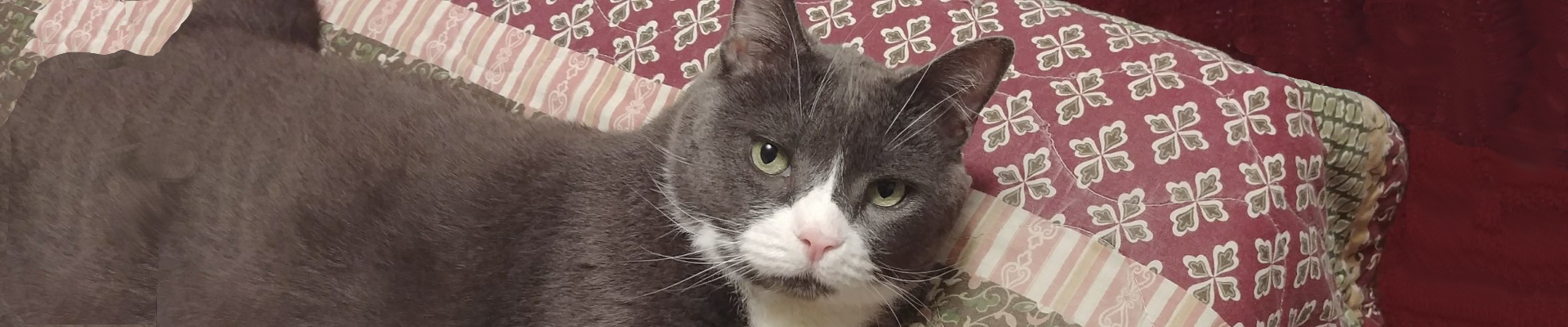
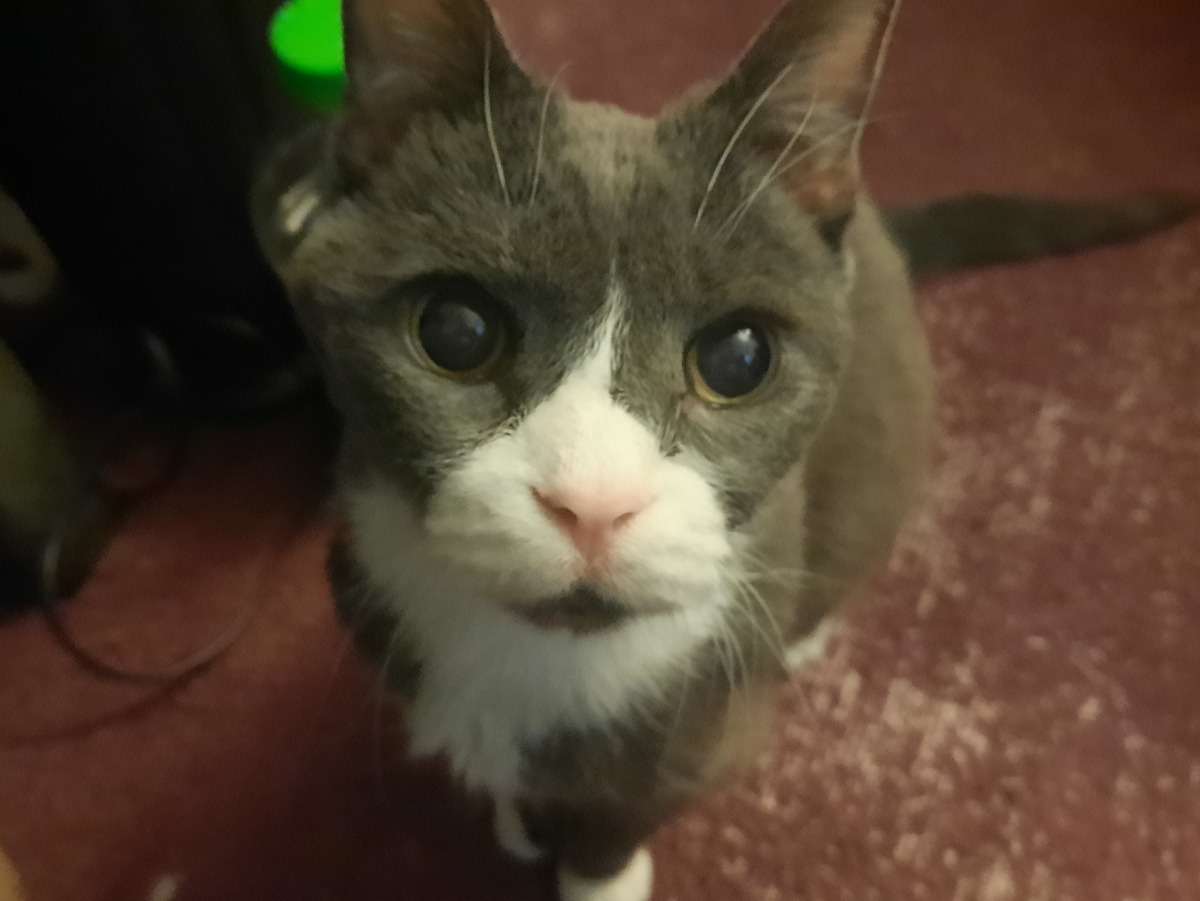
Sudden blindness can be deeply unsettling because the change is visible not only in the animal’s behavior, but also in the relationship between the pet and the person caring for them. The pet may become uncertain about the environment, while the owner begins wondering what life will look like from this point forward. Having cared for animals with many different medical problems over more than 35 years, including our cat Cybil, who was blind, we have learned that losing vision does not automatically mean losing independence, personality, enjoyment, or a good quality of life.
The first days can still be difficult. Understanding what may be happening emotionally, while also recognizing that sudden vision loss can require prompt veterinary attention, can make that transition much easier for both the animal and the person standing beside them.
Sudden Blindness Can Be a Medical Emergency
Before focusing on adjustment, there is an immediate medical issue that should not be overlooked. A dog or cat that appears to have suddenly lost vision should be examined promptly by a veterinarian.
Acute vision loss can have several causes, including retinal detachment, glaucoma, trauma, retinal disease, problems involving the optic nerve or brain, and systemic diseases that affect the eyes. Merck Veterinary Manual classifies acute vision loss and retinal detachment among ophthalmic emergencies because rapid diagnosis may sometimes affect whether vision can be preserved or restored.
High blood pressure deserves particular attention in older cats. Cornell University College of Veterinary Medicine notes that hypertension can damage the eyes and cause retinal detachment and blindness. In some cases, vision associated with hypertensive retinal detachment can improve when the underlying problem is treated quickly, although permanent blindness is also common.
Dogs can experience their own causes of rapid vision loss. Sudden acquired retinal degeneration syndrome, commonly called SARDS, can cause blindness over days or weeks and is considered irreversible based on current veterinary knowledge. Other causes may have very different treatments and outcomes, which is why determining the cause matters rather than assuming that an animal has simply become blind with age.
The Pet May Be Frightened Before the Owner Understands Why
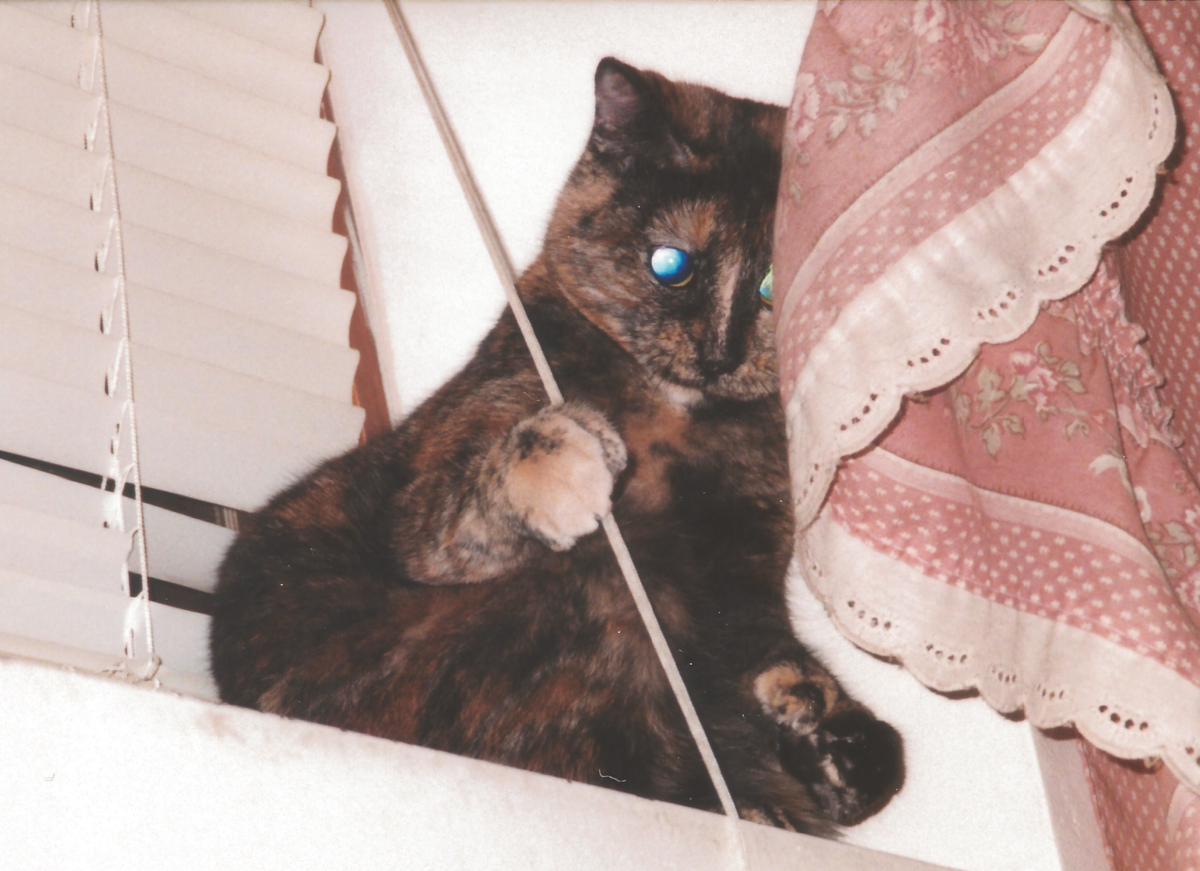 One of the hardest parts of sudden blindness is that behavioral changes may appear before the owner realizes what has happened. A pet may begin bumping into objects, freezing in place, moving cautiously, refusing stairs, missing jumps, or becoming reluctant to enter unfamiliar areas.
Cornell describes recently blind cats as sometimes appearing confused, fearful, or bewildered. A cat may freeze rather than run when frightened because the visual information that previously helped the animal choose an escape route is no longer available.
From the animal’s perspective, familiar surroundings have suddenly become less predictable. The couch is still there. The food bowl is still there. The hallway has not changed. What has changed is the pet’s ability to confirm those things visually.
That uncertainty can affect behavior. Some animals become more cautious. Others stay closer to their people or become more vocal. A normally independent pet may begin following sounds through the house. Another may sleep more or avoid exploring for a while. These changes do not necessarily tell us exactly what the animal is feeling, but they can reflect the difficulty of adapting to a major sensory change.
Owners Experience Their Own Adjustment Period
There is another side to sudden blindness that receives less attention: what happens to the person caring for the animal. Owners often notice themselves watching every movement. A bump into a table that would once have meant nothing suddenly feels significant. A missed step creates anxiety. Walking across the room can turn into an exercise in anticipating everything that might go wrong.
There can also be grief, even when the pet is otherwise healthy. The owner may miss watching a cat stare through a window or seeing a dog visually recognize someone approaching from across the yard. There may be worry about whether the pet is frightened, whether life will still be enjoyable, and whether the household can provide enough help. Those reactions can coexist with a very important reality: blindness alone does not tell us what a pet’s quality of life will be.
Blind Pets Have More Information Than We Sometimes Realize
Humans rely so heavily on vision that it is easy for us to project that dependence onto our animals. Dogs and cats, however, gather information through multiple senses.
Smell can identify people, animals, food, bedding, rooms, doorways, outdoor areas, and countless other features of daily life. Hearing provides information about where people are moving, where another pet is located, and where familiar activities are occurring. Whiskers provide cats with valuable sensory information about objects and nearby spaces. Memory becomes especially useful in a stable environment.
A blind pet does not need to rediscover the entire house every morning. Once the animal learns where furniture, walls, beds, bowls, litter boxes, doors, and other landmarks are located, those positions become part of an internal understanding of the environment. That is one reason consistency can be so helpful.
Familiarity Becomes a Form of Independence
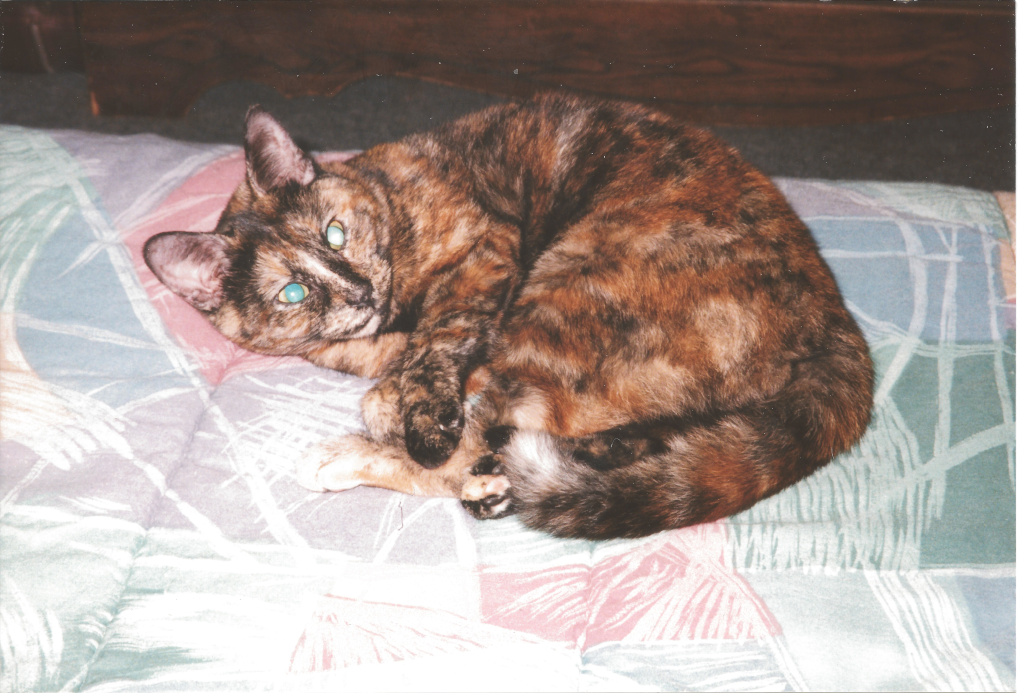 Owners naturally want to help a newly blind pet, but helping does not always mean carrying the animal everywhere or preventing all independent movement. Sometimes the most useful assistance is simply making the environment predictable. Avoiding unnecessary furniture rearrangement can give a blind animal stable reference points. VCA recommends keeping furniture and other large household objects in familiar locations while a dog with SARDS adjusts to blindness. It also recommends leash walking or secure fencing outdoors so a blind dog cannot wander into danger.
The same general principle can be applied thoughtfully around the home. Food and water bowls can remain in consistent locations. Litter boxes should be easy to reach. Stairways, balconies, pools, fireplaces, sharp objects, and other genuine hazards may need barriers or other safeguards.
Texture can sometimes provide additional information. Rugs or mats placed near important locations can give an animal another sensory landmark. A different floor texture near a doorway, feeding area, or staircase can become meaningful through repetition. The goal is not to eliminate movement. It is to create an environment where movement can gradually become predictable again.
Voice Becomes More Important
People often approach their pets visually without realizing how much they depend on eye contact and body language. With a blind animal, using your voice before touching them can prevent unnecessary surprises. A gentle verbal cue can tell the pet that someone is approaching. Household members can also use consistent words for activities such as going outside, approaching stairs, eating, getting into the car, or moving toward a bed.
Sound can become part of the animal’s map of the household. Footsteps, voices, appliances, doors, and everyday activity provide information about where things are happening. This does not require constantly talking to a blind pet. Normal household sounds themselves can provide orientation. The idea is simply to recognize that communication may need to shift when visual signals are no longer available.
Confidence Often Returns Through Repetition
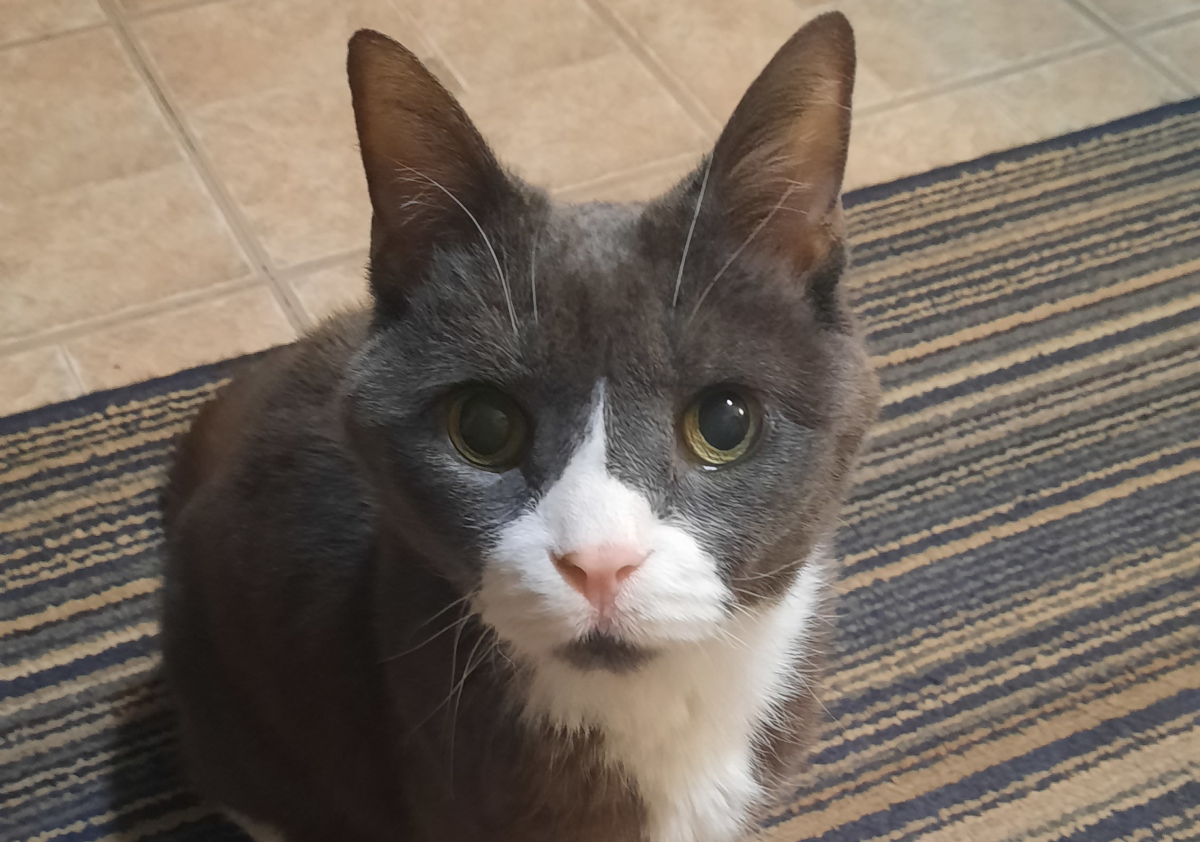 The first awkward days after vision loss should not automatically be treated as the pet’s permanent condition. Adjustment takes time. A newly blind dog may move slowly through a hallway today and walk through it much more confidently after repeated trips. A cat may stop jumping onto a familiar surface temporarily and later begin doing it again once distance and position have been relearned.
Veterinary guidance concerning dogs with SARDS specifically notes that many dogs adjust to blindness over a period of weeks. Owners can be surprised by how much normal behavior returns once the animal has had time to learn new ways of interacting with the environment.
Progress may also be uneven. An animal can appear confident in one room and uncertain in another. Familiar environments are easier than unfamiliar ones, and a pet that moves confidently at home may need considerably more guidance at a veterinary hospital, boarding facility, hotel, or another person’s house. That difference should not necessarily be interpreted as deterioration. The animal may simply be missing the familiar sensory map that makes movement at home easier.
Other Pets Can Affect the Transition
A multi-pet household adds another layer to the adjustment period. Familiar animals create sounds, scents, routines, and movement patterns that a blind pet already knows. At the same time, interactions should be watched carefully at first. A blind pet may be startled when another animal approaches quickly, especially while still adapting. An older dog or cat with arthritis, hearing loss, cognitive changes, or other medical problems may have additional difficulty responding to unexpected contact.
Keeping routines predictable can help everyone. Feeding locations, sleeping arrangements, outdoor schedules, and normal household patterns can provide structure while the newly blind pet becomes more comfortable.
Watch the Whole Animal, Not Just the Blindness
Once blindness has been diagnosed, it can become easy to attribute every behavioral change to vision loss. That can be a mistake. Pain, high blood pressure, neurologic disease, kidney disease, hyperthyroidism, glaucoma, and other conditions may sometimes be connected with vision problems or occur at the same time. Systemic hypertension, for example, is associated with retinal damage in dogs and cats and may be related to underlying disease.
Changes such as appetite loss, unusual vocalization, vomiting, weakness, severe lethargy, seizures, obvious eye pain, eye redness, sudden imbalance, major personality changes, or additional neurologic signs deserve veterinary attention rather than being dismissed as emotional adjustment.
This is also where observation becomes especially valuable. Keeping simple notes about eating, drinking, elimination, sleep, mobility, confidence, vocalization, and unusual behaviors can help a veterinarian see patterns that might otherwise be difficult to reconstruct during an appointment.
Quality of Life Is Larger Than Eyesight
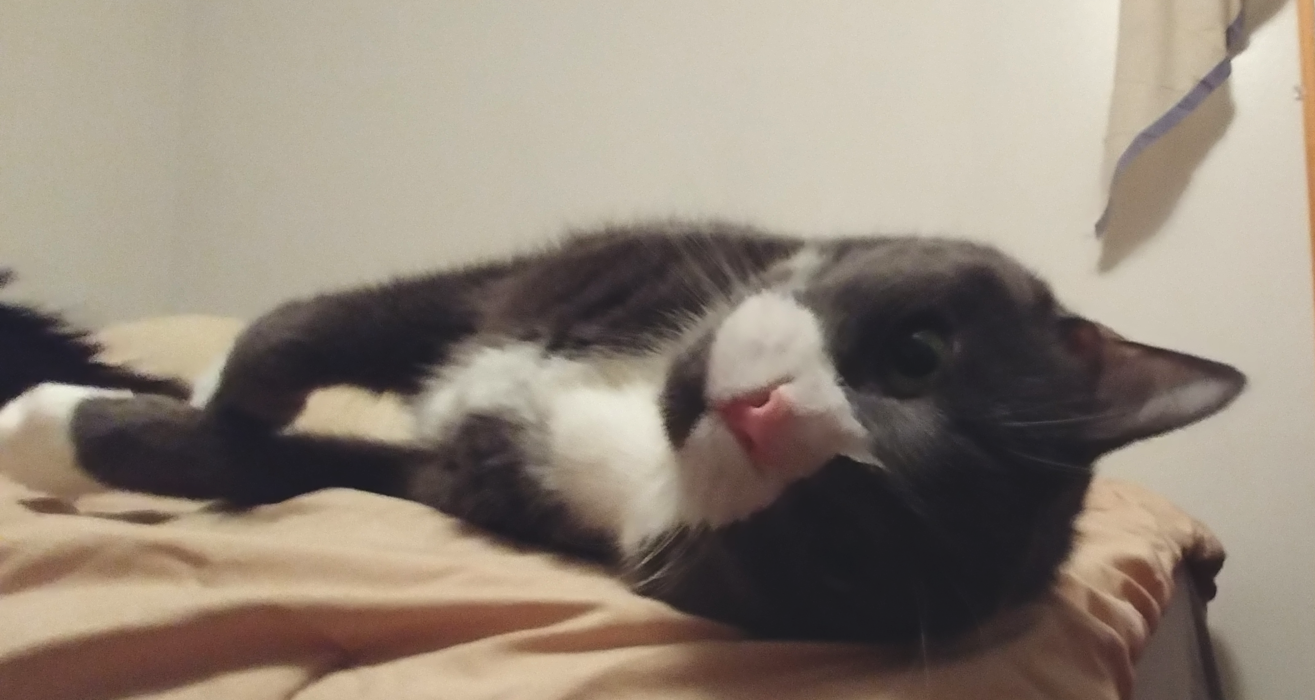 Owners facing permanent blindness sometimes begin evaluating their pet’s future while still in the emotional shock of the diagnosis. That is an understandable reaction, but the first frightened or confused days may not provide a fair picture of the animal’s long-term abilities.
Quality of life includes appetite, comfort, mobility, social interaction, interest in surroundings, play, rest, affection, routine, and the ability to participate in enjoyable activities. Vision is one part of that larger picture.
A blind dog may still become excited when a leash comes out. A blind cat may still seek a warm sleeping spot, enjoy being brushed, play with toys that make noise, investigate interesting smells, find favorite people, and participate in familiar household routines.
There will probably be adjustments. Outdoor freedom may need to become supervised. Furniture placement may matter more. Stairs may require safeguards. New environments may require patience and guidance.
Yet something interesting often happens as the weeks pass. The owner who initially watched every uncertain step begins noticing fewer collisions. The pet starts finding bowls without assistance. Familiar routes become routine again. Confidence slowly replaces hesitation.
Eventually, there may come a moment when you realize you have stopped thinking about the blindness every few minutes. Your pet is simply moving through the house, asking for dinner, finding a favorite bed, following familiar voices, or getting involved in whatever the household is doing. The eyesight may not have returned, but much of the life surrounding it has.