



There is a particular kind of silence that settles into a home when a dog or cat no longer has the energy they once had. The hallway is quieter, the toys stay where they were left, and the familiar burst of excitement at mealtime or the front door may be smaller than it used to be. For the person caring for that pet, the change can be hard to accept because reduced energy is something we notice in the rhythm of ordinary life long before it becomes a number on a medical chart.
After decades of caring for aging animals and pets with chronic medical problems, we have learned that a quieter day is not automatically an empty day. A pet who cannot chase a toy, follow us from room to room, or stay awake through an evening may still enjoy warmth, touch, familiar voices, a favorite sleeping place, or simply knowing that someone is nearby. The challenge is learning how to appreciate those moments without overlooking the possibility that lethargy is also a sign that something medical needs attention.
Lethargy Changes the Shape of a Day
Lethargy is more than a pet choosing to take an extra nap. In veterinary care, it generally describes an abnormal decrease in energy, activity, responsiveness, or interest in normal routines. A lethargic dog may be slow to get up for a walk, while a lethargic cat may remain in one sleeping spot and show little interest in food, play, grooming, or household activity.
That distinction matters because lethargy is a sign, not a diagnosis. Pain, infection, dehydration, anemia, metabolic disease, heart or respiratory problems, medication effects, and many other conditions can reduce energy. In senior pets, progressive lethargy may occur alongside changes in appetite, thirst, weight, mobility, behavior, or elimination, which is why AAHA’s senior-care guidance recommends looking at the whole pattern rather than treating low energy as an isolated sign.
This does not mean that every quiet afternoon needs to become a medical emergency. Dogs and cats have naturally sleepy days, and older animals often have less stamina than they did when they were young. What matters most is whether the behavior is normal for that individual pet, whether it has changed, how quickly it changed, and what else is happening at the same time.
Quiet Is Not the Same as Comfortable
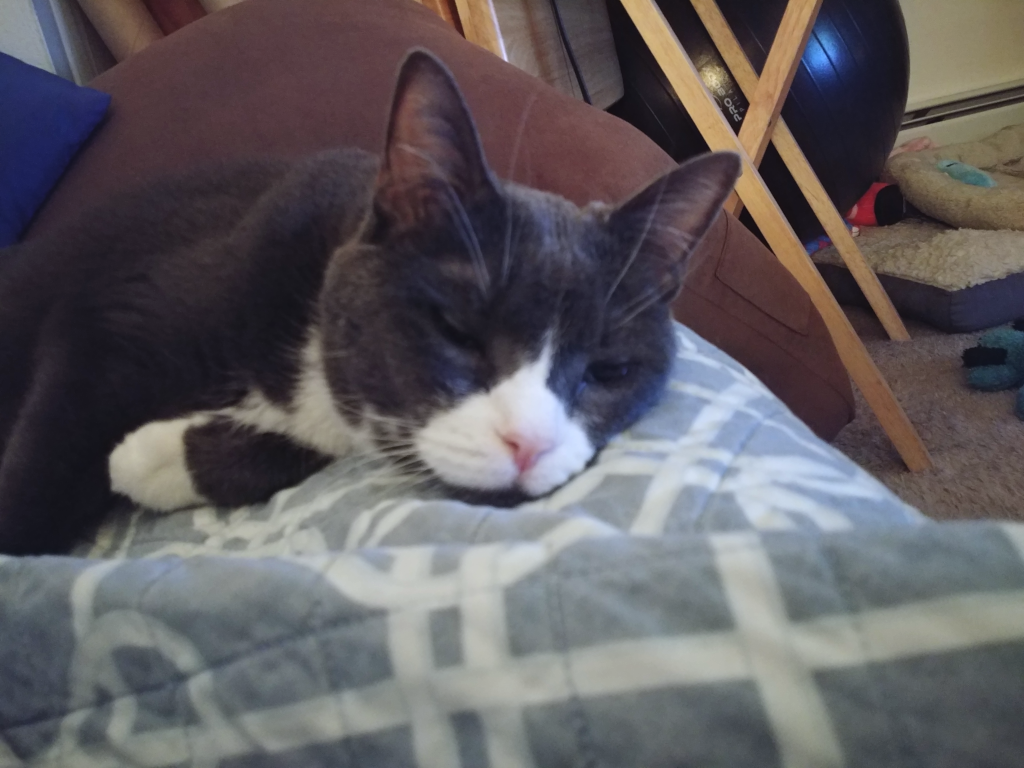 One of the hardest lessons in caring for older or chronically ill animals is that stillness can have more than one meaning. A pet may be resting peacefully because rest feels good, or the pet may be staying still because moving hurts. Lethargy can be associated with pain, and veterinary pain guidance also points to signs such as reduced appetite, reluctance to move, altered posture, hiding, irritability, unusual vocalization, changes in sleep, or reactions to touch.
That is why I try not to judge comfort by activity alone. A dog who sleeps most of the afternoon but willingly gets up for dinner, looks toward familiar voices, enjoys gentle petting, and settles comfortably may be having a very different experience from a dog who cannot get comfortable, pants at rest, refuses food, flinches when touched, or struggles to stand. The same principle applies to cats, who can be especially subtle about pain and illness.
AAHA recommends considering several parts of daily life when thinking about a senior pet’s quality of life, including appetite, weight, mobility, elimination, comfort, engagement, and social interaction. Those categories are useful because they remind us that a pet’s day is made of many small experiences, not only how much time they spend moving.
Let Your Pet Set the Pace
When a pet is lethargic, it can be tempting to keep trying to recreate the routines they used to enjoy. Sometimes a dog who once loved a long walk now seems satisfied with a slow trip into the yard. A cat who used to race after a wand toy may prefer watching it move for a few seconds before closing their eyes again.
There is nothing wrong with meeting them at that lower level of energy, as long as veterinary concerns are being addressed. The goal is not to push a tired animal into activity for our sake. It is to offer small opportunities for engagement and let the pet show how much participation feels comfortable.
That may mean sitting on the floor beside a favorite bed instead of encouraging the pet to climb onto furniture. It may mean opening a window safely so a cat can smell the outdoor air, taking a dog outside for a few quiet minutes of sunshine, brushing a pet who enjoys grooming, or offering a familiar toy without insisting on play. Even changing rooms together can be enough stimulation for a pet whose energy is limited.
The response may be subtle. An ear turns toward your voice, eyes open when you enter the room, a tail moves once or twice, a cat begins to purr, or a dog shifts closer and rests a head against your leg. Those reactions are worth noticing because they tell you something about what still holds interest and comfort for that individual animal.
Make Comfort Easy to Reach
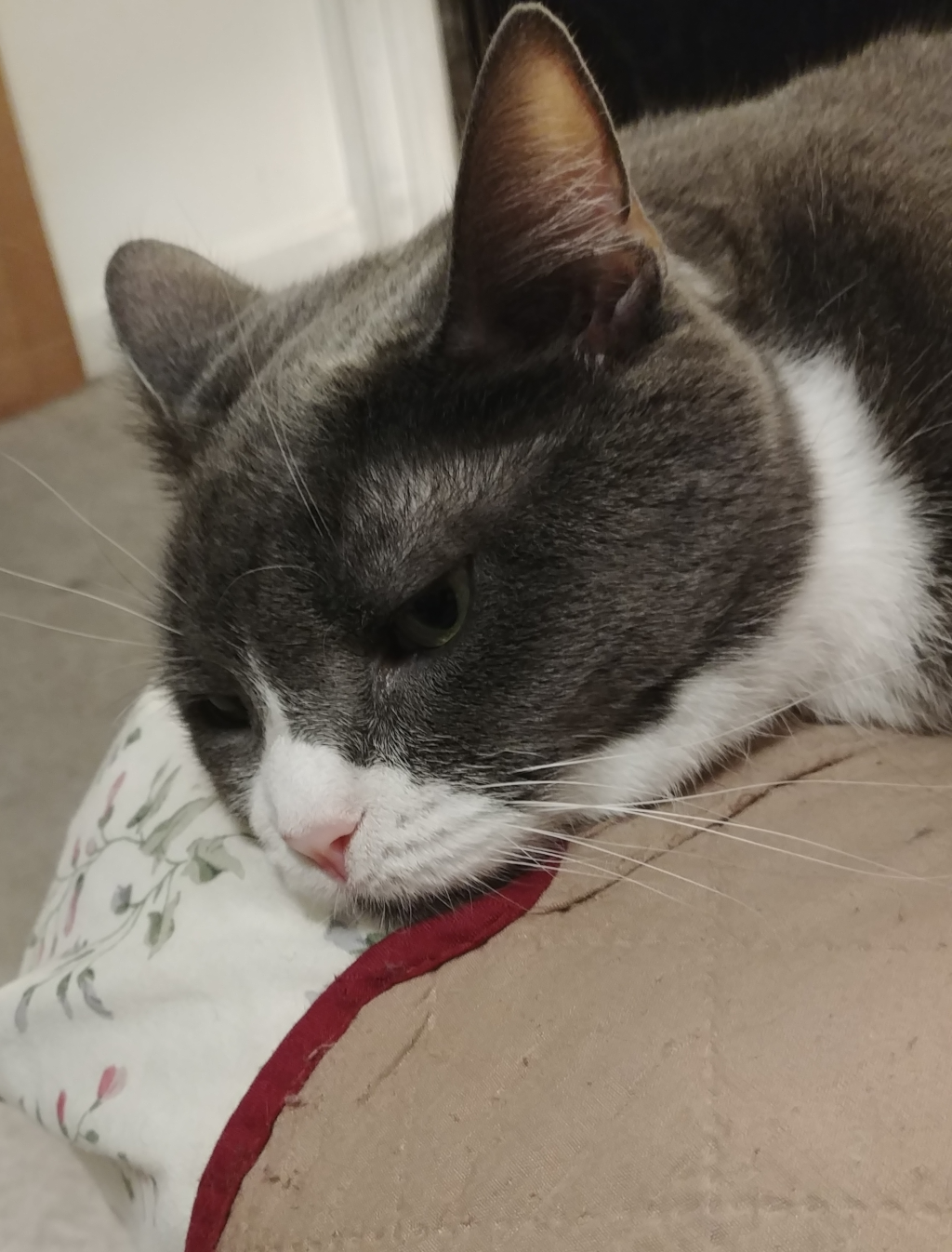 Low energy often makes ordinary household obstacles feel much bigger. A water bowl across the room, a favorite bed on another floor, a tall litter box, or a slippery stretch of flooring can become enough of a barrier that a tired or painful pet simply stops making the trip.
Simple environmental changes can reduce the effort required for daily life. Veterinary senior-care guidance commonly includes nonslip surfaces, ramps or steps where appropriate, supportive bedding, easier litter-box access, and convenient placement of food and water for pets with mobility limitations.
At home, this often means arranging the environment around where the pet already wants to be. A washable blanket can turn a preferred resting spot into a comfortable one. A low-sided litter box may be easier for a stiff cat to enter, while a nonslip runner can give an older dog more confidence moving between rooms. A water bowl placed closer to a resting area may reduce unnecessary effort, although any major change in drinking should still be discussed with a veterinarian.
Comfort also includes temperature, noise, and handling. A lethargic pet may appreciate a warm bed, a quieter room, and slower movements from the people around them. Some pets want more contact when they feel unwell, while others prefer a little space, so the best guide is the pet’s own response.
Notice the Small Responses
A high-energy pet makes enjoyment obvious. A lethargic pet may express it in ways that are easy to miss if we are still looking for the old version of enthusiasm.
One useful habit is to pay attention to what makes the pet slightly more alert. Food preparation, a favorite person’s voice, the sound of a leash, a sunbeam moving across the floor, birds outside a window, gentle scratching behind the ears, or the arrival of another pet may still produce a response. The reaction does not need to be dramatic to matter.
These observations can also help with veterinary conversations. If a cat who has been sleeping most of the day still gets up for meals but no longer jumps onto a favorite chair, that gives the veterinarian different information than simply saying, “She is tired.” If a dog perks up for a short trip outside but seems exhausted afterward, that pattern may also be useful.
Short videos can be helpful when mobility is part of the concern. AAHA’s senior-care guidance notes that home videos of a pet walking, rising, jumping, or interacting in a familiar environment can help veterinarians assess changes that may be less obvious in the clinic.
Keep a Simple Record Without Turning the Day Into a Spreadsheet
 Caring for a lethargic pet can make every nap feel significant, especially when you are already worried. Writing down a few basics can reduce some of that mental load because you do not have to rely on memory alone.
Useful observations include appetite, water intake, urination and bowel movements, mobility, breathing, sleep, interest in normal activities, vomiting or diarrhea, medication times, and any obvious signs of discomfort. For pets with chronic illness, weight or other measurements recommended by the veterinary team may also belong in the record. The purpose is not to collect data for its own sake, but to make changes easier to recognize over several days.
Tracking also helps separate a temporary low-energy period from a trend. A single quiet morning may look different once you can see that the pet ate normally, drank, went outside, and became more active later. On the other hand, several days of declining appetite, increasing sleep, less interaction, and worsening mobility create a pattern that deserves veterinary attention.
AAHA also notes that calendars or journals can help owners compare good and bad days over time when quality of life is becoming a concern. That kind of record can be especially useful when changes happen gradually and become hard to judge from memory.
Know When Quiet Becomes Concerning
New, marked, or progressive lethargy deserves a call to the veterinary team, particularly in an older pet or an animal with a known medical condition. Merck’s guidance lists sleeping more than usual with unwillingness to play as a reason for veterinary evaluation, and it treats extreme lethargy as a reason for immediate care.
Lethargy also becomes more urgent when it appears with signs such as difficulty breathing, collapse, loss of consciousness, seizures, pale, white, gray, or blue gums, severe or constant pain, suspected poisoning, major bleeding, repeated vomiting, inability to urinate, or a severe change in responsiveness. Veterinary emergency references identify problems involving breathing, circulation, consciousness, severe pain, toxins, and urinary obstruction as conditions that may require immediate treatment.
For less dramatic changes, context still matters. A pet who is eating less, losing weight, drinking noticeably more or less, having trouble standing, changing litter-box or bathroom habits, or withdrawing socially should be discussed with a veterinarian even if the pet seems peaceful while resting. Lethargy can accompany many different problems, and an examination may be needed to learn what is actually causing it.
Medication can also affect activity in some animals, but changes to prescription drugs should be handled with the prescribing veterinarian. If lethargy begins after a medication is started or adjusted, record when the change appeared and call the veterinary team rather than changing or stopping the medication on your own.
The Value of Simply Being There
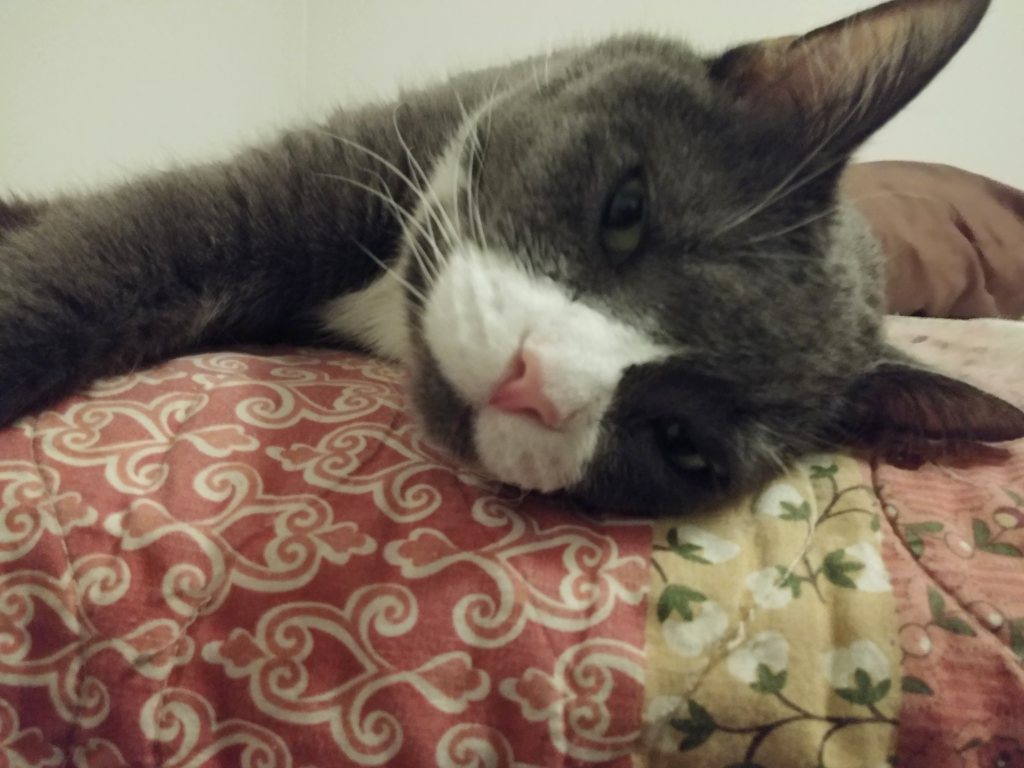 A lot of pet care is active. We measure food, clean litter boxes, give medications, schedule appointments, watch glucose readings, help stiff legs, wash bedding, and keep track of the countless details that come with aging and chronic illness. A lethargic pet can make us feel as though we should always be doing something else to fix the quiet.
Sometimes, though, the useful thing is simply to make the quiet comfortable. Sit nearby while your cat sleeps. Rest a hand on your dog’s shoulder if touch is welcome. Read, work, watch television, or drink your coffee in the same room while your pet settles into a familiar bed. There is no requirement that companionship be energetic to be meaningful.
Over the years, some of the strongest memories I have of caring for older and medically complicated animals are not the busy ones. They are the ordinary stretches of time when the house was calm, an animal was resting, and being nearby was enough for that moment. A pet with limited energy may still have preferences, routines, curiosity, comfort, and a desire for company, even if those things now appear in smaller ways.
Sometimes the best part of the day is not a walk, a game, or a meal. It is the few minutes when your pet settles beside you, relaxes, and chooses to stay close, and that quiet exchange is still part of the life you are sharing.