

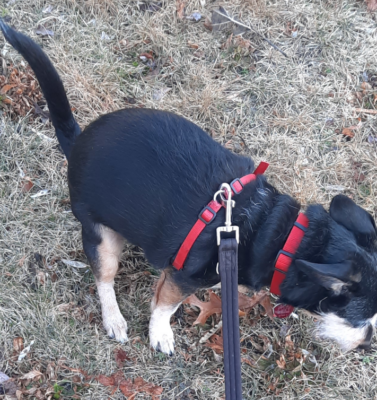
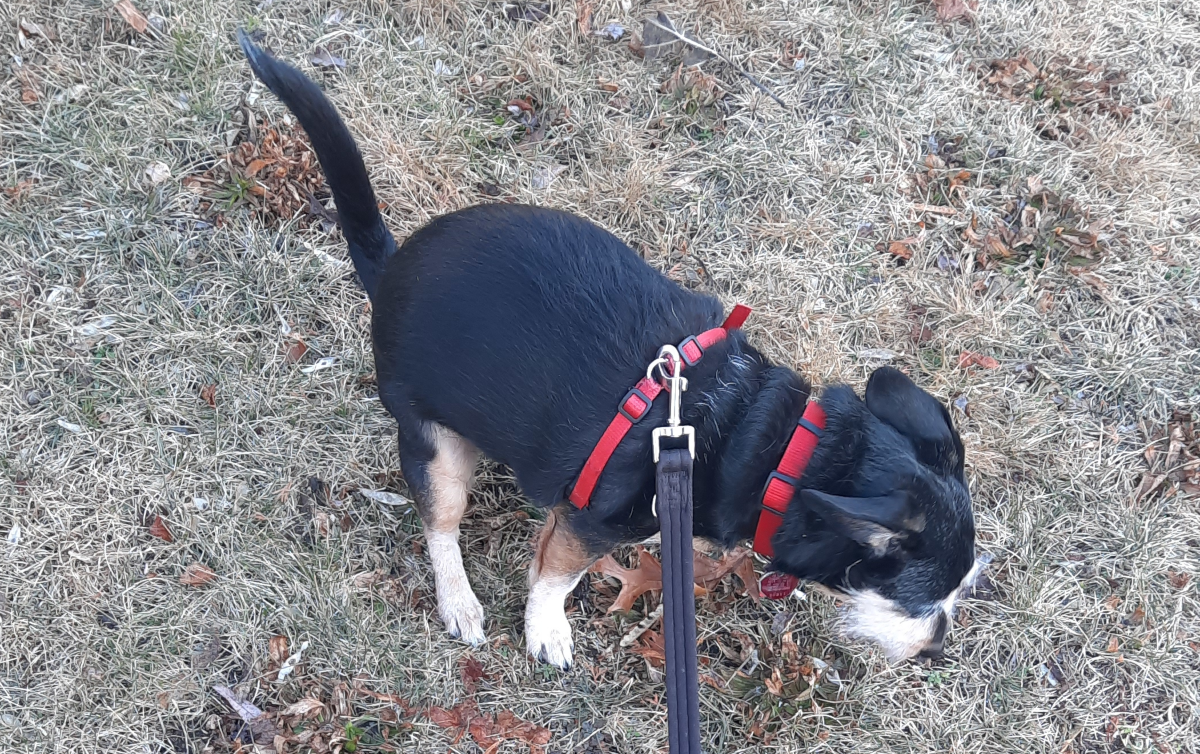
Constipation can look deceptively simple from the outside. A dog squats repeatedly without producing much stool, or a cat keeps returning to the litter box and strains, and it is natural to think the answer might be a little help getting things moving. Massage often comes up in that conversation because it sounds gentle, drug-free, and easy to try at home.
There is a place for massage in animal care, but constipation is one of those problems where the reason behind the straining matters more than the technique. Current veterinary guidance treats constipation as a symptom with many possible causes, ranging from dehydration and dietary problems to pain, medication effects, pelvic narrowing, neurologic disease, masses, foreign material, and loss of normal colonic function. That means massage should never be treated as a substitute for figuring out why a cat or dog is having trouble passing stool.
What Constipation Actually Means
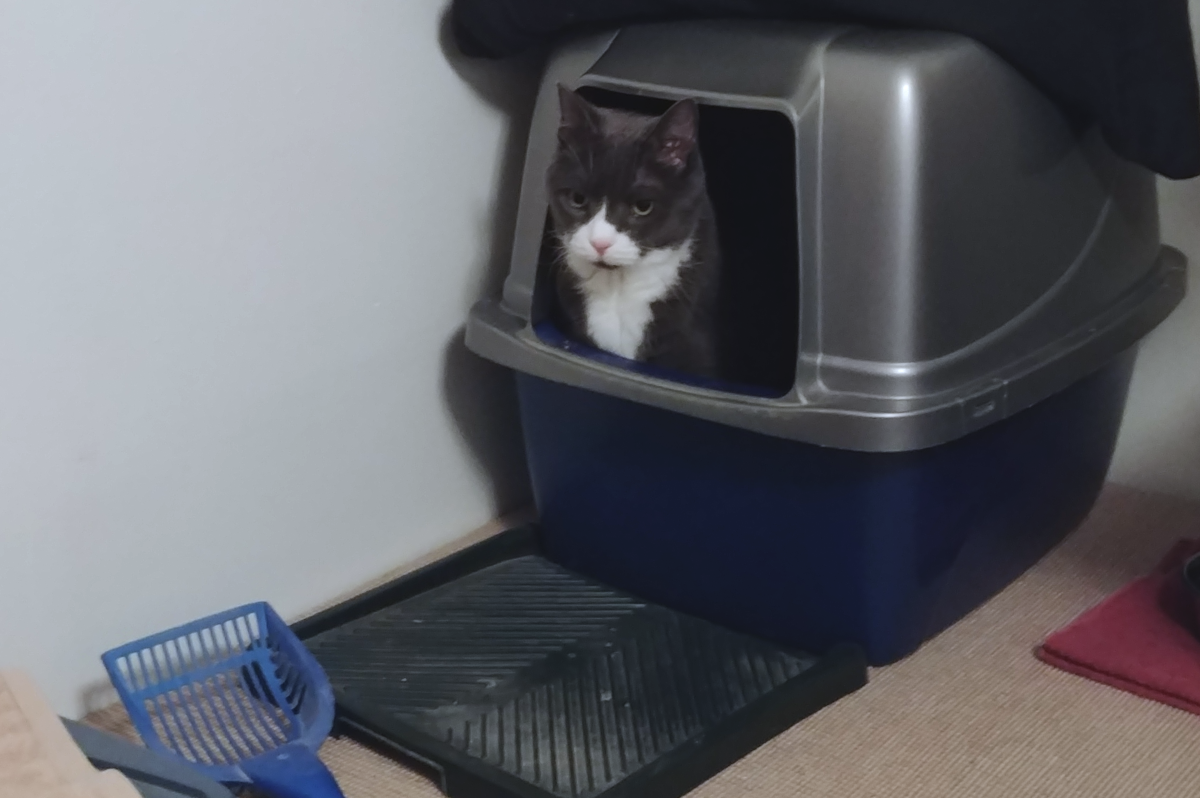 Constipation is the infrequent or difficult passage of stool, often with feces becoming dry and hard as they remain in the colon. If the problem becomes severe enough that an animal cannot pass the accumulated fecal material, veterinarians use the term obstipation. In some animals, especially cats, chronic problems can progress to megacolon, in which the colon becomes enlarged and loses much of its ability to move feces normally.
Those distinctions matter because a mildly constipated pet and an obstipated pet are not dealing with the same problem. A pet with a large amount of hard stool packed into the colon may need fluids, enemas, sedation, manual removal of feces, medication, dietary changes, or other veterinary treatment. Trying to press or knead the abdomen at home does not correct an obstruction, severe impaction, or a colon that is no longer contracting normally.
After more than 35 years of caring for dogs and cats, one practical lesson we have learned is that elimination changes deserve context. How long has the pet been straining, what does the stool look like, is the pet eating and drinking, is there vomiting, has activity changed, and is the animal actually trying to defecate rather than urinate? Those details often tell a veterinarian far more than the simple statement that a pet “seems constipated.”
The Evidence for Massage Is Much Stronger in People Than in Pets
Abdominal massage has been studied in people with functional and chronic constipation. Recent systematic reviews and clinical trials in human patients have reported improvements in bowel-movement frequency, stool consistency, constipation symptoms, and quality of life in some groups. Those findings are interesting, but they cannot simply be transferred to cats and dogs because the causes of constipation, anatomy, communication of pain, and safe handling are different.
Veterinary evidence is much thinner. VCA notes that controlled clinical research supporting veterinary massage therapy is limited, and much of its current use is based on clinical experience rather than strong trial data. That does not mean massage has no value, but it does mean we should be careful about claims that abdominal massage can “treat” constipation in a dog or cat.
For a constipated pet, the safest way to think about massage is as possible supportive care after a veterinarian has determined that massage is appropriate. It may help some animals relax, tolerate handling, or loosen general muscular tension, but there is not good animal-specific evidence showing that home abdominal massage reliably clears retained stool. A pet who needs medical treatment can lose valuable time if massage is used as the main response.
Straining in a Cat May Not Be Constipation at All
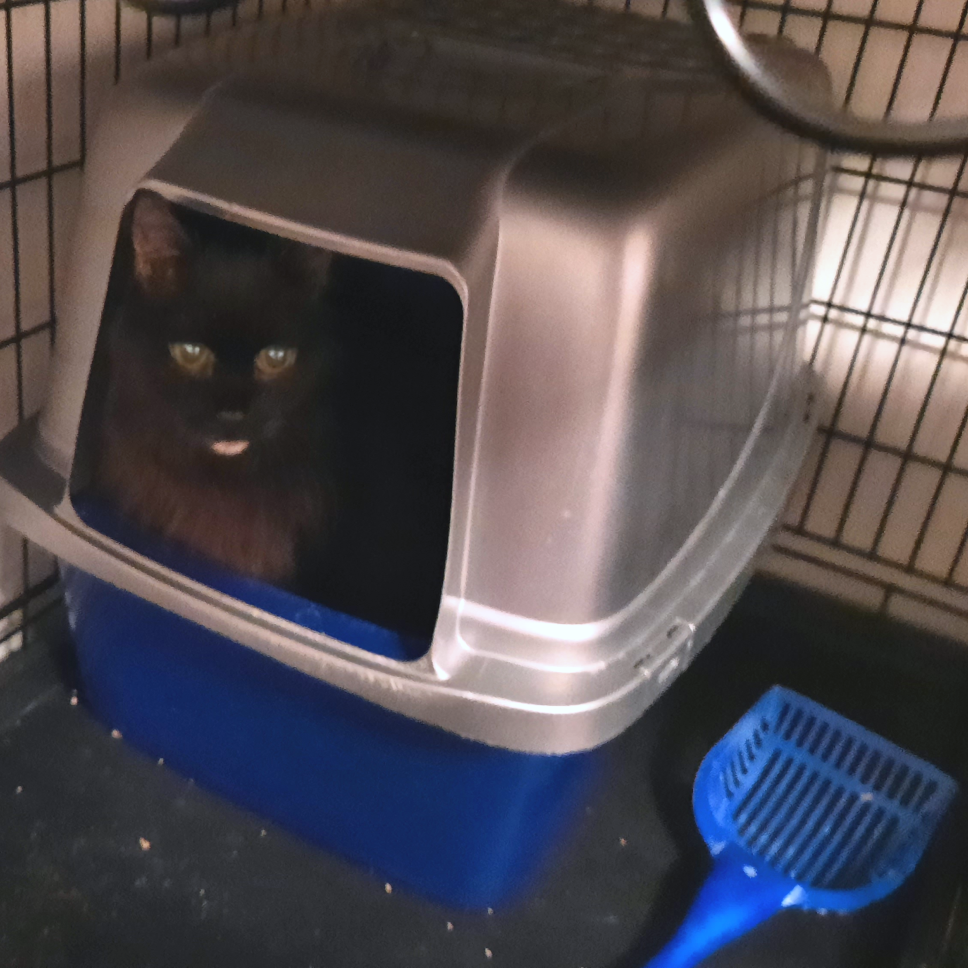 This is one of the most important reasons not to begin rubbing or pressing a cat’s abdomen simply because the cat is straining in the litter box. Cats with urethral obstruction can make repeated, unproductive attempts to urinate, and owners may mistake those efforts for constipation. Male cats are especially at risk because their urethra is narrower, and complete urinary obstruction is an emergency requiring immediate veterinary treatment.
If a cat is repeatedly entering the litter box, producing little or no urine, vocalizing, becoming restless or weak, vomiting, or showing increasing distress, the situation should be treated as urgent until a veterinarian rules out urinary obstruction. Do not massage the abdomen or wait to see whether a bowel movement occurs. A painful, enlarged bladder is not something an owner should try to manipulate at home.
Dogs can also have urinary obstruction or other conditions that resemble constipation, although the pattern is particularly well known in male cats. This is why watching what is actually coming out, urine, stool, a few drops, mucus, or nothing at all, is useful information to record before calling the veterinary clinic.
When Massage May Be Reasonable to Discuss With Your Veterinarian
Massage may be worth discussing when a veterinarian has already evaluated the pet, ruled out conditions that make abdominal manipulation unsafe, and believes gentle touch can be part of the care plan. That might include a stable animal with a known history of mild constipation where the veterinarian is already addressing hydration, diet, mobility, medication effects, or another identified cause.
Even then, “massage” should not mean trying to squeeze stool through the intestine. Deep pressure, forceful kneading, repeated pushing on a firm abdomen, or trying to break up a fecal mass from the outside can cause pain and may be inappropriate when there is an obstruction, inflamed tissue, a mass, severe impaction, organ enlargement, or another abdominal problem. A trained veterinary rehabilitation or massage professional may use techniques that look simple, but the safety comes from knowing the animal’s diagnosis and anatomy, not from the movement alone.
If your veterinarian approves gentle abdominal massage at home, ask for a demonstration rather than relying on a generic diagram or video. The amount of pressure that feels light to a person can still be uncomfortable to a small cat, a thin senior dog, or an animal with abdominal pain. The veterinarian can also tell you which areas to avoid and what reaction means the session should stop.
What a Safe, Vet-Approved Session Should Look Like
 For a pet that has been cleared for massage, the goal should be comfort, not force. Let the animal settle in a position it chooses, keep the session short, and begin with calm stroking over areas the pet already enjoys, such as the shoulders, chest, or back. If the veterinarian has specifically shown you an abdominal technique, use only the light pressure and direction you were taught.
Watch the animal rather than your hands. A relaxed dog may soften its posture, breathe evenly, or lean into touch, while a comfortable cat may remain loose-bodied and calm. Tensing the abdomen, turning suddenly toward your hand, growling, swatting, trying to leave, panting, vocalizing, flattening the ears, or guarding the belly means the massage should stop.
There is no benefit in restraining an unwilling pet so that a massage can be completed. Constipated animals may already be uncomfortable, and senior pets may also have arthritis, spinal pain, or other conditions that make certain positions unpleasant. Comfort care stops being comforting once the animal has to fight against it.
Massage Does Not Replace the Parts of Constipation Care That Matter Most
Veterinary treatment for constipation is built around the cause and severity of the problem. Depending on the individual animal, that may involve correcting dehydration, changing the diet, using a veterinarian-prescribed laxative or stool softener, addressing pain or mobility problems, reviewing medications, treating an underlying disease, or removing impacted feces. More severe cases may require enemas, sedation, anesthesia, or surgery.
Hydration deserves particular attention because stool becomes harder as water is removed in the colon. Cats with chronic kidney disease may be especially prone to dehydration-associated constipation, while any dog or cat with poor water intake, vomiting, systemic illness, or another source of dehydration may be affected. Dietary fiber helps some animals, but it is not right for every case, and adding fiber to a poorly hydrated animal can create additional problems.
Medication also deserves a careful review. Veterinary references list several drug classes that can contribute to constipation in some animals, including opioids, diuretics, antihistamines, anticholinergic drugs, sucralfate, and others. That is a reason to talk with the prescribing veterinarian, not a reason to stop a medication on your own.
Mobility, Litter Boxes, and Daily Routine Can Affect the Bigger Picture
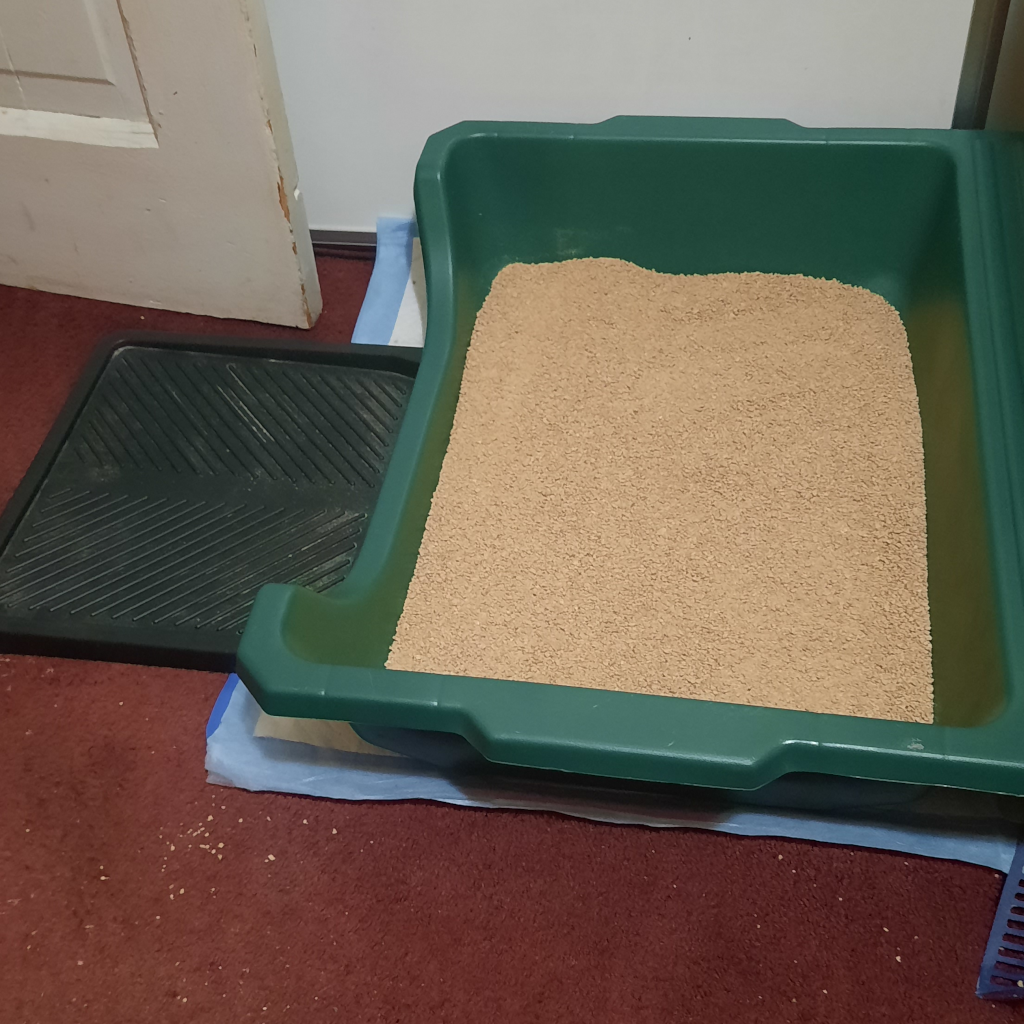 Some constipation problems are partly mechanical in a very ordinary sense. A dog with arthritis may avoid the posture needed to defecate because squatting hurts, and a senior cat may delay using a litter box that is difficult to enter. VCA includes painful conditions such as osteoarthritis among the causes that can make defecation difficult in dogs, while Merck notes that older cats may benefit from litter boxes with lower sides for easier access.
This is where gentle bodywork may have a separate role. Massage directed at approved muscle groups may help some pets relax or may be part of a broader rehabilitation plan for mobility and comfort, even though it is not directly treating retained stool. If an older dog moves more comfortably or a senior cat can get into the litter box without struggling, the daily routine surrounding elimination may improve for reasons that have little to do with pushing the colon from the outside.
Regular movement can also be useful when it is appropriate for the pet’s health and mobility. Short walks for dogs, gentle play for cats, easy access to toileting areas, clean litter boxes, and predictable opportunities to eliminate are simple parts of home care that can support normal routines. None of these measures should be used to delay an examination when the pet is repeatedly straining, painful, vomiting, not eating, or failing to pass stool.
Know When Home Care Has Reached Its Limit
A dog or cat that is repeatedly straining without producing stool, seems painful, has a firm or distended abdomen, vomits, stops eating, becomes lethargic, or appears progressively uncomfortable should be evaluated promptly. VCA advises contacting a veterinarian when a dog has not produced a bowel movement for 48 to 72 hours, while feline constipation deserves early attention because recurrent or severe disease can progress to obstipation or megacolon.
Chronic or recurring constipation also deserves more than repeated home treatment. Veterinarians may need a history, physical and rectal examination, blood and urine testing, radiographs, ultrasound, neurologic assessment, or other testing to look for dehydration, pelvic narrowing, masses, neurologic disease, electrolyte problems, medication effects, or abnormal colonic function.
Keeping a simple record can make those appointments more productive. Note the time of the last normal bowel movement, frequency of attempts, stool size and consistency, appetite, water intake, urination, vomiting, medications, recent diet changes, mobility changes, and anything unusual the pet may have eaten. For cats, confirming whether normal urine clumps are still appearing in the litter box can be especially useful.
Massage can still have a place in that picture, particularly as gentle, veterinarian-approved supportive care for a pet that enjoys touch. Its value is greatest when it is used for the right animal, for the right reason, and with realistic expectations. The goal is not to press a bowel movement out of a constipated pet, but to make carefully chosen comfort measures part of a larger plan that addresses why the constipation happened in the first place.