

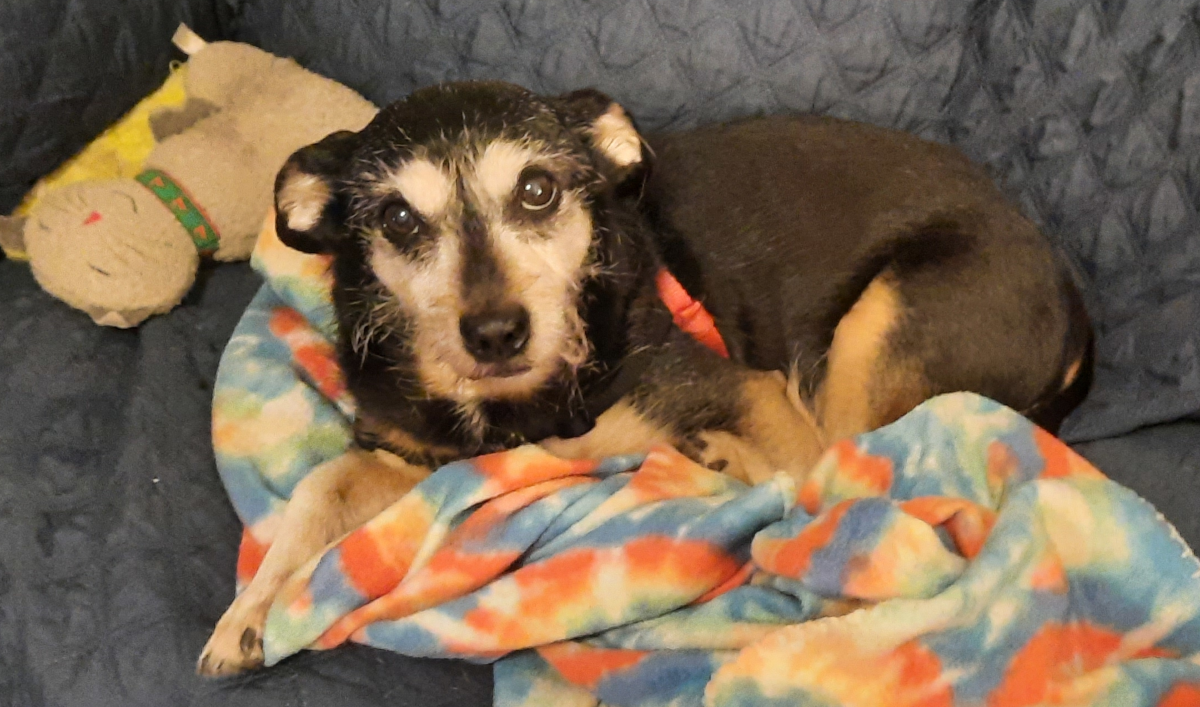
An older dog pauses before climbing the stairs. A senior cat that once jumped effortlessly onto the bed now hesitates, studies the distance, and eventually walks away. Another pet struggles to stand after a nap, taking several uncertain steps before moving more comfortably.
These changes are easy to associate with aging, especially when they develop gradually. What is much harder to determine is whether an animal is avoiding movement because something hurts or because its muscles and nervous system are no longer providing the strength and coordination needed to move normally.
Weakness and joint pain can look remarkably similar, but they are not the same problem. Understanding the differences matters because the possible causes, diagnostic tests, and treatments can be quite different.
After decades of caring for aging dogs and cats, we’ve learned that the smallest changes in movement often deserve the closest attention. A pet doesn’t necessarily need to limp dramatically or collapse before a mobility problem becomes significant.
Why Joint Pain and Weakness Are So Easily Confused
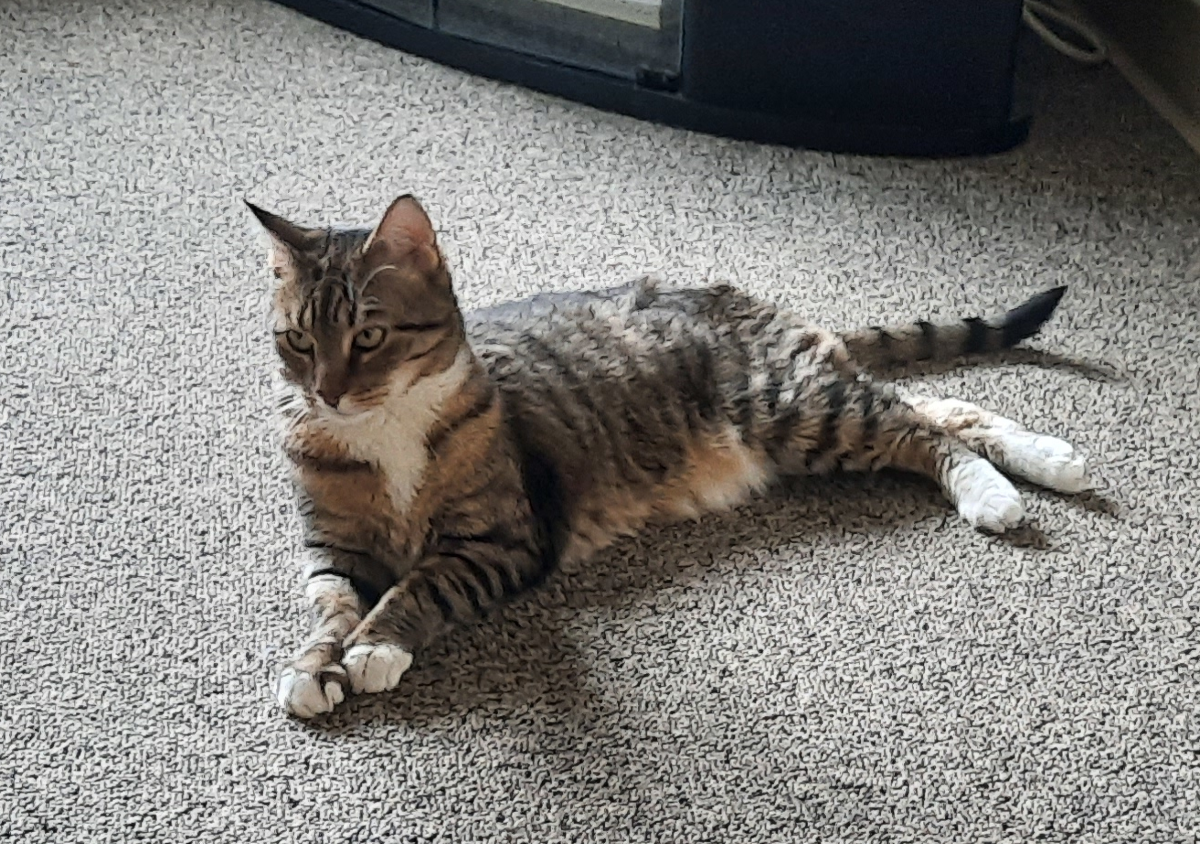 Joint pain often causes an animal to change how it moves to avoid discomfort. A dog with painful hips may shorten its stride, while a cat with sore knees may stop jumping onto furniture. The animal might still have the physical strength to perform these activities but avoid them because the movement is uncomfortable.
True muscle weakness involves a reduced ability to generate or maintain the force needed for movement. A weak animal may want to stand, walk, or climb but struggle to complete the action. Weakness can develop from problems involving muscles, nerves, the spinal cord, or illnesses affecting the body more generally.
There is also a third possibility: difficulty with coordination. A pet with a neurological problem might have adequate muscle strength but struggle to position its feet correctly or control its movements. This can create an unsteady appearance that resembles both weakness and joint pain.
The distinction becomes complicated because these problems can occur together. Chronic arthritis can reduce activity, and reduced activity can eventually contribute to muscle loss. An animal that originally avoided movement because of pain may later develop genuine weakness from declining muscle condition. For pet owners, the challenge is recognizing which observations might point toward one problem, another, or a combination of both.
Recognizing Movement Patterns Associated With Joint Pain
Joint pain frequently produces recognizable patterns, although not every animal displays them consistently. Osteoarthritis, a chronic condition involving changes in joint cartilage and other joint tissues, is particularly common in older dogs and cats.
According to the Cornell University College of Veterinary Medicine, dogs with osteoarthritis may show stiffness, limping, difficulty rising, reduced activity, and reluctance to climb stairs or jump. These signs can range from barely noticeable changes to substantial mobility limitations.
One pattern worth watching is stiffness after rest. A dog may rise slowly after sleeping, walk with shorter steps, and then appear somewhat more comfortable after moving around. This can happen with arthritis, although improvement after a few minutes of activity does not prove that arthritis is responsible.
Pain can also cause an animal to favor one limb. A dog might place less weight on a painful front leg, shift its weight while standing, or hesitate before turning in a particular direction. When several joints are uncomfortable, however, there may be no obvious limp at all.
Other possible signs include changes in resting positions, reluctance to stretch, difficulty settling comfortably, and irritability when certain areas are touched. Some animals become less enthusiastic about activities they previously enjoyed, including walks, play sessions, or climbing onto their favorite furniture.
The important observation is often not whether the pet can perform an activity, but whether the way it performs that activity has changed. A dog that still climbs the stairs but now pauses halfway deserves attention. So does a cat that continues reaching a favorite windowsill but takes a different route to get there.
How Muscle Weakness Can Look Different
 Weakness often creates the impression that an animal is struggling to support or control its body rather than deliberately avoiding a painful movement. The distinction is not always obvious, particularly when the weakness is mild.
A dog experiencing hind-leg weakness might sway while standing, struggle to rise from a lying position, or appear to sink slightly through its rear legs. Some dogs develop a shaky stance or have difficulty maintaining their position while eating or drinking.
Cats may show weakness through changes in posture, difficulty jumping, or an inability to maintain positions that were previously comfortable. A cat with significant muscle weakness may appear unusually low to the ground or have trouble holding its head in a normal position.
Weakness may also become more noticeable with activity. An animal might begin walking normally but gradually lose stability, stumble, or need to rest sooner than expected.
Neurological problems can introduce additional signs. These may include dragging a paw, placing the top of a foot against the ground, crossing the legs while walking, or stumbling because the feet are not being positioned correctly.
Veterinarians sometimes describe abnormal foot positioning as a problem with proprioception, which is the nervous system’s ability to recognize where the limbs are positioned. These signs may indicate impaired neurological function rather than simple joint discomfort, although a veterinary examination is needed to determine the cause.
Importantly, weakness does not always originate in the legs themselves. Anemia, electrolyte abnormalities, metabolic disorders, and other illnesses can reduce an animal’s overall strength or stamina.
In older cats, for example, low potassium levels can cause muscle weakness and may occur alongside kidney disease. An animal that suddenly seems unable to move normally may therefore need more than an examination of its joints.
Watching How Your Pet Gets Up
One of the most useful opportunities to observe movement occurs when a pet rises from a resting position. This everyday activity requires strength, coordination, balance, and the ability to move several joints comfortably. A dog with joint pain may hesitate before standing, reposition its legs, or rise in stages to avoid discomfort. Once standing, it might take several stiff steps before settling into a more natural walking pattern.
A dog with weakness may also struggle to stand, but the movement can look different. The rear legs might tremble, fail to support the body consistently, or appear to give way during the effort. Neither pattern is definitive. Painful animals can tremble, weak animals can have discomfort, and neurological disorders may produce unusual movements that resemble either condition.
Cats require particularly careful observation because their changes can be subtle. An older cat may take longer to stand after resting, avoid stretching fully, or move cautiously before settling into its normal walking pace. The most useful comparison is with the animal’s previous behavior. A movement that has always been slightly unusual may be less concerning than a clear change that developed during the past several days or weeks.
The Difference Between Favoring a Leg and Losing Stability
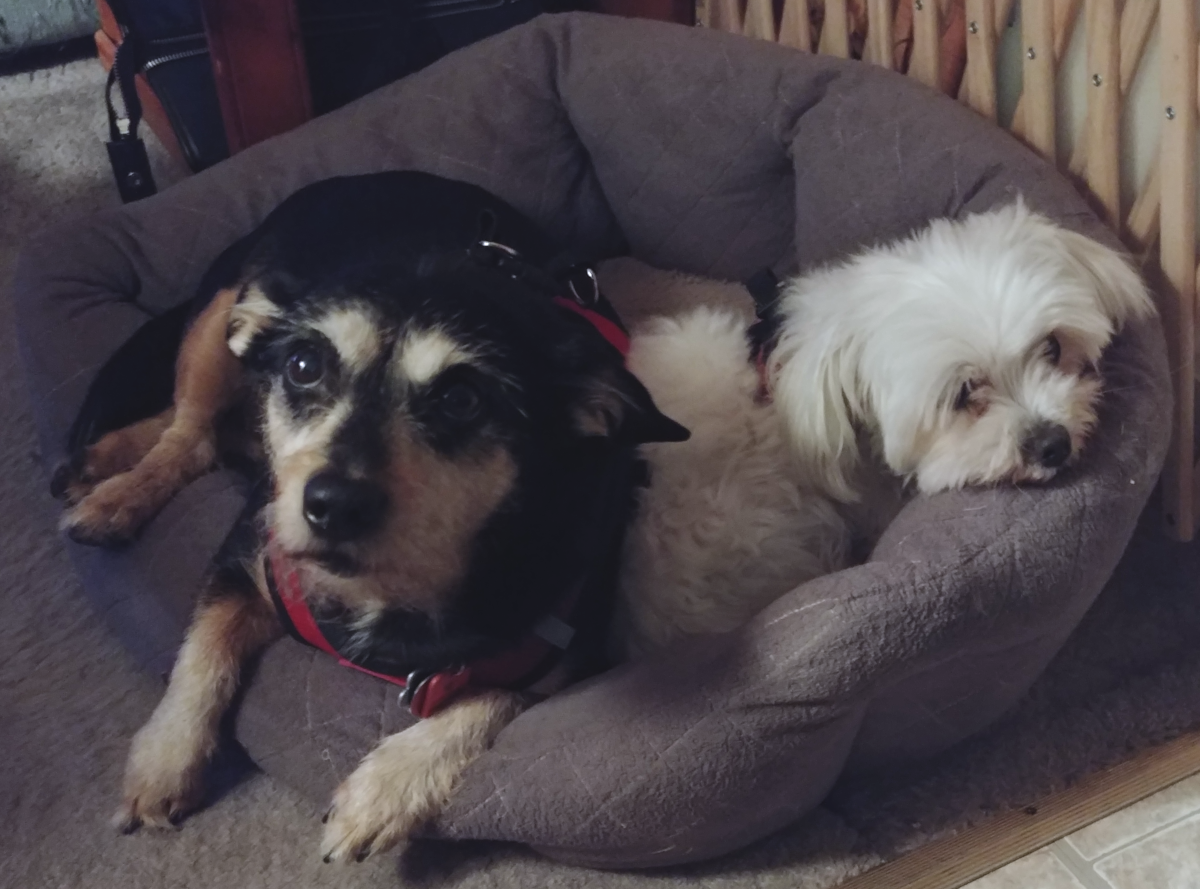 Joint pain sometimes produces an uneven distribution of weight. A pet may lean away from one limb, shorten the amount of time that a foot remains on the ground, or avoid placing full pressure on a painful leg. Weakness or impaired coordination can produce a different pattern. Instead of deliberately protecting a particular limb, an animal may wobble, stumble, drag its toes, or struggle to maintain a steady stance.
A helpful observation involves watching a pet walk naturally across a level, nonslip surface. Notice whether one limb consistently receives less weight or whether the entire body appears unsteady. Problems affecting several joints can resemble generalized weakness, while neurological conditions can sometimes affect only one leg. This means the location of the difficulty cannot reliably identify its cause.
The Merck Veterinary Manual’s guidance on lameness explains that abnormal coordination and changes in limb-position awareness are reasons for veterinarians to investigate possible neurological involvement. A complete examination helps distinguish these findings from problems involving joints, muscles, tendons, and bones. Pet owners should not attempt neurological positioning tests or force a reluctant animal to walk. Observing ordinary movement and recording what happens is safer and often more useful.
Why Cats Can Be Especially Difficult to Evaluate
Cats rarely make mobility assessments straightforward. Many continue their daily routines while quietly modifying the way they perform familiar activities. A cat experiencing joint pain may stop jumping directly onto the kitchen counter and begin using a chair as an intermediate step. Another might abandon a favorite elevated sleeping location without showing any obvious limp.
Changes in grooming can also provide information. Painful joints may make it difficult for a cat to twist, bend, or reach certain areas of its body, resulting in an unkempt coat or reduced grooming. The litter box is another valuable place to observe changes. A cat with joint discomfort may struggle to step over a high entrance, maintain its preferred posture, or move comfortably through the litter.
These behaviors are recognized in veterinary discussions of feline osteoarthritis, including guidance from Cornell University’s Feline Health Center. However, reduced grooming and litter box difficulties can also result from illnesses unrelated to arthritis.
Weakness can complicate these same activities. A cat may have difficulty entering a litter box because its legs cannot provide sufficient support, rather than because bending the joints is painful. Changes in jumping, grooming, toileting, and posture should therefore be considered together rather than treated as isolated evidence of arthritis.
When Pain and Weakness Exist at the Same Time
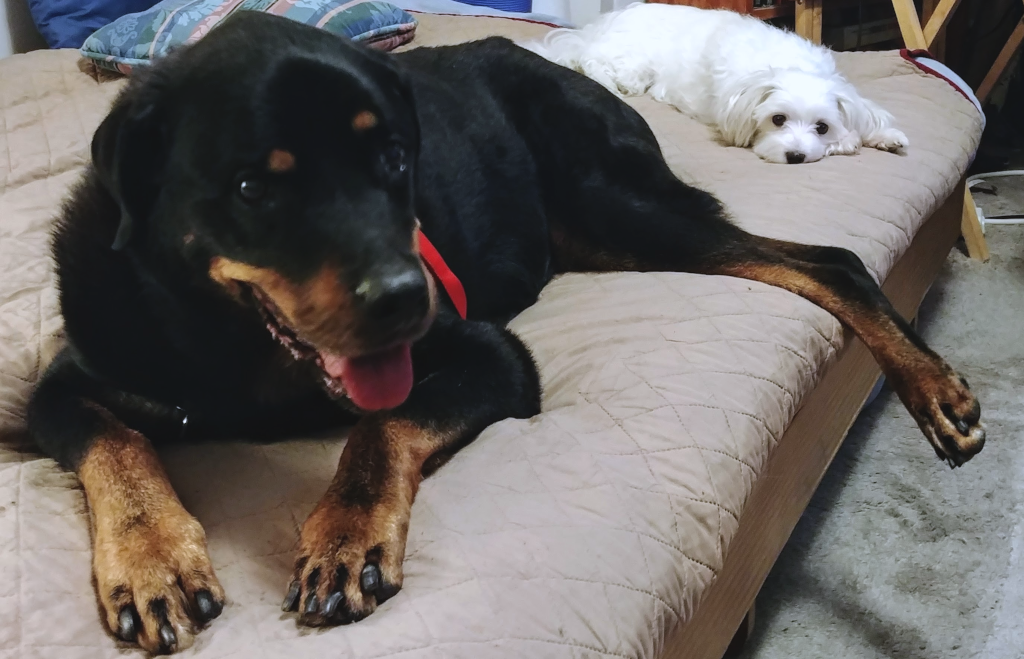 One of the more difficult situations involves a pet that has experienced chronic joint pain long enough to develop muscle loss. The two problems can gradually reinforce one another. Pain often discourages movement. Reduced physical activity may then contribute to declining muscle condition, making activities such as standing, climbing, and maintaining balance increasingly difficult.
This is particularly relevant to senior animals that have gradually become less active over months or years. What began as an orthopedic problem may eventually involve a combination of discomfort, reduced strength, and decreased endurance.
Muscle loss can also develop from aging or illnesses unrelated to joint pain. Veterinarians may refer to age-associated muscle loss as sarcopenia, while muscle loss related to certain underlying diseases can involve other processes.
An animal may have arthritis and an unrelated condition causing weakness at the same time. Treating the joint discomfort alone may not fully restore mobility if another illness is contributing to the problem.
This is one reason a sudden or progressive decline in mobility should not automatically be attributed to an existing arthritis diagnosis. New symptoms may deserve further investigation even when a pet already receives treatment for chronic joint disease.
Creating a Useful Record of Mobility Changes
Careful observations at home can help a veterinarian understand symptoms that may not appear during a brief appointment. Many animals behave differently in an unfamiliar examination room, and some temporarily move more freely because they are excited or anxious.
Short videos can be particularly useful. Recording a pet rising from rest, walking across the room, turning naturally, or approaching a familiar step may reveal details that are difficult to describe verbally.
Try to capture ordinary activities without encouraging the animal to perform anything painful or unsafe. A video taken from the side or behind may help show changes in stride length, weight distribution, and balance.
Written observations can add context to those recordings. Useful details include:
- When the difficulty appears: Immediately after waking, during walking, after activity, or throughout the day.
- Where the problem occurs: One limb, both hind legs, the front legs, or the entire body.
- What the movement looks like: Limping, stiffness, trembling, dragging, stumbling, or difficulty standing.
- Other changes: Appetite, drinking, urination, weight, behavior, and willingness to participate in normal activities.
- Recent developments: Falls, injuries, medication changes, illness, or changes in daily activity.
A simple daily record is often sufficient. The purpose is to establish a pattern, not turn every moment of a pet’s day into a medical evaluation.
For diabetic dogs and cats, weakness deserves particular attention because low blood glucose can produce shaking, poor coordination, weakness, seizures, or collapse. Owners who already monitor glucose at home should follow their veterinarian’s established monitoring and emergency instructions, rather than assuming the problem is caused by aging or arthritis.
What a Veterinarian Looks for During an Examination
 A veterinary examination generally begins with the animal’s medical history and an assessment of its overall condition. The veterinarian may observe the pet standing, rising, walking, and changing direction before examining the limbs.
An orthopedic examination focuses on structures such as joints, bones, muscles, tendons, and ligaments. The veterinarian may assess joint movement, swelling, muscle condition, discomfort, and differences between the left and right sides of the body.
When weakness or poor coordination is suspected, a neurological examination may also be appropriate. This can include evaluating reflexes, limb positioning, spinal responses, and other signs of nervous system function.
These evaluations provide different kinds of information. An animal may have a painful joint but normal neurological responses, or it may demonstrate neurological abnormalities without an obvious orthopedic injury.
Additional testing depends on the findings. Radiographs may help identify changes associated with arthritis or other skeletal conditions, while blood and urine testing can help investigate metabolic illness, anemia, kidney disease, or electrolyte problems.
Radiographs do not always reflect how much pain an animal experiences. Some pets have noticeable arthritic changes on imaging with relatively mild symptoms, while others have substantial discomfort that cannot be fully explained by their X-rays.
Occasionally, more specialized testing or referral to a veterinary neurologist, surgeon, or rehabilitation specialist may be recommended. The purpose is to identify the underlying problem accurately enough to develop an appropriate treatment plan.
Recognizing Changes That Need Immediate Attention
Gradual stiffness and mild mobility changes generally deserve a scheduled veterinary evaluation, but certain symptoms require much faster attention. Sudden weakness, paralysis, collapse, or an inability to stand can indicate a serious problem.
An animal that suddenly develops severe pain, cannot use a limb, or loses coordination rapidly should receive urgent veterinary assessment. Difficulty breathing, marked distress, or weakness accompanied by pale gums also warrants emergency attention.
Cats deserve particular caution when sudden hind-leg weakness or paralysis occurs. A blood clot that blocks circulation to the rear limbs, sometimes called a saddle thrombus, can cause sudden severe pain and loss of leg function. This is a veterinary emergency and should never be treated as ordinary arthritis.
A diabetic pet showing sudden weakness, disorientation, trembling, or collapse may be experiencing dangerous hypoglycemia. Follow the emergency plan established with your veterinarian and seek immediate veterinary assistance rather than waiting to see whether the symptoms resolve.
Rapidly worsening symptoms should not be evaluated through home movement tests. Keeping the animal safe, minimizing unnecessary movement, and obtaining veterinary assistance are the immediate priorities.
Making the Home Safer While the Cause Is Investigated
 When mobility becomes uncertain, simple household adjustments can reduce avoidable challenges. These changes do not diagnose or treat the underlying cause, but they can make daily activities less demanding.
Nonslip rugs or runners can provide better traction on smooth flooring. This can be especially useful for older dogs that struggle to rise on hardwood or tile, although difficulty on slippery surfaces does not establish whether pain or weakness is responsible.
Cats may benefit from lower-sided litter boxes, accessible resting areas, and stable intermediate steps to preferred locations. Food and water should remain easy to reach without requiring uncomfortable climbing or stretching.
For dogs, temporarily avoiding strenuous play, jumping, and unnecessary stair climbing may reduce the chance of aggravating an injury. Any exercise plan should reflect the veterinarian’s assessment, particularly when weakness, neurological disease, or an orthopedic injury is suspected.
Avoid forcing joints through movements to determine whether they hurt. A painful animal may react defensively, and manipulating an injured limb can worsen discomfort or damage.
Human pain medications are also inappropriate substitutes for veterinary treatment. The U.S. Food and Drug Administration warns that common medications such as ibuprofen and naproxen can harm dogs and cats, while acetaminophen can be fatal to cats.
Once a diagnosis has been established, a veterinarian may recommend pain management, rehabilitation, weight management, changes in activity, or treatment for an underlying medical condition. The appropriate combination depends on what is actually causing the mobility problem.
Following Changes Over Time Without Assuming They Are Just Aging
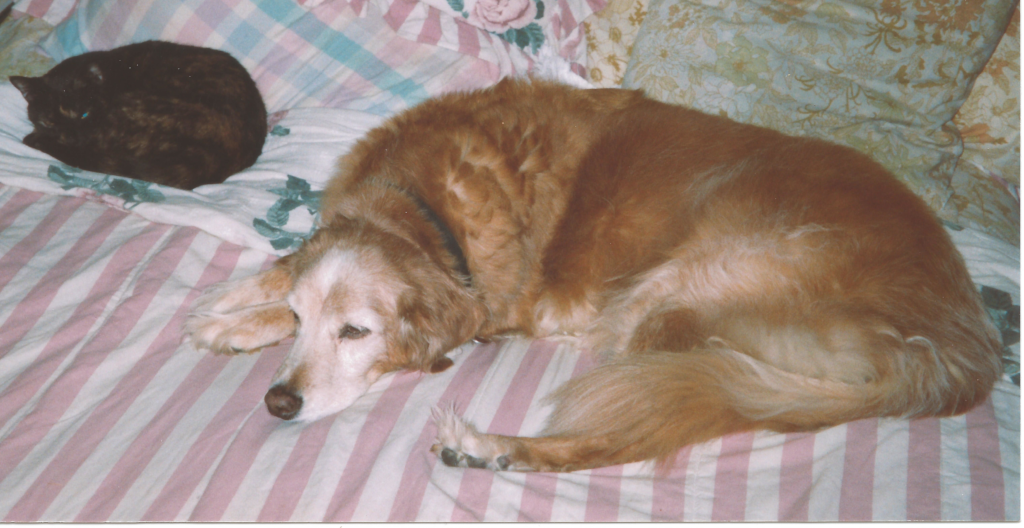 Older pets can experience good days and difficult days, particularly when chronic pain or other long-term illnesses are involved. A single observation may not tell the whole story, but repeated changes can reveal whether mobility is stable, improving, or declining.
It helps to identify a few ordinary activities that matter to the individual animal. For one dog, that might mean getting up comfortably after sleeping and walking to the yard. For a cat, it may involve entering the litter box without difficulty or reaching a favorite resting place.
These familiar activities provide practical reference points when discussing treatment with a veterinarian. If a pet begins moving more comfortably after an intervention, documenting that improvement helps the veterinary team evaluate progress.
An apparent improvement should not be taken as proof that the original suspected cause was correct. Pain, weakness, and coordination problems can fluctuate, and some conditions may temporarily improve while an underlying issue remains.
The same applies when progress slows or reverses. A pet receiving arthritis treatment may develop an unrelated illness, and new weakness should not automatically be attributed to the existing condition.
Regular follow-up examinations can help veterinarians reassess muscle condition, joint function, neurological responses, and overall health. The observations collected at home give those appointments greater value because they show how the animal functions during normal daily life.
For a senior pet, meaningful progress may be as ordinary as standing without struggling, walking to the food bowl comfortably, or settling into a favorite sleeping position again. Those small, repeatable improvements are worth recording, especially when they help the veterinarian decide whether the current care plan is meeting the animal’s needs.