

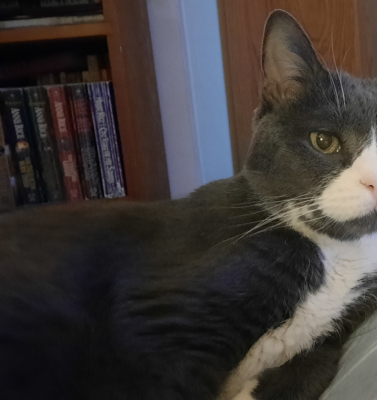
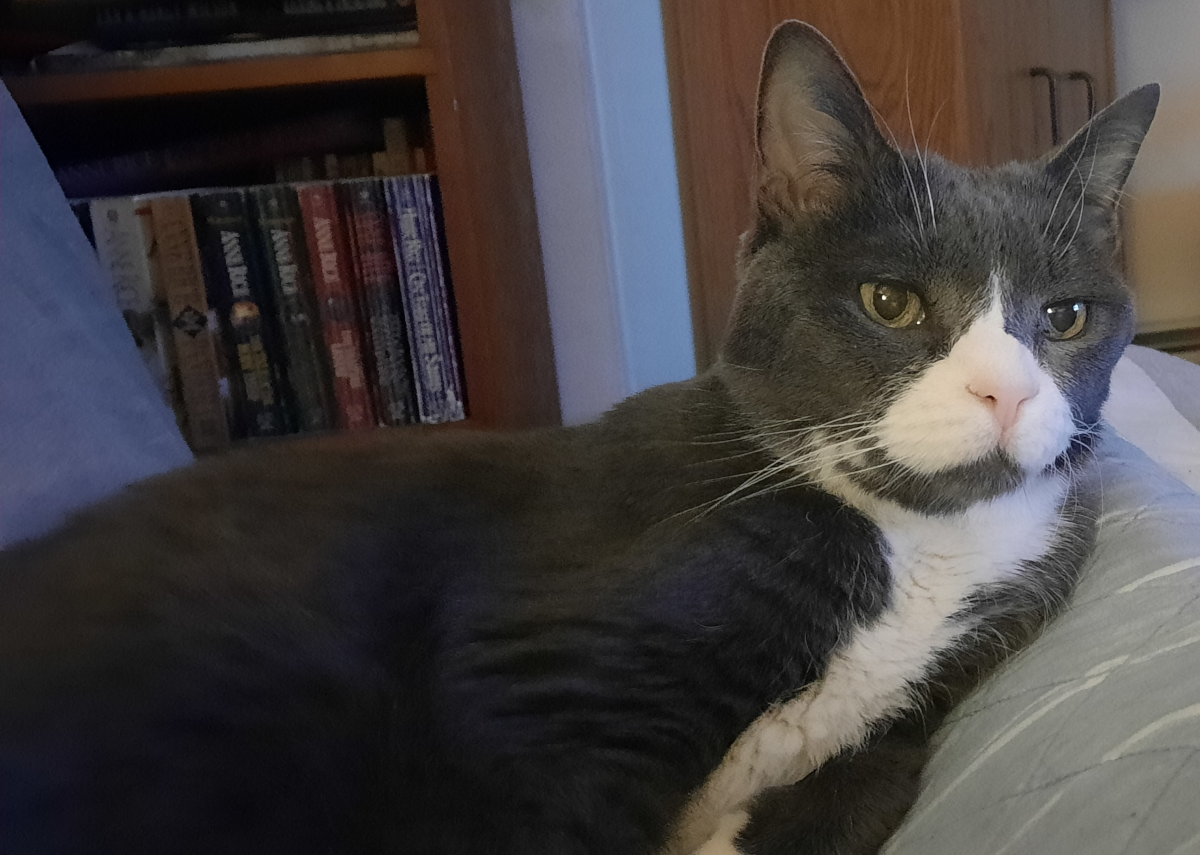
A senior cat curled tightly into a blanket or an older dog searching for the warmest corner of the room may simply be looking for a more comfortable place to rest. Cooler floors, household drafts, and changes in mobility can make familiar sleeping areas less appealing. A pet bed that provided adequate comfort for years may eventually need better insulation, additional cushioning, or a different location.
Creating a warmer resting area does not necessarily require expensive equipment. Existing beds can often be improved with washable blankets, insulating materials, and a few thoughtful adjustments. However, homemade heating arrangements deserve caution because prolonged exposure to heat can injure an animal, particularly one that has difficulty moving away from an uncomfortable surface.
Why Senior Dogs and Cats May Need Warmer Bedding
Older animals may become less comfortable in cold environments, especially when they have lost muscle mass, have a thin coat, or experience reduced mobility. Arthritis can complicate matters because painful joints may make getting comfortable and changing sleeping positions more difficult. Some senior pets also spend longer periods resting, making the quality and placement of their bedding particularly relevant.
The American Animal Hospital Association (AAHA) recommends providing older pets with comfortable, well-insulated beds in draft-free locations. Its winter care guidance for senior dogs and cats also discusses pet-safe heated bedding as a possible comfort measure, provided overheating is prevented and the animal is monitored. These recommendations concern comfort and environmental management rather than treatment of an underlying joint condition.
Warmth may make a cool resting area more inviting, but evidence that ordinary heated bedding produces lasting improvements in arthritis pain or mobility is limited. An older dog that struggles to rise or a cat that stops jumping onto familiar furniture may be experiencing discomfort that requires medical evaluation. Cornell University’s Feline Health Center describes how joint disease in cats can produce subtle behavioral and movement changes, sometimes before an owner recognizes an obvious limp.
Building a DIY Pet Bed That Retains Body Heat
 One of the simplest ways to improve a senior pet’s sleeping area is to create a bed that retains natural body warmth. This approach requires no electrical components, heated liquids, or chemical warming materials. It works best in an adequately heated room, where insulation can reduce heat loss without the need for an additional heat source.
Begin with a supportive cushion that provides enough padding beneath the animal’s shoulders, hips, and other pressure points. A firm orthopedic foam bed may be useful for a pet that has difficulty rising from soft, collapsing bedding, although the ideal firmness depends on the animal’s size and mobility. A removable fleece cover provides a comfortable sleeping surface and can be washed when necessary.
The surface beneath the bed also deserves attention. Tile, concrete, and some other hard floors can feel considerably colder than carpeted areas, particularly during winter. Moving the bed onto a rug or adding a stable insulating layer underneath can help reduce heat loss. Any additional material should remain securely positioned so the entire bed does not slide when the animal stands.
Assembling a Simple Insulated Bed
A homemade insulated bed can be assembled from several layers without permanently modifying the original cushion. The materials should be easy to clean, free from loose pieces, and sturdy enough to withstand the animal’s normal movements.
A practical arrangement includes:
- A supportive base: Choose a firm foam or orthopedic pet cushion that provides adequate support without making it difficult to stand.
- A nonslip insulating layer: Place a stable rug or suitable insulating mat beneath the cushion when the bed rests on a cold floor.
- A soft sleeping cover: Add washable fleece or another comfortable fabric that lies smoothly over the cushion.
- A lightweight nesting blanket: Offer an additional blanket for pets that enjoy arranging their bedding or resting partially beneath fabric.
- An accessible entrance: Keep the front edge low enough for the animal to enter and leave without unnecessary climbing.
After assembling the bed, watch how the animal gets in and out. A dog with arthritic hips may struggle with a thick bolster, while a cat with stiff joints may avoid a deeply enclosed bed despite enjoying its warmth. The sleeping surface should allow the animal to stretch, turn around, and change positions without becoming tangled in loose fabric.
For pets experiencing urinary accidents, placing a waterproof protective cover beneath the washable bedding can help keep moisture out of the cushion. The protective layer should not be exposed where it can be chewed or create a slippery surface. Replace damp bedding promptly because prolonged moisture exposure can contribute to skin irritation, particularly in animals that spend much of their time lying down.
Using Warm Blankets for Temporary Comfort
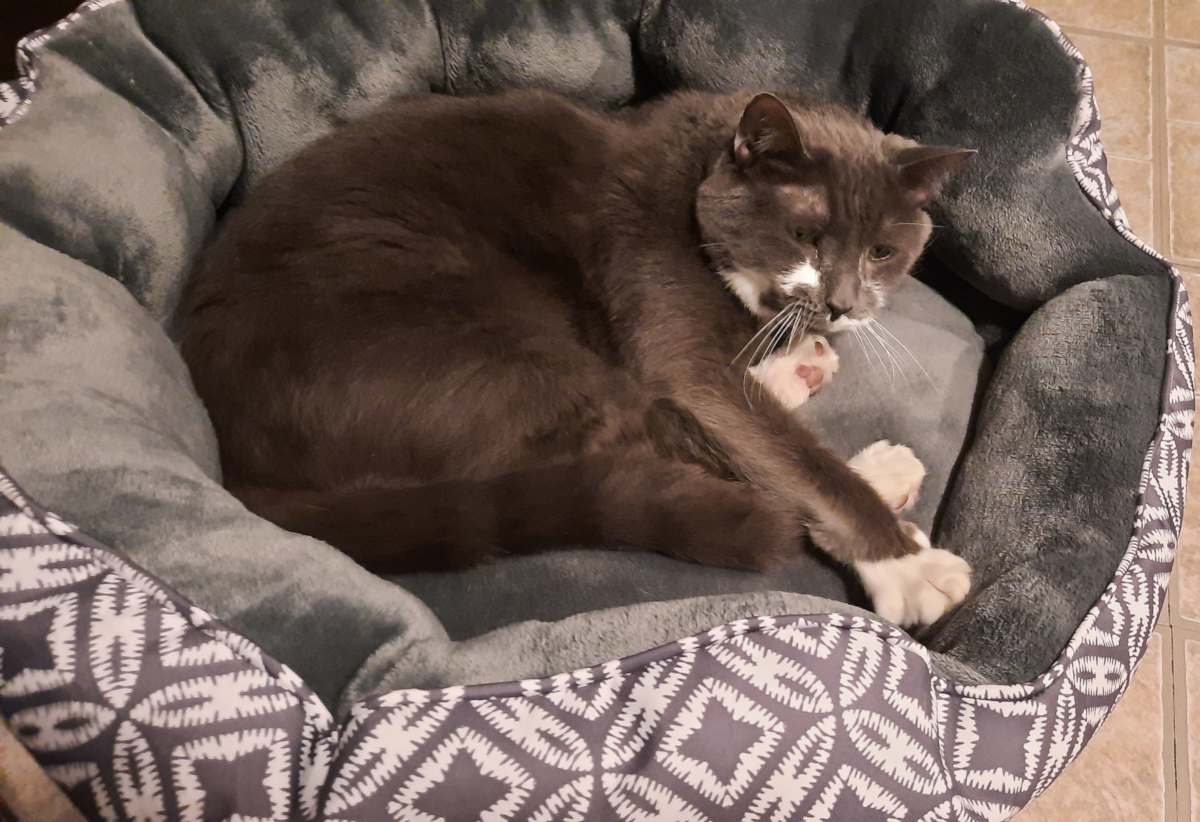 A blanket warmed separately from the bed can provide gentle, temporary warmth without leaving an active heating device beneath the animal. A clean, dry fleece blanket can be placed briefly in a clothes dryer using a setting appropriate for the fabric. Once removed, unfold the blanket and allow it to cool until it is only mildly warm before placing it on the bed.
Dryer settings and fabric thickness can produce uneven temperatures, so a blanket should never be transferred directly from a hot drying cycle onto an animal. Check several areas with your hand, especially where folds may have retained heat. The blanket should feel comfortably warm, and the animal must remain free to move away from it.
This method is particularly practical when an older dog returns from a chilly walk or when a cat settles into its usual resting area on a cold morning. The warmth fades naturally, and the blanket can remain as an ordinary bedding layer afterward. There is no need to keep reheating it throughout the day if the room and insulated bedding already provide a comfortable environment.
Avoid substituting towels heated with boiling water or steam. These materials can become excessively hot, and damp bedding may leave an animal uncomfortable as the moisture cools. A dry, gently warmed blanket is easier to assess and does not introduce a container of heated liquid into the sleeping area.
Self-Warming Pet Pads Without Electricity
Self-warming pet pads offer another way to improve an existing bed. Many contain an insulating or reflective layer designed to reduce heat loss and direct some of the animal’s body warmth back toward the resting surface. They do not actively generate heat, so their effectiveness depends on the animal’s body warmth and the surrounding room temperature.
A manufactured self-warming pad can often be placed inside an existing pet bed, provided the product is used according to its instructions. Check whether the material lies flat and remains stable when the animal moves. Some pads contain reflective layers that make a crinkling sound, which may discourage cats or dogs sensitive to unfamiliar noises.
Avoid constructing improvised reflective pads from exposed aluminum foil, loose insulation, or household building materials. These products were not necessarily designed for contact with animals and may tear or expose unsuitable internal components. A finished, washable pet pad provides a more practical option than attempting to reproduce its internal construction with loose materials.
Self-warming pads are most useful as supplemental insulation. They should not be relied upon to protect an animal from dangerously low room temperatures or to warm a pet that is already experiencing hypothermia. Their role is to improve an otherwise suitable resting environment.
Are Hot Water Bottles Safe for Senior Pet Beds?
 Hot water bottles are commonly suggested as inexpensive alternatives to electric heating pads, but their use introduces several concerns. Water that feels tolerable through a thick covering can still cause a burn during prolonged contact, particularly when pressure holds the bottle against the animal’s body. A leaking or damaged container creates an additional risk of scalding.
For everyday bedding, an insulated cushion or non-electric self-warming pad is generally the more practical choice. If a veterinarian recommends a warm water bottle for a particular animal, the instructions should address water temperature, wrapping, positioning, and supervision. The bottle should remain securely closed, separated from direct skin contact, and positioned so the animal can move away without difficulty.
Hot water bottles are unsuitable as an unattended overnight heating solution, especially for animals with impaired mobility or sensation. They also should not become a substitute for medical care when a pet is abnormally cold, weak, or unable to maintain normal body temperature. These circumstances can indicate a serious health problem, and uncontrolled external heating may cause additional injury.
Why Human Heating Pads Are Not Recommended
Electric heating pads intended for people may appear convenient because they offer adjustable settings and are readily available. However, they are not necessarily designed for an animal sleeping against the surface for extended periods. Prolonged contact can cause thermal injury even when a heating device does not initially feel excessively hot.
VCA Animal Hospitals warns that heating pads can cause burns in sleeping pets, particularly elderly, arthritic, or sick animals that may not wake or move quickly enough. Chewing electrical cords creates another hazard, especially in households with animals that damage bedding or explore unfamiliar objects with their mouths.
Placing blankets over a human heating pad does not make it a dependable DIY pet heater. Fabric layers may shift or trap heat differently as the animal changes position, and folding a heating device can interfere with its intended operation. The arrangement also makes it harder to recognize a problem developing beneath the bedding.
Homemade electrical heating systems assembled from separate heating elements, wires, and temperature controllers introduce similar concerns. Reliable temperature regulation, electrical protection, and safe operation under prolonged pressure require appropriate product design and testing. These are not features that can be assumed simply because the individual components function correctly.
Choosing a Commercial Heated Pet Bed
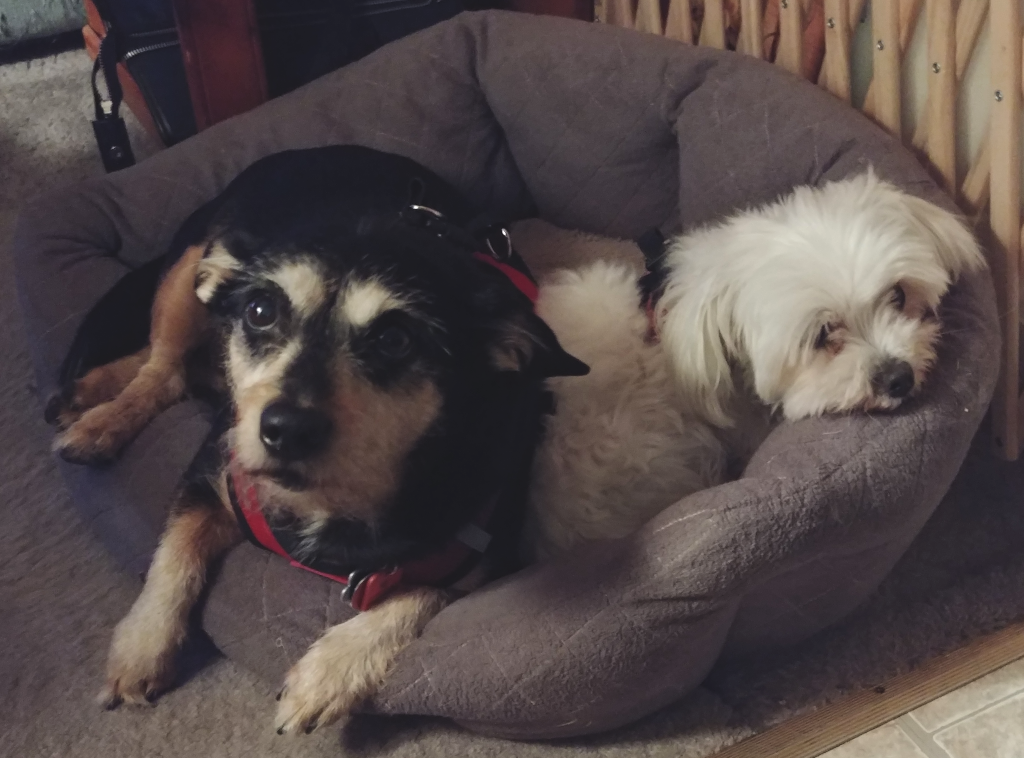 A commercially manufactured heated pet bed may be appropriate when ordinary bedding does not provide sufficient comfort. Products specifically designed for pets are preferable to repurposed human heating equipment, although they still require careful selection and supervision. A pet-specific label should not be treated as a guarantee that a product is suitable for every animal.
Look for clear manufacturer instructions, temperature regulation, protected electrical components, and appropriate electrical safety certification where applicable. Check whether the product is intended for indoor use and whether its cover can be removed for washing. The heating element should never be submerged or cleaned in a way that conflicts with the manufacturer’s directions.
Heated bedding should be placed on a stable surface away from standing water, damaged outlets, and locations where cords may be pinched or chewed. Do not add thick blankets, foam cushions, or other insulating layers over the heating surface unless the manufacturer specifically permits them. Covering a powered device can change how heat escapes and may cause temperatures to rise beyond those intended.
AAHA’s home monitoring guidance for senior pets specifically advises avoiding human heating pads and never leaving pets unattended with heated bedding. The animal should also be able to leave the heated area freely. A powered bed is particularly unsuitable in a confined carrier or crate when the pet cannot escape its warmth.
Homemade Rice Packs, Chemical Warmers, and Gel Products
Microwaved rice socks and homemade grain-filled heat packs are frequently promoted as inexpensive pet warmers. Their internal temperatures can be uneven, especially when the filling shifts or the pack is heated for too long. A fabric cover does not eliminate the possibility of prolonged-contact burns, and damaged seams may release material that a pet could chew or swallow.
Disposable hand warmers present a different concern because some contain iron-based ingredients. Pet Poison Helpline identifies certain hand warmers as potential sources of iron poisoning, with the severity depending on the amount and type of material swallowed. Vomiting, abdominal discomfort, diarrhea, and more serious complications can occur following toxic exposure.
Reusable gel packs also warrant caution, particularly around animals that chew bedding. In an October 2026 warning, ASPCA Poison Control described serious reactions associated with ingestion of materials from certain hot and cold packs, wraps, and cooling pet pads. Reported signs included vomiting, tremors, unsteady movement, and seizures. The organization identified possible contamination with acrylamide and other material-related hazards, while recognizing that these concerns do not establish that every gel product contains the same dangerous substances.
An animal that punctures or swallows the contents of a chemical warmer or gel pack should be prevented from further exposure and assessed promptly through veterinary or animal poison control guidance. Retain the original packaging because ingredient information may help determine the risk. Do not induce vomiting or administer household remedies unless specifically instructed by a veterinary professional.
Space heaters, heat lamps, and exposed radiators are also poor choices for creating homemade heated sleeping areas. Their concentrated heat can make nearby bedding dangerously warm and, depending on the equipment, introduce fire hazards. Heating the room appropriately and insulating the pet’s resting area are more controlled approaches than positioning bedding against a heat-producing appliance.
Special Considerations for Pets With Arthritis or Limited Mobility
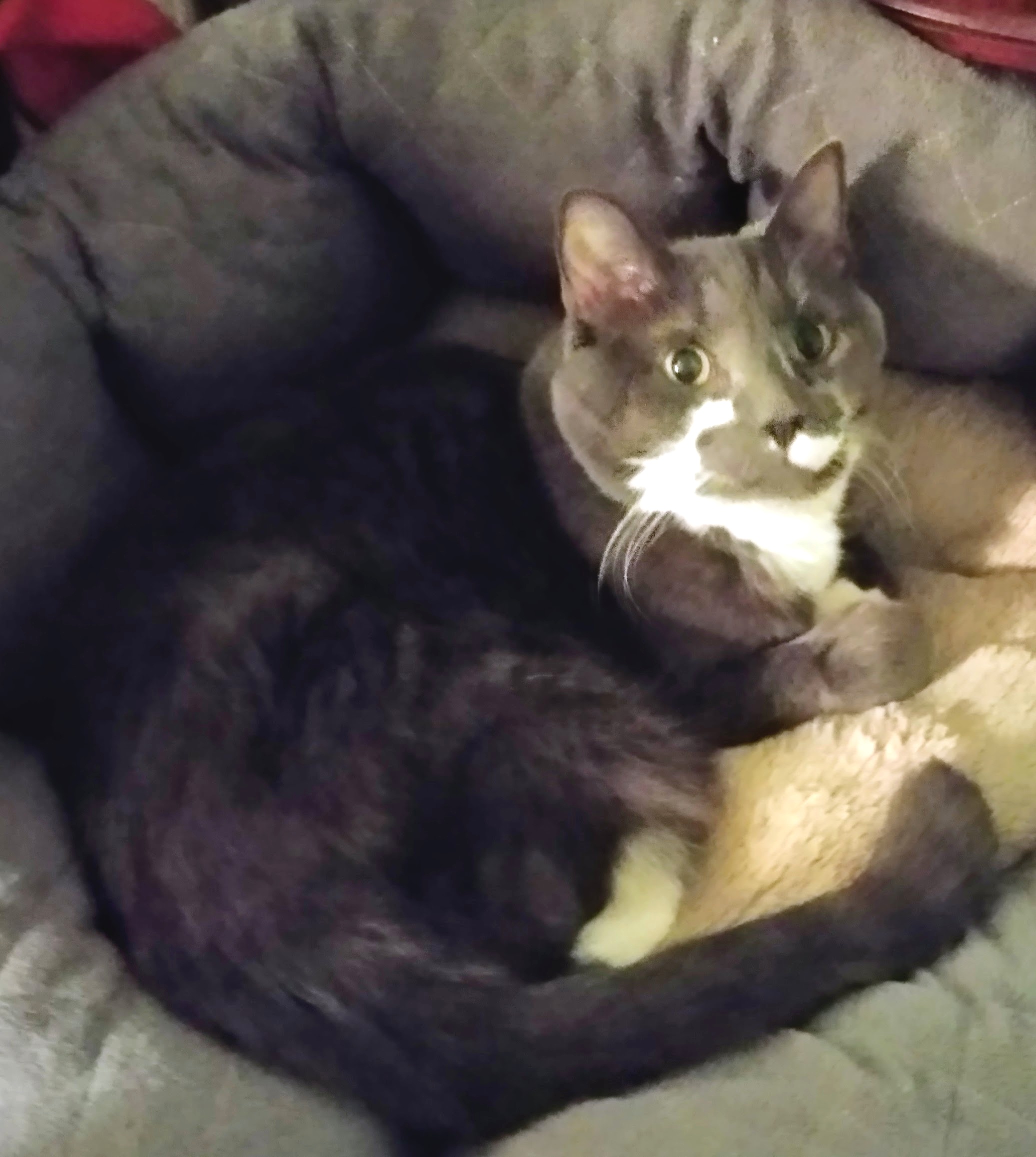 An animal’s ability to move away from heat is an essential part of preventing overheating. Dogs and cats with advanced arthritis, paralysis, severe weakness, or certain neurologic conditions may struggle to reposition themselves. Reduced sensation can further complicate matters because discomfort may not be recognized or communicated through normal movement.
For these animals, well-padded bedding in a comfortably heated room is often a more manageable starting point than direct heat. The bed should provide enough support to reduce pressure on prominent bones without sinking so deeply that standing becomes difficult. Low edges, nonslip flooring, and an unobstructed approach are particularly useful when mobility is restricted.
Skin care also deserves attention when a pet spends prolonged periods resting. Constant pressure over bony areas, damp bedding, and friction can contribute to skin damage. Animals unable to reposition themselves normally may require assisted position changes and individualized nursing care.
Pets living with diabetes, kidney disease, heart disease, or other chronic conditions should not automatically receive additional heat because of their diagnosis. Their need for warmth depends on their actual condition, environment, mobility, and ability to regulate body temperature. A pet recovering from surgery or experiencing significant illness may have different requirements from an otherwise stable senior animal.
Recognizing When a Heated Bed Is Uncomfortable
A new bed should be evaluated through the animal’s normal behavior rather than its appearance or advertised features. A comfortable pet may settle readily, reposition without difficulty, and return voluntarily after leaving. Repeatedly avoiding the bed, moving away from a particular section, or becoming restless after lying down may indicate excessive warmth or another uncomfortable feature.
Excessive panting in a dog, unusual restlessness, or an animal repeatedly seeking cooler flooring can suggest that the sleeping environment is too warm. Panting in cats is less typical and can indicate significant distress, particularly when accompanied by open-mouth breathing. A cat showing these breathing changes needs urgent veterinary assessment rather than further adjustments to the bed.
Inspect bedding regularly for exposed materials, damaged seams, dampness, and unexpected heating. Check any heated product while it is operating, following the manufacturer’s instructions and supervision requirements. Equipment that initially worked correctly may become unsafe after damage, repeated washing, or normal wear.
Skin redness, tenderness, swelling, or unusual sensitivity can indicate irritation or a possible burn, although injuries beneath fur may not be immediately visible. If a thermal burn is suspected, remove the heat source and gently cool the affected area with cool running water or a cool, wet cloth when the animal tolerates it. Seek prompt veterinary care, and avoid applying ice, oils, or household ointments without professional instructions.
Persistent shivering, marked weakness, collapse, or reduced responsiveness should not be managed by simply increasing the bed’s temperature. Such signs may indicate hypothermia or another serious medical condition. Move the animal into a warm indoor environment, use dry blankets for insulation, and obtain urgent veterinary assessment rather than attempting aggressive warming with improvised equipment.
Warm Bedding Within a Broader Comfort Plan
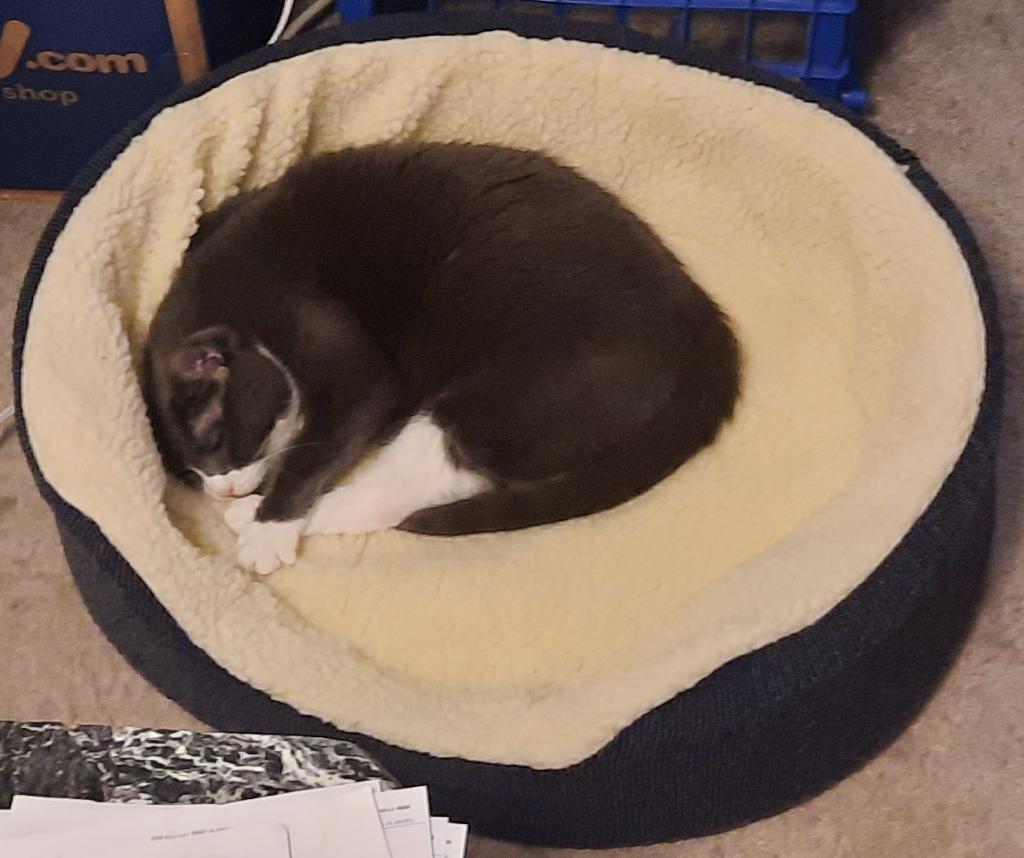 An appropriate sleeping surface can be useful for an aging animal, but persistent mobility problems may require changes beyond the bed itself. The 2023 AAHA Senior Care Guidelines for Dogs and Cats recommend evaluating pain and movement difficulties while considering environmental adjustments alongside appropriate medical management. These adjustments can include supportive bedding, ramps, nonslip flooring, and easier access to daily necessities.
For a large dog struggling to rise, the firmness of the mattress may matter more than its warmth. A cushion that collapses under the dog’s weight can make standing awkward, particularly when the animal must push upward using painful joints. Better support and a stable floor surface may improve the practicality of the sleeping area without introducing a heating device.
Cats present somewhat different challenges because they often prefer elevated resting places. A senior cat with joint discomfort may continue seeking a favorite windowsill but have increasing difficulty reaching it. Providing a comfortable floor-level alternative or a safe route using pet steps can preserve access to preferred resting areas without requiring painful jumps.
Changes in sleeping habits can provide useful information during veterinary assessments. A brief record of where the animal chooses to rest, how easily it stands, and whether its mobility changes during the day may reveal patterns that are difficult to describe from memory. Short videos of rising, walking, or climbing can also help demonstrate movement difficulties that may not appear during an appointment.
Adjusting Bedding as Your Senior Pet’s Needs Change
A sleeping arrangement that works well during autumn may become too warm when the household heating system runs throughout winter. A bed near a sunny window can also become considerably warmer during the afternoon, especially when direct sunlight falls across the sleeping surface. Seasonal adjustments may involve removing an insulating layer, moving the bed away from a heat source, or providing an additional resting area in a cooler location.
Bedding preferences can change as mobility declines. A cat that previously preferred a deep, enclosed bed may eventually find its raised entrance difficult to manage. An older dog may become more comfortable with a wider sleeping surface that permits stretching without pressing against firm sides.
An especially useful DIY design is one that can be modified without taking the entire bed apart. Removable covers, replaceable cushioning, and separate insulating layers allow adjustments as the animal’s needs change. These features also make cleaning easier and reduce the expense of replacing bedding whenever a different arrangement is needed.
For animals with significant movement limitations, the area surrounding the bed deserves just as much consideration as the sleeping surface. Food and water should remain accessible, and the route to a litter box or outdoor toileting area should be free of slippery obstacles. Nighttime lighting may also help pets with reduced vision move through familiar spaces.
Some older animals may eventually need assistance standing, turning, or reaching an appropriate elimination area. At that stage, bedding should be evaluated for how easily a caregiver can provide assistance without pulling against the animal’s body or causing unnecessary discomfort. A stable, accessible sleeping space can make these daily tasks considerably more manageable while allowing the pet to continue resting in a familiar part of the home.