
Waiting for radioactive iodine therapy can be especially difficult when a cat has already spent months struggling with hyperthyroidism. Weight loss may continue despite a strong appetite, medications may provide incomplete control, and other health problems can complicate the treatment plan. By the time some owners consider radioactive iodine, they have already tried several approaches without achieving the improvement they hoped to see.
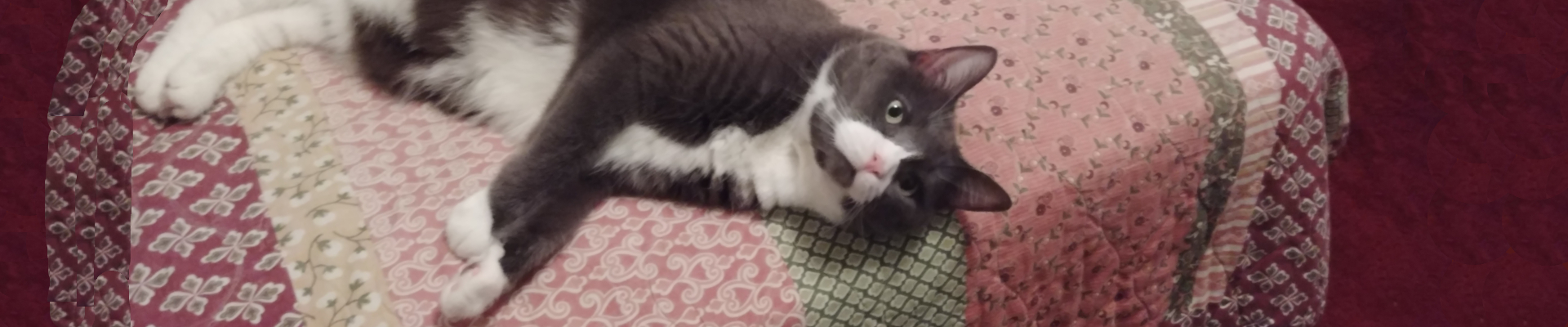
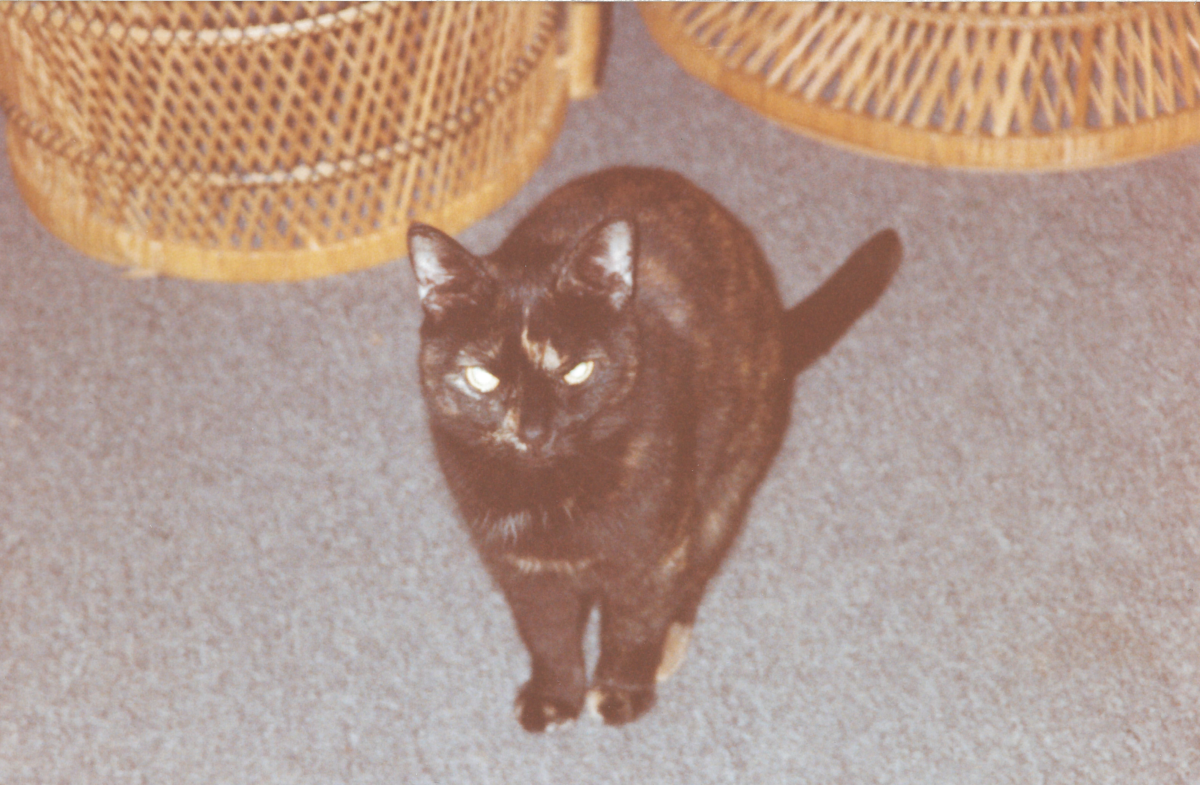
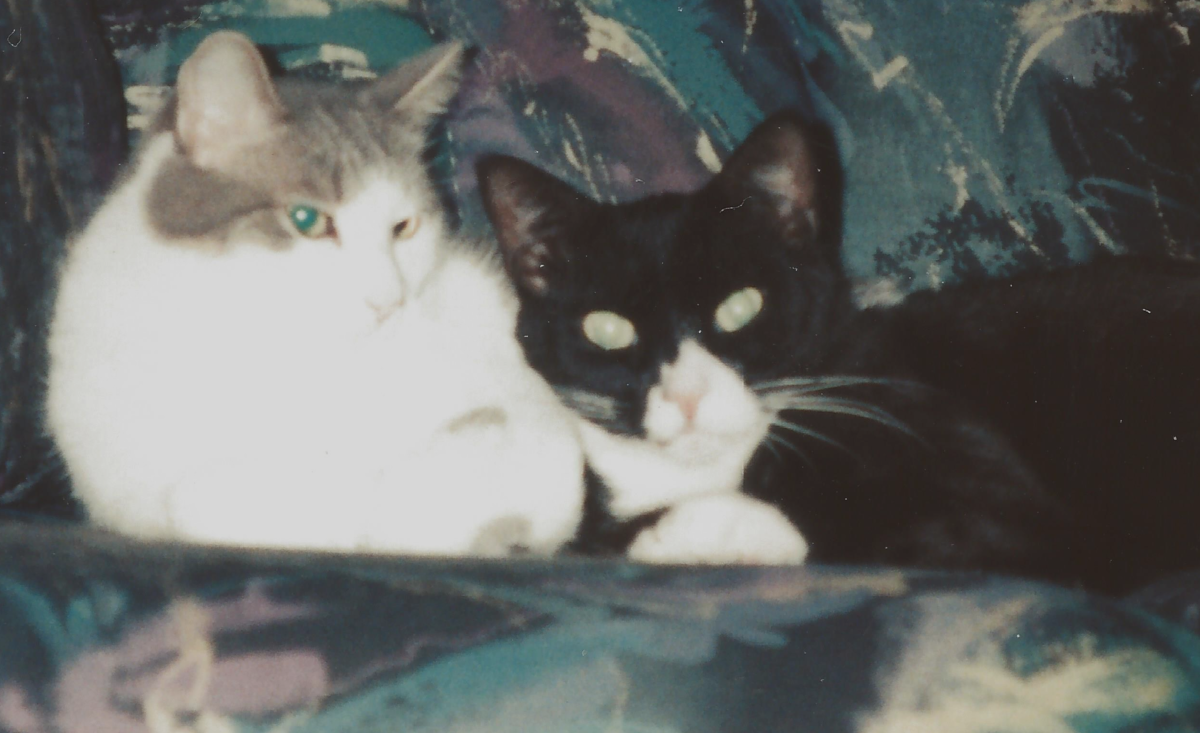
We understand that situation personally. Two of our cats, Tabitha and Clyde, received radioactive iodine therapy after we had struggled to manage their hyperthyroidism through medication and other recommended approaches. Both had experienced troubling weight loss, and we had been given discouraging assessments of how much time they might have left. The treatment worked for both cats, giving us several additional years during which they were happy, active, and able to enjoy their familiar routines.
Our experience also taught us that radioactive iodine treatment involves more than a single veterinary appointment. The waiting period requires attention to the cat’s ongoing symptoms, while hospitalization and temporary radiation precautions create practical responsibilities that are particularly relevant in multi-pet households. Understanding those arrangements beforehand can make the entire process more manageable.
Why Radioactive Iodine Therapy Is Recommended for Hyperthyroid Cats
Feline hyperthyroidism occurs when the thyroid gland produces excessive thyroid hormone. These hormones regulate metabolism, and elevated concentrations accelerate many normal bodily processes. Affected cats commonly lose weight despite eating more than usual, develop increased thirst, or become unusually restless and vocal. Some also experience vomiting, diarrhea, elevated blood pressure, or an abnormally rapid heartbeat.
Most feline hyperthyroidism results from benign overgrowth of thyroid tissue, although malignant thyroid tumors occasionally occur. Even when the abnormal tissue is noncancerous, excessive thyroid hormone can place considerable strain on the cardiovascular system and complicate existing kidney disease.
 Radioactive iodine therapy, commonly called I-131 treatment, targets the thyroid tissue responsible for producing excessive hormone. Thyroid cells absorb iodine, allowing the administered radioactive iodine to concentrate primarily in overactive thyroid tissue. The radiation damages those cells, reducing excessive hormone production while generally preserving enough normal thyroid function.
The American Animal Hospital Association’s 2023 feline hyperthyroidism treatment guidelines identify radioactive iodine as the treatment of choice for many affected cats, with reported cure rates exceeding 95%. Treatment generally requires one injection and does not require general anesthesia, although sedation may be used. Because radioactive material is involved, the procedure must be performed at an appropriately licensed facility.
Unlike methimazole, which suppresses thyroid hormone production while the medication is being administered, I-131 can permanently resolve the underlying hyperthyroidism. Successful treatment may eliminate the need for lifelong antithyroid medication, although some cats subsequently develop low thyroid hormone levels requiring replacement therapy. These possibilities make follow-up testing an essential part of treatment.
Managing Hyperthyroidism While Waiting for Treatment
The interval between scheduling radioactive iodine therapy and receiving it varies depending on facility availability, referral requirements, and the cat’s medical condition. Some cats remain relatively stable during this period, while others continue experiencing substantial effects from excessive thyroid hormone.
The immediate concern is maintaining adequate control of the disease and recognizing deterioration before the scheduled procedure. Persistent hyperthyroidism can contribute to muscle loss, cardiovascular strain, and worsening clinical symptoms, even when a cat remains alert and interested in food.
Continuing Medication and Recognizing Changes
 Many cats receive methimazole while awaiting radioactive iodine therapy. The medication reduces thyroid hormone production and can help control symptoms until definitive treatment becomes available.
Methimazole is effective for many cats, but treatment requires monitoring because the response can vary and adverse effects may develop. Reduced appetite, vomiting, and facial itching are recognized concerns, while less common but more serious reactions can involve the liver or blood cells. Periodic blood testing helps evaluate thyroid hormone levels and identify potential complications.
A cat that continues losing weight despite medication may need reassessment of thyroid control and other possible health problems. Persistent weight loss does not automatically mean the medication has stopped working, since kidney disease, gastrointestinal disorders, and other conditions can produce overlapping symptoms.
The radioactive iodine facility may require antithyroid medication to be discontinued before treatment. Some facilities also have specific preparation requirements for cats eating an iodine-restricted prescription diet. The timing of these changes depends on the treatment protocol and the cat’s condition, so owners should obtain written instructions and coordinate them with the regular veterinarian rather than stopping treatment independently.
Monitoring Weight, Appetite, and Muscle Condition
Weight loss is one of the most recognizable features of feline hyperthyroidism. Excess thyroid hormone increases energy expenditure and contributes to the breakdown of body tissues, allowing a cat to become progressively thinner despite consuming substantial amounts of food.
Watching Tabitha and Clyde lose weight while we were trying to control their disease was particularly discouraging. Their continued decline made it difficult to feel comfortable simply waiting for the next treatment opportunity, especially after receiving such poor prognostic assessments.
Recording body weight can provide useful information during this period. If the cat tolerates weighing at home, measurements taken on the same scale under similar conditions can help distinguish gradual improvement from continuing loss. Changes in muscle condition also deserve attention because body weight alone may not fully reflect the effects of hyperthyroidism.
Appetite should be considered alongside those measurements. Increased hunger is common, but a cat that suddenly begins refusing food, vomits repeatedly, or becomes noticeably weaker may have developed a complication or another illness requiring prompt assessment.
Nutrition needs vary considerably, especially when kidney disease or other chronic conditions are present. Although a cat losing weight needs adequate calories and appropriate nutrition, dietary changes should be based on the animal’s broader medical condition rather than automatically increasing protein or offering unrestricted food.
Difficulty breathing, collapse, or severe weakness warrants emergency veterinary care. A cat that stops eating or develops persistent vomiting should also receive timely attention rather than waiting for the radioactive iodine appointment.
Why Kidney and Heart Health Matter Before Treatment
 Hyperthyroidism can affect both kidney function and cardiovascular health. Excessive thyroid hormone increases heart rate and cardiac workload, and some cats develop high blood pressure or structural changes in the heart.
Kidney function requires particularly careful interpretation because hyperthyroidism increases blood flow through the kidneys and the rate at which blood is filtered. These changes can make kidney measurements appear more favorable than they would be under normal thyroid conditions. Once hyperthyroidism is corrected, previously concealed kidney dysfunction may become apparent.
This relationship was especially relevant to us because Clyde also had kidney disease. His medical history made it necessary to consider more than the thyroid disorder itself, although his individual experience cannot establish how another cat with kidney disease will respond.
The 2016 American Association of Feline Practitioners hyperthyroidism guidelines recommend treating feline hyperthyroidism even when chronic kidney disease is present. They also emphasize maintaining appropriate thyroid hormone levels and avoiding treatment-related hypothyroidism, which can further complicate kidney function.
Before radioactive iodine treatment, veterinarians commonly assess thyroid hormone concentrations, kidney values, blood counts, and urine findings. Blood pressure measurement and additional cardiac evaluation may also be appropriate, depending on the cat’s medical history and examination.
Some cats benefit from a period of medical thyroid control before permanent treatment so the veterinary team can assess changes in kidney function. However, this is not necessary for every cat, and stable animals with mild renal abnormalities may still be suitable for radioactive iodine without a prolonged medication trial.
Making Daily Care Easier During the Waiting Period
A cat living with inadequately controlled hyperthyroidism may require more attention to routine feeding, hydration, and litter box habits. Increased thirst and urination can make convenient access to water and clean litter boxes particularly helpful, while weakness or muscle loss may make elevated resting areas more difficult to reach.
Maintaining familiar surroundings is generally preferable to making unnecessary changes. Food and water should remain easily accessible, and comfortable resting places should not require difficult climbing or jumping. These arrangements can support daily comfort without interfering with prescribed treatment.
A straightforward health record can also make veterinary follow-up more productive. Recording medication administration, appetite, vomiting, stool changes, and unusual behavior gives the veterinary team information that may be difficult to reconstruct during an appointment. Weight measurements can be added periodically to establish a longer-term pattern.
This becomes particularly useful in households where more than one person shares caregiving duties. A written medication record can prevent confusion over whether a dose was administered, while observations from different caregivers may identify changes that are less obvious to someone seeing the cat continuously.
Maintaining normal interaction matters as well. A cat that enjoys familiar activities should generally be allowed to continue them according to its abilities, without imposing unnecessary restrictions before treatment. Adjustments should reflect the animal’s condition rather than the assumption that a hyperthyroid diagnosis requires confinement or inactivity.
Preparing for the Radioactive Iodine Appointment
 Radioactive iodine treatment usually requires a short hospital stay because the cat temporarily carries radioactive material. The treatment facility must follow radiation safety regulations governing the administration of I-131, handling of contaminated materials, and discharge of treated animals.
Hospitalization commonly lasts several days, although the exact duration varies. Cats generally remain in a designated treatment area until their radiation levels have declined enough to meet the facility’s discharge requirements.
Before admission, the hospital will review medical records, laboratory results, and medications. Owners should provide an accurate list of prescription drugs, supplements, and therapeutic diets, along with information about any health problems that might require additional care during hospitalization.
Some facilities cannot accommodate cats that need frequent hands-on nursing or medication administration during radiation isolation. This is especially relevant to animals requiring injections, intensive monitoring, or assistance eating. Treatment suitability depends partly on the hospital’s staffing, equipment, and radiation safety procedures.
Visitation is generally restricted during the isolation period. Some hospitals permit familiar bedding, toys, or special foods, but owners should confirm what the facility allows rather than assuming ordinary hospital visitation rules apply.
Arrangements for transportation and discharge are worth making in advance. Owners should also discuss the possibility of an extended hospital stay if radiation levels have not declined sufficiently or the cat develops a medical concern that affects discharge.
Preparing a Multi-Pet Household for the Return Home
One of the more demanding aspects of radioactive iodine therapy is managing the household after treatment. This was particularly relevant for us because Tabitha and Clyde lived with other animals, and we had to follow precautions before they could resume normal contact.
Although cats are discharged only after meeting applicable radiation safety requirements, small amounts of radioactive iodine remain in their bodies. Radiation exposure can occur through proximity to the treated cat, while radioactive material can also be excreted in urine and saliva.
The required precautions vary between facilities. Cornell University’s radioactive iodine aftercare guidelines describe a three-week precautionary period after discharge, including separation from other household cats and prevention of shared litter box use. Cornell does not require complete isolation from adults but restricts prolonged close contact.
By comparison, the University of Illinois College of Veterinary Medicine describes a 28-day home isolation period under its treatment protocol. These differences demonstrate why owners must follow the instructions issued for their particular cat rather than adopting a schedule from another hospital.
Arranging a Suitable Recovery Space
When separation is required, a quiet room with a closing door can make the precautions more manageable. The space should contain the cat’s own food, water, bedding, and litter box, with enough room for comfortable movement.
Cats accustomed to living with other animals may initially find separation unfamiliar. Maintaining consistent feeding times, providing familiar bedding when permitted, and arranging the room before hospitalization can reduce unnecessary disruptions.
Caregivers still need to provide appropriate food, water, hygiene, and medical attention during the precautionary period. The hospital’s instructions will explain limitations on close physical contact, including lap sitting, prolonged holding, and sleeping with the cat.
Children and pregnant individuals may require stricter separation precautions because developing tissues are more sensitive to radiation exposure. Households that cannot reasonably follow the instructions should discuss alternative arrangements with the treatment facility before proceeding.
Handling Litter and Household Materials Safely
 Litter management is often the most unfamiliar part of radioactive iodine aftercare. Radioactive iodine is excreted in urine, and contaminated litter may require collection and temporary storage until its radioactivity has declined sufficiently for disposal.
The required collection methods and storage periods depend on facility instructions and applicable regulations. Owners should not assume that contaminated litter can immediately enter household garbage, since waste facilities may detect radioactive material.
Disposable gloves and thorough handwashing are commonly recommended when handling litter and contaminated materials. Cleaning bedding, food dishes, and household surfaces may also require specific precautions during the designated period.
Multi-pet households need to consider animals that normally share feeding areas or litter boxes. Dogs that investigate cat litter may need to be kept away from the treated cat’s room, while other cats should not have access to contaminated litter or shared supplies when separation is required.
Another detail worth discussing is what to do if the treated cat becomes ill during the precautionary period. Emergency veterinary care should never be delayed because the cat recently received I-131, but the veterinary facility must be informed about the treatment so its staff can take appropriate precautions.
For Tabitha and Clyde, these restrictions were temporary. Once their designated waiting periods ended, they could return to normal household routines and mingle with our other pets again.
What Recovery Looks Like After Radioactive Iodine Therapy
Thyroid hormone concentrations often begin declining within the first weeks after treatment, but clinical recovery can take longer. A cat that has lost substantial body weight and muscle may need several months to regain condition, even after thyroid function improves.
Appetite may gradually become less excessive as metabolism returns toward normal. Owners may also notice changes in activity, drinking habits, and body weight, although these observations cannot establish whether thyroid hormone concentrations have reached an appropriate level.
Follow-up blood testing is therefore necessary. Thyroid hormone measurements help determine whether the treatment has successfully controlled hyperthyroidism, while kidney testing identifies changes that may emerge as hormone levels normalize.
Some cats remain hyperthyroid after their initial treatment or experience recurrence later in life. Others develop hypothyroidism, in which the thyroid gland produces insufficient hormone. Persistent hypothyroidism may require prescription thyroid hormone replacement, especially when clinical signs or kidney dysfunction are present.
A September 2026 study published in the Journal of Veterinary Internal Medicine followed 1,344 cats after radioactive iodine therapy. At the six- to twelve-month assessment, approximately 78% had normal thyroid function, while the remainder had either subclinical or overt hypothyroidism. Some cats with initially low thyroid function subsequently recovered, while others developed hypothyroidism or recurrent hyperthyroidism later.
The researchers found that persistent untreated hypothyroidism was associated with shorter survival, although thyroid status at the initial follow-up was not independently associated with survival after adjustment for other factors. The findings support continued monitoring because thyroid function can change years after apparently successful treatment.
For Tabitha and Clyde, the improvement following radioactive iodine therapy was substantial. After experiencing troubling weight loss and unsuccessful attempts to achieve lasting control, both responded well enough to enjoy several additional healthy and happy years.
Our Concerns About Cancer After Radioactive Iodine Therapy
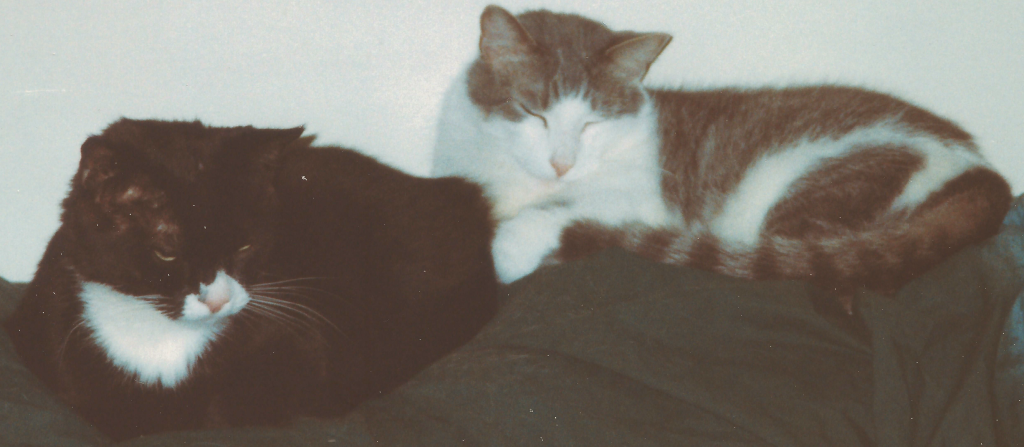 There is one part of Tabitha and Clyde’s experience that has remained difficult for us to reconcile. Both eventually developed cancerous tumors after receiving radioactive iodine therapy, and we questioned whether the earlier treatment might have contributed.
We felt the occurrence was too coincidental to dismiss easily. Having two cats undergo the same treatment and subsequently develop tumors naturally led us to suspect a possible connection, particularly because the treatment involves radioactive material.
However, our suspicion was never established through a veterinary diagnosis or investigation linking their cancers to I-131. We cannot say that radioactive iodine caused their tumors, and the timing of their illnesses does not establish a causal relationship.
Cancer develops in older cats for many reasons, and a cancer diagnosis years after treatment does not identify the original cause. Establishing whether radioactive iodine increases the incidence of particular cancers would require appropriately designed research comparing treated animals with suitable comparison groups while accounting for age and other medical factors.
A 2001 study published in the Journal of Veterinary Internal Medicine followed 231 cats treated with radioactive iodine and examined factors associated with long-term survival. Cancer and kidney disease were among the most common serious health problems identified during follow-up. However, the study was not designed to determine whether radioactive iodine caused cancer, and its findings cannot support that conclusion.
Our concerns therefore remain personal observations rather than established medical evidence. We believe they deserve an honest place in our account because they influenced how we remember the treatment, but they should not be presented as a demonstrated risk based on our two cats.
There is another part of their experience that is much clearer. Tabitha and Clyde had been losing weight, their previous treatment approaches had not produced the results we needed, and their prognoses had become discouraging. After radioactive iodine therapy, both enjoyed several more years of good quality of life.
They were happy and healthy during those additional years, and neither was suffering at the end. Even knowing that they eventually developed cancerous tumors, and despite our unresolved questions about whether the earlier treatment played any role, we would choose radioactive iodine therapy for them again under the same circumstances.
That decision reflects what we witnessed with our own cats rather than a recommendation that every hyperthyroid cat should receive identical treatment. Their responses were successful, but another cat’s outcome will depend on its thyroid disease, kidney function, other medical conditions, and individual response to therapy.
Caring for a Cat in the Years Following Treatment
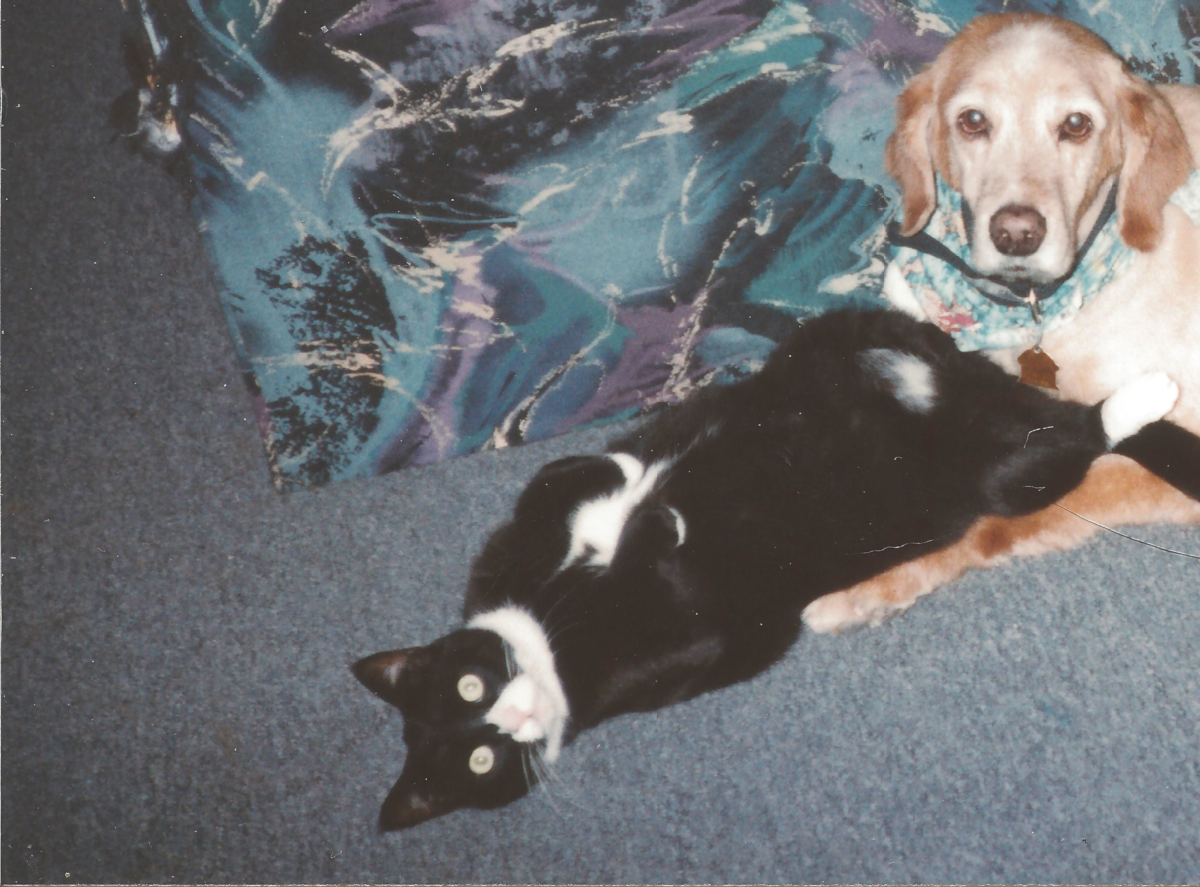 Successful radioactive iodine therapy can substantially simplify daily care. Antithyroid medication may no longer be necessary, excessive hunger and weight loss may resolve, and the household can return to familiar routines once radiation precautions have ended.
Nevertheless, periodic thyroid and kidney testing remains appropriate because changes can occur long after the initial recovery. A cat that begins losing weight again, develops a noticeably altered appetite, or shows persistent changes in activity may need reassessment for recurrent hyperthyroidism, hypothyroidism, or an unrelated medical condition.
For owners managing several animals, preserving the cat’s medical records can be particularly useful. Keeping the radioactive iodine treatment date, discharge instructions, follow-up laboratory results, and subsequent diagnoses together provides a history that can be shared with veterinarians throughout the cat’s remaining years.
This information is also relevant if the cat receives emergency treatment or transfers to a different veterinary practice. The original I-131 treatment may have occurred years earlier, but knowing the cat’s previous thyroid disease and treatment response can help place new laboratory findings in context.
In our household, the years following Tabitha and Clyde’s treatments became ordinary years of caring for cats whose hyperthyroidism was no longer dominating their daily lives. Their later medical problems did not erase the substantial benefit they had received, and their successful recovery remained an important part of their health history. It also left us with a lasting appreciation for how valuable effective treatment can be when an older cat’s health has continued to decline despite reasonable efforts to manage the disease.