

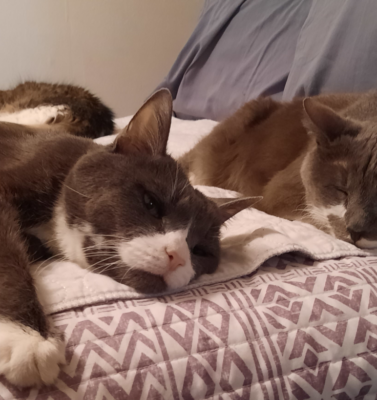
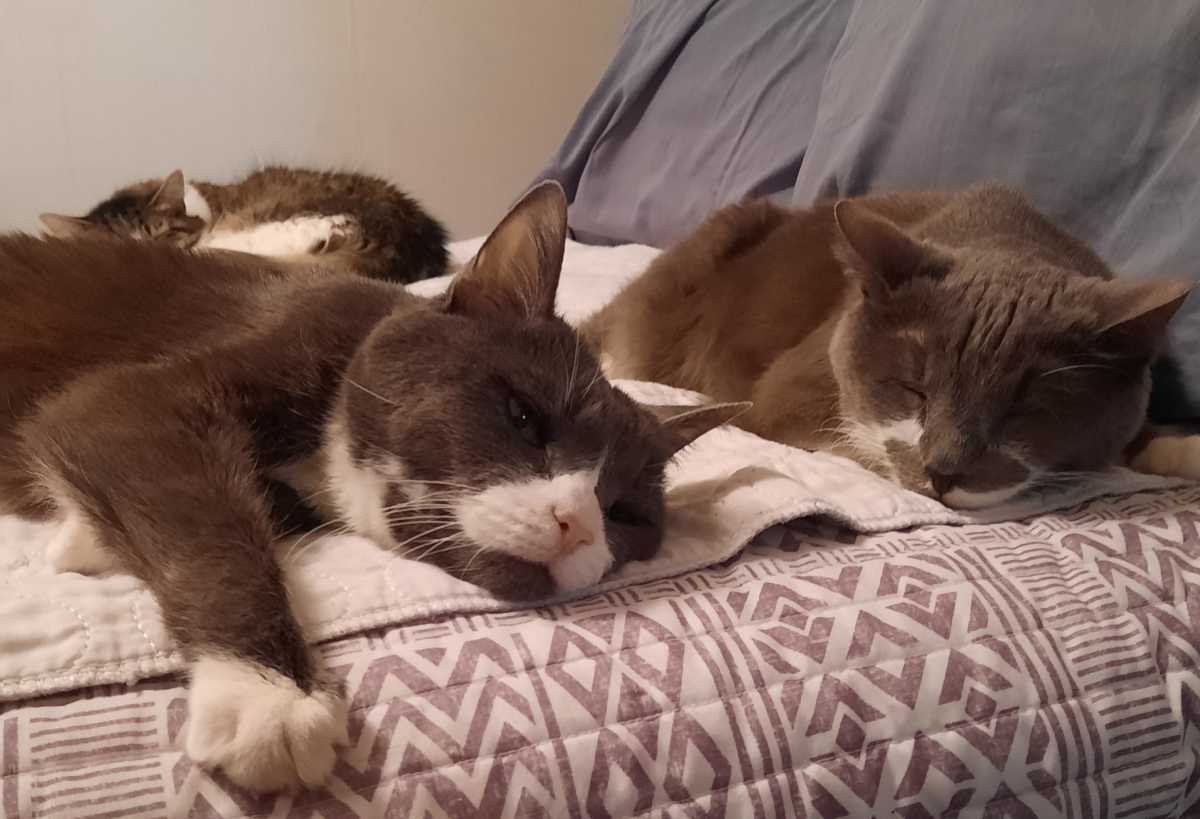
There are details about our pets that seem impossible to forget while we are living with them. The peculiar way a cat announces that dinner is overdue, the sound of a dog settling into a favorite sleeping position, or the expression that appears whenever someone opens the refrigerator. These everyday behaviors become so familiar that we rarely consider writing them down. Yet as years pass, even memories we thought were permanent can lose some of their finer details.
Keeping a pet journal offers a way to preserve those experiences while they are still fresh. It can also become a useful record of health changes, behavior, routines, and the adjustments that accompany caring for an aging or chronically ill animal. For some pet owners, writing provides a private place to work through uncertainty, acknowledge difficult emotions, or appreciate the ordinary experiences that make life with a particular animal memorable.
The therapeutic value of pet journaling is personal, and keeping a journal should not be confused with a proven psychological treatment. Its usefulness may come from organizing thoughts, preserving memories, or having a place to express feelings without needing to explain them to someone else. A journal can begin at any point in an animal’s life, whether that means welcoming a new puppy, adopting an older rescue, or documenting the remaining years of a companion who has already shared much of your life.
Preserving the Everyday Details That Photographs Cannot Capture
Most pet owners accumulate photographs throughout their animals’ lives. We capture birthdays, holidays, amusing sleeping positions, and moments when our pets do something unexpectedly entertaining. Photographs preserve what a moment looked like, but they often leave out the circumstances that made it memorable.
A journal gives those photographs their missing context. An image of a cat sitting on a windowsill might seem ordinary years later, but a few written sentences could explain that the cat watched the same bird feeder every morning and became especially interested whenever squirrels appeared. A photograph of a dog resting beside someone’s shoes might recall a familiar habit of waiting whenever that person prepared to leave the house.
These details reveal an animal’s personality in ways that dates and milestones cannot. Some cats are enthusiastic conversationalists, while others communicate primarily through body language. Certain dogs develop elaborate routines around walks, favorite toys, or the people they expect to greet each afternoon. Recording these behaviors creates a fuller account of what life with that particular animal was actually like.
There is also value in documenting how relationships develop over time. A newly adopted rescue might initially prefer a quiet corner before gradually becoming comfortable enough to seek company. A dog that once needed considerable reassurance during grooming may eventually become familiar with a predictable routine. Describing these changes preserves the history of how an animal became comfortable in its surroundings and developed relationships within the household.
Writing About Your Pet While Life Is Ordinary
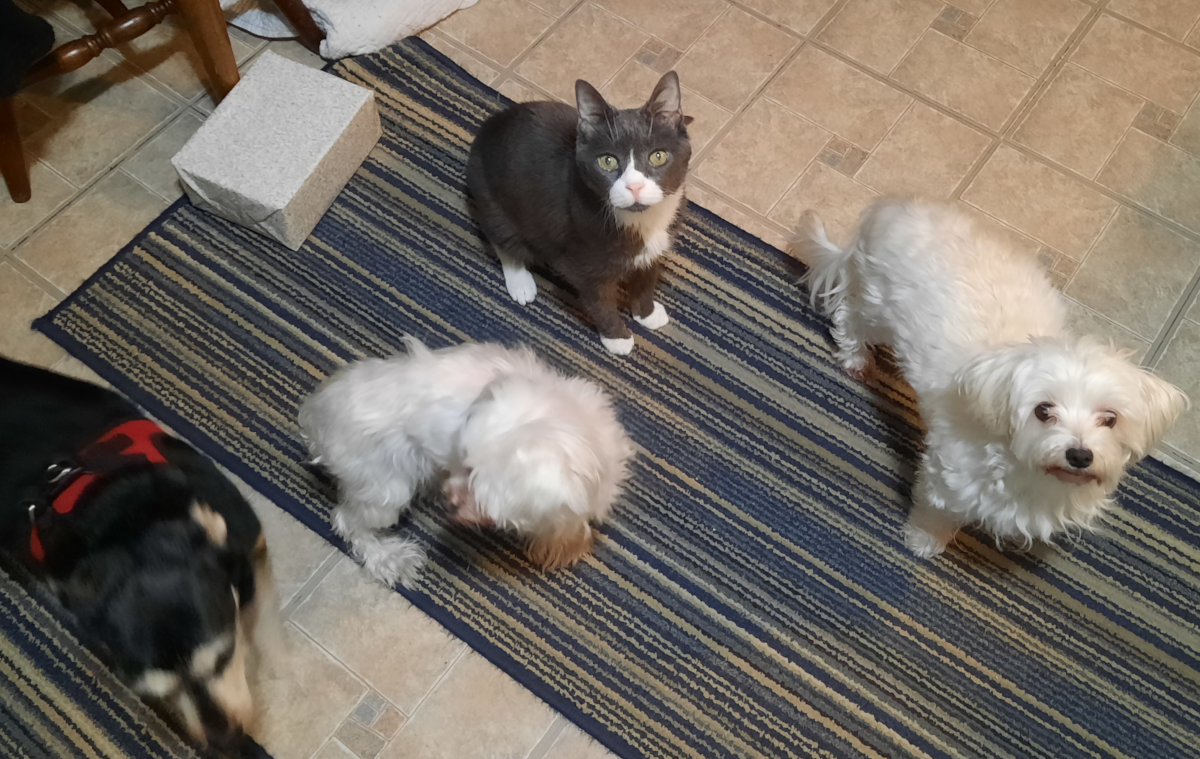 One common reason people never begin a pet journal is the assumption that something interesting needs to happen before an entry is worthwhile. Waiting for veterinary appointments, birthdays, illnesses, or unusual behavior can leave long gaps in the record. Some of the most revealing entries describe days when nothing particularly remarkable happened.
A simple entry might describe where an animal preferred to sleep that week, which toy attracted the most attention, or how a dog responded to a change in the usual walking route. The writing does not need to be elaborate or follow a particular format. A few specific observations often preserve more useful information than a lengthy description written weeks after an event.
Pet owners who enjoy creative writing may prefer telling short stories about their animals. Others might record a particular memory by describing what their pet does that consistently makes them laugh. Familiar behaviors, unusual habits, favorite activities, and responses to household routines all provide material worth preserving.
Ordinary entries can also establish a useful historical record as an animal ages. Looking back at earlier descriptions of play, grooming, or daily activity may reveal how preferences and physical abilities have changed over the years. These observations cannot establish whether a medical condition is present, but they may help an owner recognize when something has become noticeably different.
When a Personal Journal Becomes a Useful Health Record
Caring for an animal with a chronic condition introduces another kind of documentation. Medication schedules, laboratory results, symptoms, appointments, and changes in appetite can become difficult to recall accurately, particularly when several health concerns are being managed simultaneously. Maintaining a written record reduces the need to reconstruct events from memory and helps keep important details available when they are needed.
The American Animal Hospital Association’s 2023 Senior Care Guidelines for Dogs and Cats emphasize gathering a thorough history of an older pet’s eating, drinking, movement, behavior, grooming, and other daily activities. Information collected at home helps veterinarians understand what is happening outside the examination room. The guidelines also recognize the usefulness of owner-recorded videos when evaluating certain mobility concerns.
A pet journal can complement formal veterinary records by capturing information that an owner is especially well positioned to observe. An entry might note that a cat has started hesitating before jumping onto furniture or that a dog appears less interested in a previously enjoyable walk. Recording when the change began, how frequently it occurs, and whether other behaviors have changed can make a veterinary conversation more informative.
For pets with diabetes, documentation often becomes part of daily care. Feeding routines, insulin administration times, glucose measurements, and changes in drinking or urination may all be relevant to evaluating treatment. The 2026 AAHA Diabetes Management Guidelines for Cats emphasize assessing both glucose measurements and the cat’s clinical condition, recognizing that laboratory values and home observations provide different kinds of information.
At BellenPaws, our experience caring for cats with diabetes has made us familiar with the practical demands of glucose monitoring and maintaining consistent treatment records. Our online pet diabetes tracker and printable glucose forms offer ways to organize measurements and share information with a veterinarian. A personal journal can accompany those records by preserving observations that numerical readings do not fully describe, such as changes in activity, appetite, or everyday routines.
Medical information should remain clearly distinguishable from personal impressions. Writing that a cat appeared uncomfortable after climbing the stairs describes an observation, while stating that its arthritis is getting worse assumes a diagnosis or explanation that may not have been established. A journal should also never delay medical care when an animal develops concerning symptoms. Difficulty breathing, collapse, seizures, or other potentially life-threatening changes require immediate veterinary attention, while persistent changes in appetite, drinking, mobility, or behavior warrant timely assessment based on their severity and circumstances.
How Journaling Can Help With the Emotional Demands of Caregiving
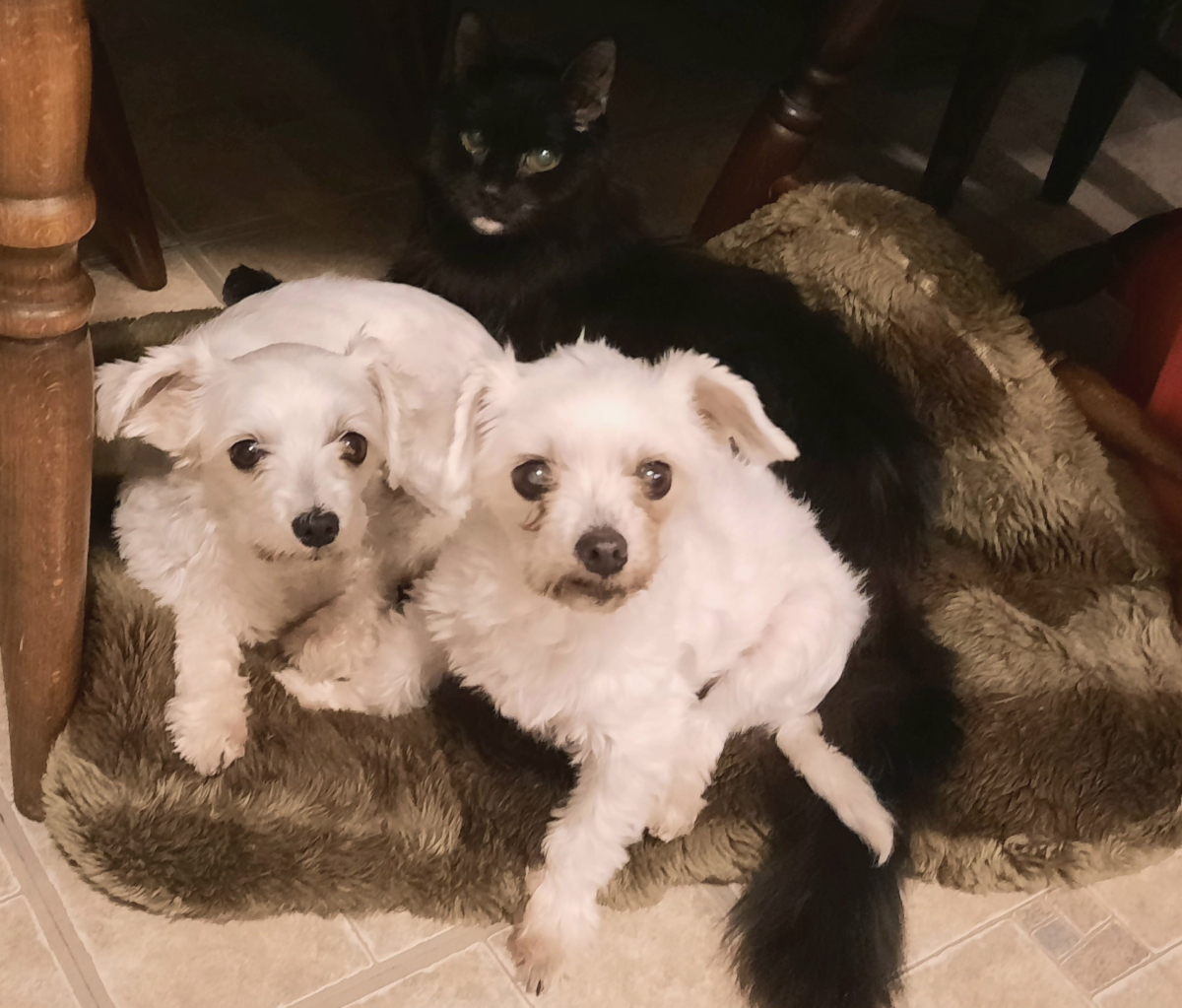 Caring for a pet through chronic illness can involve considerable mental work. There are prescriptions to remember, appointments to coordinate, treatments to understand, and adjustments to make when established routines become difficult to maintain. Even when the animal is doing reasonably well, the person providing care may spend substantial time thinking about what needs to happen next.
A journal can provide a place to organize some of that information. Writing down questions for an upcoming appointment or the details of a recent veterinary discussion makes it easier to refer back to them without relying entirely on memory. Separating confirmed information from unanswered questions may also help prevent assumptions from becoming confused with medical guidance.
The emotional side of caregiving deserves attention as well. A pet owner may feel relieved after receiving reassuring test results, disappointed when a treatment plan needs reconsideration, or frustrated by the practical difficulties of administering medication. These responses can accompany the responsibilities of long-term care, especially when illness interferes with sleep, work schedules, finances, or household routines.
Writing may be useful when someone finds these feelings difficult to discuss openly. A private journal allows thoughts to remain unfinished, contradictory, or uncomfortable without requiring an immediate explanation. The purpose is not to produce polished writing or reach a particular emotional conclusion. It is an opportunity to describe an experience and consider it at a manageable pace.
Research involving humans has examined whether expressive writing can help people process emotionally difficult experiences, although findings vary depending on the circumstances and outcomes being measured. Harvard Health’s discussion of writing about grief and loss describes journaling as something some people find meaningful while acknowledging that writing about painful experiences may temporarily intensify distress. This human research does not establish that pet journaling produces specific psychological benefits or that it is effective for everyone.
For an owner already exhausted by the demands of caregiving, maintaining a journal should remain optional. Missing entries, writing occasionally, or deciding not to document a difficult period does not diminish the care being provided. A brief note may be sufficient on a demanding day, while longer reflections can wait until writing feels useful rather than burdensome.
Recording Progress Without Turning Every Day Into an Evaluation
Long-term illness can make owners especially attentive to changes in their pet’s condition. A slightly different appetite, an unusual sleeping position, or a quieter afternoon may prompt concern, particularly after a difficult medical experience. Recording observations can be useful, but feeling obligated to analyze every movement or behavior may become emotionally exhausting.
One practical approach is to separate routine journal entries from focused health monitoring. A general entry might describe a pet’s activities or interactions, while a dedicated medical section contains measurements, symptoms, and treatment information. This arrangement allows the personal record to remain broader than the animal’s medical condition without sacrificing the accuracy needed for veterinary care.
Reviewing entries over time can help identify patterns that might be difficult to recognize from isolated observations. A single afternoon of reduced activity may have several explanations, while an ongoing change in mobility or appetite may suggest a developing concern. The severity of a symptom and the animal’s medical history determine how quickly veterinary assessment is needed, so reviewing patterns should never become a reason to delay care.
Journals can also document improvements that receive less attention when an owner is focused on managing ongoing problems. A pet may become more comfortable using a ramp, regain interest in an activity after treatment, or adjust to a revised household routine. Recording these developments provides a useful account of daily functioning without implying that an underlying medical condition has necessarily resolved.
Using a Journal to Understand Quality of Life in Senior Pets
 Quality-of-life discussions can be among the most complicated parts of caring for an older animal. Owners may find themselves weighing comfort, mobility, appetite, independence, social interaction, and the ability to participate in familiar activities. A journal can help describe these aspects of daily life through specific observations rather than relying entirely on a general impression.
An owner might record whether a dog can comfortably reach its preferred resting place, whether a cat continues to interact with familiar people, or which activities remain enjoyable. These descriptions may provide useful context when discussing pain management, environmental adjustments, or palliative care. They can also identify practical difficulties that deserve attention, such as trouble accessing food, water, litter boxes, or sleeping areas.
The Ohio State University Veterinary Medical Center provides a resource titled How Will I Know? Assessing Quality of Life and Making Difficult Decisions for Your Pet. This guide offers a structured way to consider an animal’s well-being and the difficult decisions that may arise during serious illness. Written observations can provide the specific examples needed for these discussions, although a journal or quality-of-life assessment tool cannot replace an individualized veterinary evaluation.
A quality-of-life journal should also record experiences that remain enjoyable. An animal may continue seeking affection, interacting with familiar people, or participating in favorite activities despite physical limitations. Documenting those experiences alongside discomfort or reduced abilities provides a more complete account of daily life and can help clarify which activities are still manageable.
Pet Journaling During Anticipatory Grief
Grief does not always begin after an animal dies. Owners caring for pets with advanced illness may experience sadness, uncertainty, or a sense of impending loss while continuing to provide daily care. This is commonly called anticipatory grief, and it may arise when someone is aware that an animal’s condition could eventually lead to difficult decisions or separation.
Journaling during this period may help some owners acknowledge their feelings while remaining attentive to the animal’s present circumstances. Writing about an enjoyable afternoon, a familiar behavior, or a comfortable day can preserve experiences that might otherwise become overshadowed by medical concerns. Difficult entries have a place as well, particularly when treatment decisions, uncertainty, or physical caregiving demands are occupying much of the owner’s attention.
Writing about decisions under consideration can also be practical. Recording what a veterinarian explained, which questions remain unanswered, and what matters most for the animal’s comfort may help an owner prepare for future discussions. The journal can preserve the information and concerns available at a particular time without suggesting that any decision must be made solely from personal observations.
Some people find that writing about impending loss increases their distress rather than relieving it. Shorter entries, less frequent writing, or a break from journaling may be more appropriate in those circumstances. Support from trusted people, veterinary social workers, pet-loss support groups, or qualified mental health professionals can offer other ways to address the emotional strain.
How a Pet Journal Can Become a Memorial
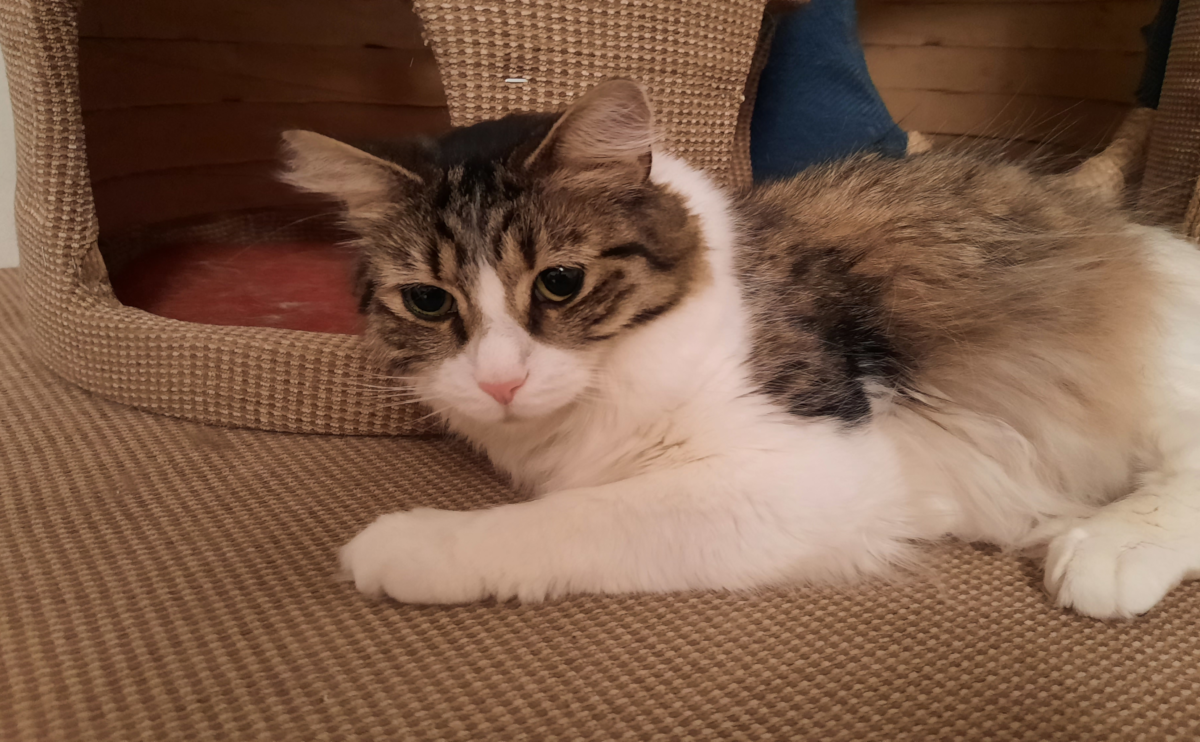 After a pet dies, a journal may take on a different purpose. Entries originally written to remember an amusing behavior or document an ordinary afternoon can become meaningful records of a relationship that has ended. They may also preserve memories from healthier periods that are difficult to recall when recent illness has occupied so much attention.
The Cornell University College of Veterinary Medicine’s pet loss resources recognize that grief can begin before a death and that people experience loss in different ways. Cornell includes writing down memories, creating scrapbooks, and composing letters to a pet among its suggestions for memorializing an animal. These activities are optional ways of remembering a companion rather than requirements for coping with grief.
For some owners, continuing the journal after a death feels natural. They may write about favorite memories, describe changes in household routines, or record stories shared by friends and family. Others may prefer to leave the journal exactly as it was during the animal’s lifetime, preserving it without adding anything further.
A journal can be particularly meaningful when an animal’s final months involved extensive medical care. Treatment schedules, appointments, and difficult decisions may dominate recent memories, even when the animal enjoyed many healthier years. Returning to earlier entries can bring attention back to familiar behaviors, relationships, and experiences unrelated to illness.
The UC Davis School of Veterinary Medicine’s pet loss self-care guidance includes journaling feelings and writing a letter to a pet among its suggested coping activities. A letter might contain appreciation, regrets, favorite memories, or thoughts that were never expressed aloud. Writing does not need to resolve grief to have personal value, and someone who finds the exercise too painful can choose a different way to remember their animal.
Choosing a Pet Journal That Fits Your Life
A pet journal can be a bound notebook, a digital document, a collection of photographs with captions, or a combination of several formats. The most practical choice depends on how someone prefers to record information and whether the journal will also contain health records. A notebook may feel more personal, while a digital format can make it easier to search dates, attach photographs, or share selected information with a veterinary practice.
Owners who care for multiple animals may prefer separate journals for each pet. This keeps medical details from becoming confused and allows each animal to have an individual record. In households where several people participate in care, a shared medical log may be more practical than placing all treatment information in one person’s private journal.
Some people may prefer a loosely organized format with entries whenever something memorable occurs. Others might divide a notebook into sections for daily observations, medical information, photographs, and personal reflections. There is no requirement to maintain identical sections or fill them on a schedule, particularly when the journal’s primary purpose is preserving memories.
Digital records require some consideration of long-term preservation. Photographs, journal entries, and medical documents can be lost when a device fails, an account becomes inaccessible, or a phone is replaced. Maintaining backups in a secure location helps protect information that may become difficult or impossible to reconstruct.
Privacy matters as well, especially when journals contain veterinary invoices, contact information, prescriptions, or other personal details. Someone planning to share excerpts or create a public memorial may prefer keeping sensitive medical and household information in a separate document. The private portions of a journal can remain private even when selected memories are shared with family or friends.
Beginning a Pet Journal Before There Is a Particular Reason
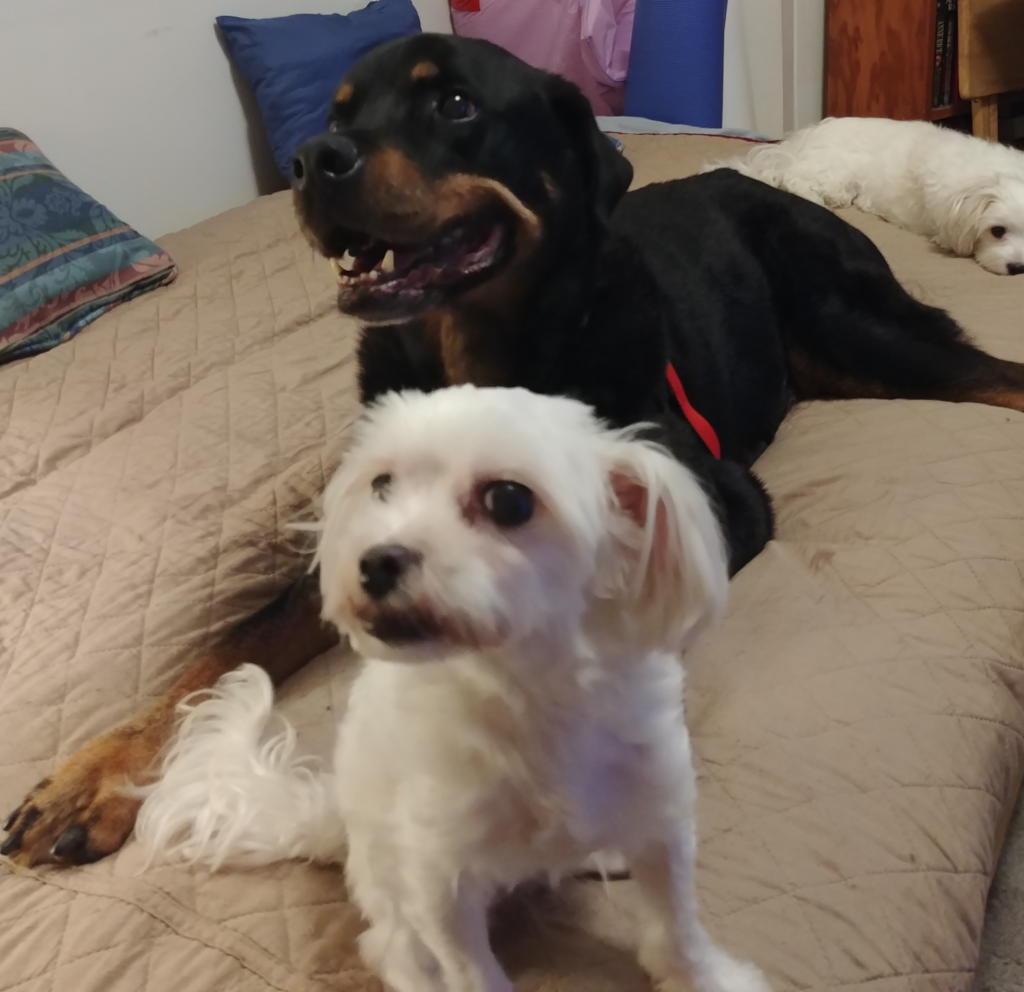 Many people first consider keeping a pet journal when an animal develops a serious illness or reaches an advanced age. Starting during a difficult period can still produce a valuable record, especially when earlier memories are added alongside current observations. However, beginning during an ordinary period offers the opportunity to document an animal without allowing medical concerns to determine the entire story.
An initial entry could simply describe the pet as it is today. Record its favorite resting place, the way it asks for attention, the activities it enjoys, or an amusing behavior that has become part of the household routine. Include the details that seem too familiar to mention, since those are often the ones that become difficult to recall precisely.
Over time, entries may become less frequent or change in character. A journal that begins with playful observations might eventually include veterinary appointments, household adjustments, or reflections on aging. The writing can change with the animal’s circumstances, and older entries do not need to be revised to match a new format or perspective.
It may also be worthwhile to document things that photographs and medical records cannot adequately preserve, such as the particular sound of a cat’s greeting or the way a dog approaches a favorite person. A short video or audio recording can accompany a written description when movement or sound is part of what makes the memory distinctive. Adding the date and a few words about the circumstances gives that recording context for someone viewing it years later.
A journal does not have to become a large collection of carefully written stories to be worthwhile. A handful of accurately recorded memories can preserve details that might otherwise disappear from the everyday history of a household. What matters is having enough information to recognize the animal behind the photograph, recall the circumstances of a familiar behavior, and remember the experiences that made life with that particular pet unique.