

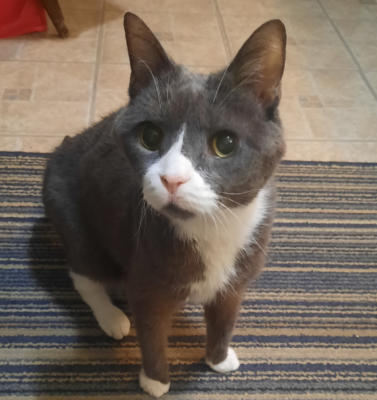
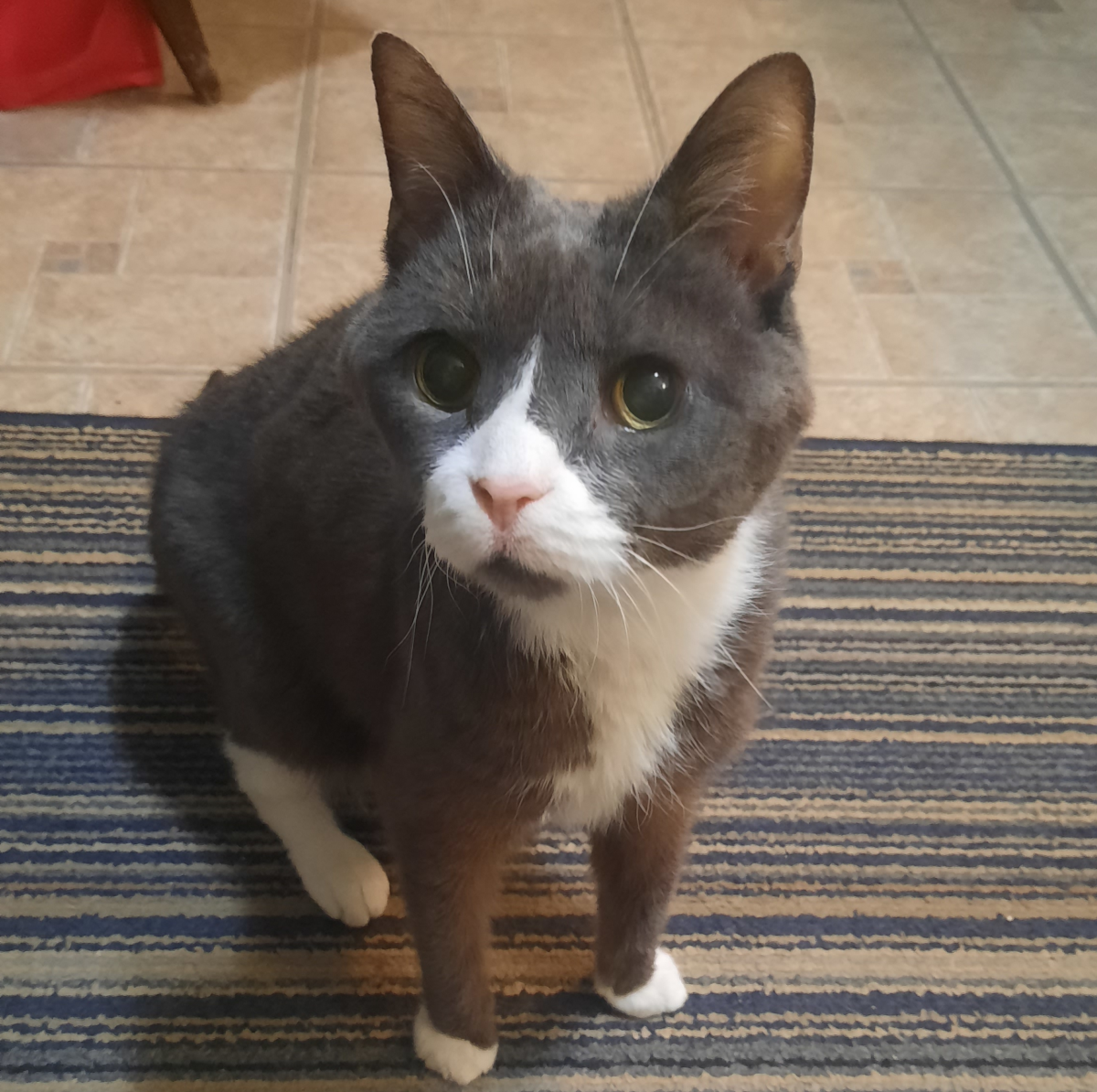
A senior dog can spend months waiting for a home while potential adopters pass by because of its breed. An older cat may receive little attention because its coat is an ordinary tabby pattern rather than something considered distinctive or desirable. Meanwhile, younger animals with recognizable pedigrees or fashionable appearances often attract considerable interest, sometimes before anyone knows much about their personalities.
This is one of the more frustrating aspects of animal rescue. We have spent more than 35 years caring for dogs and cats, including animals that came to us through rescue and adoption, and we have never believed that selecting a particular breed should be the starting point for bringing an animal into a home. Our concern extends beyond individual preferences because the commercial demand for specific breeds can help sustain irresponsible breeding operations, including puppy and kitten mills.
At BellenPaws, we believe an animal’s need for a safe, permanent home deserves consideration regardless of breed, appearance, or age. Senior dogs and cats can be especially vulnerable to being overlooked when adopters concentrate on pedigree, physical characteristics, or assumptions about behavior. Many of these animals have already lived in homes, formed relationships with people, and developed established routines. Their histories may be complicated, but their breed labels reveal remarkably little about whether they could become suitable companions.
How Breed Stereotypes Influence Adoption Decisions
Breed stereotypes can be surprisingly persistent, even among people who genuinely care about animals. Rottweilers and certain other large dogs are sometimes dismissed as dangerous without an individual behavioral assessment. Chihuahuas may be labeled aggressive or difficult, while particular retrievers are assumed to be naturally friendly and easy to manage. These generalizations can influence adoption decisions long before someone has interacted with the animal.
 Genetics does contribute to canine behavior, and selective breeding has influenced physical characteristics and certain behavioral tendencies. However, individual behavior is considerably more complicated than a breed description suggests. A 2022 study published in Science examining the relationship between dog ancestry and behavior analyzed owner-reported information from more than 18,000 dogs and genetic information from more than 2,000. Researchers found that breed explained approximately 9% of the variation in the behavioral traits examined, although its predictive value differed among individual traits.
That finding does not establish that all dogs behave alike or that breed-related tendencies should be disregarded. It demonstrates the limitations of predicting an individual dog’s behavior from breed membership alone. Experiences, training, socialization, health, environment, and individual temperament all deserve attention when evaluating an animal for adoption. Breed-related tendencies may help identify questions worth asking, but they cannot reliably establish whether an unfamiliar dog is friendly, aggressive, trainable, or suitable for a particular household.
There is another complication in shelters where many dogs are identified by appearance rather than documented ancestry. A 2018 study examining genetic breed identification in shelter dogs found substantial limitations in assigning breed ancestry through visual inspection. In the shelter where researchers compared staff descriptions with genetic results, workers correctly identified at least one breed in approximately two-thirds of the dogs, but agreement fell sharply when identifying multiple breeds. The study also found that dogs with pit bull-type ancestry generally experienced longer shelter stays than other dogs in the two shelters examined.
These findings matter because an animal can encounter prejudice associated with a breed that does not accurately describe its ancestry. Even when a breed identification is correct, appearance cannot establish the behavior of the individual standing in front of an adopter. The researchers recommended placing greater emphasis on describing each shelter dog’s observable physical and behavioral characteristics rather than relying on uncertain breed assignments.
Cats Face Stereotypes of Their Own
Cats experience a different collection of assumptions, particularly those associated with coat color and perceived breed characteristics. Black cats have historically been associated with superstition, while orange cats are frequently described as unusually outgoing or mischievous. Siamese cats may be expected to be highly vocal, and Persians are sometimes assumed to be quiet, undemanding companions. These descriptions can influence expectations without providing reliable information about an individual cat’s personality.
Although some feline breeds may have recognizable behavioral tendencies, appearances cannot establish how a particular cat will respond to people, other animals, or an unfamiliar household. A senior cat with an ordinary gray coat may enjoy human interaction just as much as an expensive purebred. Another cat with a highly desirable appearance might prefer a quiet home with limited handling. Those preferences are better understood through observation and reliable information about the individual animal.
Research has examined whether coat color influences adoption interest. A 2026 study published in Animals asked 1,004 American participants to evaluate photographs of shelter cats. Participants judged black cats as less likely to be adopted than cats of several other colors and reported greater difficulty interpreting their expressions. Importantly, the study measured human judgments about photographs rather than actual adoption outcomes, and its results do not establish that black cats are less friendly or less suitable as companions.
Research involving coat-color preferences has produced differing findings across populations and study designs. It would therefore be misleading to claim that black cats are universally rejected because of their color or that coat color predicts temperament. What these studies demonstrate is that visual presentation can influence perceptions, sometimes independently of an animal’s actual behavior.
For an older shelter cat, those perceptions may add another obstacle to adoption. A cat that remains at the back of an enclosure might appear unfriendly in a photograph, although fear, unfamiliar surroundings, or discomfort could explain its behavior. Spending time with the animal and discussing its history with shelter caregivers provides information that a photograph cannot.
The Problem With Choosing Pets Primarily by Breed
 Our opposition to breed-centered pet shopping comes from a broader concern about the way animals are produced, marketed, and sold. When people begin their search determined to purchase a particular breed, especially one that has become fashionable, commercial sellers have an incentive to meet that demand. The resulting market can reward appearance, availability, and sales volume without necessarily rewarding good animal welfare practices.
Puppy mills are an especially troubling example. These operations prioritize producing dogs for sale, often at the expense of appropriate living conditions, social interaction, and veterinary care for breeding animals and their offspring. Similar welfare problems can occur in irresponsible commercial kitten breeding. Consumers purchasing through brokers, online advertisements, or retail outlets may have limited opportunities to determine how the animals were raised or whether breeding practices meet acceptable welfare standards.
The ASPCA’s position on responsible breeding encourages prospective pet owners to consider shelters and rescue organizations first. It also distinguishes responsible breeders, who provide appropriate care and accept continuing responsibility for their animals, from commercial practices that compromise animal welfare. That distinction matters because not every breeder operates irresponsibly, and purchasing a particular breed does not automatically mean someone has supported a puppy mill.
Nevertheless, we believe the adoption-first approach deserves much greater emphasis. Shelters and rescue organizations already care for dogs and cats that need permanent homes, including purebreds, mixed breeds, and animals whose ancestry is completely unknown. Choosing to adopt rather than purchase avoids adding another sale to the commercial breeding market while providing a home for an animal that already exists and needs one.
A person interested in a particular breed does not necessarily have to abandon that preference to consider adoption. Breed-specific rescue organizations sometimes care for older purebred animals, including those surrendered after an owner’s death, illness, or change in circumstances. However, we encourage people to broaden their search beyond that preferred breed whenever practical. The personality, health, and daily needs of an individual animal may prove considerably more relevant than the characteristics that originally attracted someone’s attention.
Senior Animals Are Individuals, Not Breed Descriptions
Older dogs and cats bring something useful to the adoption process that younger animals often cannot provide: an opportunity to observe an already developed personality. Their behavior may be more established, and shelter workers or temporary caregivers may have information about their daily habits. Some older animals have lived in family homes for years, making it possible to learn about their previous routines and preferences.
That history can be particularly valuable for someone seeking a compatible companion. A senior dog accustomed to quiet indoor living might be a better match for a less active household than a younger dog with substantial exercise demands. An older cat that has previously lived comfortably with other cats may be worth considering for a multi-cat household, although successful introductions are never guaranteed by past experience.
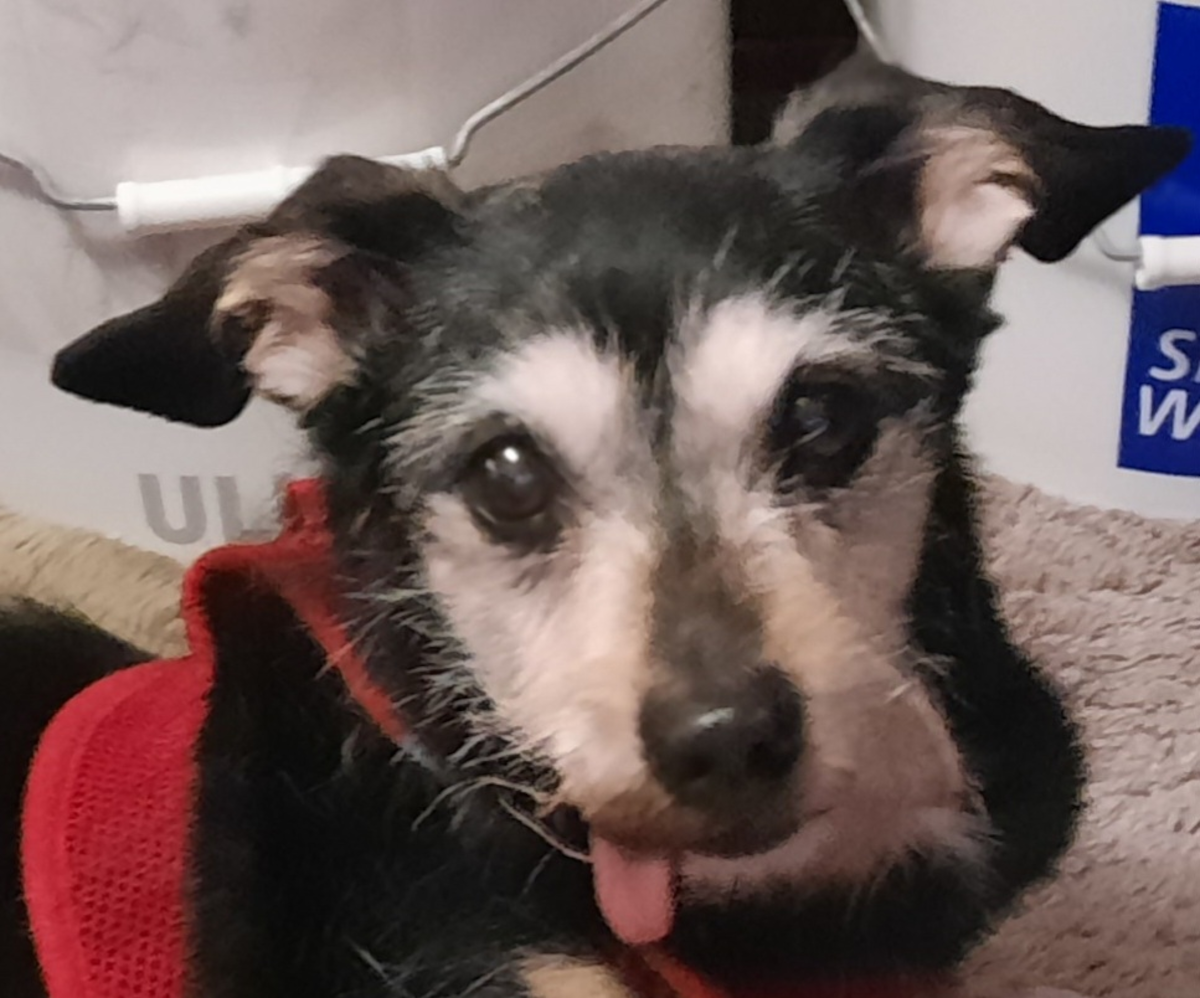
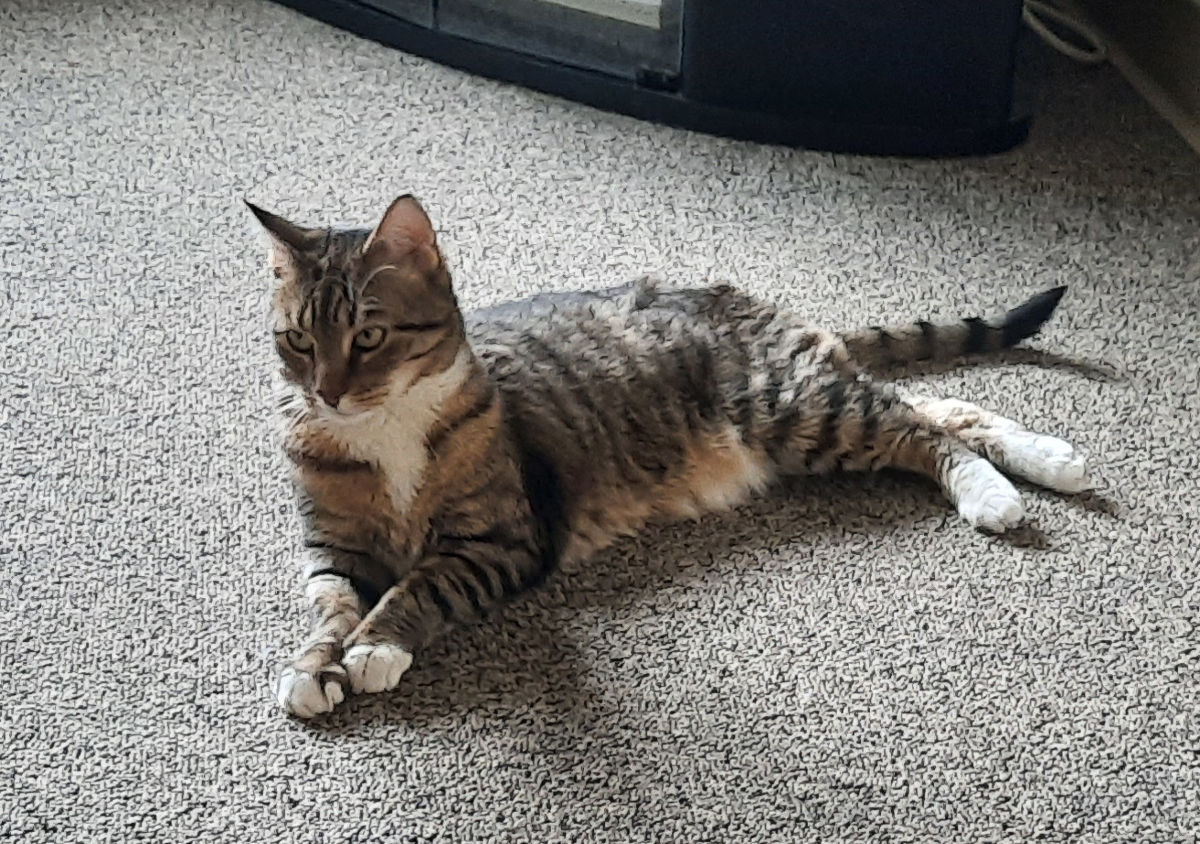
We have cared for dogs ranging from Buddy, a Chow mix, to Diesel, a Rottweiler, along with Jack, a rescued Jack Russell. Our household has also included many cats whose value as companions had nothing to do with pedigree, including Belle and Paws, the two senior rescue cats behind the BellenPaws name. Having cared for animals with different backgrounds, we have little interest in judging their suitability through generalized breed descriptions. We are far more concerned with whether an animal’s needs can be understood and reasonably accommodated.
An older animal’s behavior still requires thoughtful consideration. Some dogs retain substantial energy well into their senior years, while others have physical limitations that make demanding exercise uncomfortable. Cats may develop preferences for familiar routines or become less tolerant of certain environmental changes, particularly when health problems are involved. These are practical matters to investigate rather than reasons to reject an animal based on its breed or age.
Aging Does Not Automatically Mean Poor Health or Poor Quality of Life
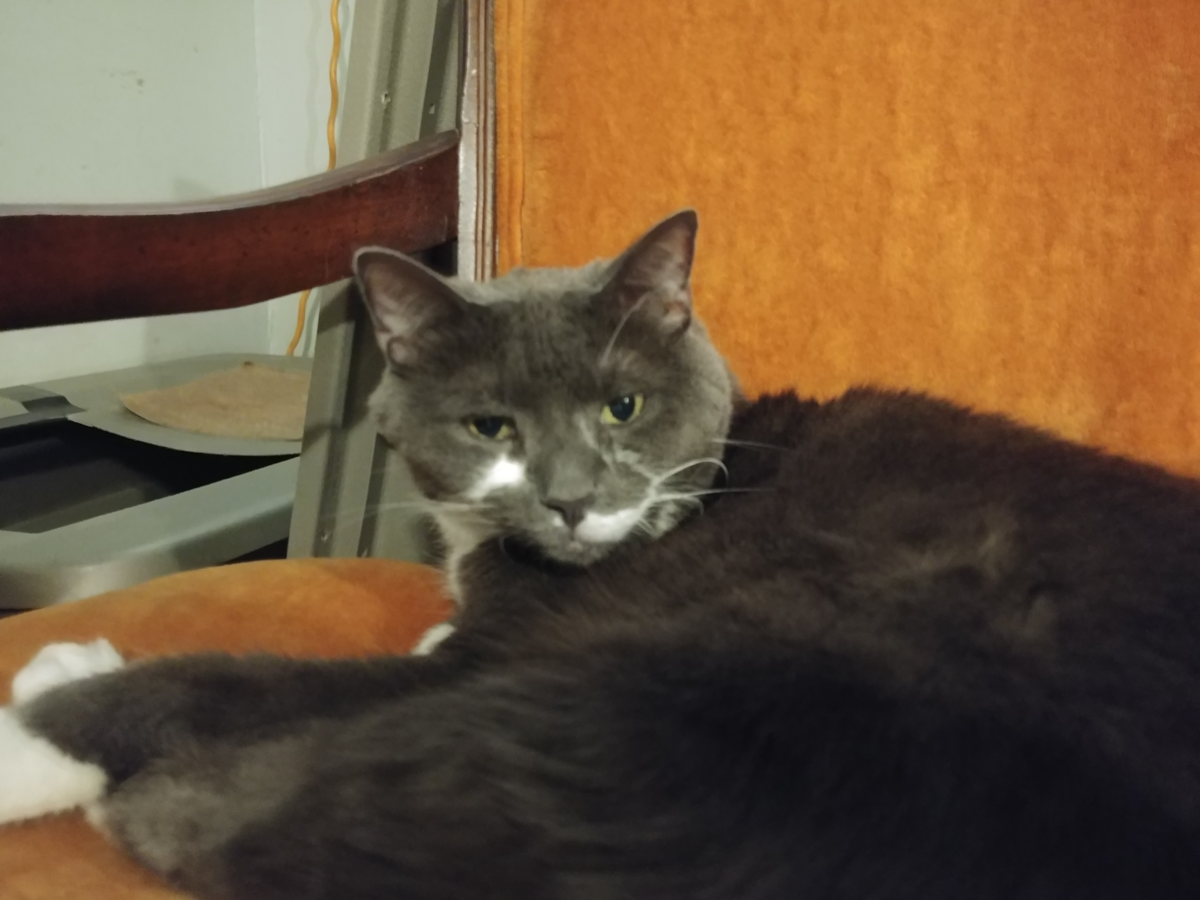 Another barrier to senior adoption is the assumption that older animals are inevitably sick, expensive, or approaching the end of their lives. Age increases the likelihood of certain medical conditions, but it does not establish an individual animal’s health status or quality of life. Some senior pets remain active and medically stable for years, while others require ongoing treatment or significant daily assistance.
The 2023 American Animal Hospital Association Senior Care Guidelines emphasize that aging should not automatically be treated as disease. These guidelines support individualized veterinary care that considers an animal’s physical condition, medical history, and changing needs. Older pets may benefit from more frequent examinations and appropriate screening for conditions involving the kidneys, heart, teeth, joints, and other body systems.
Prospective adopters should request available veterinary records, current medication information, vaccination history, and details about diagnosed medical conditions. It is also reasonable to ask whether the animal has received recent bloodwork, dental evaluation, or other age-appropriate examinations. Missing records do not automatically make an animal unsuitable for adoption, but they create uncertainty that should be considered when arranging an initial veterinary assessment.
Financial planning deserves an equally practical discussion. Some older animals need prescription medications, therapeutic diets, regular testing, or assistance with mobility, and these expenses can affect whether an adoption is sustainable. Others require relatively routine care. Understanding known medical responsibilities before adoption is more useful than assuming every senior animal will either be inexpensive to maintain or medically complicated.
Size and physical characteristics may also influence caregiving needs. A large dog with significant mobility limitations can be difficult for someone who cannot safely help the animal stand or enter a vehicle. Certain breeds are predisposed to inherited medical conditions, while dogs with shortened muzzles may face breathing-related problems. These considerations belong in an individualized veterinary assessment, where breed information can help identify potential concerns without determining the adoption decision by itself.
Looking Beyond the Breed Label During a Shelter Visit
A shelter visit becomes more informative when the conversation concentrates on how the animal behaves and what kind of home it needs. Prospective adopters can ask whether staff members have observed the dog or cat interacting comfortably with people, whether there is any known history involving other animals, and how the pet responds to routine handling. Feeding habits, house-training history, litter box use, and reactions to unfamiliar surroundings can also provide useful information.
Shelter behavior needs to be interpreted carefully because confinement, noise, separation, and unfamiliar handling can affect an animal’s responses. The ASPCA’s guidance on shelter dog behavior assessments explains that individual behavioral tests have limitations in predicting aggression or other behavior after adoption. Information from previous owners, shelter employees, volunteers, and foster caregivers may help create a more complete picture, although none of these sources can guarantee future behavior.
This does not mean that serious behavioral concerns should be dismissed as shelter stress. A documented bite history, repeated aggression, or an inability to live safely with certain household members requires careful evaluation. Prospective adopters should understand any known risks and whether their household has the experience, resources, and appropriate professional support to manage them. An adoption that places people or other animals at unreasonable risk is not a suitable match simply because the dog needs a home.
The same principle applies to cats displaying fearful or defensive behavior. A cat that withdraws when approached may be frightened, uncomfortable, or simply unwilling to interact in that setting. Observation over time and information from caregivers can help establish whether the behavior is situational or an ongoing concern. Pain and illness can also affect behavior, making a veterinary assessment appropriate when changes or unexplained reactions are present.
For many adopters, the most productive approach is to describe their household honestly rather than request a specific breed. A home with young children, other pets, limited space, or long workdays presents different considerations from a quiet household where someone is present most of the day. Matching those circumstances to an animal’s documented needs gives both the adopter and the rescue organization a more useful foundation for making a decision.
Helping a Senior Rescue Dog or Cat Adjust to a New Home
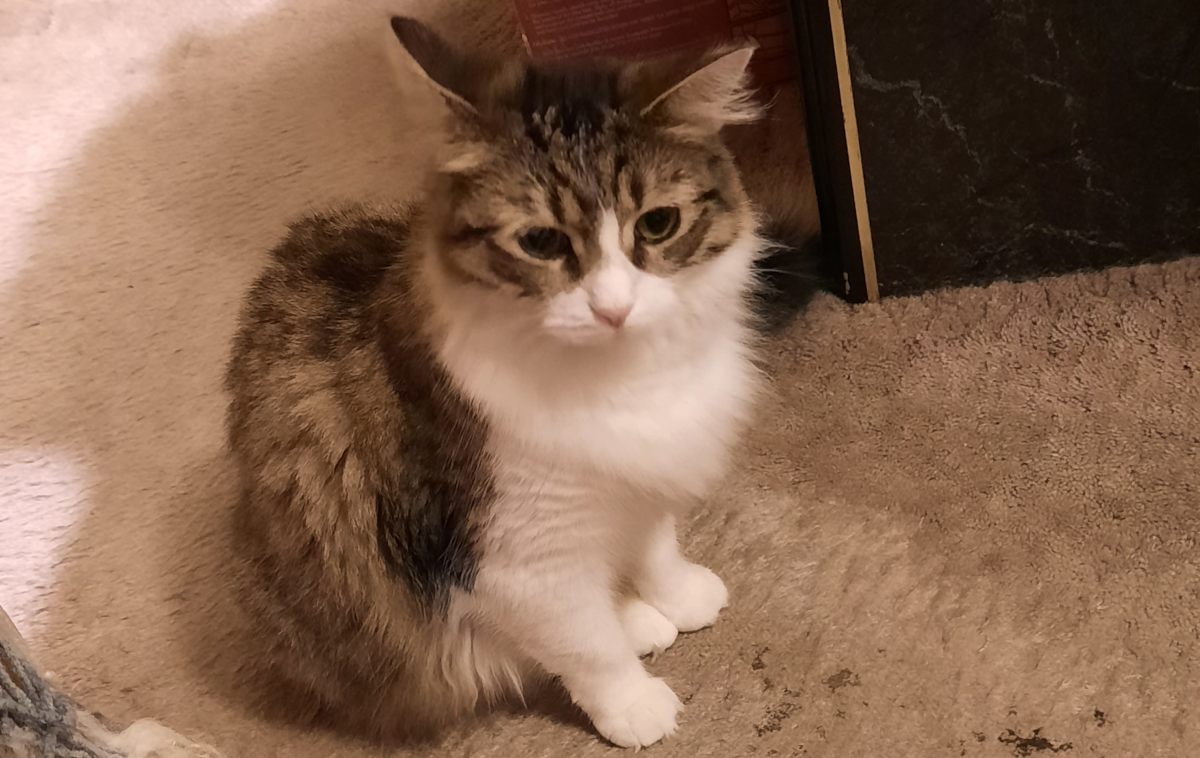 Adoption is only the beginning of the adjustment process, especially for an animal that has experienced several changes in living arrangements. An older pet may have spent years following a particular routine before arriving at a shelter. Moving into another unfamiliar environment introduces new sounds, smells, people, and expectations, even when the new home is comfortable and safe.
For senior dogs, predictable feeding schedules, accessible resting areas, and manageable walking routines can help establish familiarity. Some dogs benefit from nonslip flooring or ramps when mobility is limited, while others need a quiet place away from frequent household activity. The appropriate arrangements depend on the animal’s physical condition and observed preferences rather than its breed.
Cats generally benefit from having a quiet space where they can become familiar with their new surroundings without being forced into social interaction. Food, water, a suitable litter box, comfortable resting places, and hiding options should be readily accessible. In multi-cat households, introductions should proceed gradually, with sufficient resources available to reduce competition and tension.
The 2024 American Association of Feline Practitioners Intercat Tension Guidelines provide guidance on recognizing and reducing conflict between cats sharing a home. Introducing a new cat is one situation in which tension may develop, so an adopter should consider the needs of resident cats before making a commitment. A senior cat with a known preference for living alone may be better suited to a single-cat home, regardless of how appealing the prospective adopter finds the animal.
Adjustment periods vary considerably. One pet may begin exploring comfortably within days, while another requires much longer before showing its usual behavior. Persistent refusal to eat, significant changes in elimination, pronounced withdrawal, or other signs of illness should not automatically be attributed to anxiety about the move. Prompt veterinary attention is especially important when an older animal stops eating, experiences breathing difficulties, or develops other concerning symptoms.
Making Senior Pet Adoption More Effective
Rescue organizations can help challenge breed stereotypes by presenting animals as individuals rather than relying heavily on breed labels in adoption listings. A photograph accompanied by an estimated age and breed description offers limited information about daily life with that animal. Profiles become more useful when they describe observed behavior, preferred activities, known medical needs, and the type of household in which the animal is most likely to do well.
For example, describing an older dog as comfortable with short walks and quiet indoor activities provides practical information that the label “Chow mix” cannot supply. A senior cat’s profile might explain that the animal enjoys sitting near people but prefers limited handling. Such descriptions should be based on actual observations, with uncertainty acknowledged when an animal’s history is incomplete.
Shelters can also improve adoption opportunities by making senior animals easier to discover. Dedicated senior-pet listings, clear medical summaries, home-based behavioral observations, and opportunities for prospective adopters to spend time with animals can make adoption decisions more informed. Where resources permit, temporary fostering or foster-to-adopt arrangements may help determine whether a particular animal and household are compatible. These programs still require appropriate screening, clear expectations, and a plan for situations where the placement does not work out.
People who cannot currently adopt can still contribute to these efforts. Sharing accurate adoption profiles, supporting organizations that provide medical care for older animals, or volunteering to help senior pets receive appropriate attention can improve their opportunities for placement. Providing transportation, temporary pet fostering, or assistance with adoption photographs may also help organizations operating with limited resources.
Preserving an Older Animal’s History During Adoption
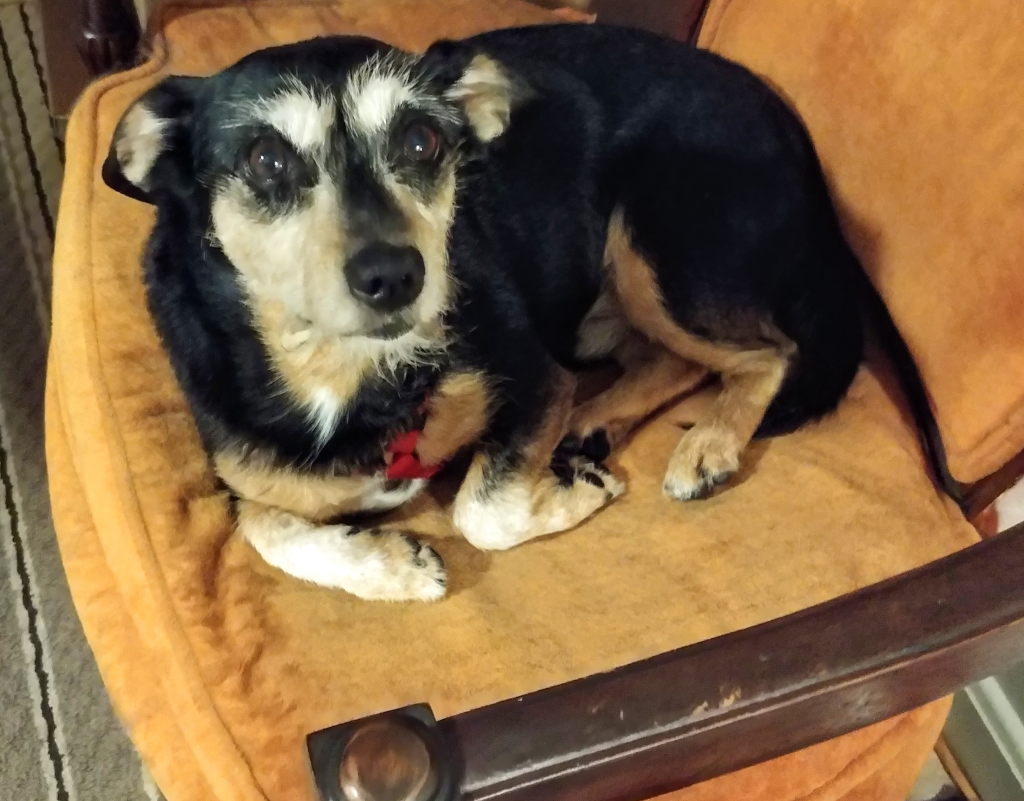 One issue that deserves more attention is how easily an older animal’s previous life can disappear from the adoption process. A dog may arrive with little information beyond an estimated age and a guessed breed, even though it has spent years learning household routines. A cat may be surrendered because its owner can no longer provide care, leaving the shelter with limited knowledge about the animal’s preferences or medical history.
Preserving that information whenever possible can make a meaningful difference in placement decisions. Previous owners, relatives, rescue volunteers, and temporary caregivers may be able to provide details about favorite foods, sleeping arrangements, handling preferences, established habits, and reactions to other animals. Even ordinary information, such as whether a dog is comfortable riding in a car or whether a cat prefers a particular litter box arrangement, can make the transition into a new home more manageable.
Medical records are particularly valuable when an older animal has an established diagnosis or ongoing treatment needs. Information about previous examinations, prescribed medications, known adverse reactions, and recommended follow-up care can reduce uncertainty for the adopting household. Where records are unavailable, clearly distinguishing confirmed medical information from suspected problems helps prevent misunderstandings and unnecessary assumptions.
A practical adoption handover can also include the animal’s existing feeding schedule, preferred resting areas, handling limitations, and any behavioral changes observed during its shelter stay. This information does not require an elaborate report, and much of it can be documented in a simple written record. For senior pets with established routines, these details can help new caregivers maintain familiar aspects of daily life while gradually introducing necessary changes.
We would like to see more rescue organizations make this type of individual history a regular part of senior adoption, even when the information available is incomplete. An older dog’s breed label cannot explain whether it has difficulty climbing stairs, and a cat’s coat color cannot reveal whether it prefers solitude or regular human interaction. Those details have direct consequences for everyday care and deserve a more prominent place in adoption decisions.
The same responsibility extends to people surrendering an animal when circumstances make continued care impossible. Providing honest medical and behavioral information, along with familiar supplies when appropriate, gives the next caregiver a better starting point. For a senior dog or cat that has already experienced the disruption of losing a home, preserving what is known about its previous life can be one of the most useful contributions to a successful new placement.