
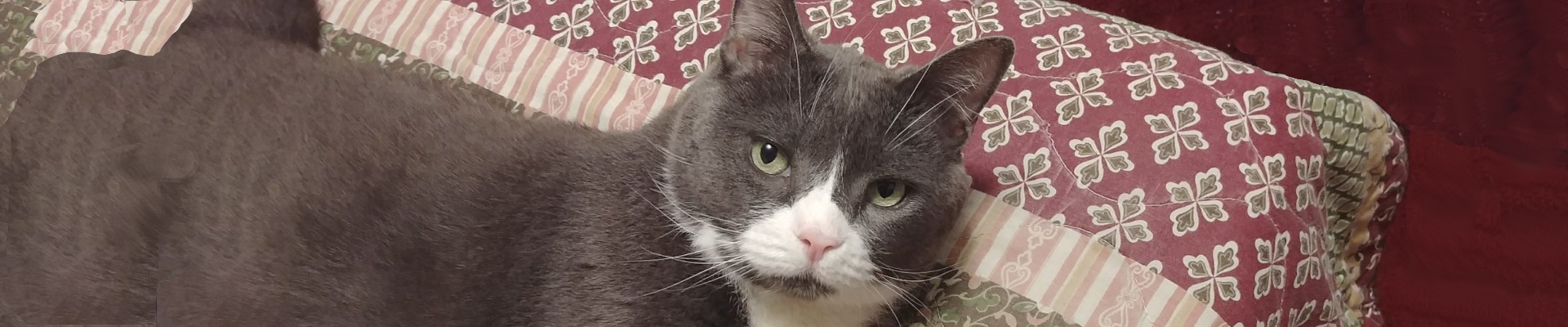
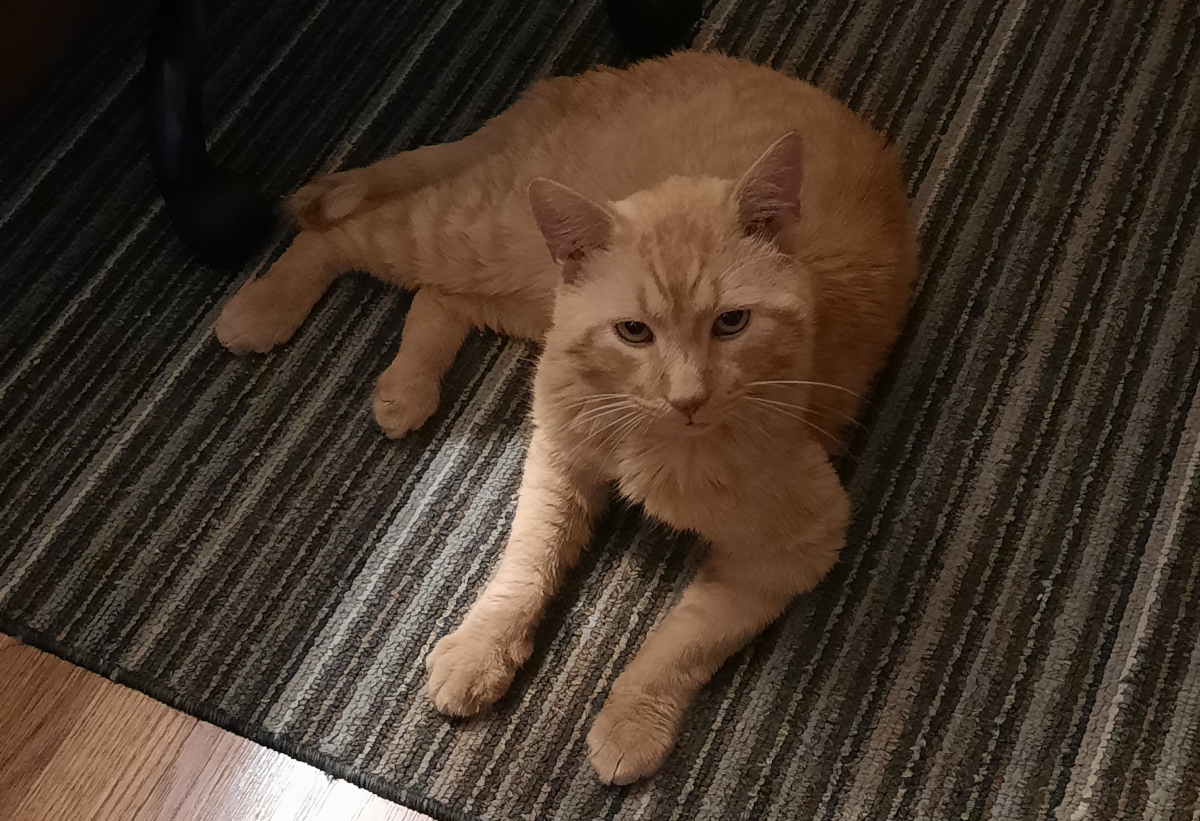
Finding small tufts of fur around the house or watching a cat repeatedly pull hair from one particular spot can be surprisingly difficult to explain. The skin may look perfectly normal, the cat may behave as usual, and there may be no obvious injury or irritation. Even after more than 35 years of caring for animals, we have found that determining why a cat begins plucking its hair can require considerable observation and sometimes a frustrating amount of uncertainty.
We have encountered this behavior with several of our own cats. Stanley and Bentley both pluck hair, although we suspect their reasons may be different. With Stanley, we have wondered whether a medication or something in his food might be contributing to the behavior. Bentley has an old toe injury that occurred long before we rescued him, raising the possibility that localized discomfort could be involved. However, he occasionally plucks fur from other areas as well, making the explanation less straightforward.
Belle and Paws also exhibited occasional hair plucking. Having observed the behavior in several cats with different medical histories, we have become particularly interested in whether mild arthritis, previous injuries, or other sources of physical discomfort might explain some cases.
Veterinary medicine recognizes that cats sometimes groom painful areas excessively, but establishing the precise cause of hair plucking can be challenging. Arthritis is one possibility worth investigating, especially in older cats, although skin allergies, parasites, medication reactions, and behavioral conditions may produce similar symptoms.
Why Cats Pluck Hair From Specific Areas
Hair plucking is a form of excessive grooming that may involve licking, chewing, or physically pulling out individual hairs and small tufts of fur. When the behavior produces noticeable hair loss, veterinarians may describe the condition as self-induced alopecia. However, a cat can repeatedly pull at its coat without creating a visible bald patch, particularly when the behavior is intermittent.
Normal grooming occupies a substantial portion of a cat’s waking hours, making unusual patterns difficult to recognize. Owners may notice a problem only after discovering loose fur, observing repeated attention to one location, or finding changes in the coat’s texture. Some cats groom excessively when their owners are absent, leaving the resulting hair loss as the primary evidence.
The Cornell Feline Health Center’s discussion of excessive grooming explains that cats may lick areas that are itchy or painful. Pain-related grooming can concentrate around an uncomfortable location, while itching may affect several areas of the body. Considerable overlap exists, however, so the location and appearance of the affected fur cannot reliably establish the underlying cause.
A cat concentrating on one paw, for example, might have a damaged claw, irritated skin, or discomfort involving a joint. Repeated grooming of the abdomen could be associated with allergies, discomfort, or a behavioral condition. The distribution of the behavior provides useful information, but a medical examination may still be necessary to understand what is happening.
Can Mild Arthritis Cause Localized Hair Plucking?
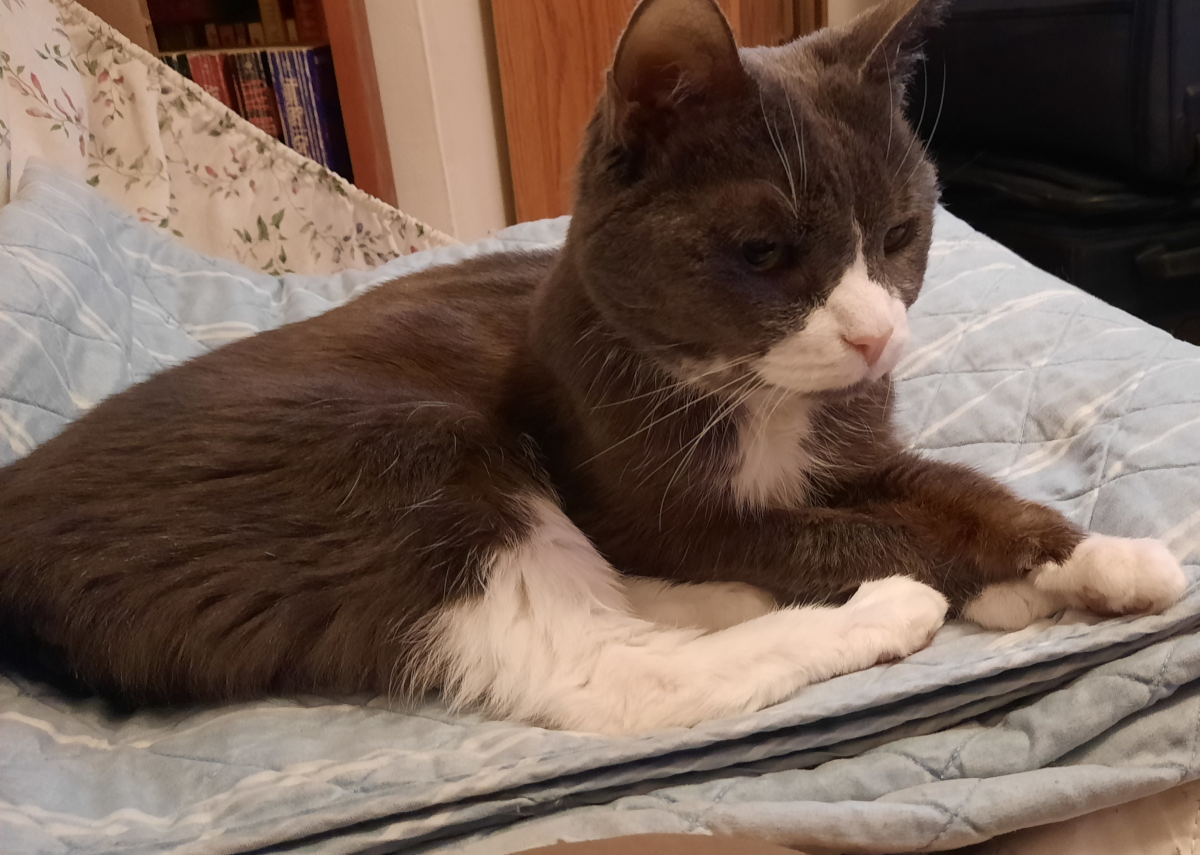 Osteoarthritis is a degenerative joint disease involving changes to cartilage and other structures within the joint. These changes can produce pain, inflammation, stiffness, and reduced mobility. Although arthritis becomes more common with age, previous injuries and developmental abnormalities can also contribute to joint disease.
Recognizing arthritis in cats is particularly difficult because they often alter their activities rather than displaying an obvious limp. A cat may stop jumping onto a favorite piece of furniture, hesitate before climbing, or choose a different resting location. These adjustments can develop gradually enough that they appear to be ordinary changes in preference rather than responses to discomfort.
The U.S. Food and Drug Administration’s guidance on feline osteoarthritis identifies reduced activity, difficulty jumping, behavioral changes, and decreased grooming among the possible signs. Reduced grooming is particularly well recognized because painful joints can make normal coat maintenance difficult. Some cats develop matted fur or an unkempt appearance because reaching certain areas has become uncomfortable.
Excessive grooming presents a different question. Cats experiencing localized pain may lick or bite an uncomfortable area, but there is limited evidence establishing hair plucking as a specific symptom of mild osteoarthritis. A cat that repeatedly pulls hair near a joint could be experiencing pain, although the same behavior might result from a dermatological or neurological problem.
Chronic pain can also involve the nervous system rather than the joints alone. The International Cat Care guide to chronic pain identifies skin twitching, biting, excessive grooming, and hair pulling among signs that may be associated with nerve pain. This does not establish that arthritis is responsible for those behaviors, but it illustrates why unusual grooming sometimes warrants a broader pain assessment.
The distinction matters because an older cat can have arthritis and an unrelated skin condition simultaneously. Discovering joint disease does not automatically explain repeated hair plucking, especially when the affected area is also itchy or irritated.
Old Injuries and Persistent Discomfort
Bentley’s history raises an interesting question because he has a toe that was damaged before he entered our care. We do not know whether that injury causes discomfort today, but it provides a specific area worth considering when evaluating his grooming behavior. His occasional plucking in other locations also suggests that concentrating exclusively on the injured toe could overlook another explanation.
An old injury may leave changes involving a joint, claw, or surrounding soft tissue. Depending on the original damage, an animal might develop persistent sensitivity, altered movement, or reduced joint mobility. Previous joint trauma can also contribute to osteoarthritis, although an injury does not necessarily result in chronic pain or degenerative disease.
The structures surrounding a cat’s claws are particularly sensitive. The living tissue within a claw contains nerves and blood vessels, and injuries affecting that tissue can be painful. The VCA Animal Hospitals guidance on broken nails in cats explains how even damage involving a single claw can produce discomfort, limping, and reluctance to use the affected foot.
An old toe injury is different from an acute broken claw, but both situations illustrate why careful examination of the entire paw matters. A veterinarian may need to assess the claw, nail bed, paw pad, individual toe joints, and surrounding tissues. Problems beneath the skin may not be apparent during a casual examination at home.
Watching how a cat uses its feet can provide additional clues. Changes in scratching behavior, hesitation when landing, avoiding weight on one paw, or difficulty settling into certain positions may help identify physical discomfort. These observations become more informative when considered alongside the location and frequency of hair plucking.
Allergies and Skin Conditions That Can Resemble Pain-Related Grooming
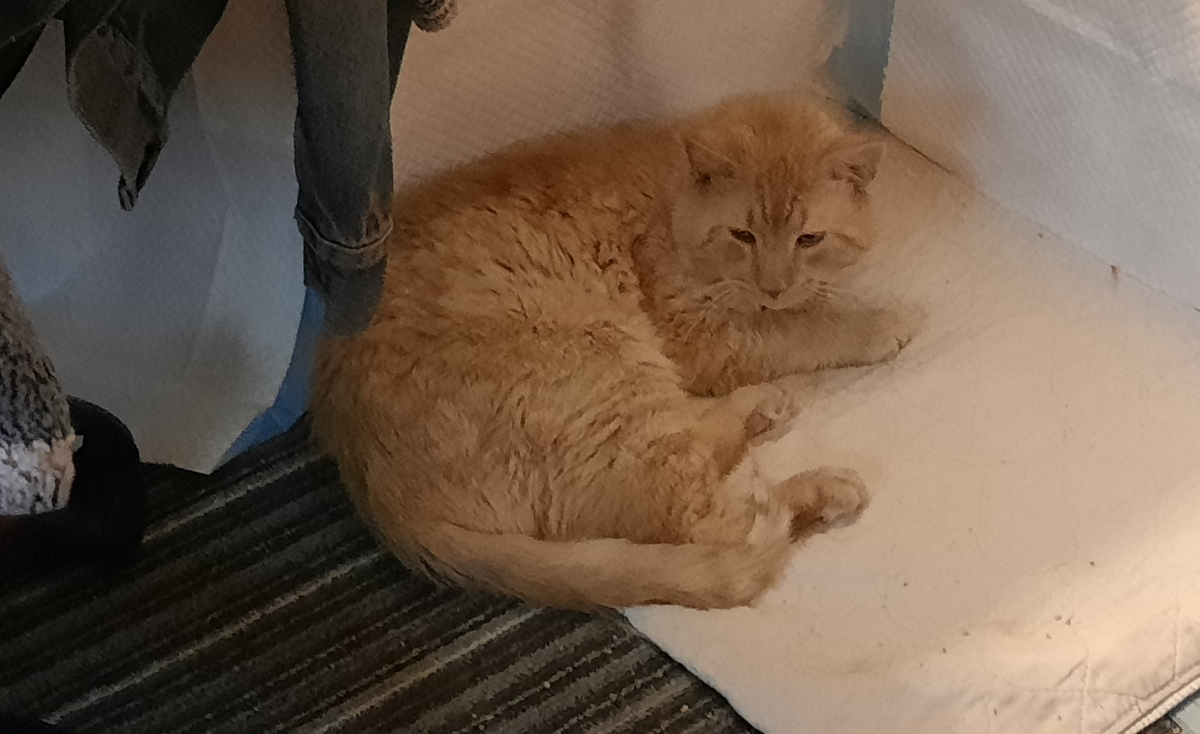 Skin irritation is a common explanation for excessive grooming in cats, including those that repeatedly remove their own fur. Flea allergy dermatitis, environmental allergies, food allergies, parasites, and infections can all produce itching. The underlying skin may appear relatively normal, even when the animal is experiencing substantial irritation.
Flea allergy deserves particular consideration because a sensitive cat may react to flea bites without having an obvious infestation. Cats can remove fleas through grooming, so owners may never observe the parasites directly. The absence of visible fleas does not reliably exclude flea allergy dermatitis.
The 2023 American Animal Hospital Association guidelines for allergic skin diseases recommend a systematic investigation that includes medical history, physical examination, and appropriate testing for parasites and skin abnormalities. The guidelines also recognize self-induced alopecia as one of several characteristic patterns of feline allergic skin disease.
Other conditions can produce similar appearances. Ringworm, a fungal infection, may cause hair loss with or without obvious inflammation, while some bacterial or yeast infections can contribute to itching. Skin lesions, parasites, and inflammatory conditions may require specific testing because their appearance alone is not always distinctive.
This overlap complicates the interpretation of localized grooming. A cat may repeatedly pull hair from an area because it itches, because it hurts, or because more than one uncomfortable sensation is present. Identifying the actual source of discomfort matters more than deciding whether the behavior resembles a particular condition.
Could Food or Medication Be Responsible?
Stanley’s hair plucking has led us to consider whether something in his food or medication might be contributing to the behavior. Given his medical history, reviewing those possibilities makes sense, although we have no basis for identifying either as the cause. A medication reaction, food sensitivity, and an unrelated skin disorder may share enough visible features to make them difficult to distinguish through observation alone.
Adverse drug reactions occasionally affect the skin and coat. Depending on the medication and type of reaction, a cat might develop itching, redness, hair loss, or other skin abnormalities. However, hair plucking by itself does not establish a medication allergy, and the timing of symptoms must be interpreted alongside the animal’s complete medical history.
An accurate medication record can be useful during this investigation. The prescribing veterinarian may want to review when each medication was introduced, whether the dose or formulation changed, and whether the grooming behavior appeared around the same period. Treatment should not be stopped or adjusted independently, particularly when a medication is controlling a significant medical condition.
Food allergies present their own challenges. Cats can develop reactions to ingredients they have previously tolerated, and the symptoms may involve the skin without obvious digestive problems. A cat that experiences food-related itching may groom its abdomen, legs, or other accessible areas, making the distribution difficult to distinguish from several other skin conditions.
The Cornell Feline Health Center’s guidance on food allergies describes controlled elimination diets as an established method of investigating suspected dietary reactions. Such trials commonly require approximately eight to ten weeks on a carefully selected diet, with a subsequent food challenge used to help confirm the diagnosis. Randomly switching commercial foods is not equivalent to a properly conducted elimination trial.
Dietary changes require additional planning for cats with chronic illnesses. Bentley, for example, receives insulin twice daily as part of his diabetes management, making changes in food intake and composition particularly relevant to his glucose control. A diagnostic food trial for a diabetic cat needs to account for those existing treatment requirements.
When Repetitive Grooming Becomes a Behavioral Condition
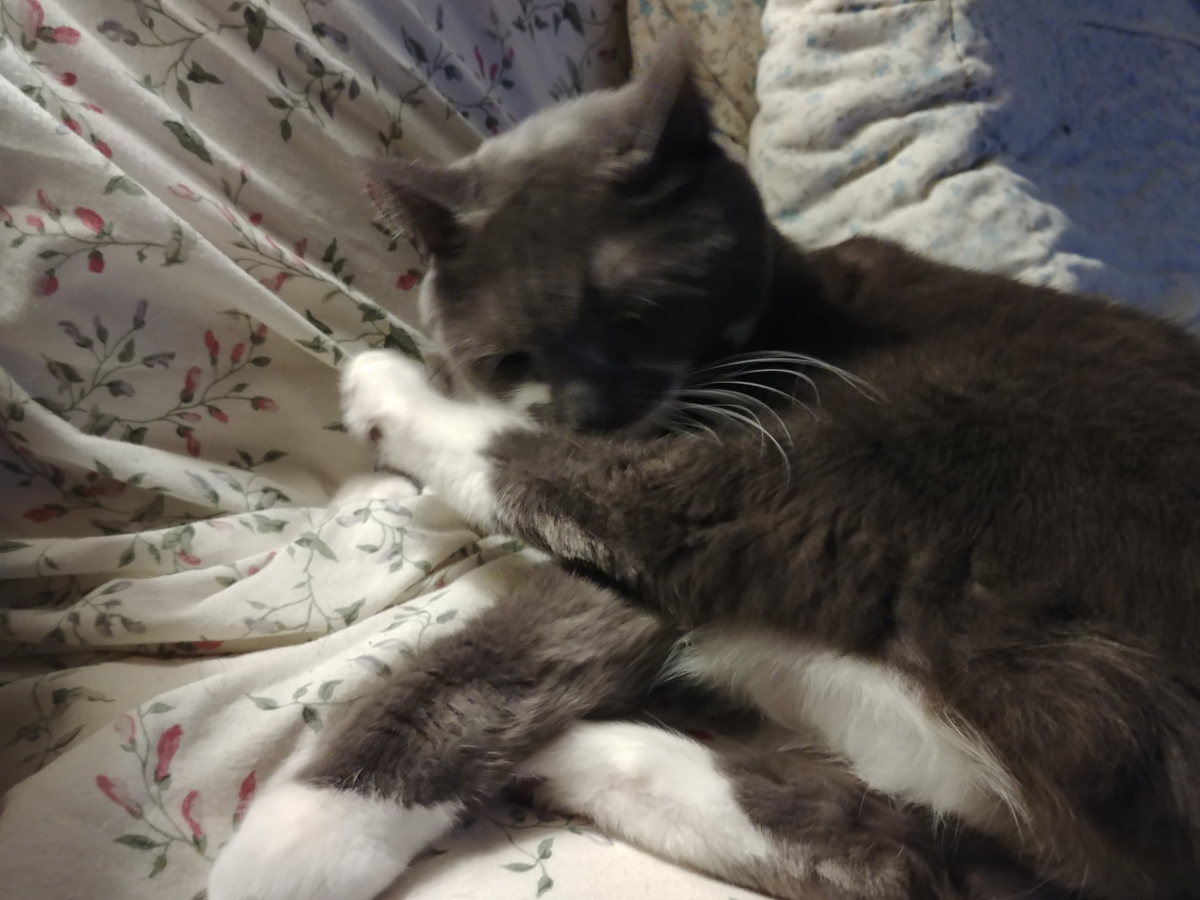 Not all excessive grooming can be explained by an identifiable skin problem or painful injury. Some cats develop repetitive behaviors associated with anxiety, environmental changes, or other behavioral influences. When excessive grooming causes hair loss and relevant medical causes have been investigated, a veterinarian may consider a condition known as psychogenic alopecia.
The term is sometimes applied too casually to cats that repeatedly lick or pull their fur. A cat does not necessarily have a compulsive disorder simply because the behavior appears repetitive or occurs during periods of apparent relaxation. Physical discomfort can produce similar patterns, and cats may continue grooming an irritated area even after the original trigger has changed.
The VCA Animal Hospitals discussion of compulsive disorders in cats explains that psychogenic alopecia should be considered only after relevant medical explanations have been evaluated. Fleas, allergies, infections, painful conditions, and other disorders may produce grooming behaviors that resemble a behavioral problem.
Household circumstances can still contribute to excessive grooming. Changes in routine, tension between animals, reduced opportunities for activity, or difficulty accessing preferred resting areas may affect a cat’s behavior. These factors deserve consideration without assuming that stress explains every case.
Our experiences with Belle and Paws provide a useful reminder of how varied these situations can be. Both occasionally plucked fur, but those observations do not establish whether physical discomfort, skin irritation, or behavioral influences were responsible for individual episodes. Even with considerable familiarity with an animal’s habits, the underlying cause is not always apparent.
How Veterinarians Investigate Hair Plucking
A veterinary investigation generally begins with a detailed medical history and physical examination. The veterinarian may ask when the grooming began, whether it affects one location or several, and whether the skin appears inflamed. Information about previous injuries, medications, diet, parasite prevention, and recent behavioral changes can help narrow the possibilities.
Skin testing may be recommended when itching or dermatological disease is suspected. Depending on the examination findings, this can include flea combing, skin scrapings, microscopic examination of skin cells, and testing for fungal infection. Examining individual hairs under a microscope can sometimes reveal broken shafts consistent with excessive grooming rather than hair loss caused by abnormal growth or shedding.
When localized pain is suspected, the examination may extend to the joints, spine, paws, and surrounding muscles. A veterinarian may evaluate movement, joint flexibility, and responses to gentle manipulation. Radiographs can identify certain structural abnormalities, although the severity of visible joint changes does not always correspond closely with the amount of pain a cat experiences.
An older cat may also have several conditions influencing its behavior at once. Arthritis, skin allergies, and chronic medical disorders are not mutually exclusive, and identifying one condition may not fully explain the grooming pattern. Additional testing or a carefully supervised treatment trial may be needed when the initial findings are inconclusive.
The diagnostic process becomes especially complicated when medication choices are limited by existing health problems. Pain management for a cat with kidney disease, heart disease, or other significant conditions requires attention to the animal’s medical history and laboratory findings. Veterinary treatment decisions must account for those limitations rather than relying on a suspected diagnosis alone.
What Owners Can Observe at Home
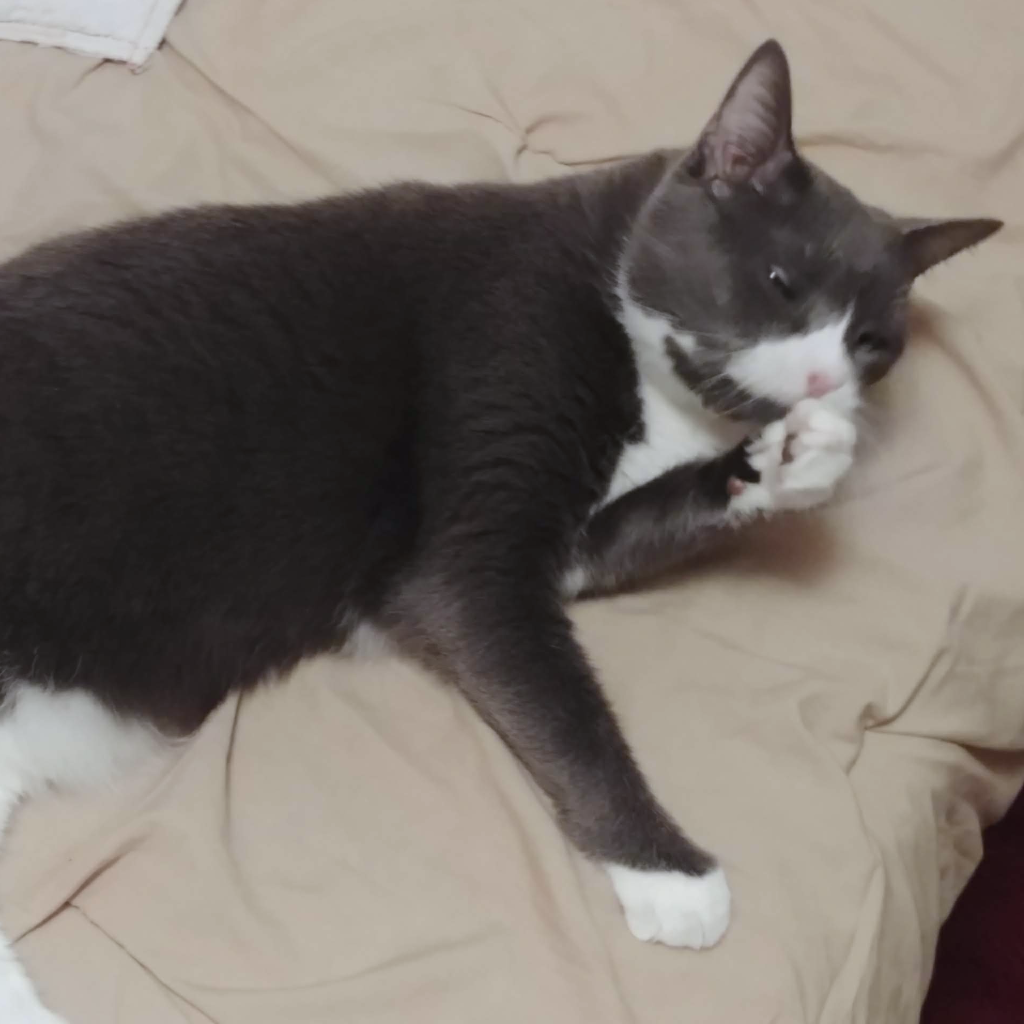 Detailed observations often provide information that cannot be captured during a short veterinary appointment. Hair plucking may occur intermittently, and a cat might not display the behavior during an examination. Recording a few specific details can help establish whether the episodes follow a recognizable pattern.
The most useful starting point is identifying exactly where the cat removes its fur. A cat concentrating on one paw presents a different pattern from one alternating between the belly, back, and legs. Photographs can document changes in the coat, while short videos may show whether the animal is licking, chewing, or actively pulling hair.
Timing may also offer clues. Owners can record whether episodes occur around meals, medication administration, physical activity, or particular household events. These observations should be interpreted cautiously because cats groom naturally throughout the day, and a behavior occurring after a particular activity does not necessarily mean that activity caused it.
Changes in movement deserve attention when arthritis or an old injury is being considered. Hesitation before jumping, altered scratching behavior, difficulty climbing, or avoiding pressure on one foot can provide information about possible discomfort. Not every painful cat shows these signs, but their presence can help guide further examination.
A simple notebook or digital record is usually sufficient. Keeping track of the date, location, approximate frequency, and any accompanying symptoms can make changes easier to recognize over several weeks. For households caring for multiple animals, separate records also help prevent observations about one cat from becoming confused with another’s medical history.
Supporting Comfort Without Complicating the Investigation
Cats with suspected joint discomfort may benefit from changes that make everyday activities easier. Stable steps, accessible resting areas, and litter boxes with low entry points can reduce the need for difficult movements. These adjustments may improve accessibility, although they do not confirm that arthritis is responsible for the grooming behavior.
Repeatedly examining or handling an uncomfortable area can also cause unnecessary distress. If a cat reacts defensively when a paw or joint is touched, forcing the examination at home may increase discomfort or result in injury. Observing natural movement and recording the response is often more useful than repeatedly testing a potentially painful location.
Skin protection becomes necessary when grooming causes visible damage. Persistent licking or chewing can irritate the skin and sometimes produce secondary infections. Redness, swelling, sores, or discharge should receive veterinary attention rather than being treated with household creams or other products that a cat might ingest while grooming.
Human pain relievers and topical preparations can be dangerous for cats, and suspected arthritis should never be treated with over-the-counter human medication. Any pain-control plan needs to consider the cat’s other medical conditions and current prescriptions. This is especially relevant for older animals receiving treatment for multiple health problems.
Sudden inability to bear weight, marked pain, rapidly developing swelling, or significant wounds warrant prompt veterinary assessment. Facial swelling, breathing difficulty, or collapse following a suspected medication reaction requires emergency care. Persistent hair plucking without these acute symptoms still deserves evaluation, particularly if the behavior is increasing or producing visible changes in the skin.
Understanding Cases Without an Obvious Cause
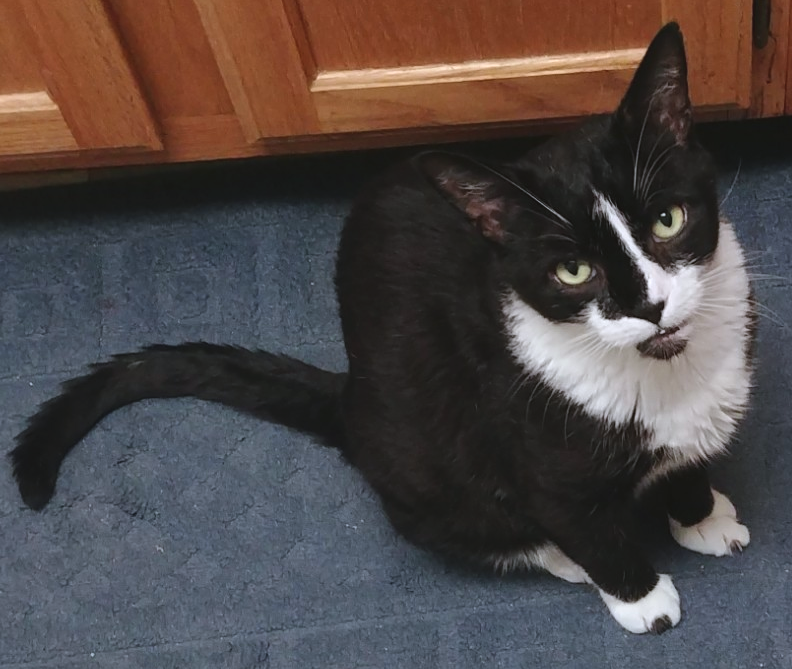 Hair plucking can remain difficult to explain even after a careful examination. Some cats have more than one condition contributing to discomfort, while others display intermittent symptoms that are difficult to reproduce during an appointment. A normal-looking coat or the absence of obvious limping does not establish that nothing is wrong.
Stanley and Bentley illustrate why investigating these behaviors individually matters. Stanley’s possible medication or food sensitivity remains a question, while Bentley’s old toe injury provides a different area of concern. Neither observation is sufficient to establish a diagnosis, and Bentley’s occasional plucking elsewhere leaves open the possibility of additional contributing factors.
Mild arthritis deserves consideration when localized grooming occurs alongside changes in mobility, but the relationship should not be assumed. In some cases, examination of an old injury may reveal an orthopedic problem that requires attention. In others, skin testing or an elimination diet may identify a cause unrelated to joint discomfort.
A useful next step after an inconclusive examination is to establish which possibilities have been reasonably investigated and which remain open. If the skin and parasite assessments are unrevealing, the veterinarian may consider whether a more detailed pain evaluation is appropriate. If a painful condition is identified and treated, subsequent changes in grooming may provide additional information, although improvement alone cannot always prove causation.
For recurring cases, documenting both the grooming behavior and the cat’s response to any veterinarian-directed intervention can help distinguish a temporary fluctuation from a meaningful change. When several possible explanations exist, that information allows treatment decisions to be based on the animal’s actual response rather than assumptions about what hair plucking ought to mean.