

Hearing that your cat has a heart murmur can raise immediate concerns about heart disease and what the diagnosis means for the future. Those concerns can become more complicated when the cat also has hyperthyroidism, a common hormonal disorder in older cats that can place additional demands on the cardiovascular system. Fortunately, some heart murmurs associated with hyperthyroidism improve or disappear once thyroid hormone levels are brought under control.
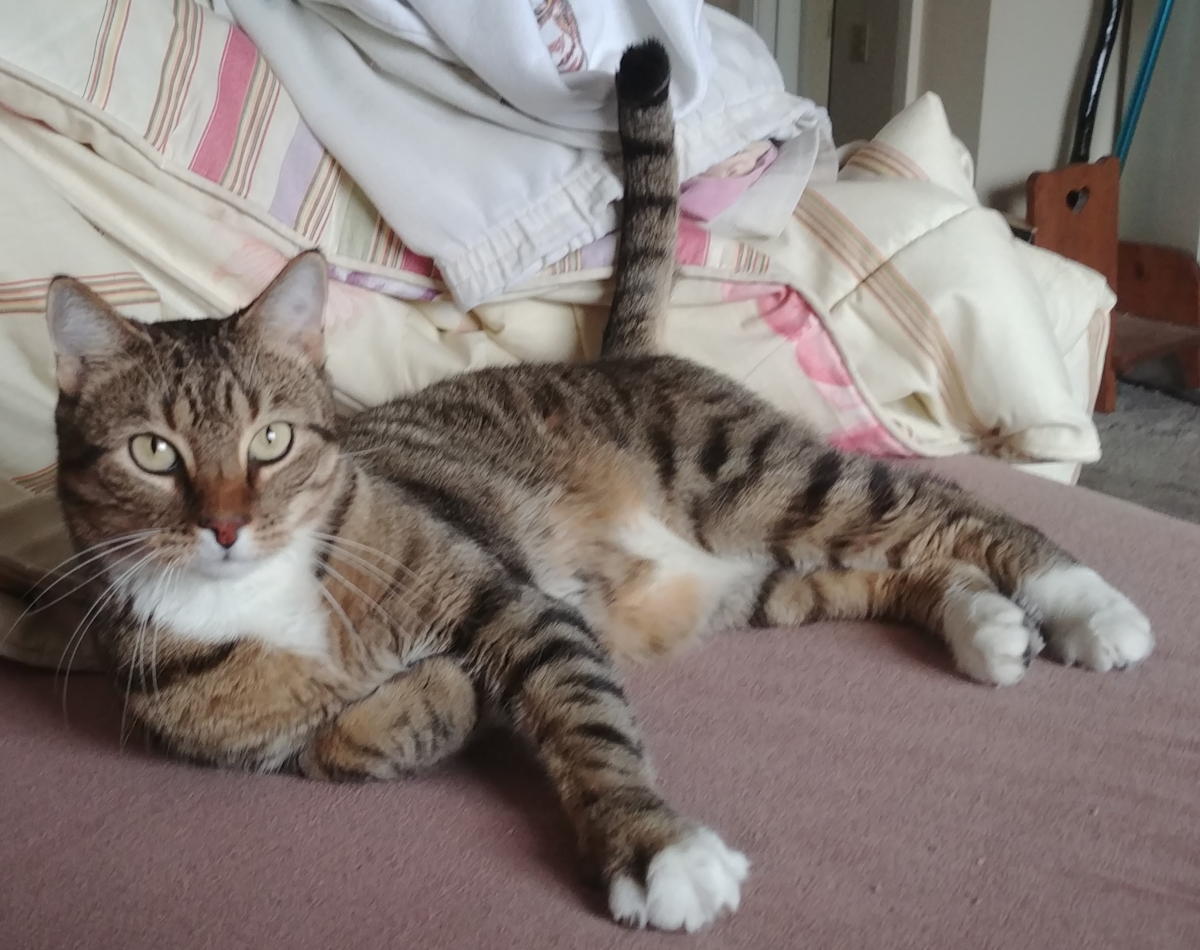
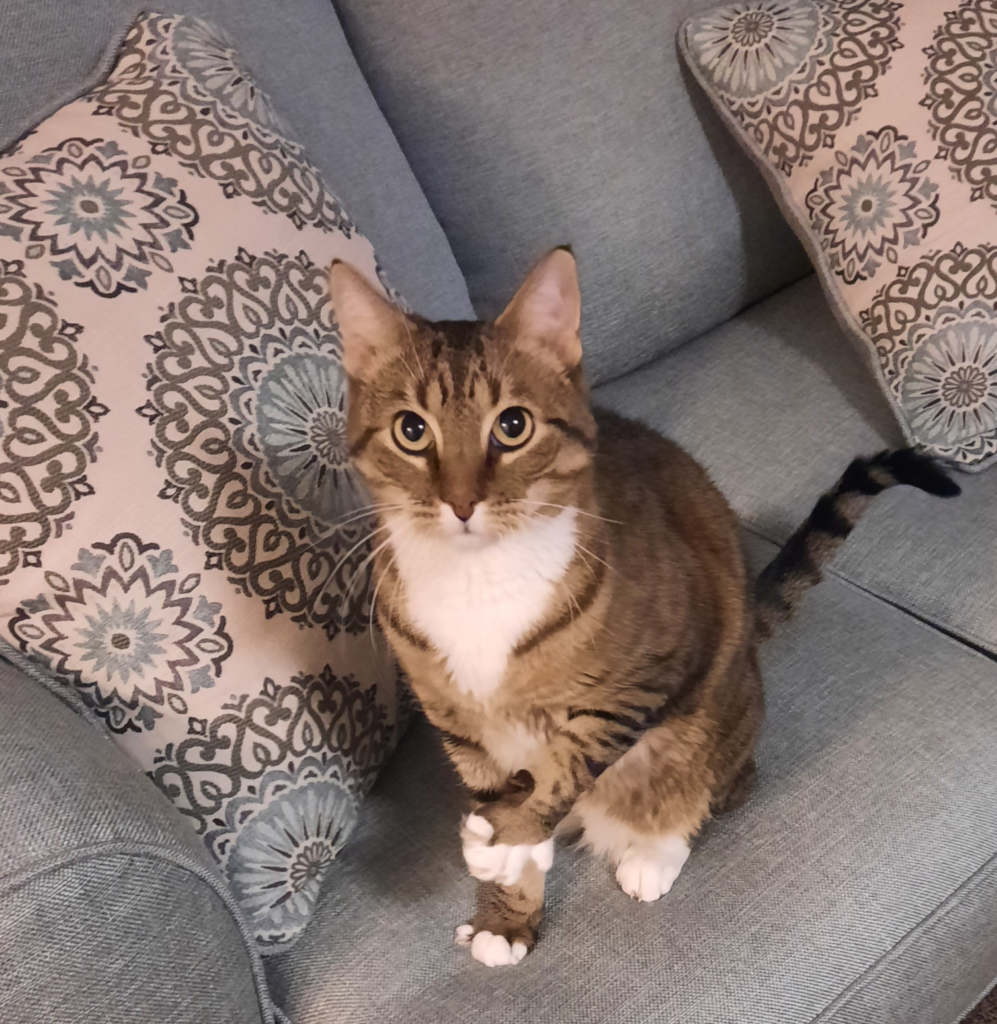
We have experienced this firsthand with our cat Sheamus, who was diagnosed with hyperthyroidism and a heart murmur. After we established a consistent treatment routine with his prescribed methimazole, his murmur disappeared. He has been examined several times since then, and his veterinarian has continued to find no audible murmur.
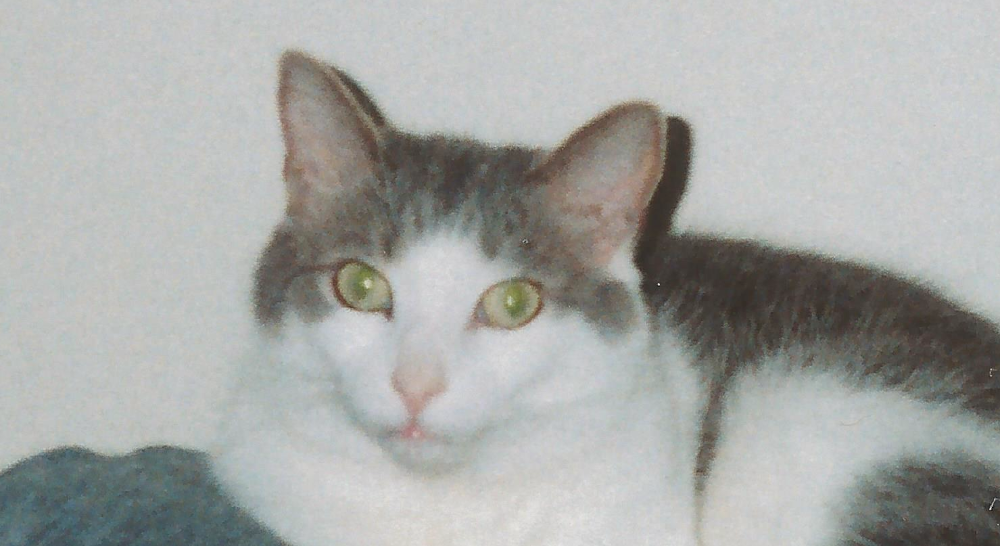
Our cats Bam Bam and Blackie had different experiences. They both had a heart murmur throughout their life and also lived with hyperthyroidism, yet they both reached the age of 20. Their experiences demonstrate why the discovery of a heart murmur deserves careful evaluation without automatically being interpreted as a prediction of serious complications or a shortened life.
How Hyperthyroidism Affects a Cat’s Heart
Hyperthyroidism develops when the thyroid gland produces excessive amounts of thyroid hormones, primarily thyroxine (T4) and triiodothyronine (T3). These hormones regulate metabolism and influence the activity of nearly every organ in the body. When circulating hormone levels become abnormally high, the body’s metabolic demands increase, including the amount of blood needed to supply tissues with oxygen and nutrients.
The cardiovascular system responds by increasing cardiac output, which is the amount of blood the heart pumps each minute. The heart often beats faster and contracts more forcefully, creating additional work for the heart muscle. Over time, some cats develop enlargement of cardiac chambers, thickening of the heart muscle, or changes in how efficiently the heart fills and pumps blood.
The Cornell Feline Health Center’s information on hyperthyroidism explains that excessive thyroid hormones can contribute to thickening of the heart’s left ventricle, the chamber responsible for pumping oxygen-rich blood throughout the body. Hyperthyroidism can also be associated with high blood pressure, which may place additional strain on the cardiovascular system. In severe cases, these abnormalities can contribute to congestive heart failure.
An encouraging feature of thyroid-related cardiac changes is that some are reversible. When treatment restores thyroid hormone levels to an appropriate range, the heart’s workload decreases, and certain abnormalities may gradually improve. How much improvement occurs depends on the cat’s underlying heart health, the extent of existing changes, and whether other medical conditions are present.
Why Hyperthyroidism Can Cause a Heart Murmur
 A heart murmur is an additional sound that a veterinarian hears when listening to the heart with a stethoscope. It occurs when blood flow creates audible vibrations, usually because of turbulence within the heart or nearby blood vessels. The presence of a murmur indicates an unusual blood-flow sound, but it does not identify the underlying cause.
In hyperthyroid cats, increased cardiac output and forceful heart contractions can produce a murmur even without a permanent structural defect. These are sometimes called functional or flow murmurs. Changes in blood-flow velocity can make the sound audible during periods of increased cardiovascular activity, and the murmur may become quieter or disappear when the underlying condition improves.
Other cats develop structural changes that contribute to abnormal blood flow. Hyperthyroidism may be associated with thickening of the heart muscle, while some cats have an independent condition such as hypertrophic cardiomyopathy (HCM). HCM is a disease involving abnormal thickening of the heart muscle that cannot be adequately explained by conditions such as hyperthyroidism or high blood pressure.
The distinction matters because similar cardiac findings can have different underlying causes. The American College of Veterinary Internal Medicine’s 2020 consensus guidelines on feline cardiomyopathies explain that a murmur does not establish a diagnosis of cardiomyopathy, and some cats with significant cardiac disease have no audible murmur. Murmur loudness alone also cannot reliably determine the severity of heart disease.
For cats with hyperthyroidism, a murmur may result from increased blood flow, structural heart changes, or a combination of problems. Determining which factors are involved helps establish whether treating the thyroid condition is likely to improve the cardiovascular findings or whether additional cardiac evaluation and treatment are necessary.
Sheamus: When Thyroid Treatment Was Followed by the Disappearance of His Murmur
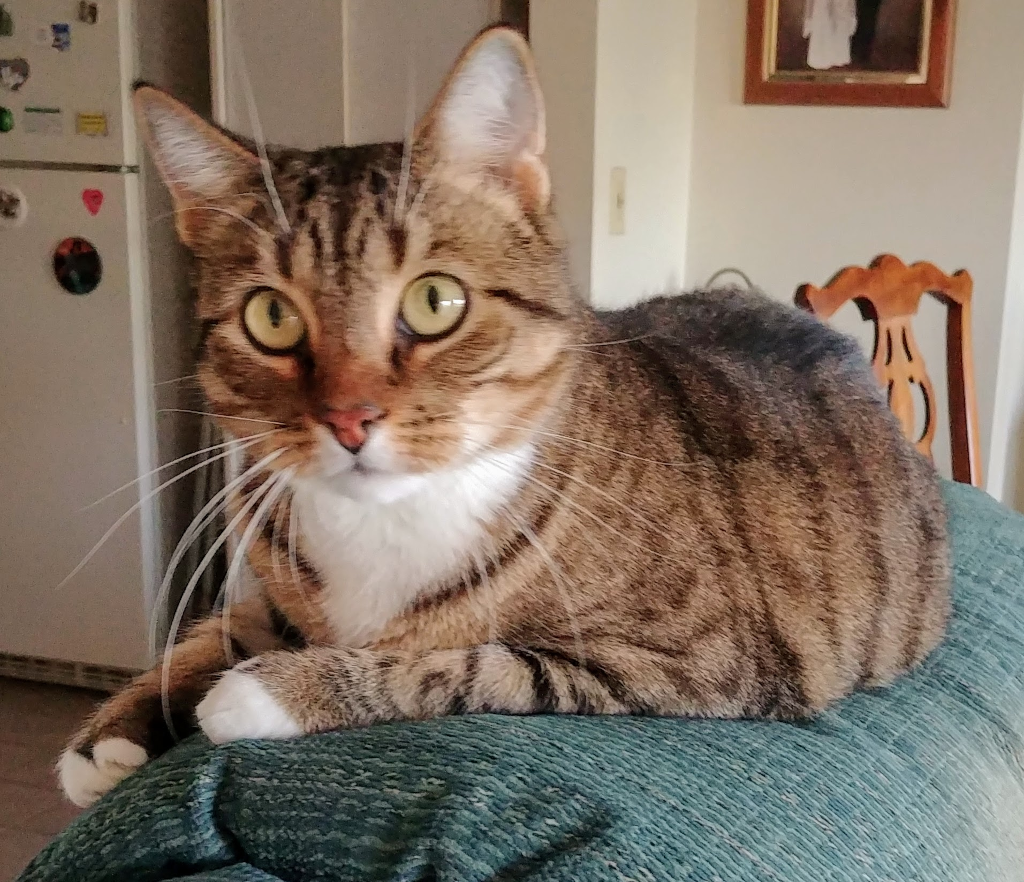 Our experience with Sheamus provides a particularly encouraging example of the connection between thyroid management and heart health. He had been diagnosed with hyperthyroidism, and a heart murmur had also been identified during his veterinary care. Because excessive thyroid hormone can affect the heart, controlling his thyroid condition was an important part of managing his overall health.
Sheamus was treated with methimazole, a medication that reduces thyroid hormone production. Once we established the correct prescribed treatment regimen and administered his medication consistently, his thyroid condition came under control. During a subsequent veterinary examination, his heart murmur was no longer audible.
What makes his experience particularly meaningful is that the finding has remained consistent. Sheamus has undergone several additional veterinary examinations, and his veterinarian has continued to report no audible murmur. This was a positive development, especially considering that the murmur had previously been detected.
There is a medical distinction worth making about his outcome. The disappearance of Sheamus’s murmur following successful thyroid management is consistent with the known cardiovascular effects of treating hyperthyroidism. However, that sequence alone cannot establish precisely what caused the original murmur or whether any structural changes were present in his heart.
For us, his experience reinforces the value of following an effective medication schedule and maintaining regular veterinary examinations. His improvement also demonstrates why an initial murmur should not automatically be regarded as permanent. Some cats experience substantial cardiovascular improvement when the effects of excessive thyroid hormone are brought under control.
Bam Bam and Blackie: Living to 20 With a Heart Murmur
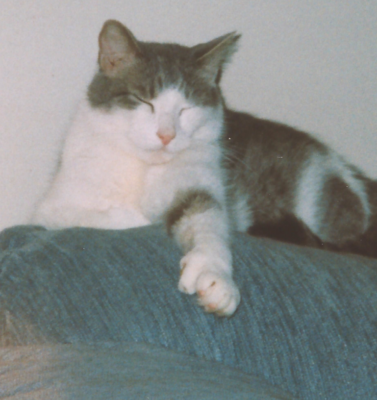
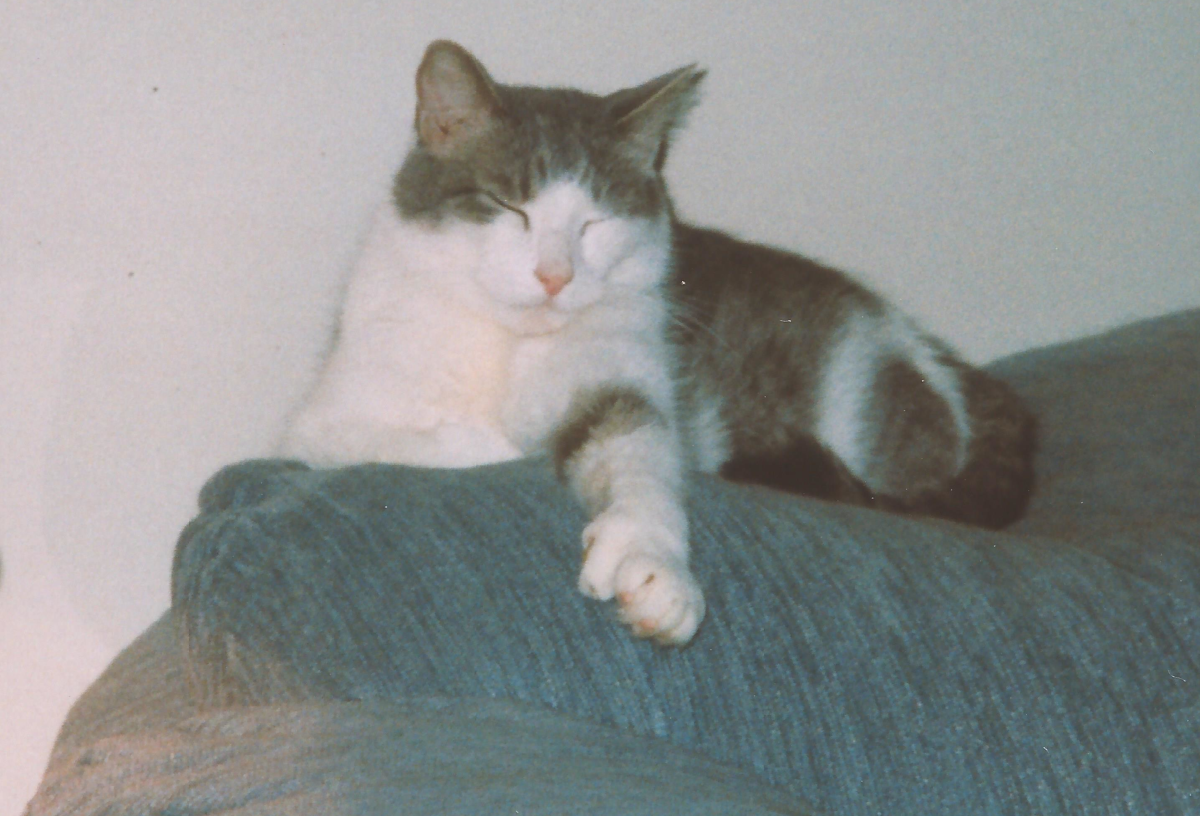
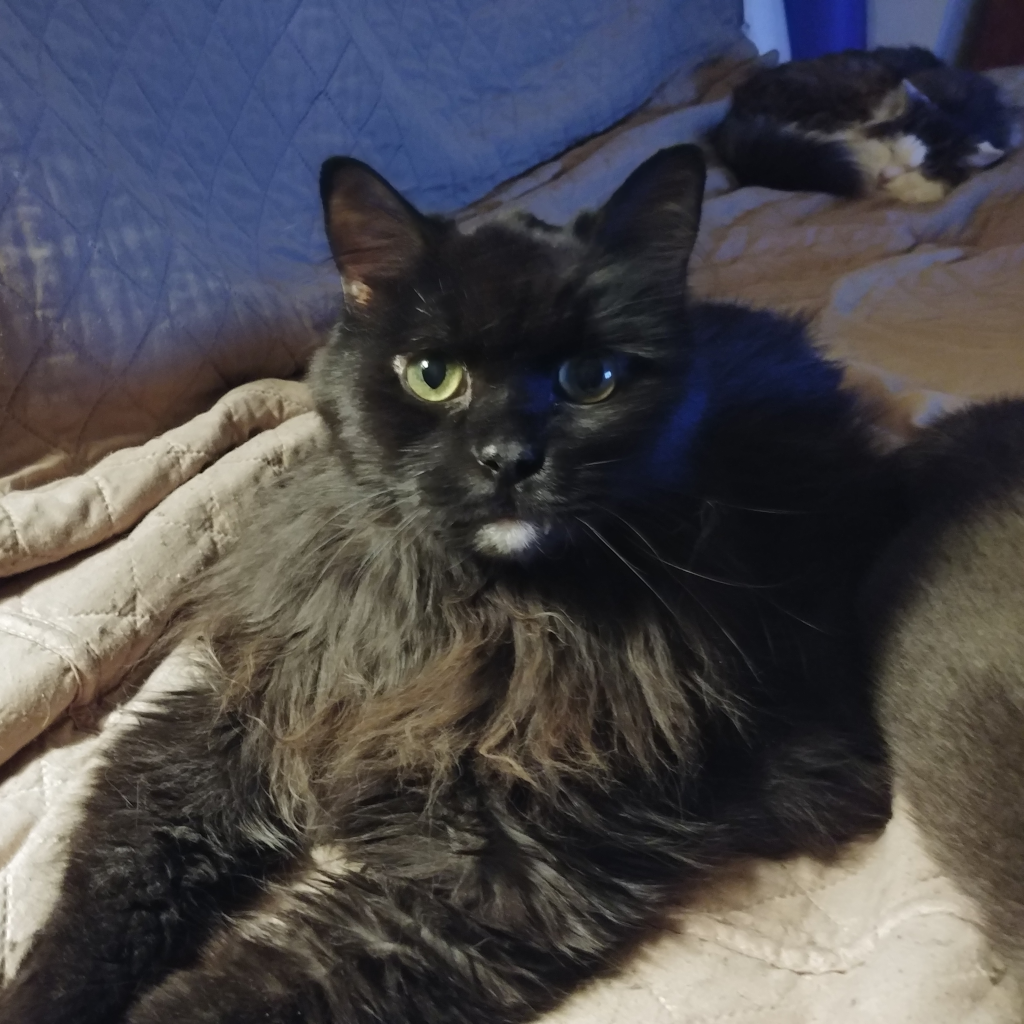 Bam Bam’s and Blackie’s experience provides a different perspective on feline heart murmurs. He had a murmur throughout his life and also had hyperthyroidism, but the murmur remained part of his medical history. Despite those conditions, he lived until he was 20 years old.
His longevity illustrates an aspect of feline cardiac health that can be difficult to appreciate when a murmur is first discovered. The presence of a murmur does not independently determine a cat’s prognosis. Some cats live for many years with stable cardiac findings, while others develop complications that require additional medical management.
Bam Bam’s and Blackie’s life does not establish that persistent murmurs are harmless, and his outcome cannot predict what will happen to another cat. A murmur may accompany anything from relatively minor blood-flow changes to significant structural heart disease. Without appropriate evaluation, its seriousness cannot be established simply by listening to the sound.
His experience is a useful reminder that the underlying cardiac condition and its progression deserve more attention than the murmur alone. A cat with a persistent murmur may remain clinically stable for a long time, particularly when accompanying medical conditions are recognized and appropriately managed.
How Veterinarians Investigate Heart Murmurs in Hyperthyroid Cats
When a veterinarian detects a murmur in a cat with known or suspected hyperthyroidism, the evaluation usually begins with a physical examination and review of the cat’s medical history. Heart rate, rhythm, murmur characteristics, body condition, and other clinical findings help determine which additional tests may be useful. The veterinarian also considers symptoms such as weight loss, increased appetite, unusual activity, or changes in breathing.
Blood testing is central to diagnosing hyperthyroidism. A total T4 measurement is commonly used because most cats with the condition have elevated circulating thyroid hormone levels. However, some cats with early hyperthyroidism or concurrent illness can have T4 values within the laboratory reference range, making repeat testing or additional thyroid tests necessary in selected cases.
Blood pressure measurement is another useful part of the assessment. Hyperthyroidism can be associated with hypertension, which may independently contribute to thickening of the heart muscle and damage to the kidneys, eyes, and other organs. Blood pressure sometimes improves after thyroid treatment, although some cats remain hypertensive or develop hypertension after thyroid levels normalize.
When structural heart disease is suspected, an echocardiogram provides more detailed information than a stethoscope examination. This cardiac ultrasound allows a veterinarian or veterinary cardiologist to assess heart muscle thickness, chamber dimensions, and blood-flow patterns. It can identify abnormalities that are not apparent during a routine examination.
An echocardiogram cannot always determine whether heart muscle thickening is caused by hyperthyroidism, hypertension, or an independent cardiomyopathy. The veterinary review Cardiac Abnormalities in Feline Hyperthyroidism discusses this diagnostic challenge and the potential for cardiac changes to improve after successful thyroid treatment. Repeating cardiac assessments after thyroid hormone levels have stabilized may help clarify whether an abnormality is resolving or persisting.
Additional tests may include an electrocardiogram to investigate abnormal heart rhythms, chest radiographs to assess the heart and lungs, or blood tests measuring cardiac markers such as NT-proBNP. These tests provide different kinds of information and cannot always substitute for cardiac ultrasound. Their usefulness depends on the cat’s examination findings and the clinical questions being investigated.
Can Methimazole Improve or Eliminate a Heart Murmur?
 Methimazole is commonly used to manage feline hyperthyroidism because it blocks the production of thyroid hormones. Unlike radioactive iodine treatment or thyroid surgery, methimazole does not eliminate the abnormal thyroid tissue responsible for excessive hormone production. Cats managed with methimazole alone generally require continued medication and periodic testing.
When methimazole successfully reduces excessive thyroid hormone levels, the cardiovascular system no longer experiences the same degree of hormonal stimulation. Heart rate and cardiac workload may decrease, and some thyroid-related abnormalities can improve. In cats whose murmurs are associated with these changes, the sound may become less noticeable or disappear.
The 2016 American Association of Feline Practitioners guidelines for managing feline hyperthyroidism recognize that correcting thyroid hormone excess and associated hypertension can improve cardiac disease in some cats. They also explain that abnormalities detected by cardiac ultrasound may emerge or resolve over several months after thyroid function returns to normal. This supports continued assessment rather than assuming that all cardiovascular effects disappear immediately when thyroid blood tests improve.
Methimazole does not directly repair a diseased heart valve or cure an independent cardiomyopathy. If a cat has significant structural heart disease, controlling hyperthyroidism may reduce additional cardiovascular strain without eliminating the underlying problem. Cats with congestive heart failure require appropriate cardiac treatment alongside thyroid management rather than waiting for thyroid medication alone to improve their condition.
Other treatments, including radioactive iodine therapy and thyroid surgery, can also reduce cardiovascular effects by correcting excessive thyroid hormone production. Prescription iodine-restricted diets are another option for selected cats, but they require strict dietary control and may not be suitable for every household or medical situation. The choice of treatment should account for kidney function, other medical conditions, treatment availability, and the cat’s ability to tolerate the proposed approach.
Why Consistent Medication and Blood Testing Matter
 Managing hyperthyroidism involves finding a treatment regimen that controls excessive thyroid hormone production without suppressing it too far. Insufficient control allows the effects of hyperthyroidism to continue, while excessive suppression may cause hypothyroidism. Both situations can affect a cat’s health and complicate the management of concurrent diseases.
Regular blood testing is necessary because medication needs can change over time. The U.S. Food and Drug Administration’s guidance on methimazole treatment in cats recommends blood testing before treatment, at approximately three and six weeks after starting the medication, and periodically thereafter. Testing typically includes thyroid hormone measurements, blood cell counts, and kidney and liver evaluations.
Methimazole can produce adverse effects, including vomiting, decreased appetite, reduced activity, and itching or skin irritation around the face and neck. Less common but potentially serious reactions can involve liver injury or abnormalities affecting blood cells. Changes that develop during treatment should be reported promptly so the prescribing veterinarian can determine whether additional testing or a medication adjustment is necessary.
Kidney function deserves particular attention because untreated hyperthyroidism increases blood flow through the kidneys and can mask existing kidney impairment. When thyroid hormone levels return toward normal, previously hidden kidney disease may become apparent. A change in kidney values after treatment does not automatically mean that methimazole damaged the kidneys, but it does require careful interpretation.
A consistent medication routine also helps make follow-up results more meaningful. Missed doses or irregular administration may interfere with thyroid control and complicate interpretation of blood tests. Keeping a simple record of medication administration can be useful when several people share caregiving responsibilities or when an older cat receives multiple prescriptions.
Monitoring Your Cat’s Heart Health at Home
Cats with hyperthyroidism may display changes that appear unrelated to their hearts. Weight loss despite a strong appetite, increased thirst, frequent urination, restlessness, and greater vocalization are among the more familiar signs. These symptoms can improve with treatment, although similar changes may also occur with other medical conditions.
Weight and appetite are practical observations to follow over time. Recording body weight at regular intervals can help identify a gradual decline that might otherwise be difficult to recognize. Changes in food consumption, activity, and drinking habits provide additional context when reviewing thyroid treatment and overall health.
For cats with known heart disease, resting respiratory rate can provide particularly useful information. Breathing may become faster or more difficult if congestive heart failure develops and fluid accumulates in or around the lungs. Monitoring changes in breathing can help identify a developing problem, although a normal respiratory rate does not rule out heart disease.
The Tufts University Cummings School of Veterinary Medicine’s home monitoring guidance explains how owners can observe breathing rate and effort. Count one complete rise and fall of the chest as a single breath, ideally while the cat is sleeping quietly and not purring. Count for 30 seconds and multiply by two, or observe for a full minute.
Healthy resting cats generally breathe fewer than approximately 32 to 35 times per minute, although individual rates vary. A persistent increase above the cat’s usual resting rate, particularly when approaching or exceeding 35 breaths per minute, deserves veterinary attention. Increased breathing effort is concerning even when the measured rate is not especially high.
Recording these observations does not require specialized equipment. A notebook containing dates, medication administration, weight, resting breathing measurements, and unusual symptoms can provide useful information during follow-up examinations. The purpose is to recognize meaningful patterns without turning ordinary home care into constant medical surveillance.
Recognizing Symptoms That Need Immediate Attention
 A heart murmur discovered during a routine examination does not automatically represent an emergency. However, cats with significant heart disease can develop complications that require prompt treatment. Respiratory distress is one of the most important problems to recognize because cats may show relatively few obvious signs before breathing becomes difficult.
Persistent open-mouth breathing, obvious abdominal effort while breathing, collapse, or severe respiratory difficulty requires immediate emergency veterinary care. These signs may indicate congestive heart failure, serious respiratory disease, or another potentially life-threatening condition. A cat experiencing visible breathing distress should not be subjected to prolonged handling or delayed care while additional measurements are collected.
Sudden hind-leg weakness, paralysis, or severe pain can also indicate a cardiac emergency. Some cats with heart disease develop blood clots that travel from the heart and obstruct blood flow to the rear limbs, a condition called arterial thromboembolism. Affected cats may suddenly become unable to use one or both hind legs and require immediate veterinary attention.
More gradual changes, such as reduced appetite, persistent lethargy, or decreased activity, generally call for a timely assessment when breathing and mobility remain normal. These findings may reflect changes in thyroid control, medication intolerance, cardiac disease, or another medical condition. Their significance depends on the pattern of symptoms and the cat’s existing health problems.
What It Means When a Heart Murmur Disappears
When a previously documented murmur is no longer audible, it represents a meaningful change in the veterinary examination. In a cat receiving treatment for hyperthyroidism, that change may reflect reduced cardiac workload and altered blood-flow characteristics. It is particularly encouraging when thyroid hormone measurements and the cat’s general condition have also improved.
Nevertheless, the absence of an audible murmur does not establish that the heart is structurally normal. Some cats with cardiomyopathy have no detectable murmur, and abnormal findings can exist even when routine examinations appear unremarkable. If earlier testing revealed significant cardiac changes, disappearance of the murmur alone may not eliminate the need for follow-up imaging.
A murmur that persists after successful thyroid treatment requires interpretation as well. Its continued presence does not automatically mean the thyroid treatment has failed or that heart disease is progressing. It may reflect an independent cardiac abnormality, a remaining blood-flow disturbance, or structural changes that have not fully resolved.
This distinction helps explain why Sheamus’s improvement along with Bam Bam’s and Blackie’s longevity are both meaningful experiences for us. Sheamus’s repeated examinations have shown that his murmur remains inaudible following consistent thyroid treatment. Both Bam Bam and Blackie lived to 20 despite having a persistent murmur and hyperthyroidism, illustrating that the sound itself cannot establish the course of a cat’s cardiac health.
Long-Term Care for Cats With Hyperthyroidism and Heart Murmurs
 Long-term management depends on more than achieving a normal thyroid hormone measurement. Kidney function, blood pressure, clinical symptoms, and any documented heart abnormalities may all influence treatment decisions. A cat with stable thyroid levels and no evidence of significant cardiac disease may need a different follow-up schedule from one with hypertension or established cardiomyopathy.
There is also value in keeping earlier findings available for comparison. A documented heart murmur before thyroid treatment, followed by its disappearance after thyroid control, provides a useful clinical history. If a murmur later returns, the veterinarian can consider whether thyroid hormone levels have changed, blood pressure has increased, or another cardiac problem has developed.
For cats with persistent heart abnormalities, serial examinations or cardiac ultrasound may help establish whether the condition remains stable. Follow-up intervals depend on the findings, since mild abnormalities without clinical signs may warrant a different approach from heart enlargement, rhythm disturbances, or a history of congestive heart failure. Some cats may also benefit from a veterinary cardiologist’s assessment when the diagnosis or appropriate management remains uncertain.
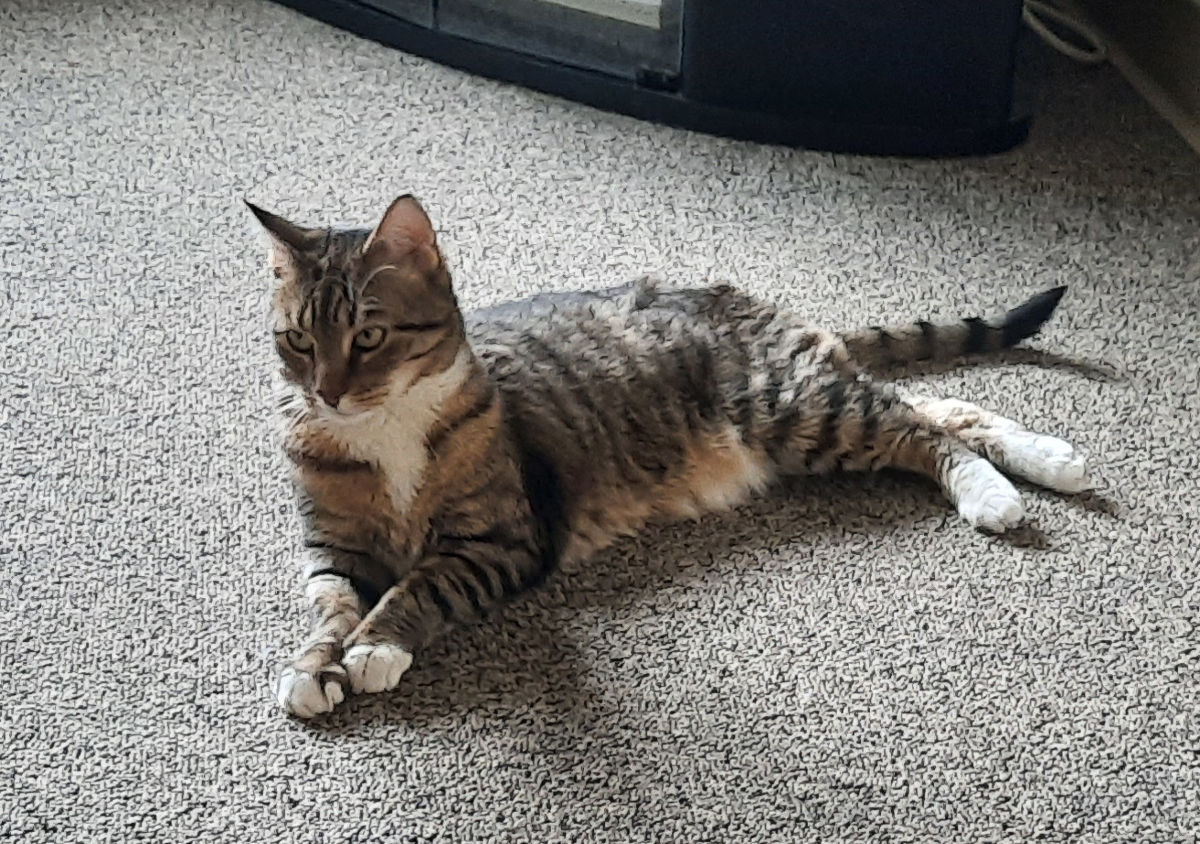
Sheamus’s continued examinations without an audible murmur have been a welcome outcome of his thyroid management. We still consider his documented history relevant because a normal-sounding heart examination cannot answer every question about cardiac structure and function. His ongoing care includes maintaining the thyroid treatment routine that has worked for him and following the results of veterinary assessments.
A clear medical history becomes particularly valuable when a cat develops another illness or needs a procedure requiring anesthesia. Previous cardiac findings, thyroid control, blood pressure measurements, and kidney results can influence how a veterinarian evaluates treatment risks and plans supportive care. Keeping those records together gives future veterinary decisions a more complete clinical foundation, particularly for cats managing several conditions over many years.