
An old nightstand sitting in the garage, a wooden cabinet that no longer matches the living room, or an unused end table might have more practical value than you realize. With thoughtful modifications, these pieces of furniture can become comfortable retreats for dogs and cats that prefer somewhere quiet to rest when household activity becomes overwhelming. They can be particularly useful for recently adopted animals, pets frightened by unfamiliar sounds or visitors, and senior companions experiencing changes in mobility or behavior.
Many pets already seek shelter beneath beds, behind couches, inside closets, or underneath tables. Some of these locations expose animals to electrical cords, moving furniture components, accumulated dust, or narrow spaces that make it difficult for us to reach them. Creating a designated hideaway offers an opportunity to accommodate this natural behavior while improving the safety, cleanliness, and accessibility of the resting area.
Upcycling furniture can also be an affordable alternative to purchasing specialized pet furniture. A project may require little more than removing a cabinet door, inspecting the interior, and adding familiar bedding. Before making any modifications, however, consider how your pet will enter, leave, and rest inside the finished structure.
Understanding Why Pets Seek Enclosed Spaces
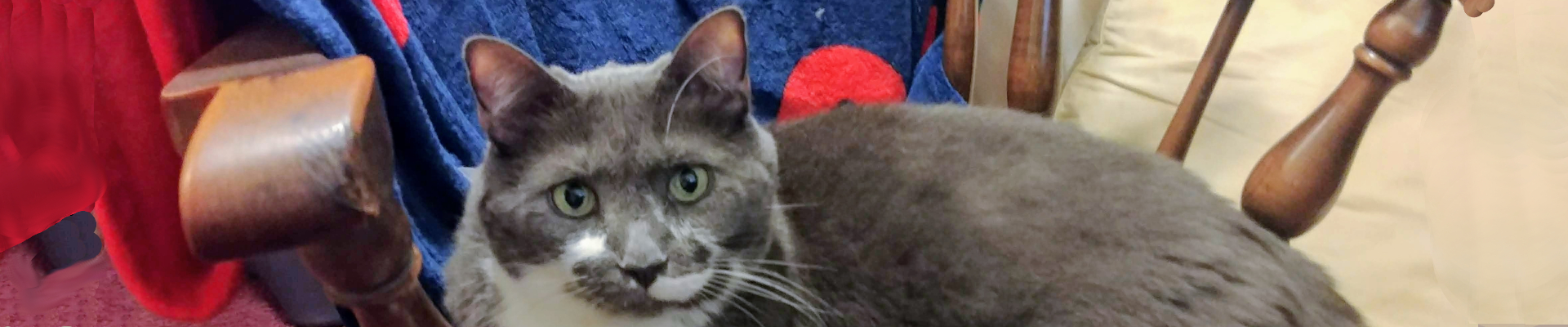
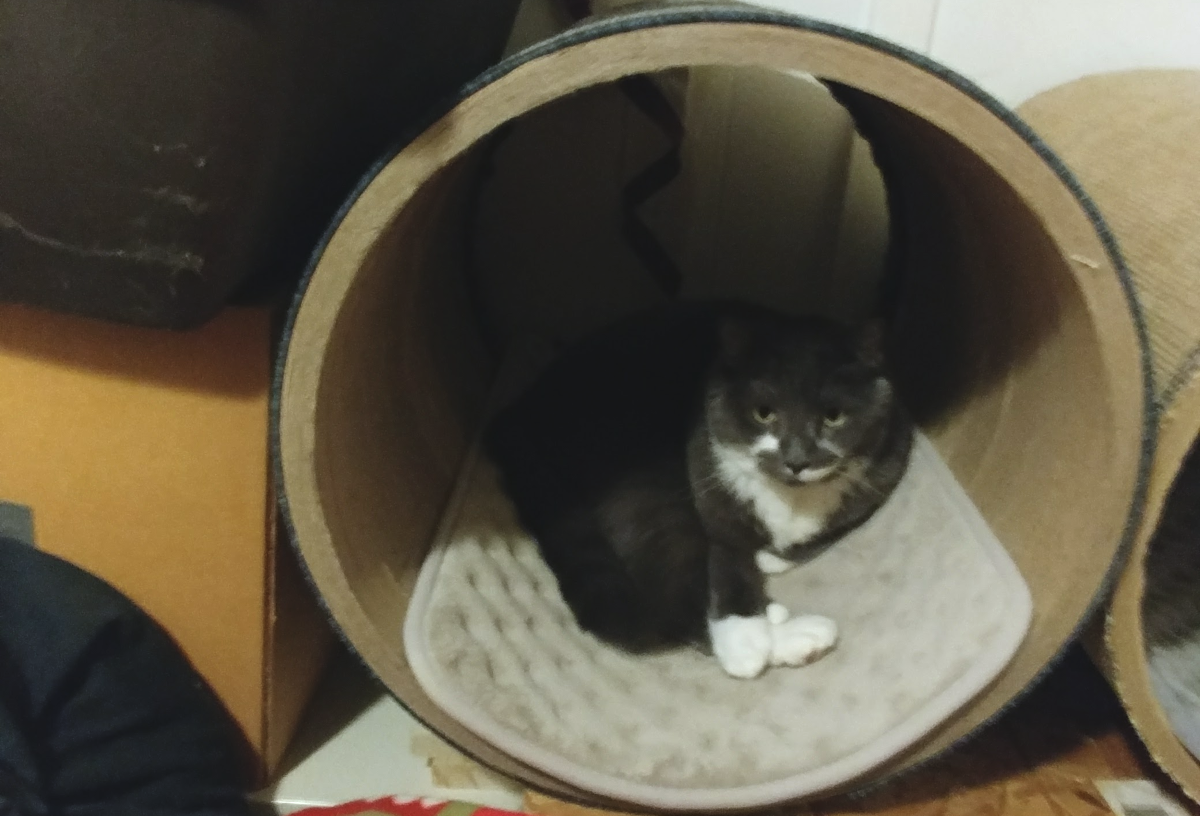
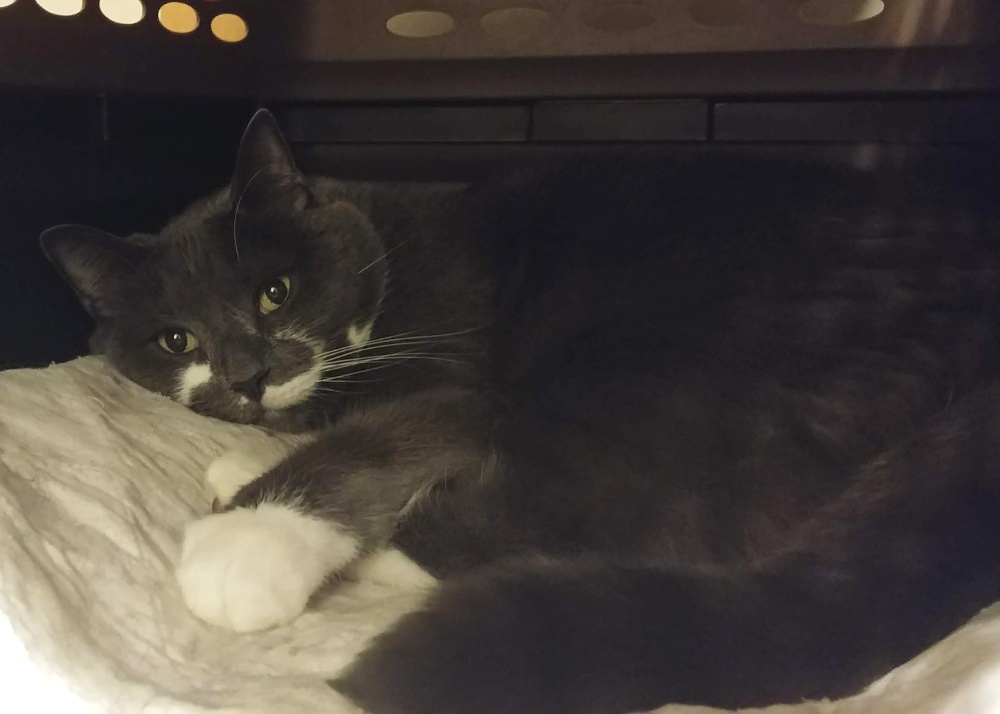 Cats frequently seek places where they can observe their surroundings while remaining partially concealed. A covered resting area provides some separation from unfamiliar people, other animals, and household activity. Even a simple cardboard box can satisfy this preference when it allows a cat to withdraw from view without becoming trapped or losing access to its surroundings.
The AAFP and ISFM Feline Environmental Needs Guidelines identify access to secure hiding and resting places as one of the fundamental environmental needs of domestic cats. The guidelines recommend familiar resting materials, opportunities for concealment, and access to elevated locations when physically appropriate. In households with multiple cats, they also recommend providing at least one individual safe place per cat, distributing these locations throughout the home, and incorporating multiple entrances or exits where another cat might otherwise block access.
Dogs may also seek shelter when frightened, although their preferences vary considerably. Some retreat beneath furniture during thunderstorms or fireworks, while others prefer remaining close to a familiar person. A dog uncomfortable around visitors might settle more readily beneath an open table in a quiet bedroom than inside a fully enclosed cabinet.
Veterinary guidance on managing noise-related fears in dogs recommends establishing a comfortable retreat and building positive associations with that location before frightening events occur. Repurposed furniture can provide such an environment, particularly for dogs that already seek covered resting areas. Animals distressed by confinement should always be able to leave freely, since restricting their movements may intensify fear and provoke attempts to escape.
Choosing the Right Piece of Furniture
Before selecting furniture, spend some time observing where and how your pet currently rests. An animal that regularly sleeps beneath a dining table may prefer overhead cover with open sides, while a cat that retreats into an empty closet may appreciate greater visual privacy. These existing habits provide a useful starting point for deciding how enclosed the finished hideaway should be.
Structurally sound wooden furniture is often a practical choice. End tables, nightstands, low cabinets, and older television stands may offer usable interior space without extensive reconstruction. Pieces with existing open compartments or easily removable doors generally require fewer modifications, making it easier to preserve their structural integrity.
Measure your pet while standing and lying comfortably, allowing additional space for turning, stretching, and repositioning. Remember that bedding reduces the available interior dimensions, particularly the height of the entrance. An animal should never have to squeeze through an opening or adopt an uncomfortable resting position simply to fit inside the furniture.
Reject furniture with mold, pest infestations, extensive water damage, deteriorating materials, or loose structural joints. Older upholstered pieces can also be difficult to inspect thoroughly, particularly when their internal construction includes springs, staples, or damaged fabric. Furniture that wobbles, has unidentified deteriorating finishes, or requires extensive structural repairs is unlikely to be a worthwhile starting point.
Practical Furniture Upcycling Projects
Turning an Old Nightstand into a Cat Hideaway
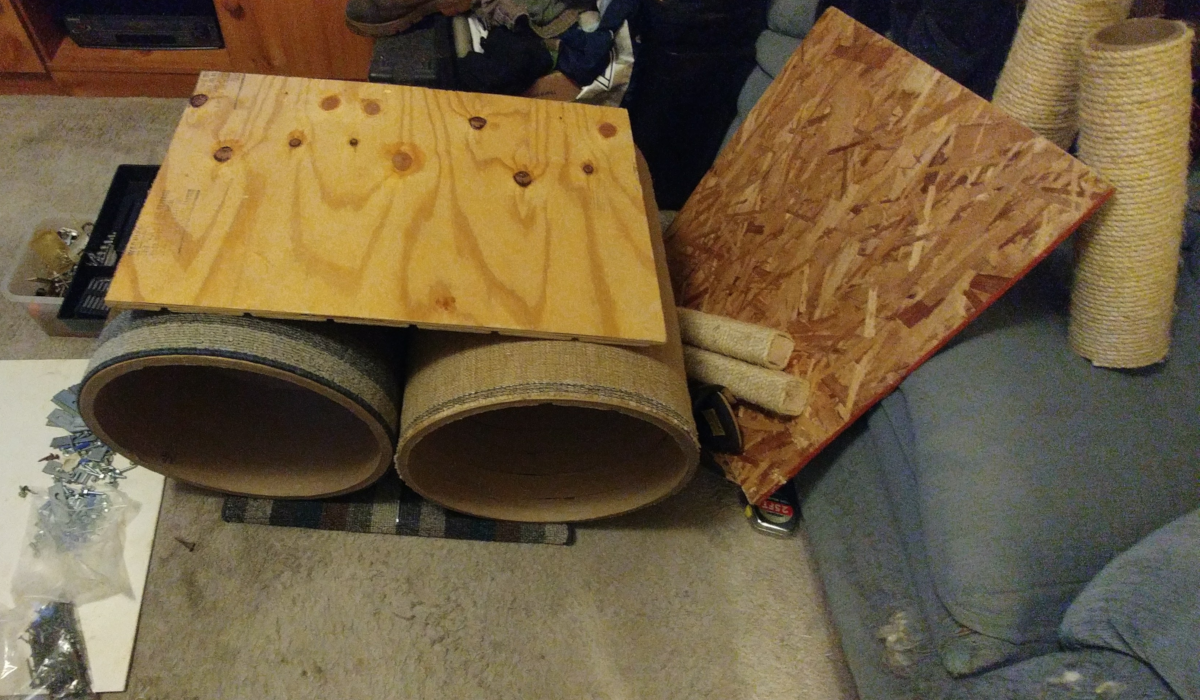 A nightstand with a lower cabinet compartment can become a useful retreat for a cat. Removing the cabinet door and its associated hardware creates a permanently open entrance while preserving the overhead cover and surrounding walls. Depending on the construction, little additional work may be necessary beyond cleaning the compartment and adding bedding.
Examine the cabinet floor for raised edges, protruding screws, and narrow gaps where claws could become caught. Some nightstands have recessed bases that require an animal to step over a substantial threshold before entering. A low, unobstructed entrance is preferable for older cats, especially those with reduced mobility or joint discomfort.
In a household with several cats, a second opening may prevent another animal from controlling access to the compartment. However, cutting through the side of a cabinet can weaken its construction, particularly if that panel supports the upper surface. Select a different piece of furniture if an additional opening cannot be created safely.
The top of the nightstand can continue serving as ordinary household furniture, provided the unit is stable and its contents cannot fall into or around the resting area. Avoid placing fragile decorations, unstable lamps, or dangling electrical cords where a cat entering or climbing onto the furniture could disturb them.
Converting an End Table into a Small Dog Retreat
An end table with an open lower section offers an inexpensive way to provide overhead shelter without completely enclosing a dog. A comfortable bed beneath the table may be sufficient for an animal that prefers remaining near household members while resting away from the busiest part of the room.
Additional privacy can be provided by securely attaching a smooth, rigid panel to one or two sides, as long as the modifications preserve stability, ventilation, and unrestricted access. Avoid loose fabric curtains, hanging cords, and decorative attachments that could become chewing or entanglement hazards. Dogs that regularly chew furniture or swallow nonfood objects may require a simpler arrangement without additional panels or exposed materials.
This type of retreat can work particularly well in a bedroom or quiet corner of a living room. Larger dogs may need a sturdy console table or another appropriately sized piece of furniture. The finished space should accommodate the dog’s natural resting position rather than requiring it to curl tightly beneath the available opening.
Repurposing an Old Entertainment Center
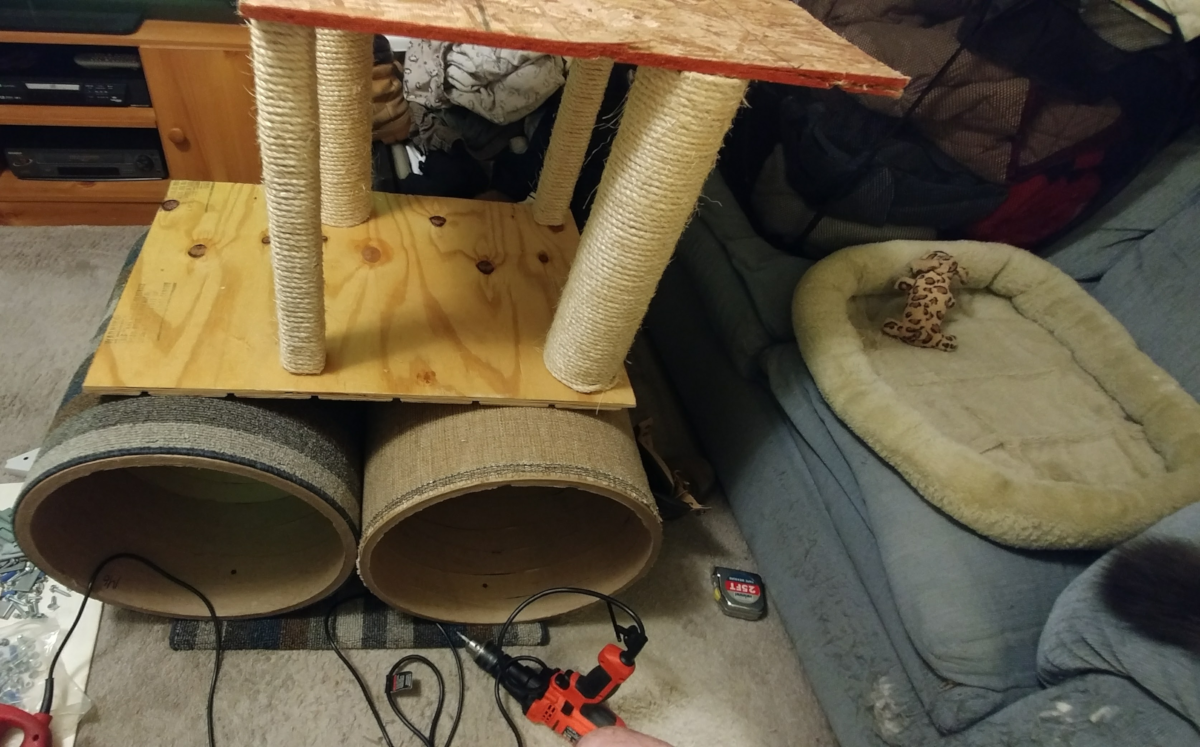 Older entertainment centers often contain spacious lower compartments that once housed electronic equipment. These areas may be suitable for cats or small dogs, particularly when the furniture already has generous openings and removable shelving.
Remove glass doors, unnecessary hardware, electrical equipment, and wiring from the converted area. Examine cable openings at the back of the furniture to ensure they cannot allow an animal to enter a narrow cavity behind the unit. Electrical cords belonging to equipment elsewhere in the entertainment center should remain inaccessible to the pet.
Entertainment centers can be particularly hazardous if they are top-heavy or become unstable after modification. Shelves, dividers, and backing panels sometimes contribute to the strength of the entire structure, even when their purpose appears purely decorative. Avoid removing structural components unless the furniture can be properly reinforced, and secure the unit against tipping before allowing animals to use it.
Creating a Hideaway from an Old Storage Bench
A low storage bench may offer a larger resting area for an animal that prefers remaining close to the floor. Its horizontal design can accommodate bedding and provide overhead shelter for some small and medium-sized dogs, depending on the available interior dimensions.
Conventional storage benches present several concerns because they are designed to contain belongings rather than accommodate living animals. Hinged lids can fall, create pinch points, or trap an animal inside, while solid sides may restrict airflow. A suitable conversion requires a securely constructed, stationary top, a permanently open entrance, and adequate ventilation.
A storage chest with a functioning lid should never be used as an enclosed pet bed. Even leaving the lid propped open introduces a potential hazard if its supporting mechanism fails. Unless the moving components can be eliminated and the remaining structure safely modified, an open-sided bench or sturdy table is a more appropriate choice.
Selecting Safe Materials and Finishes
 Older furniture deserves careful inspection because its original coatings and construction materials may present hazards that are not immediately apparent. Antique painted furniture, pieces with unknown finishes, and items that have been repeatedly refinished require particular caution. An intact-looking surface does not establish that the underlying coatings are safe for an animal that may scratch, lick, or chew them.
The ASPCA’s guidance on keeping pets safe during home repairs identifies lead-containing paint, modern paints and stains, finishing products, and certain adhesives as potential sources of poisoning or injury. Lead-containing paint can be swallowed directly when it flakes or indirectly when contaminated dust settles on an animal’s coat and is ingested during grooming. Some construction adhesives can also cause serious gastrointestinal problems if swallowed.
Avoid sanding, scraping, or cutting furniture suspected of containing lead-based paint until it has been appropriately assessed. Applying a fresh coat of paint over an unidentified finish does not necessarily eliminate the underlying hazard, particularly on surfaces exposed to scratching and chewing. If the history or condition of a piece raises concerns that cannot be resolved, choosing another item is generally the safer and less expensive approach.
For furniture suitable for refinishing, select products intended for indoor use and appropriate for the material being treated. Water-based and low-VOC products are available, but these descriptions do not establish that a finish is safe for ingestion or repeated chewing. Follow the manufacturer’s application, ventilation, drying, and curing instructions, keeping animals away from the work area until the project is complete, the finish has fully cured, and the area has been thoroughly cleaned and ventilated.
Before introducing your pet to the finished furniture, inspect the following construction details:
- Smooth newly cut edges and remove splinters.
- Remove unnecessary hinges, drawer slides, and exposed staples.
- Check for protruding screws, nails, and other fasteners.
- Eliminate gaps where heads, paws, claws, or collars could become trapped.
- Avoid exposed adhesives, loose strings, and easily swallowed decorations.
- Remove or permanently secure moving components that could cause injury.
- Maintain unobstructed entrances and adequate airflow.
- Confirm that the furniture and all attached components remain stable.
Furniture that could tip should be appropriately anchored. The Consumer Product Safety Commission’s furniture anchoring guidance primarily addresses injuries involving children, but the mechanical hazard is also relevant to furniture that animals climb onto or lean against. Choose suitable anchoring hardware for the furniture and wall construction, and remember that anchoring does not compensate for weakened joints or damaged structural supports.
Designing Hideaways for Senior and Chronically Ill Pets
A hideaway intended for an older dog or cat needs to accommodate changes in physical ability. Arthritis, muscle loss, impaired vision, and neurological conditions can affect how comfortably an animal enters a resting area, changes position, and stands up again. A raised cabinet entrance that presents little difficulty to a healthy young cat may become an obstacle for an older animal with painful joints.
Whenever possible, provide a floor-level entrance without a raised threshold. Secure, nonslip flooring immediately outside the opening can improve traction, particularly on hardwood or tile. Inside the compartment, supportive bedding should provide cushioning without being so deep or unstable that the animal struggles to rise.
The 2023 AAFP and IAAHPC Feline Hospice and Palliative Care Guidelines emphasize maintaining access to preferred resting areas and adjusting the home environment when illness or reduced mobility interferes with that access. Although these guidelines specifically address cats receiving hospice and palliative care, many of their environmental recommendations are also practical for senior cats experiencing physical limitations. Keeping essential resources within comfortable reach and preserving familiar resting arrangements can reduce unnecessary obstacles during daily activities.
Accessibility matters to the caregiver as well. Caring for a diabetic pet, an animal with kidney disease, or a companion receiving ongoing medication often involves checking appetite, observing behavior, and administering scheduled treatments. A hideaway should allow you to assess the animal’s general condition and reach it when necessary without dismantling furniture, moving heavy objects, or dragging it through a narrow opening.
Choose removable, washable bedding, particularly for animals that experience urinary accidents, vomiting, or difficulty grooming. A waterproof protective layer beneath the bedding can simplify cleaning, provided it is securely positioned and inaccessible to chewing. Keeping a second set of bedding available also allows you to clean the compartment without temporarily removing one of your pet’s preferred resting places.
Choosing a Location Within the Home
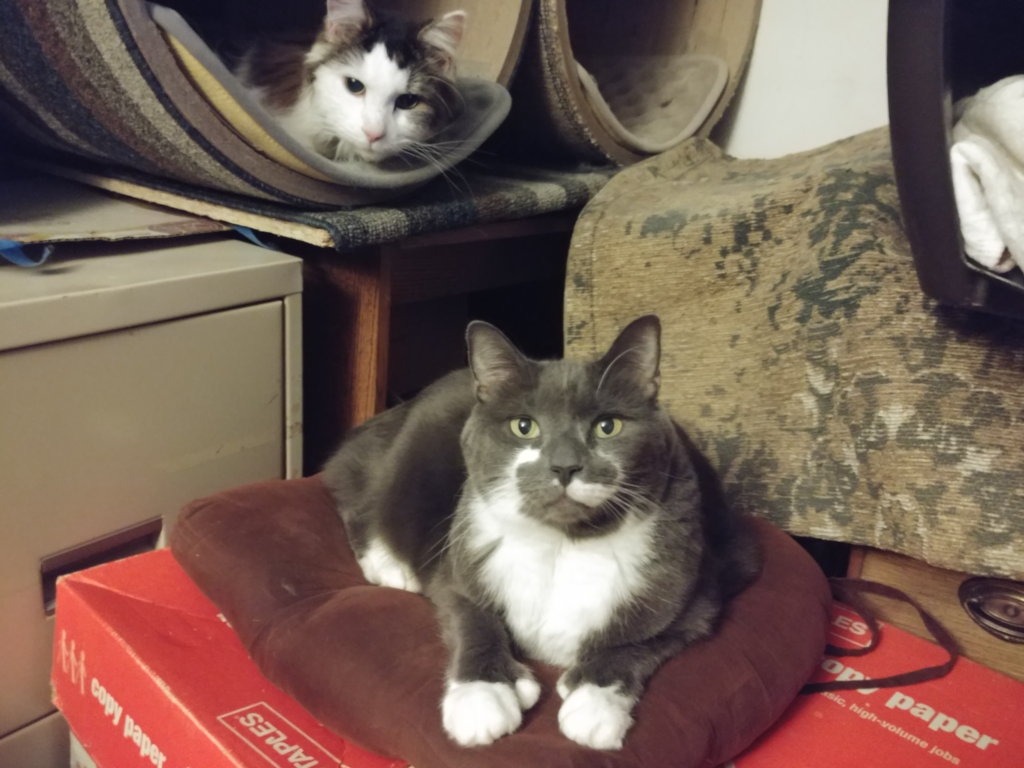 The location of a hideaway can influence whether an animal chooses to use it. A restored cabinet beside a washing machine, television speaker, or frequently opened exterior door may be unsuitable for a pet frightened by sudden sounds. Observe where your animal settles during ordinary household activity and where it retreats when something becomes unsettling.
An interior room away from exterior windows may help reduce exposure to outdoor noise and visual disturbances for noise-sensitive dogs. Other animals may prefer a quiet corner within sight of familiar household members. For these pets, a retreat in the living room may be more appealing than one in an isolated bedroom, even if the bedroom is considerably quieter.
Avoid positioning the furniture beside radiators, fireplaces, heating vents, or windows exposed to intense direct sunlight. Partially enclosed furniture can become warmer than expected, especially when surrounded by thick bedding or solid panels. Check the temperature and airflow inside the compartment at different times of day, and ensure the animal can always move to a cooler resting area.
Households with several animals should provide multiple resting options in separate locations. A cat may avoid an otherwise comfortable hideaway if reaching it requires passing another animal that regularly occupies the same hallway or doorway. Distributing resting areas throughout the home gives animals alternatives without requiring them to compete for a single sheltered location.
Helping Your Pet Become Comfortable with the Hideaway
Introduce the finished furniture during an ordinary, relatively quiet day rather than immediately before a thunderstorm, gathering, or other stressful event. Placing a familiar blanket or existing pet bed inside can make the resting area more recognizable. If the bedding is reasonably clean, there is no particular advantage to replacing it with unfamiliar materials solely for the sake of completing the project.
Allow your pet to investigate voluntarily. A familiar toy or an appropriate treat near the entrance may encourage exploration, although prescribed dietary restrictions and established feeding routines should be respected. Avoid physically placing an unwilling animal inside, closing off the entrance, or repeatedly encouraging it to remain there when it attempts to leave.
Family members should understand that the hideaway is intended to be an undisturbed resting area. Children should not crawl inside to play with the animal, and visitors should avoid reaching into the compartment to initiate contact. A frightened dog or cat with limited room to withdraw may respond defensively when approached, even if it normally tolerates similar interactions elsewhere in the home.
Some animals will investigate the furniture immediately, while others may continue using their established resting places. If the new space receives little attention, consider whether its location, degree of enclosure, bedding, or entrance differs substantially from the places your pet already prefers. Changing one feature at a time can help you identify which adjustments make the area more appealing without repeatedly disrupting the environment.
Recognizing When Increased Hiding May Indicate Illness
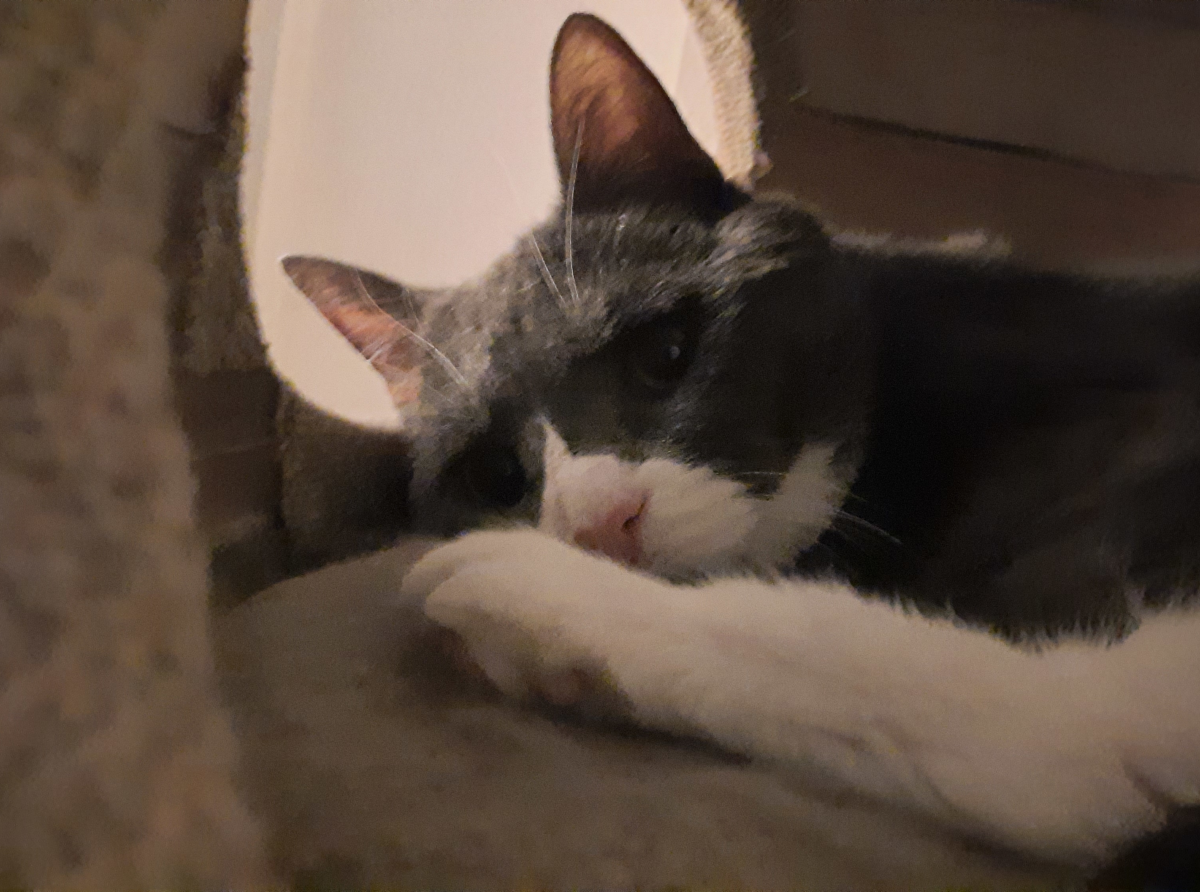 Providing an anxious pet with a comfortable retreat is a useful environmental accommodation, but changes in hiding behavior deserve attention. An animal that regularly withdraws during thunderstorms or unfamiliar social activity is responding under recognizable circumstances. A pet that suddenly begins spending much more time concealed, particularly without an identifiable environmental trigger, may be experiencing pain, illness, or another behavioral or medical problem.
VCA Animal Hospitals’ veterinary information on fear, phobias, and anxiety in cats and dogs discusses how medical conditions and age-related changes can contribute to behavioral problems. Pain, declining sensory abilities, and other medical concerns may influence how an animal responds to familiar surroundings. New or worsening fear in an older pet should therefore not automatically be attributed to aging or an anxious personality.
Pay attention to whether increased hiding accompanies changes in appetite, drinking, mobility, grooming, elimination, or responsiveness. A new and persistent change in behavior warrants veterinary assessment, particularly when the animal has an existing medical condition or is also eating less. Recording when the behavior began, how frequently it occurs, and what other changes you have observed can help provide useful context during the examination.
Certain accompanying symptoms require more immediate attention. Difficulty breathing, collapse, and repeated attempts to urinate that produce little or no urine are among the signs that warrant emergency veterinary assessment. A pet displaying these symptoms should receive prompt emergency care rather than being left undisturbed in its hideaway in the hope that the problem will resolve.
Persistent or severe anxiety may also require professional behavioral assessment and an individualized treatment plan. A furniture hideaway can complement appropriate behavioral management, but it cannot independently resolve separation-related distress, severe noise phobias, or fear associated with an underlying medical condition.
Maintaining and Adapting the Hideaway Over Time
Repurposed furniture should receive periodic inspections because ordinary use can loosen hardware, wear away finishes, and expose previously concealed surfaces. Cats may gradually scratch through painted edges, while dogs may chew corners or damage attached panels. Inspect these areas when changing the bedding, paying particular attention to stability, ventilation openings, and any developing gaps that could cause injury.
Cleaning should include the surfaces beneath and around the bedding, where shed fur, moisture, and debris can accumulate. Choose cleaning products appropriate for the material and follow their instructions for safe use around animals, including any necessary rinsing and drying. Avoid heavily scented deodorizers and unnecessary fragrance products inside the compartment, particularly when an animal spends extended periods resting there.
An advantage of keeping the original conversion relatively simple is that the furniture can be adapted as the animal’s physical needs change. Removable bedding, open entrances, and uncomplicated interior surfaces make it easier to accommodate declining mobility without introducing an entirely unfamiliar resting arrangement. When an older pet begins struggling to enter, turn around, or rise comfortably, adjusting the furniture or providing a suitable ground-level bed beside it can preserve access to a familiar part of the home.