

One of the more frustrating aspects of caring for a cat with chronic kidney disease (CKD) is how quickly an established feeding routine can fall apart. A cat that has been eating reasonably well for several weeks may suddenly approach the food bowl, sniff its contents, and walk away. By the next meal, even a favorite food may generate little interest. For someone managing feline kidney disease at home, these changes raise concerns about whether the disease has progressed or whether another medical problem is interfering with the cat’s appetite.
Among caregivers of cats with kidney disease, a sudden deterioration in appetite, energy, hydration, and general well-being is often referred to as a kidney disease “crash.” Although this is not a formal veterinary diagnosis, the term describes a situation in which a previously manageable condition becomes considerably more difficult to control. Some cats recover from these episodes with appropriate treatment, while others may be experiencing significant changes in kidney function or complications from another illness.
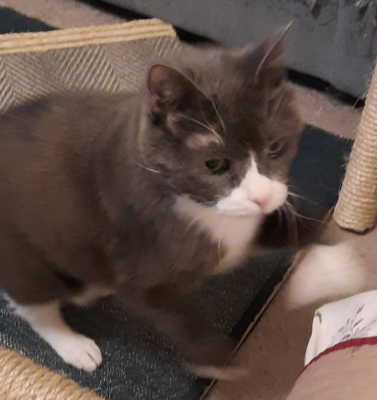
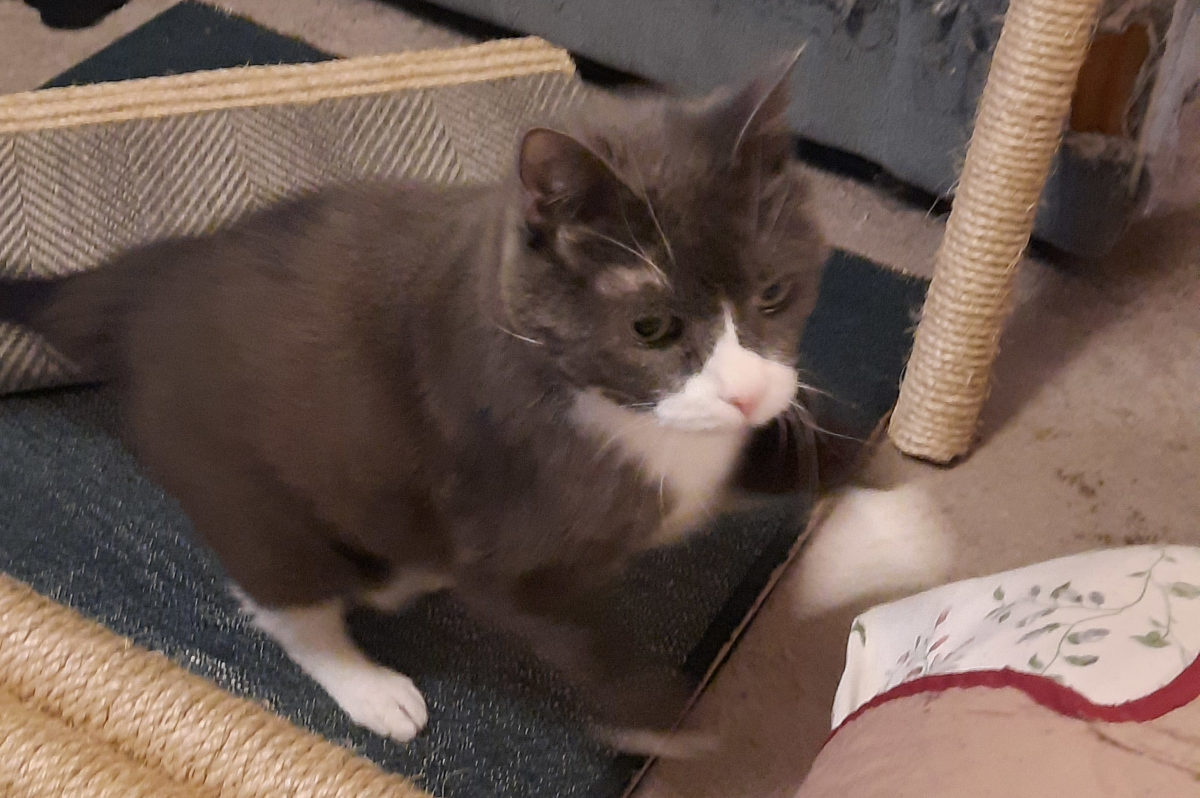
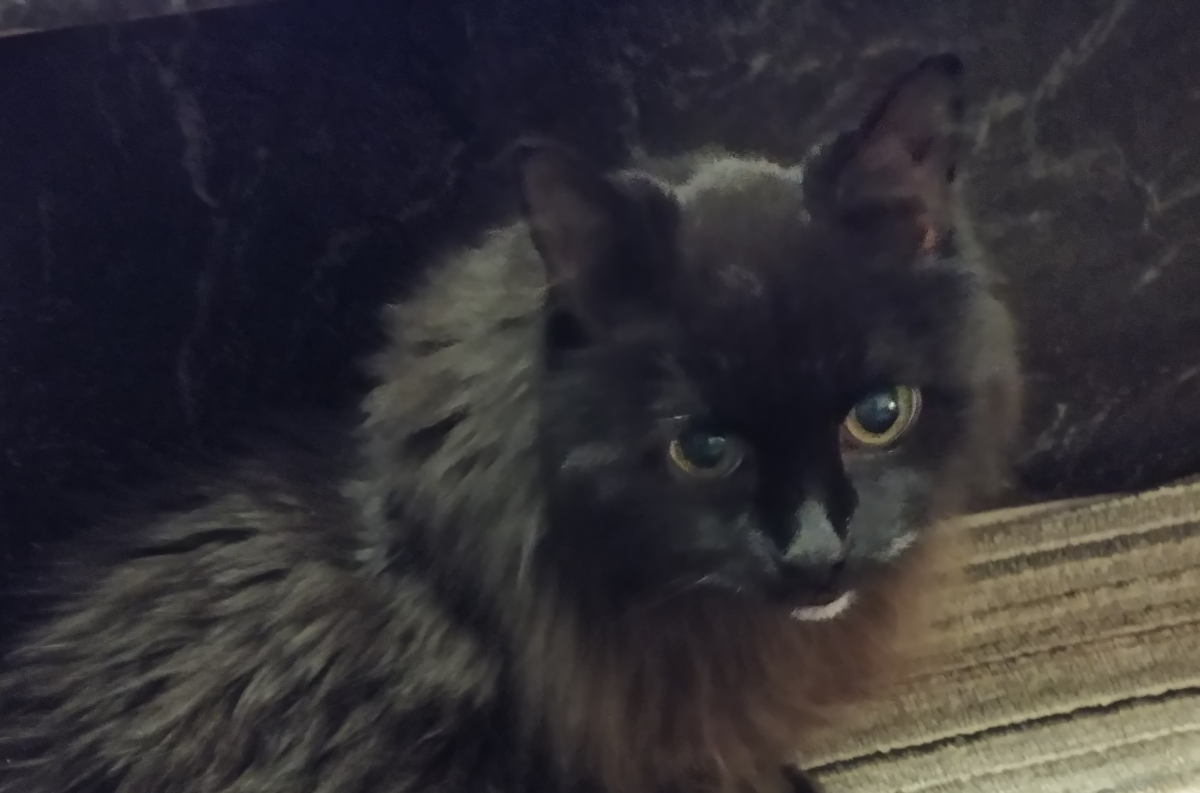
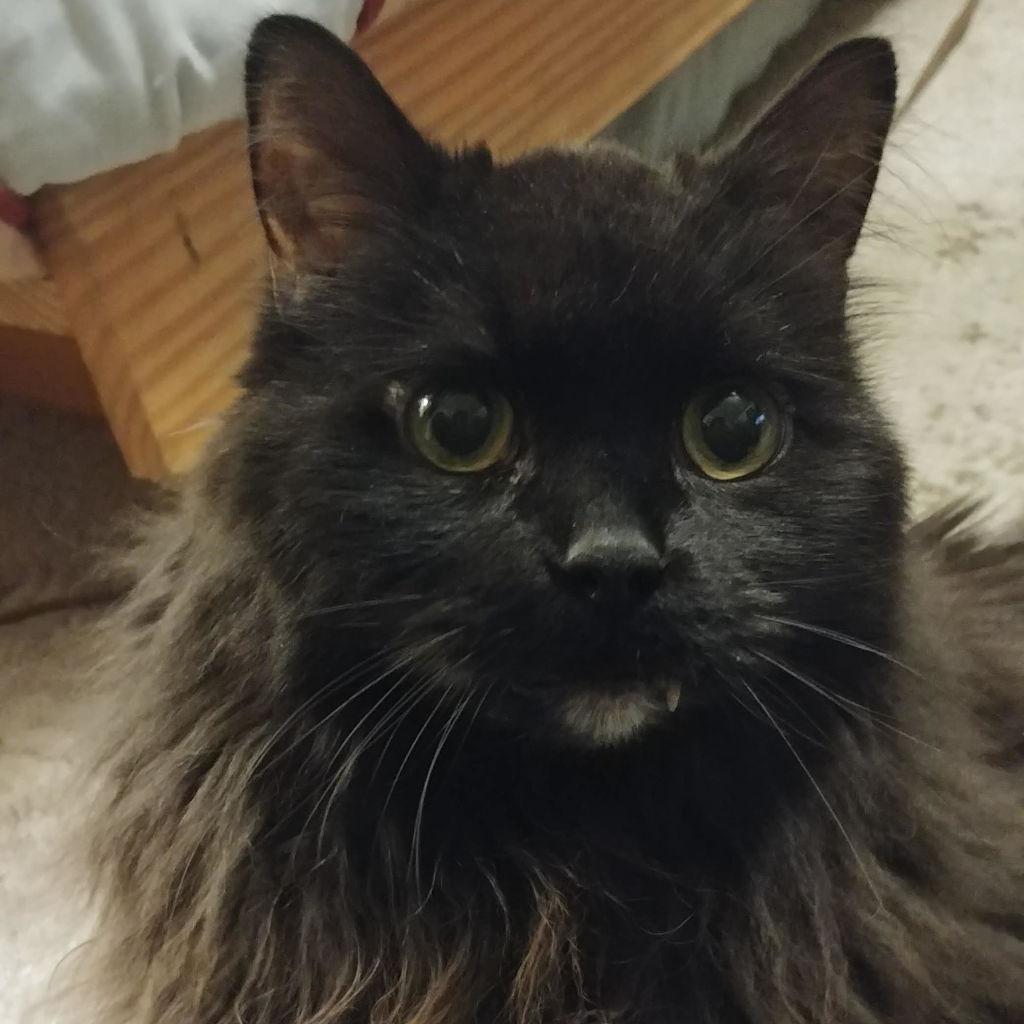
Having cared for several cats with kidney disease over the years, including Belle, Pebbles, Clyde, and Blackie, we understand the attention that feeding can demand when managing chronic illness. Maintaining adequate nutrition becomes particularly challenging when a cat feels unwell, and repeatedly searching for an acceptable food can become an exhausting exercise. Understanding the possible reasons behind a loss of appetite helps caregivers recognize when changes to the feeding routine are unlikely to resolve the problem on their own.
What Happens During a Feline Kidney Disease Crash?
Chronic kidney disease reduces the kidneys’ ability to perform several essential functions. Healthy kidneys remove metabolic waste products from the bloodstream, regulate electrolyte concentrations, help maintain fluid balance, and participate in processes that influence blood pressure and red blood cell production. As kidney function declines, maintaining these processes becomes increasingly difficult, although cats can remain medically stable for considerable periods despite having impaired kidney function.
Dehydration, infection, urinary obstruction, and other medical problems can disrupt that stability. In some cases, a cat with established CKD experiences an additional episode of acute kidney injury, a condition commonly described as acute-on-chronic kidney injury. However, a sudden loss of appetite does not necessarily establish that further kidney damage has occurred.
As kidney function becomes more severely impaired, the accumulation of metabolic waste products can contribute to a clinical condition known as uremia. Affected cats may experience nausea, vomiting, weakness, and poor appetite. Other complications, including low potassium concentrations and disturbances in the body’s acid-base balance, can contribute to declining physical condition and reduced food consumption.
The 2026 International Cat Care consensus guidelines on the diagnosis and management of chronic kidney disease in cats address the interconnected problems of hydration, nutrition, metabolic abnormalities, and concurrent illnesses. Identifying which of these problems is contributing to a sudden deterioration helps determine whether the cat needs additional supportive care, treatment for another condition, or more intensive medical intervention.
When a Loss of Appetite Requires Immediate Attention
 A cat with diagnosed kidney disease that suddenly stops eating should receive prompt veterinary attention. Contact your veterinary office the same day you recognize a complete refusal of food, rather than spending several days experimenting with different meals. A substantial reduction in food consumption also warrants timely attention, particularly when accompanied by vomiting, weakness, or changes in drinking and elimination.
The Cornell University College of Veterinary Medicine’s information on feline anorexia explains that sustained appetite loss can adversely affect an adult cat’s health in as little as 24 hours. That timeframe should not be interpreted as a recommended waiting period, especially for a senior cat with an existing chronic illness.
Seek emergency veterinary care if your cat displays any of the following symptoms or circumstances:
- Repeated vomiting or an inability to keep water down.
- Collapse, profound weakness, or an inability to stand.
- Labored breathing or open-mouth breathing.
- Straining to urinate while producing little or no urine.
- Seizures, severe disorientation, or markedly reduced responsiveness.
- Suspected exposure to lilies, antifreeze, or other potentially toxic substances.
- Vomiting blood or passing black, tarry stools.
Some of these symptoms may indicate medical problems unrelated to the progression of chronic kidney disease. A urinary obstruction, for example, can cause vomiting, appetite loss, and dangerous disturbances in kidney function and electrolyte concentrations. The Merck Veterinary Manual’s guidance on feline urinary emergencies explains why suspected urinary obstruction, toxic exposure, and acute kidney injury require immediate attention.
Recognizing Nausea When Your Cat Isn’t Vomiting
Nausea can be difficult to recognize in cats because vomiting does not necessarily accompany it. A cat may follow its owner into the kitchen, approach the bowl when food is served, and withdraw after smelling it. Others repeatedly investigate their meals without consuming a meaningful amount, creating the impression that they are hungry but unwilling or unable to eat.
Frequent lip licking, excessive swallowing, drooling, retching, and turning away from food are behaviors that may suggest nausea. Some cats also become restless or adopt an unusually hunched posture. These observations are not specific to nausea, however, since oral disease, abdominal discomfort, and other painful conditions can produce similar behavior.
The distinction has practical implications for treatment. An appetite stimulant may produce limited improvement if the cat continues to experience considerable nausea or pain. Describing precisely what happens when food is offered, including whether the cat attempts to chew or swallow, can help the veterinarian investigate the reasons behind food avoidance.
Dehydration and the Cycle of Declining Appetite
 Many cats with CKD lose some of their ability to concentrate urine, resulting in increased urinary water losses. They compensate by drinking more, but their water consumption may not always be sufficient to maintain adequate hydration. Frequent visits to the water bowl therefore do not necessarily indicate that a cat is adequately hydrated.
Reduced food consumption can compound the problem, particularly for cats that normally obtain a substantial portion of their daily water intake from canned food. Vomiting or diarrhea may contribute additional fluid losses, while nausea and weakness can reduce the willingness to drink. Dehydration can subsequently impair kidney filtration and contribute to constipation, lethargy, and further appetite loss.
Tacky gums, sunken eyes, and changes in activity may accompany dehydration, although caregivers cannot reliably determine its severity through these observations alone. The traditional skin-tenting test, which involves gently lifting the skin and observing how quickly it returns to position, can also be misleading in elderly cats with reduced skin elasticity or diminished body fat. A cat’s usual fluid requirements may change substantially during an acute illness, making professional assessment more useful than relying exclusively on familiar home observations.
Looking Beyond the Kidney Disease Diagnosis
Once a cat has been diagnosed with CKD, it becomes easy to associate subsequent health problems with its kidneys. Senior cats frequently live with several medical conditions simultaneously, however, and dental disease, constipation, pancreatitis, gastrointestinal disorders, infections, and medication side effects can all interfere with eating. Complications associated with kidney disease, including anemia and electrolyte abnormalities, may also contribute to declining activity and appetite.
Belle lived with kidney disease alongside hyperthyroidism, high blood pressure, and dehydration. Clyde and Blackie also had both kidney disease and hyperthyroidism. Their medical histories illustrate the complexity of caring for cats with multiple chronic conditions and why an existing diagnosis should not automatically explain every new symptom.
When investigating a sudden loss of appetite, a veterinarian may recommend blood chemistry testing, a complete blood count, urinalysis, blood pressure measurements, urine culture, or diagnostic imaging. Examination of the mouth, assessment of hydration, and evaluation for abdominal discomfort may provide additional information. Reviewing current medications is also worthwhile, particularly if appetite changes developed after a new prescription or treatment adjustment.
Comparing new laboratory results with previous measurements can help establish what has changed. Dehydration and acute illness may temporarily increase creatinine concentrations, which is one reason the International Renal Interest Society’s CKD staging system is intended for stable, adequately hydrated patients. Blood tests performed during a crash remain valuable for guiding treatment, but reassessing kidney function after stabilization may provide a more representative picture of the underlying chronic disease.
Veterinary Treatment for a Kidney Disease Crash
Treatment depends on the underlying cause of the deterioration, the severity of the symptoms, and the cat’s other medical conditions. Some cats require hospitalization for intravenous fluids and close monitoring, while others may be sufficiently stable to receive outpatient treatment. Addressing nausea, restoring hydration, correcting metabolic abnormalities, and providing nutritional support may all form part of the treatment plan.
Anti-Nausea Medications
Veterinarians may prescribe medications such as maropitant (Cerenia) or ondansetron to manage nausea and vomiting in cats with kidney disease. These medications act through different pathways, and their effectiveness can vary depending on the clinical problem being treated.
The International Renal Interest Society’s review of nausea, vomiting, and appetite loss in cats with CKD discusses a controlled clinical trial in which maropitant reduced vomiting over a two-week treatment period without demonstrating significant improvements in appetite or body weight. The findings illustrate why the absence of vomiting should not be used as the sole measure of recovery in a cat experiencing nutritional difficulties.
Acid-reducing medications such as famotidine and omeprazole have historically been discussed in feline kidney disease care. Current evidence, however, does not establish excessive stomach acid as a routine cause of CKD-related nausea or support indiscriminate acid suppression for appetite loss. These medications may have appropriate uses when a separate medical indication has been identified.
Appetite Stimulants
 Mirtazapine has appetite-stimulating and anti-nausea properties and is available in oral and transdermal formulations. Short-term controlled studies involving cats with stage 2 or stage 3 CKD have demonstrated improvements in appetite and body weight. These findings support its use in selected patients but do not establish that it will restore adequate eating during every kidney disease crisis.
Capromorelin, marketed in the United States as Elura, is another prescription medication approved specifically for managing weight loss in cats with CKD. It acts on receptors associated with ghrelin, a hormone involved in appetite regulation. The FDA’s information on approved medications for cats identifies several considerations associated with capromorelin, including its potential effects on blood glucose, heart rate, and blood pressure.
Kidney impairment can affect the elimination of certain medications, including mirtazapine, while concurrent illnesses can influence which appetite stimulant is appropriate. Prescription selection and administration schedules must therefore account for the individual patient’s medical circumstances. Continued refusal of food despite medication may indicate that additional investigation or nutritional intervention is needed.
Fluid Therapy
Subcutaneous fluid administration is familiar to many caregivers managing feline kidney disease. When prescribed appropriately, fluids delivered beneath the skin can help selected cats maintain hydration at home. This approach is generally intended to address ongoing hydration needs rather than replace emergency treatment during a substantial deterioration.
A severely dehydrated or medically unstable cat may require intravenous fluid therapy, which allows the veterinary team to manage fluid delivery alongside laboratory testing and clinical monitoring. Cats with heart disease or substantially reduced urine production require particular attention because they may have an increased risk of fluid overload.
Even if your cat already receives subcutaneous fluids at home, increasing the volume or frequency without veterinary direction can create serious complications. An established maintenance schedule may no longer be appropriate when the cat’s circulation, hydration status, or ability to eliminate fluids has changed.
Getting Your CKD Cat Interested in Food Again
While arranging veterinary assessment or following an established treatment plan, there are several practical ways to make voluntary eating more appealing. These measures are most useful when the cat is alert, able to swallow normally, and comfortable enough to investigate food without considerable distress.
Start with familiar foods that your cat has previously accepted. Offering a small, fresh portion may be more successful than presenting a large bowl that has been sitting out for several hours. Gently warming food can strengthen its aroma, although a cat experiencing nausea may respond better to food served at room temperature or slightly cooler.
Texture can also influence acceptance. A cat that normally eats chunks of food in gravy may temporarily prefer a smooth pâté, while another may accept its regular wet food mixed with a little warm water. Avoid making food excessively hot, and refrigerate unused portions rather than repeatedly reheating them.
The feeding environment deserves attention as well. A shallow dish placed in a quiet, accessible area may be more comfortable for a cat experiencing weakness, arthritis, or difficulty bending. Feeding separately from other household animals can reduce interruptions and make it easier to determine how much food the cat actually consumes.
Avoid repeatedly presenting food directly against the cat’s face or following it around the house with a bowl. Allowing the cat to approach voluntarily reduces unnecessary pressure during meals. If several attempts produce little more than a few licks of gravy, record that limited intake rather than assuming the cat has eaten a satisfactory meal.
When Your Cat Refuses Its Prescription Kidney Diet
 Therapeutic renal diets have an established role in managing feline chronic kidney disease. Their controlled phosphorus content, adjusted protein levels, and other nutritional characteristics are intended to address metabolic and nutritional needs associated with impaired kidney function. A 2006 controlled clinical study of dietary management in cats with stage 2 or stage 3 CKD demonstrated that the therapeutic renal diet evaluated in the study reduced uremic episodes and kidney-related deaths compared with a conventional adult maintenance diet.
A therapeutic diet cannot provide those nutritional benefits when the cat refuses to consume it. During an episode of significant appetite loss, obtaining adequate calories may temporarily take priority over strict adherence to the prescribed renal diet. A familiar, complete and balanced cat food may be an appropriate short-term alternative under veterinary guidance, with additional consideration given to conditions such as diabetes and food intolerances.
Introducing an unfamiliar renal diet during an episode of nausea can create another difficulty. Cats may develop an aversion to foods associated with unpleasant experiences, potentially rejecting those foods even after their condition improves. Dietary transitions are often better attempted once the cat feels more comfortable and has established a reasonably consistent eating pattern.
Understanding the Risks of Force-Feeding
When a cat refuses every food offered, the temptation to syringe food into its mouth is understandable. Watching an already thin animal consume progressively less can make forced feeding appear to be the most immediate way of addressing its nutritional needs. Unfortunately, putting food into the mouth of a nauseated, weak, or unwilling cat can cause distress, reinforce food aversion, and introduce the risk of aspiration, in which food enters the respiratory tract.
The 2022 International Society of Feline Medicine consensus guidelines on managing cats with inadequate food intake discourage force-feeding and recommend timely nutritional intervention alongside treatment of the underlying illness. When voluntary eating remains inadequate, a veterinary feeding tube may offer a more appropriate method of providing nutrition.
An esophagostomy feeding tube, placed through the neck into the esophagus, can allow caregivers to administer prescribed food, water, and compatible medications at home after receiving appropriate training. Feeding tubes may provide temporary support during recovery or serve as part of longer-term management in selected patients. Their suitability depends on the cat’s medical stability, anticipated nutritional needs, and ability to tolerate the necessary procedure.
Prolonged inadequate food intake also places cats at risk of hepatic lipidosis, commonly called fatty liver disease. During substantial nutritional deprivation, fat mobilized from body reserves can accumulate within the liver and interfere with its normal function. Overweight cats are particularly susceptible, although the condition can also develop in cats that were not overweight before becoming ill.
Severely malnourished cats may require a carefully controlled return to feeding because of the risk of electrolyte disturbances associated with refeeding syndrome. This is another reason that extended periods of inadequate nutrition require a structured medical and nutritional plan rather than increasingly aggressive feeding attempts at home.
Special Considerations for Diabetic Cats with Kidney Disease
 Managing appetite loss becomes more complicated when a cat also has diabetes. Reduced food consumption can influence blood glucose concentrations and insulin requirements, while infection, inflammation, and other illnesses may contribute to glucose instability. Kidney impairment can further complicate insulin management.
Continuing a usual insulin regimen during substantial appetite loss may increase the risk of hypoglycemia in some circumstances. Conversely, inadequate insulin availability during illness can contribute to diabetic ketoacidosis (DKA), a potentially life-threatening metabolic complication. Reduced food consumption alone cannot establish what insulin adjustment, if any, is appropriate.
Caregivers should follow their veterinarian’s established sick-day instructions and obtain guidance before the next scheduled insulin dose when food consumption has substantially declined. Blood glucose measurements, ketone readings when available, recent insulin administration records, and estimated food intake can help inform treatment decisions. An unwell diabetic cat requires prompt assessment even when its glucose readings appear relatively close to the usual range.
Cats receiving oral diabetes medications known as SGLT2 inhibitors require additional consideration because diabetic ketoacidosis can develop without the markedly elevated blood glucose concentrations traditionally associated with DKA. Loss of appetite, vomiting, and lethargy in these patients warrant immediate veterinary contact and assessment for ketone-related complications.
Keeping Track of Recovery After a Crash
Once treatment has begun and your cat shows renewed interest in food, document how much is actually being consumed. Eating a few bites after receiving medication is an encouraging development, but it does not necessarily indicate that daily nutritional requirements are being met. Appetite may return gradually, and a cat can remain in a substantial calorie deficit despite appearing more interested in meals.
A simple notebook can help organize observations without turning every feeding into a complicated monitoring exercise. Useful information includes food consumption, vomiting episodes, water intake, urination, bowel movements, body weight, medication administration, and changes in activity. The approximate time when appetite initially declined is also worth recording.
A small digital kitchen scale can help estimate food consumption by weighing portions before and after meals. When several cats share feeding areas, temporary separation may improve the accuracy of these measurements. Ask for an appropriate daily calorie target and specific instructions about what level of consumption should prompt further assessment.
Preparing for Future Episodes and Evaluating Quality of Life
 After a cat has recovered from an episode of severe appetite loss, there is an opportunity to establish a more specific plan for future difficulties. Written instructions can address prescribed anti-nausea medications, home fluid administration where appropriate, acceptable alternative foods, and circumstances requiring additional treatment. Keeping emergency veterinary contact information alongside medication records and recent laboratory results makes these details readily available if another episode develops outside normal office hours.
Caregivers facing financial or practical limitations may also benefit from discussing which examinations, tests, and supportive treatments should receive priority during a future deterioration. Establishing realistic outpatient options in advance can make it easier to determine when home management remains appropriate and when hospitalization or another approach is necessary.
For cats with advanced kidney disease, repeated episodes of food refusal deserve consideration within the broader assessment of quality of life. The frequency of these episodes, the length of recovery, persistent nausea, progressive muscle loss, and the amount of discomfort between treatments provide useful information about how well the existing care plan is meeting the cat’s needs.
A temporary setback does not necessarily indicate that a cat has reached the final stages of kidney disease. As episodes become more frequent or recovery becomes less complete, however, the benefits and burdens of treatment may change. Discussions about comfort-focused care, nutritional support, and tolerance of ongoing medical procedures can help establish treatment goals that reflect the cat’s everyday physical condition, enjoyment of ordinary activities, and ability to remain comfortable between veterinary appointments.