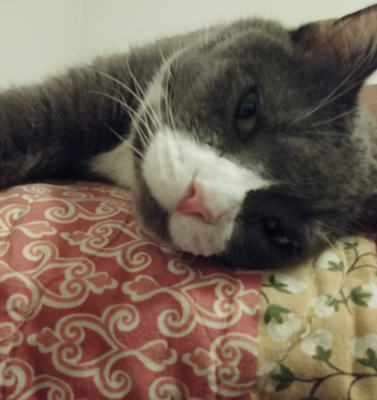
Managing Chronic Nausea in Aging Cats
Chronic nausea is one of the most subtle yet distressing conditions that can affect aging cats. Unlike sudden vomiting from eating too fast or swallowing a hairball, long term nausea often creeps in quietly.

Chronic nausea is one of the most subtle yet distressing conditions that can affect aging cats. Unlike sudden vomiting from eating too fast or swallowing a hairball, long term nausea often creeps in quietly.
As cats age, their needs change in ways that are not always obvious. Many guardians carefully watch for arthritis, kidney disease, or weight loss, yet dental health often receives far less attention.
Walk through almost any animal shelter and you will notice a familiar pattern. Puppies and kittens draw immediate attention. Young adult animals are often adopted quickly.
Cats living outdoors are often grouped together under a single label, but not all outdoor cats share the same background, behavior, or needs. Two terms commonly used are feral cats and stray cats.
Diabetes is one of the most commonly misunderstood chronic conditions affecting pets today. Dogs and cats can live long, comfortable lives with diabetes, but only when the condition is managed with accurate information and consistent care.
Watching a beloved pet grow older can be both comforting and unsettling. Comforting because the bond deepens with years of shared routines, quiet companionship, and familiar gestures.
As animals grow older, their world quietly changes. Sensory input softens, reaction times slow, joints stiffen, and internal rhythms that once ran effortlessly may begin to falter.
Cats experience the world differently than humans do. While people tend to focus on floor space, cats instinctively think in three dimensions.
There is a particular kind of wisdom that enters a home when a pet grows old. It does not announce itself loudly or demand attention all at once. Instead, it settles into daily routines, altered habits, and small moments of adaptation.
Declawing is a procedure that has generated increasing concern among veterinarians, animal welfare experts, and cat guardians.
Adopting a pet is often described as a life changing decision, but adopting a senior pet carries a depth of emotional reward that surprises many first time adopters.
For many pet owners caring for a diabetic cat or dog, the words glucose curve can trigger instant stress. The idea of taking repeated blood glucose readings throughout the day, writing down numbers, and then trying to interpret what they mean often feels intimidating.