
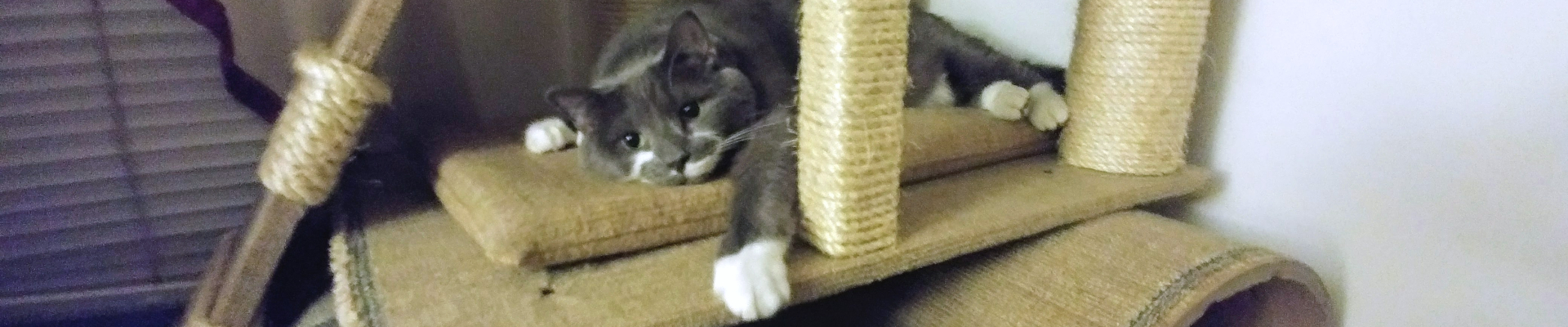
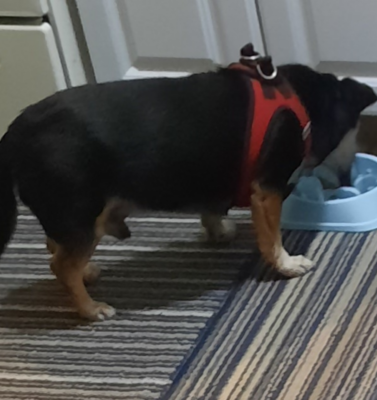
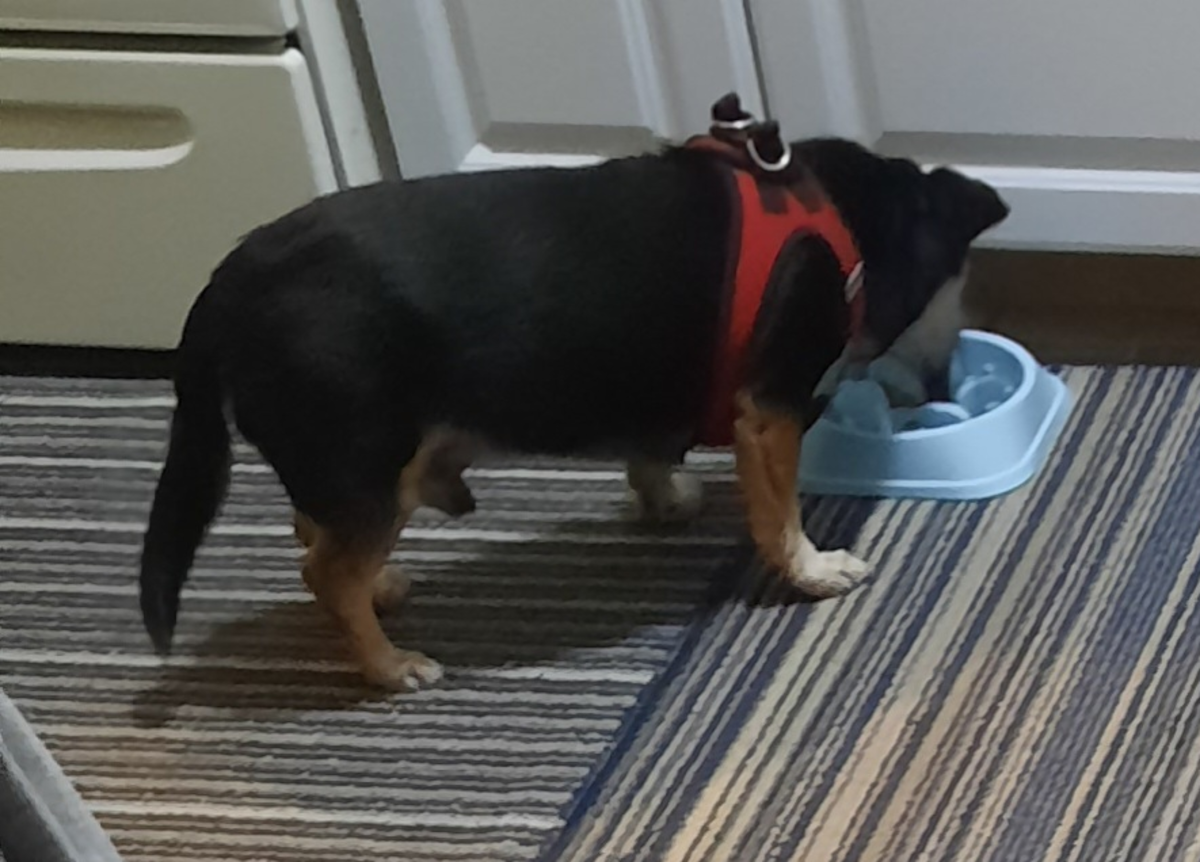
Food can become a surprisingly different subject once a dog or cat reaches the senior years. A diet that worked perfectly well for most of an animal’s adult life may become harder to chew, less appealing, too calorie-dense, not calorie-dense enough, or poorly matched to a medical condition that did not exist a few years earlier. Feeding also becomes one of the easiest ways for us to notice changes in appetite, thirst, weight, chewing, and behavior.
In our own home, we feed our pets wet food rather than leaving dry food available throughout the day. Hydration is one reason, but it is not the only one. We prefer defined meals because we can see who ate, how much they ate, whether their appetite changed, and whether chewing appears uncomfortable. With seniors, particularly animals that have lost teeth or developed dental problems, the softer texture can also make meals easier to manage. That is our practical choice based on years of caring for aging animals, not a claim that every senior dog or cat must eat canned food.
The Most Obvious Difference Is Water
Wet and dry foods can both provide complete nutrition, but they deliver very different amounts of water. The FDA notes that canned pet food is typically about 75 to 78 percent moisture, while dry food is generally around 10 to 12 percent moisture. Cornell’s Feline Health Center similarly notes that wet cat foods commonly contain roughly 70 to 80 percent water.
That difference is one of the main reasons we prefer wet food, especially for cats. A cat eating canned food receives a meaningful amount of its daily water intake with every meal, while a cat eating dry food must make up much more of that water by drinking. Cornell specifically lists feeding wet food as one way to increase water intake in cats.
This can become more relevant with age because several conditions seen in older cats can affect hydration. Chronic kidney disease, diabetes, hyperthyroidism, vomiting, and diarrhea can all increase water loss, while weakness, poor appetite, dental discomfort, or mobility problems may reduce a cat’s willingness or ability to visit a water bowl. Wet food does not treat those conditions, but its water content can be useful as part of a veterinarian-guided feeding plan.
Dogs also need adequate hydration, of course, although the wet-versus-dry question is usually less centered on feline drinking behavior. For an older dog that drinks normally and has no medical reason for additional dietary moisture, a well-formulated dry food may work perfectly well. For another senior dog, canned food may be more appealing, softer to eat, or simply an easy way to add moisture to the daily routine.
Senior Teeth Can Change the Entire Feeding Experience
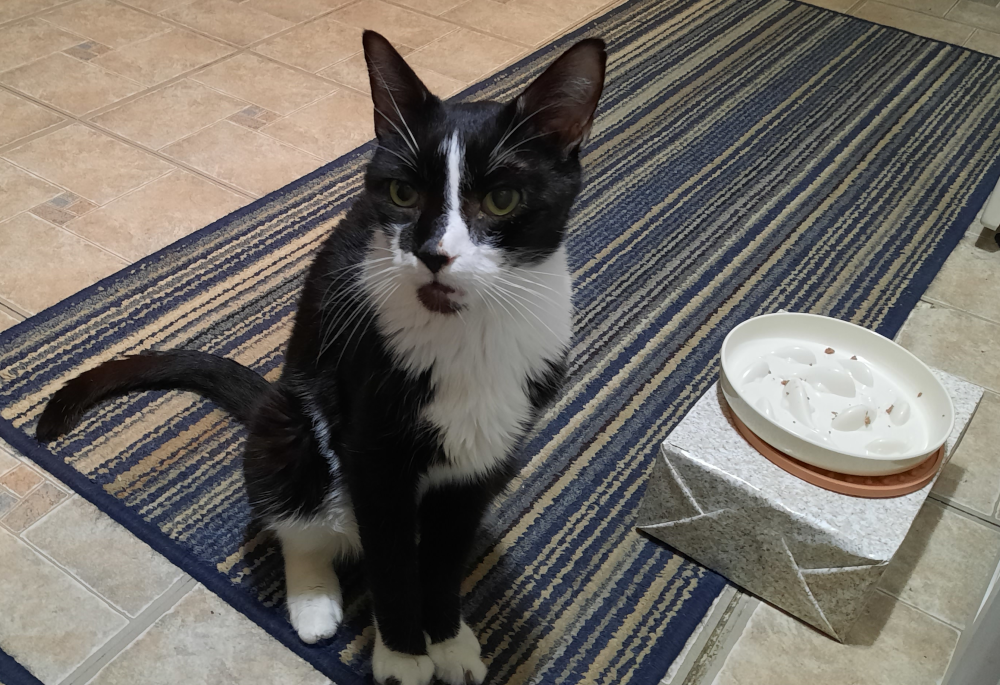 Dental problems are one of the biggest practical reasons we pay attention to food texture in older animals. AAHA’s senior-care guidelines recommend examining the mouth carefully when an older dog or cat has trouble picking up food, chewing, swallowing, or appears uncomfortable while eating. Periodontal disease, broken teeth, tooth resorption, oral masses, and other painful conditions may affect how an animal handles a meal.
A pet does not necessarily need a complete set of teeth to eat. Some dogs and cats with missing teeth can still manage dry food remarkably well. Missing teeth by themselves therefore do not automatically mean that kibble is impossible, but painful teeth, inflamed gums, unstable teeth, or difficulty chewing can make hard food unpleasant.
That distinction matters. Switching to wet food may make eating easier, but it should not be used to hide signs of dental disease. A senior that suddenly starts dropping kibble, chewing on one side, approaching food and backing away, eating more slowly, drooling, pawing at the mouth, developing unusually bad breath, or losing interest in meals deserves a veterinary dental examination. AAHA recommends regular oral assessment in senior pets because dental disease becomes more common with age.
For us, softness is simply another advantage of wet food. If an older animal has already lost teeth or has a mouth that is not as efficient as it once was, we would rather not make every meal dependent on crushing hard pieces of food.
Ordinary Kibble Is Not the Same Thing as Dental Care
One argument commonly made for dry food is that chewing kibble cleans a pet’s teeth. There is some truth behind the idea that food texture can affect plaque and tartar, but regular dry food should not be confused with a dental treatment.
Veterinary dental diets are specially designed so that kibble size, structure, texture, or added ingredients produce a measurable dental effect. AAHA specifically recommends looking for products evaluated by the Veterinary Oral Health Council when dental benefits are the goal. The VOHC maintains lists of dog and cat products that have met its standards for reducing plaque, tartar, or both.
That is very different from assuming that any bag of dry food automatically brushes an animal’s teeth. VCA notes that dry food alone has not been shown to provide the oral-health improvement that was historically assumed. Dental diets are engineered for that purpose, while ordinary kibble may break apart without providing the same cleaning action.
For a senior eating wet food, dental care therefore needs to be considered separately from the meal itself. Depending on the animal, that might include toothbrushing, veterinarian-recommended dental products, professional examinations and cleanings, or specific VOHC-accepted products that the pet can safely use. A painful senior mouth deserves treatment, not simply a harder food.
Meal Feeding Gives Us Information That Free Feeding Cannot
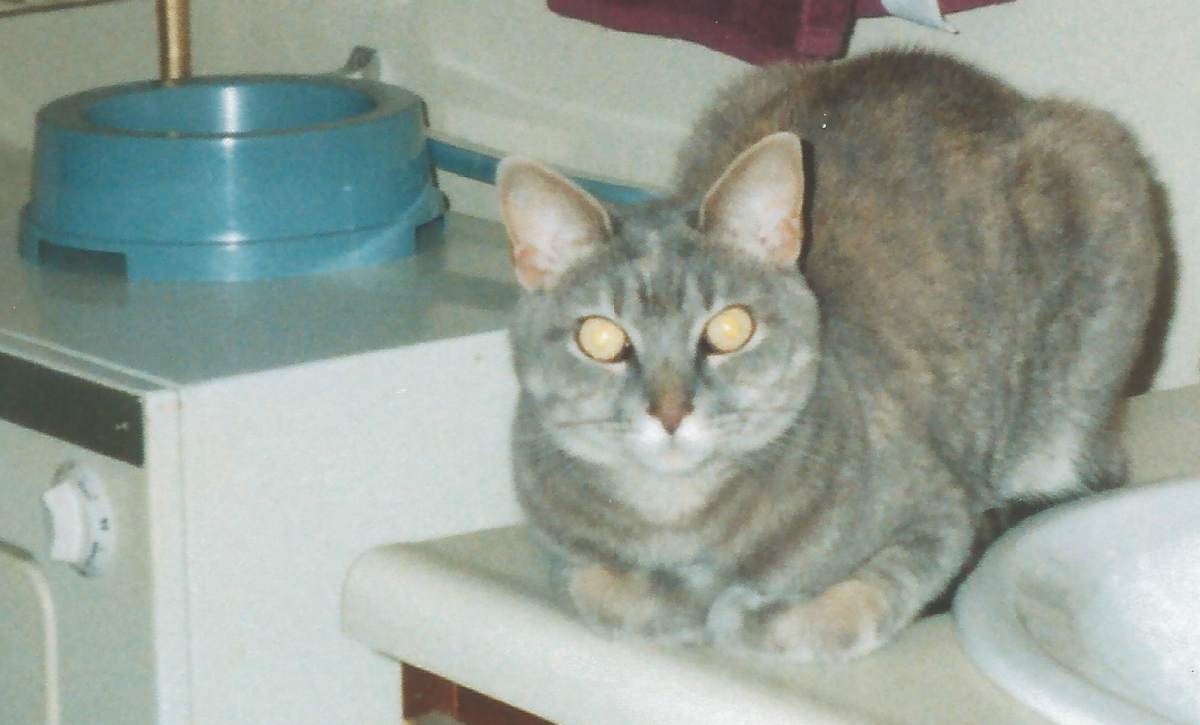 We also choose not to free feed our pets. Leaving a bowl of dry food available all day can be convenient, and some healthy animals regulate their intake well enough for that arrangement to work. Cornell notes, however, that free-choice feeding can contribute to overeating and weight gain in some cats.
With senior animals, our bigger concern is information. If three cats share a bowl that stays full all day, it can be surprisingly difficult to notice that one cat ate 25 percent less than usual. The bowl still looks like food disappeared. Scheduled individual meals make changes much easier to see.
Appetite can tell us a great deal about an aging pet. A cat that normally cleans the plate but begins leaving half of breakfast behind has given us information worth paying attention to. So has the dog that eagerly approaches dinner but repeatedly walks away after a few bites. A single odd meal may mean very little, but a pattern can help us give the veterinarian a much clearer picture.
Portioned meals also make calorie intake easier to measure. That matters because aging does not affect every animal’s energy needs in the same direction.
Senior Dogs and Senior Cats Do Not Always Need Fewer Calories
The label “senior food” can make pet nutrition sound much simpler than it really is. AAHA notes that maintenance energy needs generally decrease as dogs age, which means many older dogs need fewer calories than they did when they were younger. Senior dogs can also gain body fat while losing lean muscle, so simply watching the number on the scale does not tell the entire story.
Cats can behave differently. AAHA reports that energy needs tend to decrease in cats until roughly age 10 and may then begin increasing. Older cats can also become less efficient at digesting some nutrients and may lose weight and muscle. Healthy senior cats may therefore need highly digestible, palatable food with enough protein and calories to maintain body condition.
This creates an interesting wet-food issue. Because canned food contains so much water, it is often less calorie-dense by volume than dry food. That can be useful for an overweight pet because a larger physical portion may contain fewer calories, but it can work against a thin senior that struggles to eat enough.
For an underweight cat, for example, simply saying “feed more wet food” may not solve the problem if the cat becomes full before consuming enough calories. Food selection may need to focus on caloric density, protein, digestibility, taste, meal frequency, and whatever medical conditions are present. Weight loss in a senior animal should also be investigated rather than automatically blamed on age.
Wet Does Not Automatically Mean Better Nutrition
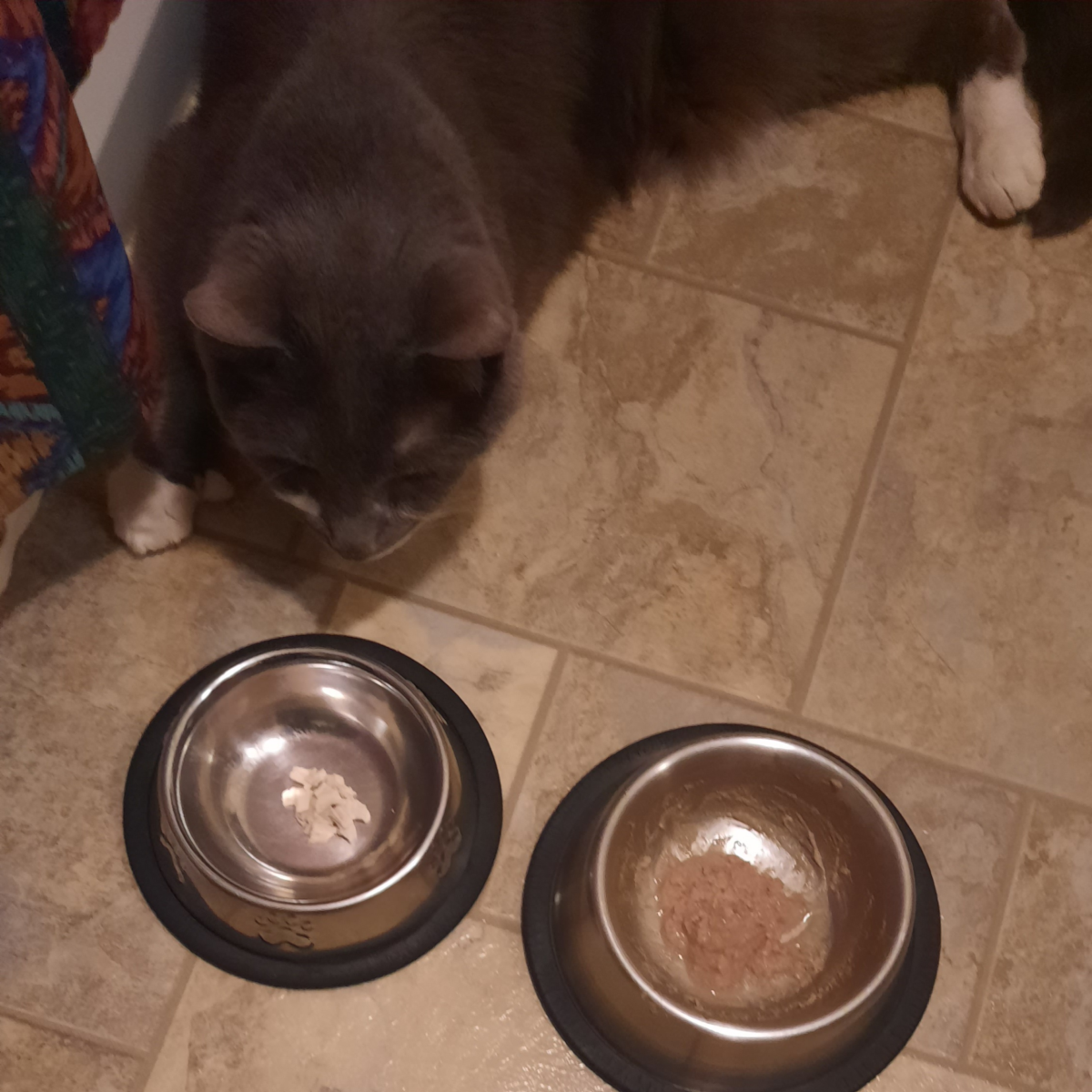 Moisture content and nutritional quality are separate questions. A canned food can be well formulated or poorly suited to a particular pet, just as a dry food can be an excellent choice or a poor one.
One of the most useful things to check is the nutritional adequacy statement. The FDA explains that foods labeled “complete and balanced” are intended to provide all required nutrients when fed as the primary diet and must meet established nutritional standards or qualify through recognized feeding procedures. Products labeled for intermittent or supplemental feeding are not intended to serve as the animal’s complete diet.
Comparing the protein number on a can directly with the protein number on a bag can also be misleading because water dramatically changes the percentages printed on the label. The FDA recommends comparing foods with very different moisture levels on a dry-matter basis. A canned food showing 10 or 12 percent protein on the label can actually contain a higher percentage of protein after the water is removed from the comparison than a dry food labeled with a much larger-looking number.
There is another wrinkle for older animals. AAFCO nutritional profiles recognize growth and reproduction, adult maintenance, and all-life-stage foods, but there is not a separate standardized senior nutrient profile. AAHA therefore recommends assessing senior nutrition according to body condition, muscle condition, health status, weight changes, and the needs of the individual animal rather than assuming that every product marked “senior” provides the same nutritional approach.
Medical Conditions Can Matter More Than Food Texture
Once chronic disease enters the picture, the question may no longer be simply wet versus dry. Kidney disease, diabetes, obesity, gastrointestinal disorders, heart disease, dental disease, and other conditions can change what matters most in a diet.
A veterinarian may recommend a therapeutic diet with controlled levels of specific nutrients, altered calorie density, different fiber content, increased palatability, or another formulation designed around a medical condition. AAHA specifically notes that nutrition can play a role in managing several diseases seen in senior dogs and cats.
In those situations, we would put the medical goal ahead of our general feeding preference. If an appropriate veterinary diet is available wet, that may fit nicely with our normal routine. If the formulation an animal needs is available only in dry form, or the animal simply refuses the canned version, then the discussion becomes more individual.
Eating enough food safely is more important than winning an argument about texture. A senior cat losing weight because it refuses a new canned diet is not being helped simply because wet food was supposed to be the preferred option.
Watching the Meal Becomes Part of Senior Care
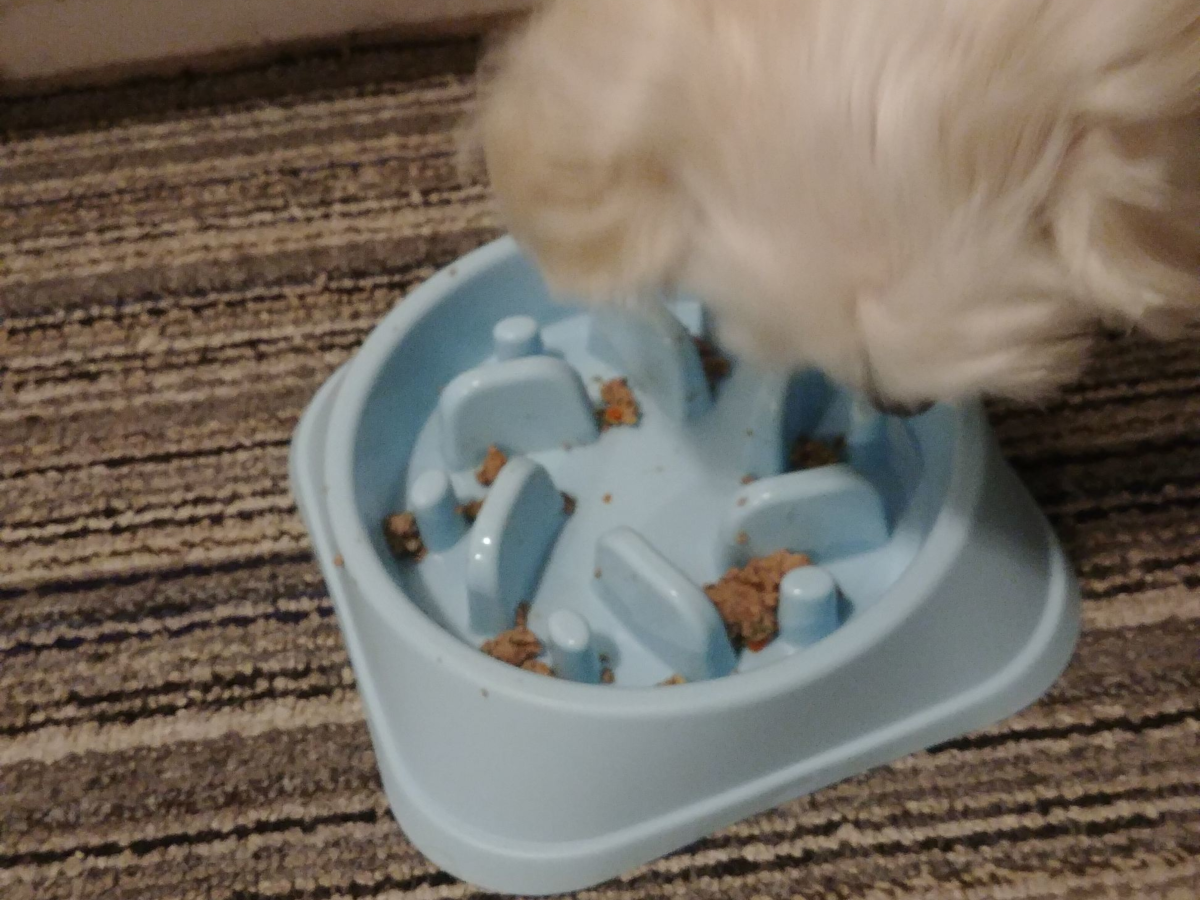 One of the benefits of feeding meals rather than maintaining an always-full bowl is that feeding itself becomes a small daily health check. We can see whether the animal comes to the food normally, smells it and hesitates, chews comfortably, finishes the expected amount, drinks afterward, asks for more, or suddenly behaves differently around the bowl.
Those observations become especially useful when they are considered alongside weight and body condition. AAHA recommends monitoring both body condition and muscle condition in senior pets because aging animals can lose muscle even when changes are not immediately obvious on a household scale.
For our household, wet food fits naturally into that kind of care. It adds water to every meal, gives us control over portions, prevents food from sitting out for unrestricted grazing, and is easier for animals whose mouths may no longer handle hard food as comfortably as they once did. We still keep fresh drinking water available at all times, because the moisture in food does not replace access to water.
The best feeding plan can also change. A healthy twelve-year-old dog with strong teeth and stable weight may do beautifully on measured dry meals. A fourteen-year-old cat losing muscle may need highly palatable, calorie-dense food offered several times a day. Another senior may need a therapeutic diet chosen because of kidney disease or another diagnosed condition.
That is why the food bowl deserves a little more attention as pets get older. For us, wet food has several practical advantages that make it our choice, but the larger goal is finding a complete diet that the individual animal can comfortably eat, digest, and maintain good body and muscle condition on while giving us a clear view of any changes that deserve a closer look.