

A diabetes diagnosis introduces a new set of responsibilities, including insulin injections, glucose monitoring, feeding schedules, and careful record keeping. One of the first decisions involves choosing an insulin, and the names Lantus, Vetsulin, and ProZinc frequently appear in discussions about treating diabetic cats and dogs. Although all three lower blood glucose, they differ in formulation, concentration, duration of activity, and how individual animals respond to them.
These differences become particularly relevant when a pet’s glucose readings remain unpredictable or when a veterinarian recommends switching insulin. A product that provides suitable glucose control for one cat may not work as effectively for another, even when both animals have similar diagnoses. Understanding how these insulins work can help owners recognize meaningful patterns, avoid administration mistakes, and participate more effectively in treatment decisions.
Understanding How Insulin Works in Diabetic Pets
Insulin is a hormone produced by the pancreas that helps regulate blood glucose and supports the movement and use of glucose in the body’s tissues. In diabetes mellitus, the body either produces insufficient insulin or cannot respond to it effectively. Without adequate insulin activity, blood glucose rises, often resulting in increased thirst, frequent urination, weight loss, and changes in appetite.
Injectable insulin helps restore glucose regulation, but each formulation has a characteristic pattern of absorption and activity. Veterinarians evaluate these patterns using several measurements, including the insulin’s onset of action, the lowest glucose reading reached during treatment, and the length of time its effect provides adequate control.
The lowest blood glucose point during an insulin’s activity is called the nadir. Its timing can vary considerably, even between animals receiving the same product. The duration of action describes how long the insulin provides a clinically useful glucose-lowering effect, which may be shorter than the total period during which the drug remains active.
An insulin that lowers blood glucose effectively for only part of the dosing interval may allow readings to rise before the next injection. Another formulation may provide more sustained coverage but produce excessive glucose lowering in certain animals. These differences explain why veterinarians examine glucose patterns over time rather than selecting insulin solely by its advertised duration.
Lantus: Insulin Glargine for Diabetic Cats and Dogs
 Lantus contains insulin glargine U-100, a synthetic form of human insulin designed to provide a sustained glucose-lowering effect. Following injection beneath the skin, glargine forms microscopic deposits that gradually release insulin into the bloodstream. This delayed absorption helps extend its activity, although the resulting glucose pattern in cats and dogs is not necessarily flat or predictable.
Lantus has become a common treatment for feline diabetes because glargine U-100 often provides sufficient duration to support twice-daily administration. The 2026 American Animal Hospital Association diabetes guidelines for cats identify glargine U-100 and protamine zinc insulin as two commonly selected options for cats requiring insulin therapy. Both have established clinical use, although their effects still vary among individual patients.
Unlike Vetsulin and ProZinc, Lantus is approved by the FDA for human diabetes treatment rather than specifically for veterinary use. Veterinarians may legally prescribe it for animals under appropriate prescribing rules, and its use in cats is supported by veterinary research and clinical experience. Glargine U-100 can also be considered for certain diabetic dogs, although Vetsulin and other formulations are more commonly selected as initial treatments.
Owners should recognize that Lantus U-100 and concentrated insulin glargine products, including Toujeo U-300, are different formulations. Their concentrations and absorption characteristics differ, so they cannot be substituted without a veterinarian establishing the appropriate treatment and administration plan. The word glargine on two packages does not mean the products can be used interchangeably.
Vetsulin: An Intermediate-Acting Insulin Commonly Used in Dogs
Vetsulin contains purified porcine insulin in a U-40 zinc suspension. Porcine insulin has the same amino acid sequence as naturally occurring canine insulin, which is one reason this formulation has a long history of use in diabetic dogs. Vetsulin is FDA-approved for treating diabetes mellitus in both dogs and cats.
Vetsulin belongs to a category called lente insulin, which contains insulin particles in amorphous and crystalline forms. The amorphous component is absorbed more quickly, while the crystalline component contributes to a longer period of activity. In dogs, this combination may produce two periods of increased insulin action, although the observed glucose pattern is not always clearly divided into two peaks.
The 2026 AAHA diabetes guidelines for dogs identify Vetsulin as a common initial treatment option. Although its labeling provides for initial once-daily administration in dogs, veterinary guidelines frequently recommend starting with twice-daily treatment, based on clinical experience and the duration of glucose control. The prescribed schedule depends on the individual dog’s response and the veterinarian’s treatment plan.
Vetsulin is also an approved treatment for diabetic cats, but its duration of activity is often shorter than that of glargine U-100 or ProZinc. Some cats maintain acceptable glucose control with Vetsulin, while others experience elevated readings before the next scheduled injection. Because of this difference, current feline guidelines generally favor other formulations when selecting insulin for a newly diagnosed cat.
ProZinc: Protamine Zinc Insulin for Cats and Dogs
ProZinc contains recombinant human insulin combined with protamine and zinc, which slow its absorption after injection. This U-40 insulin suspension was developed for veterinary use and is FDA-approved for diabetic cats and dogs. The formulation is designed to extend insulin activity, although the amount of time it provides useful glucose control varies between animals.
ProZinc is a common first-choice insulin for cats, generally administered twice daily. Its action often lasts longer than Vetsulin’s in feline patients, making it suitable for many cats that require coverage across approximately 12-hour dosing intervals. The duration can still be insufficient or excessive in individual animals, which is why glucose monitoring remains necessary after treatment begins.
ProZinc also has an established role in treating diabetic dogs. Its FDA-approved labeling provides for once-daily initiation in dogs, reflecting the possibility of prolonged activity in this species. Veterinary monitoring determines whether that schedule provides adequate control or whether a different treatment approach is needed.
The FDA-approved ProZinc prescribing information describes separate administration recommendations for cats and dogs. Those differences illustrate why an insulin schedule should never be transferred directly from one species to another, even when the product name and concentration are identical.
Choosing Between Lantus, Vetsulin, and ProZinc
 For newly diagnosed cats requiring insulin, glargine U-100 and ProZinc are frequently preferred because they generally provide more suitable coverage than lente insulin. Vetsulin remains an option, especially when an individual cat already demonstrates acceptable control. Current recommendations favor the formulations with more consistently useful feline activity rather than establishing one universally superior brand.
For diabetic dogs, Vetsulin remains a common initial choice, with ProZinc and glargine U-100 available as alternatives in appropriate circumstances. Veterinarians also prescribe other insulin types, including neutral protamine Hagedorn (NPH), and newer basal formulations are being used in selected patients. The decision depends partly on how long the insulin acts, how reliably the animal eats, and whether the proposed treatment fits the owner’s ability to administer and monitor it.
Medical conditions unrelated to diabetes can complicate treatment. Infections, hormonal disorders, inflammation, and medications such as corticosteroids may change insulin sensitivity or contribute to persistently elevated glucose readings. Kidney disease, changing body weight, and inconsistent food intake can also affect treatment safety and interpretation of glucose measurements.
An apparently inadequate response to insulin does not necessarily mean the medication is unsuitable. Problems involving injection technique, insulin storage, inconsistent mixing, or another underlying illness can produce misleading glucose patterns. Investigating these possibilities may prevent an unnecessary medication change while identifying a problem that requires attention.
U-40 vs. U-100 Insulin: Why Concentration Matters
One of the most significant practical differences between these products is their concentration. Lantus U-100 contains 100 units of insulin per milliliter, while Vetsulin and ProZinc U-40 contain 40 units per milliliter. These measurements describe the concentration of insulin in the liquid, not how effective the insulin is or how many units an animal should receive.
Insulin syringes are marked according to the concentration they are designed to measure. Using a U-100 syringe with U-40 insulin, or the reverse, can result in an incorrect amount of insulin being delivered. The resulting error may be substantial enough to cause dangerous hypoglycemia or inadequate diabetes control.
Every insulin prescription should include clear instructions identifying the correct syringe or injection device. For pets receiving very small doses, syringe markings and available measurement increments are particularly relevant. A veterinarian can demonstrate how to measure the prescribed amount accurately and determine whether an appropriate pen system or syringe is better suited to the animal’s needs.
Injection pens introduce additional differences. Vetsulin has a veterinary pen system called VetPen, while Lantus is available in human injection pens that may not offer the small dose increments needed for certain cats. Owners should not assume that a pen designed for one insulin can be used with another or that withdrawing insulin from a pen is equivalent to following its intended administration instructions.
Proper Insulin Handling and Storage
 Correct insulin handling affects how consistently each injection delivers the intended amount. Vetsulin and ProZinc are suspensions, meaning insulin particles are distributed throughout a liquid rather than completely dissolved. Those particles can settle during storage, making proper mixing necessary before withdrawing an injection.
Vetsulin must be shaken thoroughly until its appearance becomes uniformly milky, following the manufacturer’s instructions. Any foam produced during shaking should be allowed to disperse before preparing the injection. The Vetsulin product labeling also instructs owners not to use the product if visible clumps or white particles persist after thorough mixing.
ProZinc requires a different approach. Its vial should be gently rolled until the suspension looks evenly cloudy, without vigorous shaking or agitation. Persistent clumps or visible particles after appropriate mixing are reasons to stop and seek guidance about the product’s suitability for use.
Lantus is a clear solution and does not require shaking or resuspension. If the insulin appears cloudy, discolored, or contains visible particles, it should not be used. The Lantus prescribing information also specifies that the product should not be mixed or diluted with other insulin preparations.
Storage requirements and expiration periods after opening deserve equal attention. The current labeling specifies 42 days after first puncture for Vetsulin vials, while ProZinc labeling specifies 60 days for 10 mL vials and 80 days for 20 mL vials. Lantus labeling generally specifies 28 days after first use, although veterinarians may make different recommendations for veterinary patients based on their assessment of storage conditions and product use.
All three products require protection from freezing, and their packaging has specific storage instructions. Marking the opening date, keeping insulin in its original packaging when appropriate, and reviewing storage requirements with each refill can reduce avoidable handling mistakes.
Glucose Monitoring Reveals How an Insulin Performs
Blood glucose monitoring provides information that cannot be determined from the insulin label alone. A reading obtained immediately before an injection indicates the glucose concentration at that moment, but it does not reveal how low the glucose may fall several hours later. That distinction matters because excessive insulin activity can occur even when the next pre-injection reading is elevated.
A blood glucose curve uses multiple measurements collected during a dosing interval to show the animal’s response to insulin. The veterinarian can examine the approximate nadir, the duration of useful glucose control, and whether readings suggest excessive or inadequate insulin activity. Continuous glucose monitors offer another method of observing trends, often revealing fluctuations that occasional measurements might miss.
Continuous monitors measure glucose in fluid beneath the skin rather than directly in the bloodstream. Their readings may differ from blood glucose measurements, particularly when glucose concentrations are changing rapidly. Unexpected low sensor readings may need confirmation using an appropriate blood glucose meter, as directed by the veterinary team.
Home testing can be especially valuable for cats because stress during veterinary visits may temporarily increase their blood glucose. The 2026 AAHA feline guidelines no longer recommend routine in-clinic glucose curves for monitoring diabetic cats. Home measurements and continuous monitoring can provide a more representative picture of an animal’s usual glucose response, when the owner is able to collect reliable readings.
A useful diabetes record includes the insulin product, prescribed dose administered, injection time, glucose measurements, meals, and relevant changes in behavior or appetite. BellenPaws provides an online pet diabetes tracker and printable glucose charts that can help organize these details. Recording missed injections, vomiting, unusual activity, or changes in food intake adds context that may explain unexpected readings.
Our Experience With Feline Diabetes and Tight Regulation
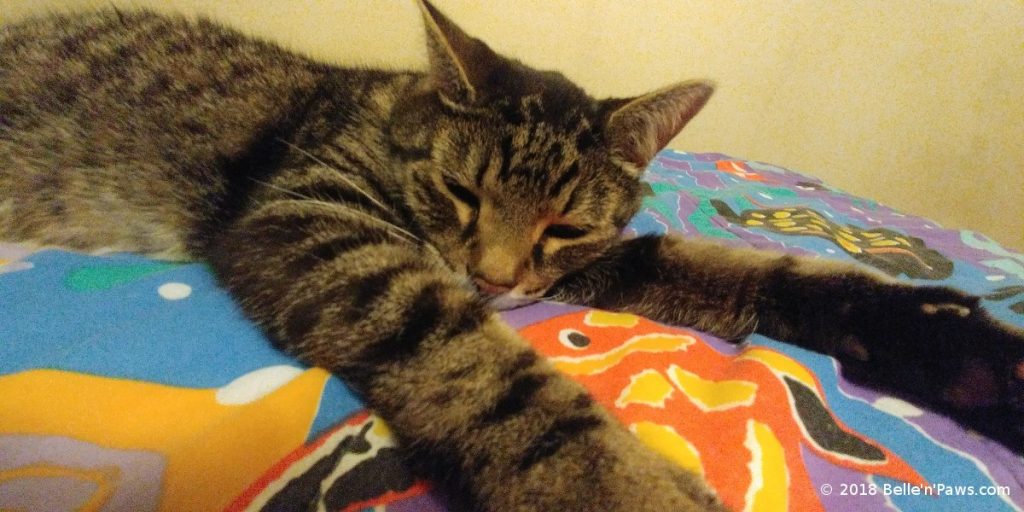 Our experience caring for diabetic cats has included Zippy, who achieved diabetic remission while being managed using tight regulation, and Bentley, whose diabetes care currently involves twice-daily insulin injections. These experiences have given us practical familiarity with glucose testing, maintaining injection schedules, and reviewing blood glucose patterns over time. They have also reinforced the value of having accurate records available when discussing treatment decisions.
Tight regulation involves careful glucose monitoring and an individualized treatment plan intended to maintain appropriate glucose control while avoiding hypoglycemia. Its suitability depends on the cat’s medical condition, the insulin prescribed, the monitoring methods available, and the owner’s ability to follow a structured treatment plan. It requires appropriate veterinary involvement and should not be treated as the preferred method for every diabetic cat.
An unexpected reading becomes more informative when it can be compared with earlier measurements taken under similar circumstances. Changes in appetite, feeding schedules, activity, or other medications may provide explanations that glucose numbers alone cannot establish. Maintaining those details has practical value whether the animal is receiving Lantus, Vetsulin, ProZinc, or another prescribed insulin.
Recognizing Hypoglycemia and Other Serious Problems
Hypoglycemia occurs when blood glucose falls too low, potentially depriving the brain and other tissues of an adequate glucose supply. It can develop with any insulin formulation and may be associated with excessive insulin activity, reduced food intake, or a change in the animal’s insulin requirements. Warning signs include unusual weakness, staggering, trembling, disorientation, marked lethargy, and changes in behavior.
Severe hypoglycemia can cause seizures, collapse, or unconsciousness and requires emergency veterinary care. Owners should have written instructions explaining how to respond to suspected low blood glucose before an emergency occurs. These instructions may include the appropriate use of corn syrup or another rapid glucose source, depending on the pet’s condition and the veterinarian’s guidance.
A poorly responsive animal may be unable to swallow safely, creating a risk of choking or aspiration if food or liquid is forced into its mouth. Current veterinary first-aid guidance includes carefully applying an appropriate glucose source to the gums in certain circumstances, but this should be done according to established instructions and without placing fingers inside the animal’s mouth. Emergency veterinary treatment should not be delayed while attempting home measures.
Loss of appetite, vomiting, or an unexpectedly missed meal creates additional problems for insulin-treated pets. Giving the usual injection when an animal has not eaten may increase the risk of hypoglycemia, depending on the insulin and the animal’s condition. Each household should have a veterinary-approved plan for missed meals, vomiting, uncertain injections, and unexpectedly low glucose readings.
Repeated vomiting, marked weakness, dehydration, or abnormal breathing may indicate diabetic ketoacidosis or another serious illness requiring urgent assessment. Diabetic ketoacidosis develops when insufficient effective insulin contributes to excessive ketone production and metabolic disturbances. Diagnosis requires veterinary evaluation, including appropriate laboratory testing, because these symptoms can occur with other medical conditions.
Diabetic Remission and Long-Term Insulin Needs
 Some diabetic cats eventually regain enough effective insulin production to maintain acceptable blood glucose without continued injections. This condition is called diabetic remission, and it may occur after successful treatment with different insulin formulations. Remission does not necessarily mean the underlying tendency toward diabetes has permanently disappeared, since some cats later require treatment again.
The 2025 iCatCare consensus guidelines on feline diabetes explain that evidence comparing glargine U-100 and protamine zinc insulin has shown similar remission rates in available studies. Earlier suggestions that glargine consistently produces superior remission outcomes were influenced by studies with limitations, including uncontrolled or nonrandomized designs. Current evidence does not establish that choosing Lantus over ProZinc guarantees a better chance of remission.
Remission is generally more likely in cats with a shorter duration of diabetes and those that achieve effective glucose control relatively early. Even so, remission cannot be predicted reliably for an individual animal, and treatment plans should not be built around an expectation that insulin will eventually become unnecessary. Cats that enter remission still benefit from appropriate follow-up because elevated glucose and clinical signs can return.
Dogs with typical insulin-dependent diabetes rarely achieve remission and generally require long-term insulin treatment. Their ongoing care focuses on maintaining acceptable glucose control, reducing clinical symptoms, and avoiding complications. The approach to monitoring and treatment therefore differs from feline diabetes, where changing insulin requirements may sometimes signal a developing remission.
When a Change in Insulin May Be Considered
A veterinarian may consider changing insulin when glucose monitoring repeatedly shows insufficient duration, unacceptable fluctuations, or inadequate control despite appropriate administration and investigation of contributing conditions. Practical issues, including injection schedules, product availability, administration devices, and treatment costs, may also influence the decision. Those concerns deserve consideration because a treatment plan must be realistic enough to follow consistently.
Switching between Lantus, Vetsulin, and ProZinc involves more than choosing a replacement product. Differences in concentration, absorption, duration, and individual sensitivity mean that the previous insulin dose cannot automatically be transferred to the new formulation. The veterinarian must establish a new dosing and monitoring plan using the animal’s clinical history and available glucose data.
Before a planned transition, it is helpful to review the pet’s current glucose records, confirm the correct injection supplies, and establish when follow-up measurements should be collected. Owners should also know what to do if the animal refuses food, receives an uncertain injection, or develops symptoms of hypoglycemia during the adjustment period. Clear written instructions are particularly valuable when several people share responsibility for administering insulin.
The first days following a medication change can provide useful information about the new insulin’s effect, but an isolated reading rarely establishes whether the replacement is successful. Evaluating the response requires attention to glucose trends, clinical symptoms, appetite, and the animal’s overall condition. A dependable monitoring routine allows the veterinary team to assess whether the new formulation is providing suitable coverage without overlooking problems that might otherwise be attributed to the insulin itself.