
A food or water bowl on the floor seems like one of the simplest parts of pet care, but the height of that bowl can matter more as a dog or cat gets older. A pet that once lowered its head without hesitation may eventually begin eating with a wider stance, pausing between bites, shifting weight from one front leg to the other, or walking away from the bowl before finishing. Those changes do not automatically mean the bowl is the problem, but they can be signs that the position required to eat or drink has become less comfortable.
Raised bowls can be a useful home modification for some pets, especially seniors and animals dealing with arthritis, stiffness, weakness, or chronic pain. Veterinary senior-care guidance includes elevation of food and water bowls among the environmental changes that may improve comfort and access for aging pets. The benefit is not that elevation somehow makes food healthier or digestion more efficient. The benefit is often much simpler: the pet may not have to bend, crouch, or shift its body as far to reach the meal.
Why Bowl Height Can Matter More With Age
Eating from the floor asks an animal to lower the head and neck while adjusting weight through the front limbs. A young, mobile dog or cat usually does this without any visible difficulty. An older animal with sore elbows, shoulders, hips, spinal discomfort, or reduced balance may find that same movement more demanding.
The American Animal Hospital Association includes elevated food and water bowls among possible home modifications for senior dogs and cats with mobility or pain concerns. VCA Animal Hospitals similarly recommends raised dishes for some dogs with osteoarthritis, noting that an elevated feeding position can reduce the amount of bending required through the neck, back, and front limbs. That does not mean every stiff pet needs a raised bowl, but it gives owners another simple environmental change to consider alongside traction rugs, ramps, accessible bedding, and other mobility aids.
Cats can benefit from the same basic idea. International Cat Care notes that cats with osteoarthritis or reduced mobility may prefer food or water placed above floor level because crouching or lowering the head can be uncomfortable. Cat Friendly Homes also recommends considering elevated bowls for senior cats that appear painful when bending down to eat.
Raised Bowls May Make Mealtimes More Comfortable
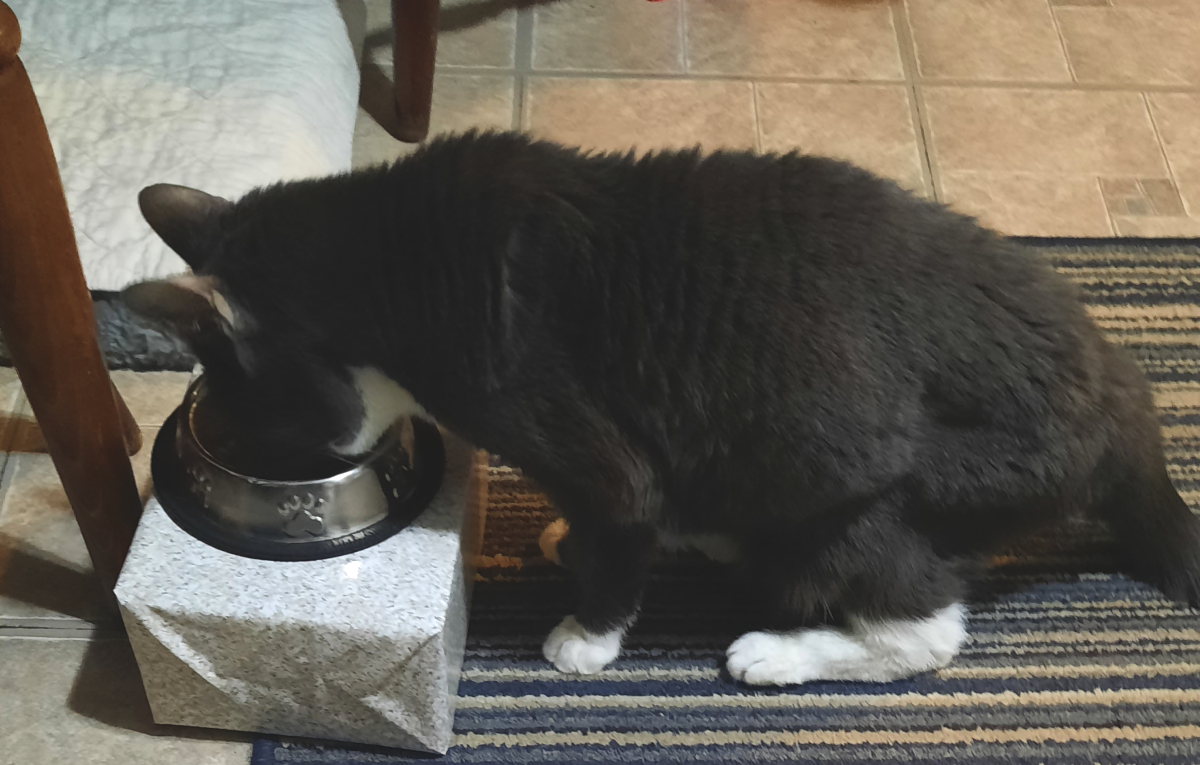
 One of the most noticeable benefits is often posture. A dog that has been spreading its front feet or lowering its entire chest toward the floor may be able to stand in a more neutral position with a properly elevated dish. A cat that has been crouching tightly around a floor-level plate may be able to eat with less flexion through the elbows and neck.
Comfort matters because eating is not a single movement performed once. A pet may stand at the food bowl for several minutes, return to the water bowl repeatedly through the day, and repeat those movements every day for years. If the position is uncomfortable, even a modest improvement can make the routine easier.
We have learned over decades of caring for aging animals that small environmental changes sometimes matter more than they appear to from across the room. A pet may not cry, limp dramatically, or refuse food completely. The change may be as subtle as taking a few bites, stepping away, repositioning, then returning later. Those observations are worth paying attention to, particularly when they appear alongside other signs of stiffness or reduced mobility.
Easier Access to Water Can Be Just as Important
Food usually gets most of the attention, but the water station deserves equal consideration. A pet has to reach the water bowl many times throughout the day, and an uncomfortable position may make each visit less pleasant. For a senior animal, making water easier to reach can remove one small physical obstacle from an activity that needs to remain easy and routine.
This does not mean that raising a water bowl will automatically increase hydration. Water intake is affected by many factors, including diet, temperature, illness, medications, kidney function, diabetes, and individual drinking habits. Still, if an older dog or cat seems reluctant to bend deeply to drink, a modestly elevated water bowl may make access more comfortable.
Changes in drinking should never be explained away as a bowl-height issue without considering health. A noticeable increase or decrease in thirst, especially when accompanied by changes in urination, appetite, weight, energy, vomiting, or behavior, deserves veterinary attention. Raised bowls can improve access, but they cannot explain or treat the medical causes of abnormal thirst.
Choosing a Height That Fits the Pet
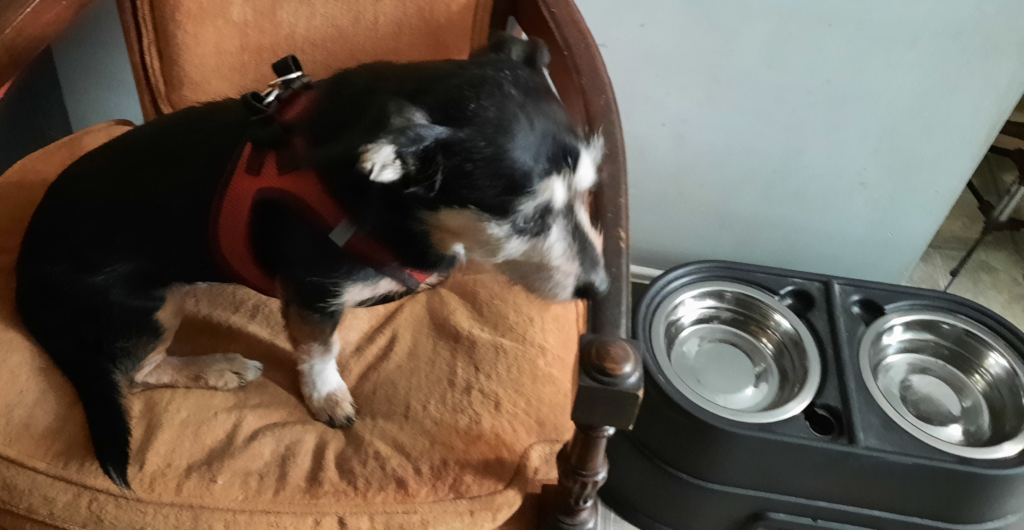 There is no single raised-bowl height that suits every dog or cat. The goal is not to bring the food all the way to the mouth or force the head upward. A useful starting point is a height that allows the animal to eat or drink without a deep bend while still keeping the head and neck in a natural position.
For dogs with osteoarthritis, VCA guidance commonly places raised dishes around elbow height or between the elbow and shoulder, depending on the individual dog and the source of discomfort. That range should be treated as a practical reference rather than a rigid measurement. A dog with neck pain, a very long body, unusual limb proportions, or another orthopedic condition may need a different setup.
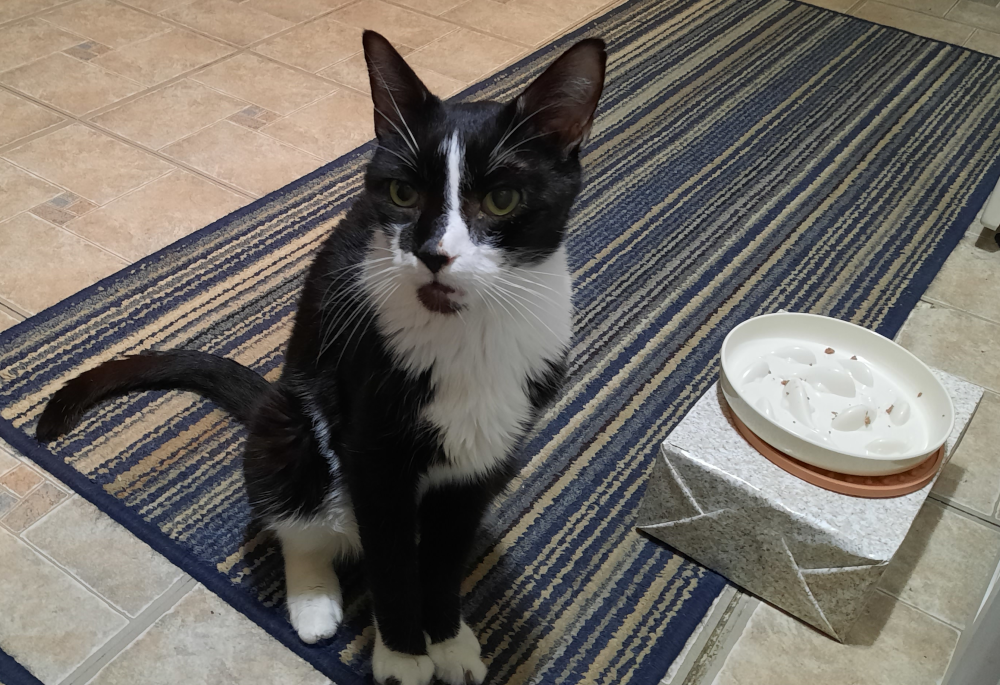
Cats usually need far less elevation. A short, sturdy stand may be enough to reduce the depth of the crouch without changing the cat’s normal eating posture. Wide, low-sided bowls can also be more comfortable for many senior cats, and the feeding station should remain easy to approach without requiring a jump onto a counter or platform.
Stability Matters as Much as Height
A raised bowl that slides, tips, rattles, or wobbles can create a new problem while trying to solve an old one. Senior pets with reduced balance may rely on a stable stance, and a moving feeding station can make them hesitant or cause them to shift their feet suddenly. A solid base with non-slip material underneath is usually more useful than a tall decorative stand that moves when the animal eats.
The floor around the feeding station deserves attention too. Veterinary mobility guidance frequently recommends non-slip surfaces for pets with arthritis or weakness because slick floors can make standing and turning more difficult. A rubber-backed mat, washable runner, or other secure surface can make the entire feeding area easier to use.
Bowl material and cleaning still matter after the height changes. Stainless steel and many ceramic bowls are easy to wash thoroughly, provided the ceramic surface remains intact and free of chips or cracks. The stand should also be easy to clean because spilled food and water often collect around brackets, corners, and the base.
Transition Gradually Instead of Rebuilding the Feeding Station Overnight
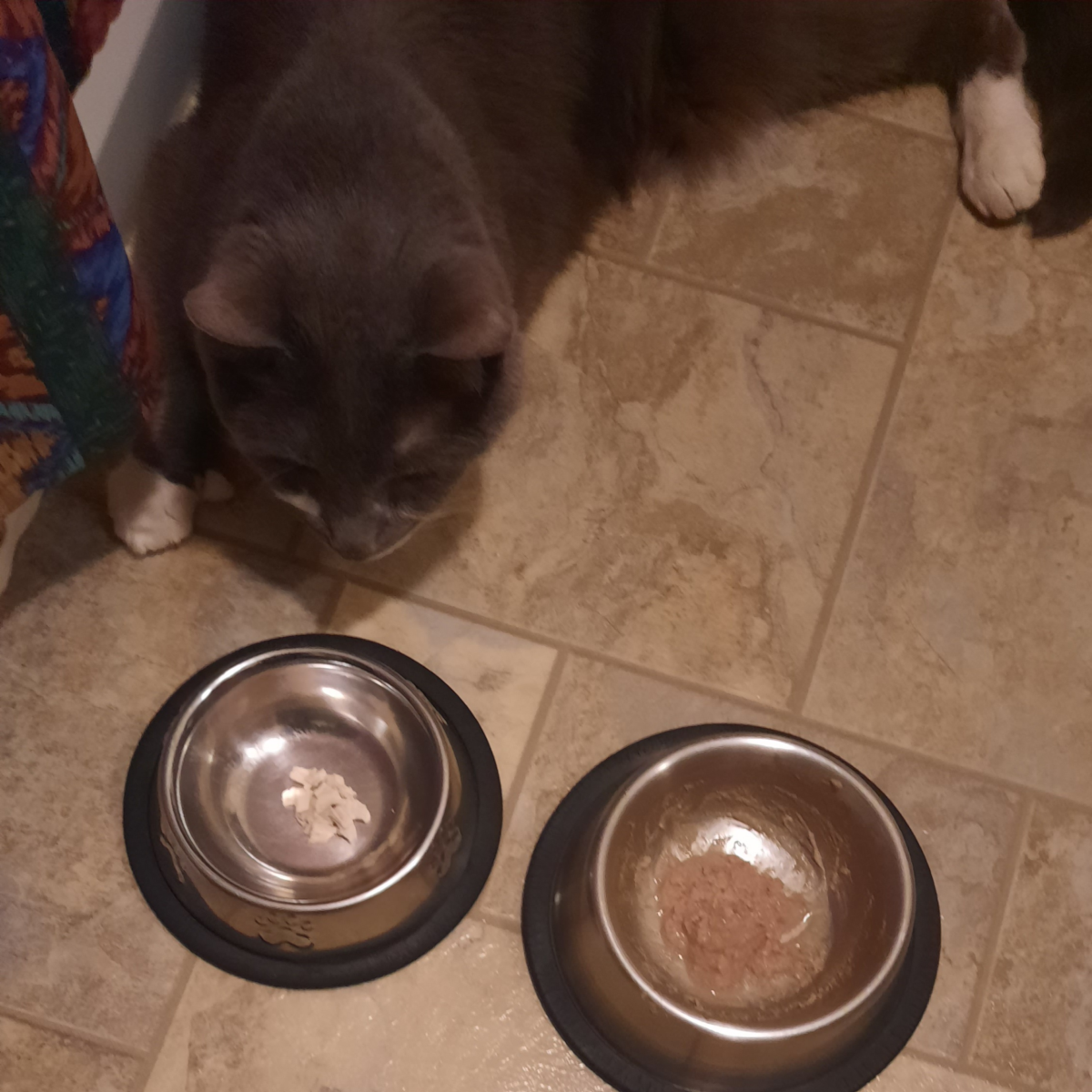 Most pets do not need a complicated transition. A small increase in height can be introduced while keeping the same bowl, food, location, and meal routine familiar. This makes it easier to tell whether the animal accepts the new position and whether the change appears to improve comfort.
Watch the whole body during the first several meals. A good setup should allow the pet to approach easily, plant the feet securely, lower the head naturally, and eat or drink without stretching upward. If the pet backs away, reaches awkwardly, braces against the stand, spreads the feet unusually wide, or seems more hesitant than before, the height or placement may need adjustment.
It can also help to compare behavior before and after the change. Note whether the pet stays at the bowl longer, finishes meals with fewer pauses, drinks more comfortably, or appears less stiff when leaving the feeding area. These observations do not diagnose pain, but they can give a veterinarian useful context if mobility concerns are already being evaluated.
Raised Bowls Are Not Automatically Safer for Every Dog
Raised feeding has one important exception that deserves special attention: dogs at risk for gastric dilatation-volvulus, commonly called GDV or bloat. GDV is a life-threatening emergency in which the stomach distends and can twist, and it is seen most often in large, deep-chested dogs. Cornell University College of Veterinary Medicine lists use of a raised food bowl among the factors associated with increased GDV risk and advises avoiding raised food bowls as part of prevention guidance.
The concern is supported by a prospective study of large and giant-breed dogs that found raised feeding was associated with increased GDV risk. Association does not prove that the bowl itself directly causes GDV, and the condition has multiple risk factors, but the finding is strong enough that a raised food station should not be treated as a routine recommendation for every large dog. Owners of Great Danes, Saint Bernards, Weimaraners, Standard Poodles, Irish Setters, Doberman Pinschers, and other deep-chested dogs should discuss feeding height with their veterinarian, especially when there is a family history of GDV.
Signs such as repeated unproductive retching, a rapidly enlarging or painful abdomen, excessive drooling, restlessness, weakness, collapse, or difficulty breathing require immediate veterinary care. GDV can progress quickly and is not something to monitor at home while waiting to see whether it improves.
Megaesophagus Requires a Different Kind of Elevated Feeding
Megaesophagus is another reason people sometimes hear about elevated feeding, but this is not the same thing as placing an ordinary bowl on a small stand. Dogs with megaesophagus have impaired movement of food through an enlarged esophagus and may regurgitate food or water. Veterinary management can include feeding with the upper body elevated so gravity helps move food toward the stomach, followed by remaining upright for a period after the meal.
That setup may involve a much steeper feeding angle, a platform, or a specially designed upright feeding chair, depending on the dog and veterinary plan. A standard raised bowl should not be assumed to provide the positioning needed for a dog with diagnosed or suspected megaesophagus. Repeated regurgitation, weight loss, coughing, or breathing changes after eating should be evaluated by a veterinarian because aspiration pneumonia can be a serious complication.
Let the Pet’s Comfort Guide the Setup
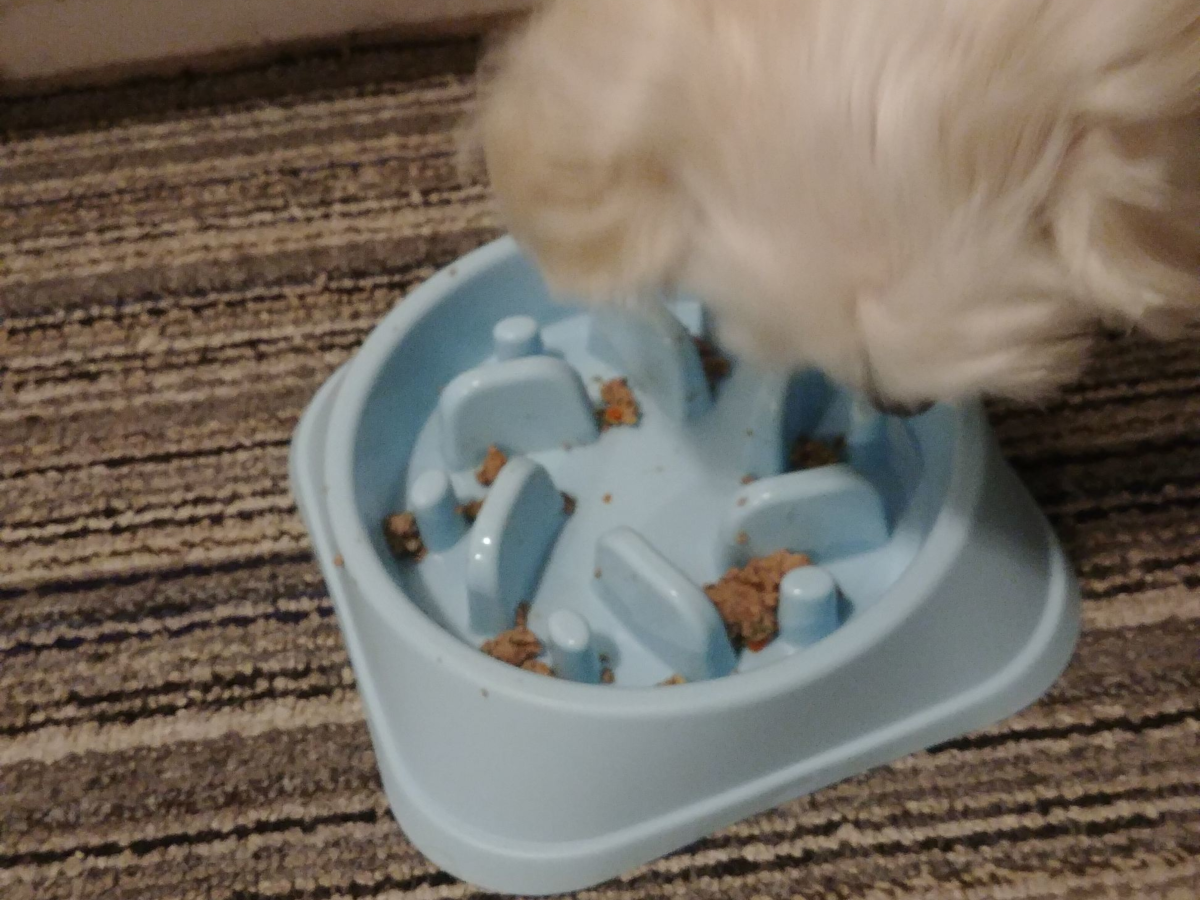 A raised bowl is best viewed as an accessibility tool rather than a universal feeding rule. For the right senior dog or cat, moving a dish a few inches off the floor can reduce the amount of bending required and make a repetitive daily activity more comfortable. For another pet, floor-level feeding may remain perfectly easy, and changing it offers no clear advantage.
The most useful transition is usually the simplest one: raise the bowl modestly, keep the station stable, provide secure footing, and watch how the animal actually uses it. If the change seems to help, that information can become part of the larger picture of how the pet is moving and feeling at home. If eating posture has changed suddenly, the pet is losing weight, showing pain, regurgitating, or avoiding food or water, the feeding station is only one piece of the situation, and the underlying reason deserves veterinary attention.