


When people think about adopting a pet, their minds often jump straight to puppies and kittens. Tiny paws, playful energy, and that unmistakable new pet smell can be hard to resist. Shelters know this too. Young animals are usually adopted quickly, sometimes within days.
But in many shelters and rescues, another group of animals quietly waits for their chance. These are the seniors. Their faces may show a little gray around the muzzle or eyes. Their pace may be slower. Yet behind those calm expressions are years of loyalty, wisdom, and love still waiting to be shared.
Adopting a senior pet can be one of the most meaningful choices a person ever makes. Many people who have opened their homes to an older dog or cat say it changed the way they think about pet companionship forever. The bond can be deep, immediate, and surprisingly peaceful.
At BellenPaws, senior pets have always held a special place in our hearts. Over the years we have cared for many cats and dogs who reached their golden years with us. Some came with health challenges. Others simply aged naturally into slower routines and quiet afternoons. What we learned from them is something that often surprises first-time adopters.
Senior pets still have a lot of life left to give. Here are five powerful reasons why choosing a senior pet over a puppy or kitten can become one of the best decisions a pet lover ever makes.
1. What You See Is What You Get
 One of the biggest surprises for new pet owners is how much animals change as they grow up. A small puppy may eventually become a large dog with very different energy levels than expected. A playful kitten may grow into a cat with a completely different personality.
Senior pets remove much of that uncertainty. Their personalities are already developed. Their size, temperament, and habits are usually well known. Shelter staff or foster caregivers can often describe exactly what kind of home the pet will thrive in.
For example, some senior cats love quiet homes where they can nap in sunny windows. Others still enjoy interactive play and companionship. Senior dogs often fall into predictable patterns such as relaxed walkers, couch companions, or gentle backyard explorers.
This makes it easier to find the right match between pet and owner. When personalities align well, the transition into a new home tends to be smoother for everyone involved.
2. Senior Pets Often Skip the Chaos Phase
Anyone who has raised a puppy or kitten knows that early months can feel a bit like living inside a small tornado. Puppies chew shoes, furniture, and sometimes even walls. Kittens climb curtains, chase ankles, and knock objects off tables just to watch them fall. These behaviors are normal parts of development, but they can be exhausting for owners who are not prepared.
Senior pets are usually past that stage. They understand household routines. Many are already house trained or litter trained. They are often content with calmer activities such as gentle walks, soft play sessions, or simply resting nearby while their owners go about daily life.
This calmer energy can make senior pets especially appealing for people who want companionship without the nonstop demands of raising a young animal.
3. The Bond Can Form Quickly
 One beautiful thing about adopting a senior pet is how quickly the bond can form. Many older animals seem to understand when they have been given a second chance. They often settle into their new homes with surprising gratitude and loyalty. It is not unusual for senior pets to follow their new owners from room to room, happy simply to be near them.
We have seen this kind of bond form many times over the years with our own animals. Some arrived shy or uncertain at first, but once they realized they were safe, their personalities blossomed. Senior pets often become deeply connected to the people who give them a comfortable place to live out their later years. That connection can feel incredibly meaningful for both sides of the relationship.
4. You Are Giving a Pet a Second Chance
Many senior animals end up in shelters through no fault of their own. Sometimes their owners pass away or move into assisted living. Sometimes families relocate and cannot bring the pet along. In other cases, people underestimate the long-term commitment that pet ownership requires.
Whatever the reason, senior pets often face longer shelter stays simply because adopters tend to focus on younger animals first. When someone chooses to adopt an older pet, they are giving that animal something truly special. They are offering comfort, stability, and love during a stage of life when it matters deeply.
Many shelters have stories of senior pets who waited months or even years before finally finding a home. When that moment arrives, the transformation can be remarkable. A once overlooked dog or cat suddenly becomes someone’s cherished companion. That kind of adoption does not just change the animal’s life. It often changes the adopter’s life as well.
5. Senior Pets Teach Us About Compassion and Presence
There is a certain wisdom that comes with age. Anyone who has shared their home with an older pet knows that their quiet presence can bring a unique kind of peace. Senior animals often slow down enough to remind us to slow down too. They enjoy small moments such as sunbeams on the floor, a warm blanket, or a quiet evening beside their favorite human.
Caring for an aging pet can also deepen our understanding of compassion. As animals grow older, they may face health challenges such as arthritis, kidney disease, diabetes, or vision loss. Learning how to support them through these changes can strengthen the bond between pet and owner.
At BellenPaws, we have walked through many of these journeys with our own pets. We have cared for animals with diabetes, thyroid conditions, and other age-related health issues. While those challenges require patience and learning, they also create opportunities to become more attentive caregivers. Helping a senior pet stay comfortable and happy can be incredibly rewarding. Every good day becomes something to celebrate.
What About Health Concerns?
 Some people hesitate to adopt senior pets because they worry about medical issues. It is true that older animals may require more veterinary attention than younger ones. However, many senior pets live healthy and comfortable lives for years after adoption. Advances in veterinary care, improved nutrition, and attentive home monitoring have made it easier than ever to manage common age-related conditions.
For example, pets with diabetes can often live happy lives with proper insulin treatment and regular monitoring. Tools that help track glucose readings can make a big difference in understanding how a pet is responding to treatment.
Other conditions such as kidney disease or thyroid disorders can often be managed through diet, medication, and regular checkups. The key is awareness and consistent care. Many adopters find that the extra effort involved in caring for a senior pet strengthens the relationship they share.
The Quiet Joy of a Senior Companion
Senior pets may not run as fast as they once did, but their companionship can be deeply fulfilling. A senior cat curled up beside you while you read a book can bring a peaceful sense of comfort. A gentle dog who enjoys short daily walks may become a loyal partner in your routine.
These animals often appreciate the small things. A warm place to sleep, a regular feeding schedule, and the reassurance of a familiar voice can mean the world to them. For people who value calm companionship, a senior pet can be the perfect match.
A Different Kind of Beginning
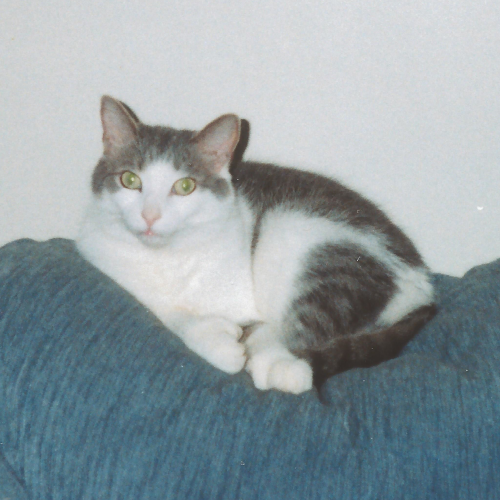 Adopting a senior pet is sometimes described as offering an animal a soft landing for the rest of their life. While that description is accurate, it does not capture the whole story.
In many cases, it is also the beginning of a beautiful new chapter. Older pets still play. They still explore. They still learn new routines and develop new relationships. Their days may move at a slower pace, but their ability to love remains just as strong as ever.
Many adopters say that once they experience life with a senior pet, they begin seeking them out intentionally when adopting again.
Looking Beyond the Gray
When we look at a senior pet, it can be easy to focus on the signs of age. The gray fur, the slower steps, or the extra nap time may stand out at first glance. But if we look a little closer, we often see something else.
We see resilience. We see patience. We see an animal who has already lived through many seasons of life and still has affection to share. Behind every gray muzzle is a story. Sometimes that story includes loss or uncertainty. Sometimes it includes years of loyal companionship.
What adoption offers is the chance to write the next chapter together. And for many people, that chapter becomes one of the most meaningful relationships they will ever have with an animal.