
There is something quietly powerful about an older animal sitting in a shelter kennel or cage. They may not bounce at the front with the wild energy of a puppy or kitten. They may not immediately perform for every passerby. Sometimes they simply watch, waiting with tired eyes, folded paws, gray whiskers, or a slow wag that says, “I still have love to give.”
And yet, too many senior pets are overlooked because of myths. People walk past them believing they are too old, too sick, too expensive, too set in their ways, or too heartbreaking to adopt. I understand where some of those fears come from. Loving an older pet does require honesty, patience, and sometimes a little extra planning. But after decades of caring for animals through youth, aging, illness, and everything in between, I can say this with my whole heart: older shelter animals are not “less than.” They are often some of the most grateful, gentle, soulful companions a person could ever welcome home.
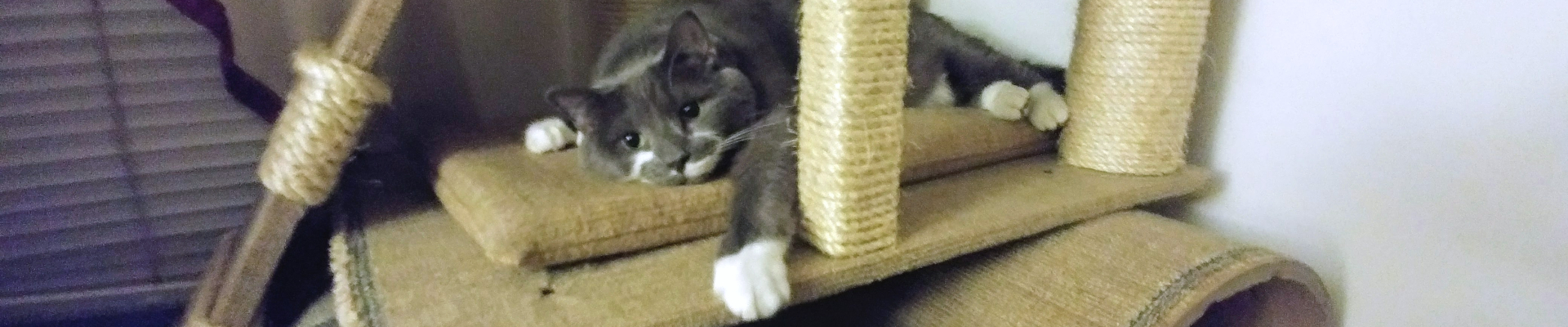
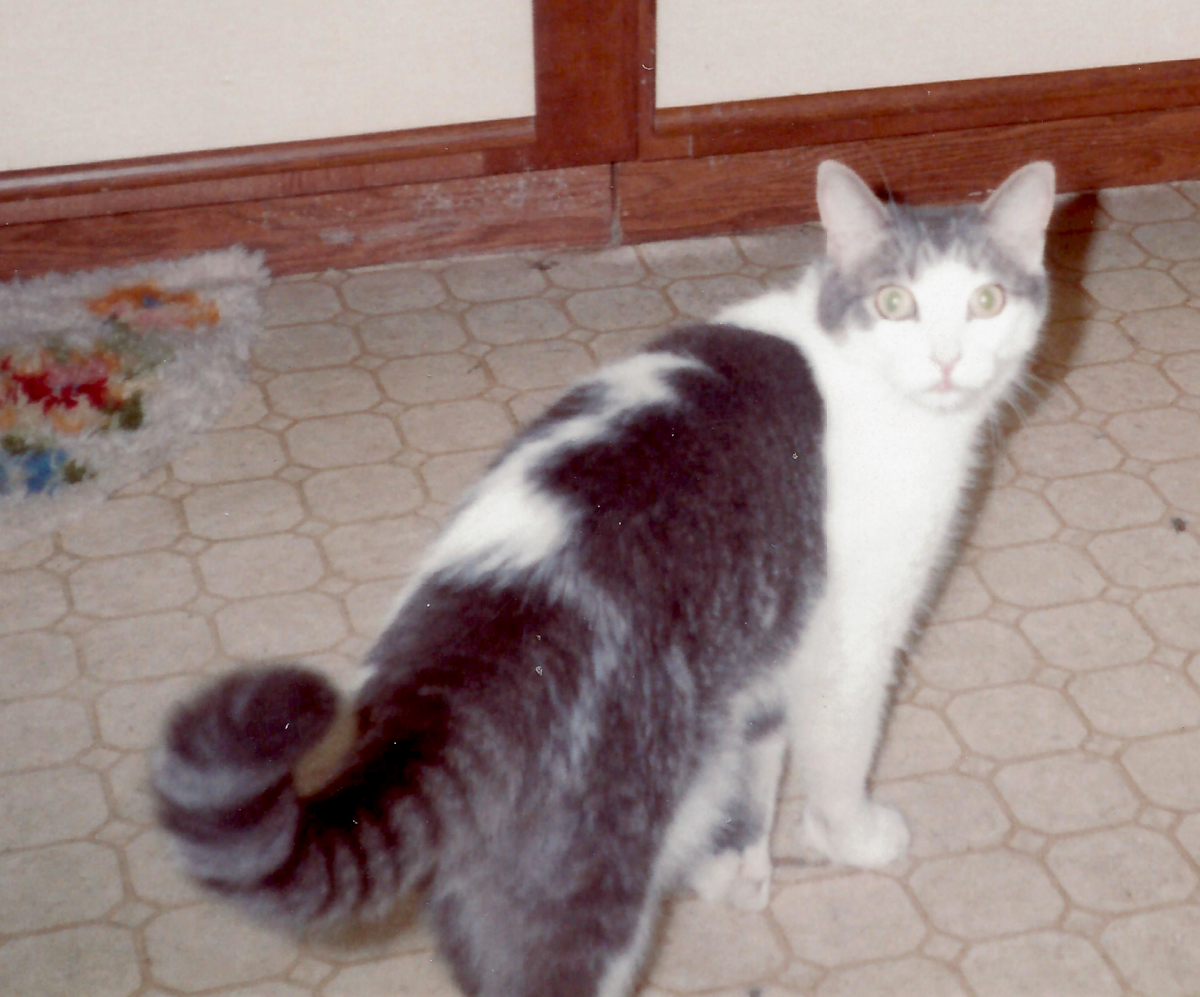
At BellenPaws, we spend a lot of time talking about senior pet care because we have lived it. Belle and Paws, the founding cats behind our name, taught us that aging does not erase personality. It deepens it. A senior pet may move slower, nap more, or need extra vet attention, but they still want comfort, safety, routine, affection, and a place where they belong.
Myth: Older Shelter Pets Cannot Bond Deeply
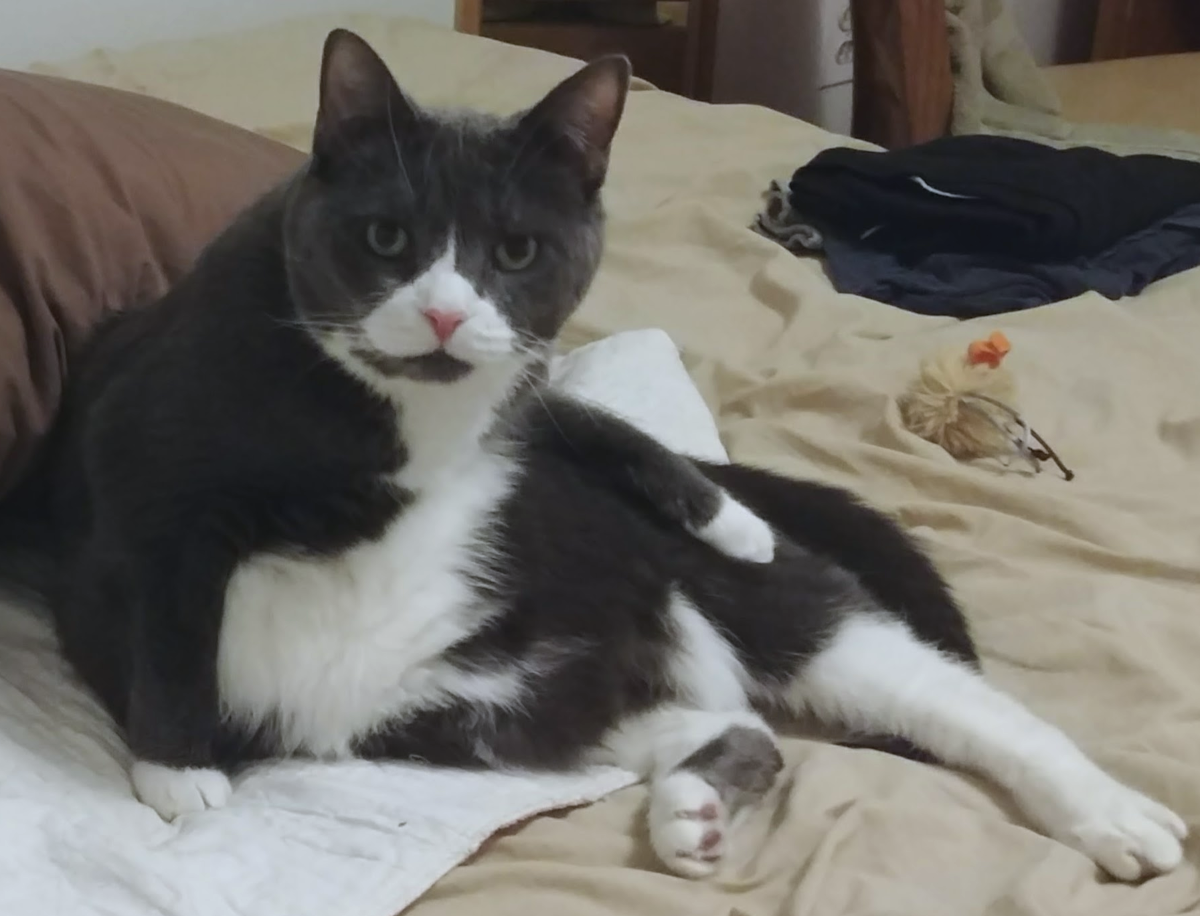 One of the biggest myths about senior shelter animals is that they cannot bond with a new family because they already had a life before. Some people worry that an older cat or dog will always be emotionally tied to a former owner, or that they will never truly feel “yours.” That fear is understandable, especially when we imagine how confusing shelter life must feel to an animal who once knew a home.
But animals are incredibly capable of opening their hearts again. They may need time. They may study your routine before they fully trust it. They may sleep near you before they sleep on you. They may watch from across the room before they decide your lap is safe. That is not failure to bond. That is a senior animal being careful with a heart that has already been through change.
In many cases, older pets seem to understand the gift of a second chance in a way that is hard to put into words. A dog who has been waiting in a shelter may slowly begin leaning against your leg after a few quiet weeks. A senior cat may start by hiding under a chair, then gradually appear at feeding time, then eventually curl up nearby as if claiming the room as home. These are not small moments. They are the building blocks of trust.
A younger animal may bond through play and constant energy. An older animal often bonds through presence. They learn your voice, your footsteps, your schedule, and your kindness. When that trust arrives, it can feel incredibly profound because it was not automatic. It was earned gently.
Myth: Senior Pets Are Always Sick or Too Expensive
Another common fear is that older shelter animals automatically come with overwhelming medical problems. It is true that senior pets may need more regular veterinary care than younger animals. Aging bodies can develop arthritis, dental disease, kidney issues, thyroid problems, diabetes, vision changes, hearing loss, or other conditions. But “older” does not automatically mean “unmanageable,” and it certainly does not mean “not worth adopting.”
 Many senior animals in shelters are there because of human circumstances, not because they did anything wrong. Their owner may have passed away, moved into care, lost housing, faced financial hardship, or been unable to keep them. Some older pets arrive at shelters already stable and healthy for their age. Others may have a manageable condition that simply needs routine care, medication, diet support, or monitoring.
The key is not to pretend senior pets never need care. The key is to go in with open eyes and a prepared heart. Ask the shelter what they know about the animal’s health history. Ask whether bloodwork has been done, whether dental care is needed, whether medications are required, and whether the pet has any mobility or diet concerns. A good rescue or shelter will usually share whatever information they have and help you understand what daily life may look like.
From my own experience with pets like Belle, who dealt with hyperthyroidism, kidney disease, dehydration, and high blood pressure, I learned that medical care can sound scary at first, but routines often become manageable once you understand them. Giving medication, tracking appetite, watching weight, and noticing changes become part of loving them well. You do not need to be a veterinarian to be a devoted caregiver. You simply need to be observant, consistent, and willing to work with your vet.
For diabetic pets especially, structure can make an enormous difference. That is one reason BellenPaws offers tools like our online pet diabetes tracker, printable glucose curve forms, and printable tracking charts. These tools are meant to help pet parents stay organized, notice patterns, and bring clearer information to vet visits. Whether a pet is newly diagnosed or already managed, good records can turn fear into something more practical and steady.
Myth: Older Animals Are Too Set in Their Ways
People sometimes assume an older shelter pet cannot adjust to a new home. They picture a senior dog refusing all new routines or a senior cat rejecting every change. But older animals adjust all the time. They may not adjust in the same way a puppy or kitten does, and that is actually part of their charm.
 A senior pet usually benefits from patience, predictability, and a gentle introduction to the household. They may need a quiet room at first, especially cats. They may need shorter walks instead of long adventures, especially dogs with stiff joints. They may need ramps, soft bedding, easy-access litter boxes, raised bowls, or rugs on slippery floors. These adjustments are not signs that the pet is difficult. They are signs that the home is learning how to welcome them properly.
Older pets often already understand many of the basics. A senior dog may already be house-trained. A senior cat may already know how to use a litter box and live peacefully indoors. Many older animals have lived in homes before, so they understand furniture, voices, meal times, bedtime, and human routines. Of course, every pet is an individual, but the idea that senior animals are impossible to settle is simply not fair.
In fact, some older pets are easier for everyday families than young animals. Puppies and kittens are wonderful, but they can be exhausting. They chew, scratch, climb, wake you up, need training, and sometimes seem powered by tiny chaos engines. A senior pet may be more content with a soft bed, regular meals, gentle play, and companionship. For many households, especially quiet homes, older adults, or people who work from home, a senior animal can be a beautiful match.
Adjustment takes time, but time is not the enemy. It is part of the relationship. When an older shelter pet finally exhales, stretches out on the couch, and realizes they are safe, you can almost feel the room change.
Myth: Adopting a Senior Pet Only Brings Heartbreak
This myth is one of the hardest because it comes from love. People worry that if they adopt an older animal, they will not have enough time together. They are afraid of falling in love and losing them too soon. Anyone who has loved animals understands that fear. The goodbye is the part we all wish we could avoid. But here is the truth I have learned over and over: the possibility of loss does not make the love smaller. It makes the love more intentional.
 When you adopt a senior pet, you may not get fifteen years. You may get several years. You may get one year. Sometimes, you may get only months. But to that animal, those months or years can mean everything. They can mean sleeping in a real home instead of a shelter. They can mean being called by name. They can mean warm blankets, soft voices, favorite treats, sunny windows, safe walks, gentle brushing, and someone noticing when they are uncomfortable.
We often measure pet adoption by how much time we get. But senior adoption asks us to also measure what kind of time we give. A year in a loving home can be richer than years spent waiting. A peaceful final chapter matters. A soft landing matters. Being loved at the end matters just as much as being loved at the beginning.
That does not mean everyone is emotionally ready for senior adoption, and that is okay. It is honest to know your limits. But it is also important not to let fear tell the whole story. Senior pets do not arrive as walking heartbreak. They arrive as individuals with habits, preferences, humor, stubbornness, tenderness, and history. They still have favorite sleeping spots to discover. They still have routines to settle into. They still have love to receive and return.
Seeing the Animal, Not the Age
The most important thing we can do for older shelter animals is see them as whole beings, not as expiration dates. Age is part of their story, but it is not the entire story. A gray muzzle does not mean a dog has stopped enjoying life. Cloudy eyes do not mean a cat has stopped seeking affection. A slower walk does not mean an animal has nothing left to experience.
 When considering a senior pet, try to look beyond the number attached to their age. Ask about their personality. Are they shy or social? Do they like other animals? Are they comfortable with children? Do they prefer calm spaces? Do they still enjoy toys? Do they like being brushed, carried, walked, or talked to? These details matter more than age alone.
It also helps to be realistic about your home. A senior cat with arthritis may need a low-sided litter box. A senior dog may need fewer stairs. A pet with vision loss may need furniture kept in familiar places. A diabetic pet may need meals and medication on a schedule. These are not reasons to avoid adoption. They are reasons to prepare thoughtfully.
There is also no shame in asking a shelter or rescue about foster-to-adopt options when available. Some senior pets reveal their true personality only after leaving the stress of the shelter. A trial period can help both the family and the animal settle into the decision with care.
Most of all, remember that adopting an older animal is not an act of pity. It is an act of respect. You are not taking home a “leftover” pet. You are welcoming a survivor, a companion, and a soul who still has something to give.
Senior shelter animals remind us that love is not reserved for the young, the perfect, or the easiest. Love belongs to the stiff-legged dog who still wags when you say their name. It belongs to the old cat who finally climbs beside you after weeks of watching from the doorway. It belongs to the animal who lost one home and still dares to trust another.
And when that trust comes, it is unforgettable.