
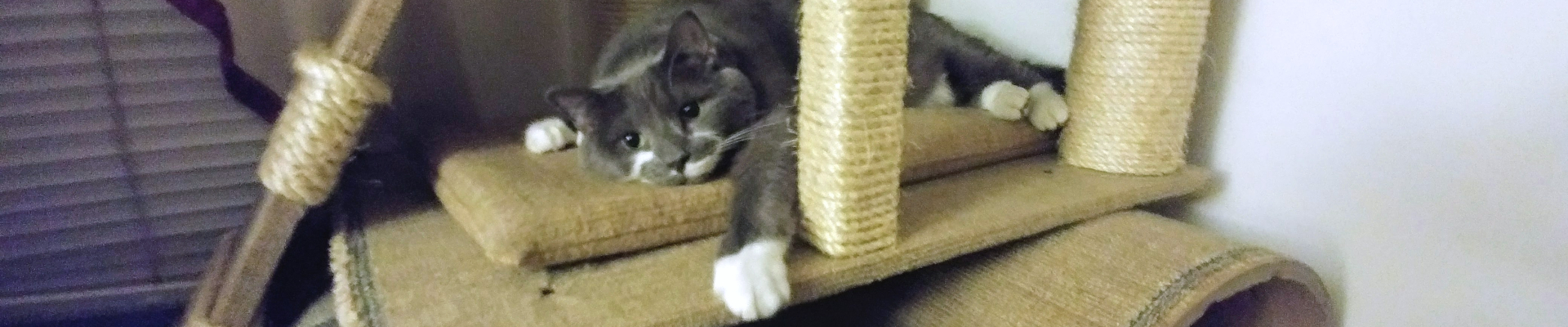


There comes a point in many pet homes when the old bed in the corner starts to look a little less harmless. Maybe it has flattened into a sad pancake. Maybe your senior dog circles five or six times before finally lowering himself down with a sigh. Maybe your older cat still wants to sleep in the sunny window, but you notice she hesitates before stepping onto her favorite cushion. Little changes like these can tug at your heart, because they remind you that comfort is not just a luxury for aging pets. Sometimes, comfort becomes part of daily care.
That is where orthopedic beds enter the conversation. They are often marketed as a miracle solution for stiff joints, arthritis, hip pain, pressure points, and aging bodies. Some are expensive enough to make any pet parent pause and wonder, “Is this actually worth it, or am I just being sold a fancy pillow?” That is a fair question. Most of us would spend anything to make our pets more comfortable, but we also want to be wise with our money and honest about what a bed can and cannot do.
From my perspective as a long-time pet parent, orthopedic beds are not magic. They will not reverse arthritis, heal an injury, or replace veterinary care. But for many senior pets, diabetic pets, thin pets, large dogs, and animals with mobility challenges, the right bed can make a meaningful difference in how they rest, rise, and recover throughout the day.
Comfort Becomes More Important With Age
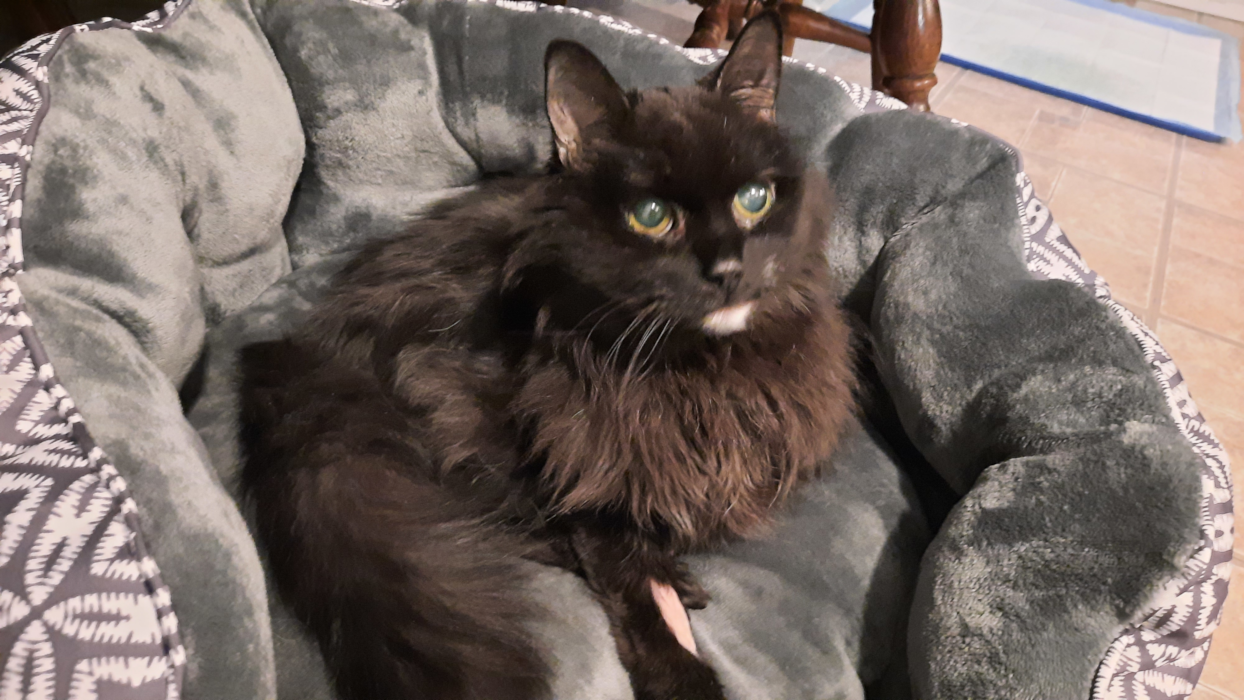 When pets are young, they often seem willing to sleep anywhere. A laundry basket, the cold tile floor, a cardboard box, the back of the couch, the middle of the hallway where everyone has to step over them. Young bodies are forgiving. They can flop down hard, twist into strange positions, and bounce back up like nothing happened.
Senior pets are different. Their bodies often carry years of little aches, weaker muscles, thinner padding over the bones, and joints that do not move quite as easily as they once did. A bed that was “good enough” years ago may no longer provide enough support. You may notice your pet changing sleeping spots more often, choosing rugs instead of hard floors, or having more trouble getting up after a long nap.
With senior cats, this can be subtle. Cats are experts at hiding discomfort, and many will simply adjust their routines rather than complain. A cat with sore hips may stop climbing onto higher furniture. A cat with kidney disease or muscle loss may feel bonier when curled up and may need softer, warmer support. I remember how much we learned from caring for Belle as she aged with kidney disease, high blood pressure, and other challenges. Sometimes the little comforts mattered more than we realized at first, because they helped her settle, rest, and feel safe.
For dogs, the signs may be easier to spot. They may groan when lying down, limp after sleeping, avoid slick floors, or seem stiff in the morning. Larger dogs and heavier dogs often put more pressure on their elbows, hips, shoulders, and spine. For them, a supportive sleeping surface can reduce the strain caused by resting on hard or uneven surfaces.
What Makes a Bed “Orthopedic”?
 The word “orthopedic” gets used a lot, and not every bed with that label is truly supportive. In plain terms, a good orthopedic bed is designed to distribute weight more evenly and reduce pressure on sensitive areas. Instead of your pet sinking straight through to the floor, the bed should cushion the body while still offering enough firmness to support joints.
The most common material is memory foam, although quality varies widely. A thin layer of foam over cheap stuffing may look plush at first, but it can flatten quickly. A better bed usually has a thicker foam base, often several inches deep depending on the size of the pet. For a big dog, thickness matters. For a small cat or tiny senior dog, the bed does not need to be massive, but it still needs to hold its shape.
There is also a difference between soft and supportive. A bed can feel fluffy to your hand but still fail your pet’s body. Think of an old pillow that collapses when you press on it. It may look cozy, but once your pet lies down, their hips or elbows may still be close to the floor. A true orthopedic bed should have some structure. When your pet gets up, the bed should slowly return to shape rather than staying crushed flat.
Bolsters can help some pets feel secure. Many dogs like resting their head on a raised edge, and many cats love having something to curl against. However, bolsters are not ideal for every pet. If a senior dog struggles to step over high sides, or a cat has arthritis and avoids climbing into enclosed beds, a low-entry design may be better. The best orthopedic bed is not always the fanciest one. It is the one your pet can easily use.
When an Orthopedic Bed Is Worth It
 An orthopedic bed is most worth considering when your pet is showing signs of stiffness, aging, arthritis, muscle loss, injury recovery, or difficulty getting comfortable. It can also be useful for pets who spend a lot of time lying down. That includes senior pets, diabetic pets who may tire more easily, dogs with hip or elbow issues, cats with kidney disease or weight loss, and pets recovering from surgery or illness.
For diabetic pets, comfort can be part of the larger care picture. Diabetes management already asks a lot of both pet and parent: meals, insulin timing, glucose checks, curves, careful observation, and emotional patience. With Bentley, who still receives insulin twice a day, we have learned that routines matter. A comfortable resting place does not manage blood sugar by itself, of course, but it can support a calmer daily rhythm. When a pet has a predictable, comfortable place to rest, it can make the whole care routine feel a little gentler.
Orthopedic beds may also help pets who are reluctant to lie down because getting back up is hard. If the floor is too firm, a pet may shift constantly or avoid resting deeply. Good sleep matters. Rest is when the body recovers from the day, and for seniors, recovery can take longer than it used to.
That said, the bed is only one piece of the comfort puzzle. If your pet is suddenly struggling to rise, crying out, limping, dragging a leg, or avoiding normal activity, that deserves a veterinary conversation. A better bed may help with comfort, but it should not be used to cover up pain that needs medical attention.
What to Look For Before Spending the Money
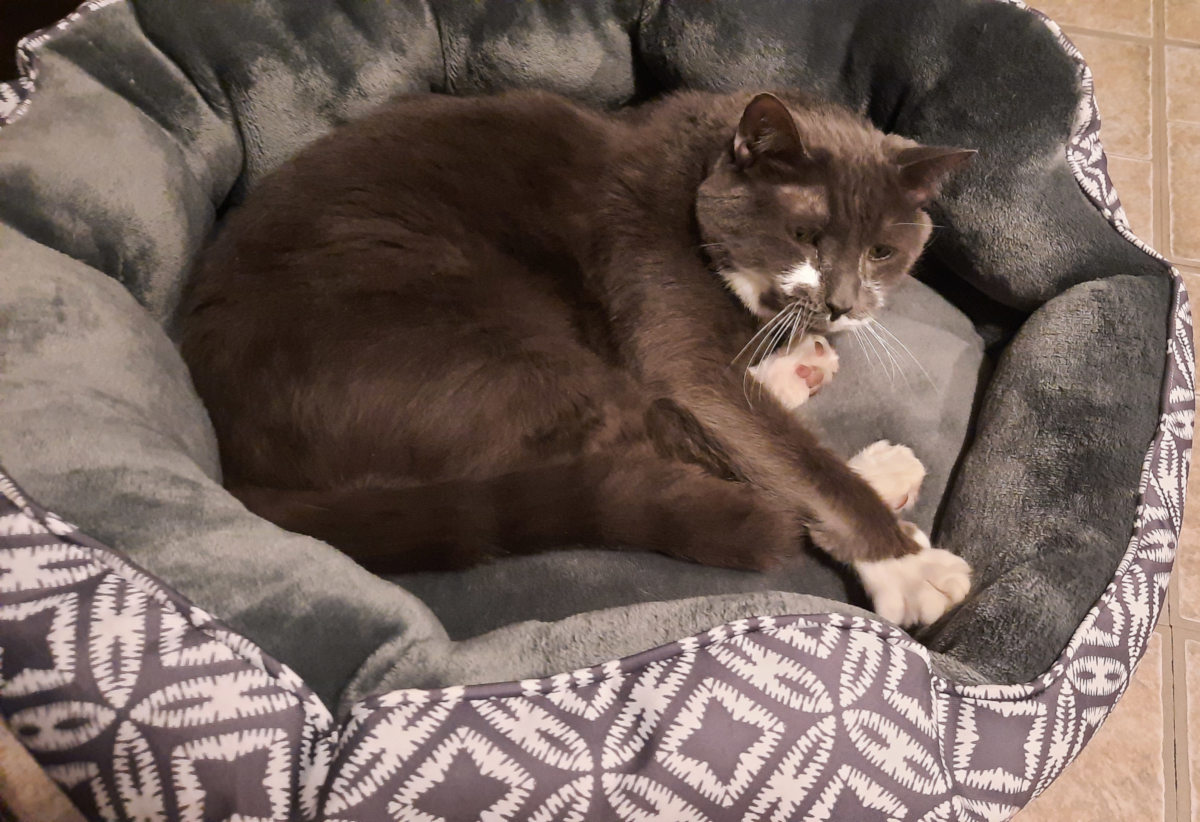 Before buying, look beyond the marketing words. The bed should be easy for your pet to enter, large enough for their natural sleeping position, and firm enough that they do not sink to the floor. If your dog likes to sprawl, measure their body when fully stretched out and add a little extra space. If your cat likes to curl tightly, a smaller bed with soft sides may feel safer, but it should still be easy to step into.
Washability matters more than people think. Senior pets may have accidents. Diabetic pets may drink and urinate more when glucose is not well regulated. Pets with kidney disease, mobility problems, or digestive issues may also need bedding cleaned more often. A removable, washable cover is not a bonus feature in those cases. It is sanity-saving. Waterproof liners are also helpful because foam can be difficult to clean once moisture gets inside.
Traction is another overlooked detail. If the bed slides when your pet steps onto it, that can scare them or make them avoid it. A non-slip bottom or placing the bed on a rug can help. For large dogs, especially those with weak hind legs, the area around the bed should be stable and easy to navigate.
Temperature can matter too. Some memory foam beds hold warmth, which may feel wonderful to a chilly senior cat but too hot for a thick-coated dog. Heated pet beds can be comforting for some animals, but they should be used carefully, especially with pets who have reduced sensation, mobility problems, or any condition that makes it harder for them to move away from heat. When in doubt, ask your vet before using heat products.
When It Might Not Be the Right Purchase
There are times when an orthopedic bed may not be worth the investment, at least not right away. Some pets simply refuse certain textures, shapes, or locations. Cats, especially, can be very opinionated about where they sleep. You can buy the most beautiful bed in the world and still find your cat sleeping in the shipping box it came in. That does not mean the bed is bad. It just means cats are cats.
A bed may also be a poor fit if it is too tall, too soft, too warm, too slippery, or placed in an area your pet does not like. Senior pets often prefer familiar spots. Instead of forcing a new bed into a random corner, try placing it where your pet already likes to rest. You can add a familiar blanket or piece of bedding that smells like home.
Budget also matters. Not every pet parent can spend a large amount on premium bedding, and that is nothing to feel guilty about. A moderately priced supportive bed with a washable cover may be better than an expensive one with features your pet will never use. You can also improve comfort by layering washable blankets over a supportive base, adding rugs for traction, and making favorite resting areas easier to access.
The key is to watch your pet, not the advertising. If your pet sleeps longer, rises more easily, seems less restless, and chooses the bed regularly, that is useful feedback. If they avoid it completely after a fair adjustment period, the design may not match their needs.
The Real Value Is Quality of Life
 So, are orthopedic beds actually worth the investment? For many senior and medically fragile pets, yes, they can be. Not because they are trendy, and not because every expensive bed is automatically better, but because comfort has real value. A supportive bed can help reduce pressure, encourage better rest, and make daily life a little easier for a pet whose body is changing.
As pet parents, we spend so much time focusing on the big things: medications, vet visits, lab work, food choices, insulin schedules, mobility changes, and the hard decisions that come with aging. But our pets live inside the small moments. The soft place to land. The warm nap after breakfast. The bed near the family instead of tucked away alone. The ability to rest without constantly shifting because something hurts.
At BellenPaws, we believe senior pets still have love to give, and part of honoring that love is paying attention to comfort. Whether you choose a high-end orthopedic bed, a simple supportive foam bed, or a carefully arranged resting station with blankets and traction, the goal is the same: helping your pet feel safe, supported, and included.
And if you are caring for a diabetic pet, remember that comfort works best alongside good routines. Our free pet diabetes tracker and printable glucose curve forms can help you organize numbers for your vet while you keep focusing on the heart of the work: loving your pet through the daily details.
An orthopedic bed will not stop time. I wish anything could. But it may soften the edges of aging, and sometimes that is worth more than we expect. For a senior pet who has spent years giving us loyalty, laughter, patience, and quiet companionship, a better place to rest can be one of the simplest ways to give some of that tenderness back.