
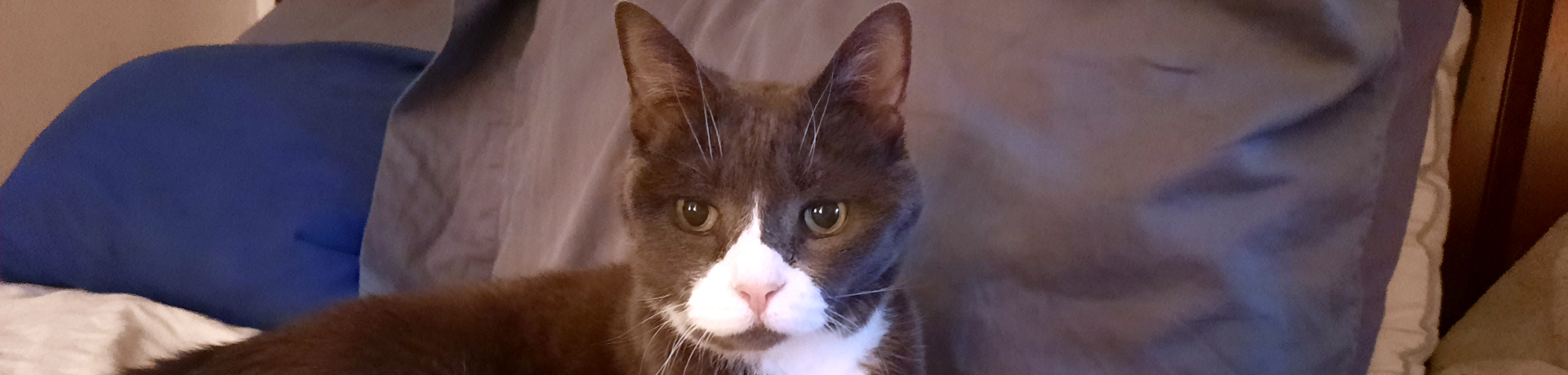
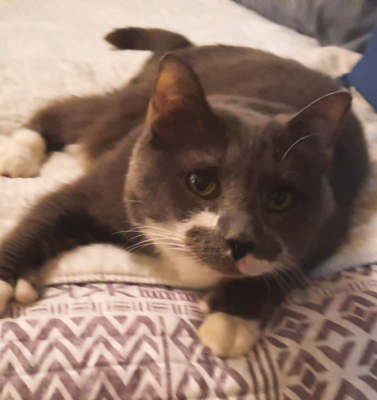
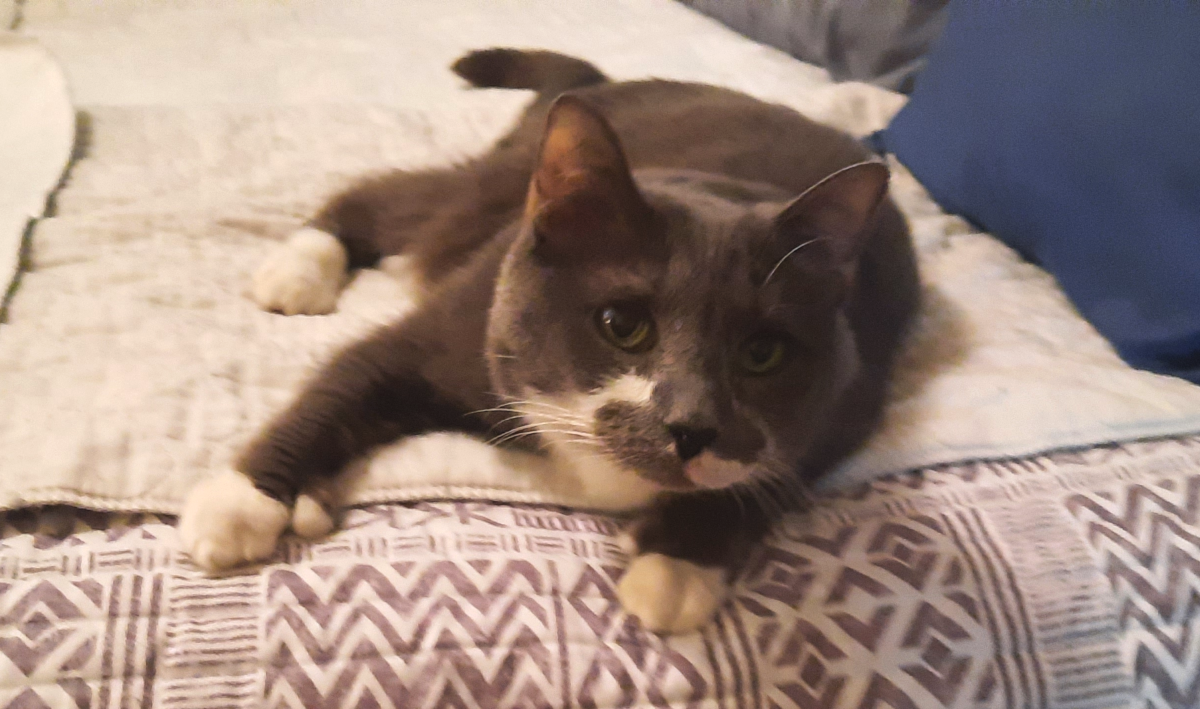
When a cat stops using the litter box, it is easy for people to see it as stubbornness, revenge, or “bad behavior.” I wish that idea would disappear forever, because cats are not little troublemakers plotting against the sofa. More often than not, they are trying to tell us something with the only tools they have.
For declawed cats, litter box avoidance is often a message written in pain, fear, memory, and discomfort. It may begin right after surgery, or it may show up years later when arthritis, age, nerve sensitivity, or old trauma makes those paws hurt more than they used to. Either way, the connection deserves compassion before correction.
Declawing is not just removing a cat’s nails. It removes the last bone of each toe, changing the way a cat stands, walks, digs, stretches, balances, and defends herself. That matters deeply when we talk about the litter box, because using a box is not simply stepping in, doing business, and stepping out. A cat has to walk on litter, turn around, squat, dig, cover, and push against a surface that may feel uncomfortable or even painful.
Why the Litter Box Can Become a Place of Pain
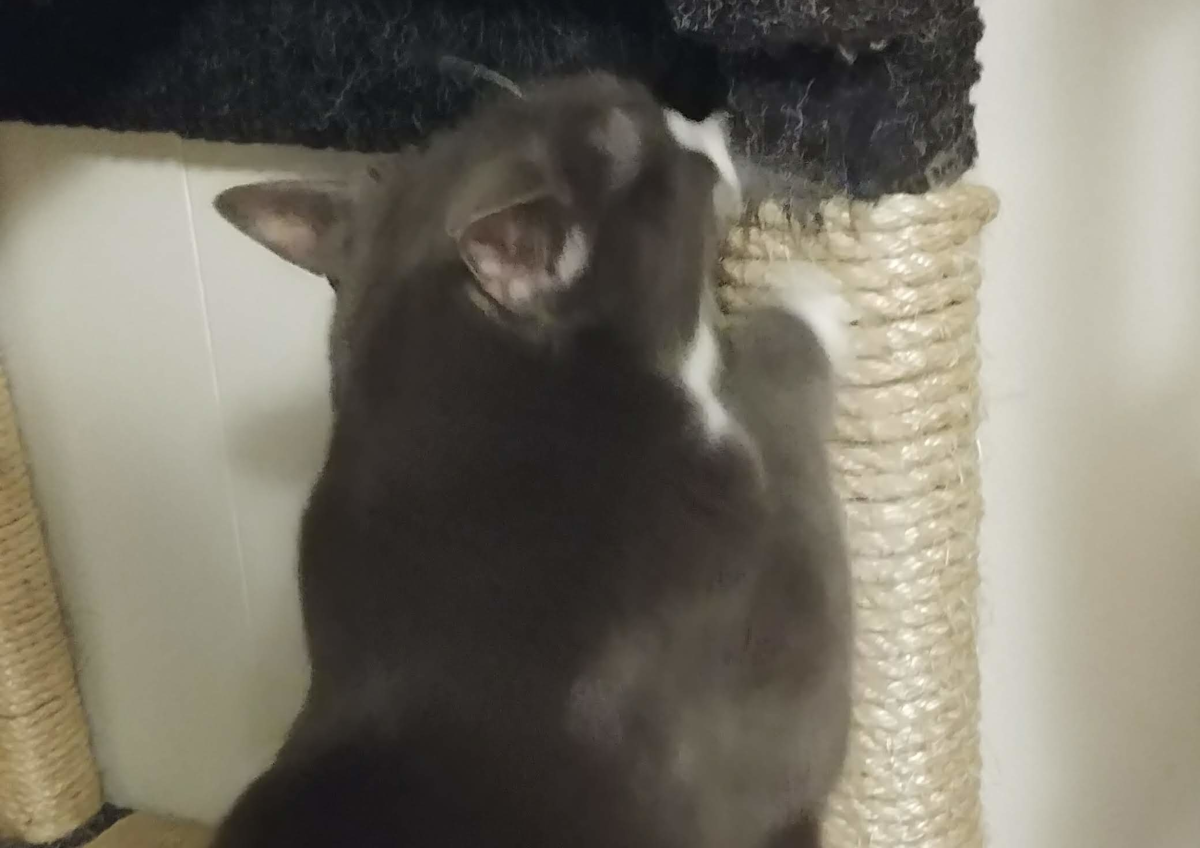 Think about walking barefoot across gravel with sore toes. Now imagine someone expects you to stand there calmly, squat, dig with your hands, and then cover everything up before leaving. That is not a perfect comparison, but it gives us a small window into what a declawed cat may feel when the litter is hard, sharp, dusty, deep, or unstable under her feet.
Cats are masters at connecting experiences. If a cat feels pain while digging in the litter box, she may not understand that the pain is coming from her altered paws. She may simply decide, “That box hurts me.” Once that connection forms, the box can become something she avoids, even if the original pain changes or fades.
This is why declawed cats may seek out softer places. A pile of laundry, a bath mat, a bedspread, a couch cushion, or a smooth floor may feel safer under tender paws. To us, it looks like a housebreaking problem. To the cat, it may be problem solving. She is choosing the surface that hurts the least.
I have always believed that when an animal changes behavior, the first question should be, “What are they trying to survive?” That mindset has helped me through senior care, diabetic care, kidney care, thyroid care, and all the quiet little adjustments that come with loving aging pets. When Belle was dealing with multiple senior issues, I learned over and over that comfort is not a luxury. Comfort is communication.
Declawing Changes More Than the Claws
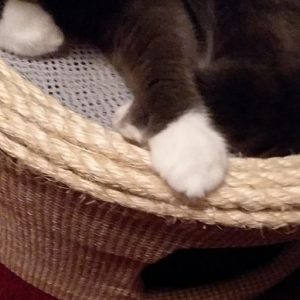 A cat’s claws are part of a larger system. They help with stretching, gripping, balance, climbing, confidence, play, and normal feline expression. When the toes are surgically altered, the body often compensates. A cat may shift weight backward, walk differently, avoid pressure on the front paws, or become more guarded about certain movements.
That altered movement can ripple through the body. Some declawed cats become reluctant to jump. Some seem tense when touched around the paws. Some stop scratching altogether, while others still go through the motion without claws because the need to stretch and mark territory is still built into them. Some become more likely to bite because their first line of defense has been removed.
The litter box is where many of these changes become obvious. Digging requires pressure through the front paws. Covering waste requires repeated scraping. Even stepping into a high-sided box can be harder if the cat is sore, older, overweight, arthritic, or diabetic. For senior cats, these issues can stack up quietly until the box becomes too much.
That is one reason I always encourage pet parents to look beyond the single event. A cat may have been declawed years ago and used the box just fine for a long time. Then age arrives. Arthritis arrives. Diabetes arrives. Kidney disease arrives. Weight changes arrive. Suddenly the old surgical changes matter more because the body has less room to compensate.
With diabetic cats like Zippy and Bentley, I learned how important it is to watch patterns, not just incidents. One accident outside the box may be a fluke. Repeated accidents are a message. Increased urination, difficulty stepping into the box, hesitation before digging, or choosing soft surfaces can all be clues that something physical or emotional needs attention.
What Litter Box Avoidance May Look Like
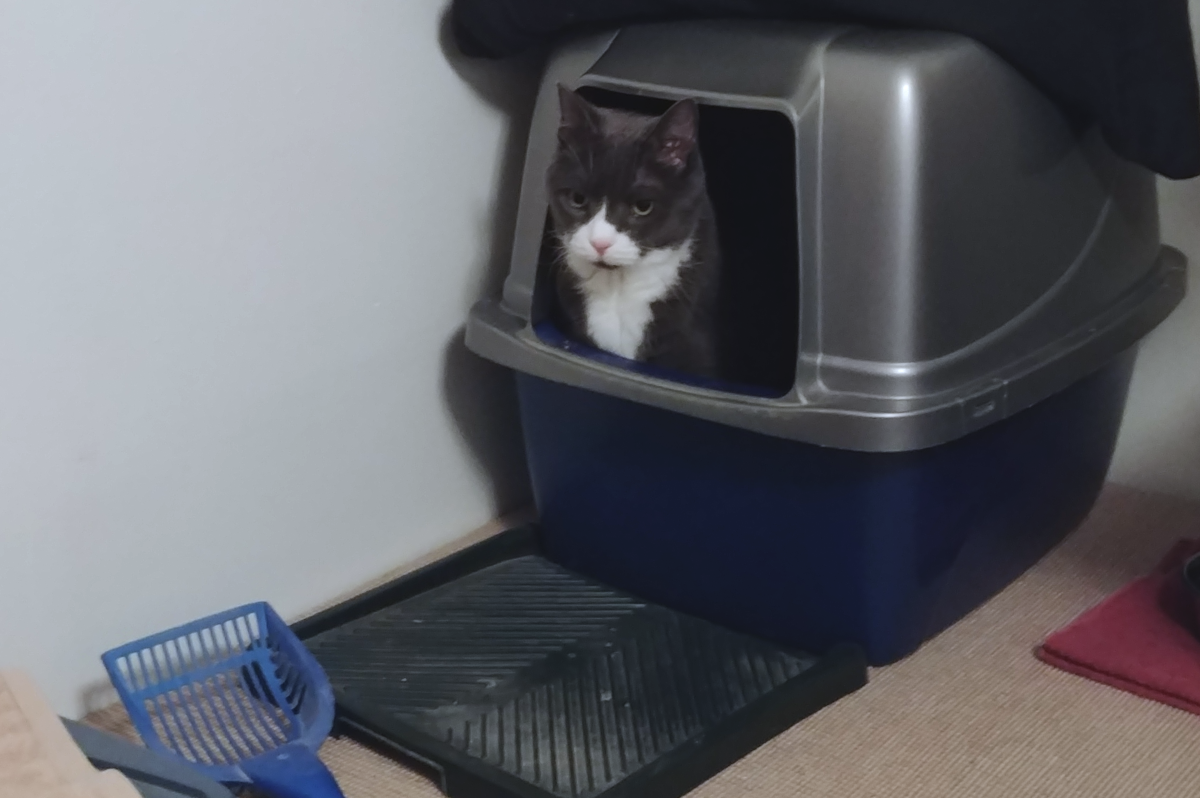 Litter box avoidance is not always dramatic. Sometimes a cat still urinates in the box but defecates outside it. Sometimes she steps into the box, turns around, and leaves. Sometimes she perches on the edge because she does not want her paws touching the litter. Sometimes she uses the box only when it is freshly cleaned, because softer, looser litter is less painful than packed or damp litter.
Other cats avoid covering their waste. That can be easy to misread as laziness or attitude, but covering requires paw pressure and repeated scraping. A declawed cat may decide the task is not worth the discomfort. She may also leave the box quickly, almost like she wants to escape the surface under her feet.
Location can matter too. A box in a basement, laundry room, or far corner may be too difficult for an older or sore cat to reach comfortably. Stairs, slick floors, loud appliances, dogs, other cats, and high box walls can all add stress. Once discomfort and stress combine, the cat may begin choosing a place that feels easier, quieter, and safer.
The hard part is that shame does not help. Punishment does not help. Rubbing a cat’s nose in a mess, scolding, chasing, or locking her near the box only teaches fear. Fear can make avoidance worse. A cat who already associates the box with pain does not need more negative feelings attached to it.
The kinder path is investigation. A veterinary exam is important, especially if the avoidance is new, sudden, or paired with changes in thirst, appetite, weight, mobility, or urine volume. Urinary tract issues, constipation, kidney disease, diabetes, arthritis, and pain can all affect litter box habits. Declawing may be part of the picture, but it should not be the only thing considered.
Creating a Gentler Box for Tender Paws
 For a declawed cat, the goal is to make the litter box feel safe again. That usually starts with the surface. Many declawed cats do better with softer, finer, low-dust litter. Harsh pellets, sharp crystals, rough clay chunks, or deep heavy litter may be uncomfortable. The right texture can make a big difference, especially when the cat has spent months or years avoiding the box.
The box itself should be easy to enter. Low-entry boxes are often kinder for senior cats, arthritic cats, overweight cats, and cats with sore paws. A large, uncovered box gives the cat room to turn without feeling trapped. Covered boxes may hold odor and make some cats feel cornered, especially if they are already anxious.
Depth matters too. Some cats like enough litter to dig, but a declawed cat may prefer a shallower layer that does not shift too much underfoot. Cleanliness matters because damp clumps can harden, stick, or create unpleasant pressure. Scooping often is not just about smell. It is about texture, comfort, and trust.
It can help to offer choices without forcing change overnight. Place a second box nearby with a softer litter and low entry, while leaving the old box available for familiarity. Cats are cautious by nature, and a sudden switch can create more stress. Let the cat discover the new option and decide that it feels better.
For diabetic pets, tracking patterns can be especially helpful. On BellenPaws, we offer a free online pet diabetes tracker with printable charts and tables for vet visits, along with printable blank glucose curve forms. While those tools are designed for diabetes care, the same mindset applies here. Patterns tell stories. When a cat eliminates, where she chooses to go, how often she urinates, and whether the behavior changes after pain management or litter changes can all help you talk more clearly with your vet.
Compassion First, Always
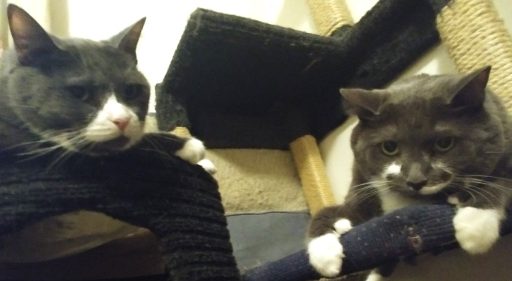 Declawed cats are often misunderstood. Many were declawed before their current families adopted them. Some pet parents made the decision years ago because they were told it was routine, harmless, or necessary. This article is not here to shame anyone. Shame does not help cats, and it does not help the people trying to care for them now.
What does help is honesty. Declawing can have long-term consequences, and litter box avoidance is one of the most heartbreaking ones because it damages the bond between cat and human. A person may feel frustrated, embarrassed, exhausted, or even hopeless. Meanwhile, the cat may be in pain, confused, anxious, or simply trying to avoid a surface that hurts.
When we shift from blame to compassion, the whole situation changes. Instead of asking, “Why is my cat doing this to me?” we can ask, “What is my cat feeling when she enters that box?” That question opens the door to better litter, easier access, vet care, pain assessment, senior-friendly setups, and a more peaceful home.
A declawed cat who avoids the litter box is not broken. She is communicating. She may need softer footing, a lower box, better pain control, medical attention, more privacy, or simply a patient person willing to listen with their heart.
At BellenPaws, we believe senior pets and special-needs pets still have so much love to give. Sometimes loving them well means slowing down and reading the little signs. A missed litter box is not just a mess to clean. It may be a pawprint pointing us toward pain, fear, or discomfort.
And when we answer that pawprint with kindness, we give our cats something they should have always been able to count on: a home that listens.